
Tour Summary
Beijing’s history is not only preserved in polished palace halls. Some of it survives in fragments — broken stone columns, partial walls, quiet temple courtyards that have outlived dynasties.
This one-day route is designed for travelers who want to look beyond the obvious imperial highlights. You’ll begin at the haunting ruins of the Old Summer Palace, trace the outline of Beijing’s medieval defenses, and end the day at one of the city’s oldest surviving Buddhist temples.
It’s not a glossy version of history. It’s layered, sometimes uncomfortable, and deeply meaningful.
Route: Old Summer Palace (Yuanmingyuan) → City Wall Ruins Park → Lunch → Fayuan Temple
Duration: 8–9 hours
Best For: History enthusiasts, repeat visitors, thoughtful travelers
Travel Style: Reflective exploration with historical context
Pace: Balanced (steady walking with pauses for explanation)
Tour Itinerary
The Old Summer Palace tells a story of destruction and memory. From there, you step even further back in time to the remnants of Beijing’s earlier city walls — symbols of medieval power and defense.
The afternoon softens at Fayuan Temple, where history feels continuous rather than interrupted. The sequence moves from imperial decline → ancient foundation → spiritual endurance.
- The Old Summer Palace is in northwestern Beijing; start early to avoid traffic.
- The City Wall Ruins Park and Fayuan Temple are in different districts; private transport is recommended.
- Walking distances at each site are manageable but require comfortable shoes.
- Allow flexibility — historical sites deserve time.
Morning
Old Summer Palace (Yuanmingyuan)
Arrive around 8:30 AM at
Old Summer Palace, known in Chinese as Yuanmingyuan.
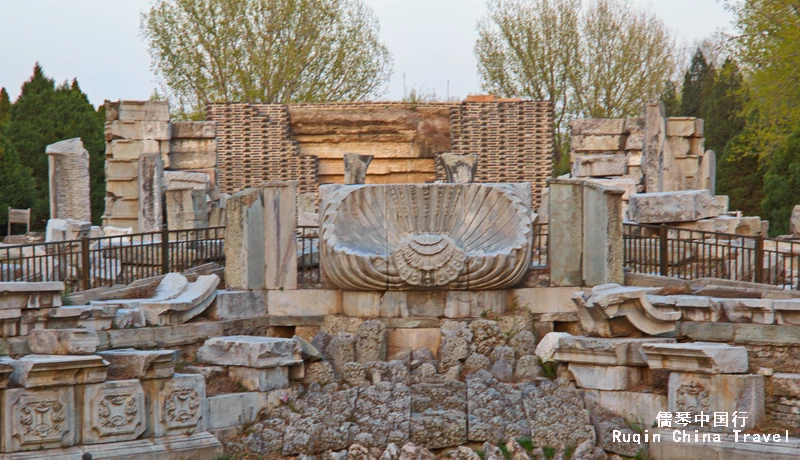
Once called the “Garden of Gardens,” this complex was larger and more elaborate than the Forbidden City. It combined Chinese landscape design with European-style palaces and fountains.
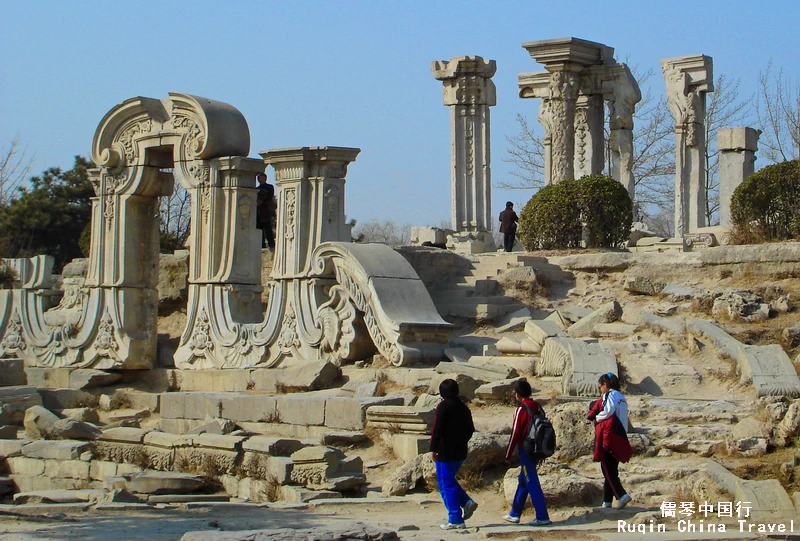
Old Summer Palace (Yuanmingyuan)
In 1860, during the Second Opium War, much of it was destroyed. What remains today are scattered marble fragments, quiet lakes, and overgrown foundations.
Walking here feels different from walking in a restored palace. The absence is part of the story.
I usually encourage visitors to move slowly and imagine scale — where halls once stood, how the gardens flowed.
Allow 2–2.5 hours.
Late Morning
Beijing City Wall Ruins Park
Around 10:30–11:00 AM, continue to the
Beijing City Wall Ruins Park.
These remnants date back to Yuan Dadu, when Beijing first became the capital under the Mongol Yuan Dynasty in the 13th century.
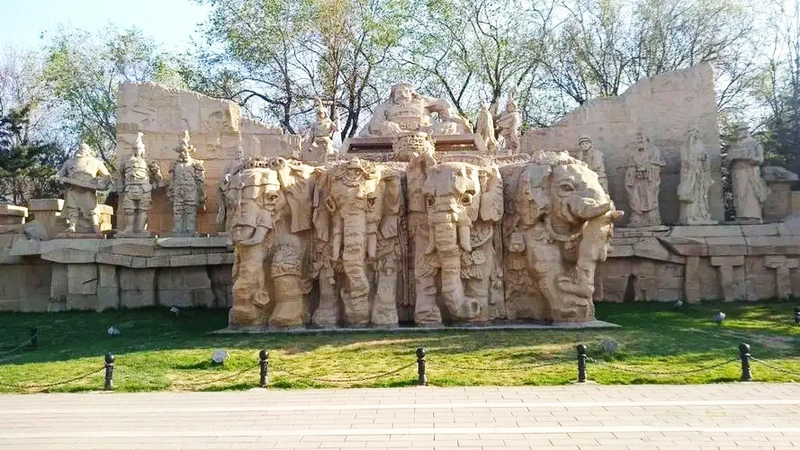
Beijing City Wall Ruins Park.
What you see now is only a fragment — earth and brick sections rising quietly above modern roads.
But this was once part of a massive defensive system protecting the imperial capital.
Standing here, it becomes easier to understand how Beijing’s urban structure evolved — layer upon layer.
Allow about 45–60 minutes.
Midday – Lunch
Around 12:30 PM, enjoy lunch at a local restaurant nearby.
A simple Beijing-style meal works well:
- Braised dishes
- Noodles
- Seasonal vegetables
Take your time. History-heavy mornings benefit from a pause.
Afternoon
Fayuan Temple
Arrive around 2:30–3:00 PM at
Fayuan Temple, one of the oldest temples in Beijing, founded during the Tang Dynasty.
Unlike Yonghe Temple, Fayuan feels understated and contemplative.
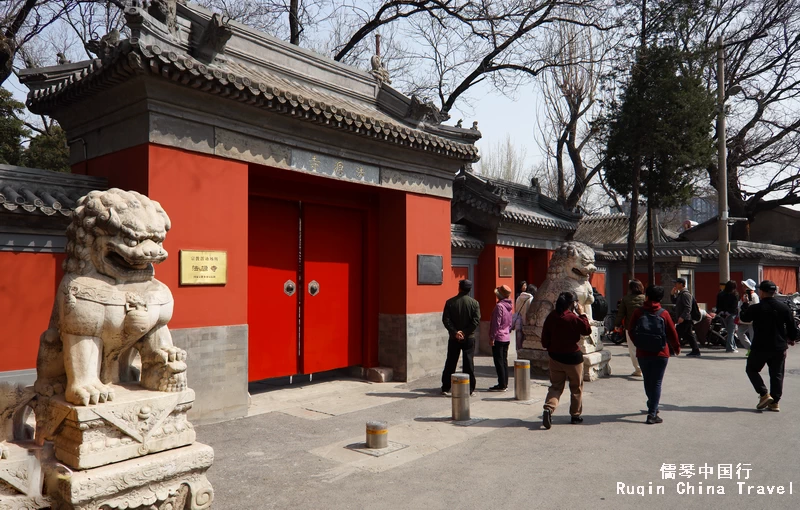
The entrance to the Fayuan Temple,
You’ll notice:
- Ancient trees shading stone paths
- Quiet courtyards
- Historic steles and inscriptions
- Active monks moving quietly between halls
This temple has endured political upheaval and dynastic change. Its survival itself tells a story.
Allow about 1–1.5 hours here.
Why end here: After ruins and walls, this living temple offers continuity.
Around 5:00 PM
Return to your hotel.
The day tends to feel full — intellectually more than physically.
Practical Notes from Me
- Wear supportive walking shoes — Yuanmingyuan covers large grounds.
- Bring water, especially in warmer months.
- Respect temple etiquette: quiet voices, modest clothing.
- Autumn light at Yuanmingyuan can be particularly atmospheric.
Beijing’s history is not always grand and intact.
Sometimes it’s broken stone. Sometimes it’s a surviving wall. Sometimes it’s a quiet temple courtyard that has seen more centuries than we can easily imagine.
If you’re willing to look closely, the city tells its story patiently.
Questions About Planning Your Trip to China
If you still have questions after reading the guides, you’re very welcome to write to me.
I’ve helped many travelers think through routes, train connections, timing between cities, and the small details that make a trip smoother. If something feels unclear — or you’d simply like a second opinion — I’m happy to help.
Just use the short form below and tell me a little about your plan.
There’s no fee for a simple question. No pressure — just a practical reply based on real experience here in China.
If I’m traveling, replies may take a little time. Thank you for your patience.
We respect your privacy. Your details will never be shared or used for marketing.