Practical Planning for Travelers with Mobility Needs
Travel in China is possible for visitors with mobility needs, but accessibility can vary quite a lot from place to place.
In many large cities you’ll find improving infrastructure — metro stations with elevators, newer hotels with accessible rooms, and some major attractions that have made efforts to accommodate wheelchair users. At the same time, many historic areas, older neighborhoods, and mountain sites still present challenges such as steps, uneven stone paths, or long walking distances.
Because of this, good preparation makes a real difference.
In this section, I share practical information based on my years working with travelers across China — helping visitors move through cities, enter major sites, and handle the small logistical details that can make a trip either smooth or frustrating.
Here you’ll find guidance on things such as:
-
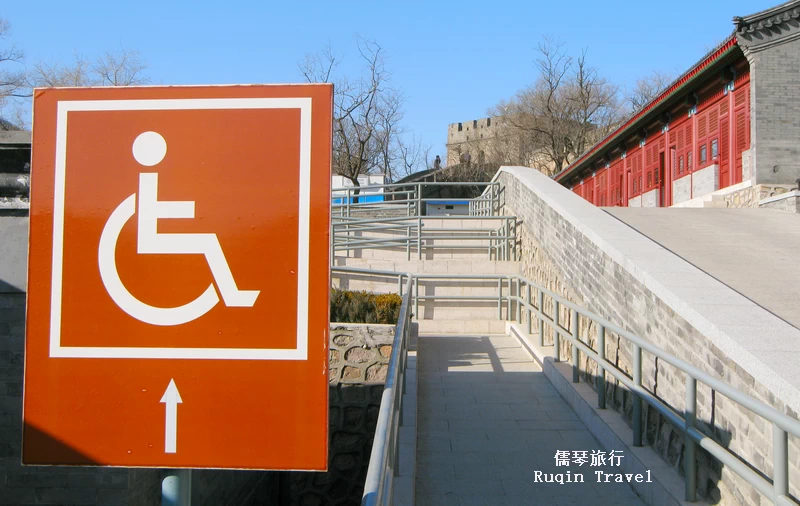
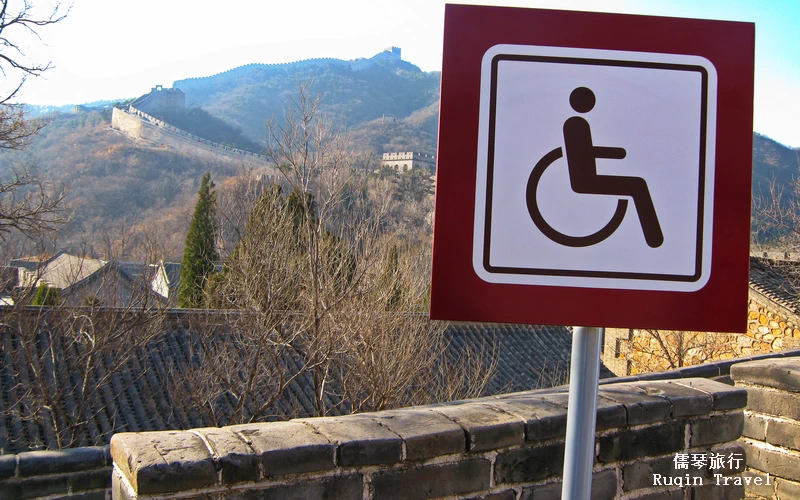
Wheelchair access at major attractions like the Forbidden City and selected sections of the Great Wall
-
Accessibility on China’s metro systems and high-speed trains
-
Hotel layouts and what to expect from accessible rooms
-
Public restroom availability
-
Realistic conditions at historic sites and older streets
Some destinations are easier to visit than others. In many places assistance may still be needed, and certain areas may simply not be practical to access.
My goal here is to help you understand what is possible, what requires planning, and where expectations need to be adjusted — so you can travel with more confidence and fewer surprises.
If you use a wheelchair and have questions about visiting China, feel free to write to me. I’m always happy to share what I know and help you think through the practical details.
You can begin by exploring the destination-specific accessibility guides below.