
Written and updated by Ruqin
Last updated: March 7, 2026
Traveling in China can be an incredibly rewarding experience. From ancient temples and historic cities to dramatic landscapes and vibrant street life, the country offers endless cultural discoveries. However, for foreign travelers with disabilities — especially wheelchair users — a trip to China often requires a bit more preparation and awareness.
Over the years, I’ve helped many international visitors navigate China, and one concern comes up again and again: how accessible is it really? The truth is that accessibility in China is still developing. Some modern areas offer ramps, elevators, and accessible facilities, while older neighborhoods and historic sites can present challenges.
That said, accessible travel in China is absolutely possible with the right planning. In this guide, I’ll walk you through practical tips on accessible hotels, transportation, attractions, and everyday travel logistics to help make your journey smoother and more enjoyable.
Accessible Travel in China: An Overview
When travelers ask me about accessibility in China, my answer is always honest: progress is real, but consistency is not.
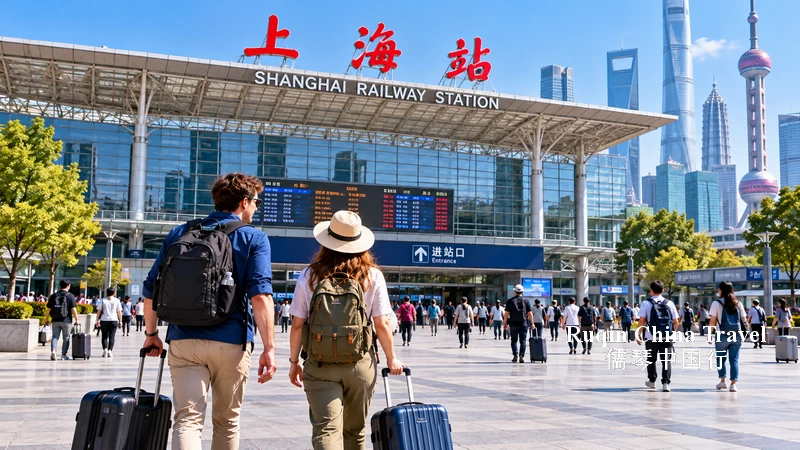
In China’s major cities — especially Beijing, Shanghai, and Guangzhou — accessibility has improved noticeably over the years. Modern airports, high-speed train stations, and many newer public buildings usually include ramps, elevators, and accessible restrooms. Large shopping malls and international hotels also tend to be much easier to navigate.
However, once you step into older neighborhoods, historic attractions, or smaller cities, things can change quickly. Uneven sidewalks, steps at entrances, and limited accessible facilities are still common.
Because of this, accessible travel in China often comes down to careful planning and knowing what to expect in advance. With the right preparation, many destinations are still very possible — and deeply rewarding to experience.
Disabled-Friendly Destinations in China
When travelers ask me where accessible travel in China is easiest, I usually suggest starting with Beijing, Shanghai, or Xi’an. These cities have the most developed infrastructure and are generally more manageable for visitors with mobility needs.
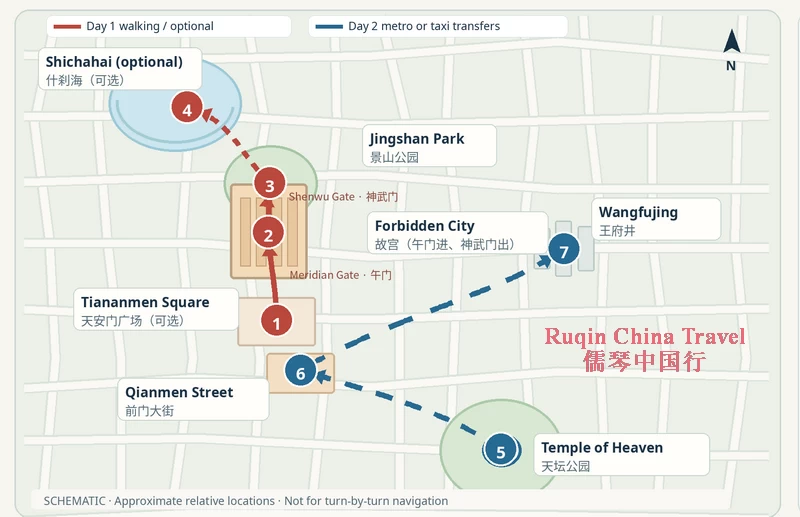
In Beijing, major attractions like the Forbidden City and the Temple of Heaven have improved pathways and ramps in many areas. The subway system in the city also includes elevators in many stations, though not every entrance is equally convenient.
Shanghai tends to feel even smoother. The Bund’s riverside promenade is flat and spacious, and many newer areas of the city are designed with accessibility in mind.
In Xi’an, the Terracotta Warriors Museum has added ramps and accessible pathways, making it easier for wheelchair users to explore this remarkable site.
China Accessibility for Wheelchair Users
From my experience helping travelers plan their trips, wheelchair accessibility in China can vary quite a bit depending on the city and the specific location. In large cities like Beijing and Shanghai, public transportation is generally more accommodating. Many subway lines include elevators, step-free entrances, and designated spaces for wheelchairs inside the train cars.
That said, not every station entrance has an elevator, and sometimes the accessible route can be a bit hidden. It’s always wise to check the station layout in advance.
Taxis are another practical option, though fully accessible vehicles are still limited. At major attractions, you’ll often find ramps or accessible paths, but conditions can vary. I usually recommend confirming accessibility with the site ahead of time to avoid surprises.
Accessible Hotels in China
Choosing the right hotel can make a big difference when planning accessible travel in China. In my experience, international hotel chains are usually the safest choice for travelers who need accessible rooms. Brands like Hilton, Marriott, and InterContinental typically offer rooms designed with wider doorways, roll-in showers, grab bars, and step-free access.
That said, not every “accessible room” is exactly the same, even within the same hotel brand. I always suggest booking directly through the hotel or sending a quick email to confirm the details. Ask specifically about bathroom layout, elevator access, and step-free entrances.
In China’s larger cities, most modern hotels also have elevators and ramps at the main entrance. A quick confirmation beforehand can save you a lot of stress when you arrive.
China Public Transport Accessibility
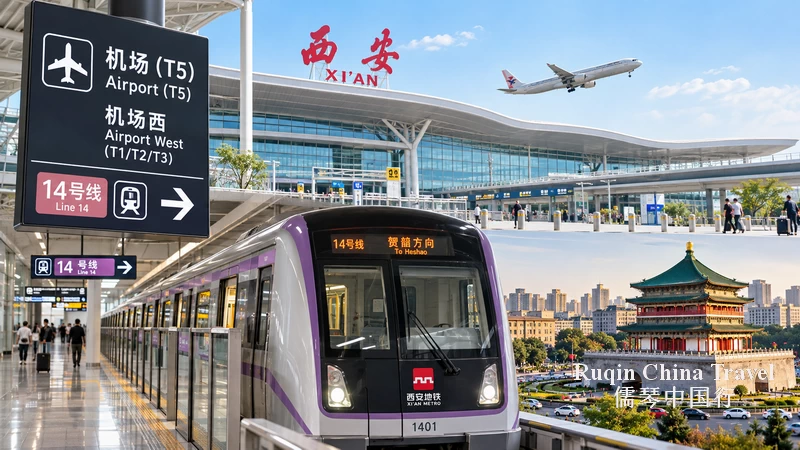
Public transportation in China has improved a lot over the past decade, especially in the larger cities. In places like Beijing, Shanghai, and Guangzhou, many metro stations now have elevators, wider gates, and tactile paving for visually impaired passengers.
City buses in major urban areas are also becoming more accessible. In Beijing, for example, many buses have low floors and fold-out ramps, which can make boarding easier for wheelchair users.
That said, accessibility is still uneven. Some subway entrances may lack elevators, and smaller cities or older transport systems may not offer the same facilities.
Because of this, I always recommend checking routes and stations in advance. A little planning can make navigating China’s public transport much smoother during your trip.
Wheelchair-Friendly Attractions in China
One thing I always tell travelers is that many of China’s most famous sights are becoming more accessible, especially in major tourist cities.
In Beijing, the Forbidden City has added ramps along key routes, and wheelchairs are sometimes available at the entrance. Sections of the Great Wall at Badaling and Mutianyu have also introduced better pathways and facilities, although some areas still involve slopes and uneven ground.
In Shanghai, accessibility tends to be easier. The Bund’s riverside promenade is wide, flat, and one of the most comfortable places in the city for wheelchair users. Landmarks like Shanghai Tower and the Oriental Pearl TV Tower are modern buildings with elevators and accessible restrooms.
Meanwhile in Xi’an, the Terracotta Warriors Museum has ramps and accessible viewing platforms, allowing wheelchair users to comfortably see this remarkable archaeological site.
Disabled Traveler Tips China
Over the years, I’ve noticed that good preparation makes a huge difference for travelers with mobility needs visiting China. A few small steps before the trip can save a lot of stress later.
First, bring any essential items you rely on — medications, mobility aids, or specific equipment. These may be difficult to find locally, especially if you need a particular model or brand.
Many travelers also find it helpful to work with a local guide or tour service that understands accessibility needs. Having someone who knows the city and can communicate with drivers, hotels, and attractions can make daily logistics much easier.
It’s also useful to learn a few simple Mandarin phrases or carry a short note in Chinese explaining your needs. In unexpected situations, that little piece of paper can be incredibly helpful.
Accessible Tourism China: A Growing Industry
Over the past few years, I’ve noticed a gradual but encouraging shift in China’s tourism industry. Accessible travel is gaining more attention, and some tour operators are beginning to design trips specifically for travelers with mobility needs.
These tours often arrange accessible transportation, suitable hotels, and visits to attractions that are easier to navigate. Having those logistics handled in advance can make a big difference, especially in a country where accessibility information isn’t always easy to find online.
Some tours also focus on cultural experiences rather than rushing between sights — things like tea ceremonies, calligraphy demonstrations, or local food tastings.
For many travelers, choosing an experienced operator simply brings peace of mind, knowing that accessibility has already been carefully considered throughout the journey.
Mobility Aids in China
When I help travelers prepare for accessible travel in China, one piece of advice always comes up first: bring the mobility equipment you rely on. While large cities like Beijing or Shanghai do have medical supply stores, the selection of wheelchairs or specialized aids can be limited, and it may be difficult to find the exact model you need.
If possible, it’s also wise to pack a few basic spare parts or small repair tools, especially for longer trips. Simple things like a loose screw or worn tire can be harder to fix when replacement parts aren’t easy to locate.
Before flying, check your airline’s policy for mobility aids. Most airlines allow wheelchairs and assistive devices to travel free of charge, but confirming the details in advance can make the airport experience much smoother.
Accessible Transportation China
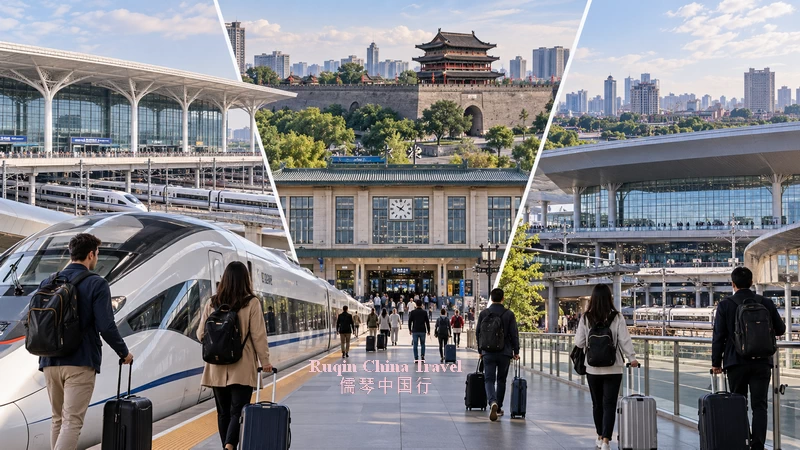
Transportation is often one of the biggest concerns for travelers planning accessible travel in China. Fortunately, some options are becoming easier to use, especially on the country’s excellent high-speed rail network.
Most high-speed trains include wheelchair-accessible seats in a designated carriage. These areas usually have wider spaces for wheelchairs and access to an accessible restroom nearby. For longer journeys, this can be one of the most comfortable ways to travel between major cities.
The main challenge is availability. Accessible seats are limited and sometimes require assistance from station staff when boarding.
Because of that, I always recommend booking train tickets as early as possible and clearly noting your accessibility needs. A hotel concierge, travel agent, or local guide can often help make the process much smoother.
Traveling in China as a disabled visitor does take thoughtful planning, but the experience can be deeply rewarding. Across the country, historic landmarks, vibrant cities, and cultural traditions are becoming gradually more accessible. With a little research, the right hotel choices, and a clear transportation plan, many travelers with mobility needs are able to explore China comfortably.
I’ve also seen steady progress in recent years. As awareness of accessible tourism grows, more hotels, attractions, and transport services are improving their facilities. With the right preparation and expectations, China can be a fascinating and welcoming destination to experience.
About the Author
Ruqin is the founder of Ruqintravel.com and has spent more than four decades working in China’s travel industry. Drawing on hands-on experience in cities like Beijing and Hangzhou, he personally researches and updates each guide to help international travelers navigate China with confidence
Further Reading
Badaling Great Wall Accessible Guide: Wheelchair-Friendly Routes
Mutianyu Great Wall in a Wheelchair: Accessible Paths & Tips
Forbidden City Wheelchair Accessible: Paths & Toilets
Summer Palace Wheelchair Accessible: Paths & Toilets
Temple of Heaven in a Wheelchair: Accessible Paths & Toilets
Jingshan Park in a Wheelchair: Accessible Paths & Toilets
Beihai Park in a Wheelchair: Accessible Paths & Toilets in Beijing
Great Wall Wheelchair Accessible Travel Guide
Beijing Wheelchair Accessible Travel Guide