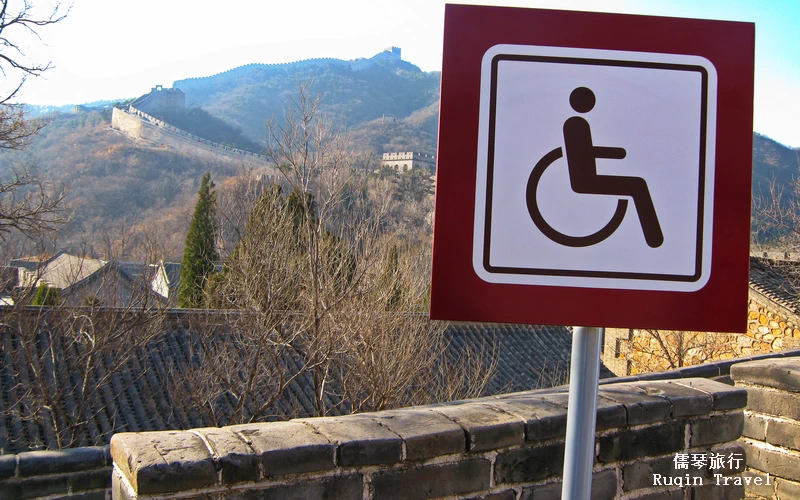

Written and updated by Ruqin
Last updated: March 7, 2026
Beijing is one of those cities that feels overwhelming at first glance — vast avenues, enormous historic sites, and crowds that seem to move in every direction at once. But over the years, I’ve also seen how surprisingly navigable much of the city has become for wheelchair travelers.
Modern Beijing is far more accessible than many visitors expect. Major attractions have gradually added ramps and elevators, sidewalks in central districts are often wide, and newer subway stations are designed with accessibility in mind. Still, like any historic city, Beijing has its quirks — uneven stone paths in ancient sites, busy pedestrian crossings, and occasional accessibility gaps that travelers should know about ahead of time.
That’s exactly why I put together this Beijing Wheelchair Accessible Travel Guide.
In this guide, I’ll walk you through the places that are easiest to visit, the transportation options that work best, and the practical details that make a real difference when planning a wheelchair-friendly trip to Beijing. With the right preparation, Beijing’s imperial palaces, parks, and cultural landmarks can absolutely be enjoyed comfortably and confidently.
Let’s start with what makes the city surprisingly accessible — and where a little extra planning helps.
Beijing Enhances Barrier-Free Facilities for the Disabled
One thing that has quietly changed in Beijing over the past few years is accessibility. I’ve watched the city become noticeably easier to navigate, especially after Beijing prepared for the 2022 Winter Paralympic Games. The improvements weren’t just temporary event upgrades — many of them remain in place today and continue to make daily life easier for residents and visitors who use wheelchairs.
You’ll notice these changes most when moving around the city. Sidewalks in many central districts now have smoother curb ramps, and some streets have been redesigned with wheelchair users in mind. In fact, the city has created over a hundred designated wheelchair-friendly streets and hundreds of thousands of barrier-free access points across neighborhoods. The goal has been simple: make everyday movement — getting to a shop, park, hospital, or subway station — possible within a short distance from home.
Public transportation has also become more accessible. Many stations on the Beijing Subway now provide elevators, platform lifts, or stair climbers to help wheelchair users reach platforms. On the surface, Beijing’s city buses have gradually been upgraded as well. Today thousands of buses are equipped with low floors, ramps, and designated wheelchair spaces.
These improvements extend beyond transportation. Hospitals, service centers, parks, and public restrooms across the city have added accessible entrances and facilities. While accessibility can still vary — especially in older historic areas — the overall direction is clear: Beijing is steadily becoming a more inclusive and navigable city.
For travelers using wheelchairs, this means Beijing is far more feasible to explore than many people expect. A little planning still goes a long way, but the city is much better prepared to welcome everyone.
1. The Forbidden City
The first time I accompanied a wheelchair traveler to the Forbidden City, I remember standing in the vast courtyard just inside the Meridian Gate and realizing something reassuring — the main central routes through the palace are wide and relatively manageable.
That doesn’t mean the entire complex is perfectly smooth. The Palace Museum sits on centuries-old stone foundations, so some areas still have uneven paving stones and raised thresholds. But over the years, ramps have been added at the main entrances and along several of the primary visitor routes, making it possible for wheelchair users to explore many of the most important halls and courtyards.
I’ve also noticed that staff inside the complex are usually helpful when wheelchair travelers need directions toward ramps or smoother paths. A bit of patience and flexibility goes a long way here.
Check out Forbidden City Wheelchair Accessible: Paths & Toilets for more information.

The Forbidden City is wheelchair-user friendly.
If you want deeper historical context while exploring, renting an audio guide can make the experience much richer. As you move through the courtyards, the stories of emperors, court rituals, and palace life help transform the massive stone spaces into something much more vivid.
Practical Travel Tips
Book Tickets in Advance
The Forbidden City requires advance ticket booking. Reserving online saves a lot of waiting at the entrance and makes arrival smoother.
Choose the Right Entrance
Most visitors enter through the Meridian Gate. However, arriving earlier in the day helps avoid the heaviest crowds, which can make navigation easier for wheelchair users.
Wheelchair Availability
Manual wheelchairs are sometimes available for borrowing near the entrance areas of the Palace Museum, although availability can vary. If you rely on a wheelchair regularly, it’s still best to bring your own.
Take Advantage of Rest Areas
The courtyards are enormous. Fortunately, there are shaded areas and benches throughout the complex where you can pause, rest, and take in the surroundings before continuing further into the palace.
2. Temple of Heaven
Among Beijing’s historic sites, the Temple of Heaven is one place I often recommend to wheelchair travelers with confidence. The moment you enter the surrounding Temple of Heaven Park, you’ll notice how spacious and calm it feels compared with the dense streets outside.
The park itself is surprisingly easy to navigate. Long paved pathways run through ancient cypress trees and open plazas, making it much smoother for wheelchair users than many of Beijing’s older historic areas. I’ve walked these paths many times in the early morning, when local residents gather for tai chi, dancing, and traditional music. It’s one of those places where you can slow down and simply enjoy Beijing’s daily life.
The most recognizable structure here is the Hall of Prayer for Good Harvests, the beautiful circular blue-roofed hall that appears in so many photos of Beijing. While some temple platforms have steps, the main visitor routes around the hall and through the park include ramps and relatively level surfaces. Even if you cannot access every elevated terrace, you can still enjoy excellent views of the architecture and the peaceful park atmosphere.
Check out Temple of Heaven in a Wheelchair: Accessible Paths & Toilets for more information.

Flat paths and ramps throughout the park
What makes the Temple of Heaven especially pleasant for wheelchair travelers is the overall layout. The park is large, but it never feels chaotic. Wide pathways, open spaces, and plenty of shaded areas make it comfortable to explore at your own pace.
Practical Travel Tips
Visit Early in the Morning
Early mornings are my favorite time here. The park is lively but not crowded, and you’ll see local residents exercising, singing, and playing instruments — a beautiful glimpse of everyday Beijing.
Accessible Restrooms
Accessible restrooms can be found near several park entrances and close to the Hall of Prayer for Good Harvests.
Consider a Guided Tour
A guide can help explain the symbolic design of the temple complex and assist with the most convenient routes through the park, especially if you want to focus on the most wheelchair-friendly paths.
3. Summer Palace
The Summer Palace is one of the most relaxing historic sites in Beijing, and in many ways it’s also one of the easier ones for wheelchair travelers to enjoy.
What makes the palace particularly accessible is its lakeside layout. The broad pathways along Kunming Lake are mostly smooth and gently sloped, which makes them comfortable for wheelchairs and mobility scooters. I often suggest visitors simply follow the shoreline paths at an easy pace — the views across the lake toward Longevity Hill are beautiful from almost every angle.
One of my favorite sections is the famous Long Corridor, a painted walkway stretching beside the lake. The path here is relatively flat, and the covered structure provides welcome shade during warmer months. It’s a pleasant place to move slowly, enjoy the artwork on the beams, and watch boats crossing the lake.
Like many historic Chinese gardens, some of the higher temples and pavilions sit on raised terraces with steps, so not every structure is accessible. But the main garden paths, lakeside promenades, and open viewing areas are very manageable, and they still provide wonderful views of the palace landscape.
Check out Summer Palace Wheelchair Accessible: Paths & Toilets for more information.

Summer Palace Wheelchair Accessible
If you’d like to experience the scenery from the water, boat rides on Kunming Lake are also available. Some docks can accommodate visitors with mobility needs, offering a peaceful way to see the palace from a different perspective.
Practical Travel Tips
Consider a Lake Boat Ride
A boat ride on Kunming Lake gives you a beautiful view of Longevity Hill and the surrounding gardens. Ask staff at the dock about accessibility before boarding.
Pick Up a Park Map
The Summer Palace is large. Maps available at the entrance can help you plan a route that stays mostly on the wider lakeside paths.
Avoid the Midday Heat
The palace grounds are expansive with limited shade in some open areas. Morning or late afternoon visits are much more comfortable, especially in warmer months.
4. Beijing Zoo & Panda House
If seeing giant pandas is high on your Beijing wish list, the Beijing Zoo is still the most reliable place to do it. And fortunately, the zoo is also one of the more manageable attractions in the city for wheelchair users.
I’ve visited the zoo several times with travelers, and the overall layout is quite friendly for mobility access. The main pathways are wide and mostly flat, with gradual slopes connecting different sections of the park. There are ramps in many areas, and the walking routes between exhibits are generally smooth enough for wheelchairs.
Of course, the highlight for most visitors is the Beijing Zoo Panda House. This is where you can watch the zoo’s giant pandas resting, climbing bamboo structures, or slowly chewing through piles of bamboo leaves. The viewing areas are usually accessible, although they can get crowded during peak hours since pandas are such a beloved attraction.
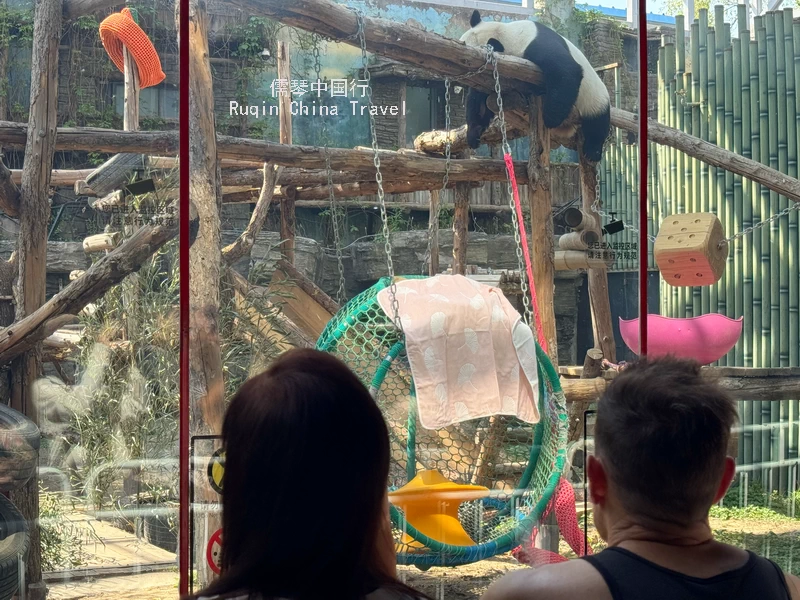
Beijing Panda House
From experience, the best strategy is to head straight to the Panda House after entering the zoo. Pandas tend to be more active earlier in the day, and the crowds are usually lighter in the morning. Watching them lazily munch on bamboo is always a highlight — even for travelers who didn’t expect to enjoy the zoo that much.
Beyond the pandas, the zoo grounds themselves are pleasant to explore. Tree-lined paths, small lakes, and shaded seating areas make it easy to move around slowly and take breaks when needed.
Practical Travel Tips
Go Early for Panda Viewing
Arriving early gives you a better chance to see the pandas when they’re active. Later in the day, they often retreat for long naps.
Check Feeding Times
Some animal areas post feeding schedules, which can make visits more interesting if you happen to arrive at the right time.
Take Advantage of Seating Areas
Benches and rest spots are scattered throughout the zoo, which makes it easy to pause and recharge between exhibits.
5. Great Wall of China (Badaling Section)
Many travelers assume that visiting the Great Wall of China in a wheelchair is impossible. But in reality, the Badaling Great Wall has made meaningful efforts to make part of the experience accessible.
Badaling is the most developed and carefully maintained section of the Great Wall near Beijing. While much of the wall still consists of steep steps and watchtowers, there is now a specially designed accessible route near the main visitor area. This paved path allows wheelchair users to experience the scale of the wall and enjoy the surrounding mountain views without having to climb the steep staircases that the wall is famous for.
The first time I brought a wheelchair traveler here, I remember the moment we reached the viewing platform — the mountains stretching endlessly across the horizon, with the stone wall winding along the ridgelines. Even without climbing high onto the watchtowers, the feeling of standing beside this historic structure is still incredibly powerful.
Another helpful feature here is the cable car system. The Badaling Cable Car can take visitors closer to higher sections of the wall and reduce the amount of uphill travel required. While accessibility assistance may vary slightly depending on conditions, staff are usually helpful when travelers need extra support.
Check out Badaling Great Wall Accessible Guide: Wheelchair-Friendly Routes for more information.
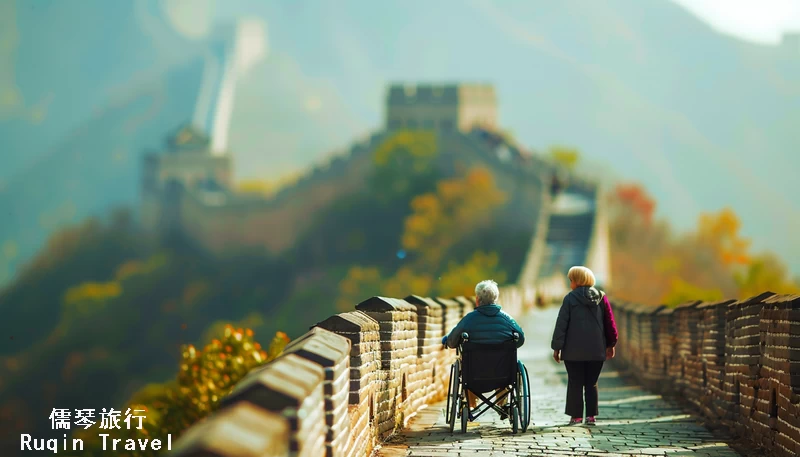
Of course, the Great Wall remains one of China’s most popular attractions, so timing your visit carefully makes a big difference in how comfortable the experience feels.
Practical Travel Tips
Visit on Weekday Mornings
Badaling becomes extremely busy on weekends and holidays. Weekday mornings are usually quieter and much easier for wheelchair users to navigate.
Consider the Cable Car
Taking the cable car can reduce long uphill walks and bring you closer to some of the better viewing areas near the wall.
Prepare for the Weather
The wall sits in the mountains north of Beijing. Summer can be very sunny, while winter can be cold and windy. Bring sun protection in warm months and warm layers in colder seasons.
6. Beijing’s Hutongs
If you really want to feel the everyday rhythm of Beijing, spend some time wandering through the city’s historic Beijing Hutongs. These narrow alley neighborhoods have existed for centuries, forming the social and cultural heart of old Beijing.
That said, hutongs can be a bit unpredictable for wheelchair travelers. Some lanes have been nicely repaved with smooth stone or brick, while others still have uneven surfaces, small steps, or tight turns. Because of that, choosing the right area makes a big difference.
In my experience, the hutongs around the Bell Tower of Beijing and the nearby Drum Tower of Beijing tend to be easier to explore. These neighborhoods are popular with visitors, so many of the main lanes have been improved and are wider than some of the older residential alleys deeper in the city.
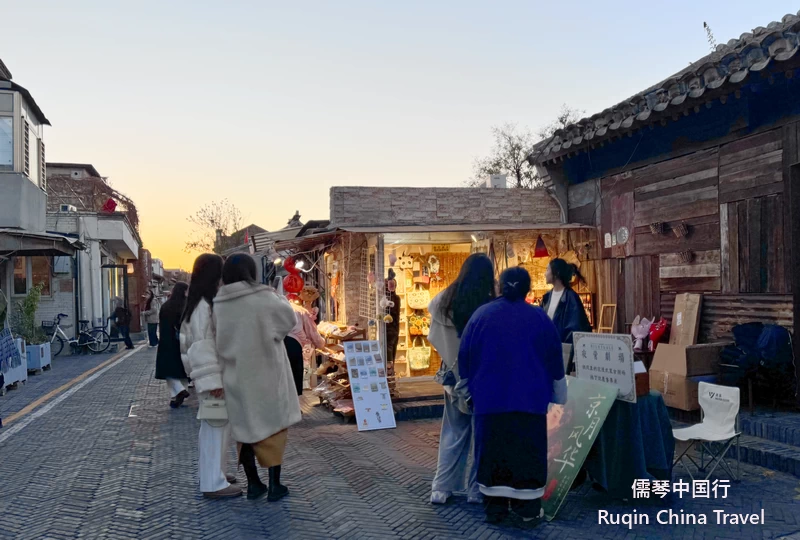
One relaxed way to explore is by simply rolling slowly through the neighborhood streets, stopping when something catches your attention — a tiny café, a calligraphy shop, or a small courtyard restaurant tucked behind a wooden doorway. These quiet details are what make hutong exploration so memorable.
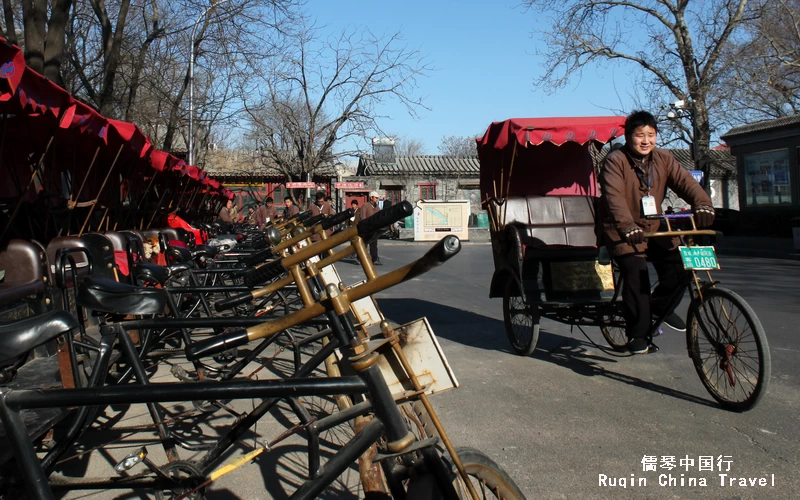
Traditional rickshaw ride through the hutongs
Another option many travelers enjoy is a traditional rickshaw ride through the hutongs. While not all rickshaws are wheelchair accessible, some operators can help travelers transfer from a wheelchair for a short ride through the historic lanes.
Practical Travel Tips
Choose the Right Area
Hutongs around the Bell Tower and Drum Tower tend to have smoother pathways and are easier to navigate than many other hutong neighborhoods.
Take Time to Interact with Locals
Small shops, tea houses, and craft stores line many hutong streets. A short chat with a shopkeeper or artisan often becomes the highlight of the visit.
Visit in the Evening for Atmosphere
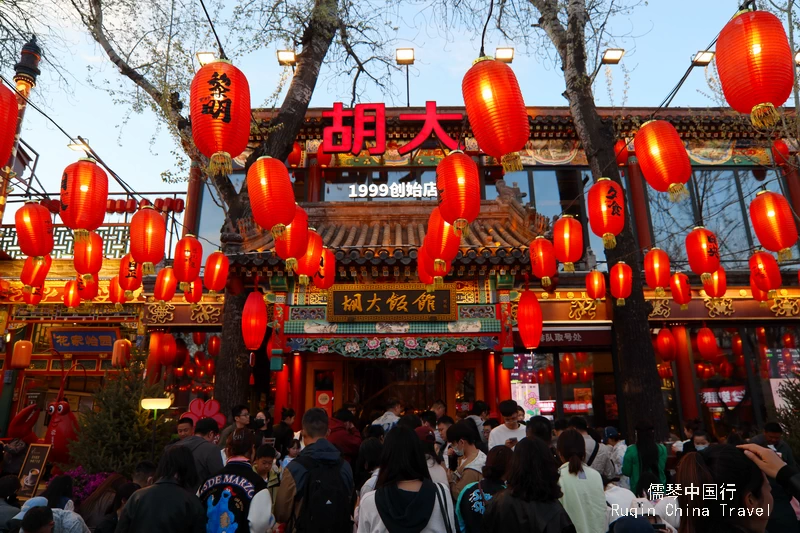
Some hutongs become lively in the evening with small restaurants, snack stalls, and night markets. The soft lantern lights and street activity create a wonderful local atmosphere.
7. Public Transportation
Getting around Beijing in a wheelchair is much easier today than many travelers expect. Over the years, the city has invested heavily in accessibility, and you’ll notice the difference the moment you start using the Beijing Subway.
Most newer subway stations are equipped with elevators, wide ticket gates, and tactile paving along the platforms. Many stations also have staff available near the ticket gates who can assist if you need help locating elevators or accessible routes. From my experience guiding visitors, the subway is often the most reliable way to cross the city, especially during busy traffic hours.
That said, Beijing’s subway system is enormous. Some stations are very large, and transferring between lines can involve long corridors or multiple elevator stops. I usually recommend checking the station layout ahead of time so you know which exits and elevators to use.
City buses have also improved accessibility. Many buses now feature low floors, folding ramps, and designated spaces for wheelchair users. However, because buses can get crowded during peak hours, they are usually more comfortable to use outside the morning and evening rush periods.
Another practical option is taking taxis or ride-hailing cars through apps such as DiDi. While not all taxis are specifically designed for wheelchairs, drivers are often willing to help with boarding if the wheelchair can be folded. For travelers who need specially equipped vehicles, some local services offer wheelchair-accessible taxis that can be booked in advance.
Practical Travel Tips
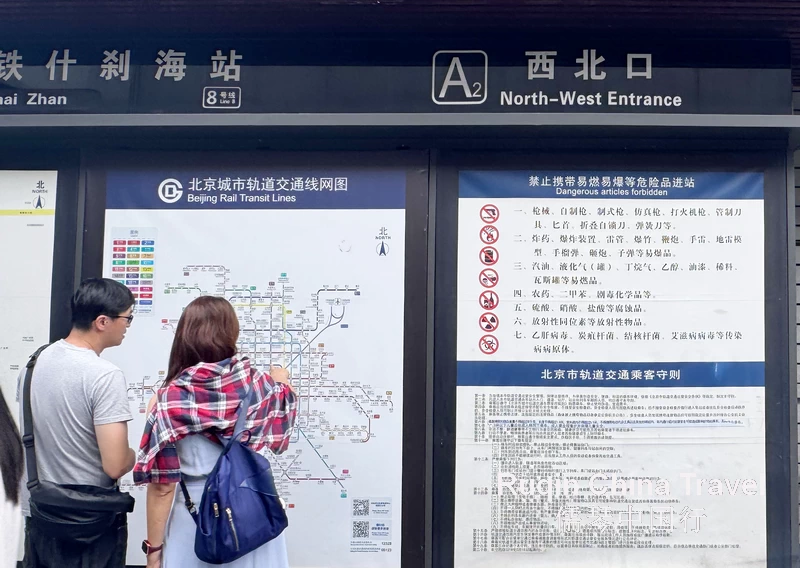
Use a Subway Map or Transit App
A subway map — either printed or on your phone — makes navigating the system much easier. Transit apps can also help identify stations with elevators.
Allow Extra Time for Transfers
Large subway stations sometimes require longer transfer times, especially when using elevators.
Consider Ride-Hailing for Convenience
For shorter trips or late evenings, ride-hailing services can be the easiest way to travel comfortably between attractions.
8. Accommodations and Dining
Finding wheelchair-friendly hotels and restaurants in Beijing is generally quite manageable, especially if you stay in the city’s central districts. Over the years, I’ve noticed that many international and newer Chinese hotels have made real efforts to improve accessibility, with step-free entrances, elevators, and accessible guest rooms.
When booking a hotel, it’s always worth contacting the property directly to confirm the details of the accessible room. Some hotels label rooms as “accessible,” but the actual features can vary. I usually suggest asking about door width, roll-in showers, grab bars in the bathroom, and elevator access to all guest floors. Hotels in central areas such as Wangfujing or Sanlitun often provide easier access to transportation, attractions, and restaurants.
Dining out in Beijing can also be quite comfortable if you choose the right places. Many modern restaurants inside shopping malls, hotels, or newer commercial streets have step-free entrances and spacious seating layouts. Traditional courtyard restaurants or small neighborhood eateries may have steps or tighter spaces, so it’s helpful to check ahead when possible.
Practical Travel Tips
Choose Central Locations
Staying in central districts makes it easier to reach major attractions and subway stations.
Check Restaurant Access
Look for restaurants with step-free entrances and accessible restrooms, especially in malls or large commercial complexes.
Confirm Hotel Accessibility Details
Ask about bathroom layout, door width, elevator access, and emergency assistance before finalizing your reservation.
9. General Tips
Traveling in Beijing with a wheelchair is very possible, but a little preparation helps a lot.
One practical challenge is language. English is spoken in major hotels and tourist sites, but much less in taxis or small restaurants. I recommend keeping Google Translate on your phone to help with directions, menus, and simple conversations.
Before visiting attractions, it’s wise to check accessibility details. Many major sites now have ramps and accessible paths, but some historic areas still have uneven stone surfaces or steps.
If you want an easier experience, consider traveling with a companion or hiring a local guide. They can help with transportation, communication, and locating accessible entrances.
Finally, allow extra time when moving around the city. Large subway stations, security checks, and busy sidewalks can slow things down.
With a bit of planning and flexibility, Beijing can be a rewarding and enjoyable city for wheelchair travelers.
Beijing is a city where ancient stone paths meet modern accessibility. Over the years, I’ve seen real progress — ramps added, smoother walkways, and more thoughtful facilities for wheelchair travelers.
That said, Beijing is still a historic city, so a little planning goes a long way. With the right routes, accessible transportation, and a flexible pace, you can absolutely experience the imperial palaces, peaceful parks, and vibrant neighborhoods that make this city so unforgettable.
About the Author
Ruqin is the founder of Ruqintravel.com and has spent more than four decades working in China’s travel industry. Drawing on hands-on experience in cities like Beijing and Hangzhou, he personally researches and updates each guide to help international travelers navigate China with confidence
Further Reading
Badaling Great Wall Accessible Guide: Wheelchair-Friendly Routes
Mutianyu Great Wall in a Wheelchair: Accessible Paths & Tips
Forbidden City Wheelchair Accessible: Paths & Toilets
Summer Palace Wheelchair Accessible: Paths & Toilets
Temple of Heaven in a Wheelchair: Accessible Paths & Toilets
Jingshan Park in a Wheelchair: Accessible Paths & Toilets
Beihai Park in a Wheelchair: Accessible Paths & Toilets in Beijing
Great Wall Wheelchair Accessible Travel Guide