
Trip Introduction
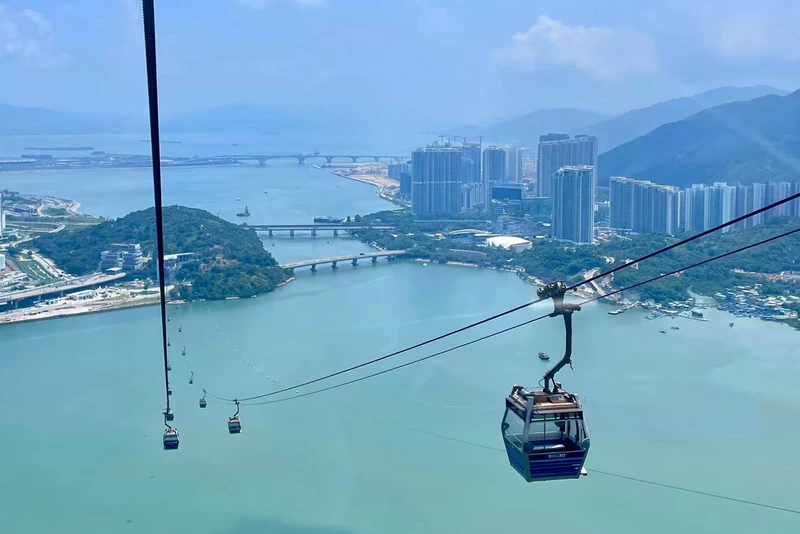
Hong Kong is one of those cities that reveals itself gradually.
At first it can feel fast, vertical, and overwhelming—glass towers, steep streets, neon signs, ferries, markets, and crowds moving in every direction. But once you slow the pace slightly, the city begins to feel surprisingly layered: temples hidden between skyscrapers, quiet stairways behind busy roads, colonial buildings beside contemporary galleries, and local cafés tucked into corners you might otherwise walk past.
This Hong Kong day trip itinerary is designed for travelers who want to experience both the city’s famous landmarks and its everyday neighbourhood character in the same day.
Rather than trying to cover too much ground, the route combines several of Hong Kong’s most iconic districts with time to wander between them—leaving space for local food stops, street photography, small discoveries, and spontaneous moments along the way.
I usually recommend this style of route for first-time visitors. It gives you a strong introduction to Hong Kong while still feeling personal and flexible.
Hong Kong Trip Itinerary
Morning – Sheung Wan & Man Mo Temple
Suggested start: around 9:00 am
Begin the day in Sheung Wan, one of Hong Kong Island’s most character-filled neighbourhoods.
This area blends old Hong Kong and contemporary city life especially well. You’ll find dried seafood shops, herbal medicine stores, temples, cafés, galleries, and older residential buildings all within a few blocks.
Start at Man Mo Temple.
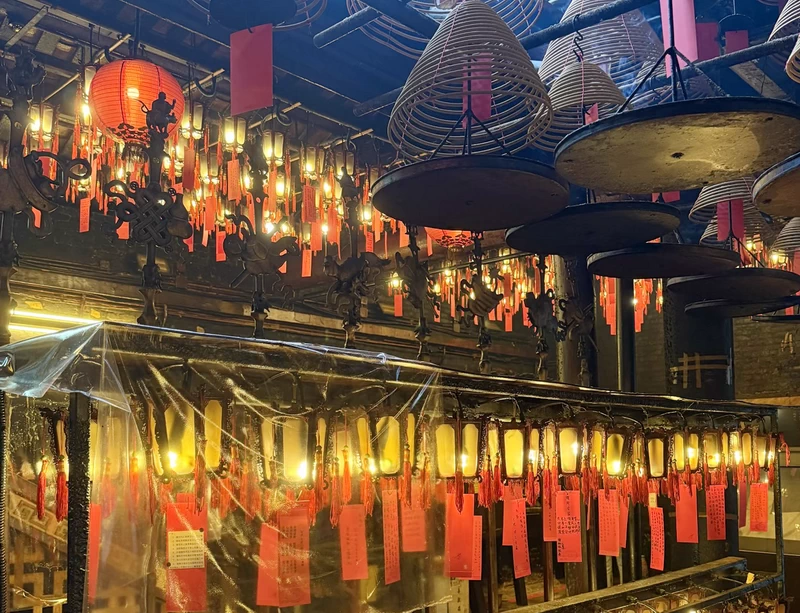
One of Hong Kong’s most atmospheric temples, Man Mo Temple is known for its hanging incense coils, historic interiors, and quiet contrast to the busy streets outside.
I usually think it’s one of the best places to begin understanding the older cultural side of Hong Kong.
Late Morning – Cat Street, PMQ & Tai Kwun
From Man Mo Temple, continue through Upper Lascar Row, often called Cat Street.
This area is known for antique stalls, curios, art pieces, vintage items, and smaller independent shops.
Then continue to PMQ.
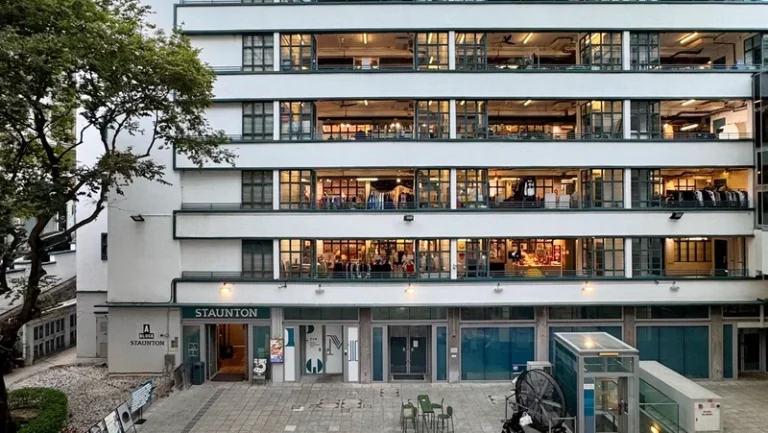
Originally built as Police Married Quarters, PMQ has been transformed into a creative centre filled with local designers, craft studios, and small galleries. It’s a good stop if you enjoy design, independent shops, or seeing Hong Kong’s newer creative scene.
Nearby, visit Tai Kwun.
This restored heritage complex combines historic colonial architecture with art spaces, courtyards, and cultural exhibitions. It’s one of the most interesting examples of old and new Hong Kong sitting side by side.
Midday – SoHo & Lunch Stop
Continue toward SoHo for lunch.
This area works well for a midday break, with a wide mix of casual cafés, noodle shops, local eateries, and international restaurants.
I usually recommend choosing based on energy rather than over-planning here—Hong Kong is one of the easiest cities to eat well simply by following what looks busy.
Early Afternoon – Mid-Levels Escalator
After lunch, take a ride on the Central–Mid-Levels Escalator.
Stretching through the hillside neighbourhoods above Central, it’s the world’s longest outdoor covered escalator system and one of the easiest ways to move through the city while seeing everyday urban life unfold around you.
Along the way, you’ll pass apartment buildings, cafés, side streets, shops, and hillside stairways that show another side of Hong Kong beyond the skyline.
Late Afternoon – Tsim Sha Tsui Waterfront
Later, cross the harbour and continue to Tsim Sha Tsui Promenade.
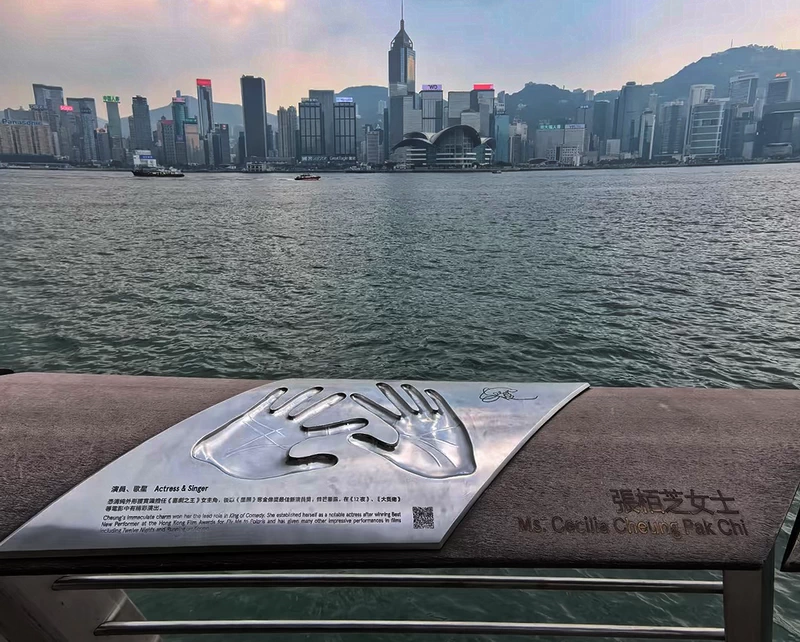
This is where many visitors get their first full view of Hong Kong’s skyline across Victoria Harbour.
Walk along the waterfront toward the Avenue of Stars, with open harbour views, ferries moving across the water, and one of the city’s most recognisable skylines in front of you.
It’s a good place to slow down after a walking-heavy day.
Evening – Stay for the Skyline or Harbour Lights
If time allows, I usually recommend staying into the evening.
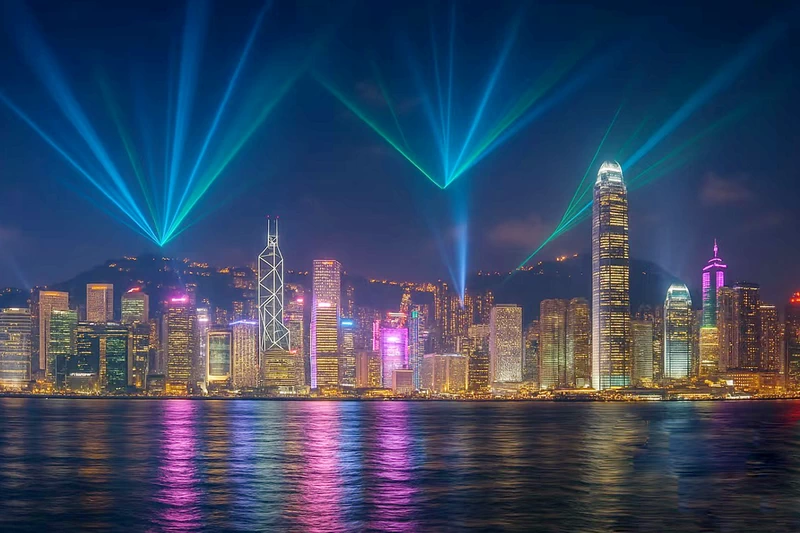
Hong Kong changes noticeably after dark. The skyline becomes brighter, reflections appear across the harbour, and the waterfront atmosphere feels completely different from daytime.
Even without planning anything formal, simply being by Victoria Harbour in the evening often becomes one of the most memorable parts of the day.
Planning Tips for This Hong Kong Trip Itinerary
Best for First-Time Visitors
This route works especially well if it’s your first time in Hong Kong and you want a mix of:
- famous landmarks
- local neighbourhoods
- cultural history
- city views
- food and street life
How Much Walking?
Expect a moderate amount of walking, including:
- neighbourhood streets
- hills and stairways
- waterfront promenades
- urban walking between districts
Comfortable shoes are definitely worth it in Hong Kong.
Keep the Day Flexible
Hong Kong works best with some flexibility built into the day.
You may want extra time for:
- cafés
- food stops
- shopping
- photography
- galleries
- simply wandering
That’s often where the best moments happen.
Further Reading
The Best Hong Kong Tour Itinerary – Ruqin China Travel
How to Book Hong Kong Attraction Tickets: All You need to Know
The Top 15 Interesting Facts about Hong Kong
How to Visit Hong Kong
Still Have Questions About Your China Trip?
If anything still feels unclear, feel free to send me a message. I’m always happy to help with your itinerary, transport, timing, or any part of your trip planning.
Just use the short form below and tell me a little about your plans. There’s no charge for a simple question—just practical advice based on real travel experience in China.
If I’m traveling, my reply may take a little longer, but I’ll get back to you as soon as I can.
We respect your privacy. Your details will never be shared or used for marketing.