Written by Ruqin
August 11, 2026
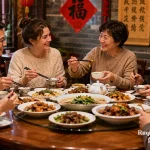
There Is No Single “Chinese Food”
When foreign friends travel with me in China, food often becomes part of the conversation. After several days, someone usually says, “Chinese food is very different from what I eat back home.” Then, after traveling to another province, they discover something more interesting: Chinese food is also very different from one part of China to another.
That is the first thing I would like you to understand about Chinese cuisine. China is huge, with different climates, ingredients, landscapes, and local traditions. A meal in Chengdu can feel completely different from dinner in Guangzhou, Hangzhou, or Jinan.
Chinese people often speak of the Eight Great Cuisines of China (中国八大菜系). They are Sichuan, Cantonese, Shandong, Jiangsu, Zhejiang, Fujian, Hunan, and Anhui cuisines. These traditions do not cover every kind of Chinese food, but they offer a useful map for travelers.
You do not need to memorize all eight before coming to China. Instead, let your journey introduce them one by one. Once you start connecting food with place, Chinese cuisine becomes much easier to understand.
1. Sichuan Cuisine (川菜): More Than Just Spicy Food
For many foreign travelers, Sichuan cuisine (川菜) is the easiest regional Chinese cuisine to recognize. Chengdu and Chongqing are famous for red chilies, bubbling hot pots, and the distinctive numbing sensation of Sichuan peppercorns. However, Sichuan food is much more varied than simply “very spicy.”
The famous expression mala (麻辣) combines two sensations. Ma is the tingling numbness produced by Sichuan pepper, while la means chili heat. Together, they create the flavor that makes many Sichuan dishes instantly recognizable.
Start with Mapo Tofu (麻婆豆腐), one of the best dishes for understanding this combination. Soft tofu comes in a rich sauce with chili bean paste, minced meat, and Sichuan pepper. Then try Kung Pao Chicken (宫保鸡丁), which balances sweetness, sourness, chili, peanuts, and tender chicken.
Another classic is Twice-Cooked Pork (回锅肉). The pork is first cooked, then sliced and stir-fried with fermented bean paste and vegetables. It is rich, fragrant, and very good with a bowl of plain rice.
If you visit Chengdu, do not limit yourself to formal restaurants. Small neighborhood restaurants often serve excellent Sichuan food at modest prices. Meanwhile, local markets and snack streets introduce another side of the cuisine through noodles, dumplings, wontons, and cold dishes.
Of course, you should try hot pot at least once. If you cannot handle strong chili, say “wei la” (微辣), meaning mildly spicy. However, remember that Sichuan “mild” may still feel quite hot to someone eating it for the first time.
2. Cantonese Cuisine (粤菜): Freshness Comes First
Travel south to Guangdong, and the food changes immediately. Cantonese cuisine (粤菜) generally uses less chili and places more emphasis on fresh ingredients and natural flavors. Steaming, roasting, quick stir-frying, and slow soups all play important roles.
Guangzhou is one of China’s great food cities. Here, eating is not simply something people fit between other activities. People make time for it, discuss it seriously, and often plan their day around a good meal.
For a first experience, start with dim sum (点心). Go for morning tea, called yum cha in Cantonese culture, and order several small dishes for the table. Shrimp dumplings, Har Gow (虾饺), and Siu Mai (烧卖) are easy starting points.
Then try Char Siu (叉烧), Cantonese-style roasted pork with a slightly sweet glaze. White Cut Chicken (白切鸡) is another classic, although its simplicity may surprise first-time visitors. The chicken is gently cooked and served with dipping sauces, allowing the quality of the meat to remain the main flavor.
Cantonese people are also famous for soup. A family may simmer soup for hours with meat, vegetables, herbs, or dried ingredients. Therefore, when eating with local friends, do not be surprised if soup carries almost as much importance as the main dishes.
If your trip includes Guangzhou, I suggest having at least one traditional morning tea. Arrive without rushing and order slowly. Watching families talk around crowded tables is as much a cultural experience as eating the dim sum itself.
3. Shandong Cuisine (鲁菜): The Flavors of Northern China
Shandong cuisine (鲁菜) comes from China’s northern coast and has a long history. It influenced imperial cooking and many northern Chinese culinary traditions. Compared with southern cuisines, its flavors can feel stronger, saltier, and more direct.
Shandong has both mountains and a long coastline. Therefore, seafood plays an important role, especially around Qingdao, Yantai, and other coastal cities. Inland areas, meanwhile, make good use of wheat, meat, soups, and vegetables.
One famous dish is Sweet and Sour Yellow River Carp (糖醋黄河鲤鱼). The fish is fried and covered with a bright sweet-and-sour sauce. Another classic is Braised Sea Cucumber with Scallions (葱烧海参), known for its rich sauce and strong scallion fragrance.
Shandong chefs are also respected for their soup-making skills. Clear soups can look simple but require careful preparation. Richer milk-colored broths use different techniques and appear in more substantial dishes.
If you travel through Jinan, Qingdao, or Qufu, try some local Shandong dishes instead of relying only on familiar northern staples. In Qingdao, seafood gives you an especially easy introduction. In Jinan, traditional restaurants can show you the older character of Lu cuisine.
4. Jiangsu Cuisine (苏菜): Refined Food from the Lower Yangtze
Travel into Jiangsu, and the cooking becomes gentler and more refined. Jiangsu cuisine (苏菜) developed around cities such as Nanjing, Suzhou, Yangzhou, and Huai’an. These places share a rich history but have their own local food traditions.
Jiangsu cooking often emphasizes careful knife work, seasonal ingredients, delicate textures, and balanced flavors. Dishes may look elegant without being overly decorated. Compared with Sichuan food, the flavors usually feel much softer.
In Nanjing, try Nanjing Salted Duck (南京盐水鸭). The meat is tender and lightly seasoned, and locals have eaten it for centuries. Meanwhile, Yangzhou is famous for Yangzhou Fried Rice (扬州炒饭), although the local version may differ from the fried rice you know overseas.
Another well-known dish is Lion’s Head Meatballs (狮子头). These large, tender pork meatballs are usually braised or served in soup. The name sounds dramatic, but the dish itself is comforting and surprisingly delicate.
Suzhou introduces a sweeter side of Jiangsu cooking. Local dishes often use freshwater fish and seasonal produce from the region’s lakes and canals. Therefore, eating here can become part of your wider experience of Jiangnan, the water-town region south of the Yangtze.
5. Zhejiang Cuisine (浙菜): Light Flavors Around Hangzhou
Zhejiang sits just south of Jiangsu, but its food has its own personality. Zhejiang cuisine (浙菜) is associated with Hangzhou, Ningbo, Shaoxing, and Wenzhou. It generally favors fresh ingredients, moderate seasoning, and clean flavors.
Hangzhou is the easiest place for most foreign travelers to explore it. After walking around West Lake, you can sit down for dishes that connect directly with the landscape around you. Fish, bamboo shoots, tea, freshwater ingredients, and seasonal vegetables appear frequently.
One famous dish is West Lake Fish in Vinegar Gravy (西湖醋鱼). It combines freshwater fish with a sweet-and-sour sauce. Another is Dongpo Pork (东坡肉), slow-braised pork belly associated with the famous Song dynasty poet Su Dongpo.
I also recommend Longjing Shrimp (龙井虾仁). Fresh shrimp is cooked with leaves from Hangzhou’s famous Longjing green tea. The dish is light, fragrant, and a good example of how local food and local culture meet on the same plate.
For travelers, Hangzhou offers a particularly easy food-and-culture combination. Visit the West Lake in the morning, walk through a Longjing tea village later, then try Zhejiang dishes for dinner. Suddenly, the tea, landscape, history, and food begin connecting with each other.
6. Fujian Cuisine (闽菜): Mountains, Sea, and the Flavor of Soup
Fujian’s landscape shapes its food. Mountains rise close to the coast, while rivers, forests, fishing communities, and islands provide very different ingredients. As a result, Fujian cuisine (闽菜) often combines seafood, mountain produce, soups, and aromatic seasonings.
Soup is particularly important. Fujian cooks pay close attention to broths, and many dishes aim for freshness rather than heavy seasoning. Seafood appears everywhere along the coast, while mushrooms, bamboo shoots, and other mountain ingredients appear farther inland.
The most famous dish is probably Buddha Jumps Over the Wall (佛跳墙). Traditionally, cooks prepare it with many premium ingredients in a rich broth. The playful name suggests that the aroma is so tempting that even a Buddhist monk might jump over a wall to taste it.
For something simpler, try Fuzhou Fish Balls (福州鱼丸). They often have a springy fish exterior with a savory meat filling. In Xiamen, meanwhile, you can explore seafood, oyster omelets, peanut soup, and many small local snacks.
Fujian is also one of China’s great tea regions. If your journey includes Wuyi Mountain or Anxi, combine regional food with local tea. Drinking tea where it grows adds another layer to understanding Fujian’s food culture.
7. Hunan Cuisine (湘菜): Bold, Fresh, and Seriously Spicy
People sometimes confuse Hunan cuisine (湘菜) with Sichuan cuisine because both use plenty of chili. However, once you try them side by side, the difference becomes clearer. Hunan food often gives you a more direct chili heat, while Sichuan cuisine frequently adds the numbing effect of Sichuan pepper.
Hunan cooks use fresh chilies, dried chilies, pickled chilies, and fermented ingredients. Smoking and preserving food also have long traditions here. The result is food with strong aromas and bold flavors.
A good first dish is Stir-Fried Pork with Chili (辣椒炒肉). It looks simple, but it captures the everyday character of Hunan cooking very well. Thin slices of pork are stir-fried with plenty of green peppers until everything becomes fragrant.
Another famous dish is Steamed Fish Head with Chopped Chili (剁椒鱼头). A large fish head is covered with fermented chopped chilies and steamed. It is colorful, spicy, and excellent with rice or noodles.
Changsha is the best introduction for most travelers. Beyond restaurants, the city is famous for street snacks, especially Changsha Stinky Tofu (长沙臭豆腐). The smell may challenge you first, but the crisp outside and soft interior have converted many hesitant visitors.
If you dislike spicy food, tell the restaurant clearly before ordering. However, in Hunan, reducing the chili too much can change the character of the dish. Sometimes it is better to order one authentic spicy dish and balance it with milder dishes.
8. Anhui Cuisine (徽菜): Mountain Food with an Old Village Soul
Anhui cuisine (徽菜) may be less familiar to foreign visitors, but it fits beautifully into a cultural journey. Its roots lie partly in the mountainous Huizhou region of southern Anhui. This is the same area known for Huangshan and the old villages of Hongcun and Xidi.
The landscape influenced the cooking. Traditionally, people used mountain herbs, bamboo shoots, mushrooms, river fish, poultry, and preserved ingredients. Braising, stewing, and slow cooking became especially important.
One famous dish is Stinky Mandarin Fish (臭鳜鱼). Do not let the name frighten you. The fish is lightly fermented before cooking, giving it a distinctive aroma and deep savory flavor.
Another traditional dish is Huizhou Hairy Tofu (徽州毛豆腐). The tofu develops a layer of edible white mold during fermentation before cooks fry or braise it. It looks unusual, but it tells you a great deal about old mountain food preservation.
I think Anhui cuisine makes the most sense when you eat it in southern Anhui itself. Spend the day walking through Hongcun or Xidi, then have dinner in an old village restaurant. The wooden houses, misty mountains, preserved foods, and slow-cooked dishes seem to belong to the same landscape.
How to Explore the Eight Great Cuisines During Your Trip
You do not need to plan an eight-province food tour. Instead, look at your existing itinerary and see which cuisines naturally fit into it. A normal first trip to China may already introduce you to several.
If you visit Chengdu, explore Sichuan cuisine. In Guangzhou, make time for Cantonese morning tea. Meanwhile, Hangzhou gives you Zhejiang food, while nearby Suzhou introduces the Jiangsu tradition.
A trip to Fujian can combine Fujian cuisine with tea culture. Changsha is the natural place for Hunan food, while Huangshan and southern Anhui introduce Huizhou flavors. If your route includes Shandong, Qingdao or Jinan can complete another part of the picture.
Most importantly, do not search only for famous dishes. Ask what local people actually eat. A simple neighborhood restaurant can sometimes teach you more about regional cuisine than an elaborate banquet.
A Few Practical Tips for Ordering Regional Chinese Food
First, order several dishes and share them. Chinese meals traditionally place dishes in the middle of the table rather than giving everyone a separate main course. For two people, two or three dishes plus rice is often enough, depending on portion size.
Next, mix strong and mild flavors. If you order a fiery Sichuan dish, add some vegetables, tofu, soup, or another gentler dish. This makes the meal more balanced and gives you more flavors to compare.
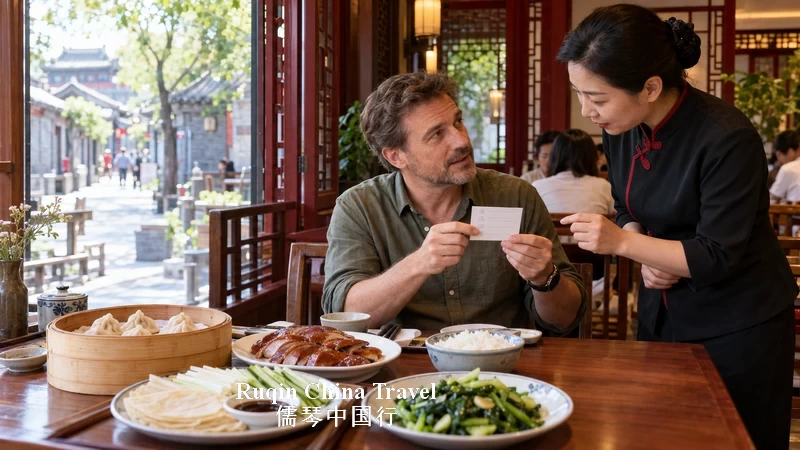
Also, show restaurant staff photos if language becomes difficult. Many Chinese restaurants now use picture menus or phone-based ordering. Translation apps can help, but photographs of dishes often work even faster.
Finally, tell the staff about serious food allergies clearly. Do not assume that a dish contains only the ingredients you can see. Sauces, stocks, cooking oils, peanuts, sesame, shellfish, and other ingredients may appear without being obvious.
The Eight Cuisines Are Only the Beginning
The Eight Great Cuisines are useful, but they are not the whole story of Chinese food. Beijing cuisine, Yunnan food, Xinjiang cuisine, Dongbei cooking, Tibetan food, and many other traditions fall outside this famous list. China has far more regional food cultures than any eight-part system can describe.
That is why I treat the Eight Great Cuisines as a starting point rather than a strict map. They help foreign visitors notice how climate, geography, history, and local ingredients shape what people eat. Once you understand that, you begin looking at Chinese menus differently.
Travel a few hundred kilometers, and the noodles may change. Travel farther, and rice replaces wheat, chili becomes stronger, seafood appears, or sweetness enters the cooking. Food gives you a surprisingly clear way to feel China’s regional diversity.
A Note from Ruqin: Taste the Place, Not Just the Dish
When I travel in China, I have always felt that food makes more sense in its own landscape. Longjing Shrimp tastes different after walking beside West Lake, just as Anhui mountain food feels different after a day among old Huizhou villages. The place becomes part of the flavor.
So, do not worry about tasting all Eight Great Cuisines in one journey. Instead, wherever you go, find out what that place does best. Order one dish you recognize and another you have never tried before.
Chinese food is not one flavor, one cooking style, or one menu. It changes with the mountains, rivers, climate, history, and people of each region. Once you begin tasting those differences, you are no longer simply eating in China.
You are traveling through China, one dish at a time.
Ruqin is the founder of Ruqintravel.com and has spent more than four decades working in China’s travel industry. Drawing on hands-on experience in cities like Beijing and Hangzhou, he personally researches and updates each guide to help international travelers navigate China with confidence.
Further Reading
Popular Chinese Dish Names Explained in English: Meanings & Ingredients
Confucius Philosophy – A Foreigner’s Guide to Confucianism
How to Understand Mencius: A Foreigner’s Guide to His Philosophy
Feng Shui – A Foreigner’s Guide – Ruqin China Travel
Chinese Zodiac Signs: Understanding the Meaning Behind the 12 Animals
Traditional Chinese Festivals: Understanding China Through Its Celebrations