
Written and updated by Ruqin
Last updated: May 30, 2026
One of the most enjoyable cultural conversations you’ll have in China often starts with a simple question: What’s your zodiac sign? The world of Chinese Zodiac Signs is woven into everyday life here—from Lunar New Year decorations to family traditions, birthday conversations, and even personality talk among friends.
At first, it may seem playful. But behind the twelve animals lies a long cultural tradition shaped by history, symbolism, and belief. Understanding Chinese Zodiac Signs offers a fascinating window into how many Chinese people connect time, character, and tradition.
1. The 12 Animal Signs of the Chinese Zodiac
One of the easiest ways to start a conversation in China is by talking about zodiac signs. I’ve lost count of how many times someone has smiled and asked me, “What year were you born?”—then immediately worked out my sign before I could. The Chinese Zodiac Signs are still very much part of everyday life here. You’ll hear them mentioned during Lunar New Year, in family conversations, and sometimes even when people talk about personality or compatibility.
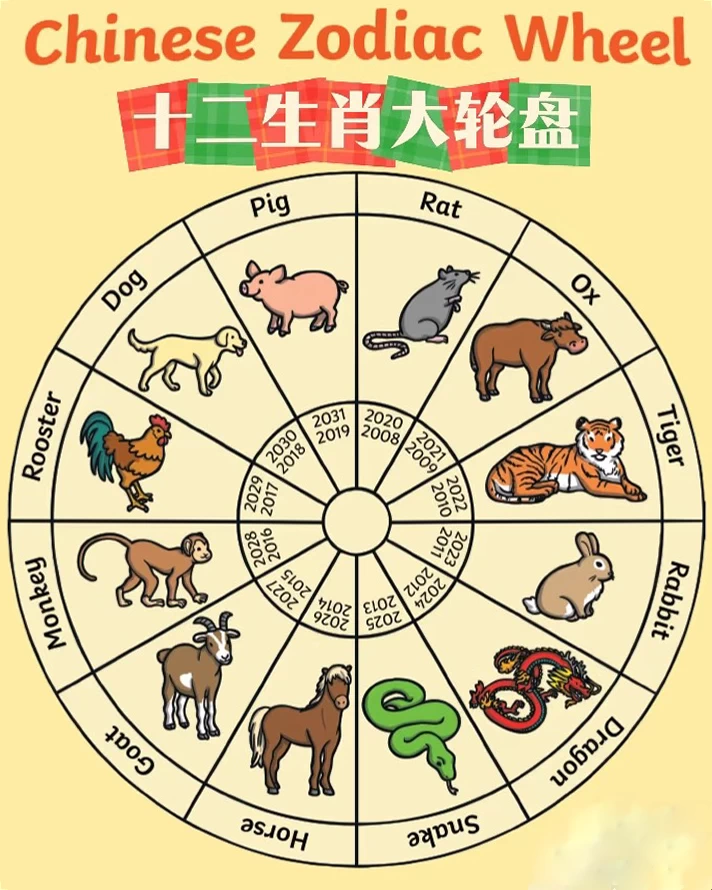
12 Animal Signs of the Chinese Zodiac
The Chinese zodiac follows a repeating 12-year cycle, with each year represented by an animal. The twelve animals are Rat, Ox, Tiger, Rabbit, Dragon, Snake, Horse, Goat, Monkey, Rooster, Dog, and Pig. Your zodiac sign is based on your birth year according to the lunar calendar. If you were born in 1996, for example, your sign is the Rat.
Each animal carries its own symbolism, personality traits, and cultural associations. While people often discuss them lightly and playfully, the meanings behind them have deep roots in Chinese tradition.
Rat 鼠 (Shǔ)
The Rat is the first sign of the zodiac cycle. It is often associated with intelligence, adaptability, charm, and quick thinking. People born in the Year of the Rat are often seen as clever, observant, and resourceful.
Ox 牛 (Niú)
The Ox represents patience, reliability, and strength. Those born under this sign are often described as hardworking, steady, and dependable—people others naturally trust.
Tiger 虎 (Hǔ)
The Tiger symbolizes courage, confidence, and energy. Tiger personalities are often seen as bold, competitive, and adventurous, with a strong natural presence.
Rabbit 兔 (Tù)
The Rabbit is linked with gentleness, kindness, and elegance. People born in the Year of the Rabbit are often thought to be thoughtful, sensitive, and calm.
Dragon 龙 (Lóng)
The Dragon is especially admired in Chinese culture. It symbolizes power, vitality, ambition, and good fortune. People born in Dragon years are often seen as charismatic, energetic, and full of drive.
Snake 蛇 (Shé)
The Snake is associated with wisdom, intuition, and grace. Snake personalities are often considered observant, thoughtful, and quietly insightful.
Horse 马 (Mǎ)
The Horse represents movement, freedom, and enthusiasm. People born in Horse years are often energetic, independent, sociable, and full of life.
Goat 羊 (Yáng)
The Goat is connected with creativity, gentleness, and harmony. Goat personalities are often described as artistic, calm, and compassionate.
Monkey 猴 (Hóu)
The Monkey symbolizes intelligence, humor, and curiosity. People born under this sign are often playful, inventive, and quick-minded.
Rooster 鸡 (Jī)
The Rooster is often associated with confidence, honesty, and precision. Roosters are known for being organized, hardworking, and expressive.
Dog 狗 (Gǒu)
The Dog represents loyalty, sincerity, and fairness. People born in the Year of the Dog are often viewed as trustworthy, protective, and dependable friends.
Pig 猪 (Zhū)
The Pig completes the zodiac cycle. It is linked with generosity, warmth, and good-heartedness. Pig personalities are often seen as kind, sincere, and easy to be around.
What I find especially charming about the Chinese zodiac is that it lives comfortably between folklore, tradition, and everyday conversation. People may discuss it jokingly—or quite seriously. Either way, it offers a fun and meaningful glimpse into how symbolism continues to shape cultural life in China.
2. The Five Elements and Chinese Zodiac Signs
Once you start exploring Chinese Zodiac Signs, you quickly realize it’s more layered than simply being born in the Year of the Dragon or Rabbit. Very often in China, someone may ask not just which animal you are—but which element belongs to your sign. That’s where the zodiac becomes even more interesting.
In traditional Chinese thought, every zodiac animal is paired with one of the Five Elements: Wood, Fire, Earth, Metal, or Water. These elements add another layer of meaning to the zodiac and are believed to influence personality, temperament, and even the energy of a particular year.
This means not every Rat is the same, and not every Dragon carries the same qualities. A Wood Rat, for example, is traditionally considered different from a Metal Rat. The animal signs repeat every 12 years, but when combined with the five rotating elements, they create a larger 60-year cycle. That’s why two people born under the same animal sign may still be said to have very different traits.
I always find this part of Chinese zodiac culture fascinating because it reflects how Chinese tradition often sees personality as something shaped by balance and relationship—not by a single symbol alone.
The Five Elements in Chinese Zodiac Culture
Wood 木 (Mù)
Wood is linked with growth, creativity, generosity, and renewal. It carries the energy of spring—expanding, flexible, and full of life. People associated with Wood are often seen as imaginative, open-minded, and compassionate.
Fire 火 (Huǒ)
Fire represents passion, warmth, confidence, and strong energy. It’s associated with action and movement. Fire personalities are often described as enthusiastic, expressive, and dynamic.
Earth 土 (Tǔ)
Earth symbolizes stability, patience, practicality, and grounding. It carries a dependable energy. Those connected with Earth are often seen as trustworthy, thoughtful, and steady.
Metal 金 (Jīn)
Metal is linked with strength, discipline, focus, and determination. In Chinese philosophy, it also carries clarity and resilience. Metal personalities are often viewed as strong-willed, organized, and self-disciplined.
Water 水 (Shuǐ)
Water represents adaptability, wisdom, intuition, and flexibility. It moves around obstacles rather than against them. People associated with Water are often seen as thoughtful, perceptive, and emotionally aware.
What I enjoy most about this system is that it reveals how deeply symbolism runs through Chinese culture. The zodiac animals bring character and story, while the elements add nuance and balance. Together, they create a richer way of thinking about personality, time, and the natural world—something that still feels very alive in China today.
3. Chinese Zodiac Compatibility
One of the most enjoyable parts of talking about Chinese Zodiac Signs in China is that the conversation often quickly turns to compatibility. After someone asks your zodiac animal, the next question may be, “Who matches with your sign?” It’s a common topic among friends, families, and especially around relationships.
In Chinese tradition, each zodiac animal is believed to have stronger harmony with certain signs and more tension with others. These pairings come from long-standing cultural systems that connect personality, energy, and balance. Even today, people still mention zodiac compatibility when discussing friendship, marriage, or business partnerships—sometimes seriously, and often just for fun.
For example, the Rat is traditionally considered a strong match with the Ox, and often gets along well with the Dragon and Monkey. By contrast, Rat and Horse are often seen as more challenging because their personalities are believed to move in different directions.
Some well-known compatibility pairs include:
- Rat and Ox
- Tiger and Pig
- Rabbit and Dog
- Dragon and Rooster
- Snake and Monkey
- Horse and Goat
Of course, in modern China, most people don’t treat zodiac compatibility as a strict rule. It’s often part of lighthearted conversation—something between tradition, personality talk, and cultural storytelling.
What I enjoy most is how naturally it creates connection. Someone learns your birth year, figures out your animal sign, and suddenly you’re talking about personality, luck, or relationships. Whether you believe in it or not, Chinese zodiac compatibility offers a fascinating glimpse into how symbolism still shapes everyday life in China.
4. Chinese Zodiac Culture in Everyday Life
What makes Chinese Zodiac Signs so fascinating is that they’re not tucked away in history books—they’re still woven into everyday life across China. You’ll notice them in festival decorations, casual conversations, gift designs, family traditions, and even in the way people talk about luck, timing, or personality.
The zodiac has long influenced important life decisions. Traditionally, people might consult zodiac signs when choosing a wedding date, planning a major move, naming a child, or considering a business partnership. Today, some people still follow these customs closely, while others treat them more as cultural tradition or conversation. Either way, the zodiac remains deeply familiar to almost everyone in China.
You’ll feel this most clearly during Chinese New Year. As the lunar year changes, the new zodiac animal appears everywhere—on lanterns, paper cuttings, red envelopes, shop windows, calendars, and festive decorations. Children learn the zodiac animals early, families talk about what the new year may bring, and gifts often feature the animal of the year as a symbol of luck and blessing.
I’ve always enjoyed how naturally the zodiac appears in daily life here. One moment it’s printed on a New Year decoration in a market stall; the next it becomes the center of a conversation over dinner. Understanding the Chinese Zodiac Signs doesn’t just help you learn symbolism—it helps you notice the small cultural details that make everyday life in China feel so rich and layered.
5. Traveling with the Chinese Zodiac in Mind
If you’re visiting China, you’ll quickly notice how Chinese Zodiac Signs appear everywhere—from temple carvings and museum exhibits to shop decorations and casual conversations on the street. It’s woven into daily life in a way that makes the culture feel alive and personal.
Knowing the basics of the zodiac can make your travels more meaningful. For example, you might visit a temple dedicated to the Dragon or Tiger, or see lanterns featuring the Rat during Lunar New Year. Understanding what each animal represents—its personality traits, symbolism, and cultural significance—turns a simple visit into a richer experience, letting you see the stories and traditions behind what might otherwise seem like mere decoration.
Chinese Zodiac Signs offer more than a fun way to discover your birth animal. They open a small but fascinating window into how many Chinese people think about time, personality, luck, and tradition—and how these ideas still quietly shape everyday life.
Whether you spot zodiac animals in a temple, on Lunar New Year decorations, or in conversation with locals, understanding Chinese Zodiac Signs adds another layer to what you see in China. And often, it’s those small cultural details that stay with you the longest.
About the Author
Ruqin is the founder of Ruqintravel.com, where he shares firsthand travel advice and cultural insights drawn from years of living and working in China. He personally researches and updates every guide to help international travelers explore China with confidence, curiosity, and deeper understanding.
Further Reading
10 Interesting Facts About China: Fun Cultural Insights for Travelers
Traditional Chinese Festivals: Understanding China Through Its Celebrations
Traditional Chinese Clothing: Understanding the Beauty Behind the Fabrics
Chinese Red Envelope Tradition: A Cultural Guide for Foreigners
Chinese Jade Culture: A Foreigner’s Guide
Chinese Dragon: Myths, History, and Symbolism
Chinese Seal Carving: Exploring the Art of the Chop