Written and updated by Ruqin
Last updated: May 30, 2026
One of the best ways to understand China is through its festivals. I’ve always felt that during festival season, China reveals a different side of itself—lanterns glowing in old streets, families gathering around special foods, and traditions passed quietly from one generation to the next.
Traditional Chinese Festivals are more than public celebrations. They carry stories, memory, and meaning. For visitors, joining even one can offer a deeper connection to Chinese culture—and often become one of the most memorable parts of the journey.
1. Chinese New Year (Spring Festival)
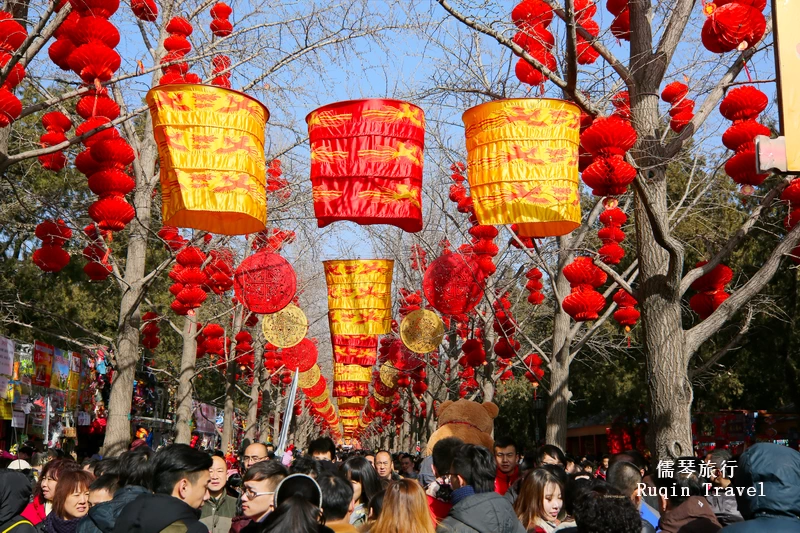
If there’s one festival that defines the emotional rhythm of China, it’s Chinese New Year, also called the Spring Festival. I’ve always felt China changes completely during this time. Streets glow red with lanterns, train stations fill with travelers heading home, and there’s a sense that the whole country is moving toward reunion. Even if it’s your first time in China, you can feel it immediately.
Chinese New Year marks the beginning of the lunar new year, usually falling between late January and mid-February. Its roots go back thousands of years, originally tied to welcoming spring and saying goodbye to winter. But today, at its heart, it remains a family festival—centered around homecoming, shared meals, and starting the new year with hope and good fortune.
Some of the most meaningful traditions happen around the dinner table. Families gather for a reunion feast, often the most important meal of the year. Elders give red envelopes (hongbao) filled with money as a blessing for luck and prosperity. Dumplings, fish, rice cakes, and other symbolic dishes are prepared not just for taste, but for what they represent in the year ahead.
For visitors, this can be one of the most unforgettable times to experience China. You’ll see red lanterns hanging across old streets, handwritten spring couplets pasted beside doorways, and festive markets filled with decorations and snacks. In many cities, dragon dances, lion dances, temple fairs, and cultural performances bring the celebration into public spaces.
My one advice: don’t just watch—join in. Try the holiday food, visit a temple fair, accept a red envelope if offered, and simply enjoy the atmosphere. Chinese New Year is loud, crowded, joyful, and deeply emotional all at once. And once you experience it, you’ll understand why it matters so much here.
2. Lantern Festival
The Lantern Festival arrives on the fifteenth day of the first lunar month, bringing the Chinese New Year season to a beautiful close. I’ve always loved this night in China. After the energy and noise of New Year celebrations, the Lantern Festival feels softer—glowing lanterns overhead, families strolling through parks, children carrying small lights, and a calm sense of celebration in the evening air.
This tradition goes back more than two thousand years. Lanterns are lit to welcome brightness, hope, and a fresh beginning for the year ahead. Many lanterns carry handwritten riddles, and part of the fun is stopping to read them and trying to guess the answers. Families also eat tangyuan—sweet glutinous rice balls served warm, often filled with black sesame or peanut paste. Their round shape symbolizes reunion, completeness, and family togetherness.
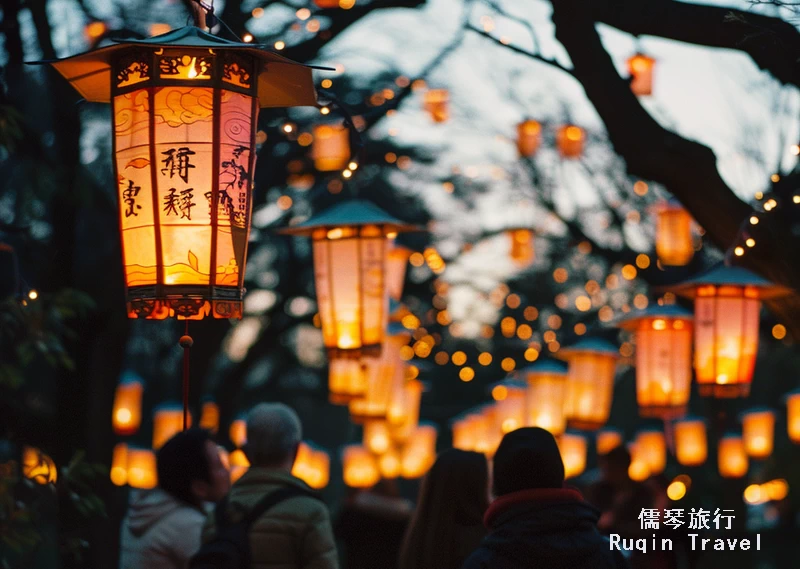
For visitors, this is one of the most charming festivals to experience in China because it feels both festive and intimate at the same time. Local parks, temple fairs, historic streets, and waterfront areas are often decorated with lantern displays in every shape imaginable—animals, flowers, zodiac signs, and scenes from Chinese folklore. Some are grand and dramatic, while others are handmade and wonderfully simple.
If you happen to be in China during the Lantern Festival, I recommend going out after sunset. Walk slowly. Watch the lanterns reflected on the water if you’re near a lake or canal. Try solving a riddle with locals if you see one posted. And definitely order a bowl of tangyuan. It’s a small experience, but somehow it captures the warmth of the festival perfectly.
3. Qingming Festival
The Qingming Festival, often called Tomb Sweeping Day, usually falls in early April, when spring is just beginning to settle across China. To me, Qingming has always felt especially meaningful because it holds two emotions at once—remembrance and renewal. It’s a quiet festival, more reflective than celebratory, yet deeply woven into everyday Chinese life.
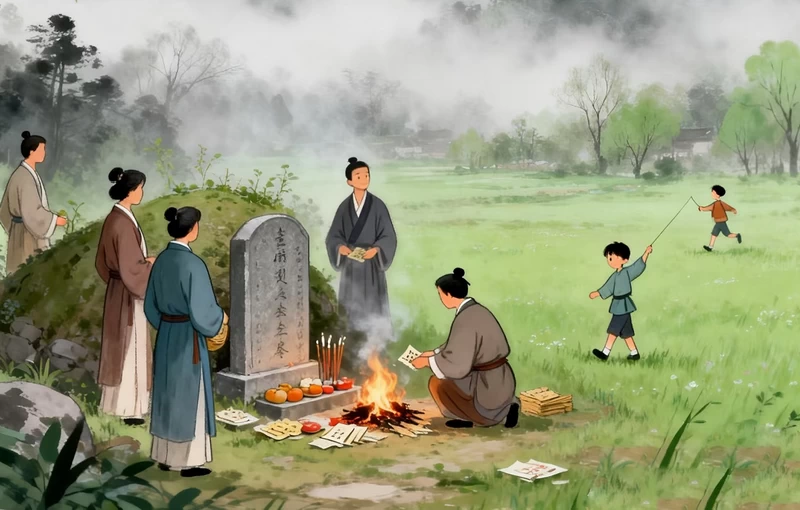
For more than two thousand years, families have observed Qingming by visiting the graves of their ancestors. They clean tombstones, remove weeds, and leave offerings such as fruit, tea, flowers, or symbolic paper items. It’s a way of honoring family members who have passed, showing respect, and keeping the connection between generations alive. You’ll often see several generations visiting together—grandparents, parents, and children—making it both a personal and family-centered tradition.
What many visitors don’t expect is that Qingming is also connected to spring outings. After paying respects, families often spend time outdoors together, enjoying the warmer weather and the fresh season. Parks and open spaces become lively with people walking, picnicking, and flying kites under the clear spring sky.
If you’re in China during Qingming, you may notice both sides of the festival at once: quiet visits to cemeteries in the morning, then families gathering outdoors later in the day. I always think this balance says something beautiful about Chinese culture—remembering the past while stepping gently into spring. For visitors, simply observing this rhythm can offer a deeper understanding of how memory, family, and nature are connected here.
4. Dragon Boat Festival
The Dragon Boat Festival, or Duanwu Festival, usually falls in June, on the fifth day of the fifth lunar month. I’ve always found this festival exhilarating—there’s energy in the air that you can almost touch. Streets by rivers and lakes come alive with crowds, drums, and the rhythmic splash of paddles, all celebrating a story that’s more than 2,000 years old.
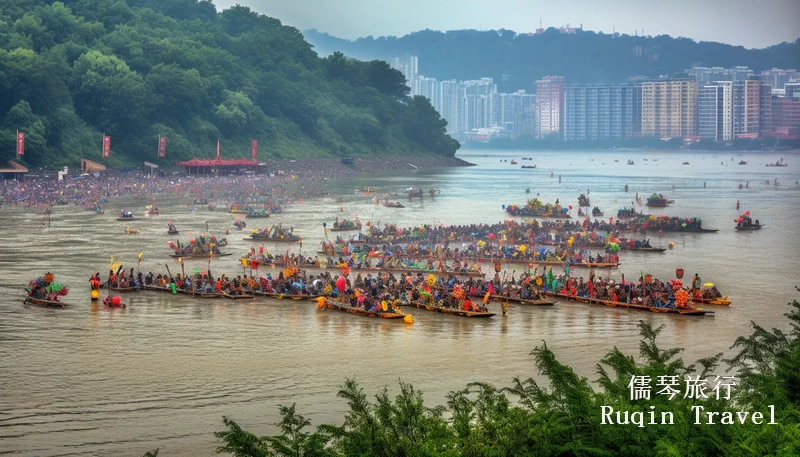
The festival honors Qu Yuan, an ancient poet whose loyalty and patriotism inspired generations. Today, people remember him by racing dragon boats, long and colorful vessels with fierce dragon heads that slice through the water to the beat of pounding drums. Another highlight is zongzi, sticky rice dumplings wrapped in bamboo leaves, filled with sweet or savory fillings, which you’ll see families making and sharing everywhere. People also hang medicinal herbs and fragrant pouches at their doors—traditions believed to protect against disease and misfortune.
Experiencing the Dragon Boat Festival as a visitor is unforgettable: the combination of sound, movement, taste, and history gives you a full-bodied sense of Chinese tradition, and joining in—even just tasting zongzi by the riverside—makes the story come alive.
5. Mid-Autumn Festival
The Mid-Autumn Festival falls on the fifteenth day of the eighth lunar month, usually in September or early October, when the moon is at its fullest and brightest. Of all the Traditional Chinese Festivals, this one feels especially gentle to me. It’s quieter than Lunar New Year, but deeply emotional—centered around family, reunion, and pausing to appreciate the beauty of the night sky.
The festival has been celebrated for more than three thousand years and is closely tied to the legend of Chang’e, the moon goddess in Chinese folklore. But in everyday life, Mid-Autumn is really about togetherness. Families gather for dinner, share mooncakes, light lanterns, and step outside to admire the full moon. In Chinese culture, the round moon symbolizes reunion, completeness, and being connected with loved ones—even across long distances.
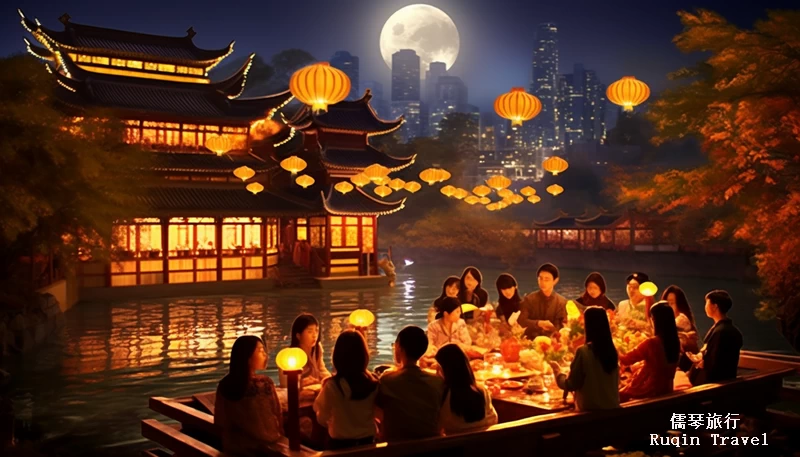
For visitors, this is one of the loveliest festivals to experience in China. Parks, riversides, gardens, and old neighborhoods often feel especially lively that evening, with lantern displays and families out walking after dinner. Children carry glowing lanterns, mooncakes are exchanged as gifts, and everyone seems to look up at the sky a little more than usual.
And of course, there are the mooncakes. You’ll find traditional fillings like lotus seed paste or red bean, savory versions with salted egg yolk, and newer styles like ice cream or chocolate mooncakes in bakery windows across the country. My advice is simple—try a few different kinds. Then find an open spot under the moon, sit for a while, and enjoy the atmosphere. Mid-Autumn is less about spectacle and more about feeling—and that’s what makes it memorable.
6. Double Ninth Festival
The Double Ninth Festival, also called the Chongyang Festival, takes place on the ninth day of the ninth lunar month, usually in October when autumn is at its most beautiful in China. I’ve always thought this festival feels wonderfully seasonal—clear skies, cool air, golden leaves, and people heading outdoors to enjoy the changing landscape.
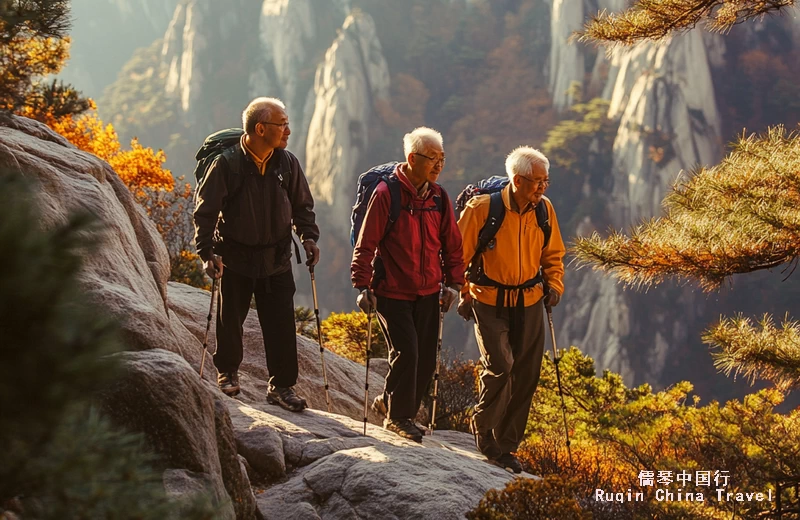
Celebrated for over two thousand years, Double Ninth is traditionally associated with longevity, health, and respect for older generations. Today, it’s widely observed as a day to honor elders and spend time with family. Many of the customs are tied to nature and wellbeing: climbing hills or mountains, admiring chrysanthemums in bloom, eating chongyang cake (often called chrysanthemum cake), and enjoying drinks or teas made with chrysanthemum flowers.
For visitors, this festival offers a quieter and more local cultural experience than some of the larger celebrations. You may see families hiking together in scenic areas, older people gathering in parks, or seasonal flower displays filling temple grounds and public gardens. The tradition of climbing to a high place comes from the belief that it brings good health and protection—and it also happens to be one of the loveliest ways to experience autumn in China.
If you’re in China during Double Ninth, I always recommend taking a walk outdoors—whether on a mountain trail, in a city park, or through the countryside. Bring your camera, notice the chrysanthemums, and enjoy the slower rhythm of the season. It’s a festival that feels less about spectacle and more about appreciation—for nature, for family, and for growing older with grace.
Experiencing Traditional Chinese Festivals as a Visitor
One of the best ways to connect with China is to experience a festival while you’re here—not just as a spectator, but as someone willing to step into the rhythm of it. Festivals in China are not performances staged for visitors. They are part of family life, community memory, and the changing seasons. That’s what makes them feel so special.
Timing Your Visit Around a Festival
If your travel dates are flexible, planning your trip around one of the Traditional Chinese Festivals can add a completely different layer to your experience. The atmosphere in China changes during festival time—streets are decorated, seasonal foods appear everywhere, and public spaces feel more alive.
Because many festival dates follow the lunar calendar, they move each year. I always recommend checking the festival dates before booking flights or trains, especially for major holidays like Chinese New Year or Mid-Autumn Festival. It’s worth planning ahead—but also be prepared for bigger crowds and busy transport during national holiday periods.
Participating Respectfully
My advice is simple: come with curiosity, and observe first. Every festival has its own mood. Some are joyful and energetic, like the Dragon Boat Festival. Others, like Qingming, are quieter and more reflective.
Watch how locals participate, follow the atmosphere around you, and take your cue from the setting. If people are lighting incense, speaking softly, or making offerings, it’s best to move gently and respectfully. If it’s a lively street celebration, feel free to join the fun. You don’t need to know every custom. A respectful attitude matters far more than doing everything perfectly.
Connecting with Local People
Some of my favorite festival memories in China have come from small conversations—someone explaining what food they’re eating, a grandmother handing a child a lantern, a shopkeeper telling the story behind a decoration hanging at the door.
Many Chinese people are genuinely happy to share festival traditions with visitors, especially when they see real interest. Don’t be shy about asking simple questions. What are you celebrating? Why do people eat this food? What does this decoration mean?
Often those brief exchanges become the part you remember most.
Festivals in China are full of symbolism, but they’re also deeply human—about reunion, memory, food, family, and belonging. And if you experience them with openness and patience, they can give you one of the clearest windows into Chinese culture.
Traditional Chinese festivals offer one of the most meaningful ways to understand China beyond its landmarks. Through food, family gatherings, lanterns, rituals, and seasonal celebrations, Traditional Chinese Festivals reveal the values and stories that continue to shape everyday life across the country.
For visitors, joining a festival is more than attending an event—it’s stepping into the cultural heartbeat of China. Come with curiosity, stay open to the experience, and you’ll leave with memories that stay with you long after the journey ends.
Further Reading
Chinese Dragon: Myths, History, and Symbolism
The Architecture of Siheyuan and Hutongs in Beijing – Your Complete Guide
Chinese Zodiac Signs Explained – A Foreigner’s Guide
Traditional Chinese Music Instruments – A Foreigner’s Guide
Chinese Seal Carving – A Foreigner’s Guide
Traditional Chinese Clothing: A Foreigner’s Guide
Chinese Seal Carving – A Foreigner’s Guide