
Written and updated by Ruqin
Last updated: March 22, 2026
The first thing I noticed when I walked into the Xi’an Muslim Quarter wasn’t a landmark—it was the smell. Grilled lamb, fresh flatbread, spices in the air, and the steady rhythm of vendors calling out to passing crowds. It felt busy, yes, but also deeply local. This wasn’t a staged attraction. It was a living neighborhood where food, faith, and daily life all overlap in a very real way.
If you’re wondering how to visit the Muslim Quarter in Xi’an, I’ll walk you through what actually helps on the ground—what to eat, where to wander, how to avoid the most crowded stretches, and what’s worth your time. It’s easy to get overwhelmed here, but with a bit of guidance, it becomes one of the most rewarding parts of Xi’an.
1. A Brief History of the Muslim Quarter
Before you explore the food stalls and lively streets, it helps to know the story behind Xi’an’s Muslim Quarter. This neighborhood isn’t just famous for snacks—it’s rooted in over a thousand years of history.
The area dates back to the Tang Dynasty (618–907) , when Silk Road merchants from Persia and Central Asia began settling in Xi’an. They didn’t just bring spices and silks—they brought their faith, culture, and families.
Over time, these communities grew into what we now call the Hui Muslim population—an integral part of Xi’an’s identity. Walking through the Muslim Quarter today, you’ll notice the unique blend of Islamic and Chinese influences in the architecture, food, and daily life.
The district centers around the Great Mosque of Xi’an, one of the oldest in China. But just as important are the small shops, family-run eateries, and hand-pulled noodle stalls that continue centuries of tradition.
Understanding this rich history adds depth to your visit—and helps you see why the Muslim Quarter is so much more than a food street.
2. How to Get to the Muslim Quarter in Xi’an
When planning your visit to the Muslim Quarter in Xi’an, the first step is knowing how to get there. Conveniently located in the heart of Xi’an’s city center, the Muslim Quarter is easily accessible by public transportation.
By Subway
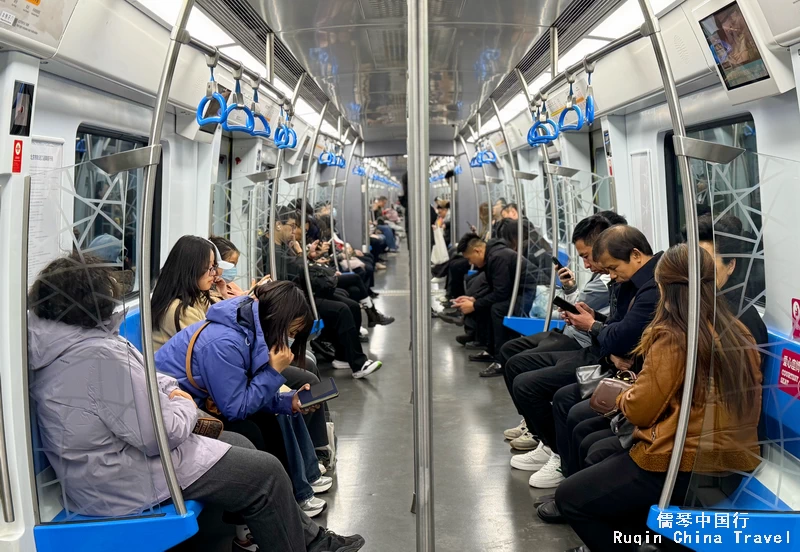
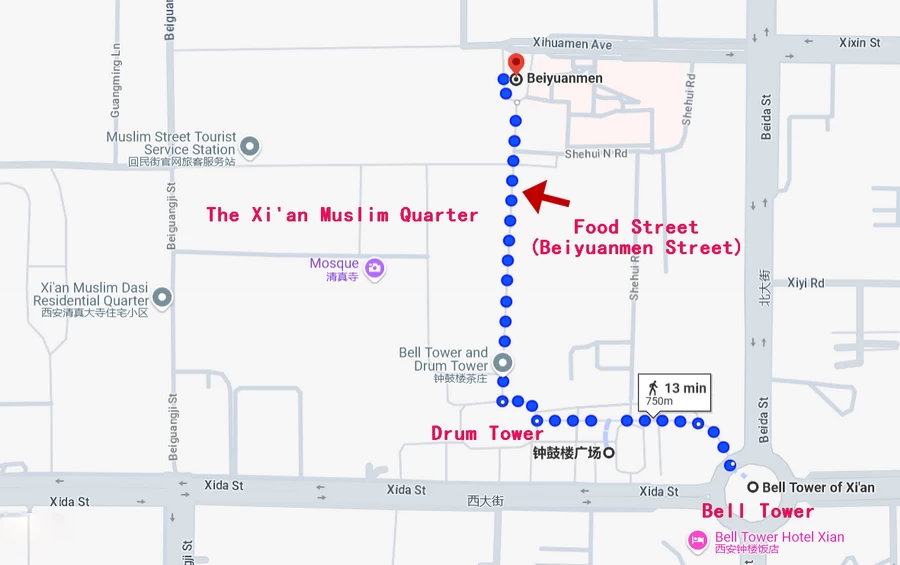
The most convenient way to reach the Muslim Quarter is by taking Subway Line 2 and getting off at Zhonglou Station (Bell Tower Station). From there, it’s just a short walk northwest to reach the entrance of the Muslim Quarter. The subway is an affordable and efficient option for travelers staying in other parts of Xi’an.
By Taxi or Rideshare
Alternatively, you can take a taxi or use a rideshare app like DiDi. The Muslim Quarter is centrally located, making it an easy destination to reach from most areas of the city. A taxi from downtown Xi’an will typically cost around 10-20 RMB ($1.50-3 USD), depending on the distance.
By Foot
If you’re already exploring Xi’an City Wall or nearby attractions like the Bell Tower or Drum Tower, the Muslim Quarter is within walking distance. It’s an excellent opportunity to explore the historic streets leading to this lively area.
3. Best Time to Visit Xi’an Muslim Quarter
Timing your visit is crucial to having the best experience. The best time to visit the Muslim Quarter is in the late afternoon or early evening. This is when the street market comes alive, and you’ll find the widest variety of street food vendors. The area becomes vibrant and bustling, with locals and tourists alike enjoying the lively atmosphere.
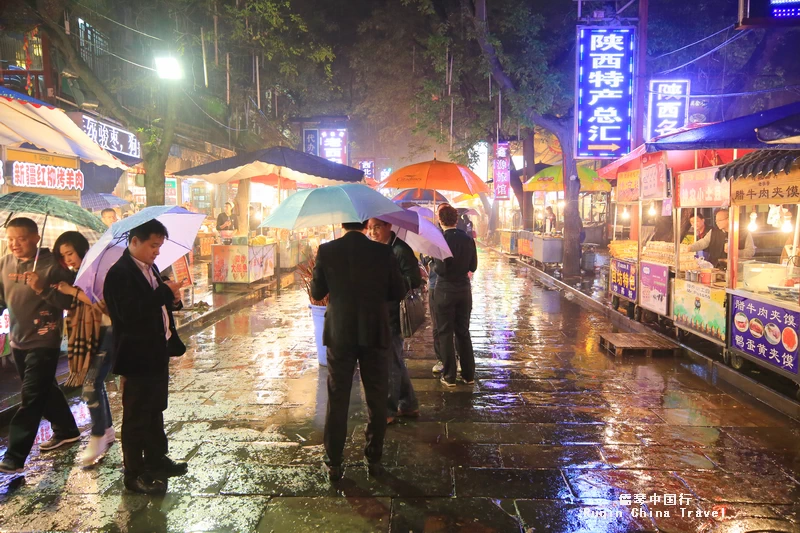
For those who prefer a quieter experience, visiting during the day is a good option. You’ll find fewer crowds and still have access to many shops and restaurants. Avoid visiting early in the morning, as most food vendors won’t be open yet.
4. Top Things to Do in the Muslim Quarter
The Muslim Quarter is a maze of narrow streets and alleyways, all packed with vendors selling everything from food to handicrafts. While the food is undoubtedly the highlight of the Muslim Quarter, there are plenty of other things to see and do. Here are some of the top things to do in the Muslim Quarter:
1) Food Tour
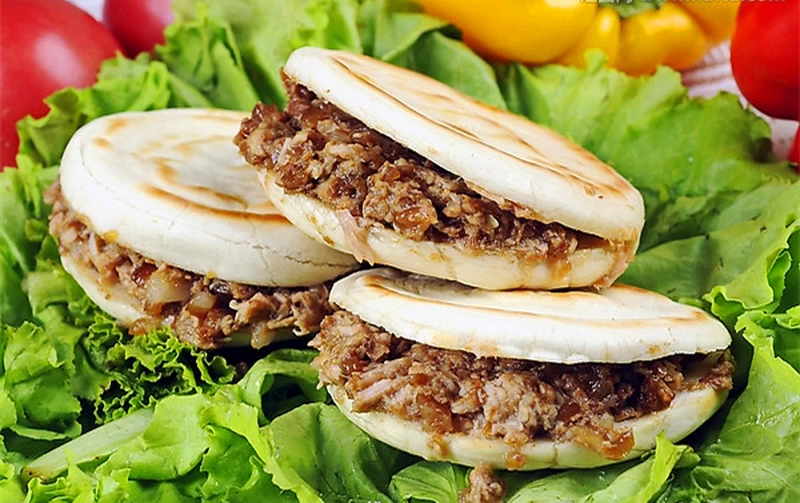
One of the main reasons tourists visit the Muslim Quarter is for its incredible street food. A Xi’an Muslim Quarter food tour is a must-do activity. Start with roujiamo, the famous Chinese hamburger, filled with seasoned meat and tucked into a crispy bun.
Then, try yangrou paomo, a hearty lamb stew served with crumbled flatbread. Don’t miss the skewers of lamb grilled over an open flame, or the sweet jellied desserts that offer a refreshing end to your meal.
2) Visit the Great Mosque
Located in the heart of the Muslim Quarter is the Great Mosque of Xi’an, one of the largest and oldest mosques in China. The mosque is a beautiful blend of Chinese and Islamic architecture and offers a peaceful retreat from the bustling streets.
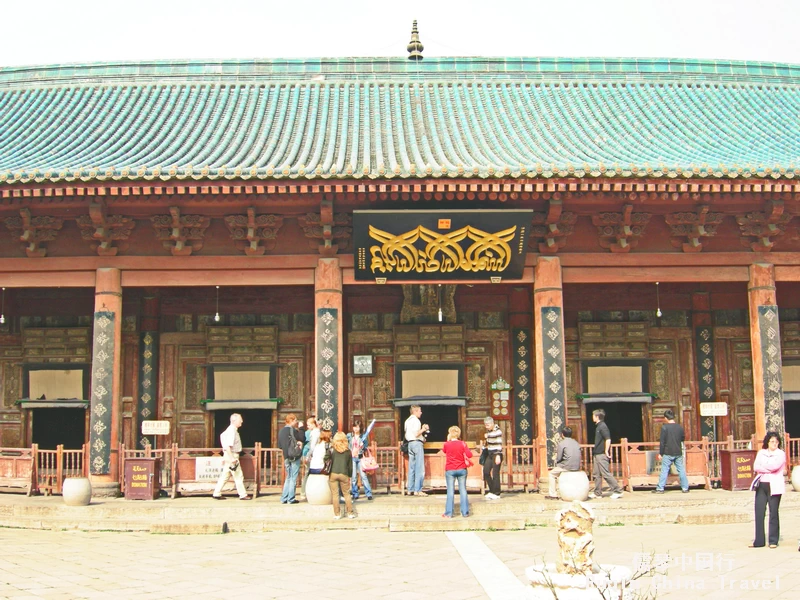
Visitors can walk through its serene courtyards and admire the intricate designs on the prayer halls. It’s a perfect stop for those interested in the cultural significance of the area.
3) Shopping in the Muslim Quarter
Beyond the food, the Muslim Quarter is also a great place to shop for local handicrafts and souvenirs. You’ll find a wide variety of items, from handcrafted jewelry and calligraphy scrolls to traditional silk scarves.
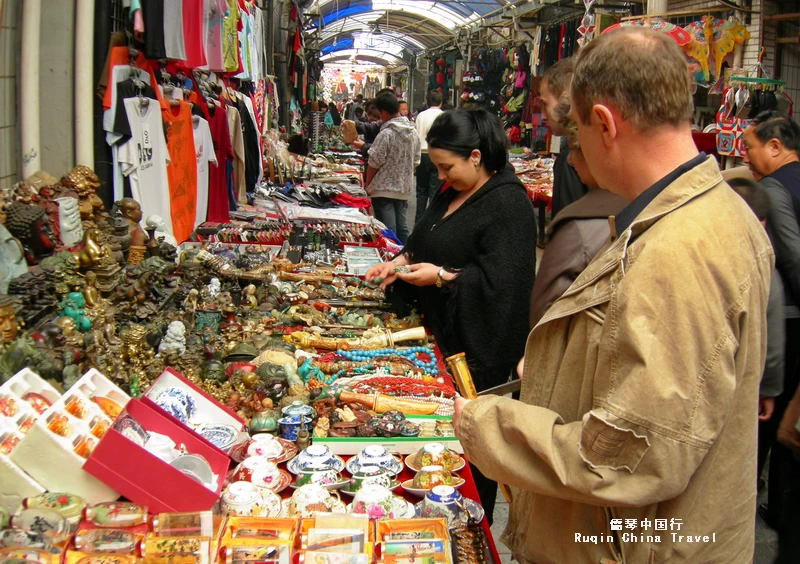
If you’re looking for something unique to take home, this is the place to find it.
5. What to Eat in Xi’an Muslim Quarter
When visiting the Muslim Quarter in Xi’an, food isn’t just part of the experience—it is the experience. This lively area is famous for some of the best street food in China. The aromas, sizzling sounds, and vibrant energy make every snack feel like a discovery.
Below is a must-try favorite you won’t want to miss:
1) Roujiamo (肉夹馍)
Think of Roujiamo as China’s answer to the burger—but with centuries of history baked in. This beloved street snack features tender, slow-cooked meat, usually spiced beef or lamb, stuffed into a crispy, griddled flatbread. The bread is firm on the outside and fluffy inside, perfect for soaking up the savory juices.

Vendors cook the meat for hours with a blend of local spices, giving it a rich, bold flavor. Every bite is juicy, comforting, and deeply satisfying.
You’ll find dozens of stalls selling Roujiamo, each with its own twist. Some serve it extra spicy, others add cilantro or green pepper for a kick. It’s warm, hand-held, and easy to eat as you wander the streets.
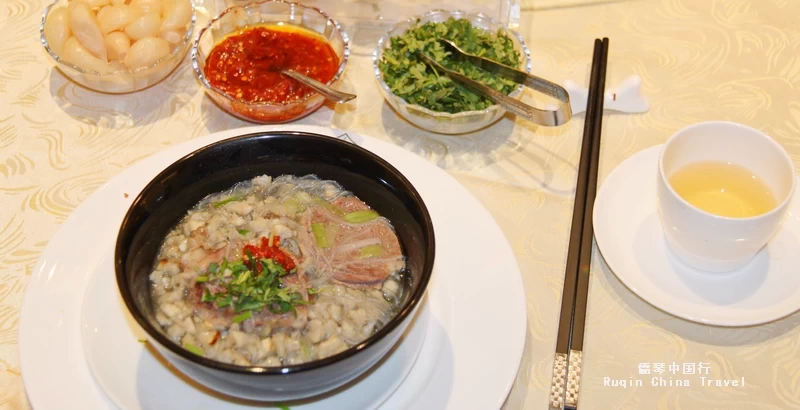
2) Yangrou Paomo (羊肉泡馍)
This traditional dish consists of a rich lamb soup served with crumbled flatbread. You’ll be given a piece of bread to tear into small bits before it’s added to the soup. It’s a hearty, filling meal that’s especially popular in the colder months.
3) Lamb Skewers (羊肉串 | Yang Rou Chuan)
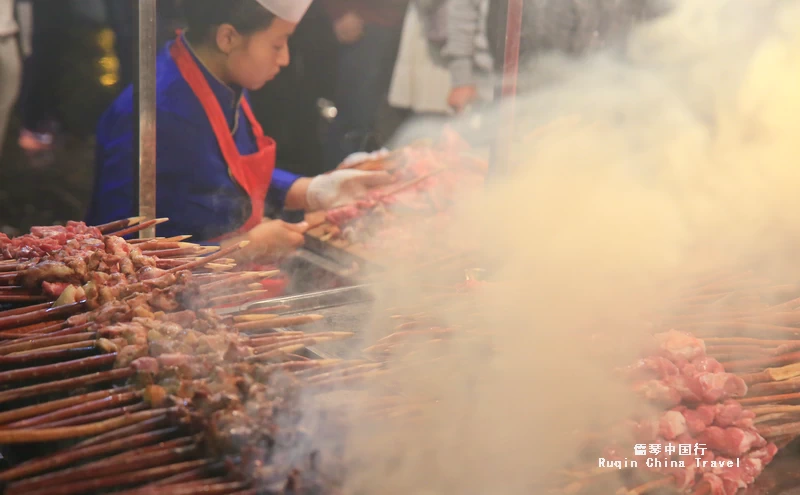
If you’re a meat lover, Yang Rou Chuan—lamb skewers grilled over open flames—should be at the top of your list.
These skewers are one of the most iconic street foods in Xi’an’s Muslim Quarter, and it’s easy to see (and smell!) why. Street vendors fan small charcoal grills that send smoky, mouthwatering aromas into the air, drawing locals and visitors alike.

The lamb is cut into bite-sized chunks, marinated, and generously seasoned with cumin, chili flakes, and pepper. The flavors are bold, spicy, and deeply satisfying. Each skewer is grilled to perfection—crispy on the edges, juicy in the middle.
You’ll often see skewers sizzling right at the front of stalls, served fresh off the grill. They’re quick to eat, easy to share, and pair perfectly with other snacks like roujiamo or cold noodles.
Even if you’re not usually into lamb, give this local favorite a try. The spices mellow out the gaminess, leaving just rich, smoky flavor.
For a full foodie experience, grab a skewer, walk the lantern-lit streets, and enjoy one of the most authentic street foods in the Muslim Quarter.
4) Cold Noodles (凉皮 | Liangpi)
When the streets of Xi’an heat up, nothing hits the spot like a bowl of Liangpi, or cold noodles.
This beloved street snack is light, refreshing, and full of flavor. Made from wheat or rice flour, the noodles are soft, slightly chewy, and served chilled—making them the perfect choice on a warm day.

What truly sets Liangpi apart is the sauce. Vendors toss the noodles in a bold blend of vinegar, garlic, sesame paste, soy sauce, and chili oil. Some versions include sliced cucumber, bean sprouts, or gluten chunks (mianjin) for extra texture.
You’ll find cold noodles at nearly every food stall in the Muslim Quarter. Each stall has its own take—some spicier, others more sour. Don’t be afraid to ask for less chili if you prefer it mild!
Liangpi is easy to eat on the go or while sitting at a shared table. It’s budget-friendly, satisfying, and a great way to cool down between bites of roujiamo or lamb skewers.
Whether you’re new to Chinese cuisine or a seasoned street food explorer, Liangpi is a must-try in Xi’an.
6. Must-See Spots near Xi’an Muslim Quarter
While most travelers come for the food, the Muslim Quarter in Xi’an offers much more than delicious street snacks. This historic district—locally known as Fang Shang (坊上)—is actually a network of streets, not just one. It includes Beiyuanmen, Beiguangji Street, Xiyang Market, Dapiyuan, Huajue Lane, and Sajin Bridge, each with its own charm.
Here are a few spots you shouldn’t miss during your visit:
Huajue Lane (化觉巷)
Tucked away in the heart of Xi’an’s Muslim Quarter, Huajue Lane is far more than a shortcut—it’s a quiet journey through time.
This narrow alley stretches between the Drum Tower to the south and Xiyang Market to the north. Though only a few hundred meters long, it’s rich with culture and character. The lane itself branches into four smaller side alleys, creating a maze-like layout that invites slow wandering.

At its heart lies the magnificent Great Mosque of Xi’an—a national heritage site blending Islamic elements with Ming and Qing courtyard architecture. With four elegant courtyards and traditional tiled roofs, the mosque feels peaceful and sacred, even among the bustle outside.
As you stroll, look up at the covered rain canopies, glance down at the worn bluestone path, and take in the smell of grilled skewers and fresh flatbreads. Locals still live nearby in preserved courtyard homes like the historic Anjia Residence, offering a rare glimpse of Xi’an’s old residential life.
Today, Huajue Lane has become a popular spot for souvenir shopping, but its soul remains intact. Walk slowly, look closely, and you’ll feel the layers of history that live on in every stone.
Xiyang Market (西羊市)
Tucked just north of the Drum Tower, Xiyang Market is one of the oldest and most culturally rich streets in Xi’an’s Muslim Quarter. With a history of over 600 years, it dates back to the Yuan Dynasty, when it was originally a bustling livestock market.

Today, Xiyang Market stretches for about 400 meters, connecting Beiyuanmen in the east with Beiguangji Street in the west. The eastern side is lively and tourist-friendly, packed with food stalls, souvenir shops, and energy. Meanwhile, the western side offers a quieter, more local feel, where many Hui Muslim families still live.
What makes this street special is its balance of old and new. You’ll find Islamic traditions, Ming and Qing architecture, and street food that has been passed down for generations.
This is the place to try iconic Xi’an dishes like Yangrou Paomo and Roujiamo, all while soaking in the sights and sounds of a street known as a “living museum” of Hui culture.
Whether you’re a foodie, a history buff, or just curious, Xiyang Market is worth exploring—slowly, and with all your senses.
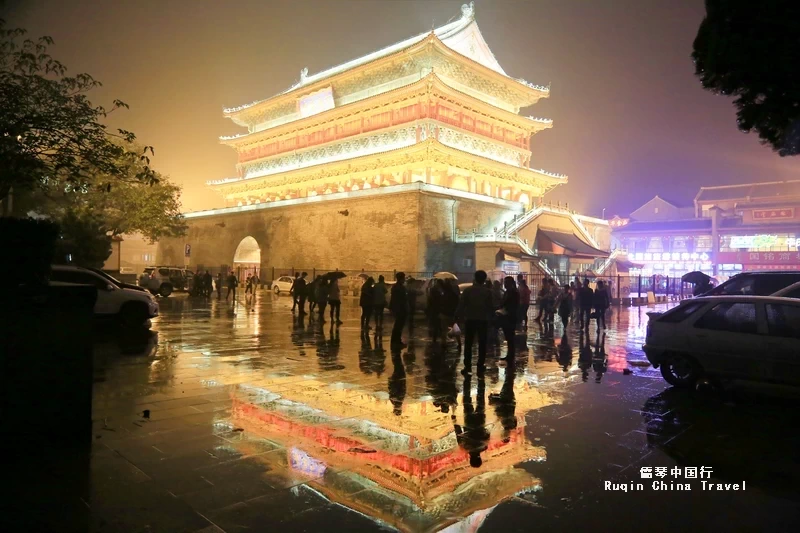
The Drum Tower (鼓楼)
Standing at the southern edge of the Muslim Quarter, the Drum Tower offers stunning city views. Visit around sunset for beautiful photos and the rhythmic sound of drums echoing through the air.
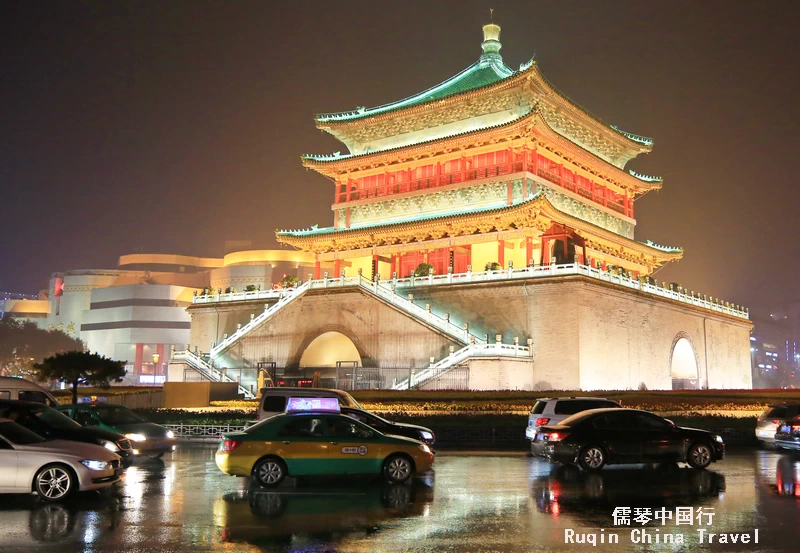
The Bell Tower (钟楼)
Just steps from the Drum Tower, this landmark is one of Xi’an’s most iconic sights. It’s especially stunning when lit up at night.
Together, these sites offer a deeper look into the history, culture, and rhythm of daily life in Xi’an—making your visit to the Muslim Quarter so much more than just a food tour.
Frequently Asked Questions: How to Visit Muslim Quarter Xi’an
1. What is the Muslim Quarter in Xi’an?
The Muslim Quarter is a vibrant, historic district in Xi’an known for its Hui Muslim culture, street food, and lively markets. It’s made up of several interconnected streets, including Beiyuanmen, Huajue Lane, Xiyang Market, and others. Visitors love it for its unique mix of flavors, faith, and history.
2. Where is the Muslim Quarter located?
It’s located just north of the Drum Tower in central Xi’an, within easy walking distance from major landmarks like the Bell Tower. You can enter the quarter from several streets, but Beiyuanmen Street is the most popular entry point.
3. What’s the best time to visit the Muslim Quarter?
The area is open all day, but the late afternoon to evening is the best time to visit. That’s when the street food stalls come alive, the lights go on, and the atmosphere becomes electric. Try to avoid major holidays unless you’re okay with large crowds.
4. Is it safe to visit the Muslim Quarter at night?
Yes, it’s generally safe—even after dark. The area is well-lit and full of locals, families, and other travelers. As always, stay aware of your belongings in busy crowds, especially around popular food areas.
5. What are the must-try foods in the Muslim Quarter?
Some must-try dishes include:
- Roujiamo (Chinese burger)
- Yangrou Chuan (lamb skewers)
- Liangpi (cold noodles)
- Yangrou Paomo (crumbled flatbread in lamb soup)
- Persimmon cakes
Many stalls offer variations, so it’s worth tasting a few versions!
6. Can I visit the Great Mosque of Xi’an?
Yes, and it’s highly recommended. Located on Huajue Lane, the Great Mosque is one of the oldest and most beautiful in China. It combines traditional Chinese architecture with Islamic elements. Non-Muslims are welcome in the courtyards but should dress modestly and remain respectful.
7. How much time should I plan for a visit?
Set aside 2–3 hours for a relaxed visit. If you’re a foodie or enjoy exploring side alleys, you might spend even longer. Consider pairing your visit with nearby sights like the Drum Tower and Bell Tower.
8. Do I need to speak Chinese to visit?
Not at all. Many vendors understand basic English or use translation apps. Still, knowing a few phrases like “bú yào là” (no spice) or using a translator can make your experience smoother.
9. Are there vegetarian options in the Muslim Quarter?
Yes, although it’s a meat-heavy food scene. You can find cold noodles, grilled vegetables, flatbreads, and sweet treats like sesame candy and hawthorn jelly. Just ask vendors or use a translation app to double-check ingredients.
10. Can I pay with international credit cards?
Most stalls only accept cash or mobile payments (like WeChat Pay or Alipay). International cards usually don’t work at small vendors. It’s best to bring Chinese RMB in small bills.
By the time I left the Xi’an Muslim Quarter, I wasn’t just full—I felt like I had seen a different layer of the city. The noise, the smoke from grills, the narrow lanes packed with people—it can feel intense at first, but once you settle into the rhythm, it becomes part of the experience.
So when people ask me How to Visit Muslim Quarter Xi’an, I always say: come curious, come hungry, and give yourself time to wander. Don’t rush through it. The best moments here are rarely planned—they happen between bites and turns.
About the Author
Ruqin is the founder of Ruqintravel.com and has spent more than four decades working in China’s travel industry. Drawing on hands-on experience in cities like Beijing and Hangzhou, he personally researches and updates each guide to help international travelers navigate China with confidence.
Further Reading
Best Time to Visit Xi’an: Weather, Sights, Festivals & Tips
Where to Stay in Xi’an: Areas, Hotels, Maps and Attractions
How to Use the Xi’an Subway: A Guide for First-Time Travelers
What to Buy in Xi’an: Best Gifts from Xi’an
How to Visit the Terracotta Warriors: Tickets, Map, Highlights & Tips
Bell & Drum Towers, Xi’an: What to See, Tickets & Travel Tips
How to Visit Shaanxi History Museum – A Complete Guide
How to Visit Huaqing Pool in Xi’an: Map, Tickets, Show and Tips
How to Visit Big Wild Goose Pagoda in Xi’an: A Complete Guide
How to Visit Xi’an City Wall: Map, Tickets, South Gate & Travel Tips
How to Visit Great Mosque of Xi’an: Map, Hours, Tour & Travel Tips