Written and updated by Ruqin
Last updated: May 30, 2026
Exploring Ethnic Groups in China is one of the most rewarding ways to understand the country beyond its famous landmarks and big cities. Travel through China’s mountains, grasslands, and villages, and you’ll discover communities with their own languages, festivals, clothing, music, and traditions—many preserved across generations.
China is home to 56 officially recognized ethnic groups, creating one of the richest cultural landscapes in the world. While Han Chinese make up the majority of the population, China’s ethnic minorities bring extraordinary diversity and regional character, adding depth, color, and living tradition to the experience of traveling through China.
1. Understanding China’s Ethnic Groups
China’s ethnic minorities are spread across the country, but some regions are especially rich in cultural diversity. Yunnan, Xinjiang, Tibet, Guangxi, and Guizhou stand out for their vibrant villages, traditional lifestyles, and centuries-old customs.
Visiting these areas is like stepping into a living museum: each community has its own language, clothing, music, and rituals, creating experiences that feel both authentic and unforgettable.
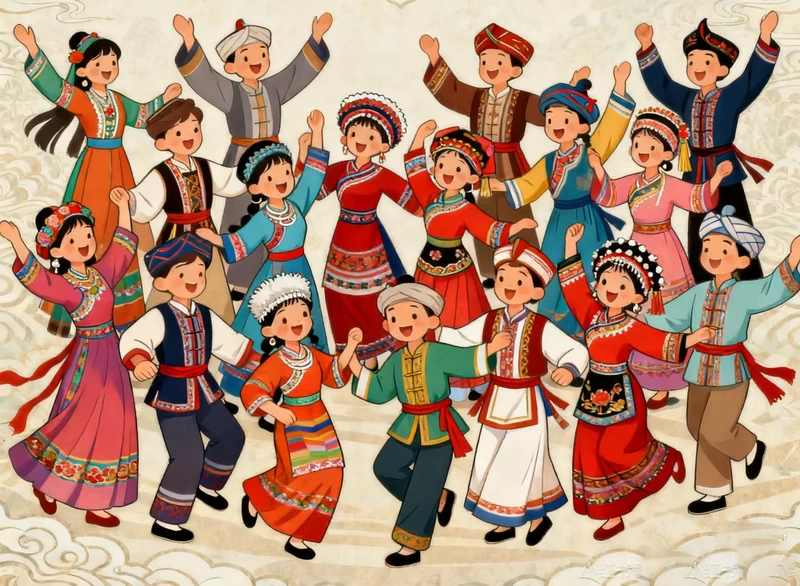
Part of the Ethnic Groups in China
Beyond the Han majority, China’s well-known ethnic groups include the Zhuang, Hui, Manchu, Miao, Uyghur, Yi, Tujia, Tibetan, and Mongolian peoples. Each group celebrates unique festivals, preserves traditional crafts, and practices beliefs that have been handed down through generations.
Exploring these cultures gives travelers a deeper understanding of China’s cultural richness and offers a chance to connect with communities whose traditions continue to shape the country today.
1) The Zhuang People of Guangxi
The Zhuang people, China’s largest ethnic minority, primarily live in Guangxi Zhuang Autonomous Region in southern China. Known for their colorful clothing and unique language, the Zhuang are famous for their folk music and storytelling.
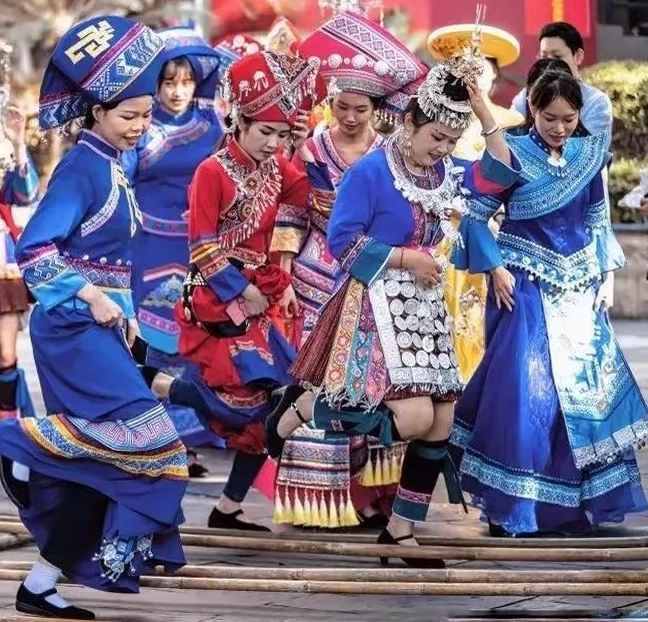
The Zhuang Bamboo Pole Dance of Guangxi
Exploring Guangxi during the Zhuang’s traditional festivals, such as the Song Festival (San Yue San), allows visitors to witness their rich cultural heritage. Celebrations include singing competitions, dragon boat races, and traditional dances.
In Guangxi, travelers can experience Zhuang traditions in smaller villages and bustling markets. Here, the Zhuang still practice ancient agricultural methods and create handicrafts like embroidered textiles and bamboo products. Visiting Guangxi offers an authentic look at China’s ethnic diversity and provides a chance to connect with the Zhuang’s distinct cultural heritage.
2) The Tibetan People of Tibet and Sichuan
The Tibetan people, among China’s most culturally unique groups, live primarily in the Tibet Autonomous Region, as well as in parts of Sichuan, Gansu, and Qinghai.
Known for their deep spiritual traditions, the Tibetan people incorporate Buddhist teachings into nearly every aspect of life. Travelers visiting Tibet experience a spiritual immersion through Tibetan festivals, rituals, and artwork.
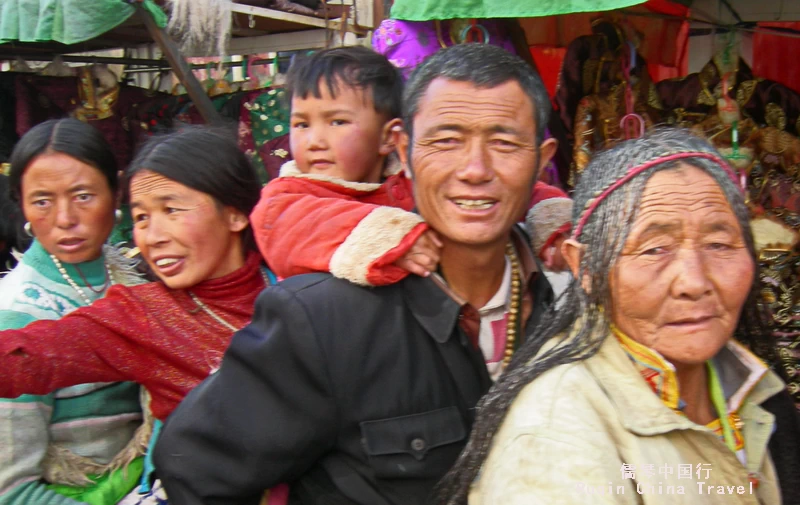
The Tibetan People of Tibet
Visiting during a major Tibetan festival, such as Losar (Tibetan New Year) or the Shoton Festival, gives travelers a chance to see Tibetan customs firsthand.
Sites like the Potala Palace in Lhasa and Jokhang Temple offer insights into Tibetan Buddhism and are popular with travelers interested in spiritual tourism. Beyond religion, Tibet’s breathtaking landscapes, including Mount Everest and vast grasslands, play a central role in Tibetan culture.
3) The Uyghur People of Xinjiang
The Uyghur people, primarily reside in Xinjiang Uyghur Autonomous Region in northwest China. With Central Asian influences, Uyghur culture stands out in China. Known for vibrant music, dance, intricate carpets, and flavorful cuisine, Uyghur culture offers travelers a distinctive cultural experience.
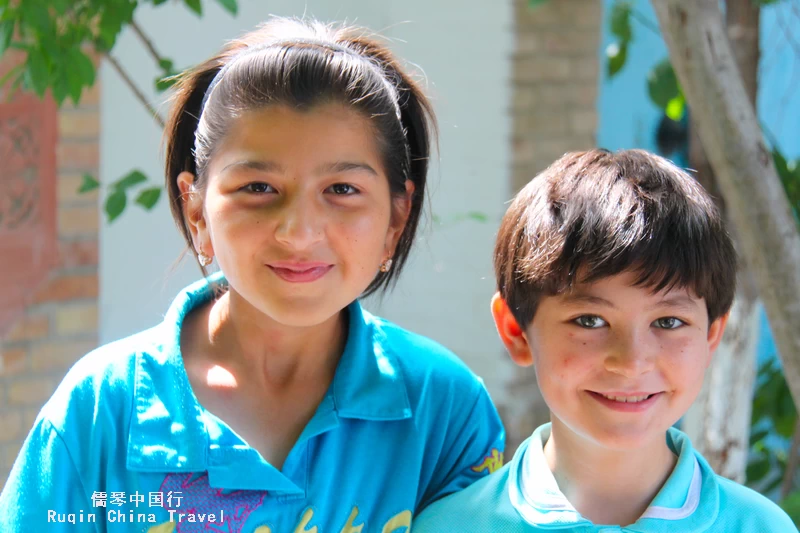
The Uyghur People of Xinjiang
In Xinjiang, visitors can sample Uyghur food like lamb skewers, naan, and hand-pulled noodles. Additionally, Uyghur music and dance, especially the traditional Muqam, provide a glimpse into this group’s cultural heritage.
Travelers in Xinjiang often head to Kashgar, an ancient Silk Road city, to experience Uyghur culture in depth. Kashgar’s traditional markets, Uyghur architecture, and local cuisine give travelers a rich understanding of ethnic diversity in China.
4) The Miao People of Guizhou and Hunan
The Miao people, one of China’s oldest ethnic groups, are renowned for their elaborate silver jewelry and colorful clothing. Primarily located in Guizhou and Hunan, the Miao are skilled artisans, famous for their embroidery, weaving, and silverwork. Their culture has a close connection to nature, with many Miao villages located in beautiful mountain areas.
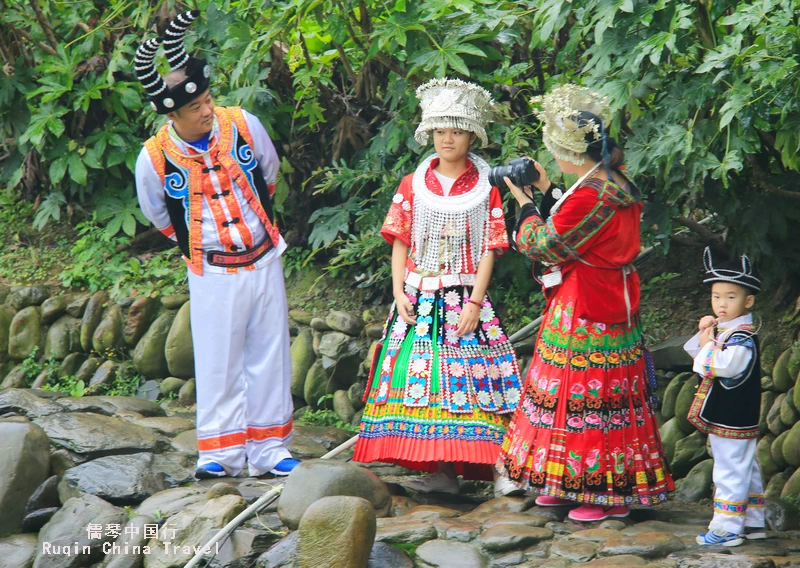
The Miao People of Guizhou and Hunan
Visiting Guizhou during the Sisters’ Meal Festival allows travelers to witness Miao customs up close. In this festival, young Miao women, dressed in bright costumes and silver jewelry, prepare meals for young men, accompanied by lively music and dancing.
The Miao’s musical heritage includes the Lusheng, a bamboo wind instrument often played at festivals. For travelers, experiencing Miao culture is an opportunity to observe rural traditions in China that have been preserved over generations.
5) The Dong People of Guizhou and Guangxi
The Dong people, found mainly in Guizhou and Guangxi, are famous for their Drum Tower architecture and Wind and Rain Bridges—structures built without nails.
The Dong people’s polyphonic singing style, called Grand Songs (Dage), is a UNESCO Intangible Cultural Heritage. Dong villages, with their scenic settings and traditional lifestyles, offer travelers a unique look at China’s ethnic diversity.
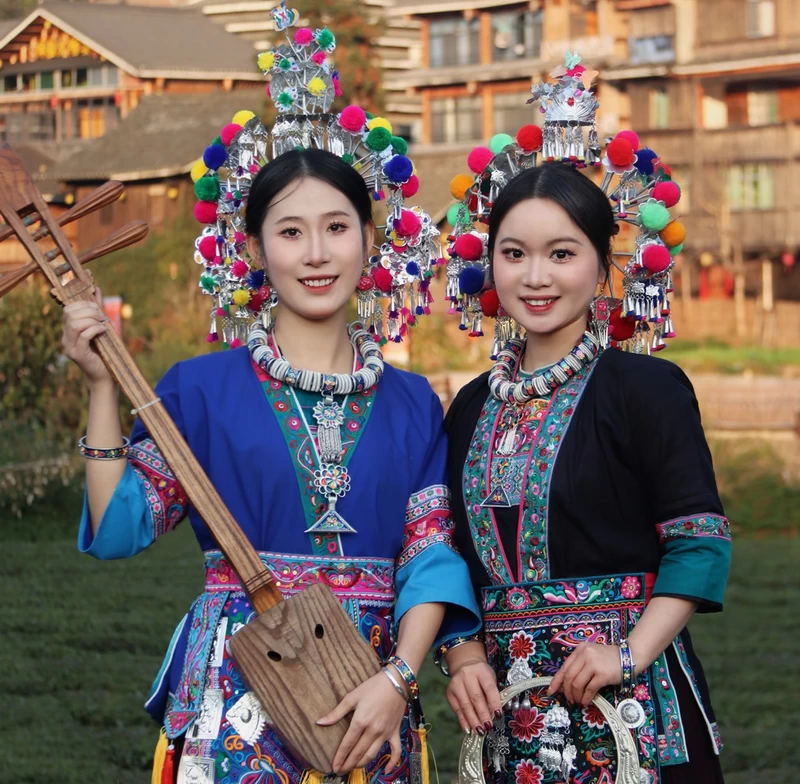
The Dong Women in traditional clothes
The Dong New Year festival is an especially colorful celebration, featuring music, dance, and traditional feasts. Travelers visiting during this time will see Dong villagers in traditional dress, performing and celebrating. Touring Dong villages, such as Zhaoxing Village in Guizhou, provides an authentic and immersive experience, bringing travelers closer to the heart of rural traditions in China.
6) The Yi People of Yunnan and Sichuan
The Yi people, primarily located in Yunnan and Sichuan, celebrate some of China’s most lively festivals. Known for the Torch Festival, which includes bonfires, wrestling, and horse races, the Yi people gather each summer for this spirited event. For travelers, attending the Torch Festival provides a lively, colorful experience.
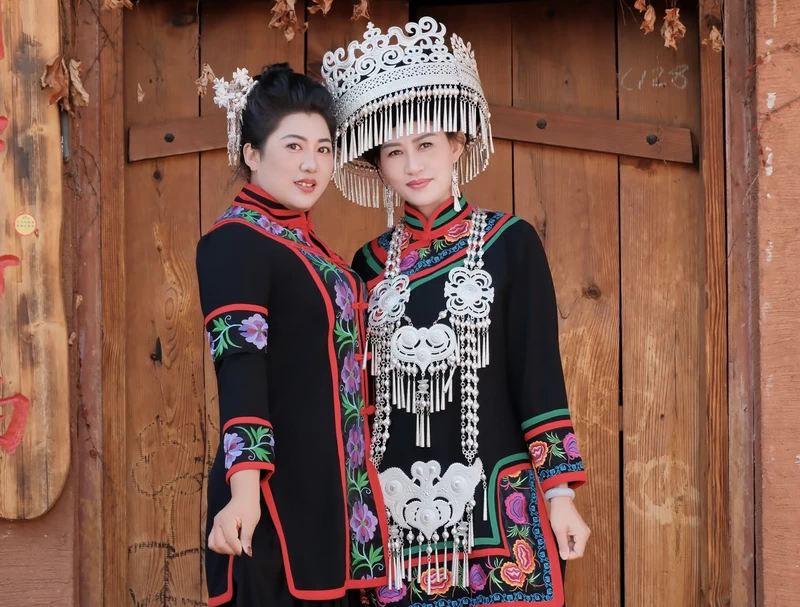
The Yi Women in Tradtional Clothes
The Yi people have a distinct language and writing system and follow Bimoism, a traditional Yi religion. With their bright clothing and unique jewelry, the Yi people maintain a strong cultural identity.
Travelers visiting Yunnan or Sichuan during the Torch Festival can participate in Yi festivities, enjoying traditional music, food, and dancing. The Yi’s rich cultural heritage adds to China’s ethnic diversity, making it a unique travel experience.
2. Experiencing Festivals of China’s Ethnic Minorities
One of the most memorable ways to experience China’s ethnic groups is through their festivals. These celebrations are not just colorful events—they carry centuries of history, spirituality, and local identity, giving travelers a living glimpse into the diversity of China’s cultures.
For example, the Songkran Festival celebrated by the Dai people in Yunnan is a joyous water-splashing event. Locals and visitors alike join in water fights, boat races, and traditional performances, making it playful and unforgettable. In Inner Mongolia, the Nadam Fair highlights the nomadic lifestyle, with wrestling, archery, and horse racing creating an energetic and immersive experience. Meanwhile, Tibet’s Shoton Festival features Tibetan opera and the breathtaking unveiling of a giant Buddha thangka, blending pageantry with deep religious significance.
Attending these festivals allows travelers to step inside the rhythm of local life, taste regional foods, watch traditional performances, and witness rituals that have been preserved for generations. It’s an experience that goes beyond sightseeing—one that connects you directly with the heart and heritage of China’s ethnic minorities.
3. Tips for Exploring Ethnic Minority Regions in China
Traveling through ethnic minority regions in China can be incredibly rewarding. Some of my most memorable moments in China have come from small villages, mountain markets, and local festivals where traditions still feel closely tied to everyday life. A little curiosity—and a little sensitivity—goes a long way here.
Learn a Few Local Words
Many ethnic communities speak their own languages alongside Mandarin. You don’t need to say much, but even a simple greeting or thank you can open doors. A small effort often brings a smile and can turn a brief encounter into a warm conversation.
Dress with Respect
In villages, monasteries, or sacred spaces, clothing matters. Modest dress is always a good choice, especially when visiting temples or attending ceremonies. In some communities, traditional clothing is still worn daily, which makes respectful dressing feel even more appreciated.
Ask Before Taking Photos
This is one of the most important things I tell travelers. Festivals and traditional dress can be visually stunning, but not every moment is meant to be photographed. If someone is praying, performing a ritual, or wearing ceremonial clothing, ask first whenever possible. A smile and a gesture toward your camera usually works.
Try the Local Food
Food is often the easiest way into a culture. Every ethnic group has its own flavors, ingredients, and cooking traditions. Whether it’s sour fish in Guizhou, yak butter tea in Tibet, or grilled dishes in Xinjiang, tasting local food adds depth to the journey—and supports local families and small businesses.
Choose Community-Respectful Experiences
If you join a tour, look for one that works closely with local communities and respects local traditions rather than treating them as performances. The best experiences feel personal and genuine, leaving both visitors and communities with something meaningful.
Above all, go slowly. Ethnic minority regions in China are not places to rush through. Take time to listen, observe, and simply be present. Often it’s those quiet moments—a shared meal, a market conversation, or music drifting through a village street—that stay with you the longest.
Exploring Ethnic Groups in China offers one of the most meaningful ways to experience the country beyond its famous landmarks. Through village life, local festivals, traditional dress, and regional food, travelers begin to see a deeper, more human side of China that often stays hidden from typical itineraries.
Whether you find yourself in a Tibetan mountain town, a Miao village in Guizhou, or a lively market in Xinjiang, China’s ethnic diversity adds extraordinary depth to the journey. Travel with curiosity and respect, and these encounters often become the memories you carry home longest.
About the Author
Ruqin is the founder of Ruqintravel.com, where he shares firsthand travel advice and cultural insights drawn from years of living and working in China. He personally researches and updates every guide to help international travelers explore China with confidence, curiosity, and deeper understanding.
Further Reading
10 Interesting Facts About China: Fun Cultural Insights for Travelers
Chinese Zodiac Signs: Understanding the Meaning Behind the 12 Animals
Traditional Chinese Festivals: Understanding China Through Its Celebrations
Traditional Chinese Clothing: Understanding the Beauty Behind the Fabrics
Chinese Red Envelope Tradition: A Cultural Guide for Foreigners
Chinese Jade Culture: A Foreigner’s Guide
Chinese Dragon: Myths, History, and Symbolism
Chinese Seal Carving: Exploring the Art of the Chop