Trip Introduction
This 8-day Tibet trip itinerary is one of the most rewarding overland routes in western China—combining the spiritual heart of Lhasa with the extraordinary landscapes of the Tibetan plateau and the journey to Everest Base Camp.
It’s a route that unfolds gradually. You begin in Lhasa, giving your body time to adjust to the altitude while exploring Tibet’s most important monasteries, temples, and old pilgrimage streets. Then the journey widens into open plateau landscapes—high mountain passes, turquoise lakes, glaciers, monastery towns, and finally the Himalayas.
By the time you reach Everest Base Camp, the journey itself feels just as memorable as the destination.
I usually recommend this Tibet trip itinerary for first-time visitors who want both cultural depth and big Himalayan scenery. It balances acclimatization with sightseeing, which is especially important in Tibet, where pacing matters as much as the route itself.
Tibet Trip Itinerary
Day 1 – Arrival in Lhasa
Arrival & Acclimatization
Arrive in Lhasa.
Depending on whether you arrive by flight or train, the approach into Tibet can already feel dramatic, with wide valleys, rivers, and distant mountain views.
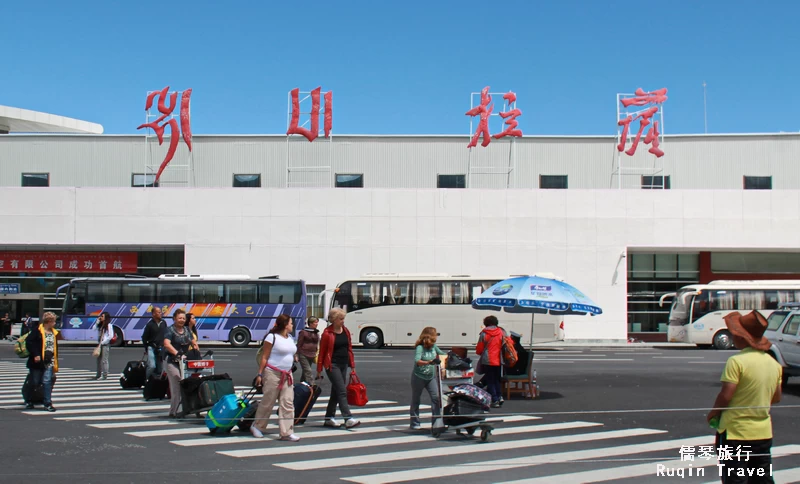
After arrival, transfer into Lhasa city and settle into your hotel.
Today is intentionally kept light with no sightseeing planned.
I usually recommend taking the first day very slowly—resting, drinking plenty of water, avoiding exertion, and allowing your body time to adjust to the altitude.
This gentle start makes the rest of the trip much more comfortable.
Day 2 – Lhasa Old City
Potala Palace, Jokhang Temple & Barkhor Street
Spend the day exploring Tibet’s spiritual and cultural heart.
Begin at Potala Palace.

Rising above the city, Potala Palace is Lhasa’s defining landmark and one of the most extraordinary architectural sites in China. Once the winter residence of the Dalai Lama, it remains central to Tibetan identity and history.
Later continue to Jokhang Temple, considered Tibet’s holiest temple.
Then walk through Barkhor Street, where pilgrims circle the temple in prayer while markets and old Tibetan shopfronts line the streets.
This is one of the best places to feel the rhythm of Lhasa.
Day 3 – Around Lhasa
Village Life & Sera Monastery
The third day continues at a gentle pace to support acclimatization.
Spend the morning visiting a traditional Tibetan village outside Lhasa, where the landscape feels quieter and more rural than the city centre.

This is a good chance to experience everyday Tibetan life beyond the major landmarks.
In the afternoon visit Sera Monastery.
If timing works, the monks’ debate sessions in the monastery courtyard are often one of the most memorable cultural experiences in Lhasa.
Day 4 – Lhasa to Shigatse via Gyantse
Yamdrok Lake, Karo Glacier & Gyantse
Today begins the overland journey west.
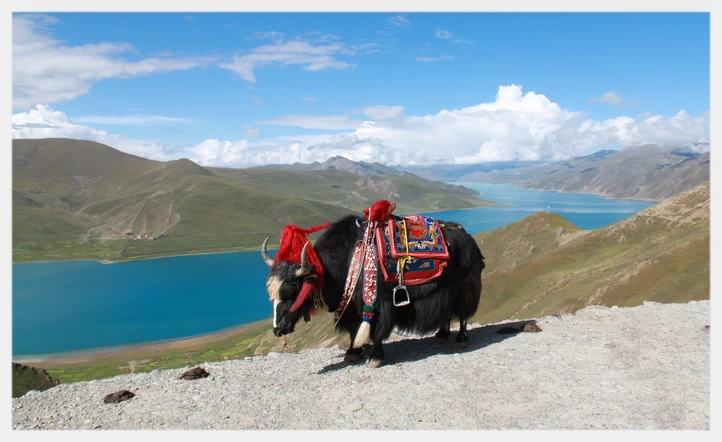
Leaving Lhasa, cross high mountain passes with panoramic views before reaching Yamdrok Lake.
Its deep turquoise water against the plateau landscape makes it one of Tibet’s most striking natural sights.
Continue past Karo La Glacier, where the glacier descends close to the roadside.
Stop in Gyantse to visit Pelkor Chode Monastery before continuing to Shigatse.
This is one of the most scenic driving days of the trip.
Day 5 – Shigatse to Everest Base Camp
Across the Tibetan Plateau to Everest
Today is the longest but most dramatic driving day of the route.
Travel west across open plateau landscapes through Tingri and into the Everest region.
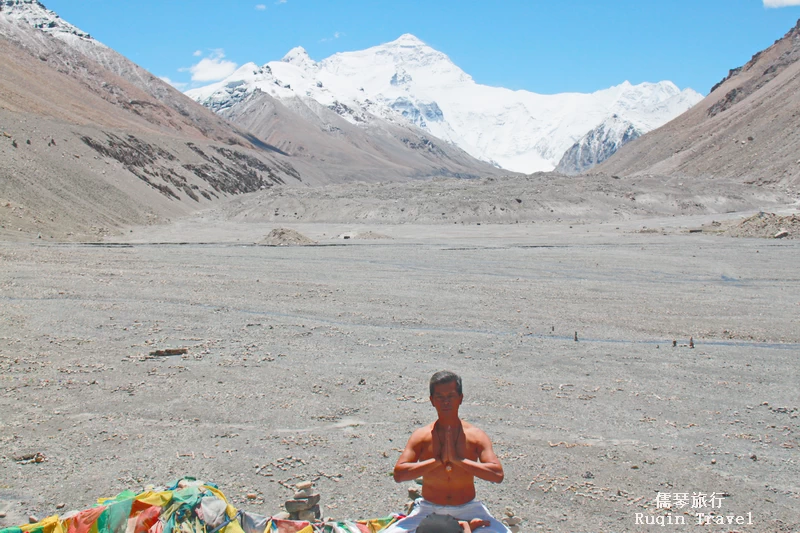
As the road climbs higher, the views open across the Himalayas.
At Gawula Pass, weather permitting, you may see multiple Himalayan summits stretching across the horizon.
By late afternoon arrive at Mount Everest Base Camp.
Seeing Everest rise ahead from the Tibetan side is often the emotional high point of the trip.
Sunset can be especially beautiful if skies are clear.
Day 6 – Everest Base Camp to Shigatse
Sunrise Over Everest & Return Journey
Wake early if weather allows.
Sunrise over Everest from the Rongbuk area is often unforgettable, with the mountain gradually catching first light above the plateau.
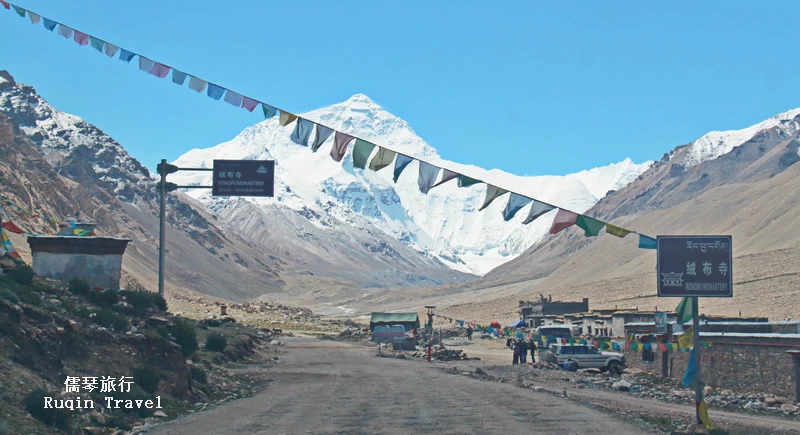
Visit Rongbuk Monastery before beginning the drive back toward Shigatse.
Although it retraces part of the route, the landscape often feels completely different in changing light.
Day 7 – Shigatse to Lhasa
Tashilhunpo Monastery & Return to Lhasa
Before leaving Shigatse, visit Tashilhunpo Monastery, seat of the Panchen Lama and one of Tibet’s great monastery complexes.

Then return east to Lhasa along the Friendship Highway.
After several days across the plateau, arriving back in Lhasa often feels both familiar and surprisingly different.
Day 8 – Departure from Lhasa
Departure from Lhasa by train or flight.
Depending on your onward plans, you may continue deeper into Tibet or return onward to the rest of China.
Planning Tips for This Tibet Trip Itinerary
Acclimatization Matters
The slower first days in Lhasa are important.
I usually suggest:
- rest well on arrival
- drink plenty of water
- avoid alcohol
- walk slowly
- avoid overexertion during the first 48 hours
Best Time to Visit
This route is usually best between April and October, when roads are accessible and mountain visibility is often strongest.
Spring and autumn are particularly popular.
Permit Requirement
Independent travel in Tibet is generally not permitted for most international visitors.
Travelers usually need:
- Tibet Travel Permit
- passport copy
- China visa documentation in advance
Planning ahead is essential, as permit arrangements typically require advance processing before arrival.
Why This Route Works
What I like about this Tibet trip itinerary is the progression.
You begin slowly in Lhasa, surrounded by temples and pilgrimage life. Then the road gradually rises into bigger landscapes—lakes, glaciers, mountain passes, monastery towns, and eventually Everest itself.
It feels less like visiting a single destination and more like crossing a landscape of enormous scale and spiritual depth.
For many travelers, it becomes one of the most unforgettable journeys in China.
Further Reading
Lhasa Travel Guide: Map, Highlights and Travel Tips
Shigatse: Map, Scenic Routes, Highlights and Travel Tips
Tingri Travel Guide: Map, Mt. Everest Routes & Travel Tips
How to Book Lhasa Attraction Tickets: All You Need to Know
How to Plan a Trip to Drak Yerpa in Lhasa – 9 Tips for your Visit
Our Bus Driving Experience from Tingri to Mt. Everest Base Camp
How to Visit Mount Kailash in Tibet – Ruqin China Travel
How to Visit Mount Everest (Qomolangma)
Still Have Questions About Your China Trip?
If anything still feels unclear, feel free to send me a message. I’m always happy to help with your itinerary, transport, timing, or any part of your trip planning.
Just use the short form below and tell me a little about your plans. There’s no charge for a simple question—just practical advice based on real travel experience in China.
If I’m traveling, my reply may take a little longer, but I’ll get back to you as soon as I can.
We respect your privacy. Your details will never be shared or used for marketing.