Itinerary designed by Ruqin
Last updated: August 13, 2026
5-Day Beijing Itinerary Overview
Five days gives you enough time to experience Beijing beyond its famous landmarks. You can see the essentials while leaving room for neighborhoods, museums, parks, food, and contemporary Beijing.
I designed this itinerary so each day has its own character. You will move from imperial Beijing to the Great Wall, then into hutongs, local neighborhoods, art districts, and modern Beijing.
The pace is still active, and you should expect plenty of walking. However, I have deliberately avoided filling every hour with another major attraction.
Who Is This Itinerary For?
This itinerary works well for first-time visitors with five full sightseeing days. It suits independent travelers, couples, families, and anyone who wants more than a quick tour of Beijing’s landmarks.
You will still see the Forbidden City, Great Wall, Temple of Heaven, and Summer Palace. However, you will also have time to observe how Beijing actually lives.
5-Day Beijing Route at a Glance
Day 1 — Imperial Beijing
Tiananmen Square → Forbidden City → Jingshan Park → Temple of Heaven
Day 2 — Great Wall & Imperial Gardens
Mutianyu Great Wall → Local Lunch → Summer Palace
Day 3 — Old Beijing & Hutong Life
Lama Temple → Guozijian → Confucius Temple → Drum Tower → Hutongs → Shichahai
Day 4 — Local Life & Contemporary Beijing
Morning Park Life → Local Breakfast → 798 Art District → Sanlitun or Liangma River
Day 5 — Museums & Modern Beijing
National Museum of China → Local Lunch → Olympic Park → Olympic Forest Park → Final Beijing Dinner
Day 1: Imperial Beijing
7:30–8:00 am — Start at Tiananmen Square
Begin your first morning at Tiananmen Square. Arrive early because security checks can take time.
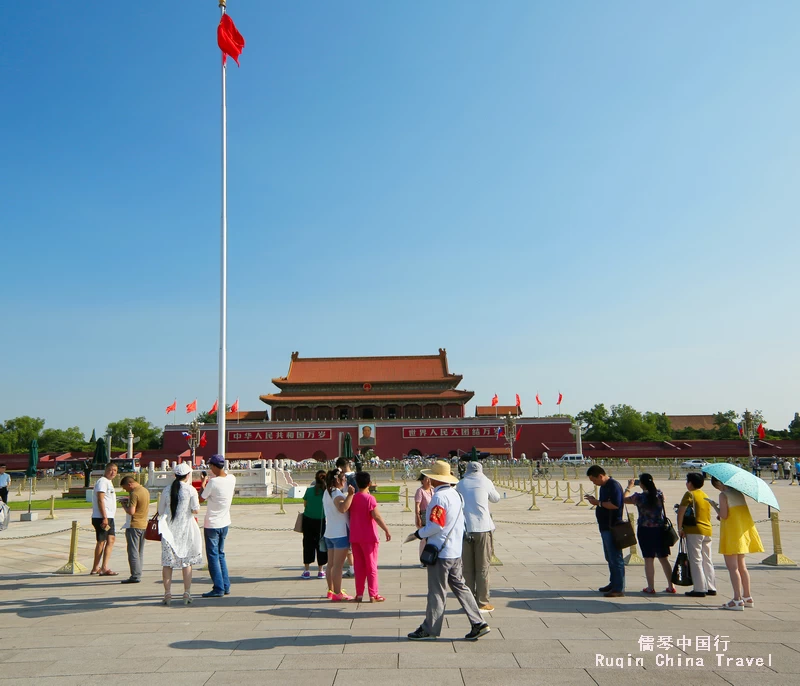
Carry your passport and check current reservation requirements before leaving your hotel. Then spend around 45 minutes exploring the square.
Do not try to see everything around Tiananmen this morning. Your main destination is the Forbidden City.
9:00 am–12:00 pm — Explore the Forbidden City
Walk north through Tiananmen Gate and enter the Forbidden City.
Allow around three hours for your first visit. Follow the central axis through the great ceremonial halls, inner courtyards, and Imperial Garden.

However, make a few short detours into the side courtyards. They are often quieter and give you a better sense of palace life.
The Forbidden City is enormous. Therefore, resist the temptation to inspect every hall and exhibition.
12:00–1:00 pm — Jingshan Park
Exit through the north gate and cross the road to Jingshan Park.

The Hall of Imperial Longevity in Jingshan Park
Climb to Wanchun Pavilion if the weather is clear. From here, you can look directly across the Forbidden City’s golden roofs.
The view also helps you understand Beijing’s historic north-south central axis. Allow about 45 minutes before continuing.
1:15–2:15 pm — Lunch
Next, stop for a simple lunch.
Choose noodles, dumplings, or another quick local meal. You still have another major sight ahead.
Then take the subway, taxi, or DiDi south to the Temple of Heaven.
2:45–5:00 pm — Temple of Heaven
Visiting Temple of Heaven, you start around the Hall of Prayer for Good Harvests. Then walk south through the park toward the Imperial Vault of Heaven and Circular Mound Altar.
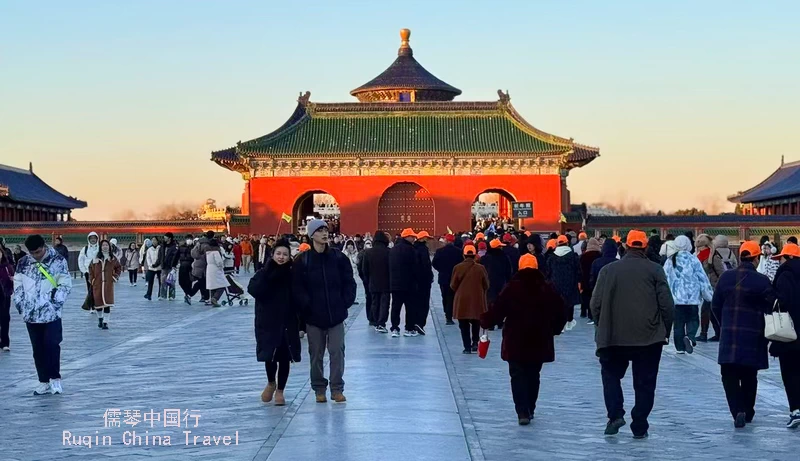
However, do not focus only on the monuments. Look around the surrounding park as well.
You may see local residents exercising, playing cards, singing, or gathering with friends. These everyday scenes provide a gentle introduction to local Beijing life.
Evening — Peking Duck or a Relaxed Dinner
Your first day involves considerable walking. Therefore, I would keep the evening simple.
This is a good night for Peking duck if you want one classic Beijing meal. Afterwards, return to your hotel and rest.
Day 2: Mutianyu Great Wall & Summer Palace
7:00 am — Leave Central Beijing
Leave early for Mutianyu Great Wall.
The drive normally takes around 1½ to 2 hours, depending on traffic. Starting early also gives you more time on the wall before the afternoon.
For this combined itinerary, a private car is the easiest option. Direct buses work well for Mutianyu alone, but onward travel becomes less convenient.
9:00 am–12:00 pm — Walk the Mutianyu Great Wall
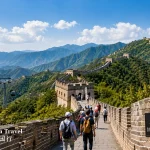
Mutianyu works particularly well for first-time visitors. The restored wall runs across forested mountains, and the scenery is excellent.

Use the cable car or chairlift if you want to save energy. Then walk between several watchtowers at your own pace.
Do not worry about covering a particular distance. The Great Wall is steep, and even a relatively short walk can feel substantial.
Most importantly, stop occasionally. Some of the best moments come when you simply look across the mountains.
12:15–1:15 pm — Lunch Near Mutianyu
Next, have lunch near the Great Wall.
This gives your legs a proper break before the afternoon. Then continue toward the Summer Palace.
2:30–5:00 pm — Summer Palace
The Summer Palace provides a completely different atmosphere after Mutianyu.

Walk through the Long Corridor and explore the shores of Kunming Lake. If you still have energy, climb partway up Longevity Hill.
However, do not turn the afternoon into another endurance test. Sitting beside the lake or taking a seasonal boat ride can be equally enjoyable.
Evening — Free Time
Return to your hotel and keep the evening free.
After the Great Wall, I would avoid another scheduled attraction. Eat near your hotel and give yourself time to recover.
Day 3: Lama Temple, Hutongs & Shichahai
8:30–10:00 am — Lama Temple
Start your third day at the Lama Temple.
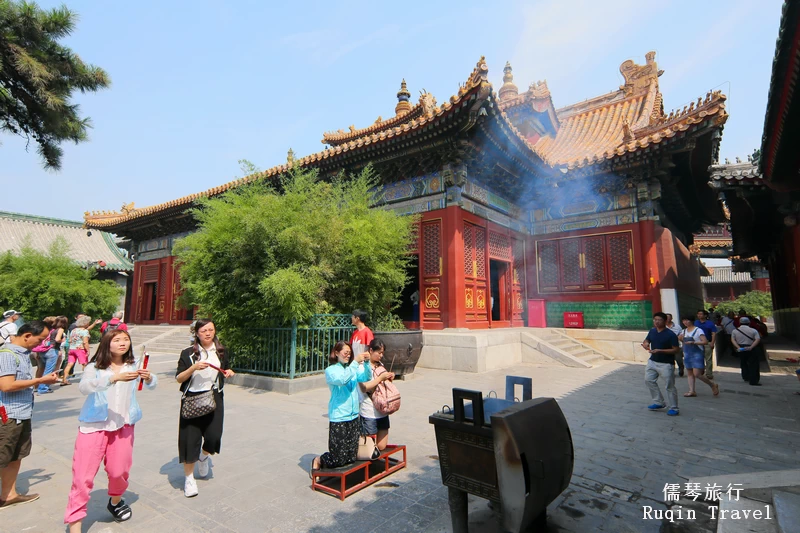
This active Tibetan Buddhist temple offers a very different experience from Beijing’s imperial palaces. Move slowly through its courtyards and halls.
Meanwhile, you will see local worshippers burning incense and praying. Respect the religious setting and avoid interrupting them for photographs.
10:00–11:30 am — Guozijian Street
Next, walk to nearby Guozijian Street.
Visit the Confucius Temple and Imperial College if Chinese history interests you. Together, they introduce the traditional world of education, scholarship, and Confucian culture.
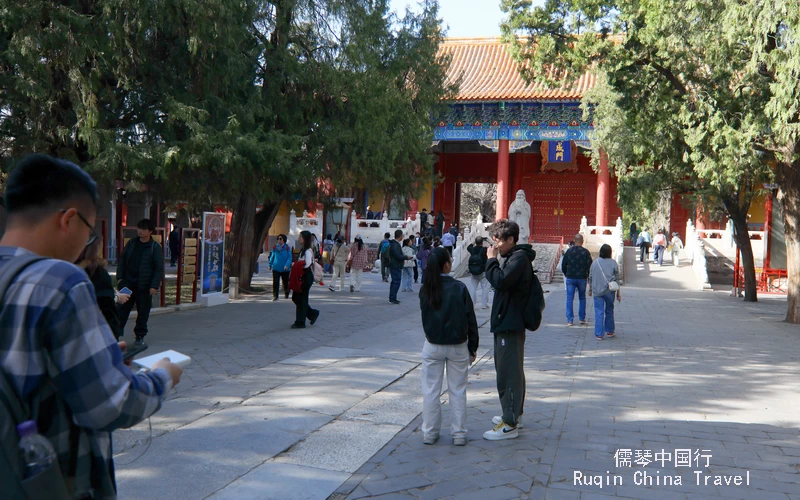
Confucius Temple and Imperial College
The street itself is also worth exploring. Mature trees, old gateways, and gray courtyard walls create a quieter atmosphere.
12:00–1:00 pm — Local Lunch
Have lunch before continuing toward the Drum Tower.
Today is a good time to try noodles, dumplings, baozi, or another everyday Beijing meal.
I would choose a busy neighborhood restaurant rather than spend time searching for a famous address. Sometimes the simplest meal fits the day best.
1:30–2:30 pm — Drum and Bell Towers
Continue toward the Drum and Bell Towers.
These towers once helped mark time for the imperial city. Their location also gives you another perspective on Beijing’s traditional urban layout.
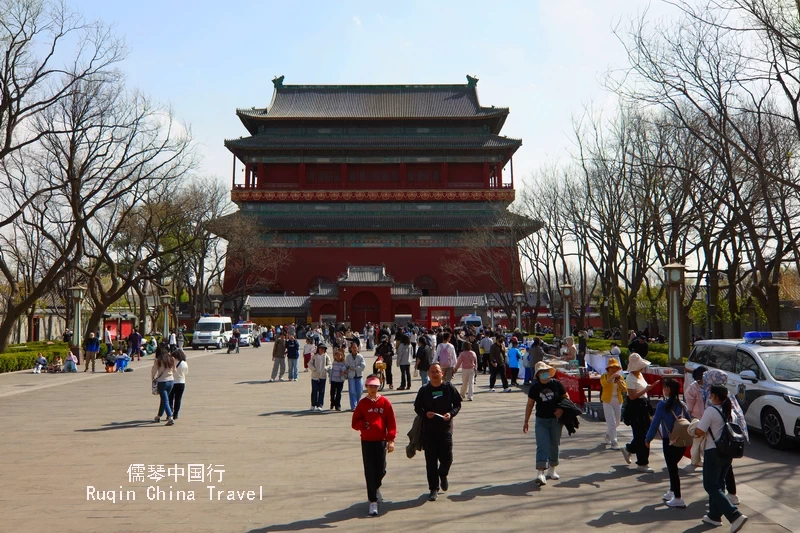
Beijing Drum Tower
If the tower is open, climb if you are comfortable with steep stairs. Otherwise, explore the surrounding streets.
2:30–5:30 pm — Walk Through the Hutongs to Shichahai
Now leave the timetable slightly looser.
Walk through the hutongs toward Shichahai. You will pass courtyard houses, neighborhood shops, bicycles, cafés, and ordinary homes.
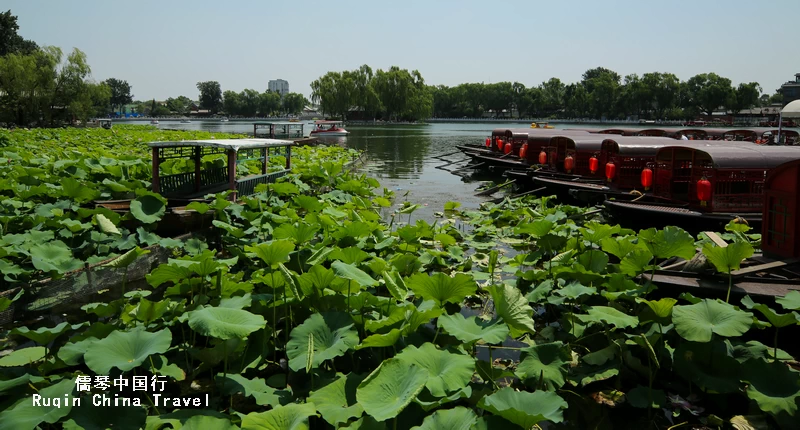
Some lanes have been restored, while others remain very local. That mixture is part of present-day Beijing.
Finally, reach Shichahai and walk beside the lakes. Stop for tea or coffee if you find somewhere inviting.
Evening — Houhai or Gulou
Stay around Houhai or Gulou for dinner if you wish.
This evening works best without a strict plan. After three days of scheduled sightseeing, give yourself some freedom.
Day 4: Local Life & Contemporary Beijing
7:30–9:00 am — Morning Park Life and Local Breakfast
Start Day 4 in a local park.
Early morning is one of my favorite times to observe everyday Beijing. You may see tai chi, dancing, stretching, badminton, singing, or groups walking together.
You do not need to find a famous park. A neighborhood park near your hotel may provide a more natural experience.
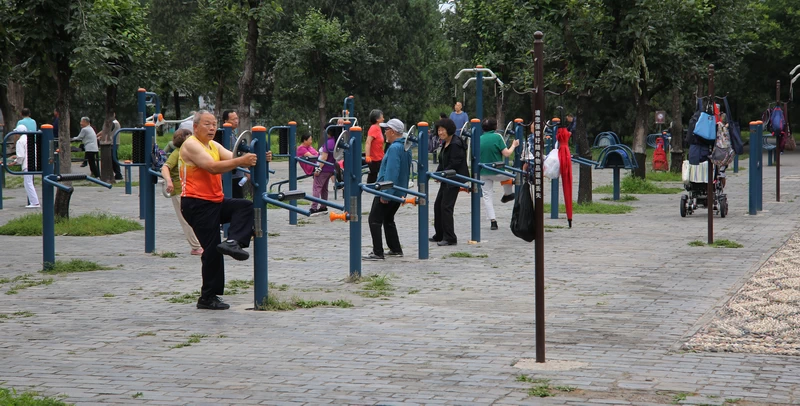
Afterwards, have a Chinese breakfast nearby. Try baozi, jianbing, soy milk, dumplings, or whatever looks popular with local customers.
10:30 am–12:00 pm — Slow Neighborhood Time
Keep the rest of your morning flexible.
Explore a nearby residential neighborhood, food street, or local market. You do not need another ticketed attraction.
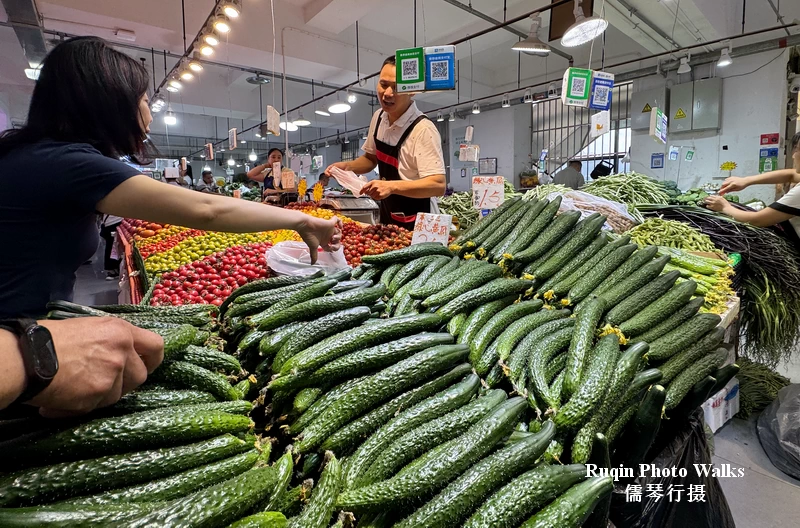
Food markets and traditional wet markets can be especially interesting in the morning. However, remember that these are working places rather than tourist displays.
Watch how people shop and what appears on the stalls. Then continue when you are ready.
12:00–1:30 pm — Lunch
Have lunch before heading to 798.
By Day 4, you will probably feel more confident with Beijing restaurants. Try something you have not eaten during your first three days.
Then take a taxi or DiDi to the art district.
2:00–5:00 pm — 798 Art District
Spend the afternoon exploring 798 Art District.
Former industrial buildings now contain galleries, studios, cafés, shops, and public art. The neighborhood provides a strong contrast with the Forbidden City and old hutongs.
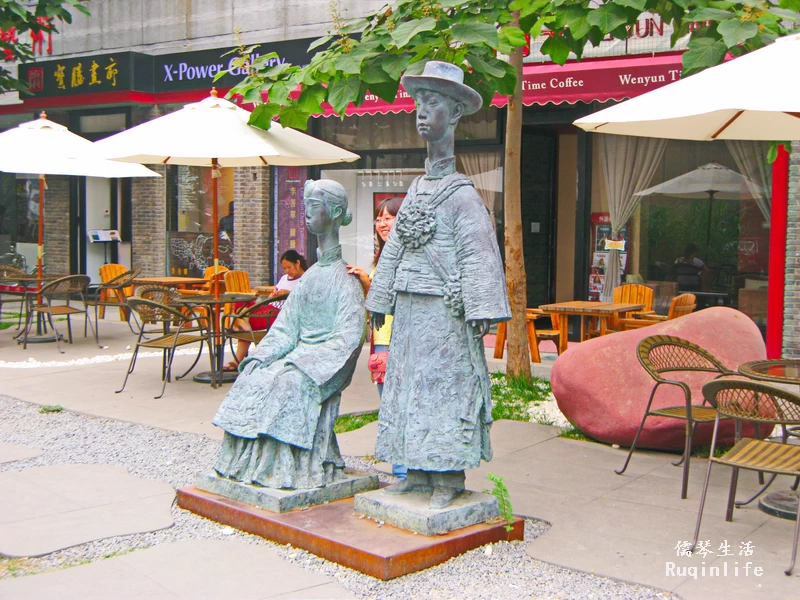
798 Art District
Do not plan every gallery before you arrive. Instead, wander and enter exhibitions that catch your attention.
Then stop for coffee or tea. This afternoon should feel slower than your first three days.
5:30 pm onwards — Sanlitun or Liangma River
For the evening, move into contemporary Beijing.
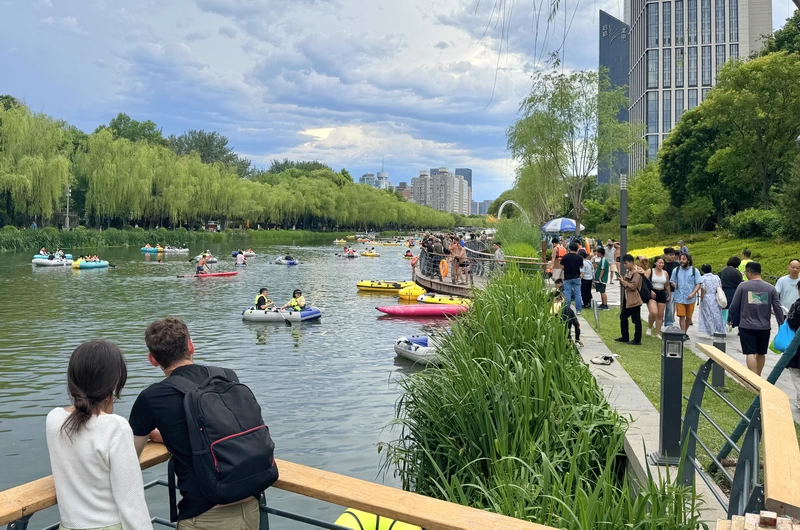
The Liangma River
Sanlitun offers restaurants, shops, and busy city streets. Alternatively, the Liangma River area gives you a more relaxed evening walk beside the water.
Choose according to your mood. You do not need to visit both.
Have dinner nearby and enjoy Beijing after dark.
Day 5: Museums, Olympic Beijing & a Relaxed Finale
9:00 am–12:00 pm — National Museum of China
Start your final sightseeing day at the National Museum of China.
The museum is enormous, so choose your galleries rather than trying to cover everything. Two to three hours is enough for most visitors.
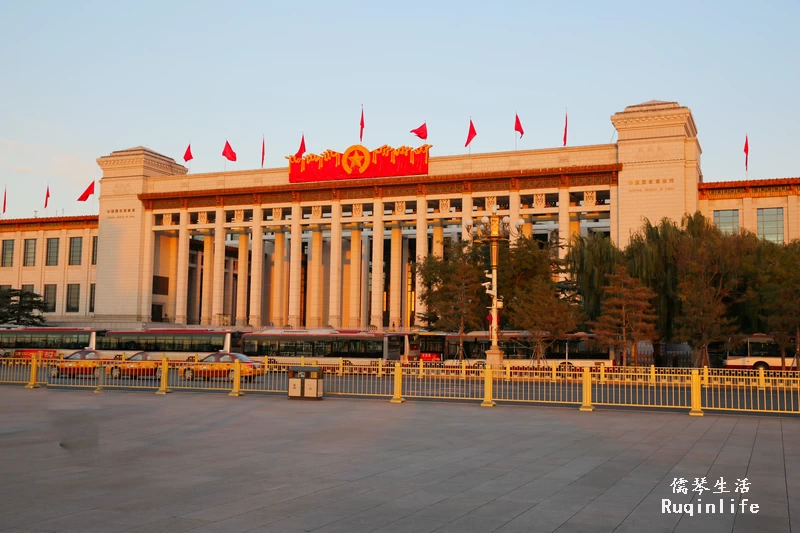
The collections provide useful context for many places you have already visited. After four days in Beijing, some objects and historical periods may also feel more meaningful.
Check current reservation and passport requirements before visiting.
12:15–1:30 pm — Lunch
Next, have lunch before heading north.
Choose something casual. Your afternoon will involve more walking, but the pace should remain comfortable.
Then take the subway or taxi toward the Olympic area.
2:30–4:00 pm — Beijing Olympic Park
Walk around Beijing Olympic Park and see the Bird’s Nest and Water Cube.
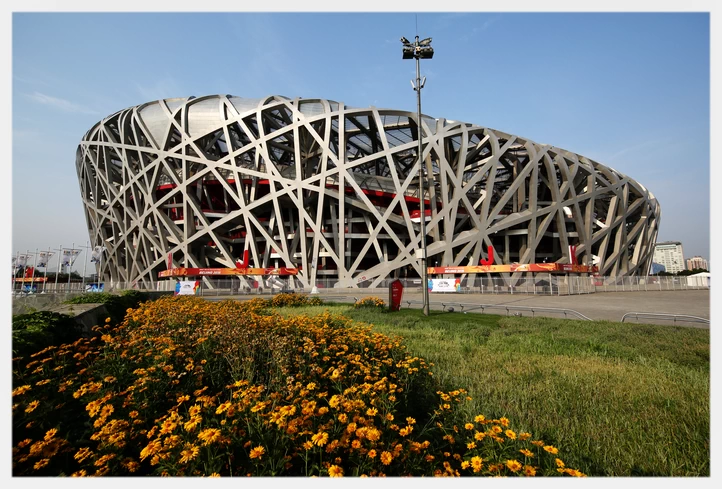
You do not necessarily need to enter either building. Their architecture and the surrounding public spaces are the main attraction for many visitors.
The area also shows how dramatically Beijing changed before and after the 2008 Olympics.
Allow around 1½ hours for a relaxed visit.
4:00–5:30 pm — Olympic Forest Park
Next, continue into Olympic Forest Park.
This is not another monument. It is a place to walk, sit, and watch local life unfold.
You may see runners, families, older residents, and people exercising after work. After five days of sightseeing, the open space makes a good final afternoon.
Find a bench if your feet need a rest. There is no need to finish the park.
Evening — A Final Beijing Dinner
For your final evening, choose the meal you still want to try.
Perhaps you missed Peking duck, hot pot, zhajiang noodles, dumplings, or another regional Chinese cuisine. Alternatively, return to somewhere you enjoyed earlier in the trip.
Do not make your last evening complicated. A good meal and an easy walk are enough.
Tickets, Transport & What to Bring
Tickets and Reservations
Book the Forbidden City as early as current booking rules allow. Also check reservation requirements for Tiananmen Square and the National Museum of China.
Mutianyu, Lama Temple, Summer Palace, Temple of Heaven, and other ticketed attractions may have their own booking arrangements. Therefore, check official information shortly before your travel date.
Opening days matter as well. In particular, many museums and cultural attractions may close on Mondays.
Carry your original passport every sightseeing day. Foreign visitors may need it for ticket verification and security checks.
Getting Around Beijing
The subway works well for most central Beijing sightseeing. It is inexpensive and often avoids road congestion.
Meanwhile, taxis and DiDi are useful when you are tired or traveling between less convenient locations. They are particularly helpful for reaching 798.
For Day 2, I recommend a private car and driver if your budget allows. Combining Mutianyu and the Summer Palace becomes much easier with direct transport.
How Much Walking Should You Expect?
Expect a lot of walking across all five days.
The Forbidden City, Great Wall, Summer Palace, Temple of Heaven, hutongs, museums, and Olympic area all require time on your feet. Good walking shoes are essential.
However, this itinerary is not a competition. Skip a climb, take a taxi, or shorten an afternoon whenever your energy drops.
What to Bring
Carry your passport, charged phone, portable power bank, water, and a small day bag.
In summer, bring sunscreen, a hat, and plenty of water. Meanwhile, winter visitors need warm layers, gloves, and protection from Beijing’s cold winds.
Set up mobile payments before your trip if possible. A translation app and reliable mobile internet will also make independent travel much easier.
Ruqin’s Trip Design Note
Five days changes the way I would plan a first Beijing trip. With four days, I concentrate on the essentials. With five, I start leaving deliberate gaps.
That is why Days 4 and 5 feel different. You still visit important places, but you also have time for a park, breakfast, a market, contemporary art, and an evening neighborhood.
I would not use the fifth day to squeeze in another distant attraction simply because you have extra time. Beijing becomes more interesting when you occasionally stop sightseeing and start observing.
Watch people practicing tai chi before breakfast. Wander through a market. Sit beside a lake or river. Then spend an afternoon looking at contemporary art.
The Forbidden City and Great Wall may be the photographs you show friends. However, these quieter moments often become the memories that make Beijing feel like a real city rather than a collection of landmarks.
Plan More of Your Beijing Trip
Use Ruqin China Travel’s practical Beijing guides to prepare for attraction tickets, transport, mobile payments, internet access, restaurants, airport transfers, and other parts of your stay.
You can also use the individual Beijing day-tour itineraries to replace or adjust any day in this five-day route. Treat this itinerary as a practical framework, then shape it around your own interests and pace.
Beijing on a Monday: What Is Open and What Is Closed
How to Visit Tiananmen Square: Maps, Tickets & Security Checks
How to Visit Forbidden City: Maps, Walking Routes and Travel Tips
How to Visit Temple of Heaven: Maps, Tickets, Routes & Tips
How to Visit Jingshan Park: Tickets, Maps, Trails & Travel Tips
How to Get to Mutianyu Great Wall from Beijing: Bus, Shuttle & Private Car
How to Visit Summer Palace: Tickets, Maps, Routes, Eating & Tips
How to Visit Lama Temple: Maps, Tickets, Highlights & Travel Tips
Confucius Temple And Imperial College Museum: Visitor Guide
Beijing Shichahai Travel Guide: Hutongs, Lakes, Food & Tips
Beijing Drum Tower: Map, Tickets, What to See and Travel Tips
Beijing Bell Tower: Map, Tickets, What to See and Travel Tips
Beijing Bird’s Nest & Water Cube: How to Visit, Explore Well
How to Visit National Museum of China: Tickets, Map & Travel Tips
Questions About This Beijing Itinerary?
Still have questions about this route? You’re welcome to write to me.
If you need advice on timing, transport, tickets, or adjusting the itinerary, I’m happy to offer a practical suggestion based on my experience in Beijing.
There’s no fee for a simple question. Just use the form below and tell me about your plans.
We respect your privacy. Your details will never be shared or used for marketing.