

Written and updated by Ruqin
Last updated: April 4, 2026
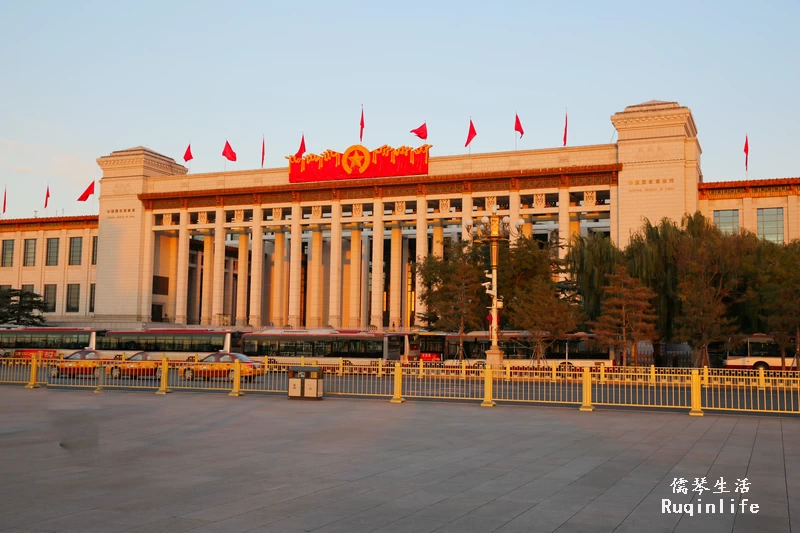
Standing in front of the National Museum of China, it’s hard to grasp just how vast it is until you step inside. The halls seem to stretch endlessly, and without a bit of planning, it’s easy to wander without direction.
If you’re wondering how to visit the National Museum of China, a little preparation makes all the difference—from tickets and the best times to visit, to must-see exhibits and tips for guided tours.
Inside, the scale can feel overwhelming—but it doesn’t have to be. With the right timing, a simple route, and a clear focus, the visit becomes far more meaningful and manageable.
1. Plan your visit
A little planning goes a long way at the National Museum of China. Before you go, decide on your preferred date and time. If you can, try to avoid weekends and Chinese public holidays. These are peak times, and the museum gets very crowded—especially in popular exhibitions.
The museum is open from 9:00 AM to 5:00 PM, with the last entry at 4:30 PM. It’s closed every Monday, unless it’s a national holiday. Give yourself at least 2–3 hours to explore comfortably—more if you love history or want to take your time.
Before your visit, it’s smart to check the official website at chnmuseum.cn for the latest updates. Hours can change for maintenance, exhibitions, or government events. It’s always better to double-check than show up disappointed.
And here’s one more tip: arrive early in the day. You’ll beat the crowds and have a more relaxed experience.
2. The National Museum of China Location
You’ll find the National Museum of China right in the heart of Beijing, along the eastern edge of Tiananmen Square. It’s a central spot, easy to reach and surrounded by iconic landmarks.
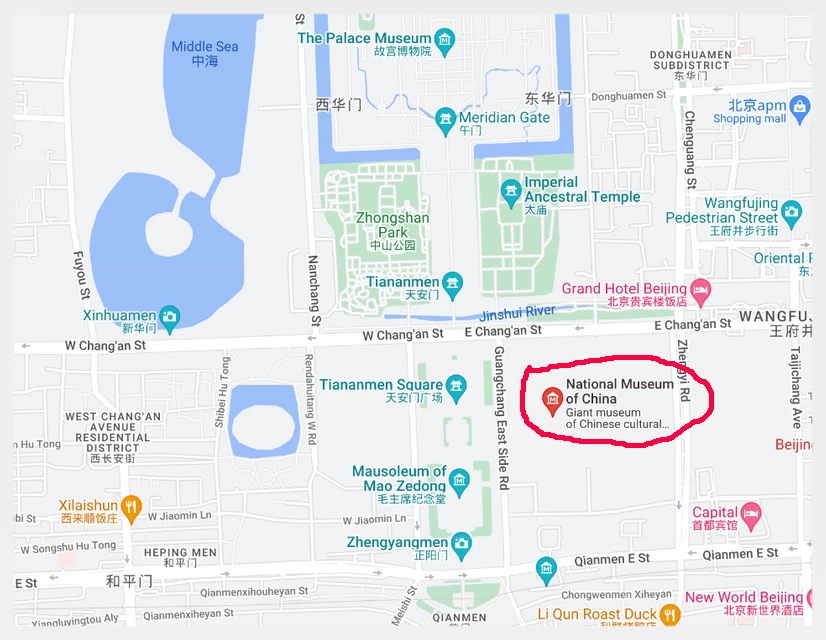
The full address is:
16 East Chang’an Avenue, Dongcheng District, Beijing, China
北京市东城区东长安街16号(天安门广场东侧)
The museum faces the Great Hall of the People, and it’s just steps from the Forbidden City’s south gate. You really can’t miss it.
Because of its prime location, it’s well-connected by subway, bus, and even bike lanes. We’ll cover how to get there next.
3. How to Get to the National Museum of China
Getting to the National Museum of China is simple, thanks to Beijing’s excellent public transport system.
The easiest way is by subway. Take Line 1 and get off at Tian’anmen East Station (天安门东站). From there, it’s just a short 5-minute walk to the museum entrance.
Prefer the bus? That works too. Several lines stop nearby, including:
Bus 1, 1区间 (1 Qujian), 52, and 120.
Get off at Tian’anmen East (天安门东) and walk straight toward the museum.
No matter which option you choose, make sure to bring your passport or ID. You’ll need it to enter the museum later!
4. National Museum of China Tickets and Booking
The National Museum of China, one of the largest museums in the world, showcases an extensive collection that encapsulates the essence of Chinese history and culture. Due to its popularity, visitors are required to book their tickets up to 7 days in advance.
On-site Booking: No
Advance Booking: 1 – 7 days
Entrance Fee: Free
Online Booking Time: Starting from 5:00 PM Daily
Closed on Monday
Official Booking Platform: Reserve Tickets for National Musuem of China
ID Verification: Bring your valid ID (passport for foreign visitors) as you’ll need it to collect your ticket upon arrival.
5. National Museum of China Security Check
Before entering the National Museum of China, every visitor must pass through a standard security check. It’s quick, but a few rules are good to know in advance.
You can’t bring flammable or explosive items—lighters will be held at security. But don’t worry—you can pick them up on your way out.
Selfie sticks and camera flash are not allowed inside. Smoking is also strictly prohibited throughout the museum.
To keep things safe and smooth, avoid bringing large luggage, outside food, or drinks. Small backpacks are usually fine, but staff may ask to inspect them.
The goal is to protect the exhibits—and ensure a calm, respectful space for all visitors. So pack light, follow the rules, and your experience will go much more smoothly.
6. Guided Tours
Audio guides are available for rent, or you can join guided tours offered by the museum. But the outside tour guides are not allowed to enter the museum.
The National Museum provides guided tour service, which can be booked in advance or selected on site. Guided tour service can help visitors better understand the exhibits and history and culture. It is recommended that you can choose guided tour service if conditions permit.
7. Explore the National Museum of China
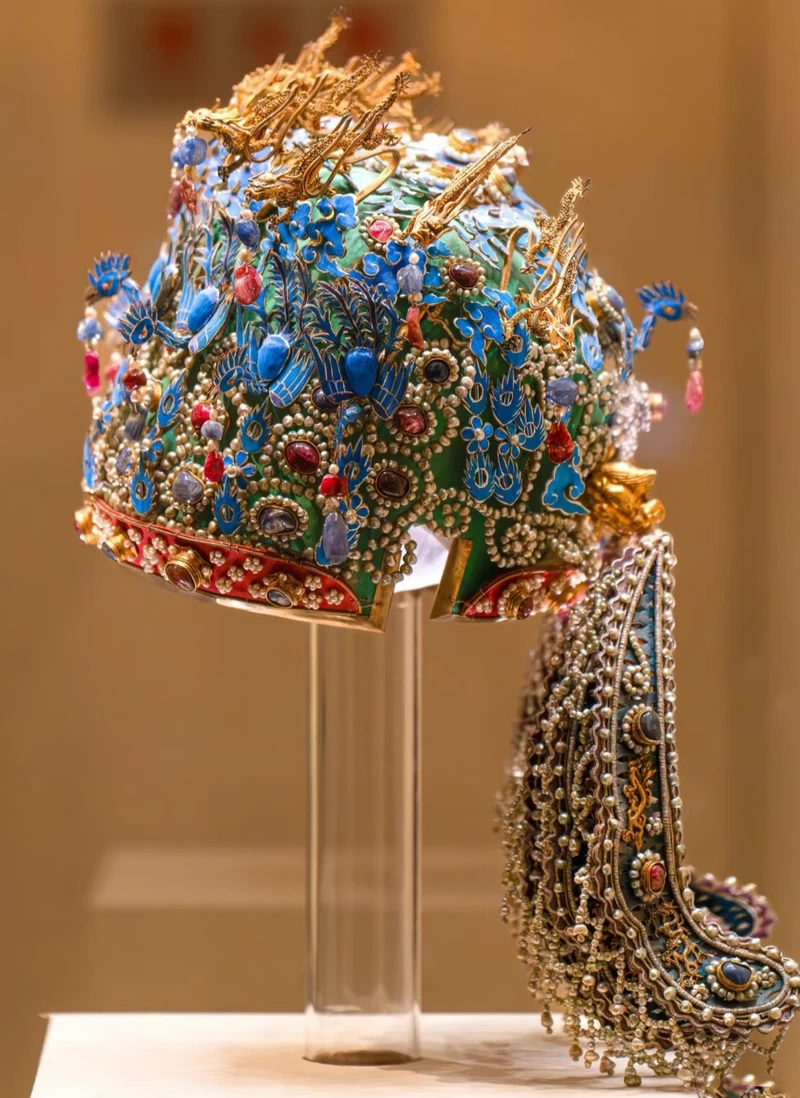
Once inside, take a deep breath—you’re about to explore one of the richest museums in the world. The National Museum of China offers more than just history. Its exhibitions span art, culture, archaeology, and China’s complex modern journey.
The museum is massive, with multiple exhibition halls spread across several floors. So, it’s wise to plan your route in advance. This helps you see more without feeling rushed.
We recommend starting with the Ancient Chinese Civilization Hall. It showcases treasures from early dynasties, including jade carvings, bronze vessels, and early writing.
Then, move on to the Chinese Revolution and Construction Hall—a powerful look at modern history through rare photos and artifacts.
From there, feel free to explore at your own pace. Whether you’re into calligraphy, porcelain, or political history, there’s something here for everyone.
Don’t try to see it all in one go. Pick a few key halls, take your time, and enjoy the stories behind each piece.
Need a break? Quiet rest areas and cafés are available inside the museum.
8. Dress Code
While there’s no strict dress code at the National Museum of China, it’s best to dress respectfully. After all, you’re visiting a major cultural and historical institution.
Avoid revealing clothing, such as crop tops or short shorts. Flip-flops are also not recommended—not only for cultural reasons but also because you’ll be walking a lot. Comfortable closed-toe shoes or sandals with support are a better choice.
The museum is air-conditioned, so bring a light jacket or shawl if you’re sensitive to cooler indoor temperatures. In summer, lightweight and breathable fabrics work best.
When visiting during colder months, dress in layers. The indoor temperature is stable, but you might wait outside briefly during check-in.
And don’t forget—you’ll be doing plenty of walking, so practical outfits will make your visit more enjoyable.
Looking neat and modest shows respect for the space—and helps you blend in better with local visitors.
9. Food and Drink
Exploring the National Museum of China can easily take a few hours, so it’s a good idea to plan a break. While you can’t bring food or drinks into the exhibition halls, there are places inside where you can recharge.
You’ll find a few cafés and casual restaurants within the museum building. These offer light meals, snacks, and drinks—perfect for a mid-visit pause. The options are basic but convenient, especially if you’re traveling with kids or need a quick rest.
That said, we recommend eating before or after your museum visit if you’re looking for more variety. There are many great local restaurants and cafés within walking distance, especially along Chang’an Avenue or near Wangfujing.
Remember to stay hydrated, especially in warmer months. While drinks aren’t allowed inside exhibit areas, you can carry a bottle and enjoy it in rest zones or near the lobby.
Take time to rest, refuel, and enjoy the atmosphere—it’s all part of the museum experience.
10. Follow the Museum Rules
As with any museum visit, be respectful of the National Museum of China rules. Follow photography restrictions, do not touch the exhibits unless allowed, and be mindful of other visitors. Also, note that outside food or drinks are not allowed inside the museum.
When visiting the National Museum, you need to pay attention to the protection of cultural relics, do not touch cultural relics, photo flash and smoking and other behaviors, so as not to damage the cultural relics and affect the experience of other visitors.
Other precautions, there are many rules in the National Museum, such as no pets, no loud noise in the exhibition hall, etc., it is recommended to understand the relevant rules before visiting.
11. Nearby Attractions
Once you step out of the museum, you’re already standing in the middle of Beijing’s historic core. Just across the road is Tiananmen Square—wide, open, and often more emotional than people expect. If you walk a bit further south, Qianmen Street feels completely different, with restored shopfronts and a more lively, old-Beijing atmosphere.
Head north, and you’ll reach the Forbidden City. It’s grand and structured, but after the museum, it helps to focus on just a few main halls instead of trying to see everything.
If you continue further, Jingshan Park offers a quiet reset—and one of the best panoramic views of the city. And if you still have energy, Temple of Heaven gives you a completely different rhythm, with more open space and local life woven into the grounds.
Frequently Asked Questions
1. Do I need to reserve tickets in advance?
Yes — the National Museum of China offers free admission but requires real-name reservations. Many visitors book through platforms like WeChat, the official site, or trusted vendors like Trip.com and Viator. Book at least one day ahead.
2. What ID or documentation do I need?
All visitors must show valid ID (passport or equivalent). Without it, entry is not allowed.
3. How do I book tickets as a foreigner?
Buy a Chinese SIM card to receive SMS verification codes during the reservation process. You’ll often book via WeChat or the official ticket site. Ask a friend or hotel staff for help if needed.
4. Can I skip security checks?
No. Every visitor must pass through security screening before entering; personal belongings are checked at the entrance.
5. What items are not allowed inside?
Prohibited items include lighters, large bags, food/drinks, selfie sticks, flash photography, and any flammable or explosive materials.
6. Are audio guides available in English?
Yes. The museum offers audio guides in multiple languages, including English. You can rent these devices at the entrance (typically around 40 RMB plus deposit).
7. Is the museum stroller‑friendly or accessible?
It is. The layout is spacious, elevators are available, and the museum even offers free stroller rentals for families. A deposit (usually around CNY 500) and an ID are required.
8. How much time should I plan for a visit?
Most visitors spend around 4–5 hours exploring key halls like Ancient Civilization and Revolution & Construction. For a full experience, plan a half- or full-day visit.
9. When is the best time of day or week to visit?
To avoid crowds, try going early morning on a weekday. Avoid weekends and national holidays whenever possible.
Now that you know how to visit the National Museum of China, you’re ready to experience one of Beijing’s most powerful cultural treasures. With a bit of planning and a curious spirit, your visit will be more than just a stop on your itinerary—it’ll be a journey through 5,000 years of Chinese history.
Whether you go solo, with a guide, or as part of a tour, take your time. Look closely. Let the stories behind the artifacts speak to you. Safe travels—and enjoy the discovery.
About the Author
Ruqin is the founder of Ruqintravel.com and has spent more than four decades working in China’s travel industry. Drawing on hands-on experience in cities like Beijing and Hangzhou, he personally researches and updates each guide to help international travelers navigate China with confidence.
Further Reading
Museum of the Communist Party of China: Visit Without Booking
Confucius Temple And Imperial College Museum: Visitor Guide
Wanshou Temple (Beijing Art Musuem): All You Need to Know
798 Art Zone Beijing: Maps, Photos and Travel Tips















Please, advice me:
is it possible to visit (indeed only short) National Museum of China and Forbidden City (have visited in the past) on THE SAME DAY?
Please inform the walking distance from National Museum EXIT to Forbidden City ENTRANCE. Thankful for any suggestion or advice. Thanks in advance,
Dear Hok,
Thanks for your message!
Yes, it’s absolutely possible to visit both the National Museum of China and the Forbidden City on the same day—especially if your museum visit is a short one. The two sites are very close, just about 1.3 km apart.
From the exit of the National Museum, it’s a beautiful walk to the southern entrance (Wumen) of the Forbidden City. Along the way, you’ll pass through part of the iconic Tiananmen Square and walk by the Tiananmen Gate Tower—it’s a truly magnificent stretch, rich with history and symbolism.
Hope you enjoy your day exploring these landmarks, and feel free to reach out if you have any more questions!
Warm regards,
Ruqin China Travel