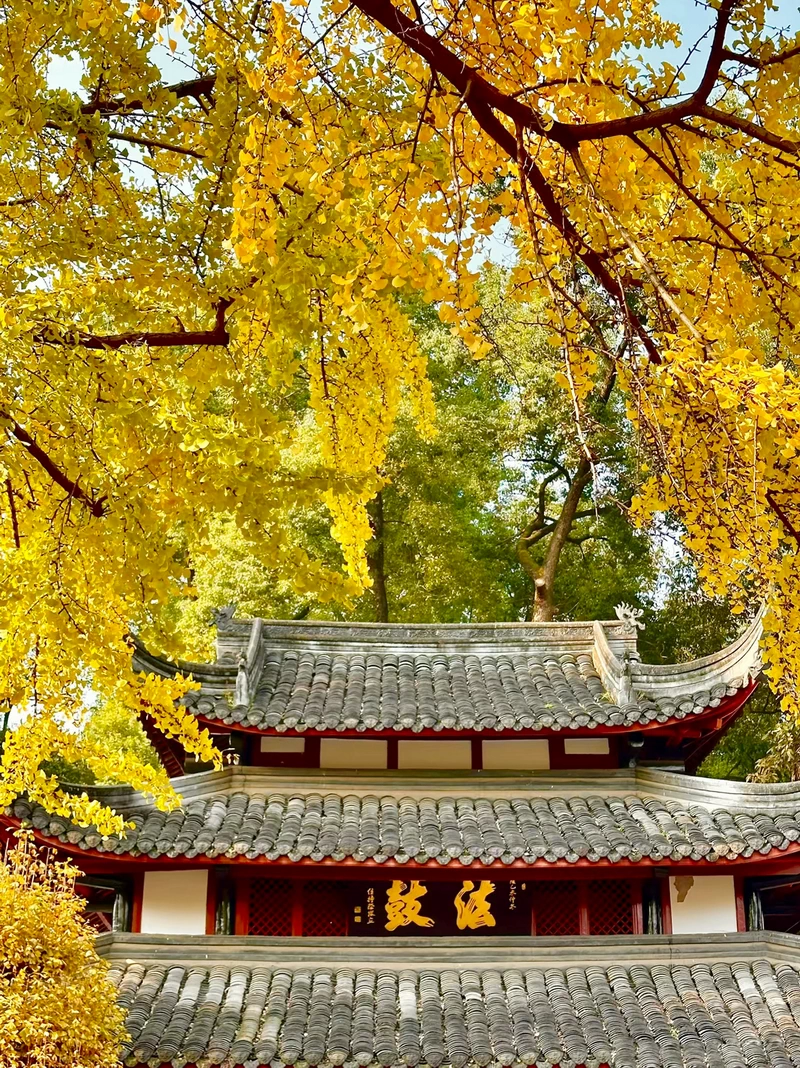
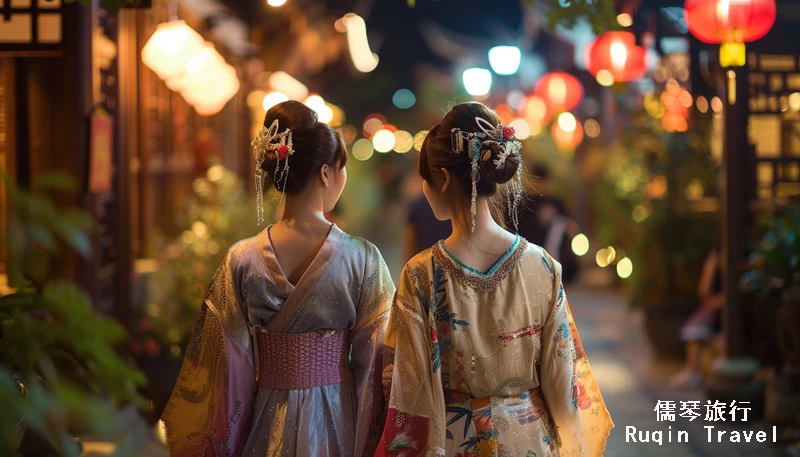
Itinerary designed by Ruqin
Last updated: August 13, 2026
4-Day Beijing Itinerary Overview
Four days is a good starting point for a first visit to Beijing. You can see the essential landmarks without spending every day rushing across the city.
I designed this itinerary around four different sides of Beijing. You will experience imperial Beijing, the Great Wall, old neighborhoods, and the city’s quieter everyday life.
The route includes Tiananmen Square, the Forbidden City, Temple of Heaven, Mutianyu Great Wall, Summer Palace, Lama Temple, and Shichahai. However, I have also left time for parks, hutongs, local food, and unplanned discoveries.
Who Is This Itinerary For?
This itinerary works best for first-time visitors with four full sightseeing days in Beijing. It suits independent travelers, couples, families, and small groups.
Expect plenty of walking. However, you can shorten individual sections or use taxis and DiDi when your legs need a rest.
4-Day Beijing Route at a Glance
Day 1 — Imperial Beijing
Tiananmen Square → Forbidden City → Jingshan Park → Temple of Heaven
Day 2 — Great Wall & Imperial Gardens
Mutianyu Great Wall → Local Lunch → Summer Palace
Day 3 — Old Beijing & Hutong Life
Lama Temple → Guozijian → Confucius Temple → Drum Tower → Hutongs → Shichahai
Day 4 — Local & Contemporary Beijing
Morning Park Life → National Museum of China → Local Lunch → 798 Art District → Relaxed Beijing Dinner
Day 1: Imperial Beijing
7:30–8:00 am — Start at Tiananmen Square
Start your first morning early. Tiananmen Square and the surrounding area involve security checks, so allow extra time.
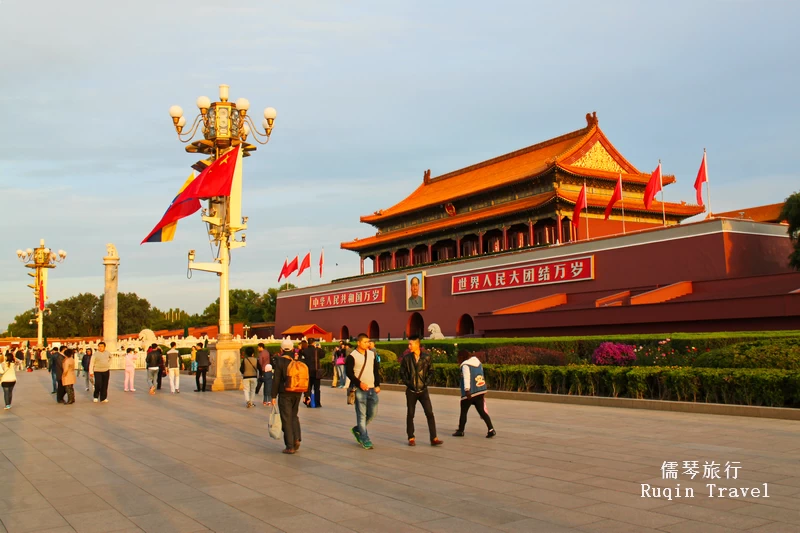
Carry your passport and check current reservation requirements before you arrive. Then spend about 45 minutes exploring the square before continuing north.
Do not stay too long here. The Forbidden City deserves most of your morning.
9:00 am–12:00 pm — Explore the Forbidden City
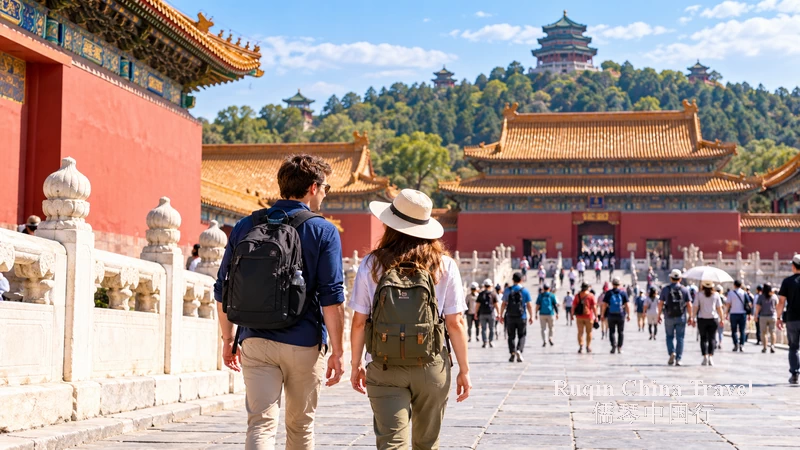
Enter the Forbidden City from the south and follow the traditional central axis north.
Allow around three hours for a first visit. You will pass the great ceremonial halls, imperial courtyards, residential areas, and Imperial Garden.

However, occasionally step away from the central route. The side courtyards often feel quieter and reveal another side of palace life.
Do not try to see every room. The Forbidden City rewards slow observation more than checklist sightseeing.
12:00–1:00 pm — Jingshan Park
Leave through the Forbidden City’s north gate and cross to Jingshan Park.

Climb to Wanchun Pavilion if the weather is clear. From here, the entire Forbidden City stretches south along Beijing’s historic central axis.
The climb is short but steep. Allow around 45 minutes.
1:15–2:15 pm — Lunch
Next, stop for lunch before heading south.
Keep lunch fairly simple. Noodles, dumplings, or a small local restaurant work better than a long formal meal today.
Then take the subway, taxi, or DiDi to the Temple of Heaven.
2:45–5:00 pm — Temple of Heaven
The Temple of Heaven provides a gentler end to your first sightseeing day.

Start around the Hall of Prayer for Good Harvests. Then walk south toward the Imperial Vault of Heaven and Circular Mound Altar.
Meanwhile, pay attention to the park itself. Local residents often exercise, sing, play cards, or gather with friends.
These everyday scenes matter. They remind you that Beijing’s historic parks remain part of modern city life.
Evening — Dinner and Rest
After a long first day, I would not schedule another major attraction.
Instead, enjoy a proper Beijing dinner. Peking duck is an obvious choice for your first evening.
Then get some rest. Tomorrow takes you out to the Great Wall.
Day 2: Mutianyu Great Wall & Summer Palace
7:00 am — Leave Beijing
Leave your hotel early for Mutianyu.
The Great Wall lies outside central Beijing, and road conditions can vary. A private car offers the easiest transport for this combined itinerary.

Direct tourist buses can also reach Mutianyu. However, combining the Great Wall with the Summer Palace becomes less convenient without private transport.
9:00 am–12:00 pm — Mutianyu Great Wall
Mutianyu is my preferred Great Wall section for many first-time visitors.

The wall crosses forested mountains, and numerous watchtowers remain accessible. Cable cars and chairlifts also make the visit manageable for different fitness levels.
Spend around two to three hours on the wall. However, do not measure the experience by how many towers you reach.
Walk, stop, look across the mountains, and take your time.
12:15–1:15 pm — Lunch Near Mutianyu
Have lunch near Mutianyu before returning toward Beijing.
This gives you a proper break after walking the wall. Then continue toward the Summer Palace.
2:30–5:00 pm — Summer Palace
After the Great Wall, the Summer Palace changes the pace completely.

Kunming Lake at Summer Palace
Explore the Long Corridor, Kunming Lake, and the main palace area. If you still have energy, walk partway up Longevity Hill.
However, there is no need to conquer another hill. Sitting beside Kunming Lake can be just as rewarding after a morning on the Great Wall.
When seasonal boats operate, consider a short ride across the lake.
Evening — Free Time
Return to your hotel and leave the evening open.
You have already completed one of the most physically demanding days of the trip. Therefore, choose dinner near your hotel rather than crossing Beijing again.
Day 3: Lama Temple, Hutongs & Old Beijing
8:30–10:00 am — Lama Temple
Start at the Lama Temple, one of Beijing’s most important Tibetan Buddhist temples.
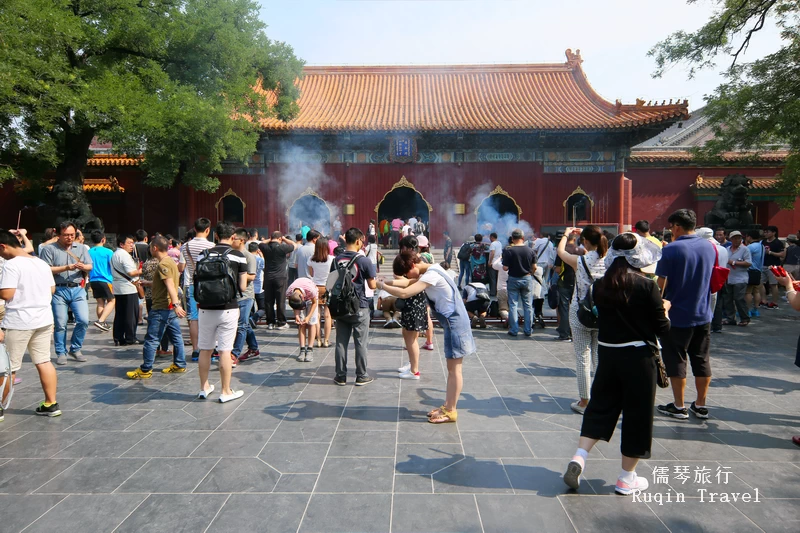
Move slowly through its sequence of courtyards and halls. You will see worshippers burning incense alongside visitors exploring the architecture.
Remember that this remains an active religious site. Therefore, behave as you would in any place of worship.
10:00–11:30 am — Guozijian Street and Confucius Temple
Next, walk to nearby Guozijian Street.
Visit the Confucius Temple and Imperial College if they interest you. The area provides useful context for understanding traditional Chinese education and Confucian culture.
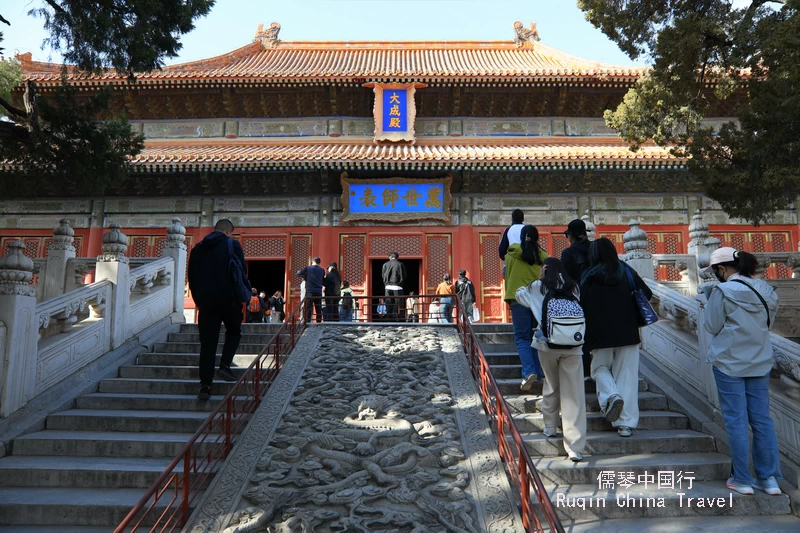
Even if you skip the interiors, take time to walk the street. Its trees, gates, gray walls, and courtyards create a quieter side of central Beijing.
12:00–1:00 pm — Local Lunch
Have lunch somewhere between Guozijian and the Drum Tower area.
Today is a good day for dumplings, noodles, baozi, or another simple Beijing meal.
Do not worry about finding the city’s most famous restaurant. A busy neighborhood restaurant often gives you a better sense of everyday Beijing.
1:30–3:00 pm — Drum and Bell Towers
Continue toward the Drum and Bell Towers.
These landmarks once helped regulate daily life in imperial Beijing. Their position also reveals the order behind the old city’s urban layout.
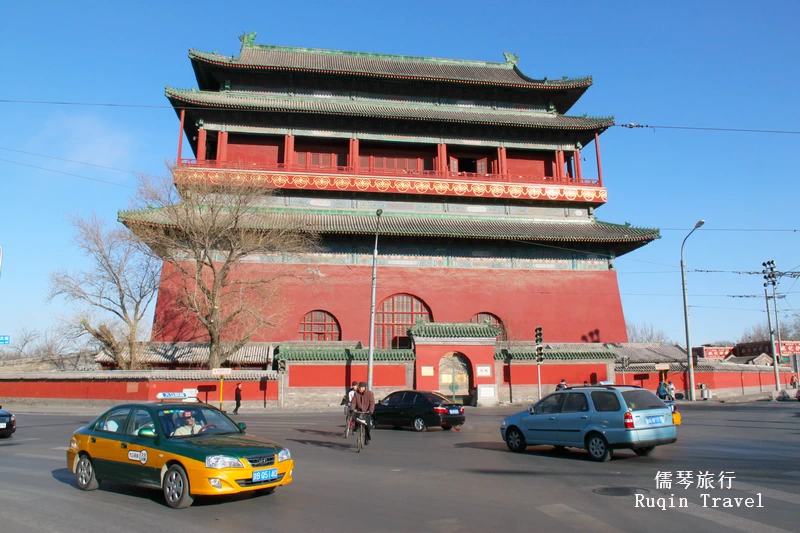
The Drum Tower in Beijing
If the tower is open and you are comfortable with steep stairs, climb for the view. Otherwise, explore the surrounding neighborhood.
3:00–5:30 pm — Hutongs and Shichahai
Now slow the pace.
Walk through the hutongs toward Shichahai. You will pass courtyard houses, bicycles, neighborhood shops, cafés, and residents going about their day.
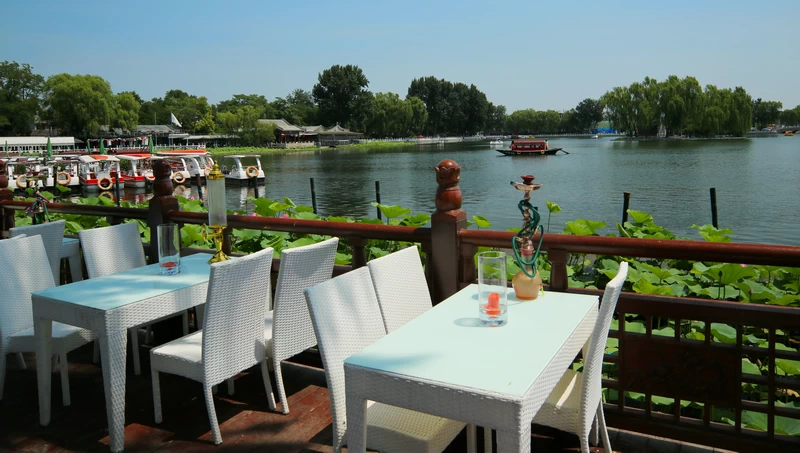
Do not treat the hutongs as an outdoor museum. People still live here, so respect private courtyards and residential spaces.
Finally, reach the Shichahai lakes. Stop for tea or coffee, walk beside the water, or simply sit for a while.
Evening — Houhai or Gulou
Stay around Houhai or Gulou for dinner if you still have energy.
This is one evening when I would avoid a fixed schedule. Walk until you find somewhere that feels right.
Day 4: Local Life, Museum & Contemporary Beijing
7:30–8:30 am — Watch Beijing Wake Up
Your final day begins differently.
Visit a nearby public park and watch Beijing start its morning. Depending on your location, you may see tai chi, stretching, dancing, badminton, singing, or people simply walking together.
You do not need a famous park. In fact, an ordinary neighborhood park can feel more natural.
Spend around an hour here. Then have a local breakfast before continuing.
9:30 am–12:00 pm — National Museum of China
Next, visit the National Museum of China if you want a deeper understanding of Chinese history.
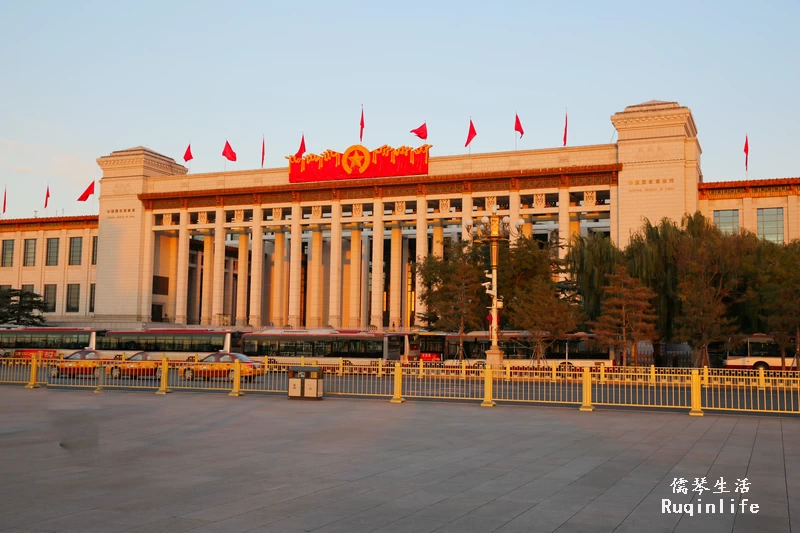
The museum is enormous. Therefore, do not attempt to see every gallery.
Choose a few exhibitions that interest you and spend around two hours inside. Check reservation and identification requirements before your visit.
If museums are not your priority, use this morning for another neighborhood walk or a slower visit to a local market instead.
12:15–1:30 pm — Local Lunch
By Day 4, you may already feel more comfortable ordering food.
Try a local restaurant rather than another sightseeing-area restaurant. Beijing has everything from traditional noodles and dumplings to regional Chinese cuisines.
After lunch, head northeast toward 798.
2:30–5:00 pm — 798 Art District
Spend your final afternoon in contemporary Beijing.
The 798 Art District occupies a former industrial area filled with galleries, studios, cafés, shops, and public art. It provides a strong contrast with the imperial architecture of your first three days.
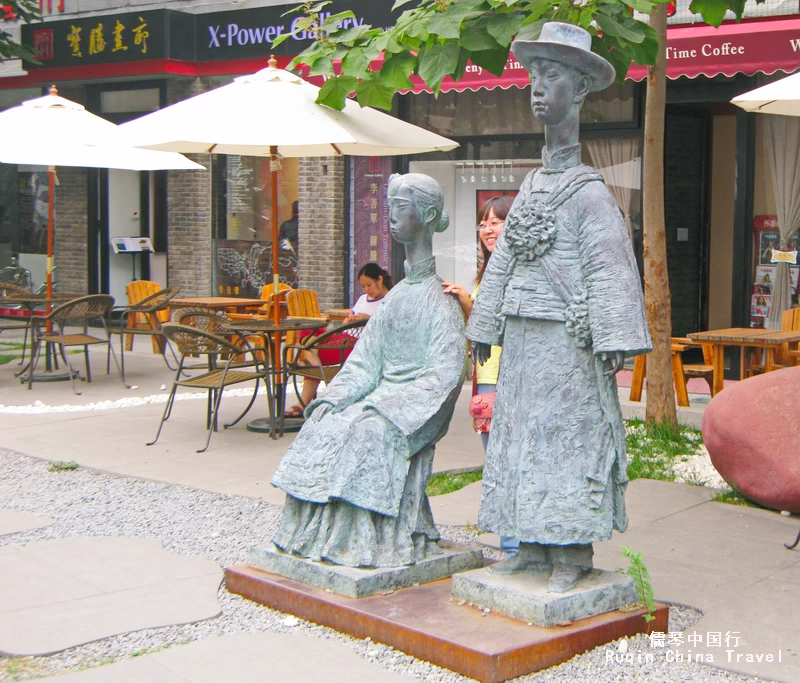
You do not need to enter every gallery. Instead, wander through the old factory streets and choose exhibitions that catch your interest.
Stop for coffee if you want. This afternoon should feel deliberately less structured.
Evening — Your Final Beijing Dinner
For your last evening, choose the food experience you missed earlier.
You might try Beijing hot pot, Peking duck, noodles, or another regional Chinese cuisine.
Then take a final evening walk if you still have energy. After four full days, however, there is nothing wrong with simply enjoying dinner and returning to your hotel.
Tickets, Transport & What to Bring
Tickets and Reservations
Book Beijing’s major attractions before your visit whenever reservations are required. The Forbidden City should receive particular attention because tickets can be difficult during busy periods.
Also check current arrangements for Tiananmen Square, the National Museum, Lama Temple, Mutianyu, and other ticketed sites. Rules and reservation systems can change.
Carry your original passport each day. Foreign travelers frequently need it for reservations, admission, or security checks.
Getting Around Beijing
Use the subway for most journeys within central Beijing. It is inexpensive, extensive, and often faster than driving during rush hour.
Taxis and DiDi work well when attractions do not connect conveniently by subway. They also help when you have already spent several hours walking.
For the Mutianyu and Summer Palace day, I prefer a private car if your budget allows. It makes the combined route much easier.
How Much Walking to Expect
Expect substantial walking throughout these four days.
The Forbidden City, Great Wall, Summer Palace, Temple of Heaven, hutongs, and museums all involve time on your feet. Comfortable walking shoes matter more than almost anything else you pack.
If you feel tired, shorten the afternoon rather than pushing through another attraction. Beijing will still be here next time.
What to Bring Each Day
Carry your passport, charged phone, portable power bank, water, and a small day bag.
During summer, add sunscreen, a hat, and extra water. Meanwhile, Beijing winters require warm layers, gloves, and protection from cold winds.
A translation app and mobile payment setup will also make independent travel easier.
Ruqin’s Trip Design Note
I designed these four days so that each one shows you a different Beijing. Day 1 introduces imperial power, while Day 2 gives you the Great Wall and landscape.
Then Day 3 brings you down to neighborhood level. Finally, Day 4 connects historic Beijing with the city people live in today.
I would resist adding more major attractions. Four days can easily become a race through monuments if every empty hour gets filled.
Instead, keep the slower moments. Watch people exercising in a park, sit beside Shichahai, eat somewhere ordinary, or wander through 798 without checking the time.
Those moments often help first-time visitors understand Beijing better than one more famous sight.
Plan More of Your Beijing Trip
Use Ruqin China Travel’s practical Beijing guides to prepare for tickets, transport, mobile payments, internet access, restaurants, airport transfers, and other parts of your stay.
You can also use the individual Beijing day-tour itineraries to adjust any day in this four-day route to your own pace.
How to Visit Tiananmen Square: Maps, Tickets & Security Checks
How to Visit Forbidden City: Maps, Walking Routes and Travel Tips
How to Visit Temple of Heaven: Maps, Tickets, Routes & Tips
How to Visit Jingshan Park: Tickets, Maps, Trails & Travel Tips
How to Get to Mutianyu Great Wall from Beijing: Bus, Shuttle & Private Car
How to Visit Summer Palace: Tickets, Maps, Routes, Eating & Tips
How to Visit Lama Temple: Maps, Tickets, Highlights & Travel Tips
Confucius Temple And Imperial College Museum: Visitor Guide
Beijing Shichahai Travel Guide: Hutongs, Lakes, Food & Tips
Beijing Drum Tower: Map, Tickets, What to See and Travel Tips
Beijing Bell Tower: Map, Tickets, What to See and Travel Tips
Yandai Xiejie Street (Yandaixie): Map, Shops, Food, Sights and Tips
Questions About This Beijing Itinerary?
Still have questions about this route? You’re welcome to write to me.
If you need advice on timing, transport, tickets, or adjusting the itinerary, I’m happy to offer a practical suggestion based on my experience in Beijing.
There’s no fee for a simple question. Just use the form below and tell me about your plans.
We respect your privacy. Your details will never be shared or used for marketing.