
Written and updated by Ruqin
Last updated: March 26, 2026
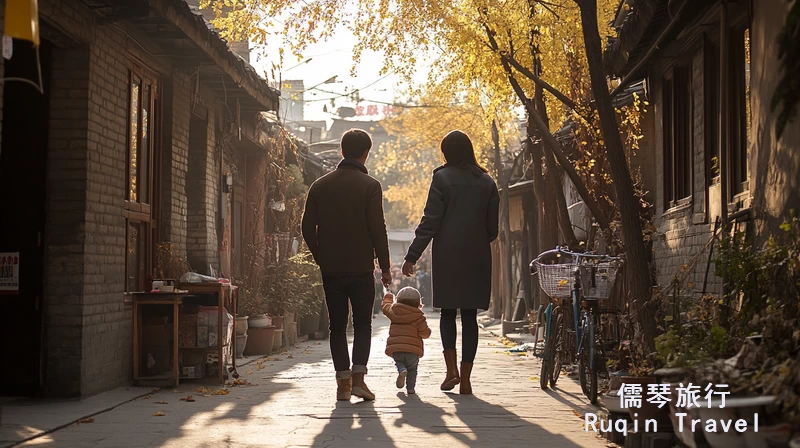
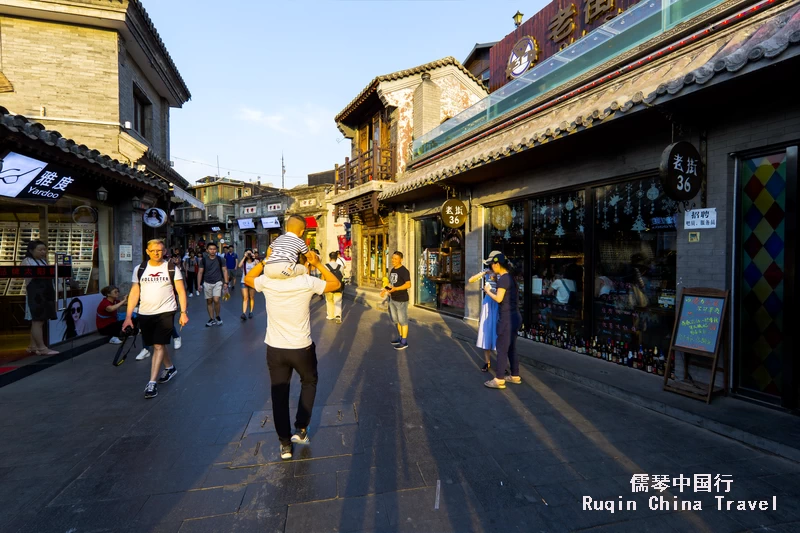
I still remember the slight curve of Yandai Xiejie Street catching me off guard—the lane doesn’t run straight like most Beijing hutongs. I wandered in from the Shichahai lakeside, and within minutes, I was moving between old-style shopfronts, the smell of grilled snacks, and quiet courtyard doors. It felt lived-in, not staged.
If you’re figuring out how to visit Yandai Xiejie Street (Yandaixie Street / Yandai Byway), this guide walks you through it the way I experienced it—what’s worth slowing down for, what to skip, and how to navigate it without feeling lost in the crowd.
1. A Brief History of Yandai Xiejie Street
The first time I walked Yandai Xiejie Street, I didn’t notice the history right away—I noticed the curve. The lane bends gently, almost unexpectedly, and only later did I learn that this shape is why it’s called “Tobacco Pipe Lane.” Back in the Qing Dynasty (1644-1912), this was where pipe makers and tobacco shops gathered.
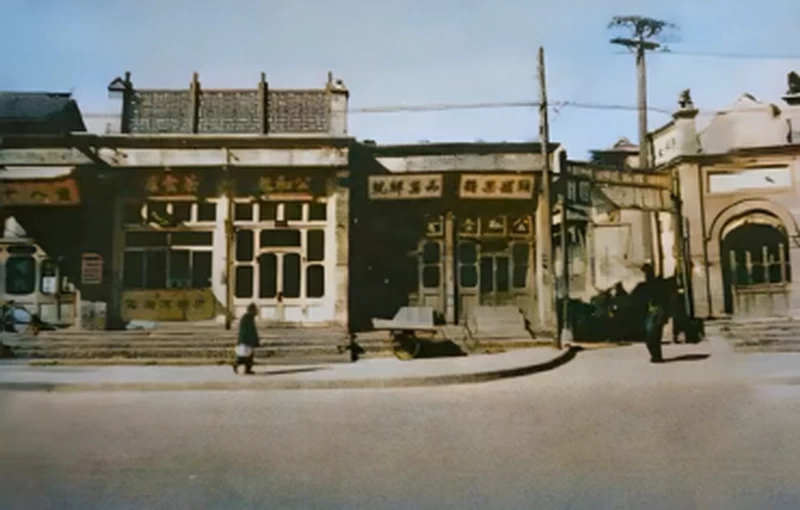
As I looked closer at the shopfronts, the story started to make sense. The long, slightly diagonal stretch of Yandaixie Street really does resemble a traditional pipe stem, and that identity shaped what this street became—busy, specialized, and very local.
Today, that old trade is mostly gone, but the feeling hasn’t disappeared. Walking here now, you’re moving through layers—historic hutong bones, modern shops, and a street that has quietly adapted without losing its original rhythm.
2. How to Get to Yandai Xiejie Street
The easiest way I’ve found to reach Yandai Xiejie Street is by subway—and honestly, it’s part of the experience. I usually take Line 8 to Shichahai Station, exit A, then walk about five minutes. You’ll feel the shift almost immediately as the lake and hutong streets open up around you.
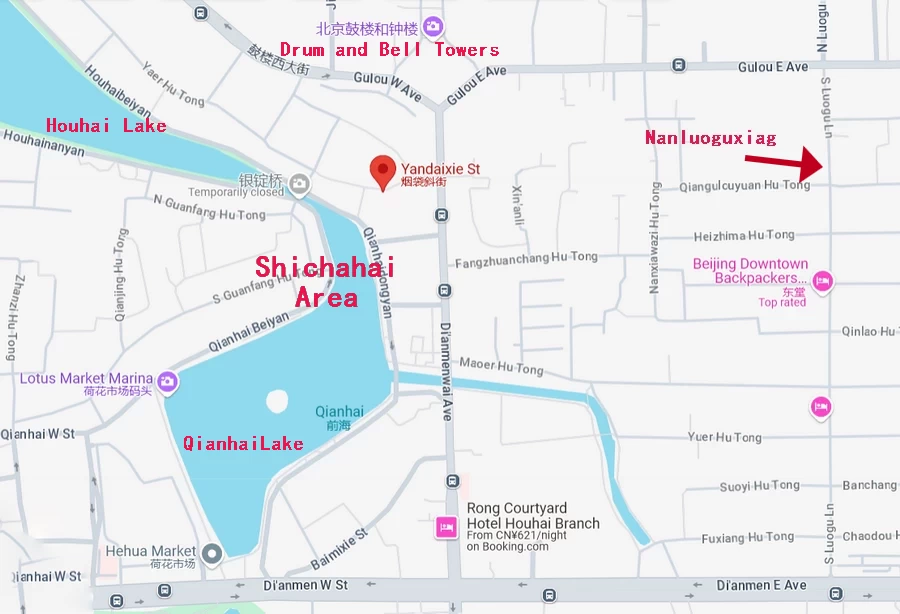
If you have more time, I sometimes take Line 6 to Nanluogu Xiang Station instead. The longer walk (15–20 minutes) lets you ease into the atmosphere, passing smaller alleys before reaching Yandaixie Street. It’s a softer, more gradual arrival.
Taxis or ride-hailing (like DiDi) are straightforward too—just type the name. Either way, you’ll arrive near Houhai and the Drum Tower, which makes it easy to keep exploring once you’re there.
3. Best Time to Visit Yandaixiejie Street
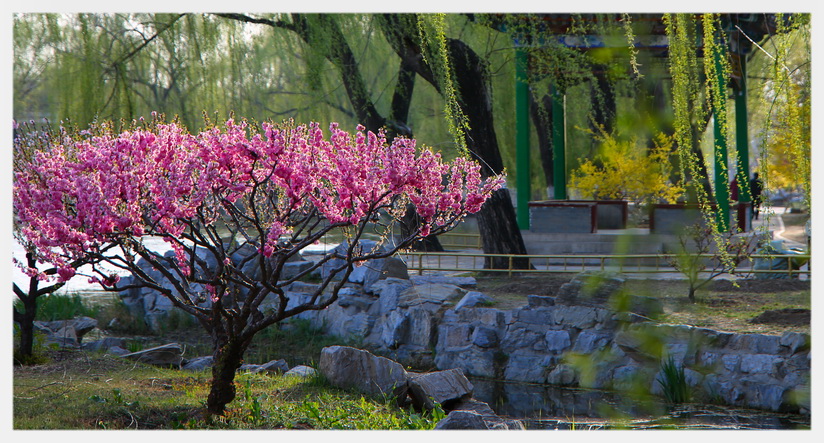
The first time I walked Yandai Xiejie Street in early spring, the air was still cool but comfortable—perfect for wandering without rushing. In my experience, spring and autumn feel the most balanced here. You’re not fighting heat or cold, and Yandaixie Street is easier to enjoy at a slower pace.
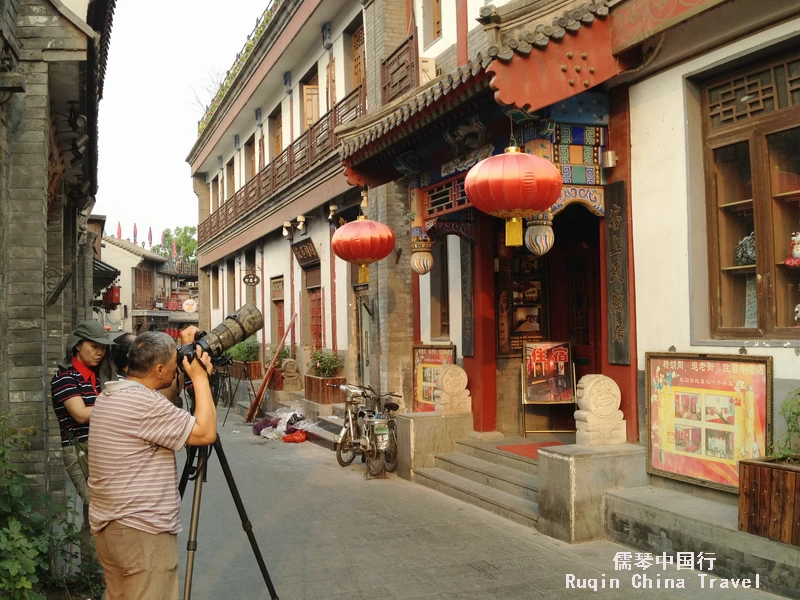
If you want to see the street without the crowds, go early. I’ve had quiet mornings where shopkeepers were just opening doors, and the whole lane felt more local than touristy.
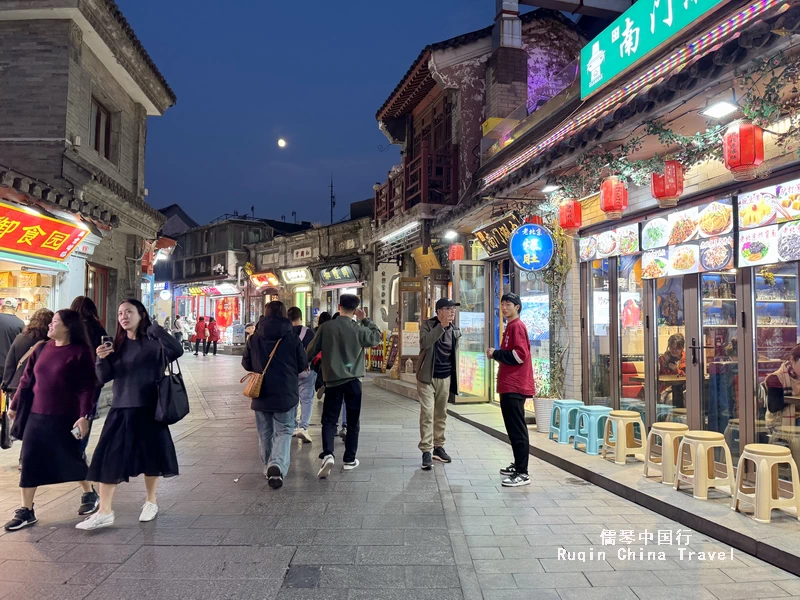
Evenings bring a completely different mood. As lights come on near Houhai, the area grows lively, with music and energy spilling in from the nearby bar streets.
4. Top Things to Do on Yandai Byway
Yandai Xiejie Street, with its rich history and vibrant atmosphere, offers plenty of unique attractions and activities for visitors. Here are the top things to do on Yandai Byway to make the most of your visit:
1) Sample Local Snacks
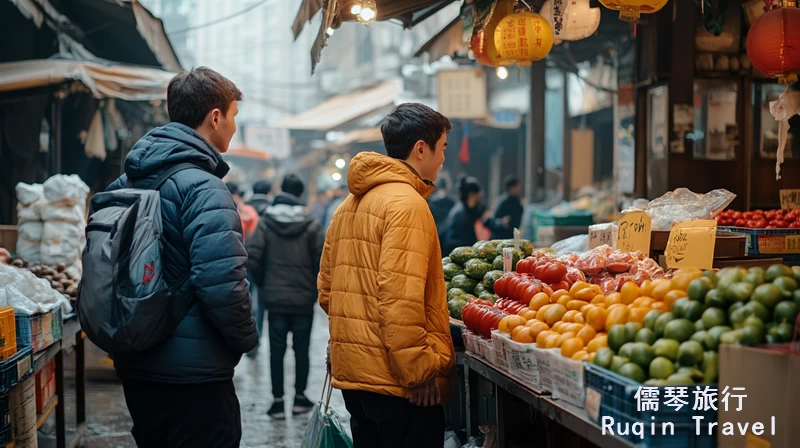
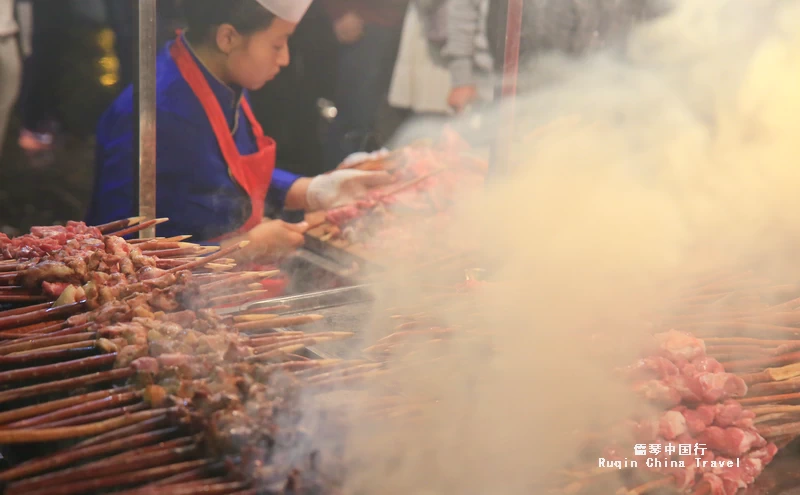
No visit to Yandai Xiejie is complete without trying some of Beijing’s local snacks. The street is lined with food stalls and small eateries serving up delicious treats, such as jianbing (savory Chinese crepes), skewers, and candied hawthorn (bing tang hulu).
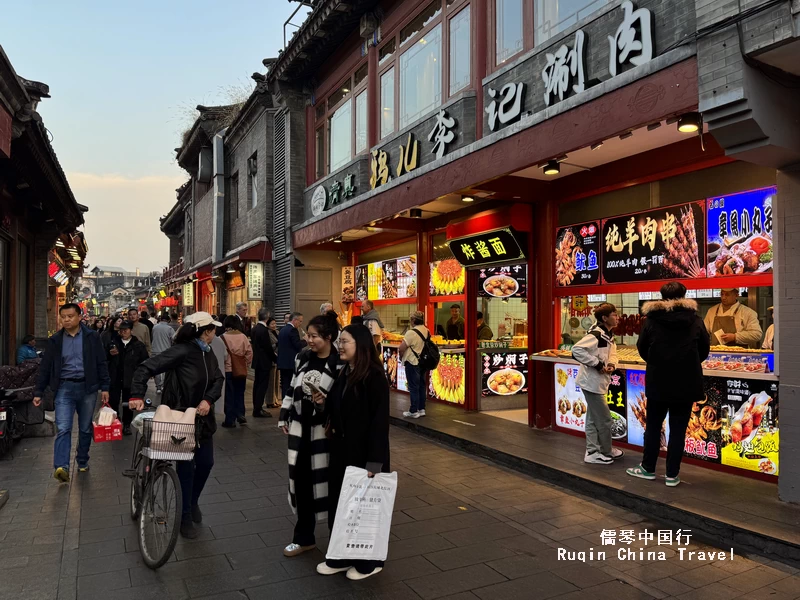
Each snack provides a taste of Beijing’s culinary culture, enhancing your experience on the street with authentic flavors
2) Explore Traditional Shops and Boutiques
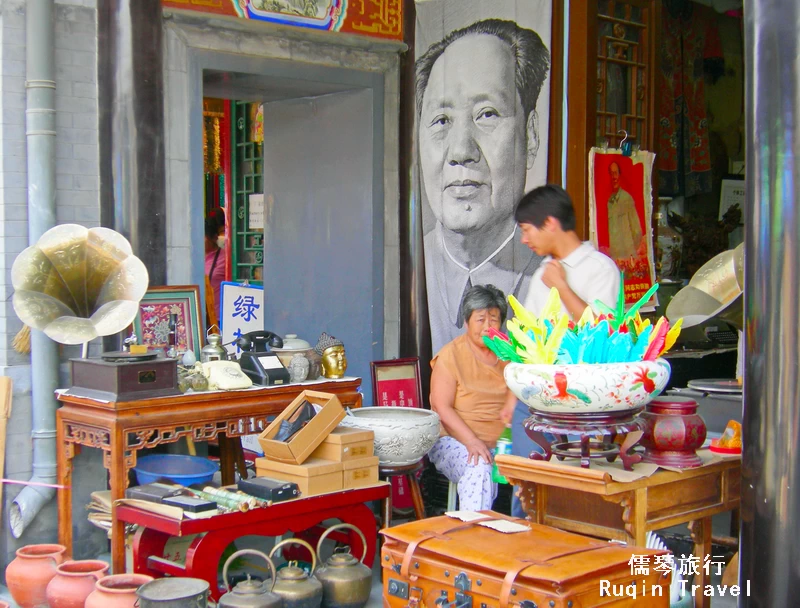
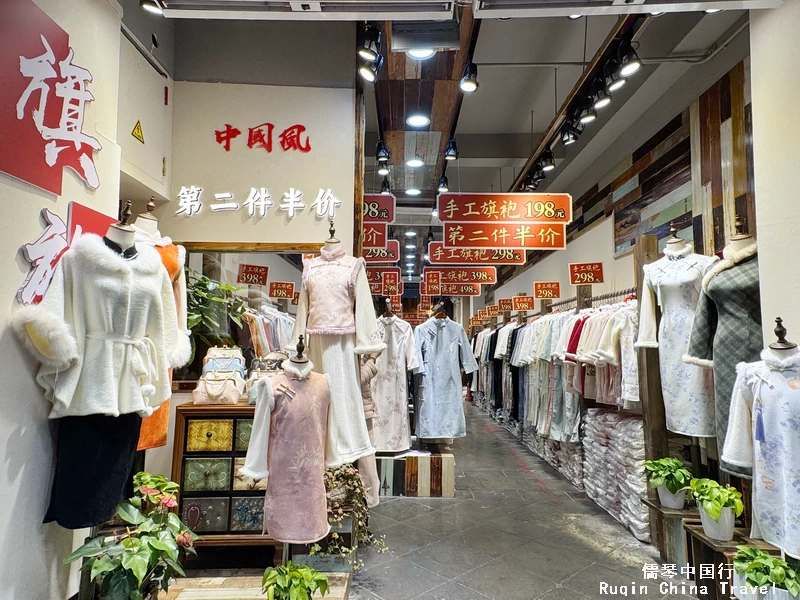
One of the main draws of Yandai Xiejie Street is its variety of traditional shops and boutiques. Many stores specialize in antiques, handicrafts, and Chinese cultural items, such as silk clothing, tea sets, and calligraphy tools.
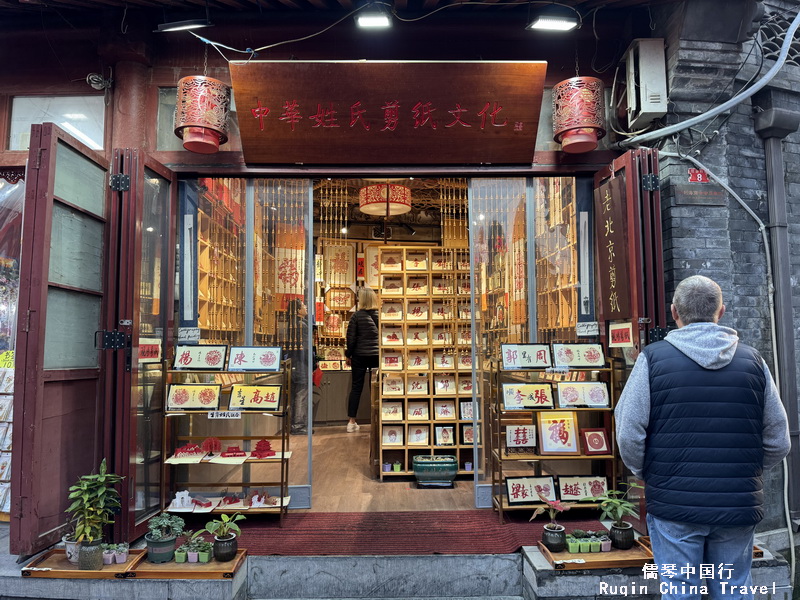
These items make for excellent souvenirs or gifts and are a great way to support local artisans. From handcrafted jewelry to intricate ceramics, you’ll find plenty of unique keepsakes that capture the spirit of Beijing’s traditional markets.
3) Visit Guangfu Temple
For history enthusiasts, Guangfu Taoist Temple is a must-see stop on Yandai Byway. Built during the Ming Dynasty by a eunuch named Peng, this temple received its official name from the Guang Emperor, who granted it an official title.
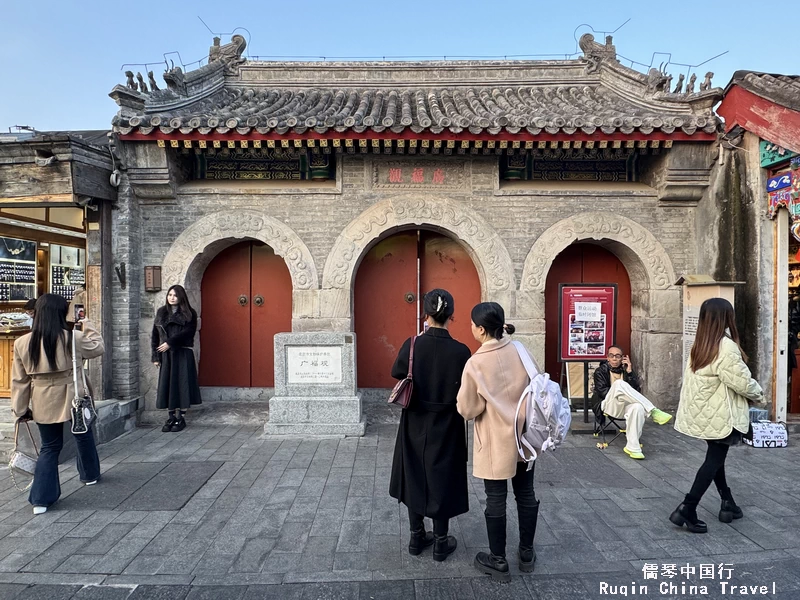
Guangfu Taoist Temple stands as a preserved piece of Beijing’s religious and cultural history, holding countless stories from Yandai Xiejie’s past. Exploring this temple provides visitors with a deeper connection to the spiritual heritage of ancient Beijing.
4) Discover the Qing Imperial Post
Another historical highlight is the Qing Postal Cabinet, an exhibit that illustrates the development of China’s postal system from the late Qing Dynasty to the early Republic period. In 1890, the Qing government initiated postal services across China, and on March 20, 1896, Emperor Guangxu officially approved the Great Qing Postal Bureau.
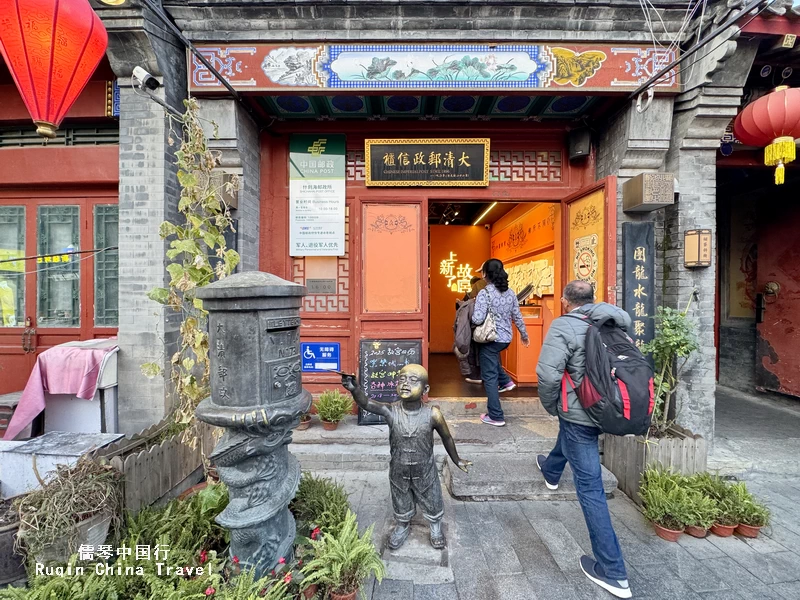
This marked the beginning of modern postal services in China. The display at the Qing Postal Cabinet offers insight into how communication and connectivity developed during this transformative era in Chinese history.
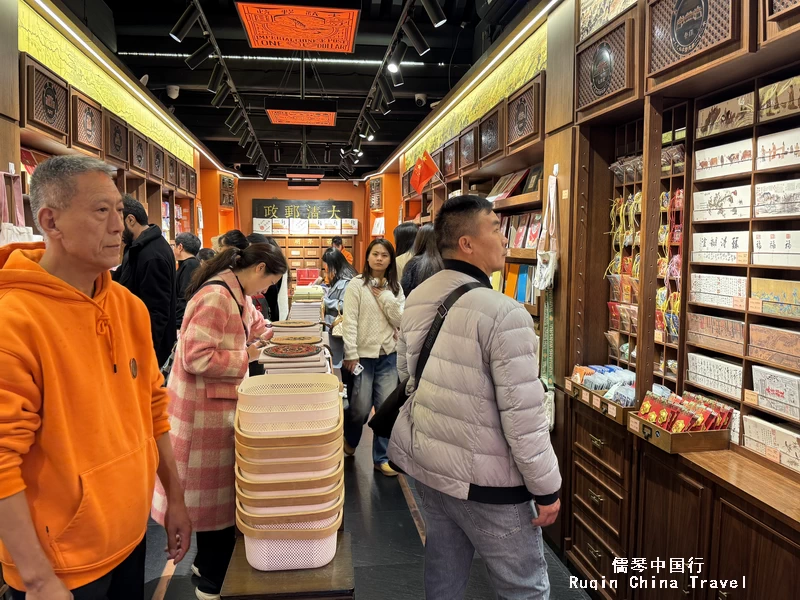
For those interested in China’s modernization, the cabinet provides a fascinating look at how Yandai Xiejie Street played a part in connecting Beijing with the rest of China.
5) Admire the Traditional Hutong Architecture
Yandai Xiejie is well-known for its preserved hutong architecture, which offers a glimpse into the traditional layout of old Beijing. Walking through the narrow alleys and admiring the courtyards and buildings gives visitors a sense of the area’s timeless charm.
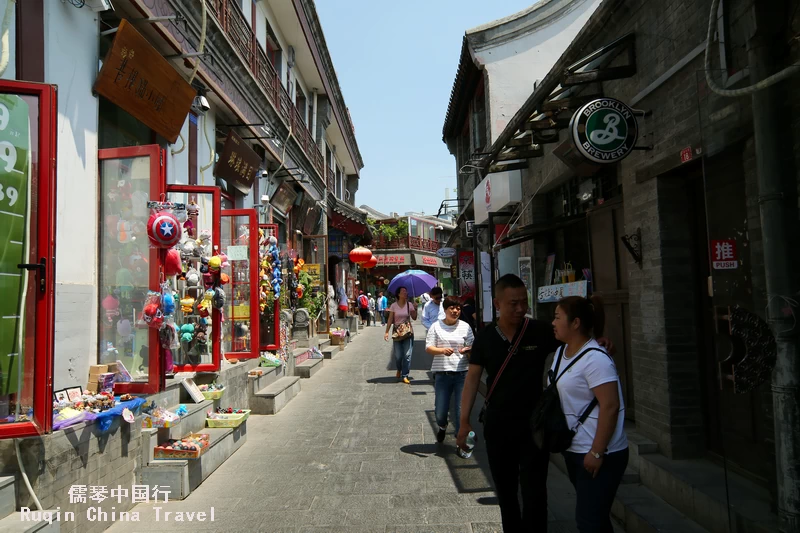
The unique architectural style showcases traditional Chinese design and allows travelers to experience what life was like in Beijing centuries ago.
6) Visit the Drum Tower and Bell Tower
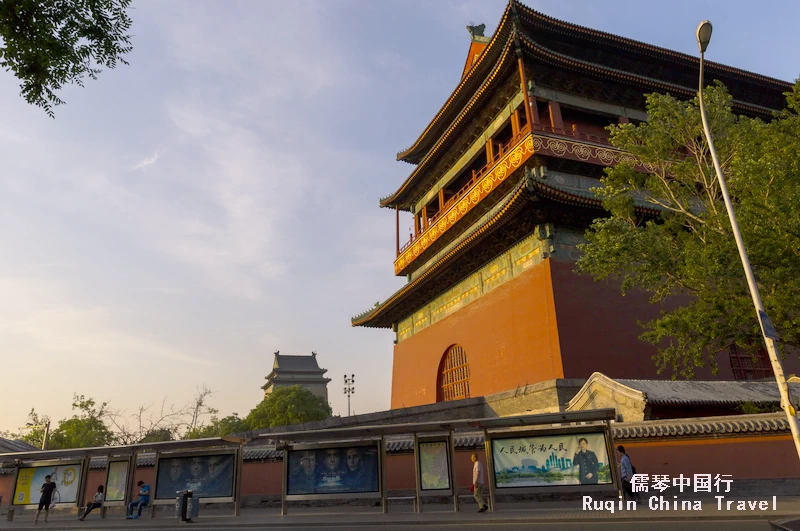
A short walk from Yandai Xiejie, the Drum and Bell Towers are iconic landmarks in Beijing. Built centuries ago, these towers served as important timekeeping structures for the city. Climbing to the top provides panoramic views of the surrounding hutongs and historic districts, and it’s a fantastic opportunity to take in the scale and beauty of old Beijing.
7) Enjoy Houhai Lake
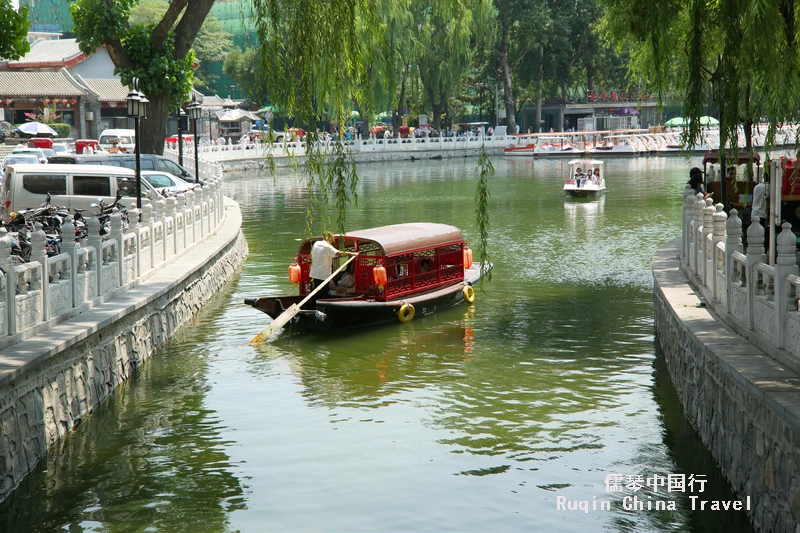
Near Yandai Xiejie is Houhai Lake, a scenic and tranquil spot perfect for a leisurely walk or even a boat ride. With cafes, bars, and restaurants around the lakeside, Houhai is an ideal place to relax and soak in the atmosphere. In the evening, the area comes alive with lights and music, making it a vibrant destination for those who enjoy nightlife.
8) Enjoy the Nightlife at Houhai Bar Street
If you’re visiting in the evening, head to nearby Houhai Bar Streets to enjoy the nightlife. With live music venues, rooftop bars, and cozy lakeside cafes, Houhai is the perfect place to unwind after a day of sightseeing. The vibrant nightlife scene adds a different charm to the area, allowing travelers to experience a mix of traditional and modern Beijing.
5. Yandai Xiejie Street Travel Tips for Foreign Tourists
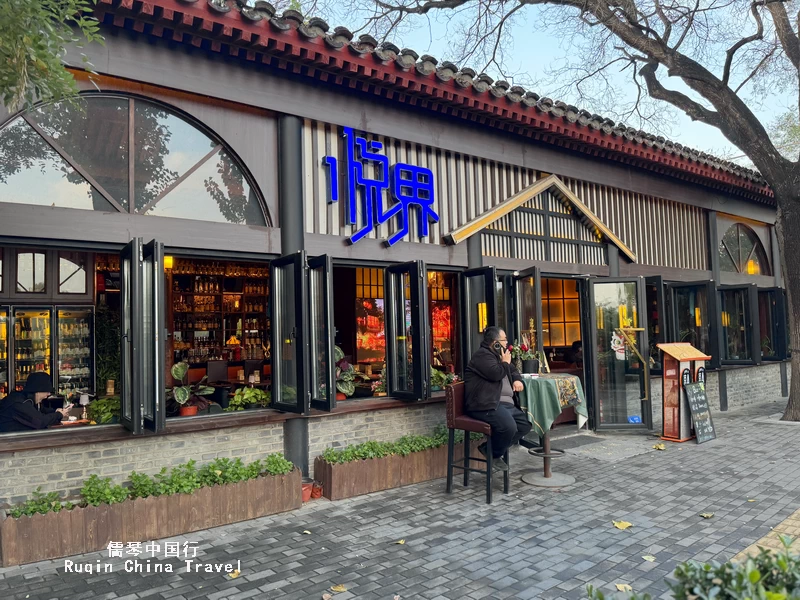
I still remember standing at a tiny counter on Yandai Xiejie Street, realizing my cash wasn’t as useful as I expected. Most places prefer WeChat Pay or Alipay, and once I switched to using them, everything—from snacks to small souvenirs—became quick and seamless.
Language can feel like a barrier at first, but it softens quickly. I got by with a few phrases and a translation app. Even something simple like “duōshǎo qián?” (how much?) creates a moment of connection, and people are usually kind about it.
As for photos, this street is incredibly photogenic—but it’s also lived-in. I learned to pause before pointing my camera into doorways or quieter corners. And if you have time, keep walking toward Nanluoguxiang. The transition between hutongs adds depth to the whole experience.
6. Exploring Beijing’s Ancient Streets: Yandai Byway and Beyond
The first time I finished walking Yandai Xiejie Street, I didn’t feel done—I just naturally kept going. That’s the thing about Yandai Byway. It doesn’t feel like a standalone attraction; it feels like an entry point into a wider, living neighborhood.
From there, I usually drift toward Nanluoguxiang. It’s busier and more polished, with cafés and small boutiques, but the contrast actually helps you understand how different hutongs have evolved. One feels intimate, the other more social.
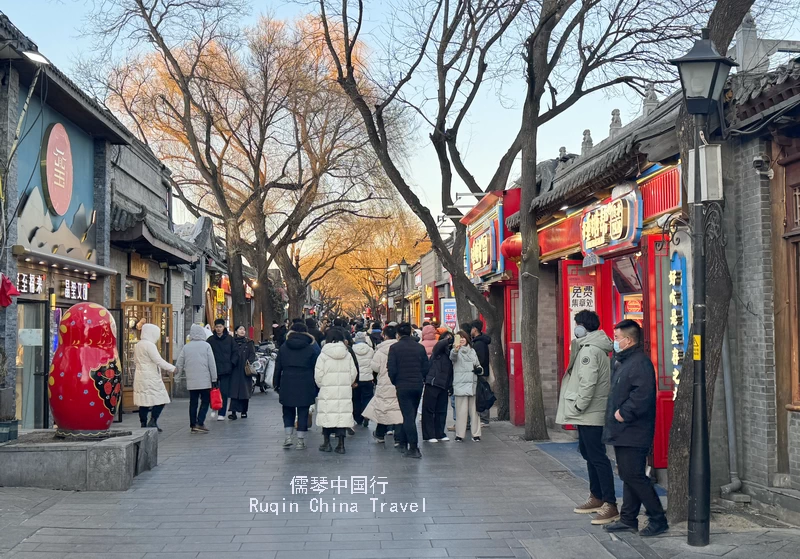
If you slow down and connect these streets on foot, Beijing starts to make sense in a different way. The hutongs aren’t just old alleys—they’re still functioning spaces, layered with daily life, small businesses, and quiet routines that have carried forward over time.
I didn’t feel like I stepped back in time on Yandai Xiejie Street—it felt more layered than that. Old doorways, snack stalls, and quiet corners all exist at once. As you walk, places like Houhai and the Drum Tower naturally pull you further into the neighborhood.
If you’re planning how to visit Yandai Xiejie Street, keep it simple: arrive with time, stay flexible, and let yourself wander. The street makes more sense when you stop trying to “cover” it and just move with it.
About the Author
Ruqin is the founder of Ruqintravel.com and has spent more than four decades working in China’s travel industry. Drawing on hands-on experience in cities like Beijing and Hangzhou, he personally researches and updates each guide to help international travelers navigate China with confidence.
Further Reading
Best Street Food in Beijing: What to Eat and Where to Find It
Dashilan Street: Map, Food, Shopping & Hotels
Huguosi Street, Beijing (Huguosi Snack Street): A Visitor’s Guide
Nanluoguxiang: Maps, Shopping, Bars, Cafes, Food, Hutong & Tips
Xianyukou Street, Beijing: What to Eat, Shop & See Before You Go
Qianmen Street Beijing: Map, Food, Shopping & Hotels
Shichahai Travel Guide: Hutongs, Bars, Food & Things to Do
Wudaoying Hutong: Shops, Cafes, Food and Travel Tips