
Written and updated by Ruqin
Last updated: October 6, 2026
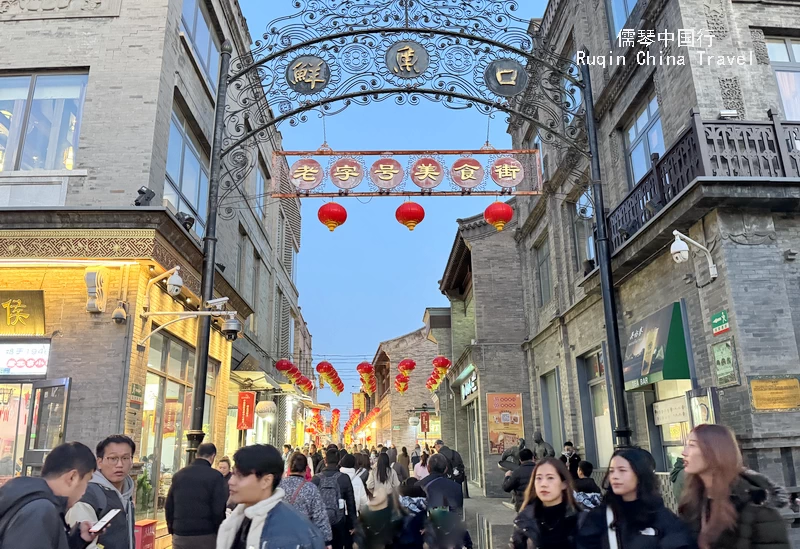
The first time I wandered into Xianyukou Street (鲜鱼口), I had just stepped out of the busy Qianmen pedestrian area looking for something to eat. Within minutes, the smell of roast duck, sizzling snacks, and sweet pastries filled the narrow street. Locals were lining up at long-standing Beijing eateries, while travelers paused to photograph the old shop signs and traditional storefronts.
Today, Xianyukou Food Street (鲜鱼口) is known as Old Beijing Cuisine Street (老字号美食街)—a lively lane where historic food brands and street snacks come together in one place.
In this guide, I’ll walk you through what to eat, what to see, and how to enjoy this flavorful corner of old Beijing before you go.
1. Location and Historical Background of Xianyukou Street
Xianyukou has held an important place in history. There is a saying: “Xianyukou came before Dashilan (Dashilar),” meaning it gained fame earlier than its neighbor, Dashilan..
Xianyukou (鲜鱼口) translates to “Fresh Fish Gateway.” The name comes from its historical roots, as the area was once a hub for fish trading. The word “kou” in Beijing often refers to intersections or gateways, perfectly describing its strategic location.
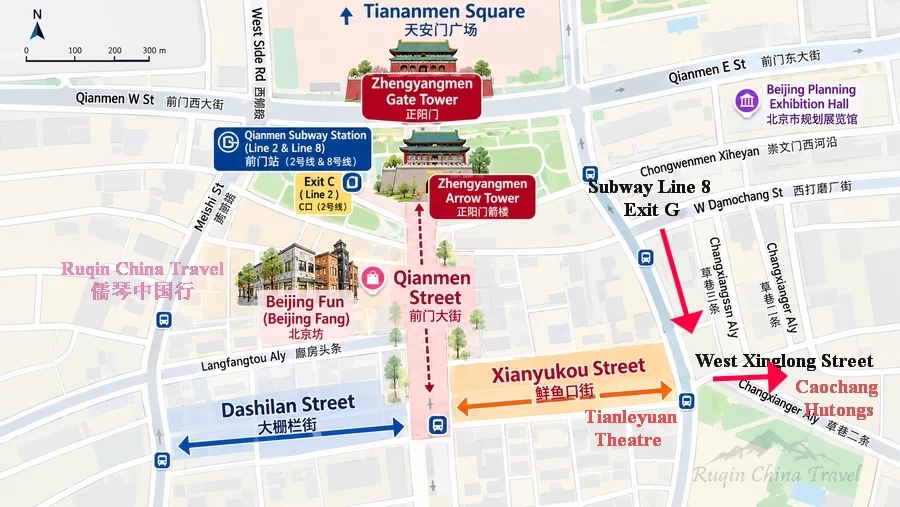
Xianyukou Street Map
You’ll find Xianyukou Street on the east side of Qianmen Street, one of Beijing’s most famous historic avenues. It stretches from the junction of Changxiang First Alley (长巷头条)and West Xinglong Street (西兴隆街)in the east to Qianmen Street in the west, directly facing the Dashilan Street.
The history of Xianyukou Street is tied to the Grand Canal, which brought fresh fish and trade to the area during the Ming Dynasty’s Zhengtong era (1436–1449). Over time, it became a bustling marketplace attracting merchants and customers. By the late Qing Dynasty (1909–1912), the canal dried up, and shops and residential buildings replaced the waterway. Xianyukou evolved into one of southern Beijing’s busiest commercial streets, showcasing traditional city life.
Today, Xianyukou Street is officially designated as a historic and cultural preservation area by the Beijing government. Branded as the “Old Beijing Cuisine Street,” it’s a perfect blend of history, food, and culture.
2. How to Get to Xianyukou Food Street
The first time I visited Xianyukou Food Street (鲜鱼口), I simply followed the flow of people from the Qianmen area and suddenly found myself surrounded by the smell of roast duck and sizzling snacks. The street sits just east of Qianmen Pedestrian Street, so it’s actually very easy to reach once you’re in this historic part of Beijing.
By Subway (Most Convenient)
Take Subway Line 2 to Qianmen Station and leave through Exit C. From there, walk south toward Qianmen Street (前门大街) and you’ll see signs leading to Xianyukou Street within a few minutes.
Another option is Subway Line 8, getting off at Qianmen Station, Exit G, which is also a short walk away.
By Taxi or Ride-Hailing
Ask the driver to go to Qianmen Dajie (前门大街). Traffic is usually limited near the pedestrian area, so you’ll likely be dropped off nearby and walk the last few minutes.
On Foot
If you’re already visiting Tiananmen Square, Dashilar, or the Qianmen shopping area, it’s an easy walk—and honestly the best way to discover the neighborhood.
3. Time-Honored Restaurants in Xianyukou Food Street
Xianyukou Food Street in Beijing is home to many famous time-honored restaurants, each offering a unique taste of traditional Beijing cuisine. Below are some notable establishments with their specialties:
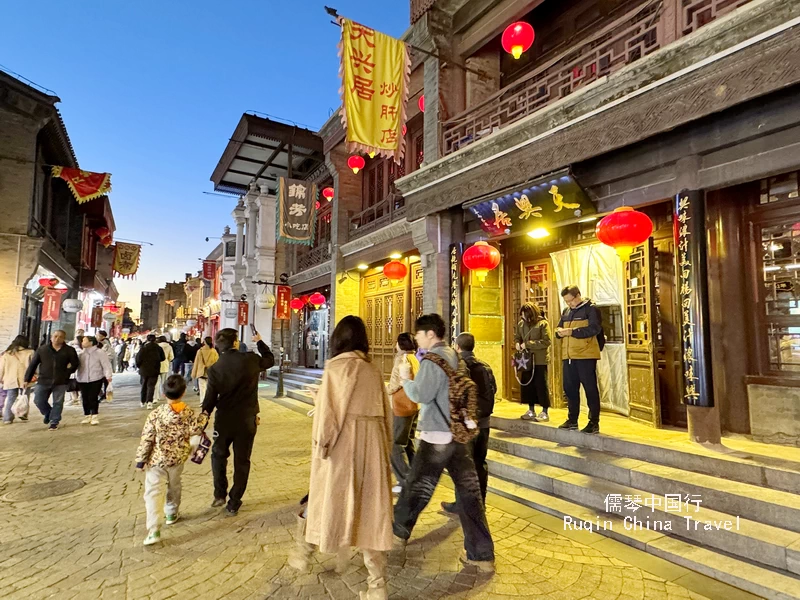
Tianxingju (天兴居)
Tianxingju is known for its fried liver and steamed buns (炒肝包子), a classic Beijing snack. The prices are reasonable, and the flavors are authentic.
Additionally, you can try other traditional snacks like crispy fried batter cakes (炸饹馇), fried sausage (炸灌肠), pickled mustard root (芥末墩), fermented mung bean milk (麻豆腐), and almond tofu (杏仁豆腐). These dishes provide a rich and varied introduction to Beijing’s culinary culture.
Bianyifang (便宜坊)
Bianyifang specializes in oven-braised roast duck (焖炉烤鸭), offering a distinct taste that differs from other Beijing roast duck styles. The duck is juicy with crispy skin, making it a favorite for locals and visitors alike. It’s one of the oldest roast duck restaurants in Beijing, providing an unforgettable dining experience steeped in tradition.
Chaoyanglou (朝阳楼)
Chaoyanglou is famous for its sautéed tripe (爆肚), a traditional Beijing snack. This restaurant is a great place to enjoy authentic Beijing flavors in a cozy setting. The tender and flavorful tripe is cooked to perfection, showcasing the art of Beijing street food.
Tongdehe (同德和)
Tongdehe is celebrated for its mutton shumai (羊肉烧麦). These steamed dumplings are filled with tender, savory mutton and have a delicate, thin wrapping. The rich flavors make this dish a favorite among diners looking for a hearty and satisfying meal.
Xinyuanzhai (信源斋)
Xinyuanzhai serves classic Beijing dishes like zhajiangmian (炸酱面, noodles with soybean paste) and luzhu (卤煮, a pork and tofu stew). These affordable and hearty dishes are beloved staples of Beijing’s traditional food scene and give a true taste of local life.
Wang’s Regal Grilled Fish (王氏富贵烤鱼)
This restaurant specializes in grilled fish (烤鱼), prepared with flavorful spices and cooked to a perfect balance of tenderness and crispness. It’s a great option for those seeking a modern twist on traditional Beijing cuisine.
Kao Rou Ji (烤肉季)
Kao Rou Ji is renowned for its grilled meat (烤肉), particularly its juicy, flavorful cuts. The meat is grilled to perfection, making it a must-try for meat lovers. The restaurant has a rich history and maintains a focus on authentic techniques.
Yongfeng Oat Noodles (永丰莜面)
Yongfeng specializes in oat noodles (莜面), a staple of northwestern Chinese cuisine. The chewy texture and earthy flavor of these noodles are complemented by hearty sauces, providing a unique taste experience.
Jinfang (锦芳)
Jinfang is famous for its glutinous rice balls (元宵). These sweet treats come in a variety of flavors and have a soft, chewy texture. They are particularly popular during festivals but are enjoyed year-round by those with a sweet tooth.
These time-honored restaurants not only serve delicious dishes but also preserve traditional cooking methods and unique flavors. Visiting them offers a perfect way to experience Beijing’s rich food culture and culinary history.
4. Must-Try Street Snacks and Dishes at Xianyukou Food Street
Xianyukou Food Street in Beijing is famous for its diverse snacks and time-honored eateries. Here are some of the most popular snacks.
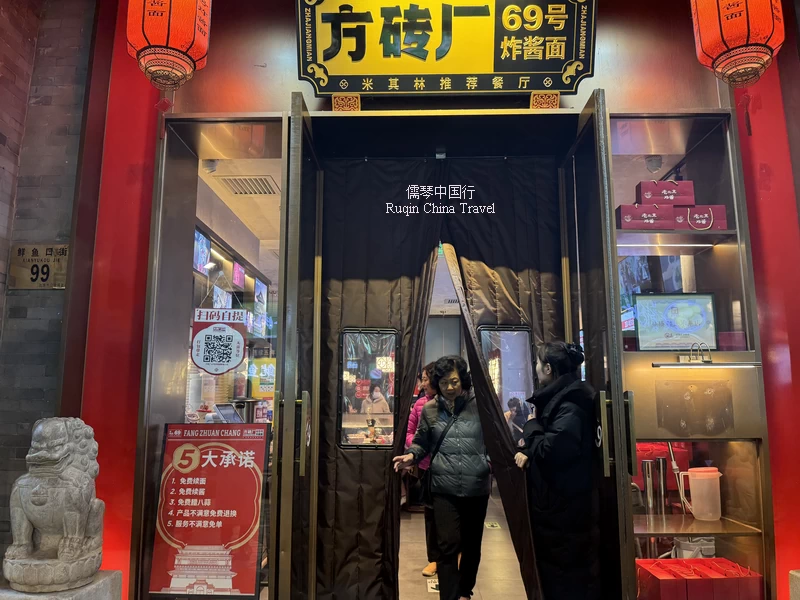
Fangzhuanchang No. 69 Zhajiangmian (方砖厂69号炸酱面)
This spot is renowned for its authentic zhajiangmian (炸酱面), Beijing-style noodles topped with a rich, fragrant soybean paste. The noodles are perfectly chewy, and the sauce is bursting with flavor. At approximately 30 RMB per person, it offers great value and a satisfying meal.
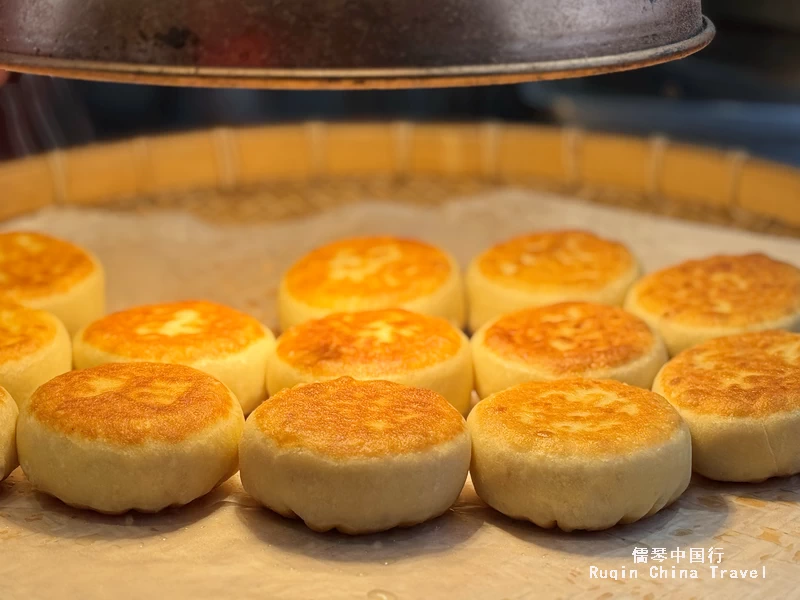
Mending Meat Pies (门钉肉饼)
These meat pies are a street food star. The crust is golden and crispy, while the filling is juicy and packed with savory flavors. They’re a quick and delicious snack, with an average cost of just 20 RMB per person.
Jingyaxuan Roast Duck (景雅轩烤鸭)
Known for its crispy skin and tender meat, this roast duck is prepared using traditional techniques. It’s a culinary highlight of Beijing and a must-try dish at Xianyukou. Expect to pay around 80 RMB per person for this iconic delicacy.
Jinfang Snacks (锦芳小吃)
A century-old shop, Jinfang is best known for its sweet desserts like aiwowo (艾窝窝, glutinous rice balls) and wandouhuang (豌豆黄, pea pudding). These treats are subtly sweet and irresistibly soft. The average cost here is about 25 RMB per person.
Jingao Zhang (金糕张)
Specializing in hawthorn-based products, Jingao Zhang offers snacks that are both sweet and tart. These treats are perfect for refreshing your palate, and they cost about 15 RMB per person.
Xincheng Knife-Cut Noodles (新成炸酱面馆)
This shop showcases expert knife-cut noodles, which are perfectly springy and served with a flavorful broth. A bowl costs approximately 35 RMB, making it a hearty and affordable option.
Fushengyong Old Beijing Zhajiangmian (福盛永老北京炸酱面)
Another great option for traditional zhajiangmian, this restaurant serves a classic version of the dish with a rich and flavorful sauce. At only 25 RMB per person, it’s a simple yet soul-satisfying meal.
Authentic Old Beijing Plum Juice (正宗老北京酸梅汤)
Old Beijing Plum Juice is a refreshing and unique drink, perfect for quenching your thirst during the summer heat. This traditional beverage is made from sour plums, hawthorn berries, and other fruits, creating a sweet and tangy flavor with a hint of spice.
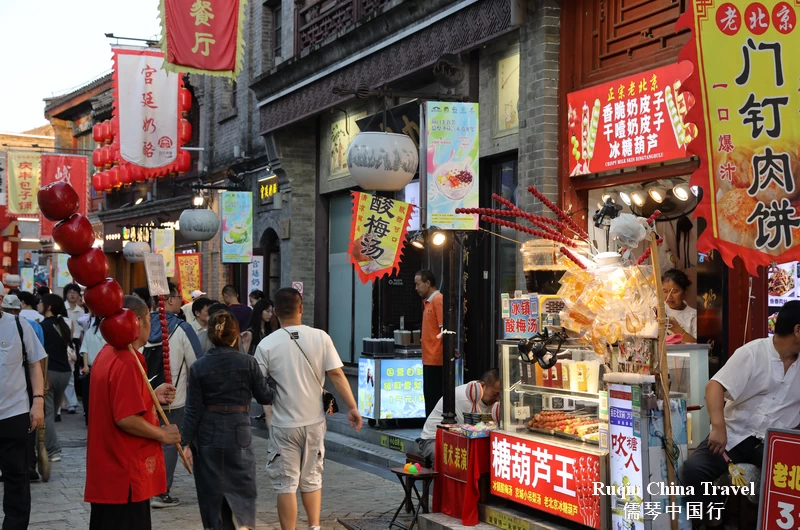
Street Food at Xianyukou Street
It’s both cooling and invigorating, often served chilled. At just around 10 RMB per cup, it’s an affordable and refreshing treat, widely popular among both locals and tourists.
Authentic Old Beijing Yogurt (老北京酸奶)
Old Beijing Yogurt, often served in small ceramic jars, is a classic snack that brings nostalgia to many. Known for its thick, creamy texture and mildly sweet taste, it’s a delightful contrast to the more tart plum juice. Typically enjoyed with a wooden spoon, this yogurt is a great way to experience traditional Beijing flavors. At about 10 RMB per serving, it’s a simple yet satisfying snack beloved by locals.
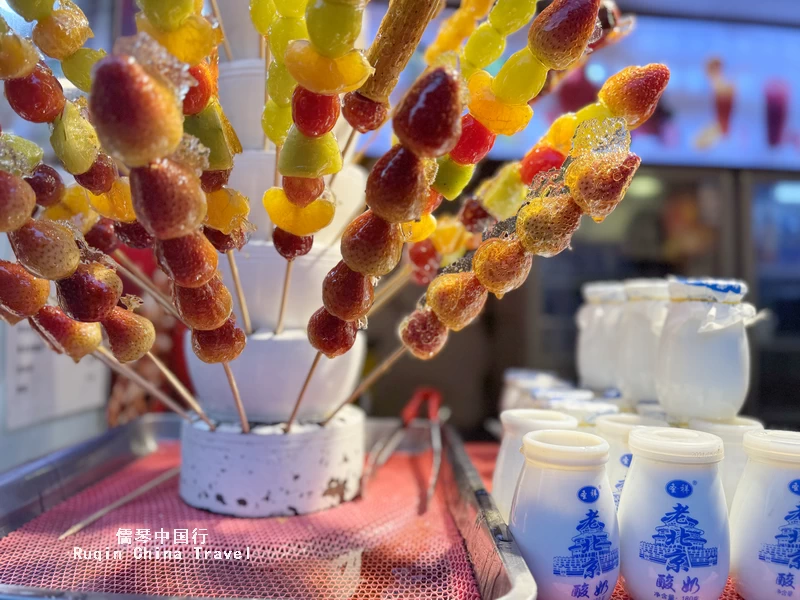
These snacks and dishes not only showcase the rich flavors of Beijing but are also wallet-friendly. Each shop at Xianyukou Food Street has its own unique story and charm, making it a delightful destination for food enthusiasts and travelers alike.
5. Walking Tour of Xianyukou Street and Qianmen
Start your tour at Qianmen Street, a lively pedestrian area full of shops and cafes. From there, cross over to Xianyukou Street. Stroll along the historic avenue, admiring the traditional architecture and vibrant atmosphere. Make stops at the iconic restaurants and shops mentioned above.
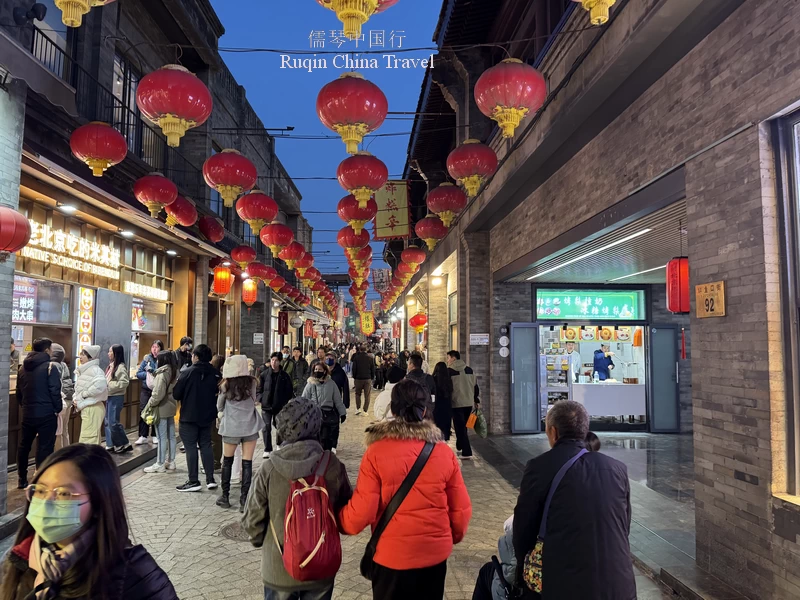
For a more immersive experience, explore the side alleys branching off from Xianyukou Street. You’ll discover smaller eateries, local vendors, and hidden gems. If you’re interested in history, consider joining a guided walking tour that combines Xianyukou with the nearby Dashilar (Dashilan ) area.
Most visitors come to Xianyukou Street for its food. But when I walked along the street recently, an old building caught my eye for a different reason.
At No. 68–70 Xianyukou Street, you will find the Tianleyuan Theatre (Tianle Theatre) — 天乐园大戏楼. Its large traditional sign makes it easy to spot as you walk past.
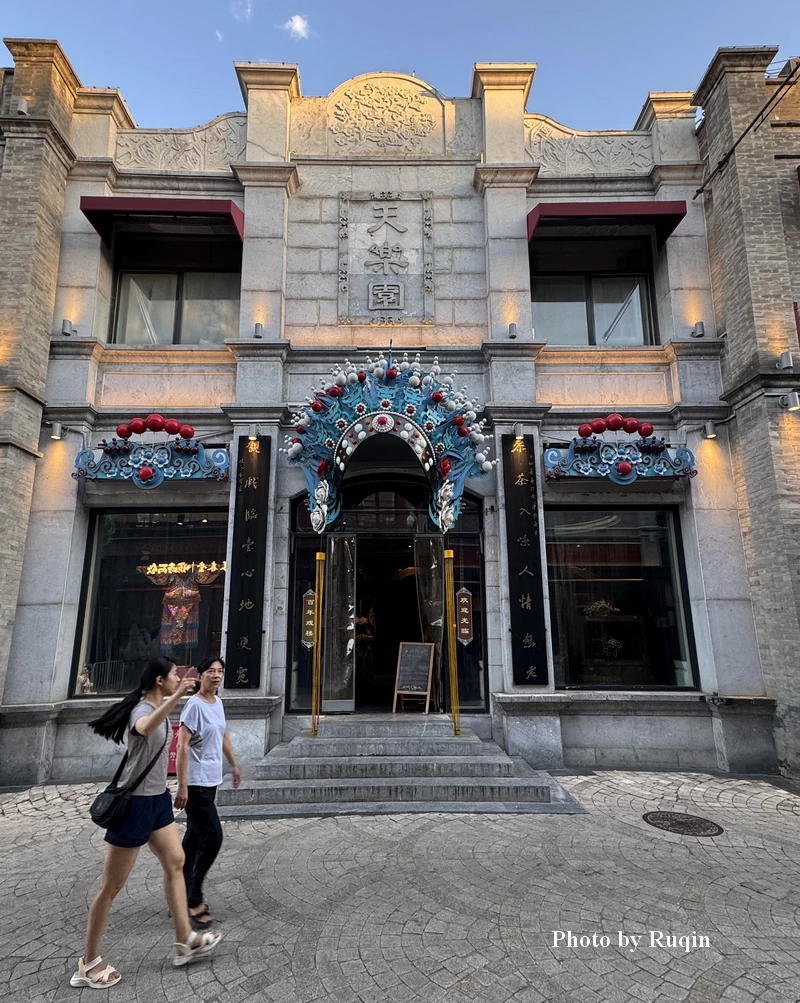
Exterior of Tianleyuan Theatre at No. 68 Xianyukou Street
The theatre has a long history dating back to 1785. It was originally known as Tianle Chayuan (天乐茶园), a traditional teahouse and entertainment venue. In those days, local people gathered here for storytelling, singing, and various stage performances.
Today, the historic building has found a new role. It operates as a Peking Opera cultural experience centre, where visitors can watch performances, see exhibitions, try traditional opera costumes, and learn more about the world of Peking Opera.
If you are exploring Xianyukou mainly for snacks and old Beijing food, Tianleyuan is worth a short stop. It adds a cultural side to a street that many visitors otherwise associate only with eating.
6. Tips for Visiting Xianyukou Street
After a few visits to Xianyukou Street (鲜鱼口), I’ve learned that a little timing and planning can make the experience much more enjoyable—especially if you want to taste several foods without rushing.
Visit in the Early Evening
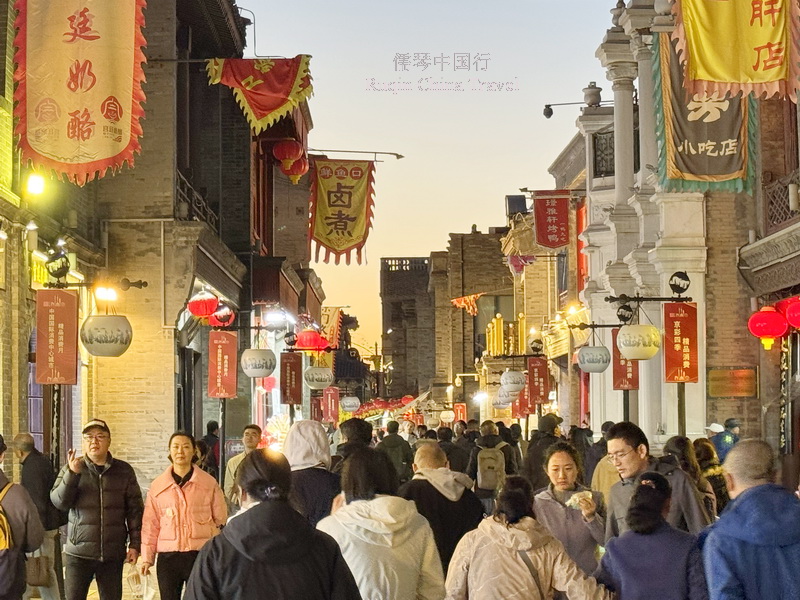
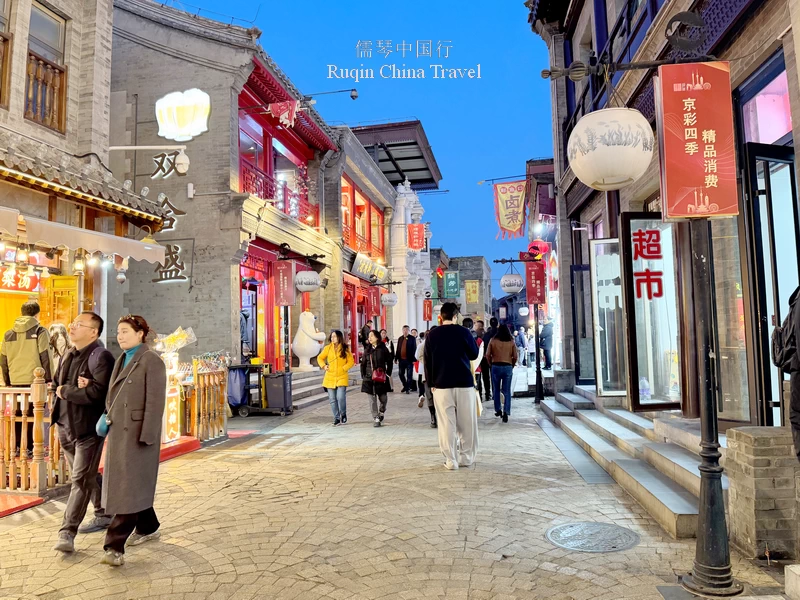
The street really comes alive after sunset. Red lanterns light up the storefronts, food stalls start sizzling, and the atmosphere feels lively but still manageable before the late-night crowds arrive.
Arrive Hungry, but Pace Yourself
It’s tempting to buy everything at once. I usually start with a couple of small snacks, walk the street slowly, then circle back for more.
Mobile Payment Is Common
Most shops accept WeChat Pay or Alipay. Some also take cash, but mobile payment is far more common in Beijing now.
Expect Lines at Famous Restaurants
Historic eateries like Bianyifang Roast Duck (便宜坊) often have queues during dinner hours, so arriving earlier helps.
Combine It With Nearby Sights
Xianyukou sits right in the Qianmen area, so it’s easy to pair your visit with Tiananmen Square, the Forbidden City, or a walk through Dashilar (大栅栏).
Xianyukou Street (鲜鱼口) is more than just a place to eat—it feels like a small window into old Beijing. Between the historic shop signs, long-standing restaurants, and the constant aroma of street snacks, the street carries a lively mix of the city’s past and present.
Whenever I walk through this lane, I’m reminded how food and history come together so naturally in Beijing. So come with an open mind and an empty stomach. Wander slowly, try a few unfamiliar dishes, and enjoy one of the most flavorful corners of the capital.
About the Author
Ruqin is the founder of Ruqintravel.com and has spent more than four decades working in China’s travel industry. Drawing on hands-on experience in cities like Beijing and Hangzhou, he personally researches and updates each guide to help international travelers navigate China with confidence.
Further Reading
Inside Tianleyuan Theatre on Xianyukou Street in Beijing
West Xinglong Street Walk — Beijing Photo Walk by Ruqin
Beijing Fun (Beijingfang) Guide: Top Things to Do, Map & Tips
Dashilan Street: Map, Food, Shopping & Hotels
Yangmeizhu Xiejie Street – A Hidden Gem in Beijing
Liulichang Culture Street Beijing – Your Complete Guide
Sanlihe Park Beijing: A Tranquil Escape in the Heart of the City
Caochang Hutongs in Beijing: Maps, Routes, Top Sights & Tips
Beijing Fun (Beijingfang) Guide: Top Things to Do, Map & Tips