Written and updated by Ruqin
Last updated: June 7, 2026
The first time I wandered into Caochang Hutong (草厂胡同), it happened almost by accident. I had just left the crowds around Qianmen Street and walked east from Sanlihe Park. Suddenly I noticed something unusual: a row of hutongs running north–south, while most Beijing hutongs run east–west. Bicycles leaned quietly against gray brick walls, and neighbors chatted in open doorways. The pace felt slower, more intimate.
Unlike many hutong districts polished for tourism, Caochang Hutongs still feel lived-in and quietly authentic. In this guide, I’ll show you how I usually explore these lanes—an easy walking route, small details worth noticing, and a few practical tips to help you experience this quiet pocket of old Beijing.
1. Introduction to Caochang Hutongs
The first thing I noticed about Caochang Hutongs (草厂胡同) is how quickly the atmosphere changes. Just a few minutes’ walk from the busy streets near Qianmen Street, the crowds fade away and the rhythm slows. You step into narrow lanes where residents still hang laundry outside their courtyard gates, bicycles rest along gray brick walls, and everyday neighborhood life unfolds quietly.
Unlike more polished hutong areas such as Nanluoguxiang, Caochang Hutongs feel noticeably less commercial. Cafés and souvenir shops haven’t taken over the lanes here. Instead, the area remains largely residential, which is exactly what makes wandering here feel so genuine.
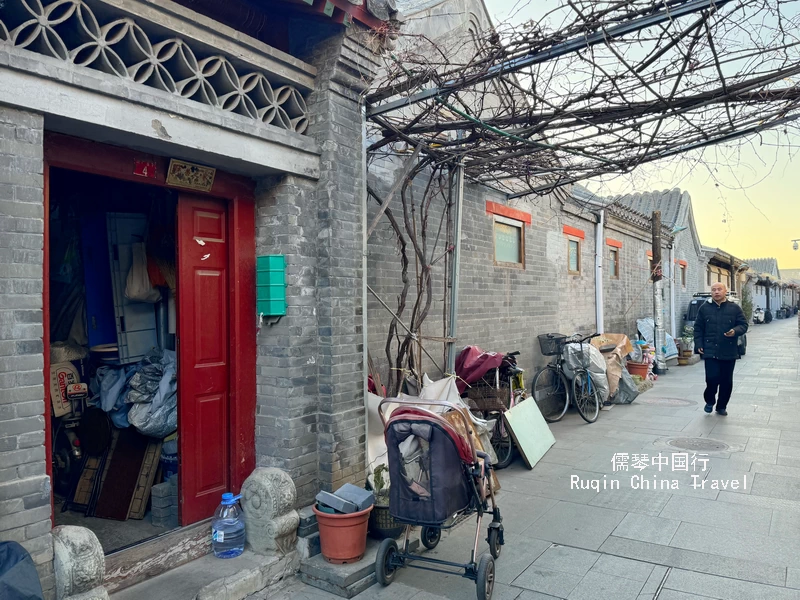
Another detail that caught my attention is the layout. Most Beijing hutongs traditionally run east–west, but the Caochang lanes run north–south. There are about ten of them arranged side by side from west to east, creating a rare and orderly pattern that’s easy to explore on foot.
As you walk through the lanes, you’ll see classic siheyuan courtyard homes, narrow passageways, and the quiet textures of old Beijing still intact. For travelers who want to glimpse everyday life beyond the main tourist streets, this small hutong cluster offers a surprisingly intimate window into the city’s past and present.
2. Caochang Hutongs Historical Background
Before the formation of these alleyways, the Caochang area served as an important site for the imperial court. The land was once used to store grass, which was critical for a variety of purposes. The grass was used for fuel, to feed livestock, and even to make materials like reed mats for protecting the city walls from rain.
Over time, this area became a logistical hub, with the imperial court relying on it as a base for storing these essential resources. The name “Caochang,” meaning “grass fields,” originated from this very purpose.
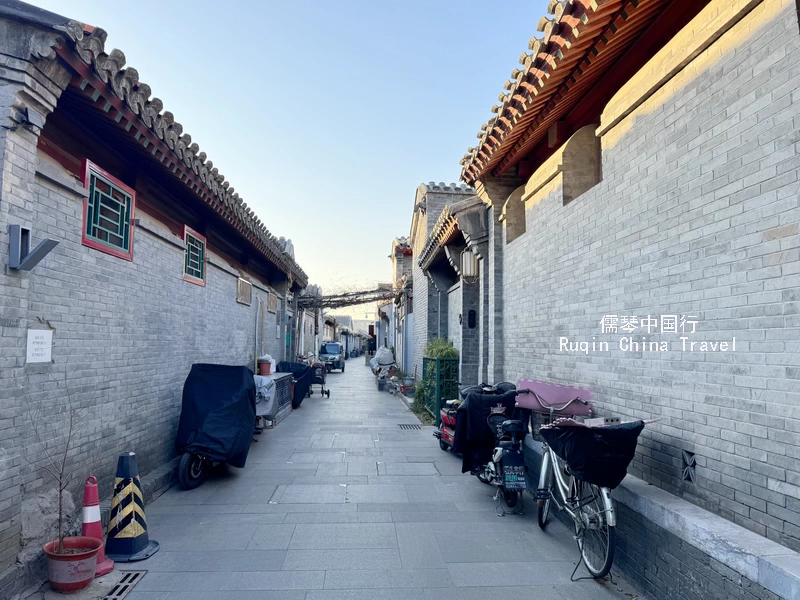
Today, Caochang Hutongs remain a unique piece of Beijing’s history, with their charm and authenticity preserved in the very structure of the alleyways.
The area has seen many changes over the centuries, but it has retained much of its old character. The Caochang Hutongs were recognized for their historical significance in 1999 when the Beijing Municipal Government listed them as one of the 25 historical and cultural preservation areas in the city.
3. What to See in Caochang Hutong
Walking through the Caochang Alleys is like stepping into a time machine. The narrow streets are lined with traditional courtyard houses that still display many of the architectural features that defined old Beijing. From the intricate carvings on the eaves to the red wooden gates, the design of these buildings reflects the traditional aesthetic of old Beijing.
Visitors can admire the vibrant green window frames and the decorative couplets on many of the doors, which often carry auspicious messages like “Loyalty and integrity pass down through generations” or “The fragrance of flowers fills the air.”
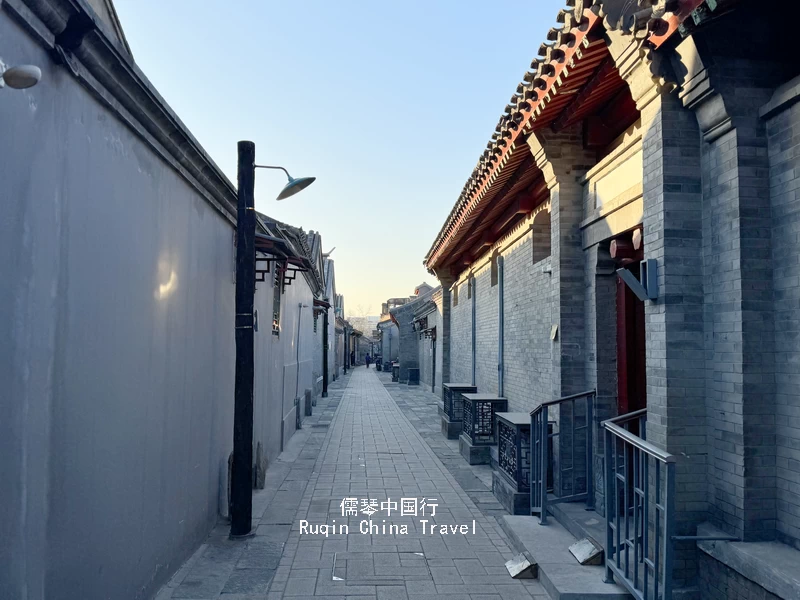
Unlike other popular hutong areas, the Caochang Alleys remain relatively quiet and less crowded, making it a peaceful spot for a stroll. The alleys are fairly narrow, with some being only two or three meters wide, just wide enough for a rickshaw. However, some of the hutongs, such as the Third and Tenth, are wider, accommodating cars and making them more accessible.
The area is home to 24 guild halls, which once served as social organizations for people from various regions. These guilds were funded by local communities and were central to the social fabric of old Beijing. The Caochang Alleys also feature the former residences of famous opera performers, offering insight into the artistic culture of the time.
4. How to Get to Caochang Hutongs
Reaching Caochang Hutong (草厂胡同) is straightforward, especially if you use the subway. The lanes sit between Qianmen Street and Chongwenmen, so you can approach the hutongs easily from either direction. Personally, I find the walk itself part of the experience because the atmosphere gradually shifts from busy streets to quiet neighborhood lanes.
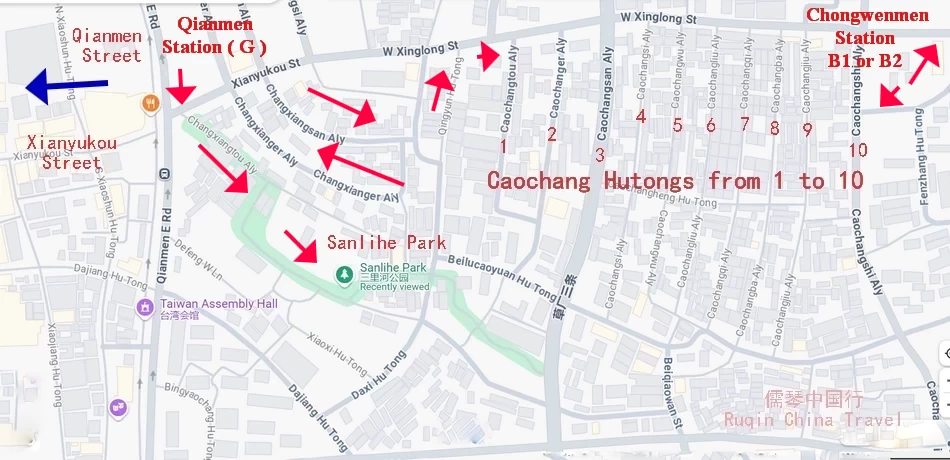
The layout map of the ten Caochang Hutongs
One simple route is to take Beijing Subway Line 8 to Qianmen Station and leave from Exit G (Southeast). From there, walk about 1.1 km to Sanlihe Park. After passing the park, begin your hutong walk at Changxiang Hutong and continue east through Caochang First Hutong all the way to Caochang Tenth Hutong.
Another easy option is taking Beijing Subway Line 2 or Line 5 to Chongwenmen Station and leaving from Exit B1 or B2. From there, enter the hutong area near Caochang Tenth Hutong, then stroll westward through the numbered lanes until you reach Sanlihe Park. Walking this direction also gives you a nice sense of how the quiet hutongs gradually connect back to the city.
5. Introduction to the Ten Caochang Alleys
The Caochang Hutongs consist of ten distinct alleys, each with its own unique character and history. These alleys, arranged from west to east, offer visitors a chance to step back in time and experience the authentic charm of old Beijing.
Each Caochang Hutong has a street sign on its northern end. Let’s take a closer look at each of the Caochang Alleys:
草厂头条 (Caochang Toutiao Alley)
Caochang Toutiao Alley (Caochang First Hutong) is 220.7 meters long and 4.8 meters wide. It starts at West Xinglong Street and curves to the east, connecting with Caochang Ertiao Alley.
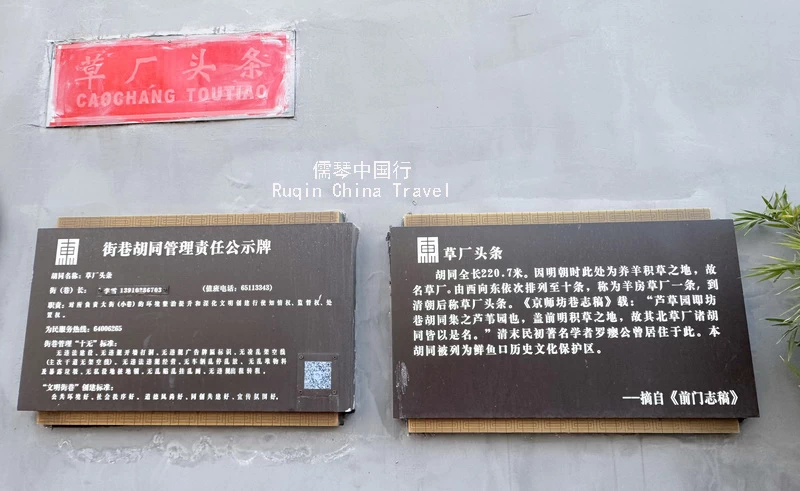
During the Ming Dynasty, it was known as “Yangfang Caocang First Hutong” and later became Caochang Toutiao Alley in the Qing Dynasty. The Guangzhou Guild Hall once stood here, where the famous scholar Luo Yinggong lived.
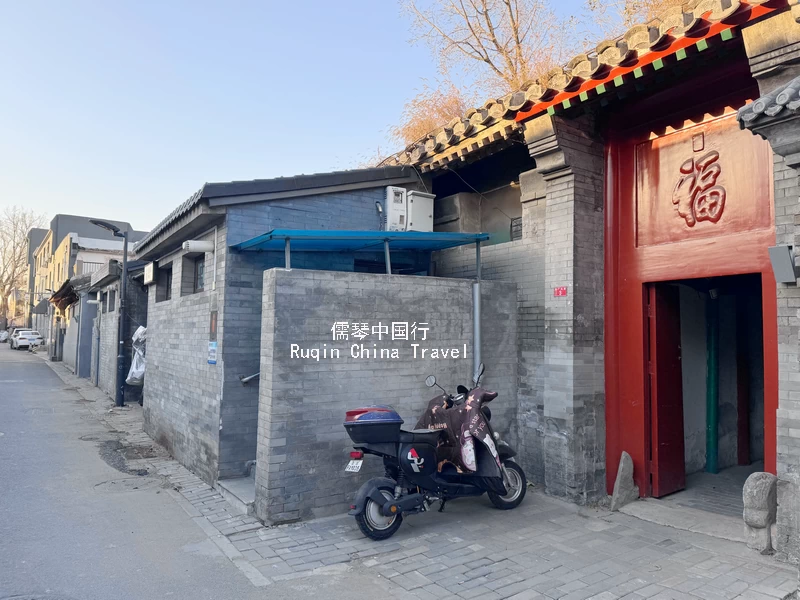
Caochang First Hutong is recognized by Google Map as Caochangtou Alley.
草厂二条 (Caochang Ertiao Alley)
Caochang Ertiao Alley (Caochang Second Hutong) stretches for 246 meters and is 5.3 meters wide. This alley runs from West Xinglong Street to Beilucao Yuan Hutong.
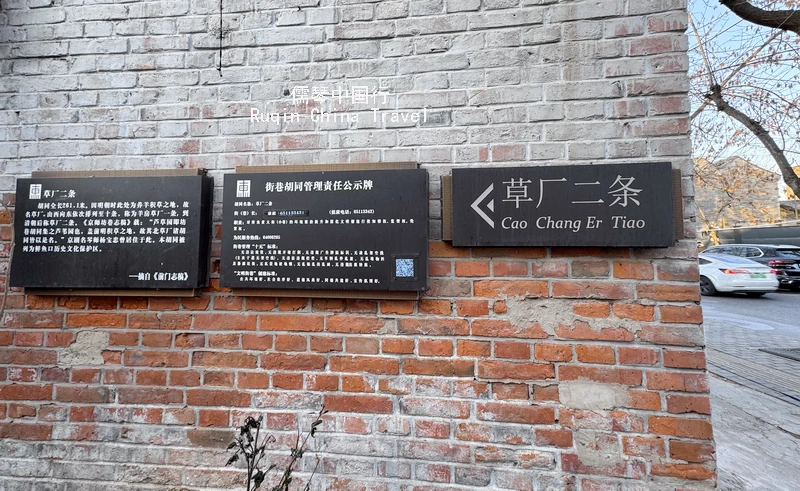
It was officially named in 1965. In the past, it was home to several guilds including Shaozhou Guild, including those of Zeng Shaowu, Huanggang, and Yingcheng, showcasing the vibrant social life of old Beijing.
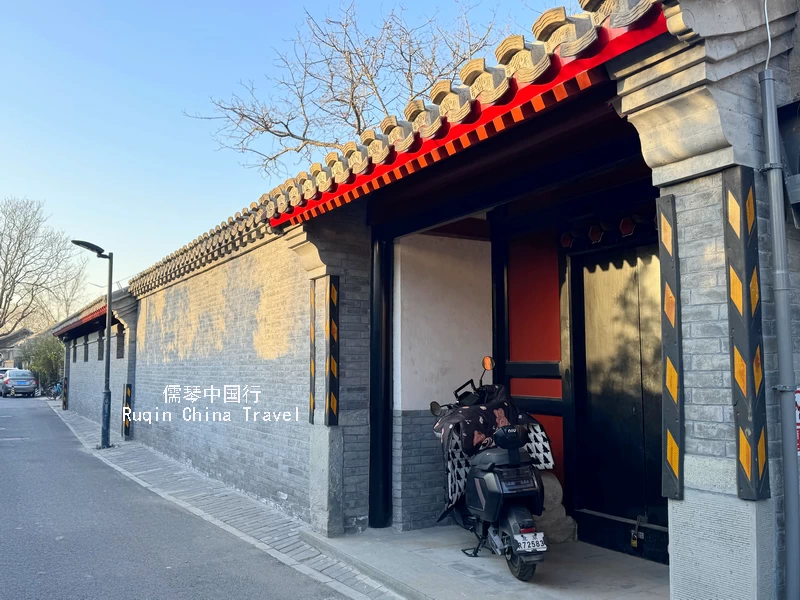
Caochang Second Hutong is recognized by Google Map as Caochanger Alley.
草厂三条 (Caochang Santiao Alley)
At 225 meters long and 4.8 meters wide, Caochang Santiao Alley (Caochang Third Hutong) starts at West Xinglong Street and ends at Beilucao Yuan Hutong.
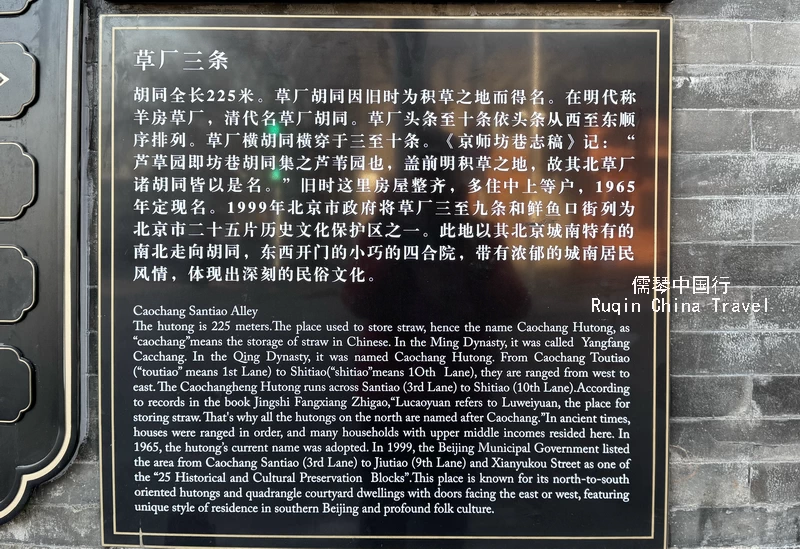
Like other alleys, it was renamed in 1965. This alley was known for its guilds, including those of Nanling and Taiping, offering a glimpse into the region’s rich merchant culture.
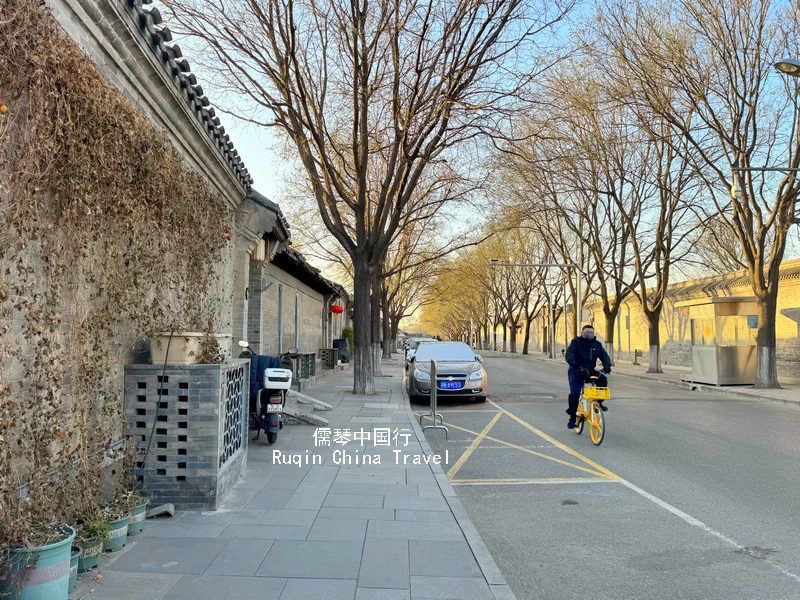
Caochang Third Hutong is recognized by Google Map as Caochangsan Alley.
草厂四条 (Caochang Sitiao Alley)
Caochang Sitiao Alley (Caochang Fourth Hutong) is 304 meters long and 3.4 meters wide. It runs from West Xinglong Street to Beilucao Yuan Hutong.
Caochang Sitiao Alley is the best hutong of all the ten Caochang Hutontgs.
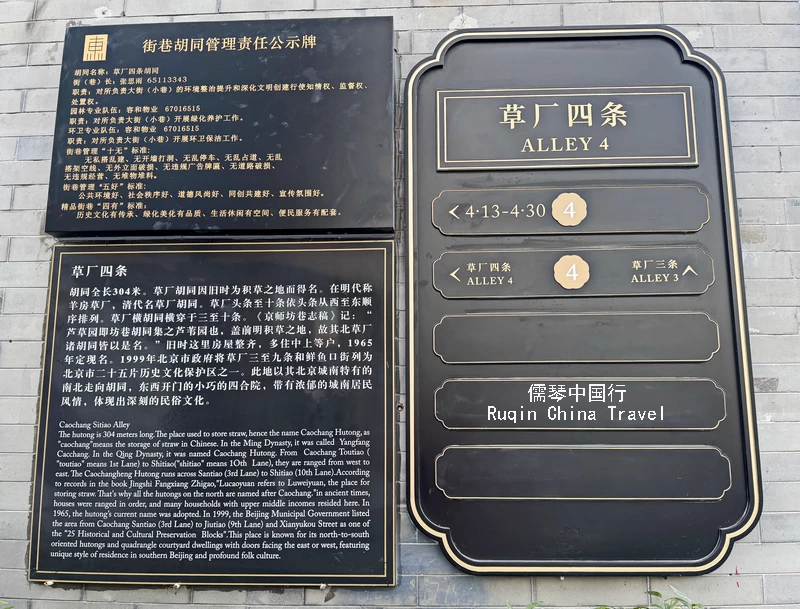
This alley retains much of its old-world charm with traditional courtyard houses. The absence of large crowds allows visitors to enjoy an authentic experience, with gates and stone decorations that reflect centuries of Beijing history. It is billed as the most beautiful alleys of all the ten.
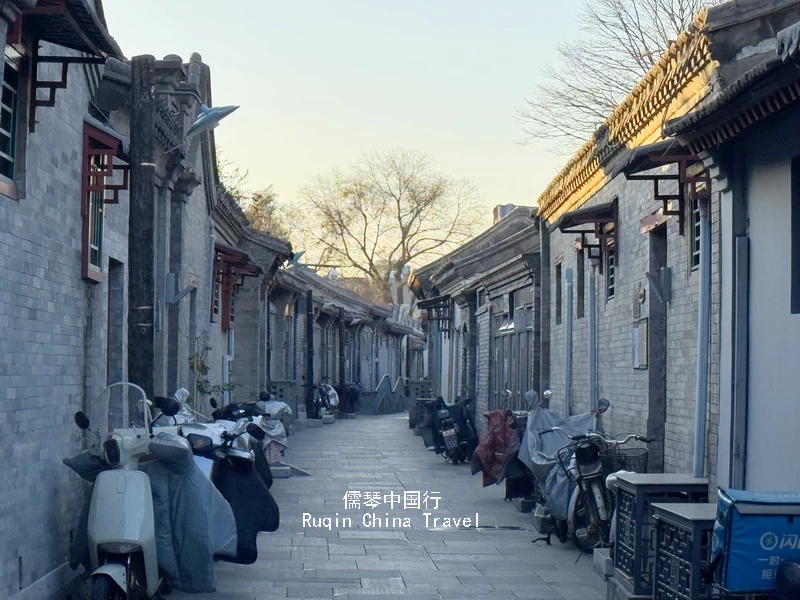
Caochang Fourth Hutong is recognized by Google Map as Caochangsi Alley.
草厂五条 (Caochang Wutiao Alley)
Spanning 304 meters, Caochang Wutiao Alley ( Caochang Fifth Hutong) is 3.5 meters wide and slopes from north to south. It starts at West Xinglong Street and meets Caochang Liutiao Alley ( the sixth alley).
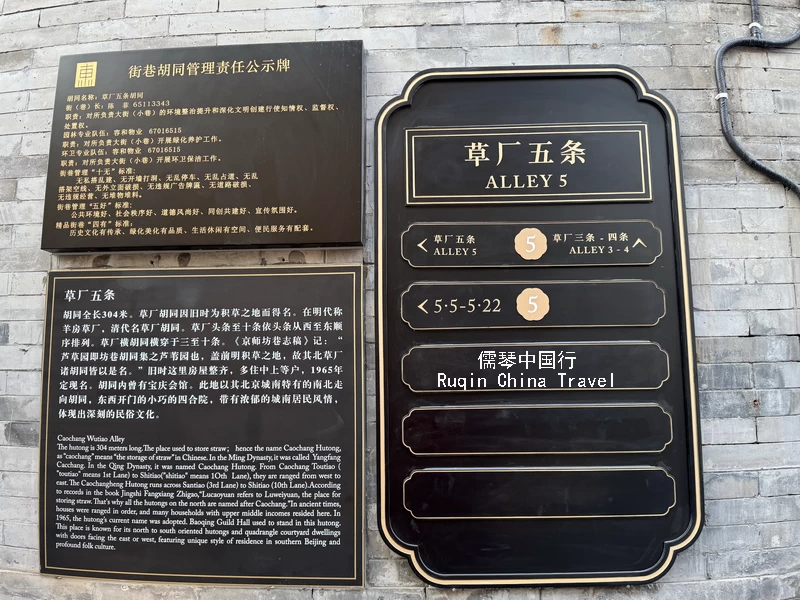
The alley once housed guilds such as Baoqing, Xianxi, and Huangmei, which played a significant role in supporting local communities and businesses in the area.
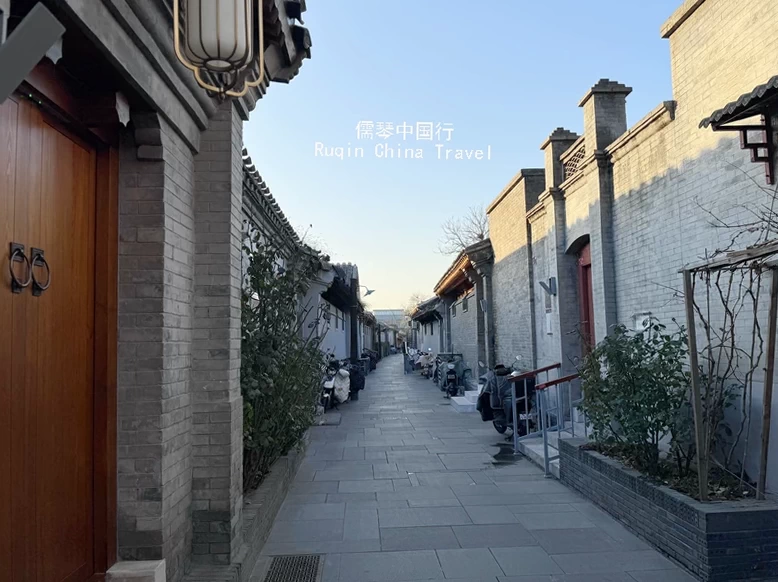
Caochang Fifth Hutong is recognized by Google Map as Caochangwu Alley.
草厂六条 (Caochang Liutiao Alley)
Caochang Liutiao Alley (Caochang Sixth Hutong) is 276 meters long and 3.6 meters wide. It runs from West Xinglong Street to Beilucao Yuan Hutong.
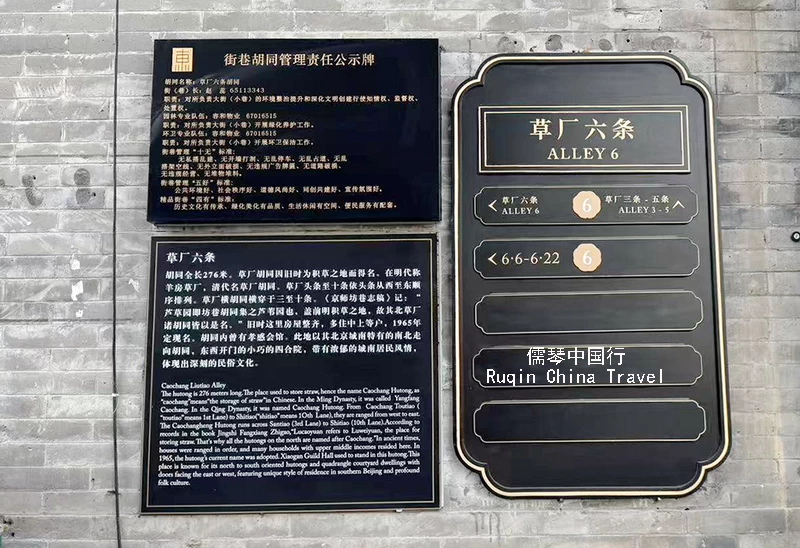
Known for its quiet charm, this alley was once home to the Xiaogan Guild Hall. Today, it still maintains a peaceful atmosphere, offering visitors a chance to experience the simplicity and beauty of traditional Beijing life.
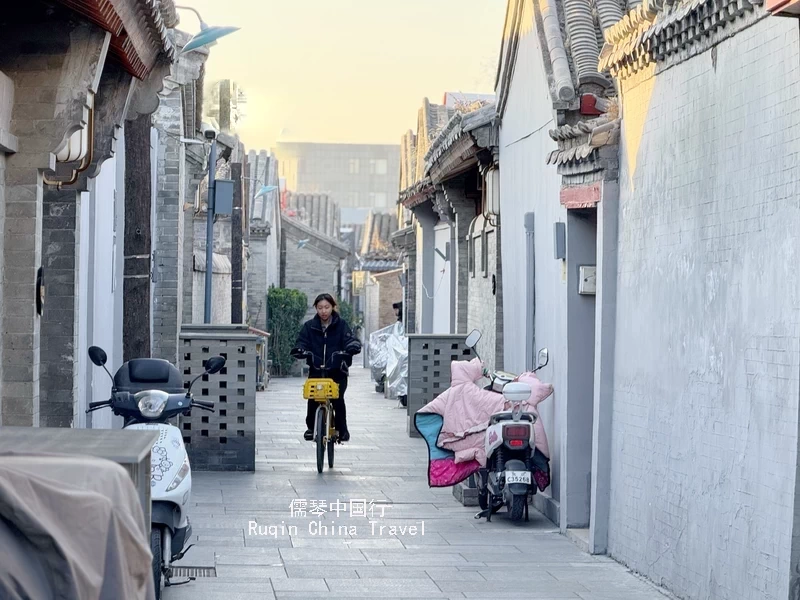
Caochang Sixth Hutong is recognized by Google Map as Caochangliu Alley.
草厂七条 (Caochang Qitiao Alley)
Caochang Qitiao Alley ( Caochang Seventh Hutong) stretches for 315 meters and is 4.5 meters wide. This alley starts at West Xinglong Street and ends at Beilucao Yuan Hutong.
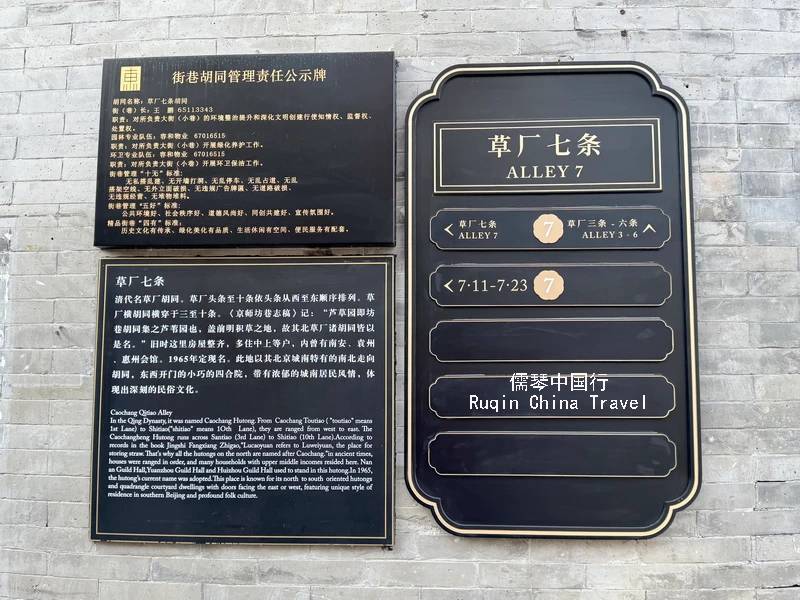
It was home to several guild halls, including Nan’an, Yuanzhou, and Huizhou. The blend of history and local culture makes it an intriguing spot to explore Beijing’s deep-rooted traditions.
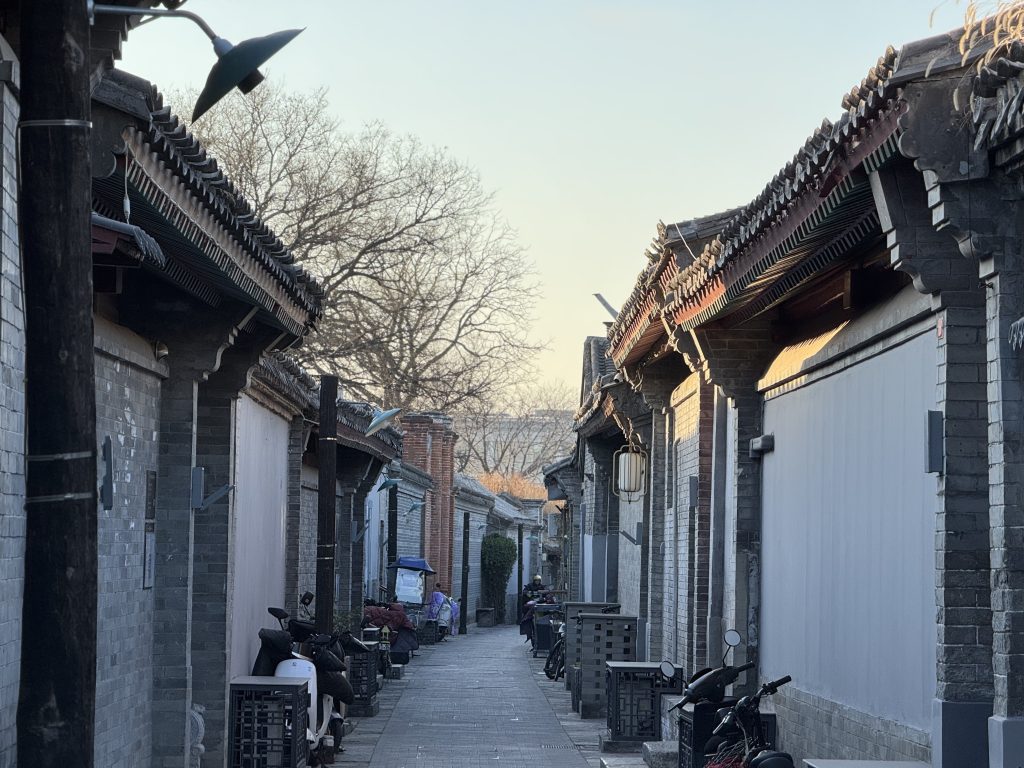
Caochang Seventh Hutong is recognized by Google Map as Caochangqi Alley.
草厂八条 (Caochang Batiao Alley)
Caochang Batiao Alley (Caochang Eighth Hutong ) measures 326 meters in length and is 3.2 meters wide. It begins at West Xinglong Street and ends at Xuejiawan Hutong.
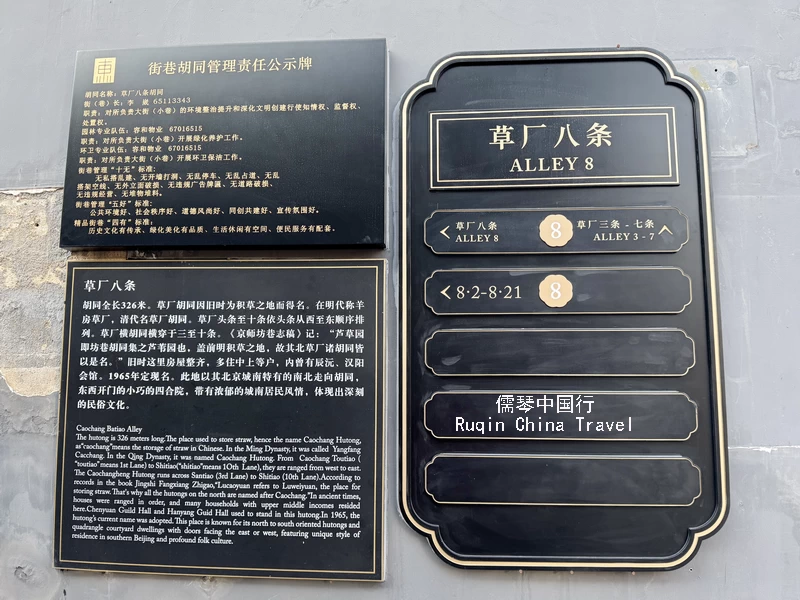
Once home to the Chen Yuan and Hanyang Guilds, this alley offers a glimpse into Beijing’s community life and the cultural exchanges that occurred here during the Qing Dynasty.
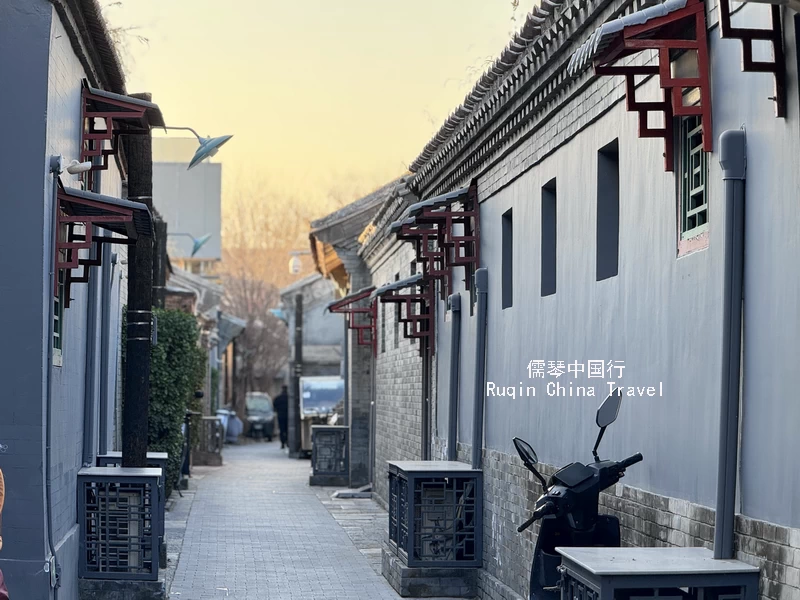
Caochang Eighth Hutong is recognized by Google Map as Caochangba Alley.
草厂九条 (Caochang Jiutiao Alley)
At 340 meters long and 4.3 meters wide, Caochang Jiutiao Alley (Caochang Ninth Hutong) starts at West Xinglong Street and ends at Xuejiawan Hutong.
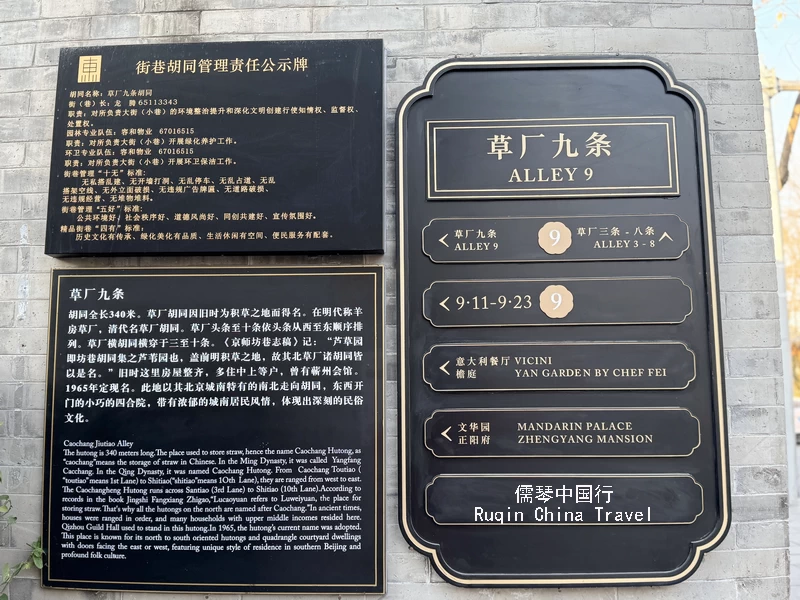
This alley was once home to the Qizhou Guild, reflecting the region’s historic merchant ties and cultural networks. Today, it remains a charming and quiet place, with traditional courtyard homes lining both sides.
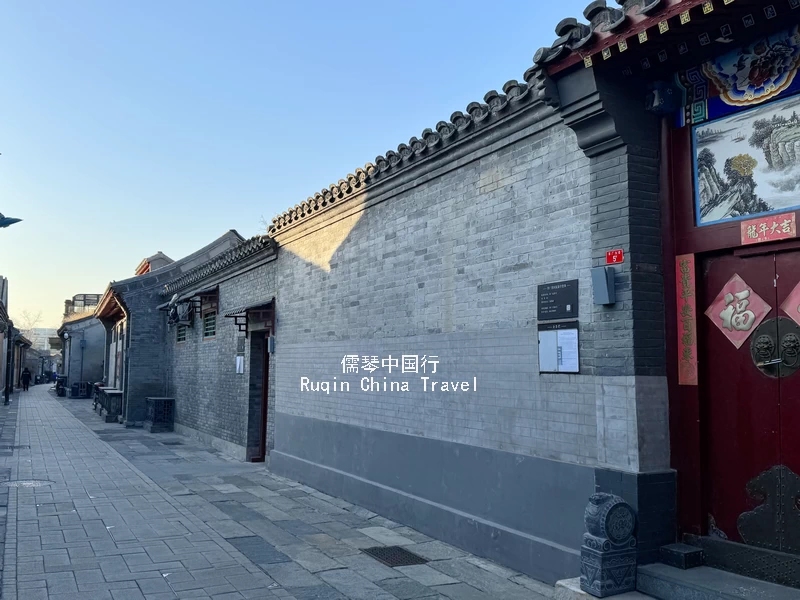
Caochang Ninth Hutong is recognized by Google Map as Caochangjiu Alley.
草厂十条 (Caochang Shitiao Alley)
The final alley, Caochang Shitiao Alley (Caochang Tenth Hutong), is 259 meters long and 4 meters wide. It starts at West Xinglong Street and ends at Xuejiawan Hutong.
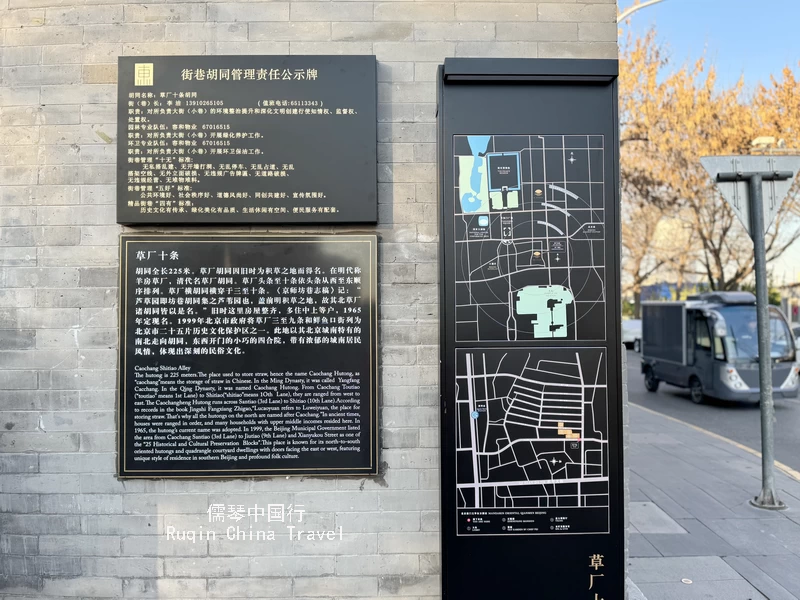
Like other hutongs in the area, it was home to guilds such as those of Hunan, Changsha, and Changjun. This alley is a perfect spot to observe the well-preserved architecture and atmosphere of old Beijing.
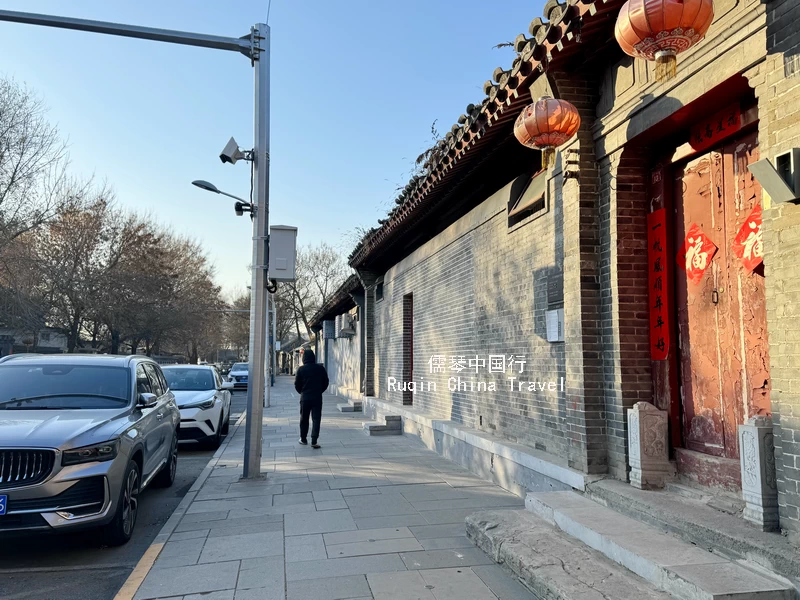
Caochang Tenth Hutong is recognized by Google Map as Caochangshi Alley.
6. Cultural Atmosphere and Historical Figures at Caochang Hutongs
The Caochang Hutongs are a treasure trove of history, and they are an excellent place to learn about the cultural and artistic life of old Beijing. The area once served as a commercial hub, bustling with merchants and visitors from across China. The guild halls were a central part of this economy, serving as places where people could gather, socialize, and protect their mutual interests.
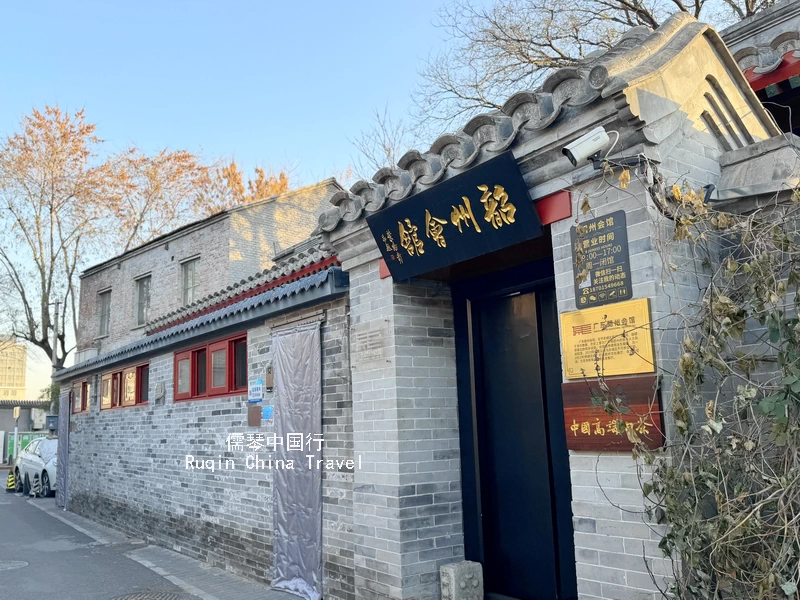
In addition to being the site of numerous guild halls, Caochang Hutongs is also home to several famous historical figures. The former residences of famous opera performers and scholars can still be seen in the area, offering a fascinating glimpse into the cultural life of Beijing during the Qing Dynasty.
The courtyards here are typically smaller than those in the northern parts of the city, but they are rich in character. Each home has a story to tell, and the overall atmosphere of the area reflects the strong sense of community and tradition that defined old Beijing.
7. Modernization of Hutong Life at Caochang Alleys
Despite their historical charm, the Caochang Hutongs have not been left behind in the modern world. In fact, they are at the forefront of modernization efforts. In 1999, Beijing designated the area as one of the city’s historical and cultural preservation zones, and since then, the district has undergone significant upgrades.
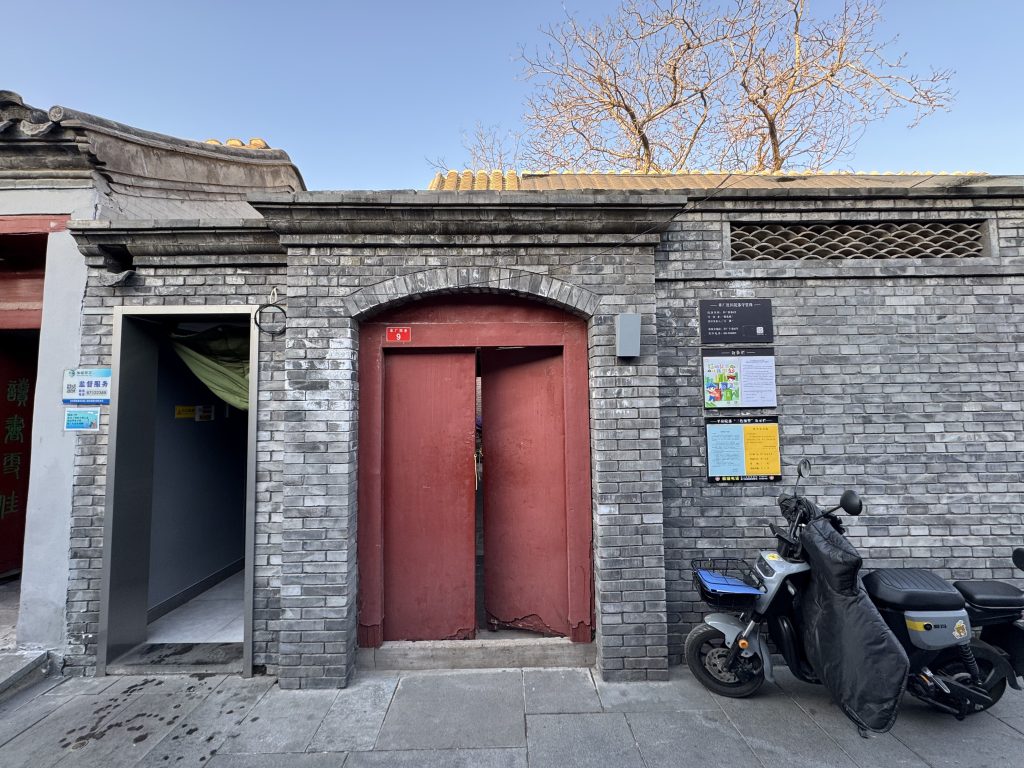
One of the most notable changes is the electric energy substitution program, which replaced gas-based heating and cooking systems with electric ones.
This modern development has not only made the area safer but has also improved the quality of life for the residents.
Similarly, public toilets in the area have been upgraded with modern amenities such as air conditioning, heating, and exhaust fans. These changes reflect the balance between preserving the area’s historic charm and introducing modern conveniences.
8. Nearby Attractions and Food Recommendations
One thing I like about exploring Caochang Hutongs (草厂胡同) is how easily the walk connects with several classic Beijing sights. The hutongs themselves are quiet and residential, but within 10–20 minutes on foot you can reach lively streets, historic landmarks, and plenty of local food.
A pleasant place to start or finish your walk is Sanlihe Park. Small stone bridges cross gentle streams, willows hang over the water, and local residents stroll or sit on benches. It’s a surprisingly peaceful green pocket in the middle of the old city.
Just a short walk west brings you to Qianmen Street, one of Beijing’s most famous pedestrian streets. After the quiet lanes of Caochang, the atmosphere here feels lively and energetic, with traditional storefronts, tea shops, and well-known Beijing restaurants.
If you have more time, continue west to Temple of Heaven. The park is expansive, and early morning is especially enjoyable when locals practice tai chi, sing, or play traditional instruments.
For a wider range of street snacks, head to Xianyukou Food Street or explore the restaurants along Qianmen Street. You’ll find everything from quick Beijing bites to classic roast duck restaurants, all within easy walking distance of the hutongs.
If you’re looking to experience the true essence of old Beijing, Caochang Hutongs is the place to be. These Caochang alleys offer a rare glimpse into the traditional lifestyle of the city’s residents, with their narrow lanes, traditional courtyard homes, and rich history.
The blend of old-world charm and modern conveniences makes the area a must-visit for anyone looking to experience Beijing beyond the tourist hotspots. Whether you’re interested in history, architecture, or just a peaceful stroll through the heart of old Beijing, Caochang Hutongs Beijing will not disappoint.
About the Author
Ruqin is the founder of Ruqintravel.com and has spent more than four decades working in China’s travel industry. Drawing on hands-on experience in cities like Beijing and Hangzhou, he personally researches and updates each guide to help international travelers navigate China with confidence.
Further Reading
Sanlihe Park Beijing: Map, Highlights and Travel Tips
Qianmen Street Beijing: Map, Food, Shopping & Local Tips
Xianyukou Street, Beijing: What to Eat, Shop & See Before You Go
How to Visit Temple of Heaven: Maps, Tickets, Routes & Tips