
Written and updated by Ruqin
Last updated: June 7, 2026
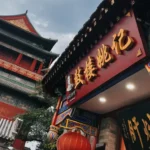
I still remember slowing my pace as I entered Liulichang Culture Street—the noise of modern Beijing softened, replaced by the quiet rhythm of brush strokes and the scent of old paper. It felt less like a market and more like stepping into a living archive.
Often called Liulichang Cultural Market, this street isn’t just about souvenirs—it’s about understanding the craft behind them. In this guide, I’ll show you how to explore Liulichang Culture Street with the right walking route, what to look for, and how to enjoy it without feeling lost or rushed.
1. What is Liulichang Culture Street?
Walking along Liulichang Culture Street, I noticed how different the energy felt from the rest of the city. Instead of rushing crowds, there’s a slower, almost thoughtful pace—people pausing to examine a scroll, listening to a shopkeeper explain ink brushes, or quietly browsing shelves of old books.
Liulichang Culture Street has long been a gathering place for scholars, artists, and collectors, and that spirit still lingers today. Often called Liulichang Cultural Market, it’s where you’ll find calligraphy, paintings, antiques, and art tools—but more importantly, it’s where Beijing’s cultural past still feels close enough to touch.
2. Liulichang History: A Glimpse Into Beijing’s Past
Liulichang in Beijing was first established in 1263 during the Yuan Dynasty (1271 – 1368). Initially, it was an official kiln built to produce glazed tiles. The kiln was located just outside Hepingmen in Beijing. Liulichang (琉璃厂), translates to “Glazed Tiles Factory,” referring to the glassware that was once produced here.Over time, it developed into an important cultural district in the city.
The history of Liulichang can be traced back even earlier to the Liao Dynasty (916 -1125) when the area was known as “Haiwang Village.” During that time, Yanshou Temple was built here, making it a significant religious and cultural center.
In the Yuan Dynasty (1271 to 1368), the Liulichang kiln became one of the four major imperial kilns. It specialized in producing glazed tiles for palace buildings. By the Ming Dynasty (1368 – 1644), Liulichang had become one of the five major factories under the Ministry of Works. As the city expanded, the kilns gradually moved to Liuliqu Village in the Mentougou District. However, the name “Liulichang” remained associated with the area.
In the early Qing Dynasty (1644-1911), antique dealers began to operate in the area. By the Qianlong period (1736 – 1795) it had become a hub for antiques, calligraphy, ancient books, and scholar’s supplies. After the founding of the People’s Republic of China, Liulichang became even more recognized for its cultural significance.
Today, the street has preserved its historical charm while evolving into a popular shopping and cultural destination.
3. How to Get to Liulichang Culture Street
I remember thinking it would be tricky to find, but getting to Liulichang Culture Street turned out to be surprisingly straightforward once I understood where I was on the map. It sits just outside Hepingmen in Xicheng District, stretching about 800 meters between its east and west sections.
What helped me most was realizing how close it is to places you’re probably already visiting—like Qianmen Street, Tiananmen Square, and the Forbidden City. Once you anchor it to those landmarks, navigating here—by subway or taxi—feels much more intuitive.
By Subway
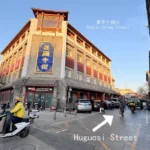
The most convenient way to get to Liulichang Culture Street is by taking the Beijing Subway. The nearest subway station is Hepingmen Station on Line 2. Exiting from Exit C, from there, it’s just a short walk down south along the South Xinhua Avenue, soon get to the Liulichang Street which is divided by the Liuliuchang Covered Bridge (over South Xinhua Avenue) into West Liulichang Street and East Liulichang Street.
By Bus
You can also take a bus to Liulichang Culture Street. Several buses pass through the area, including routes 7 and 15, get off at the Hepingmenwai Bus Stop. Be sure to check the latest bus schedules to find the most convenient option for your route.
By Taxi
Taxis are a great way to reach Liulichang if you’re traveling with luggage or prefer a more direct route. Simply tell the driver “Liulichang” (琉璃厂) or “Liulichang Culture Street,” and they will take you there. However, be aware that traffic in central Beijing can be heavy, so it’s best to plan extra time if you’re using a taxi.
4. Best Time to Visit Liulichang Culture Street
I found Liulichang most enjoyable on a mild Beijing morning, when the light is soft and the street feels almost unhurried. Walking through Liulichang Culture Street in spring or autumn just feels right—the weather is comfortable, and you can actually pause to look closely at the details without feeling rushed.
Timing your visit makes a bigger difference than you might expect. I usually recommend arriving in the morning or early afternoon, especially on a weekday. That quieter window lets you browse, ask questions, and take in the atmosphere of Liulichang Cultural Market without the weekend crowds pressing in.
5. What to Buy at Liulichang Beijing
One of the highlights of Liulichang Culture Street is the opportunity to purchase traditional Chinese art and antiques. Here are some of the best items to look for during your visit:
1) Chinese Calligraphy Brushes and Supplies
Liulichang is famous for its high-quality calligraphy brushes, a must-have for anyone interested in Chinese writing. Whether you’re a beginner or an experienced calligrapher, you’ll find a variety of brushes made from different materials, including animal hair, bamboo, and wood. Many shops also sell traditional ink stones, ink sticks, and rice paper, perfect for creating your own calligraphy masterpieces.
2) Chinese Paintings
If you’re a fan of traditional Chinese art, Liulichang is the place to be. You can find both contemporary and antique Chinese paintings, featuring everything from classical landscapes to traditional floral motifs. Many shops offer customized artworks, where artists will create a unique piece based on your preferences.
3) Antique Chinese Scrolls and Books
Liulichang is well-known for its vast collection of antique scrolls, rare books, and manuscripts. Whether you are looking for historical texts, old maps, or Chinese poetry collections, you’ll find a wealth of options at the local bookstores. Collectors of antique Chinese art and literature will find plenty to admire here.
4) Chinese Antiques and Crafts
Liulichang is home to many antique shops where you can purchase beautiful traditional Chinese furniture, porcelain, jade, and more. Items such as old Ming Dynasty-style chairs, vases, and pottery make for unique souvenirs that are rich in history and culture.
5) Chinese Ink Stones and Traditional Paper
Ink stones, used for grinding ink during calligraphy, are one of the most popular purchases at Liulichang. You’ll find a wide variety of ink stones made from various materials, including fine stone, ceramic, and wood. Traditional Chinese rice paper, often used for calligraphy and painting, is another great souvenir to pick up while you’re there.
6. Liulichang Beijing Shopping Tips
When visiting Liulichang, it’s important to be prepared for some shopping fun! The street is known for its wide variety of goods, from antique furniture and old books to Chinese calligraphy brushes and traditional ink stones. Here are some tips to help you make the most of your shopping experience.
- Bargain with Vendors: While many of the shops in Liulichang are professional antique dealers, haggling is still a common practice. Don’t be afraid to negotiate prices with the vendors, especially in the smaller shops.
- Know What You Want: Liulichang is filled with many items, so it’s helpful to know what you’re looking for. If you are interested in Chinese calligraphy, look for stores that specialize in brushes, ink stones, and rice paper. If you’re a collector of antiques, make sure to visit the shops that specialize in old scrolls, furniture, and porcelain.
- Ask for Authenticity: Many of the items sold in Liulichang are reproductions, so if you’re looking for authentic antiques or fine art, be sure to ask the vendors about the origin and history of the items. Reputable shops will gladly provide this information.
- Check for Quality: Whether you’re purchasing a painting, an antique scroll, or a piece of calligraphy, take the time to inspect the quality of the item. If you’re unsure, ask for expert advice from the store owners or other knowledgeable shoppers.
- Do not touch or damage antiques and artworks casually. Always follow the shop’s rules and requirements. When purchasing antiques, calligraphy, paintings, or scholar’s supplies, be mindful of the prices.
7. Highlights in Liulichang Culture Street
Liulichang Culture Street is lined with shops of all sizes. Here are some of the most famous ones you definitely shouldn’t miss:
| Chinese | English |
|---|---|
| 荣宝斋 | Rongbaozhai: Rongbaozhai is a famous old-brand shop on Liulichang Culture Street, established in 1672. It is known for its “woodblock printing” and “mounting and restoration” techniques, both of which are national intangible cultural heritage skills. It has been a gathering place for many cultural figures and continues to showcase a rich collection of calligraphy, paintings, and seal carvings. |
| 戴月轩·湖笔 | Daiyuexuan Lake Brushes: This brush shop is famous for its high-quality Lake brushes, known for their durability and sharp tips. The brushes are designed to be firm yet flexible, making them a favorite among calligraphy enthusiasts. Daiyuexuan Lake Brushes are meticulously crafted, attracting many scholars and calligraphy lovers. |
| 一得阁·墨汁 | Yidege Ink: Founded in 1865, Yidege is renowned for its unique formula and exquisite craftsmanship. This ink shop enjoys a prestigious reputation in the world of calligraphy and painting. It has also been honored as a “Chinese Time-Honored Brand,” with its ink-making skills listed as a national intangible cultural heritage. |
| 红星宣纸 | Hongxing Xuan Paper: Hongxing Xuan Paper, a famous brand under the China Xuan Paper Co., Ltd., uses unique raw materials and traditional production methods. The paper has inherited over 1,000 years of craftsmanship. It is well-regarded in the calligraphy and painting world for its exceptional quality. |
| 中国书店 | China Bookstore: This is a paradise for book lovers, offering a wide range of ancient books, second-hand books, and new publications. It is a great place to find valuable books and enjoy the rich literary atmosphere. |
In addition to visiting the shops, you can also experience traditional cultural activities on Liulichang Culture Street. For example, you can join calligraphy, painting, or seal carving classes to learn traditional cultural skills. You can also watch performances of traditional Chinese arts, such as Peking opera or acrobatics, to fully experience the charm of Chinese culture.
8. Best Walking Route of Liulichang Culture Street
Liulichang Culture Street is divided into East Liulichang Street and West Liulichang Street. You can start with East Liulichang Street and explore the various shops in order.
Depending on your interests and time, you can choose to focus on specific shops. If you’re interested in antiques, calligraphy, and paintings, you may want to spend more time at the antique stores. If you enjoy scholar’s supplies, be sure to visit the stores specializing in them.
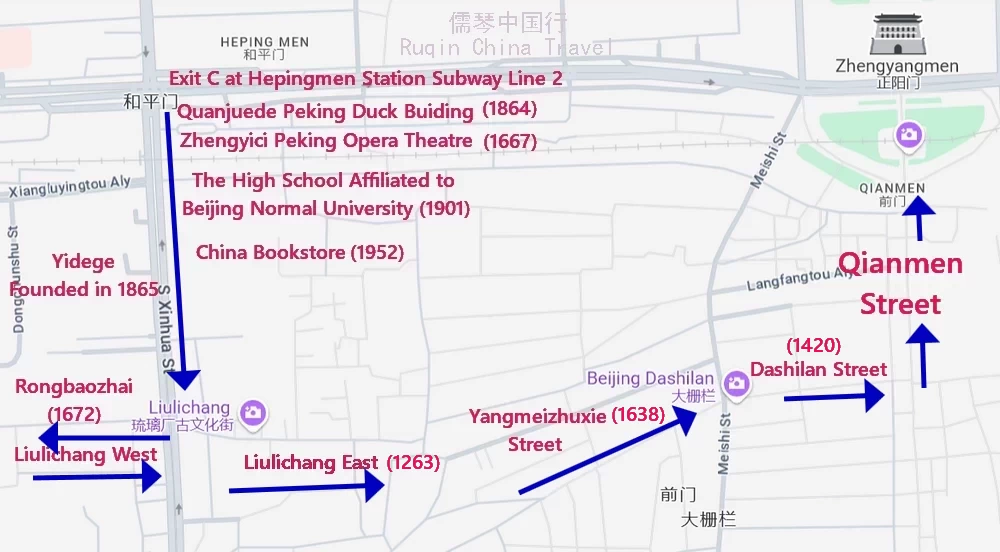
Walking Route: Hepingmen Subway Station – Walk along South Xinhua Street (North-South avenue ) – Zhengyici Peking Opera Theatre – Liulichang East and West Street (antique street) – Yangmeizhu Xiejie –Dazhalan Street – Qianmen Street –The southern end of Tiananmen Square.
Walking Distance: 2.6 km
Starting my walking tour of Liulichang Culture Street was effortless and exciting. I hopped on Beijing Subway Line 2 and got off at Hepingmen Station (和平门站), conveniently exiting at Exit C.
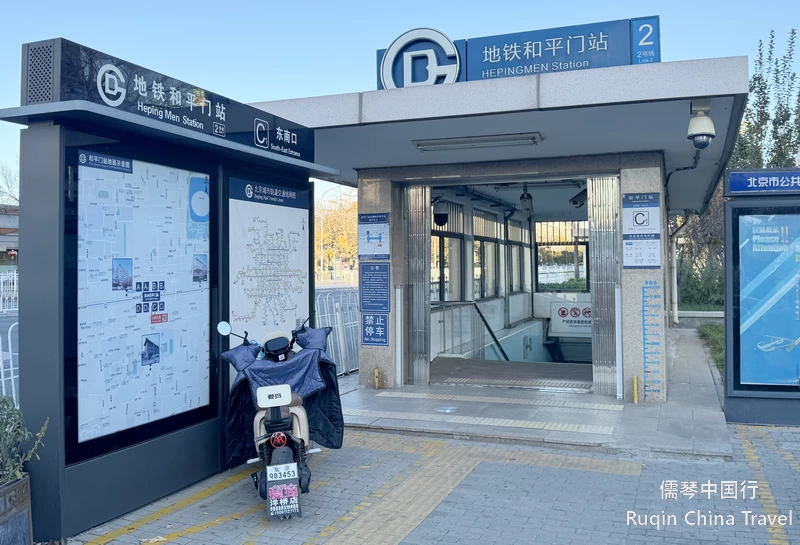
A short stroll south along South Xinhua Avenue (南新华大街) led me straight to the heart of Beijing’s cultural treasures.
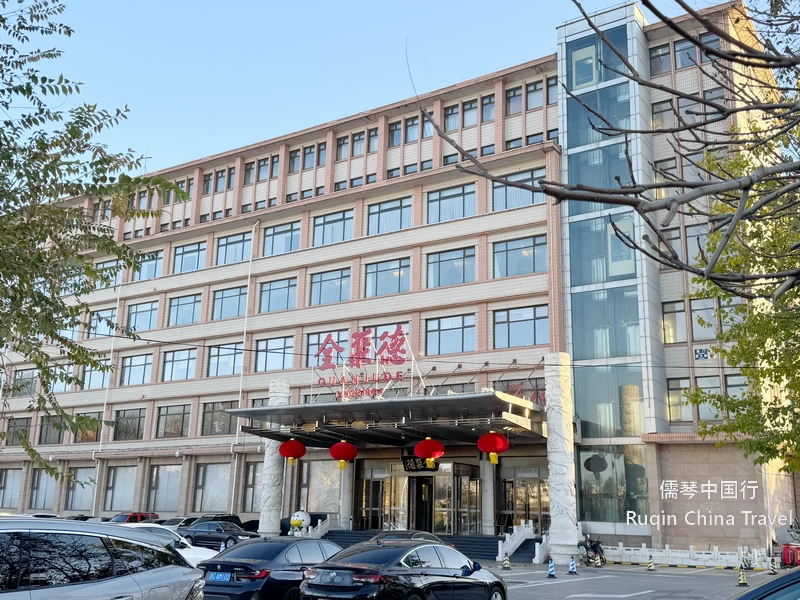
As I walked, the mouthwatering aroma of roasted duck greeted me near Hepingmen Quanjude, a legendary spot for Peking duck.
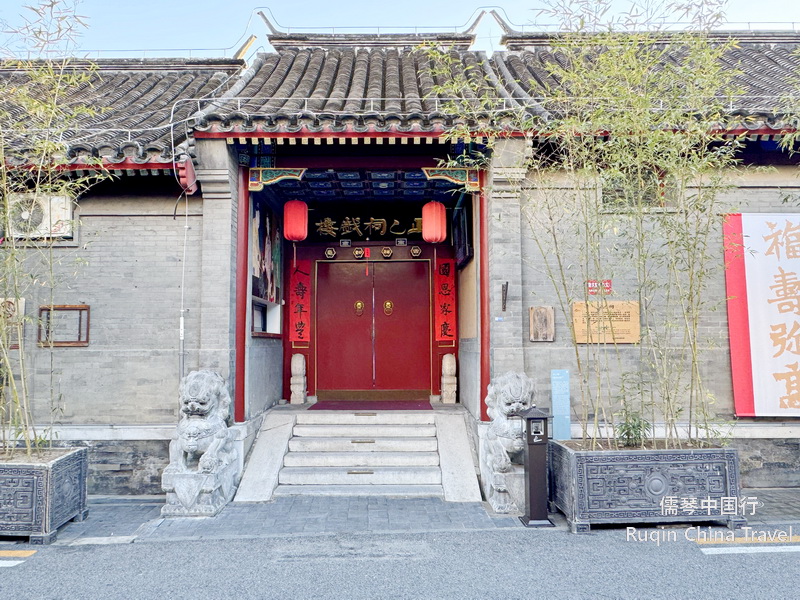
I promised myself to return later for a delicious meal. A few steps further to the first lane, I turned right and walked about 150 meters, I saw the Zhengyici Peking Opera Theatre ( first established in 1667), an enchanting wooden structure brimming with history. It felt like stepping back in time.
Then I turned around and kept waking on the South Xinhua Avenue, I passed the High School Affiliated to Beijing Normal University, a historic educational institution established in 1901. As one of the oldest and most prestigious high schools in China, it has played a significant role in shaping modern Chinese education.
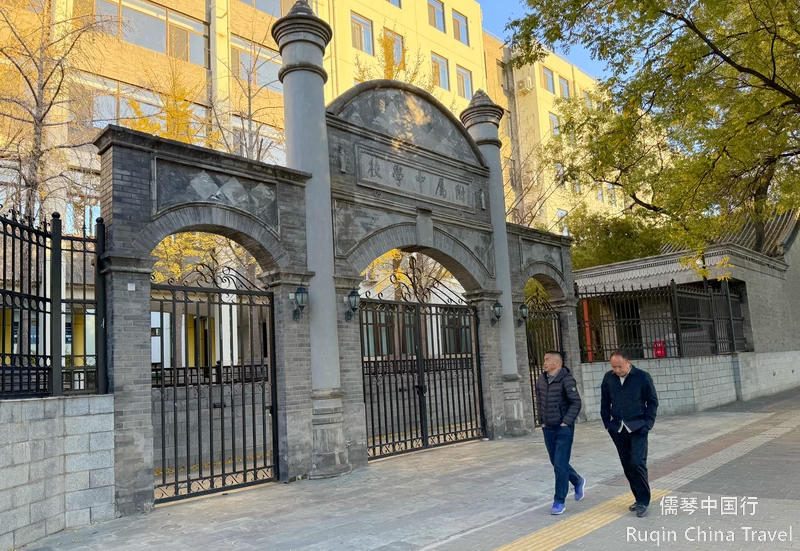
The school’s beautiful architecture reflects both its long history and academic excellence. Walking by, I couldn’t help but admire the serene campus and its reputation for fostering generations of talented students. It was a meaningful reminder of Beijing’s deep cultural and educational roots.
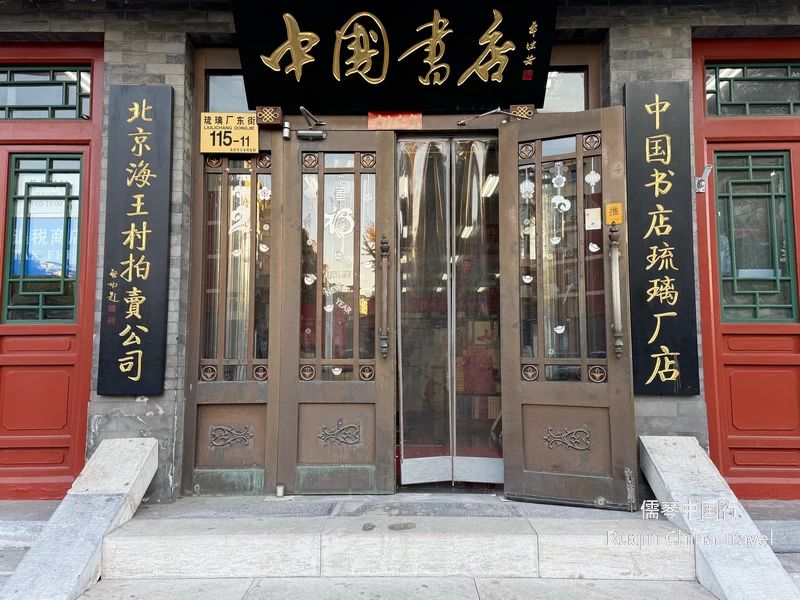
Walking further, I reached China Bookstore, a paradise for book lovers, offering rare editions and an unmistakable literary vibe.
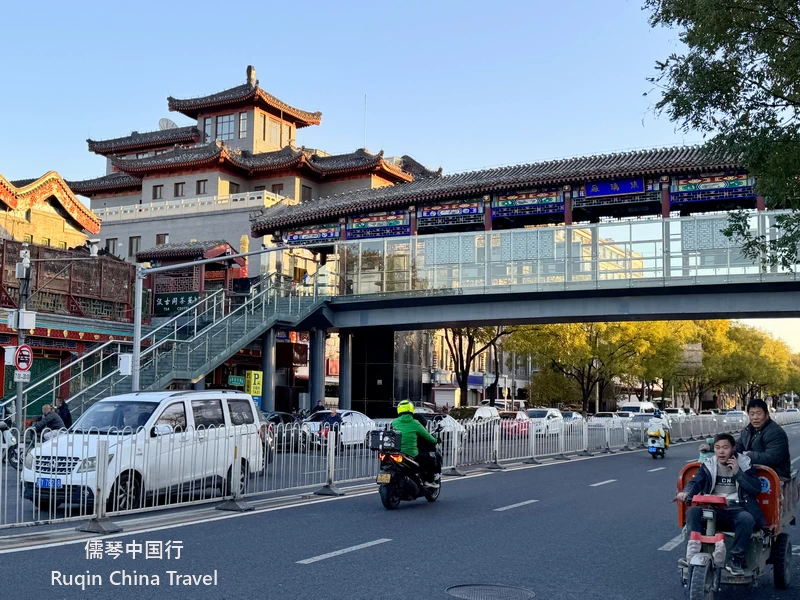
Arriving at the iconic Liulichang Covered Bridge, I found myself at the dividing line between West Liulichang and East Liulichang.
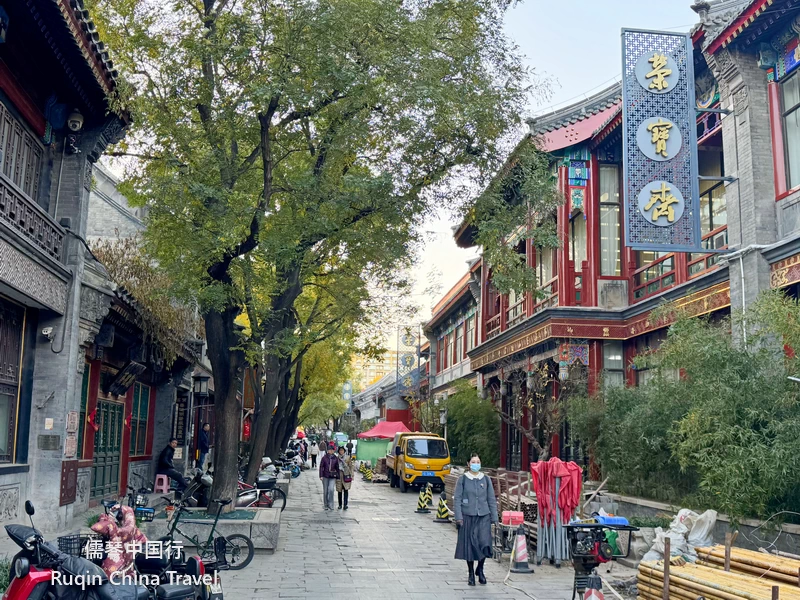
On the west side, I explored Rongbaozhai, a must-visit for its exquisite woodblock prints, calligraphy, and paintings. The intricate artworks displayed here were truly breathtaking, showcasing the skill and creativity of Chinese artisans.
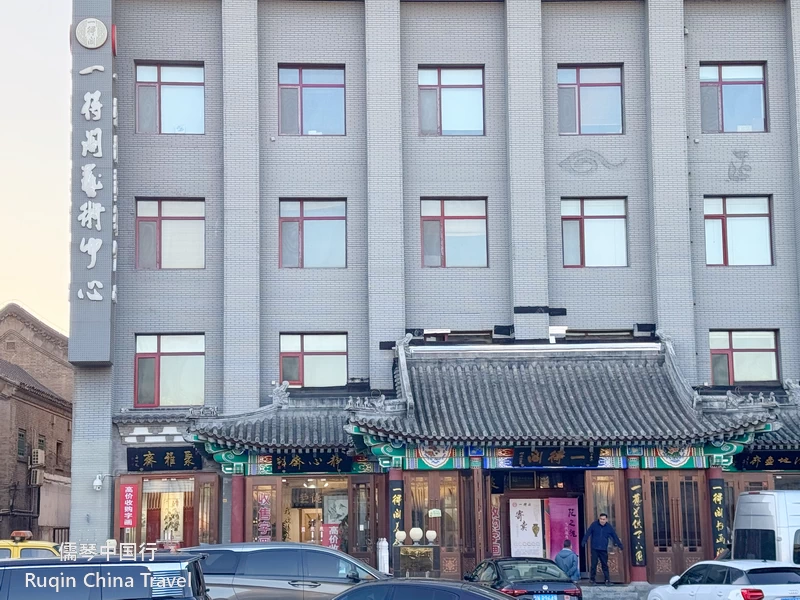
Still on the west side, I meandered through shops brimming with antiques, brushes, and ink at Yidege. I couldn’t resist picking up a small bottle of their famous ink as a keepsake.
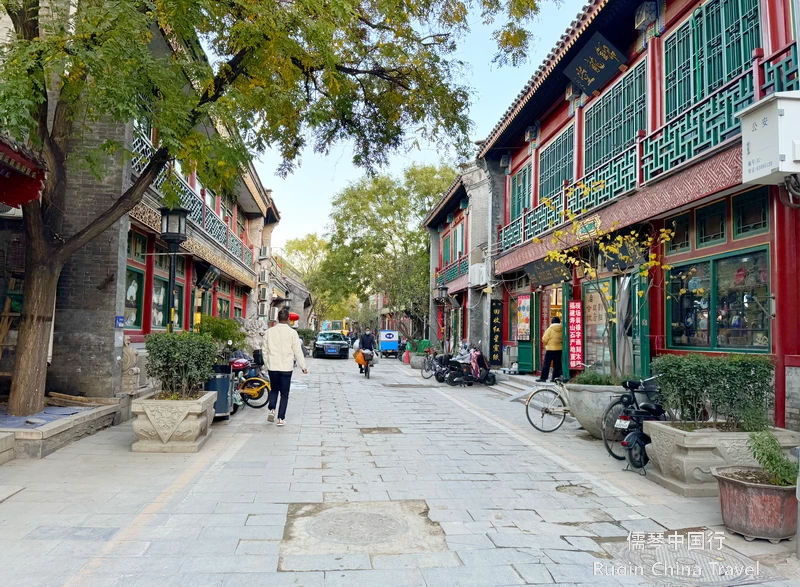
Crossing the bridge into East Liulichang, I was immediately enveloped by a more tranquil, yet equally captivating, atmosphere. The street felt like a hidden gem, a world where tradition and artistry coexist harmoniously. The stores here, though less crowded than those on the West side, offered an intimate glimpse into Beijing’s cultural treasures.
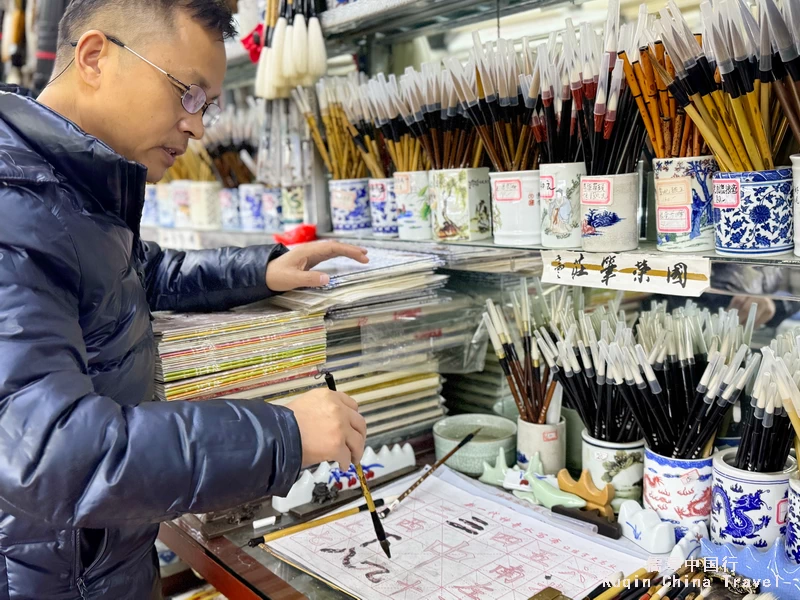
As I strolled along East Liulichang, I couldn’t resist window shopping at the many charming boutiques. Each shop was a mini-museum, showcasing fine Chinese calligraphy brushes and supplies. The brushes, made with precision and care, ranged from delicate, hand-crafted pieces to more utilitarian tools for calligraphy enthusiasts. The craftsmanship was remarkable, and I could easily imagine the skill and patience needed to create such beautiful brushes.
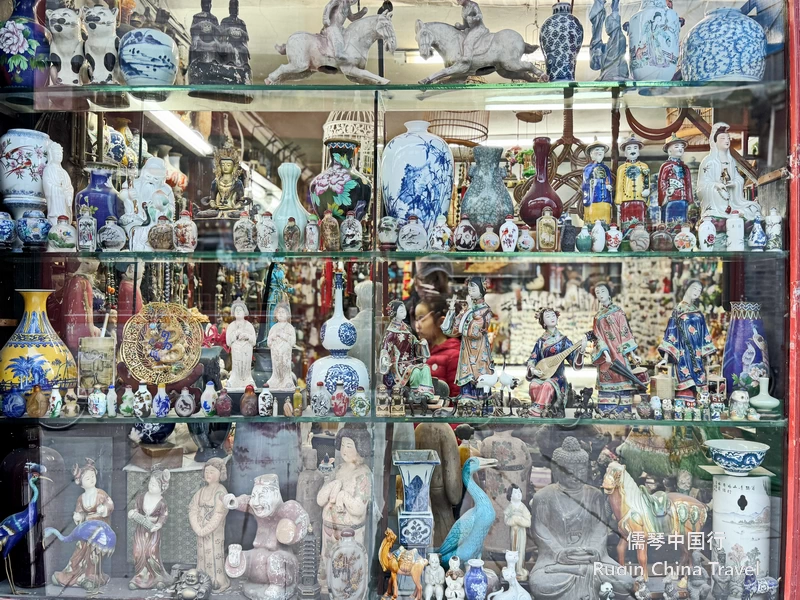
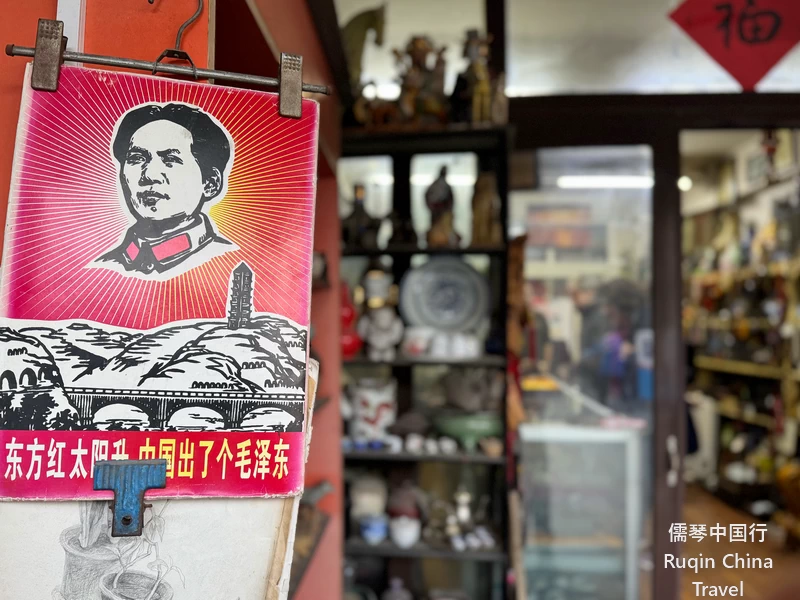
I also passed shops brimming with Chinese antiques—carved wooden statues, delicate porcelain vases, and intricate crafts that reflected the rich artistic heritage of the country. The air was filled with the quiet charm of history and craftsmanship, and I couldn’t help but pause at every display, appreciating the artistry and tradition embedded in every item. It was a journey through time, with each step offering a new discovery.
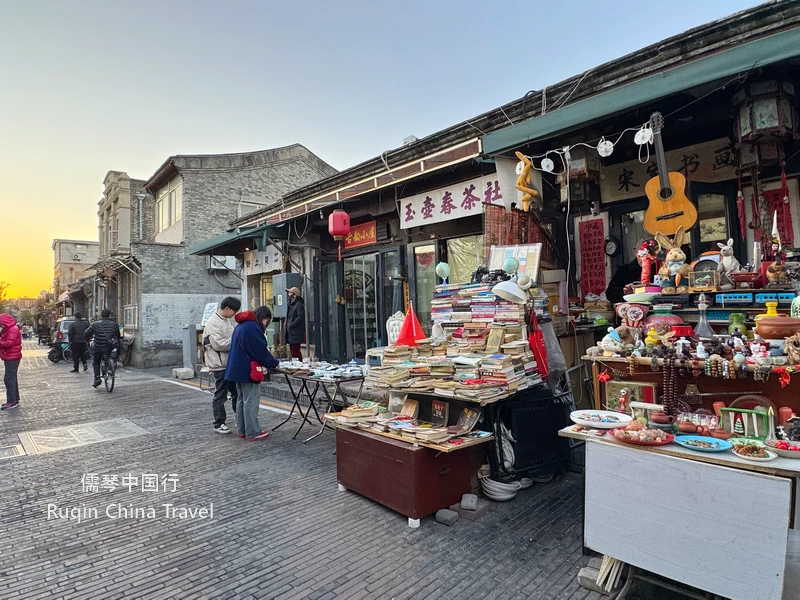
Next, at the end of the East Liulichang Street, I turned right onto the charming Yangmeizhuxie Street (杨梅竹斜街), also a historical street lined with quirky cafes and contemporary art spaces. The contrast between old and new was delightful.
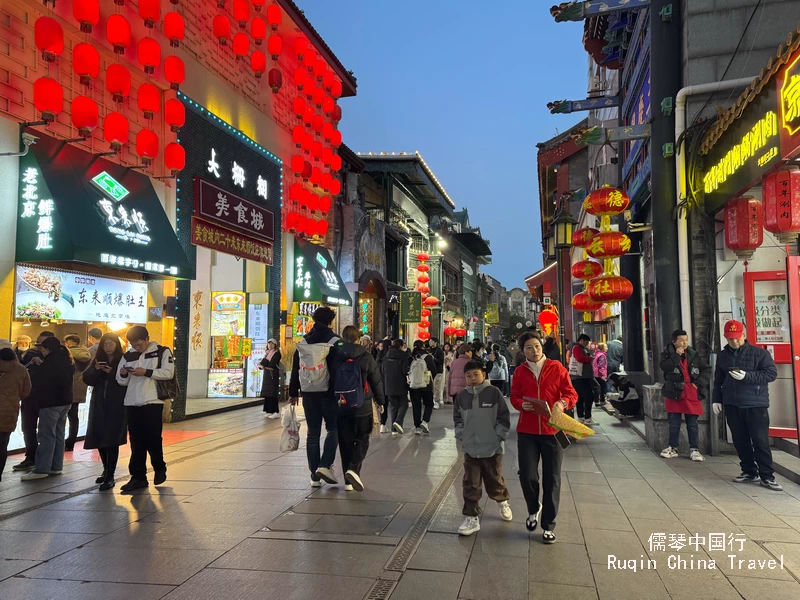
A few blocks down, Dashilan Street welcomed me with bustling shops and traditional snacks.
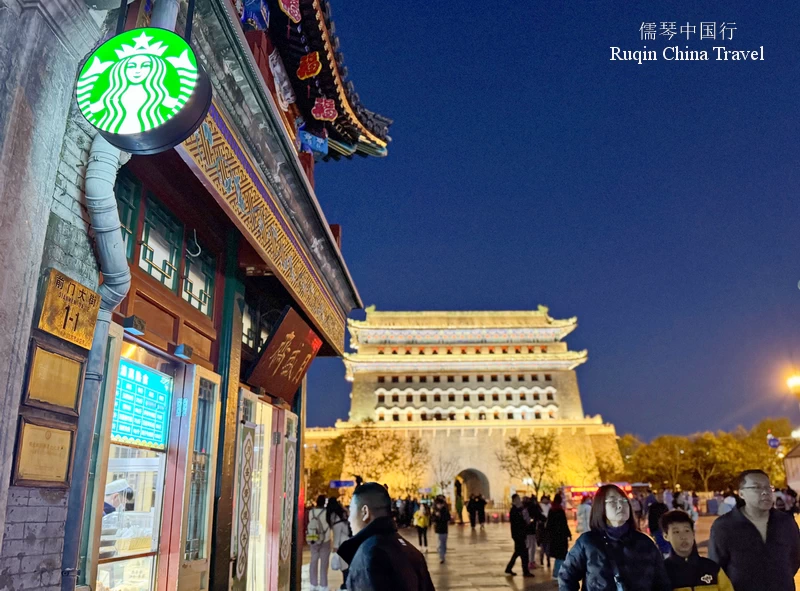
Finally, my journey ended at the iconic Qianmen Street, a lively pedestrian area perfect for soaking in Beijing’s energy. This walking tour was a seamless blend of history, art, and culture, leaving me eager for more adventures in Beijing.
By the time I left Liulichang Culture Street, I wasn’t carrying much—but I felt like I understood Beijing a little better. It’s not about buying antiques; it’s about slowing down enough to notice the craft, the stories, and the people behind them.
If you’re planning your route, don’t treat Liulichang Culture Street as just another stop. Give it time. Wander, pause, and stay curious. That’s when Liulichang Cultural Market begins to feel less like a market—and more like a quiet conversation with the past.
About the Author
Ruqin is the founder of Ruqintravel.com and has spent more than four decades working in China’s travel industry. Drawing on hands-on experience in cities like Beijing and Hangzhou, he personally researches and updates each guide to help international travelers navigate China with confidence.
Further Reading
Yangmeizhu Xiejie Street Beijing: Map, Walking Route & Travel Tips
Qianmen Street Beijing: Map, Food, Shopping & Local Tips
Dashilan Street: Map, Food, Shopping & Hotels
Xianyukou Street, Beijing: What to Eat, Shop & See Before You Go
Guijie Street (Ghost Street) Beijing: Maps, Restaurants and Guide
Wudaoying Hutong: Map, Shops, Cafes, Food and Travel Tips