
Written and updated by Ruqin
Last updated: June 7, 2026
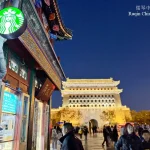
The first time I walked into Beijing Dashilan Street (Dashilar Street 大栅栏), I had just stepped away from the wide avenue of Qianmen. Within seconds, the atmosphere shifted. The crowds felt more local, the shop signs older, and the narrow lanes carried that unmistakable rhythm of old Beijing.
Dashilan has been here for over 500 years, yet it never feels like a museum street. Time moves forward here—snack stalls steam, century-old shops still open their wooden doors, and hidden hutong cafés quietly appear behind historic storefronts.
In this guide, I’ll walk you through how to explore Beijing Dashilan Street—where to eat, what to buy, where to stay nearby, and the small corners most visitors walk past without noticing.
1. Dashilan Street History
The first time I slowed down on Beijing Dashilan Street (Dashilar Street 大栅栏), I noticed something many visitors miss. The storefronts look old—but they don’t all belong to the same era. Some carry the elegance of late Qing architecture, while others quietly reveal early Western influences. That mix tells the story of the street itself.
Dashilan sits just west of Qianmen along Beijing’s historic central axis, only a short walk south of Tiananmen Square. The street is about 275 meters long today, but historically it connected a much larger network of commercial hutong lanes.
Its origins go back to the Ming Dynasty, when the area was known as Langfang Si Tiao. The name “Dashilan” appeared during the Hongzhi period (1488–1505). At the time, large wooden gates were installed at street entrances to maintain nighttime security. The gate here was unusually large—funded by prosperous local merchants—so people began calling the lane “Da Zha Lan,” meaning “big fence.” Eventually the nickname replaced the original name.
By the late Qing Dynasty and early Republican era, Beijing Dashilan Street had grown into one of the capital’s busiest commercial districts. Nearby railway stations around Qianmen brought traders, performers, and travelers from across China.
Then came a devastating fire in 1900. Much of Dashilan was rebuilt after 1902, which is why today you’ll see that distinctive blend of traditional Chinese storefronts and early Western-style façades along the street.
2. Dashilan’s Landmarks and Legacy Shops
Dashilan is more than just a shopping street; it’s a place where history and culture meet modernity. Here are the top attractions to explore when visiting Dashilan:
The architecture along Dashilan Street mainly follows an ancient style. The streets are lined with many famous time-honored shops, such as Quanjude, Tongrentang, and Ruifuxiang. These shops not only showcase the commercial culture of old Beijing but also preserve traditional architectural styles and decorations.

The buildings along the street are mostly made of blue bricks, and there are no visible power lines in the air. The antique-style architecture, along with the gold-lettered signs of the old shops, gives the entire area a strong Beijing atmosphere.
Famous Time-Honored Shops in Dashilan
Dashilan is home to several iconic shops and establishments that have been part of Beijing’s cultural fabric for generations. Some of the most famous ones include:
There are many famous time-honored shops in the Dashilan area. Here are some of the main stores with brief descriptions:
1) 瑞蚨祥 (Ruifuxiang)
Ruifuxiang is a famous silk shop located at No. 5 Dashilan. Founded in 1893, it is renowned for its high-quality silk and exquisite embroidery.

As the leader of the “Eight Great Xiang” (a group of prestigious shops), it’s not only a great place to buy traditional clothing but also offers a glimpse into the business atmosphere of the Republic of China era.
2) 同仁堂 (Tongrentang)
Nestled along Dashilan Street, Tongrentang (同仁堂) has been a trusted name for over 350 years. Founded in 1669 during the Qing Dynasty, this iconic pharmacy began as an imperial supplier of traditional Chinese medicine. Today, it remains a beloved institution—welcoming both locals and travelers alike.

Even if you’re not looking for remedies, it’s worth stopping in. The staff are friendly, the atmosphere is calm, and every corner tells a story.
So, whether you’re curious about Chinese healing or just wandering Dashilan, Tongrentang is a must-visit stop. It’s where tradition, trust, and time all meet—quietly, beautifully, and still going strong.
3) 内联升 (Neiliansheng)
In the heart of Dashilan Street, you’ll find Neiliansheng (内联升)—a beloved shoe shop that’s been part of Beijing’s soul since 1853. Known across China for its signature thousand-layer cloth shoes, this time-honored brand blends tradition, elegance, and comfort in every pair.

The name Neiliansheng means “promoted three times in a row,” echoing the hopes of Qing Dynasty scholars climbing the ranks. And while times have changed, the meaning still resonates. Today, locals and visitors alike stop by this shop for beautifully handmade footwear with roots in imperial history.
Whether you’re searching for the perfect Beijing souvenir or just curious about old-world craftsmanship, Neiliansheng offers something rare: style with heritage, and comfort with a story.
4) 狗不理 (Goubuli)
Tucked along Dashilan Street, Goubuli (狗不理) brings a flavorful slice of Tianjin’s food culture right into the heart of Beijing. While the brand began in Tianjin over 150 years ago, its Dashilan branch offers locals and visitors a delicious, no-fuss way to experience one of China’s most iconic snacks—baozi, or steamed buns.

Despite the quirky name—Goubuli literally means “the dog ignores you”—these buns are hard to ignore. Each one is handmade with soft, springy dough and filled with savory goodness. Choose from juicy pork, fragrant beef, or mixed veggie fillings. Every bite is warm, comforting, and full of umami flavor.
So, whether you’re exploring Dashilan at lunchtime or just need a quick snack between shops, stop by Goubuli. It’s street food with heritage—and perfect with a cup of jasmine tea.
5) 大观楼 (Daguanlou) and 广德楼 (Guangdelou)
Just steps from the busy shops of Dashilan Street, you’ll find two treasured cultural gems—Daguanlou (大观楼) and Guangdelou (广德楼). These historic theaters have stood the test of time, each echoing with centuries of music, drama, and applause.

Built during the Qing Dynasty, both venues once hosted China’s most celebrated opera performers. If these walls could talk, they’d tell stories of flowing costumes, thunderous gongs, and powerful voices soaring through the air. Today, they still do—only now, they welcome both locals and curious travelers.
6) 德云社 (Deyunshe)
If you’re strolling through Dashilan and hear roaring laughter behind an old theater door, chances are you’ve found Deyunshe (德云社). This legendary venue is one of the most popular places in Beijing to experience xiangsheng, a traditional form of Chinese stand-up comedy.

Founded by the famous comedian Guo Degang, Deyunshe has helped bring this centuries-old art form back to life—making it fresh, funny, and wildly popular with both young locals and curious travelers.
So if you’re looking for an authentic local night out with lots of heart (and humor), Deyunshe is a can’t-miss experience in Dashilan.
7) 六必居 (Liubiju)
Tucked away on a lively corner of Dashilan Street, Liubiju (六必居) has been delighting taste buds since 1530. That’s nearly 500 years of pickling tradition, all sealed in clay jars and packed with rich, savory flavor.
This humble shop may be small, but its reputation runs deep. Locals come here for handcrafted Beijing-style pickles, made using time-honored fermentation methods. From crunchy cucumbers to sweet garlic and spicy mustard greens, each jar is packed with punch and personality.

The store’s name, Liubiju, means “six must-haves for a home.” And yes—pickles are one of them. Every product here is natural, with no shortcuts. The ingredients are fresh, the process slow, and the results unforgettable.
Whether you’re a foodie or just curious, Liubiju offers a truly local flavor you won’t find anywhere else. Bring home a jar as a tasty souvenir—or better yet, enjoy it right away with your next meal.
8) 步瀛斋 (Buyingzhai)
Step into Buyingzhai (步瀛斋) on Dashilan Street, and you’ll feel the quiet pride of a craft perfected over centuries. Founded in 1858, during the 8th year of the Xianfeng Emperor’s reign, this storied shop began as a small family business—and quickly rose to serve Beijing’s elite.

Today, Buyingzhai continues to make handcrafted cloth shoes with the same care and tradition. Each pair features soft, breathable soles and beautiful stitching. Whether simple or embroidered, these shoes are as comfortable as they are stylish.
Though trends come and go, Buyingzhai remains timeless. Stop by to browse, try on a pair, or just admire the craftsmanship.
9) 张一元茶庄 (Zhang Yiyuan Tea House)
Zhang Yiyuan Tea House (张一元茶庄) is a name every tea lover in Beijing knows. Founded in 1900, it stands as one of the city’s oldest and most respected tea houses.

Step inside, and you’re greeted by the warm aroma of freshly steeped leaves. Rows of canisters line the shelves—each filled with high-quality teas, from delicate jasmine to rich pu’er and fragrant longjing. Whether you’re a seasoned tea drinker or new to the culture, there’s something here for every taste.
So, if you’re exploring Dashilan and want to bring home a piece of Beijing’s soul, Zhang Yiyuan is the perfect stop. It’s not just a shop—it’s a sip of history.
3. What to Eat in Dashilan Street
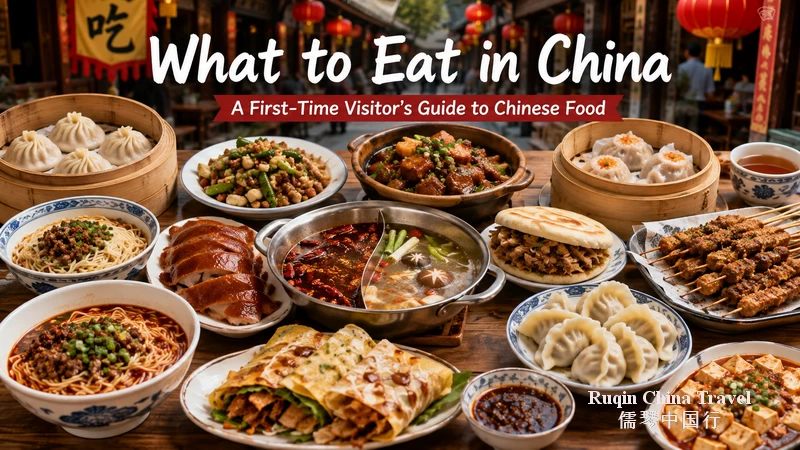
Dashilan is also known for its street food, which is an essential part of the local culture. Here are some must-try dishes when you visit:

- Jianbing (煎饼): A popular Beijing breakfast dish, jianbing is a savory pancake filled with egg, herbs, and crispy dough. It’s often served with hoisin sauce and chili for extra flavor.
- Chuanr (串儿): These skewers of grilled meat are a local favorite. You can find them in many street stalls along Dashilan, seasoned with cumin and chili for a delicious kick.
- Tanghulu (糖葫芦): A sweet treat made from candied fruit, usually hawthorn berries, skewered on a stick. It’s the perfect snack to enjoy as you explore the street.
- Baozi (包子): Steamed buns filled with meat, vegetables, or sweet fillings. A popular and satisfying snack for visitors on the go.
If you’re a food lover, Dashilan offers a wide variety of traditional Beijing snacks and local dishes that will leave your taste buds satisfied.
4. Dashilan Street Travel Tips
1) How to Get to Dashilan by Subway
Dashilar Street is easily accessible by public transportation. The Qianmen Station (前门站) on Line 2 or Line 8 of the Beijing Subway and exit at Exit C is the closest stop, just a short walk from the street. Alternatively, you can also take a taxi or a bus to Dashilan, which is well-served by public transportation.

2) Best Time to Visit Dashilan Beijing
The best time to visit Dashilan is early in the morning, when the street is quiet and you can enjoy the historic buildings without the crowds. This peaceful atmosphere allows you to appreciate the architecture and capture photos in a calm environment.
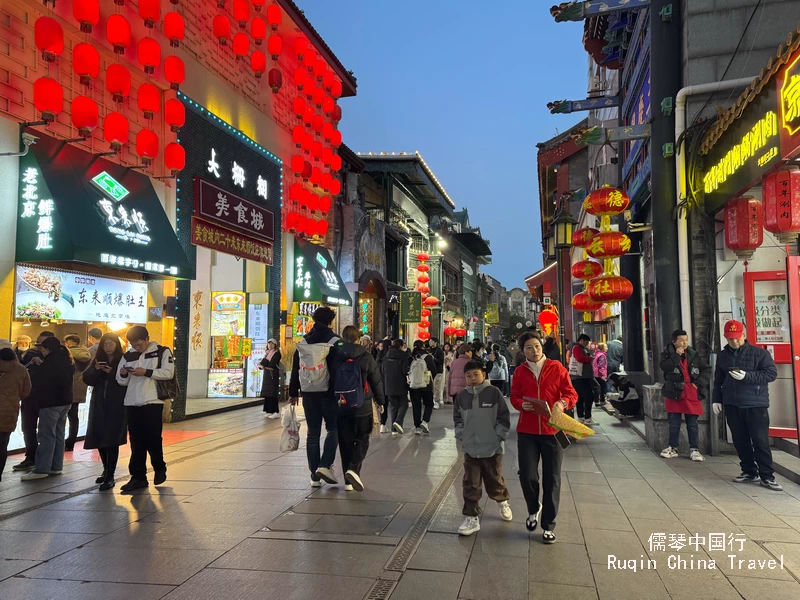
As the day progresses, Dashilan becomes busier. By evening, the street comes alive with vibrant neon lights and a lively crowd, creating an energetic vibe. This is the busiest time of the day, perfect for those who enjoy the hustle and bustle of Beijing’s commercial heart. Both morning and evening offer unique experiences.
3) Accommodations on Dashilan Street
If you’re planning to stay on Dashilan Street in Beijing, you’ll find a range of accommodation options to suit different preferences and budgets. Here are some of the top recommendations:
(1) ibis Beijing Qianmen Hotel
The ibis Beijing Qianmen Hotel is a budget-friendly option located in Dashilan near Qianmen Street. It offers clean and comfortable rooms with modern amenities, making it a great choice for travelers seeking convenience and value. Its central location provides easy access to popular attractions like Tiananmen Square and the Forbidden City.

(2) Chao Man Hotel 潮漫酒店
Chao Man Hotel is an international boutique hotel brand under the Plateno Group. The brand design is inspired by the concept of “the essence of the sun and moon, and water nurturing all things.” It is a chain of hotels filled with a stylish, romantic, and artistic atmosphere, offering a business and travel space that refines a sense of quality in the fast-paced lifestyle.

Chao Man Hotel is one of China’s innovative and influential enterprises. The hotel is located at 21 Dashilan Street, Xicheng District, Beijing. Phone: 010-63014688
FAQs: Qianmen & Dashilan Street
1. Where exactly is Dashilan Street in relation to Qianmen?
Dashilan lies just west of Qianmen Street in Beijing’s Xicheng District. It’s only about 275 meters long and connects directly to the south end of Tiananmen Square.
2. What’s the best way to get to Dashilan Street from central Beijing?
Take Subway Line 2 or Line 8 to Qianmen Station. From there, it’s a short walk west into Dashilan.
3. Is Dashilan worth visiting compared to Qianmen itself?
Absolutely. While Qianmen hosts many tourist shops, Dashilan stands out with genuine time‑honored brands and historic storefronts. It feels more rooted in traditional Beijing culture.
4. What kind of shops and food can I find there?
You’ll find century‑old brands offering tea, cloth shoes, silks, herbal medicine, and pickled vegetables. Also, many street snacks and classic Beijing dishes appear at local stalls and eateries.
5. How crowded does Dashilan get?
Dashilan can get very busy—especially during weekends and holidays. Some travelers describe it as packed and tourist heavy. For a calmer experience, try visiting early in the morning or on weekdays.
6. Are there hotels near Dashilan or Qianmen?
Yes—plenty of hotels line the nearby hutongs and alleys. Recently, courtyard‑style boutique hotels have opened in Qianmen hutongs, blending modern comfort with local charm.
7. Are there hidden corners not overrun by tourists?
Yes. Wandering side lanes off the main street of Dashilan reveals quieter hutongs and calmer local scenes. These alleys often contain small shops, tea houses, and courtyards that feel more authentic.
9. How long should I spend there?
Plan for at least 1–2 hours to walk the main street, browse a few shops, and try snacks. To dive deeper into side alleys or tea houses, allow 3–4 hours.
10. Can I use Wi‑Fi or mobile payments like WeChat or Alipay?
Yes. Most shops and hotels on Dashilan Street accept WeChat Pay or Alipay, though few accept credit cards. Public Wi‑Fi may be limited, and many apps like WhatsApp or Gmail require a VPN. Be prepared with mobile tools.
Beijing ashilan Street is a must-visit for anyone interested in exploring Beijing’s rich cultural heritage. From its ancient history to its bustling markets and modern shopping malls, Dashilan has something for everyone. Whether you’re interested in traditional Chinese architecture, delicious street food, or simply soaking in the unique atmosphere of old Beijing, Dashilan offers an unforgettable experience.
Plan your trip to Dashilan Beijing and take a step back in time while enjoying the best of Beijing shopping, food, and culture.
About the Author
Ruqin is the founder of Ruqintravel.com and has spent more than four decades working in China’s travel industry. Drawing on hands-on experience in cities like Beijing and Hangzhou, he personally researches and updates each guide to help international travelers navigate China with confidence.
Further Reading
Best Street Food in Beijing: What to Eat and Where to Find It
Huguosi Street, Beijing (Huguosi Snack Street): A Visitor’s Guide
Yandai Xiejie Street (Yandaixie): Shops, Food, Sights and Tips
Nanluoguxiang: Maps, Shopping, Bars, Cafes, Food, Hutong & Tips
Xianyukou Street, Beijing: What to Eat, Shop & See Before You Go
Qianmen Street Beijing: Map, Food, Shopping & Hotels
Shichahai Travel Guide: Hutongs, Bars, Food & Things to Do
Wudaoying Hutong: Shops, Cafes, Food and Travel Tips
Guijie Street (Ghost Street) in Beijing: Map & Food Guide