
Written and updated by Ruqin
Last updated: May 15, 2026
Beyond the Great Wall and the Forbidden City, Beijing hides many quiet corners waiting to be discovered through your camera lens. From peaceful lakes and old hutongs to historic pagodas and creative art districts, these hidden places reveal another side of the capital.
This guide to the Best Hidden Photography Spots in Beijing introduces some of the best off-the-beaten-path photo spots in Beijing for travelers and photography lovers seeking unique angles, local atmosphere, and unforgettable shots.
1. Beijing Botanical Garden (北京植物园)
Located at the foot of the Western Hills, the Beijing Botanical Garden is a hidden gem for nature lovers. With a wide variety of flowers, trees, and themed gardens, this location provides tranquil settings for photography. The garden is particularly beautiful in spring and autumn, when flowers are in bloom and the leaves turn golden.
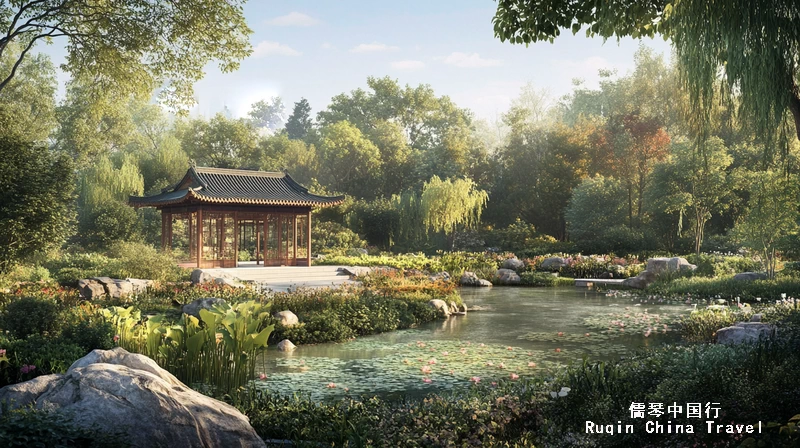
Best Shots: Capture the vibrant flowers, the serene Lotus Pond, and the charming greenhouse structures.
To get to Beijing Botanical Garden, follow these steps:
By Subway and Bus:
Take Subway Line 4 to Beigongmen Station (北宫门站). Exit from Exit A.Then, take Bus 563 from Beigongmen Station to Beijing Zhiwuyuan Nanmen (Beijing Botanical Garden South Gate). It’s a short walk from there to the garden entrance.
2. Fragrant Hills Park (香山公园)
Fragrant Hills Park is famous among locals but less known to tourists. Located in the northwest part of Beijing, it’s particularly stunning in autumn when the red leaves cover the mountains.
The park offers a peaceful escape from the city and provides fantastic landscape photography opportunities, especially if you hike to the top for panoramic views.
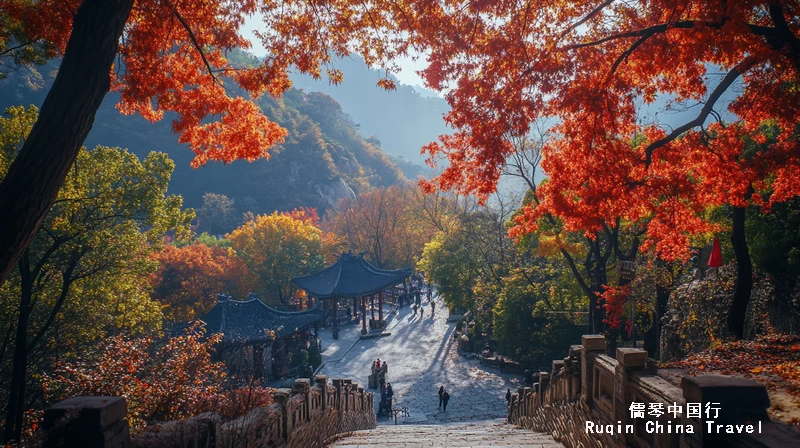
Best Shots: Capture the sea of red maple leaves in autumn, the old stone pathways, and views of the city from the hilltop.
How to get to Fragrant Hills (Xiangshan Park, 香山公园) in Beijing, follow these steps:
By Subway and Bus:
Take Subway Line 10 to Bagou Station (巴沟站).
Exit at Exit D and transfer to Bus 563.
Get off at Xiangshan (Fragrant Hills) Station. The park entrance is a short walk from the bus stop.
3. Caochangdi Art District (草场地艺术区)
While the 798 Art District is well-known, Caochangdi offers a more offbeat and avant-garde artistic vibe. It’s filled with contemporary art galleries, installations, and graffiti, much like 798 but with fewer crowds. This district provides an excellent backdrop for creative street and urban photography.
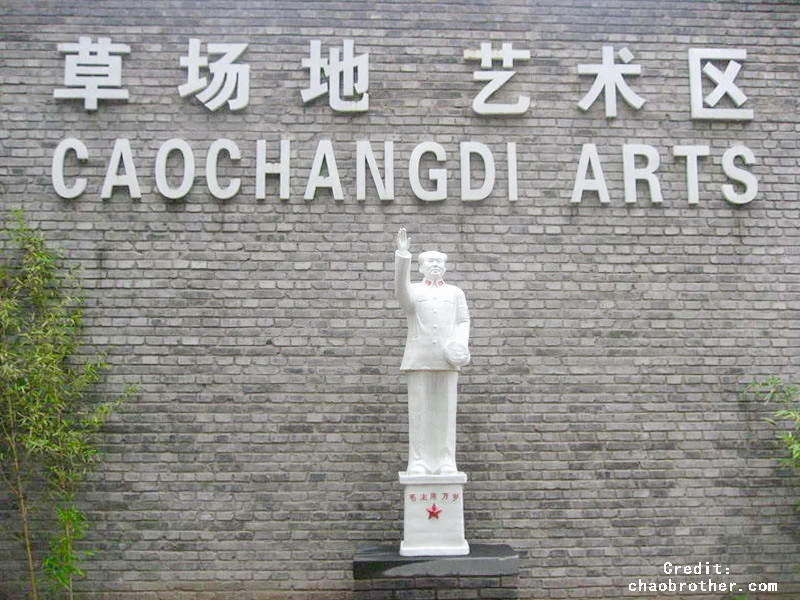
Caochangdi Art District is located in the northeastern part of Beijing, at the intersection of the Capital Airport Auxiliary Road and the Fifth Ring Road. It is part of the Caochangdi area in Chaoyang District, Beijing.
The art district covers a building area of 80,000 square meters and occupies approximately 199,800 square meters of land. Caochangdi Art District was established in 2002 and was developed by the Beijing Caochangdi Cultural and Art Center.
Best Shots: Look for unique street art, architectural contrasts, and candid shots of the local art scene.
How to get to Caochangdi Art District in Beijing, follow these steps:
By Subway and Taxi/Ride-Hailing:
Take Subway Line 14 to Wangjing South Station (望京南站).
Exit through Exit C.
From Wangjing South Station, take a taxi or use a ride-hailing app (like Didi) for the 10-15 minute ride to Caochangdi Art District.
By Bus:
Take Bus 402, Bus 418, or Bus 688 and get off at the Caochangdi Station (草场地站). From there, it’s a short walk to the art district.
4. Taoranting Park (陶然亭公园)
This lesser-known park is located in the southern part of Beijing and is famous for its beautiful pavilions and serene lakes. Taoranting Park is ideal for capturing traditional Chinese architecture and the reflections of the pavilions in the calm waters. It’s also one of the quietest parks in the city.
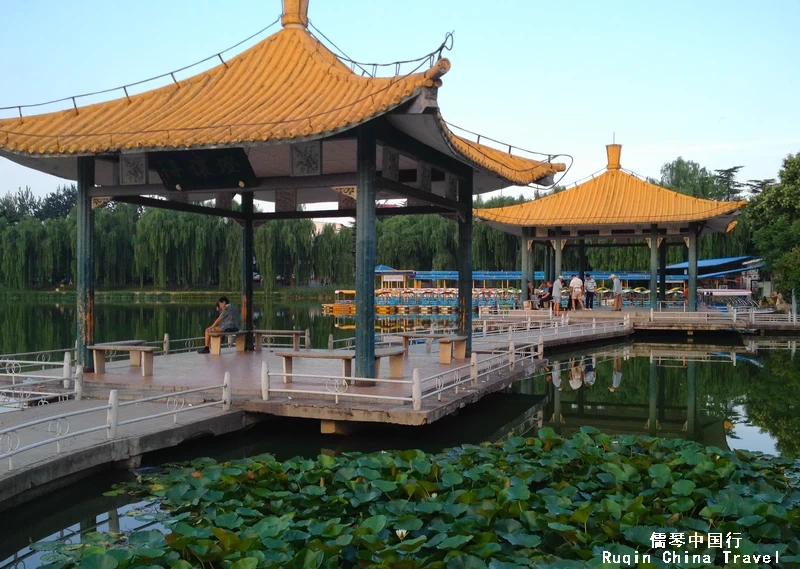
Best Shots: Photograph the traditional pavilions, the lotus-filled ponds, and locals enjoying tai chi in the early morning.
To get to Taoranting Park (陶然亭公园) in Beijing, follow these steps:
By Subway:
Take Subway Line 4 to Taoranting Station (陶然亭站).
Exit the station at Exit B. From there, it’s about a 10-minute walk to the park entrance.
5. Silver Mountain Pagoda Forest (银山塔林)
For something truly unique, head to the Silver Mountain Pagoda Forest in Changping District, just north of the city. The area features dozens of ancient stone pagodas scattered across the mountainside. The contrast between the pagodas and the natural landscape offers a unique setting for photography.
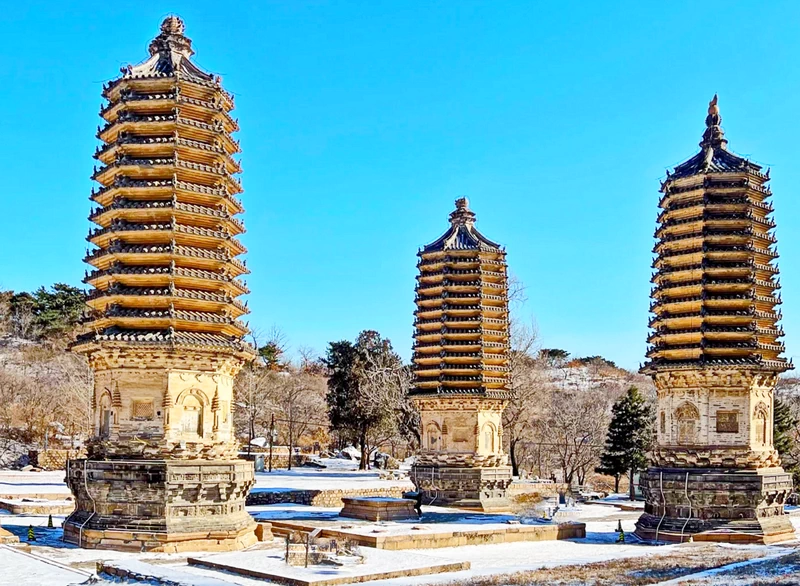
Best Shots: Capture the ancient stone pagodas against the backdrop of lush greenery or snow-covered mountains in winter.
To get to Silver Mountain Pagoda Forest (银山塔林) in Beijing, follow these steps:
By Public Transport ( Subway + Bus )
Subway:
Take Subway Line 13 to Longze Station (龙泽站).
Bus: From Longze Station, take Bus 945 to Changling Lukou East Station (昌陵路口东站).Then, transfer to Bus 876 and get off at Yinshan Talin Station (银山塔林站). This stop is close to the entrance of the Silver Mountain Pagoda Forest.
6. Yuyuantan Park (玉渊潭公园)
While it’s famous during cherry blossom season, Yuyuantan Park remains a relatively quiet location throughout the year. The park features a large lake, cherry trees, and peaceful walking paths. In spring, the cherry blossoms offer magical shots, while the lake provides beautiful reflections for landscape photography.
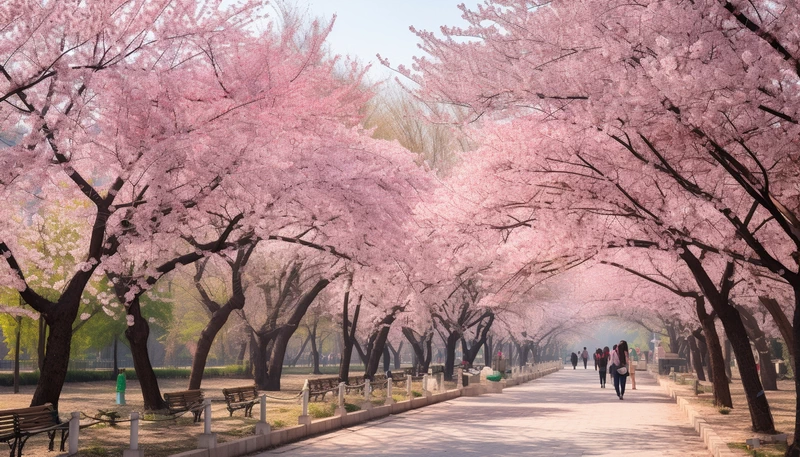
Best Shots: Capture the cherry blossoms in spring or use the lake for mirror-like reflections of the trees and pavilions.
To get to Yuyuantan Park (玉渊潭公园) in Beijing, follow these steps:
By Subway:
Take Subway Line 1 to Military Museum Station (军博站). Exit at Exit B.
From there, it’s about a 10-15 minute walk to the east entrance of Yuyuantan Park.
7. Beijing Ancient Observatory (北京古观象台)
Located in the heart of the city, the Beijing Ancient Observatory is one of the oldest observatories in the world, dating back to the Ming Dynasty. It features ancient astronomical instruments that make for interesting and historical photography subjects.
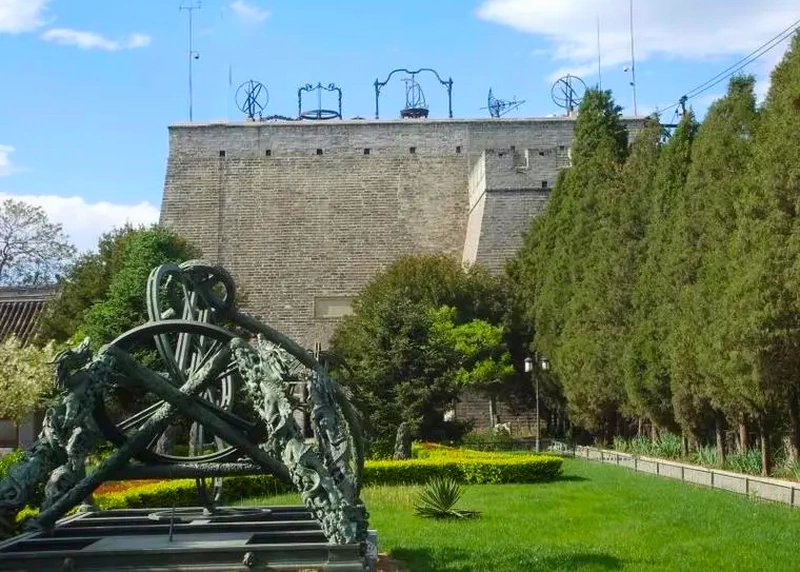
Best Shots: Focus on the intricate details of the old astronomical equipment, with the city skyline in the background.
To get to the Beijing Ancient Observatory (北京古观象台), follow these steps:
By Subway:
Take Subway Line 1 or Line 2 to Jianguomen Station (建国门站). Exit at Exit C.
From the station, it’s about a 5-minute walk to the Beijing Ancient Observatory. Head west along Jianguomen Inner Street, and you’ll find the observatory near the intersection.
8. Shunyi Olympic Rowing-Canoeing Park (顺义奥林匹克水上公园)
If you’re looking for a modern, tranquil setting with water views, the Shunyi Olympic Rowing-Canoeing Park is a fantastic choice. Originally built for the 2008 Olympics, this site is lesser-known but offers unique waterfront views and a modern architectural backdrop.
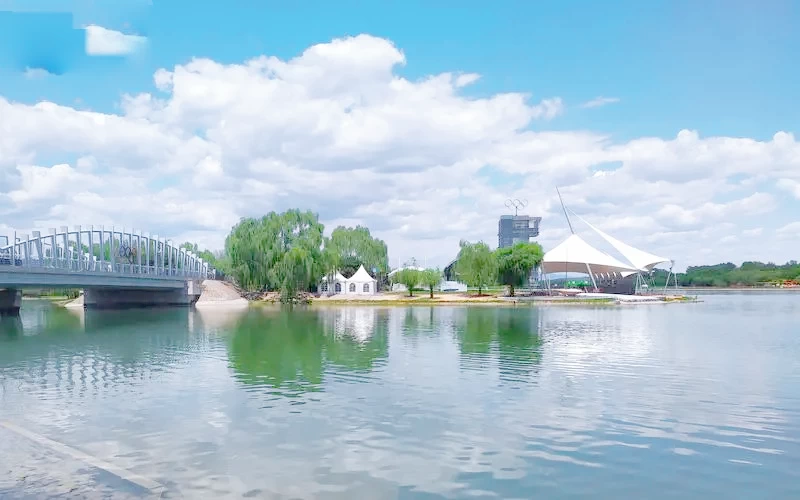
Best Shots: Capture the sleek design of the park’s facilities with reflections of the structures in the water.
To get to Shunyi Olympic Rowing-Canoeing Park (顺义奥林匹克水上公园) in Beijing, follow these steps:
By Subway and Bus:
Subway: Take Subway Line 15 to Fengbo Station (俸伯站). Exit at Exit B.
Bus: From Fengbo Station, take Bus 936 and get off at Shunyi Olympic Water Park Station (顺义奥林匹克水上公园站). From the bus stop, it’s a short walk to the park entrance.
9. Wudaoying Hutong (五道营胡同)
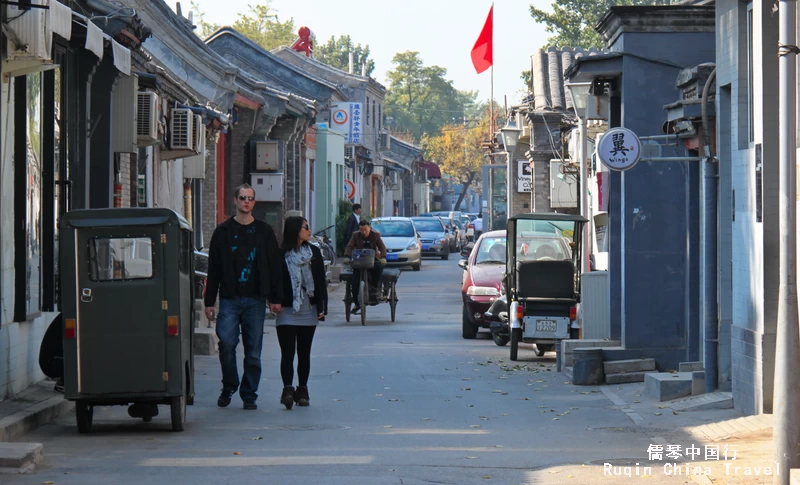
While Nanluoguxiang is a famous hutong (alleyway) for tourists, Wudaoying Hutong is a more relaxed and charming alternative. It’s lined with boutique shops, cafes, and traditional residences, making it perfect for street and architectural photography.
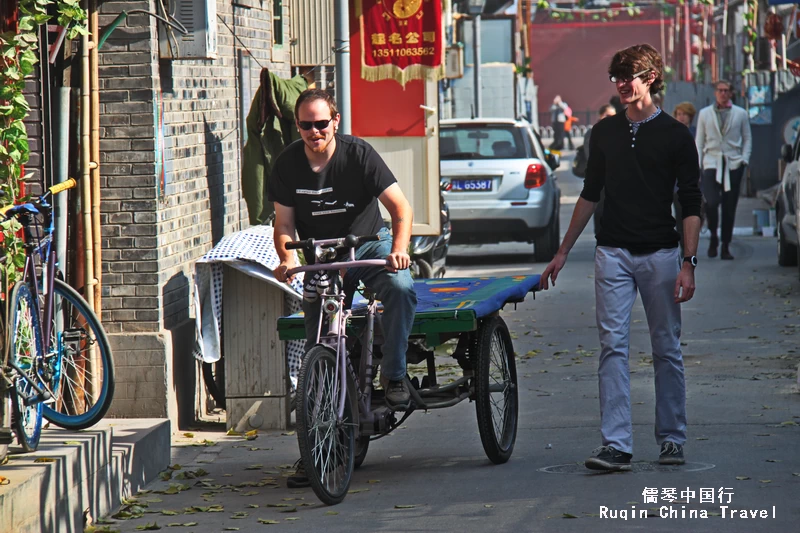
Best Shots: Focus on capturing the peaceful vibe of the hutong, the blend of modern and traditional, and the everyday life of locals.
To get to Wudaoying Hutong (五道营胡同) in Beijing, follow these steps:
By Subway:
Take Subway Line 2 or Line 5 to Yonghegong (Lama Temple) Station (雍和宫站).
Exit at Exit C. From there, it’s about a 5-minute walk to Wudaoying Hutong. Head west along Yonghegong Street and turn into the hutong (alley).
10. Lugou Bridge (卢沟桥)
Also known as the Marco Polo Bridge, this lesser-known historic site is located in the southwest part of Beijing. It is famous for its hundreds of stone lions that line the bridge. The bridge’s unique architecture and its importance in Chinese history make it a special spot for photography.
Best Shots: Capture the stone lions in different lighting conditions, and use the bridge to create leading lines in your photos.
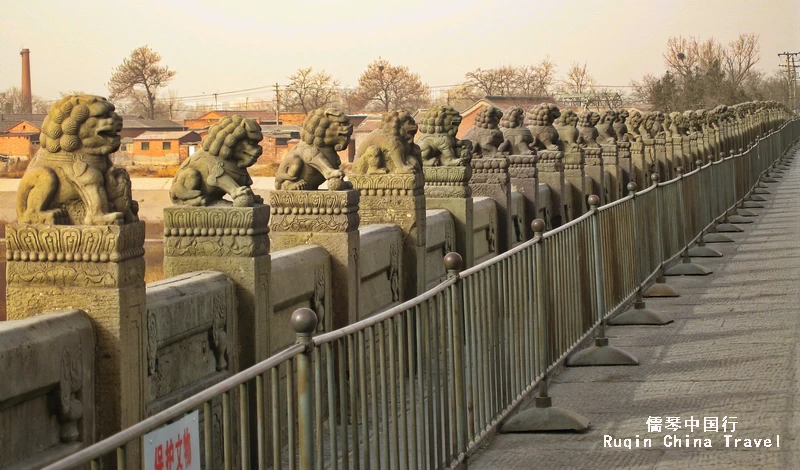
To get to Lugou Bridge (卢沟桥), also known as the Marco Polo Bridge, follow these steps:
By Subway and Bus:
Subway: Take Subway Line 14 to Dawayao Station (大瓦窑站). Exit at Exit A.
Bus: From Dawayao Station, take Bus 310, 339, or 458 and get off at the Lugouqiao (卢沟桥站) stop. From the bus stop, it’s a short walk to the entrance of Lugou Bridge.
The Best Hidden Photography Spots in Beijing offer a chance to see the capital beyond its famous landmarks. From quiet lakes and ancient bridges to lively art districts and traditional hutongs, these lesser-known places reveal Beijing’s unique charm through a different lens.
Whether you are a casual traveler or a passionate photographer, these Best Off-the-Beaten-Path Photo Spots in Beijing will reward you with memorable views and authentic local atmosphere. Bring your camera, slow down, and enjoy discovering a more hidden side of Beijing.
About the Author
Ruqin is the founder of Ruqintravel.com and has spent more than four decades working in China’s travel industry. Drawing on hands-on experience in cities like Beijing and Hangzhou, he personally researches and updates each guide to help international travelers navigate China with confidence.
Further Reading
10 Best Beijing Night Photo Spots: Locations & Travel Tips Guide
Best Photo Spots in Beijing: Where to Capture Stunning Shots
Forbidden City Turret and Moat Photo: Locations, Timing and Tips