

Written and updated by Ruqin
Last updated: May 22, 2026
The moment I stepped into the Lama Temple, the city noise seemed to fall away behind me. Just outside, Beijing felt fast and crowded—but inside Yonghe Temple, or Yonghegong (雍和宫), everything slowed. Incense drifted upward, locals moved with quiet purpose, and the space carried a calm I hadn’t expected in the middle of the capital.
If you’re wondering how to visit Lama Temple without feeling overwhelmed, it helps to understand this first: the Yonghe Temple (雍和宫) isn’t just a landmark—it’s an active place of worship. Let me walk you through it in a way that feels natural, respectful, and easy to follow.
1. Why Lama Temple?
Yonghe Temple is not just a testament to architectural grandeur but also a repository of cultural and spiritual treasures. Here are compelling reasons to include it in your Beijing itinerary:
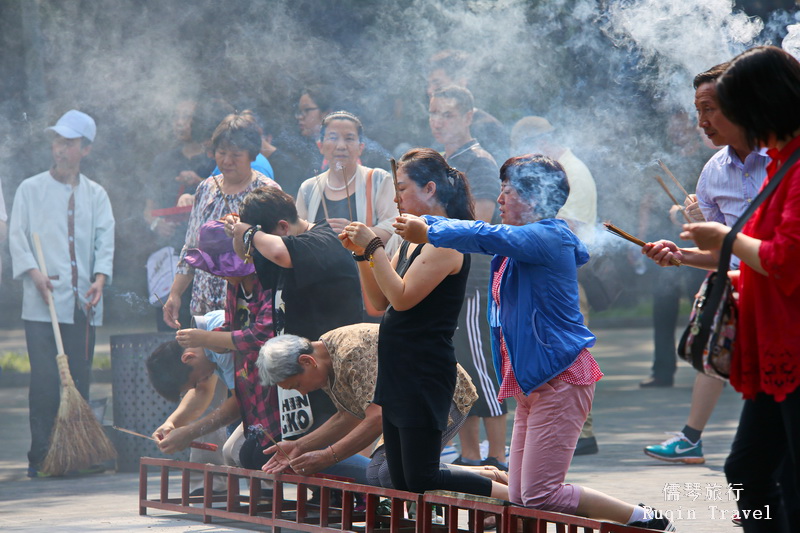
- World’s Largest Sandalwood Buddha: The temple houses an awe-inspiring sandalwood Buddha statue, renowned for being the largest of its kind globally. This masterpiece symbolizes peace and spirituality, drawing visitors from across the world.
- Bronze Buddhas of Three Times: These magnificent bronze statues represent the Buddhas of the past, present, and future. They embody the continuum of time and the eternal essence of Buddhist teachings.
- 500-Arhat-Hill: This remarkable artistic creation features 500 unique Arhat figures, each symbolizing a different aspect of Buddhist philosophy.
Yonghe Temple’s unique status is highlighted by its yellow glazed tile roofs, a color traditionally reserved for imperial use, signifying its importance in Beijing’s religious landscape.
The temple has played a pivotal role in the intersection of religion and politics, serving as a bridge between the Qing Dynasty’s central government and Tibet. Its influence in spreading Tibetan Buddhist culture is unparalleled, making it a key destination for understanding China’s religious diversity.
2. How to Get to Lama Temple
Reaching Lama Temple is convenient, with multiple transportation options available:
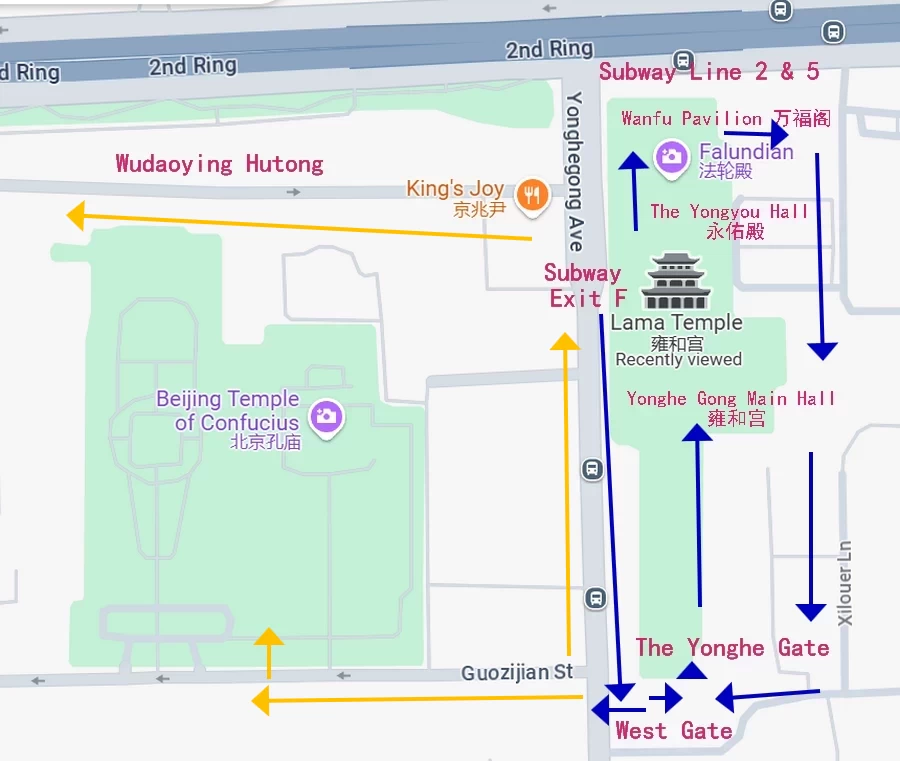
By Subway: The most efficient way to reach Yonghe Temple is by subway. Take Line 2 or Line 5 and alight at “Yonghegong” (Lama Temple) Station. and exit from Exit F. Once you exit, a short walk along a sidewalk, soon you directlyget to the temple’s west gate (See the Map above ).
By Bus: Several bus routes serve the area around Yonghe Temple. Buses 13 or 684 will drop you at Guozijian Station, while buses 116 or 117 stop at Yonghegong Lama Temple Station. Other options include buses 2, 18, 44, 62, 606, 800, 858, or 909, alighting at Lama Temple Bridge East Station.
By Taxi: For a direct route, taking a taxi is a convenient option. Simply show the driver the phrase “请带我去雍和宫” (Please take me to the Lama Temple), and they will know your destination.
Address: 12 Yonghegong Dajie, Dongcheng District, Beijing. The temple’s prominent location makes it easily identifiable. 北京市东城区雍和宫大街12号.
3. Best Times to Visit Lama Temple
Selecting the right time to visit the Lama Temple can greatly enhance your experience. While the temple welcomes visitors year-round, certain periods offer a more pleasant and insightful visit.
Weekday Visits: To avoid weekend and public holiday rushes, consider a weekday visit. This ensures a more tranquil experience, allowing you to immerse yourself in the temple’s spiritual ambiance without the distractions of a large crowd.
Ideal Season: The months from April to October, with their warmer weather, mark the peak visiting season. However, for a perfect blend of comfortable climate and fewer crowds, mid-October to late November is ideal. The autumn’s mild temperatures and vibrant foliage create a serene backdrop for exploring.
Festival Times: Visiting during significant Tibetan festivals, such as the Chinese New Year or the Dayuan Invocation Dharma Assembly, presents a unique opportunity to witness the temple in its full spiritual fervor. However, these periods also attract larger crowds.
4. Opening Hours and Entrance Fees
Planning your visit to Yonghe Temple includes knowing its operating hours and ticketing details:
Operating Hours:
- April to October: 9:00 AM to 4:30 PM
- November to March: 9:00 AM to 4:00 PM
Visiting hours might vary slightly during special festivals or events, so it’s wise to check in advance.
Entrance Fee:
- CNY 25 per person
- Free admission for children under 1.2 meters
How to Book Lama Temple Entry Tickets:
You can get tickets either in person or online. For walk-ins, head to the Ticketing Service Center to buy a paper ticket. For online bookings, use the official WeChat account: “雍和宫游客信众服务” (Yonghe Temple Visitor Services)—each WeChat account can book up to 3 tickets per day.
If you’re using a passport or valid ID from Hong Kong, Macao, or Taiwan (Home Return Permit, Taiwan Compatriot Permit, or Residence Permit), simply scan the QR code received after booking to enter on the day of your visit.
Need to cancel? You can do it yourself as long as the ticket hasn’t been used. For late cancellations or questions, call customer service at:
📞 010-84191906 or 010-84191907.
Alternatively, you can use the international platforms like viators, trip.com, klook or getyourguide to book your tickets and tours ( great for English speakers ):
Additional Tips:
- The temple is a popular spot for locals to seek blessings, particularly around traditional festivals and important examinations. These periods can be incredibly busy, offering a unique cultural experience but potentially less peaceful.
- English-speaking guides and audio guides are available for rent. Inquire at the ticketing booth while purchasing your entrance ticket.
This information ensures a smooth visit, allowing you to immerse yourself in the spiritual ambiance of Lama Temple without any surprises.
5. Five Key Buildings in Lama Temple
Yonghe Temple’s architectural splendor is epitomized in its five primary buildings, each separated by courtyards and decreasing in height from south to north. These buildings are not just structures; they are the carriers of history and spirituality.
The Yonghe Gate 雍和门
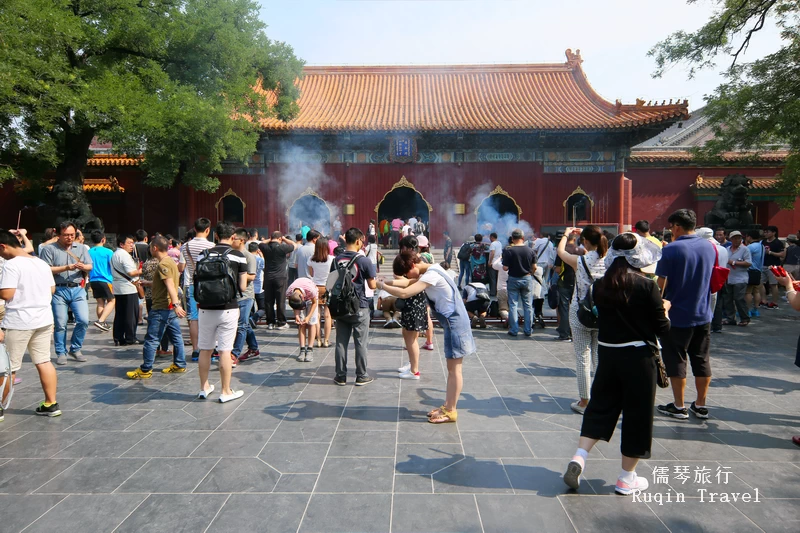
This grand entrance, once the main gate to the temple, sets the tone for what lies ahead. Housing the four heavenly kings and the big-bellied Maitreya Buddha, it radiates an air of serenity and reverence. The presence of bronze lions and the Buddha Maitreya, perched on a golden lacquer throne, immediately immerses visitors in the temple’s spiritual essence.
The Yonghe Gong Main Hall 雍和宫
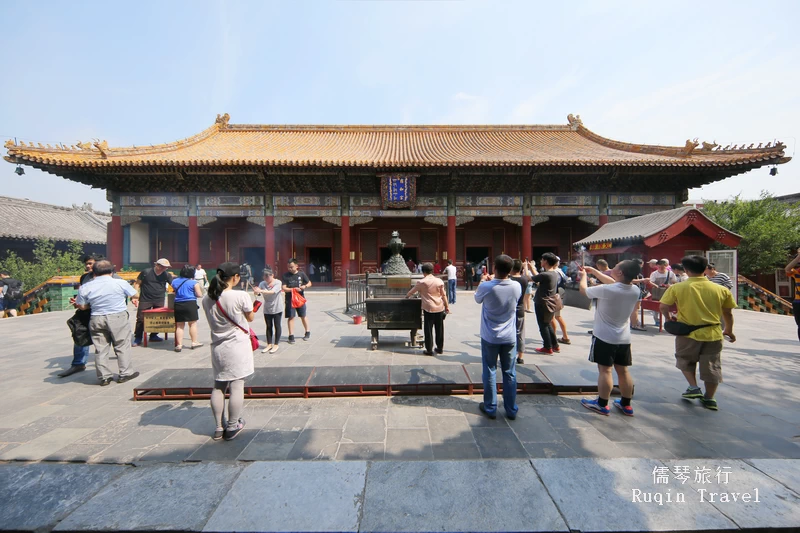
Moving north, the Yonghe Palace stands as the temple’s centerpiece. It houses three significant bronze Buddhas representing the past, present, and future. The hall also contains 18 Arhats, symbolizing protection. This hall’s rich history as a meeting place for Prince Yongzheng with officials adds a layer of historical significance.
The Yongyou Hall 永佑殿
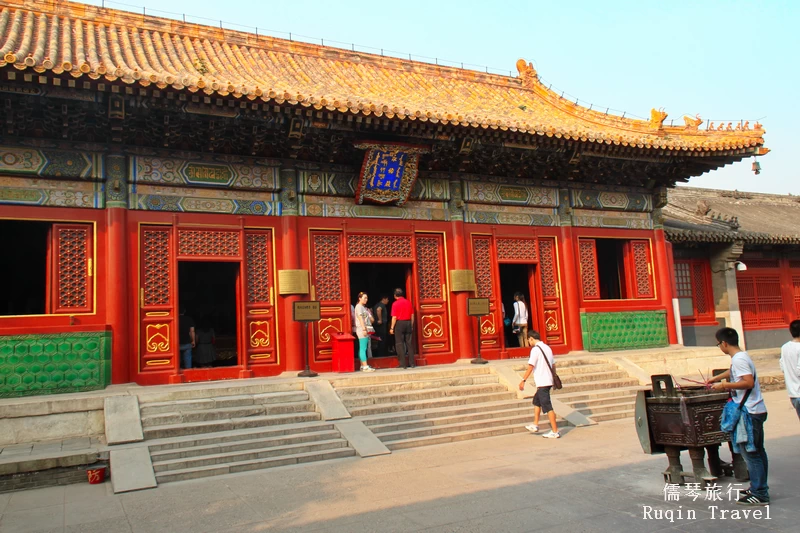
This hall, previously Prince Yongzheng’s residence and later a site for emperor’s coffins, now hosts statues of Amitayus, Bhaisajyaguru, and Simhanada. It reflects the temple’s transition from a royal residence to a spiritual sanctuary.
The Falun Hall 法轮殿
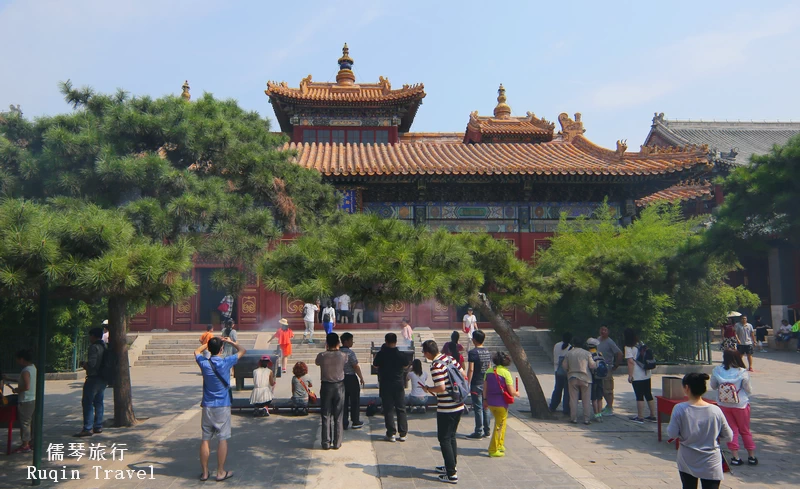
Falun Hall, adorned with a mix of Chinese and Tibetan architectural styles, was once the Emperor’s wives’ living quarters. Now, it features a large statue of Tsong Kha-pa and the remarkable Five Hundred Arhat Hill carving. This hall is a center for chanting and religious ceremonies.
Wanfu Pavilion 万福阁
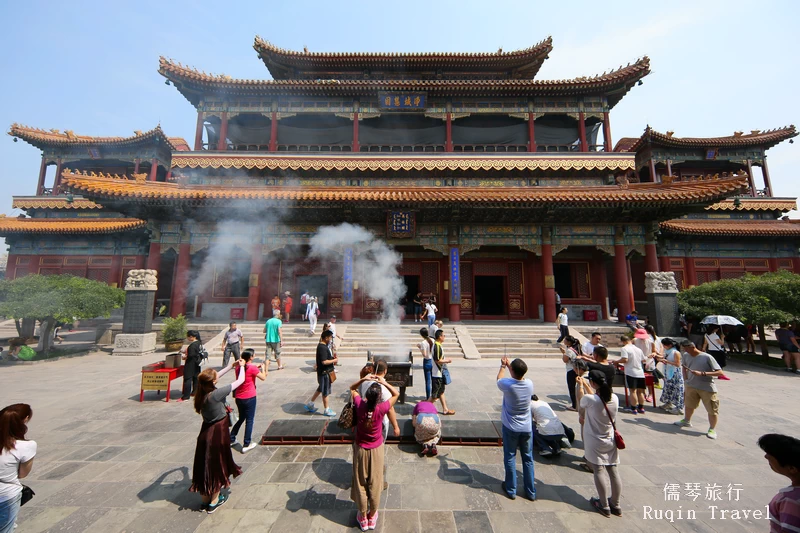
The highest and most northern building in the temple, it houses the world’s largest wooden Buddha statue, carved from a single sandalwood log. The sheer size and craftsmanship of the Maitreya Buddha statue in this pavilion are awe-inspiring.
These buildings, each with its unique history and spiritual significance, form a harmonious and enlightening journey through the Lama Temple.
6. Activities and Events in Lama Temple
The Lama Temple is not only a historical and architectural marvel but also a vibrant center for cultural and religious activities. Here are some significant events and activities that you can experience:
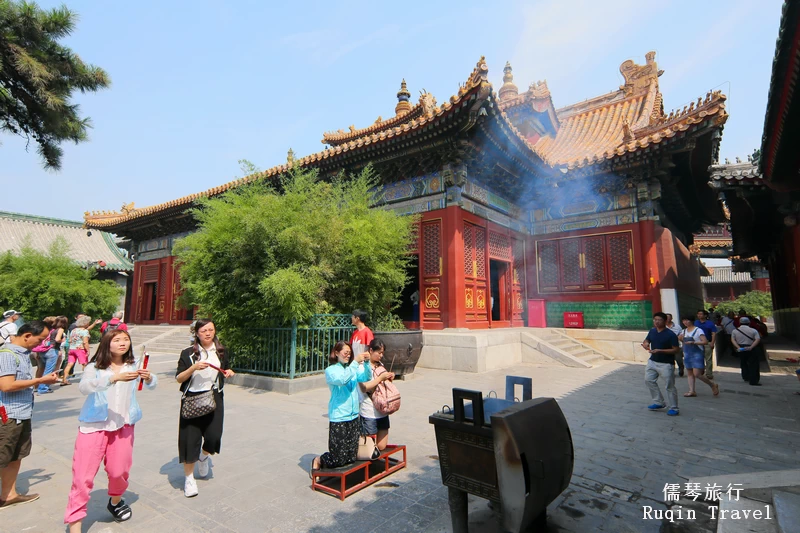
- Dayuan Invocation Dharma Assembly (February/March): This profound festival, commemorating Sakyamuni, the founder of Buddhism, is marked by a week of sacred rituals. Monks engage in continuous scripture chanting, praying for peace and prosperity. Typically held from mid-February to mid-March, this assembly attracts devotees and visitors, offering a deep dive into Tibetan Buddhist traditions.
- New Year Ceremony Dharma Assembly (January/February): As the Chinese New Year dawns, the temple comes alive in the early hours with monks chanting prayers to welcome the new year. This ritual, brimming with devotion and spirituality, draws crowds eager to start their year with blessings. The festival usually falls between January 21 and February 20, according to the lunar calendar.
Besides these festivals, regular activities like daily prayer sessions, scripture readings, and meditation classes offer insights into the monks’ life at the temple. These events provide a unique opportunity to witness the living traditions of Tibetan Buddhism and immerse oneself in a serene spiritual atmosphere.
7. How to Plan Your Visit to Lama Temple
A well-planned visit to Lama Temple ensures a fulfilling experience. Here’s a recommended tour route to help you navigate through this spiritual sanctuary ( See the Map above):
- Start at Yonghe Gate Hall: Begin your journey at the temple’s southern entrance, absorbing the majestic presence of the Maitreya Buddha and the Four Heavenly Kings.
- Proceed to Yonghe Gong Hall: Experience the essence of Lama Temple in its main hall, admiring the trio of bronze Buddhas symbolizing different time periods.
- Explore Yongyou Hall: Discover the hall’s transition from imperial residence to a place of eternal protection for emperors.
- Visit Falun Hall: Delve into the fusion of Chinese and Tibetan architectural styles, and witness the significant Five Hundred Arhat Hill carving.
- Conclude at Wanfu Pavilion: Stand in awe of the world’s largest wooden Buddha statue, a true marvel of craftsmanship and devotion.
Between visits to these halls, take time to explore the side buildings and courtyards, each offering unique insights into the temple’s history and cultural significance.
8. Springtime Blossoms at Yonghe Temple
In spring ( early April), Yonghe Temple is a hidden floral gem, with magnolias, and Chinese peaches in full bloom.
Outside the temple, the streets come alive with the vibrant sight of magnolias. The most spectacular display can be seen just outside the E-northwest exit of the Yonghe Temple subway station. Here, magnolia trees bloom abundantly under the soft, warm sunlight, creating a serene and inviting scene.
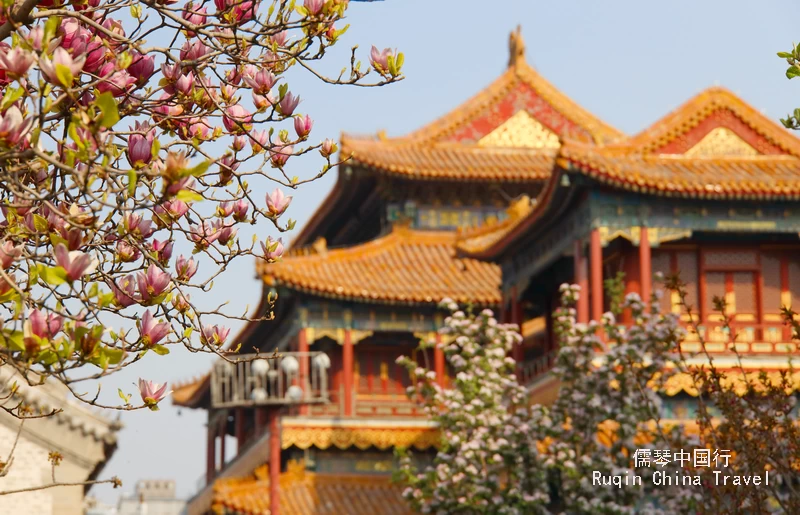
Just beyond the northern wall of the temple, peach blossoms are in full bloom. The delicate pink flowers contrast beautifully with the red walls and green bricks. This picturesque scene draws many locals, eager to take photos and enjoy the view.
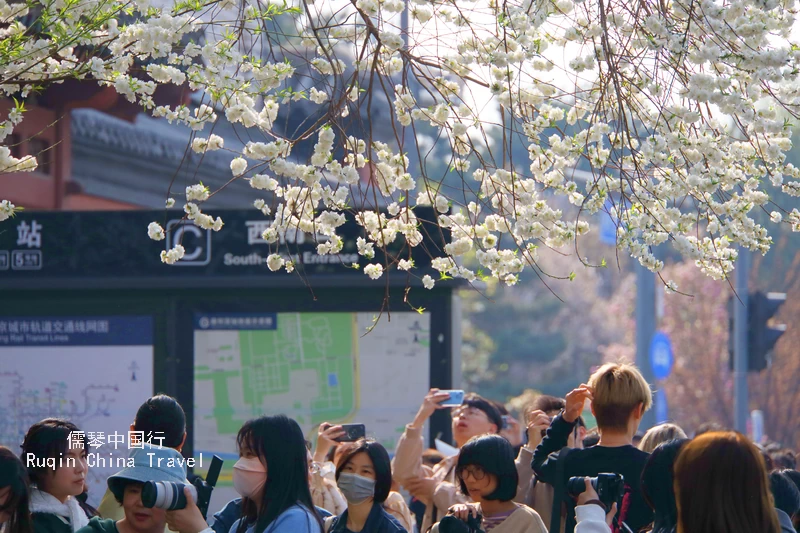
These peach trees line the sidewalk, and while many passersby are enchanted by their beauty, it’s important to be mindful of safety when taking pictures, as cyclists and pedestrians are still navigating the area.
9. Luggage Storage Guide for Lama Temple
I’ve made the mistake of arriving at the Yonghe Temple (雍和宫) with a rolling suitcase—and trust me, it takes away from the experience. The temple paths get crowded, and moving slowly with luggage just doesn’t feel right in a place like this.
So if you’re coming straight from the airport or switching hotels, it’s worth dropping your bags first. Luckily, there are two easy options right by the temple
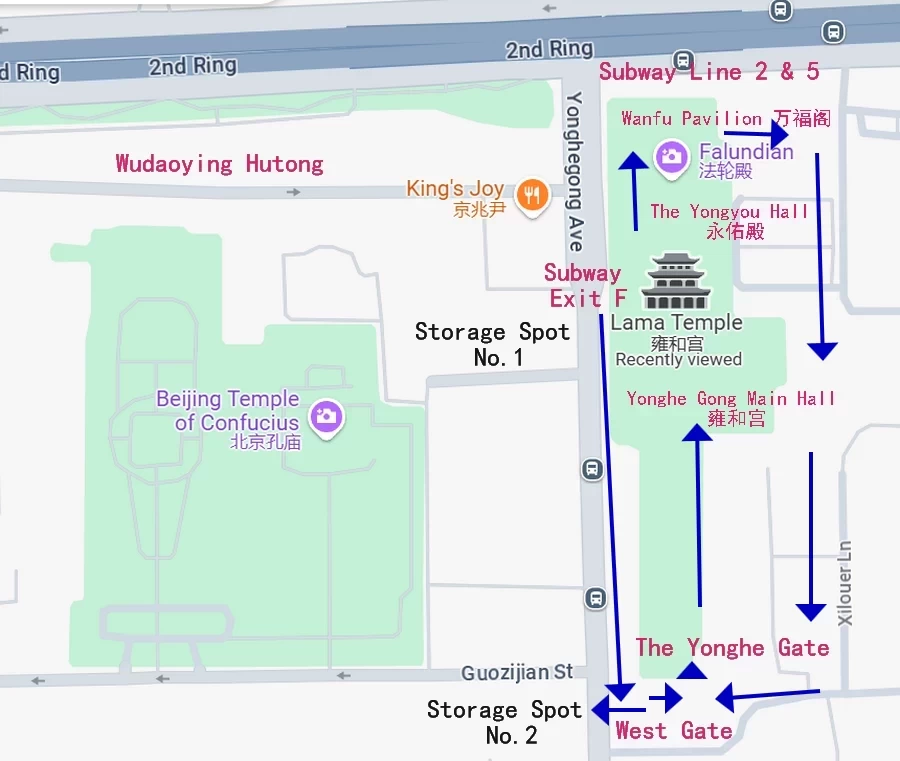
Near the subway (Exit F, across the street)
This is the most convenient if you’re arriving by metro. It’s just a short walk—about 30–50 meters—and close to Wudaoying Hutong, which you’ll probably explore anyway. Hours are usually around 8:30 AM to early evening. Good for quick, same-day storage.
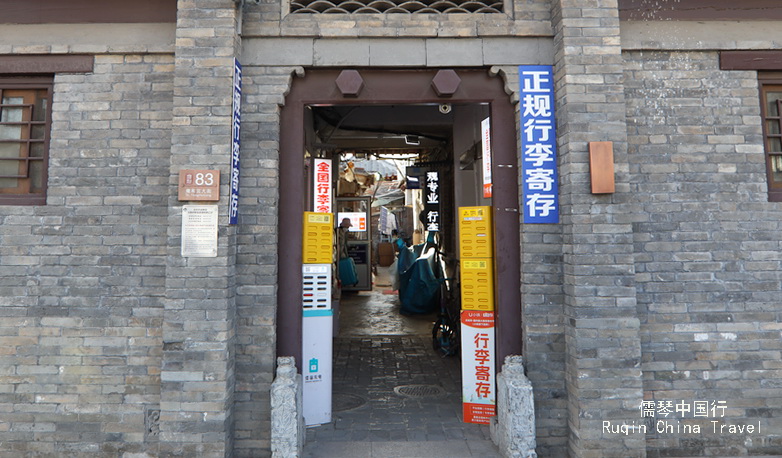
Across from the main temple entrance (雍和宫大街83号)
This is the one I personally recommend if you want flexibility. It opens earlier, closes later, and can handle larger suitcases. They also allow overnight storage, which is helpful if you’re between stays.
What it costs and what to expect
- Suitcase: around 20 RMB/day
- Backpack: around 10 RMB/day
- Smaller spots have size limits, but the main entrance location accepts bigger luggage
A small tip from experience: go earlier in the day if you can, especially on weekends. And if you’re using WeChat, the “存知己 (Cun Zhiji)” mini program makes finding nearby storage surprisingly easy.
Travel feels much lighter—literally—once you’ve dropped the bags.
10. Lama Temple Visitor Service Center
I didn’t notice the Visitor Service Center the first time I visited the Yonghe Temple (雍和宫)—and that’s easy to do. It’s tucked quietly inside the grounds, but it’s genuinely useful when something small throws off your day.
If you need a reset, this is where you go. There’s free drinking water, a place to sit for a few minutes, and even umbrella rentals (deposit required) if the weather shifts. For minor issues, they have basic first aid supplies too.
They also offer wheelchair and walking cane rentals, which makes a big difference if you’re traveling with family or need support. And if you’re unsure about anything—timing, directions, or just how to move through the temple—they can help in a straightforward way.
You’ll find it inside the temple, just east of Yonghemen Hall. Since it’s within the grounds, you’ll need your entry ticket before accessing it—but once you’re in, it’s a quiet safety net most people overlook.
11. Nearby Attractions and City Walk
After exploring Lama Temple, extend your journey by visiting these nearby attractions, each offering a unique glimpse into Beijing’s rich history and culture:
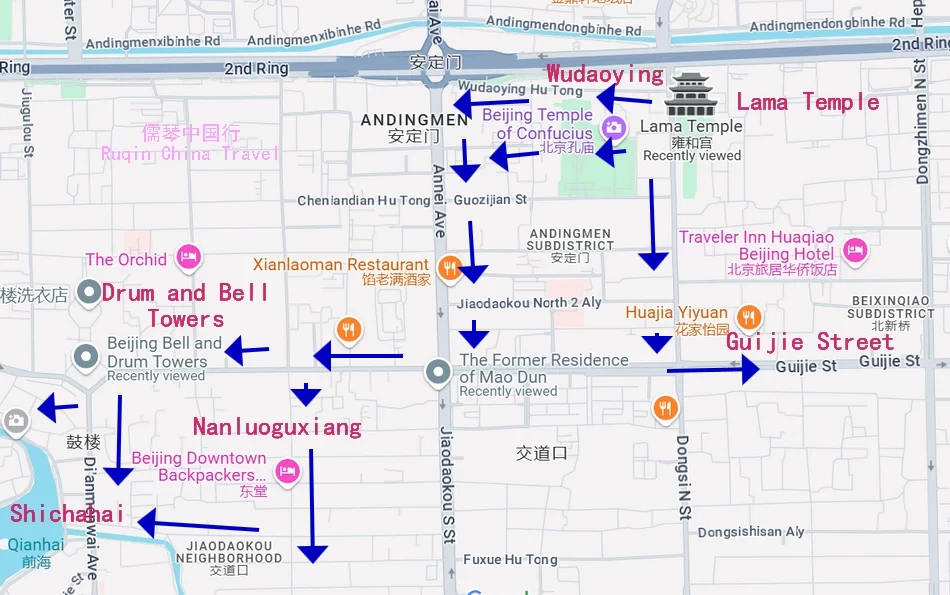
- Temple of Confucius: Just a short walk from Lama Temple, this temple dedicated to the great philosopher Confucius offers a peaceful retreat. It’s a place steeped in history and education, reflecting ancient Chinese wisdom.
- Guozijian (Imperial Academy): Explore China’s oldest imperial academy, where scholars once prepared for their imperial examinations. The architecture and the spirit of learning here are remarkable.
- Guijie Street: A paradise for food lovers, this street is lined with a variety of restaurants offering authentic Chinese cuisine. A perfect spot to satiate your hunger after a day of exploration.
- Wudaoying Hutong: Immerse yourself in the charm of old Beijing by strolling through this historic alley, brimming with quaint shops and cafes.
- Nanluoguxiang: Stretching just 787 meters long and 8 meters wide, Nanluoguxiang Hutong is not just an alley—it’s a journey through time, with centuries of history and culture embedded in its lanes.
- Shichahai: This scenic area, known for its beautiful lakes and traditional hutongs, is ideal for a leisurely evening walk.
- Ditan Park: A serene park, famous for its temple fairs, especially during the Spring Festival. It’s a great place to experience local traditions and relax.
Practical Tips for Visitors to Lama Temple
To ensure a seamless and enjoyable visit to Lama Temple, consider these practical tips:
- Early Arrival: Aim to arrive early, preferably as the temple opens, to avoid the larger crowds that gather as the day progresses.
- Dress Respectfully: While there’s no strict dress code, wearing modest attire out of respect for the temple’s religious significance is advisable.
- Photography: While photography is generally allowed, be mindful of signs indicating restricted areas. Always be respectful and avoid using flash inside the halls.
- Language: Basic English signs are available, but carrying a phrasebook or translation app can be helpful for more detailed information.
- Local Customs: Observe and respect local customs. This includes acts like burning incense, bowing before statues, and participating in rituals.
- Stay Hydrated: Bring a bottle of water, especially during warmer months, as exploring the extensive grounds can be tiring.
- Avoid Public Holidays: If possible, plan your visit to avoid Chinese public holidays when the temple is especially crowded.
Following these tips will enhance your experience and allow you to fully appreciate the spiritual and cultural significance of Lama Temple.
Understanding how to visit Lama Temple really changed for me once I slowed down inside. It’s easy to focus on tickets and routes—but the real experience happens in the quiet pauses, watching how locals move, pray, and take their time.
So don’t rush it. Walk slowly, step aside when needed, and just observe. You don’t need to see everything—just be present enough to feel where you are before moving on.
About the Author
Ruqin is the founder of Ruqintravel.com and has spent more than four decades working in China’s travel industry. Drawing on hands-on experience in cities like Beijing and Hangzhou, he personally researches and updates each guide to help international travelers navigate China with confidence.
Further Reading
Confucius Temple And Imperial College Museum: Visitor Guide
Top Beijing City Walks: Routes, Maps & Essential Travel Tips
Guijie Street (Ghost Street) in Beijing: Map & Food Guide
Wudaoying Hutong: Map, Shops, Cafes, Food and Travel Tips
Nanluoguxiang: Maps, Shopping, Bars, Cafes, Food, Hutong & Tips












Hello
There is NO mention of tourist service centre and storage facilities near the Lama Temple
Is there storage facilities near by
If yes…
Address please
what hours of operation
Luggage suitcase size
Cost per suitcase size
Is there tourist visitors centre
If yes…
Address please
Hours of operation
What type of service do they offer
Do they give print out of maps etc
Thank you
Hi Bianka,
Thanks so much for reaching out — great questions!
We’ve just updated our Lama Temple guide to include all the info you’re looking for, including luggage storage options and details about the visitor service center. You’ll find everything — from locations and opening hours to luggage size limits and prices — clearly laid out in Sections 9 and 10 of this page:
👉 https://ruqintravel.com/china-destination-guides/lama-temple/
Also, if you’re curious about other tourist information centers around Beijing, we’ve got you covered here too:
👉 https://ruqintravel.com/china-destination-guides/beijing-tourist-information-center/
Really appreciate your thoughtful question — it actually helped us improve the site for other travelers as well!
Wishing you a great time planning your trip, and feel free to reach out anytime if you have more questions.
Best regards,
Daniel
Ruqin China Travel