
Itinerary designed by Ruqin
Last updated: August 16, 2026
Overview
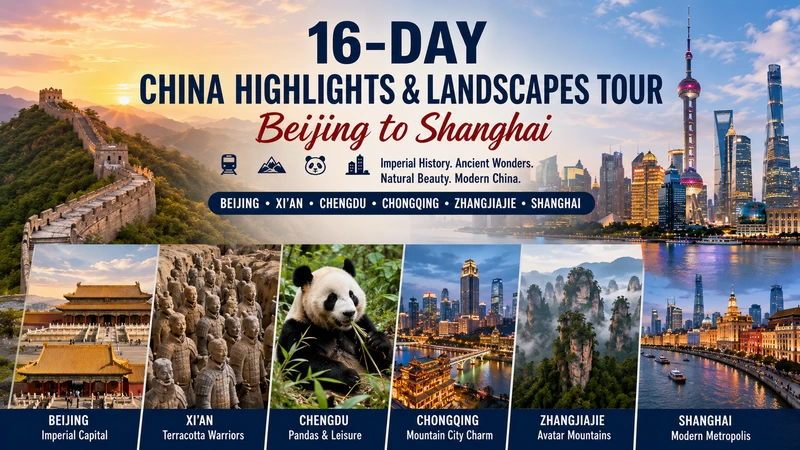
This 16-Day China Highlights & Landscapes Tour is designed for first-time visitors who want more than China’s three classic cities. It combines imperial history, local culture, food, modern cities, and some of China’s finest mountain scenery.
The journey begins with Beijing’s palaces and the Great Wall. Next, you travel south through Xi’an, Chengdu, Chongqing, and Zhangjiajie. Finally, you finish in Shanghai, where historic neighborhoods meet China’s modern skyline.
I like this route because each destination feels different from the last. More importantly, the journey follows a practical geographical flow without unnecessary backtracking.
Route: Beijing → Xi’an → Chengdu → Chongqing → Zhangjiajie → Shanghai
Duration: 16 days / 15 nights
Best for: First-time visitors wanting both classic China and natural scenery
Travel style: History + culture + food + cities + landscapes
Pace: Moderate to active
At-a-Glance Route
| Day | Destination | Main Experience |
|---|---|---|
| Day 1 | Beijing | Arrival and rest |
| Day 2 | Beijing | Temple of Heaven, Tiananmen Square, Forbidden City, Jingshan |
| Day 3 | Beijing | Mutianyu Great Wall |
| Day 4 | Beijing | Summer Palace, hutongs and Shichahai |
| Day 5 | Beijing → Xi’an | High-speed train, City Wall and old Xi’an |
| Day 6 | Xi’an → Chengdu | Terracotta Warriors, train to Chengdu |
| Day 7 | Chengdu | Giant pandas, People’s Park and local life |
| Day 8 | Chengdu → Chongqing | High-speed train, Chongqing city sights |
| Day 9 | Chongqing | Wulong Karst day trip |
| Day 10 | Chongqing → Zhangjiajie | Travel and relaxed afternoon |
| Day 11 | Zhangjiajie | Wulingyuan National Park |
| Day 12 | Zhangjiajie | Tianmen Mountain |
| Day 13 | Zhangjiajie → Shanghai | Fly to Shanghai, evening on the Bund |
| Day 14 | Shanghai | Old Shanghai, Yu Garden and the Bund |
| Day 15 | Shanghai | Museum, French Concession and Pudong |
| Day 16 | Shanghai | Free time and departure |
Detailed 16-Day Itinerary
Day 1 – Arrive in Beijing
Arrival and Hotel Check-in
After arriving in Beijing, transfer to your hotel and settle in. I recommend staying around Dongcheng, Wangfujing, Qianmen, or another central area near the subway.
Keep your first day deliberately light. International flights, immigration, baggage collection, and airport transfers can leave you more tired than expected.
Evening – Rest and Adjust
If you arrive early and still have energy, take a short neighborhood walk. However, avoid scheduling an important attraction today.
A quiet first evening gives you time to adjust to Beijing. Tomorrow begins with a full sightseeing day.
Day 2 – Imperial Beijing
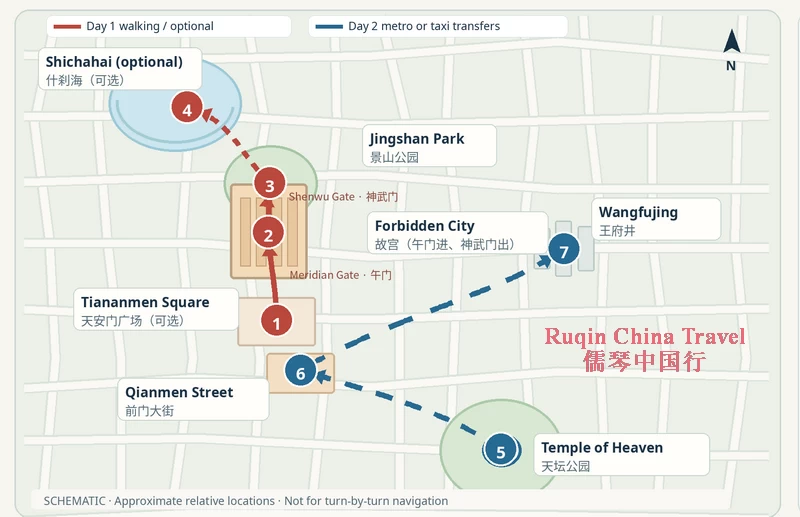
7:30–9:30 AM – Temple of Heaven
Start early at the Temple of Heaven. Besides the imperial buildings, you may see local residents exercising, singing, playing cards, or practicing tai chi.
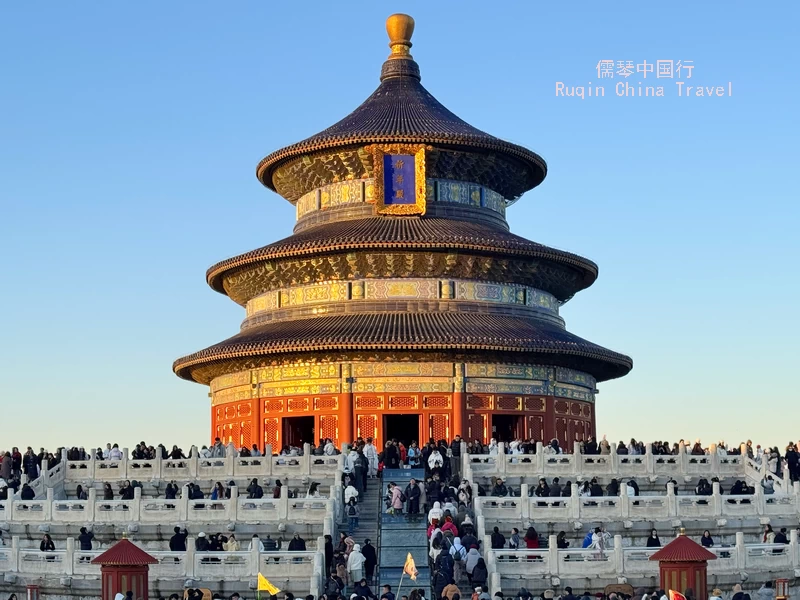
This is one of my favorite ways to introduce visitors to Beijing. You see monumental history and ordinary city life in the same park.
10:00–11:00 AM – Qianmen
Next, continue toward Qianmen. Walk along Qianmen Street and explore some of the nearby lanes.
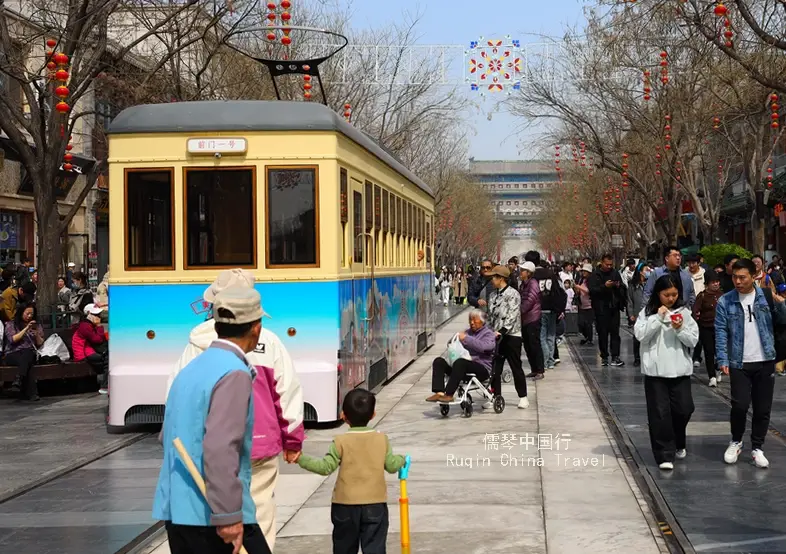
Then have an early lunch before entering the central imperial area.
12:00–1:00 PM – Tiananmen Square
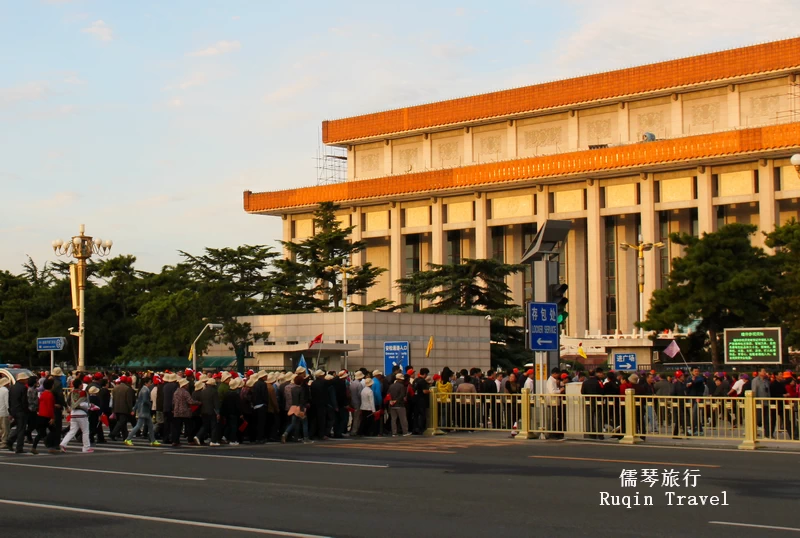
Continue to Tiananmen Square. Security procedures can take time, so keep some flexibility in your schedule.
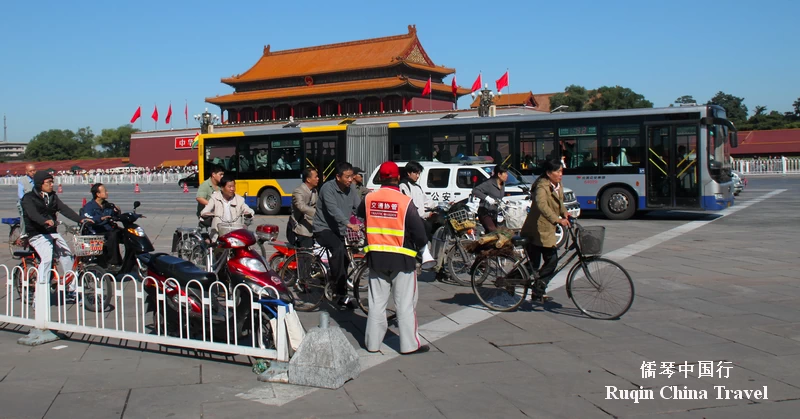
Advance reservations may also be required. Therefore, always check current entry arrangements before your visit.
1:00–4:00 PM – Forbidden City
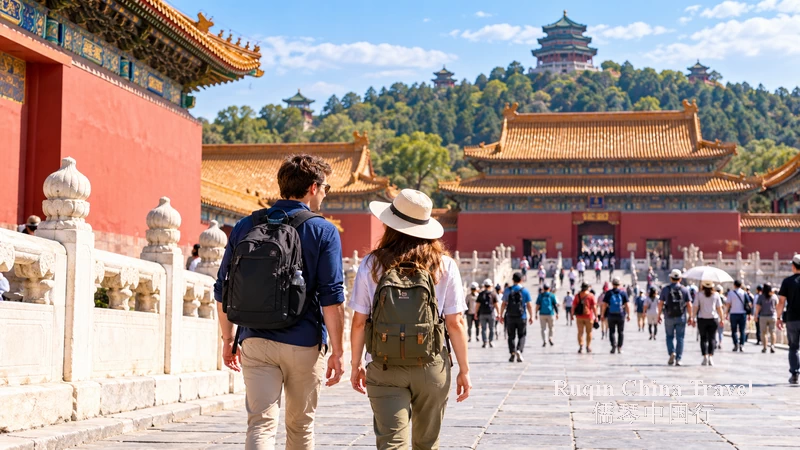
Walk north into the Forbidden City. Allow at least three hours rather than rushing through its central courtyards.

Instead of trying to see every building, focus on the palace’s overall layout. Its scale, symmetry, gates, and courtyards tell the story better.
4:15–5:30 PM – Jingshan Park
Exit the Forbidden City through the north gate. Then cross the road to Jingshan Park.

The climb is short but rewarding. From the hilltop, you can look back across the golden roofs of the entire Forbidden City.
Day 3 – Mutianyu Great Wall
7:30 AM – Leave Beijing
Set aside a full day for the Mutianyu Great Wall. Depending on traffic, the drive normally takes around 1.5–2 hours.
Leaving early helps you avoid some crowds. It also gives you more relaxed walking time.
9:30 AM–1:30 PM – Explore Mutianyu
Take the cable car or chairlift up if you want to conserve energy. Then walk between the watchtowers at your own pace.

Mutianyu offers broad mountain views and a beautifully restored section of the Wall. You can walk farther from the main access points for quieter scenery.
Afternoon – Return to Beijing
Have lunch near Mutianyu before returning to Beijing. Keep the evening free.
You will already have walked plenty today. There is little benefit in squeezing another major attraction into the evening.
Day 4 – Summer Palace and Old Beijing
8:30–11:30 AM – Summer Palace
Begin at the Summer Palace. Walk beside Kunming Lake, explore the Long Corridor, and enjoy the views from Longevity Hill.

During warmer months, consider taking a boat across the lake. It changes the perspective and gives your legs a useful break.
Afternoon – Shichahai and Hutongs
Return to central Beijing and explore the hutongs around Shichahai. Walk rather than trying to cover the neighborhood quickly.
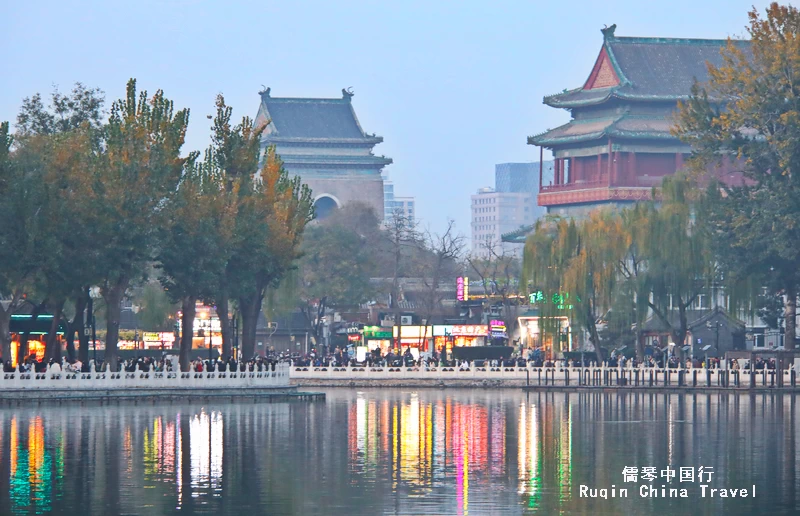
The hutongs give you a very different Beijing. Courtyard houses, small shops, bicycles, trees, and neighborhood life replace imperial grandeur.
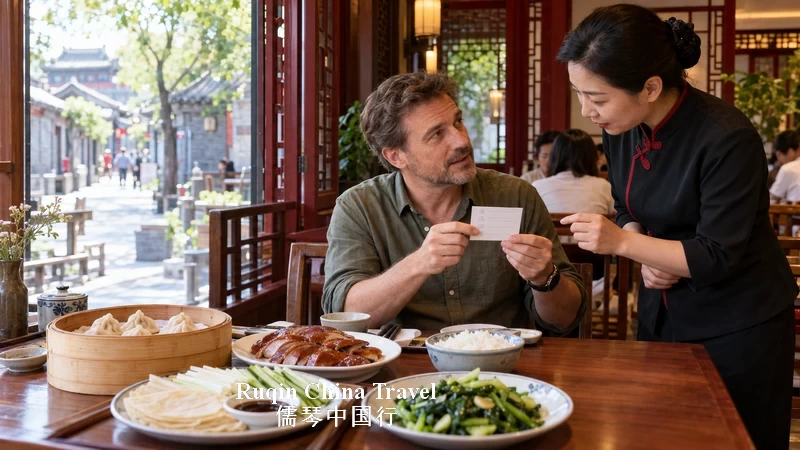
Evening – Peking Duck
For your final Beijing evening, consider a traditional Peking duck dinner. Then return early and prepare for tomorrow’s train journey.
Day 5 – Beijing to Xi’an
Morning – High-Speed Train to Xi’an
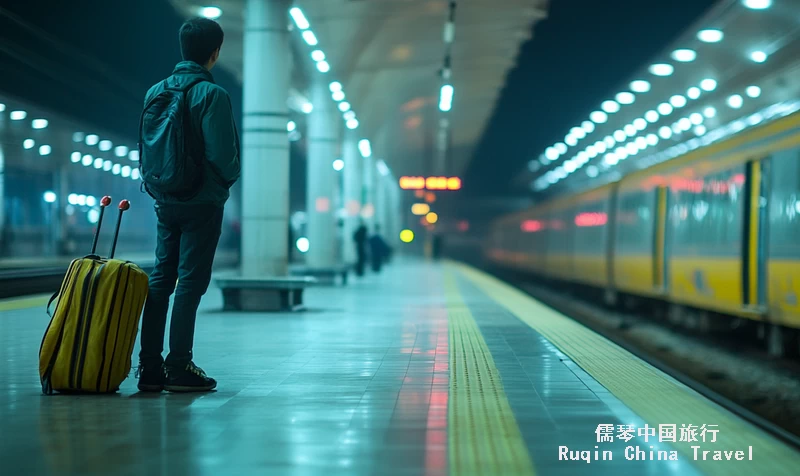
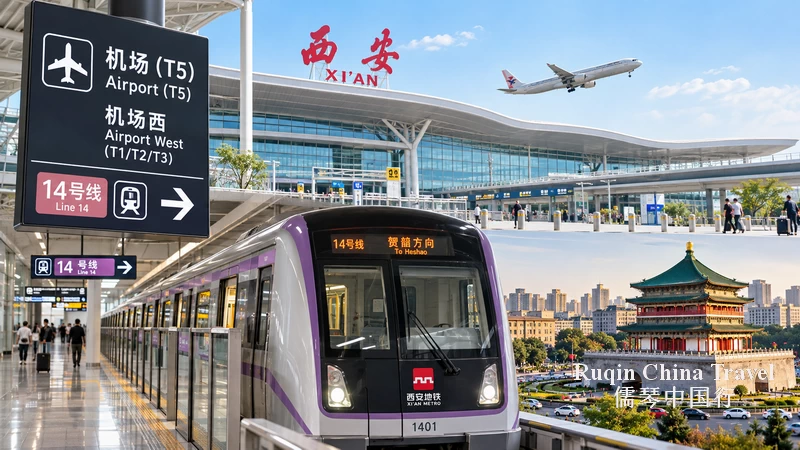
Take a morning high-speed train from Beijing to Xi’an. Journey times vary, but many services take around 4–5 hours.
I prefer the train for this leg. It takes you city center to city center and avoids airport procedures.
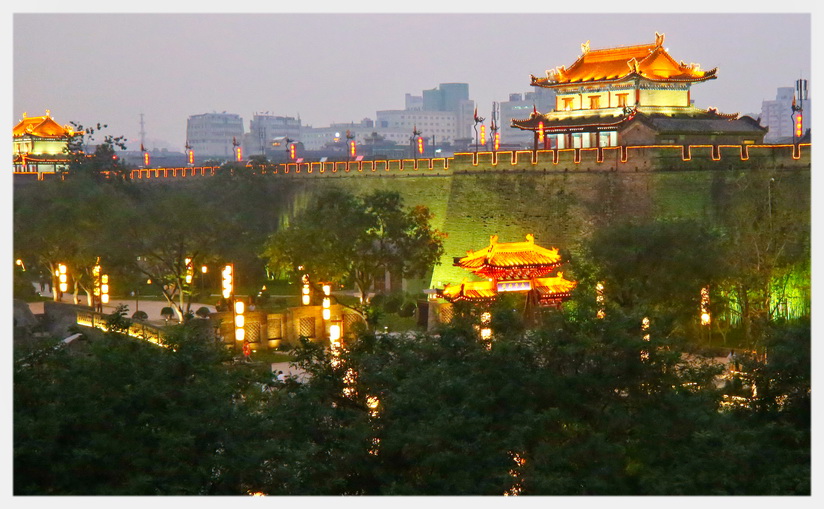
Afternoon – Xi’an Ancient City Wall
After checking into your hotel, head for the Xi’an Ancient City Wall. You can walk a section or rent a bicycle if conditions allow.

Late afternoon works particularly well here. The light softens, while modern Xi’an spreads beyond the old fortifications.
Evening – Muslim Quarter and Old City
Later, explore the streets around the Muslim Quarter. Try local snacks, but do not feel you need to sample everything from the busiest main street.

I also suggest wandering into the quieter surrounding lanes. They often give you a better sense of the neighborhood.
Day 6 – Terracotta Warriors and Xi’an to Chengdu
8:00 AM–12:00 PM – Terracotta Warriors
Leave Xi’an early for the Terracotta Warriors. Allow several hours for the museum and its major excavation pits.
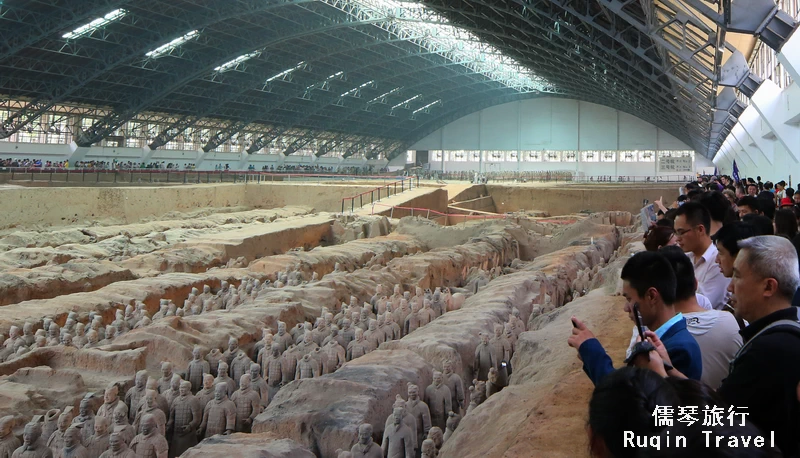
Pit No. 1 provides the famous first impression. However, the smaller pits help explain how the underground army was organized.
Afternoon – High-Speed Train to Chengdu
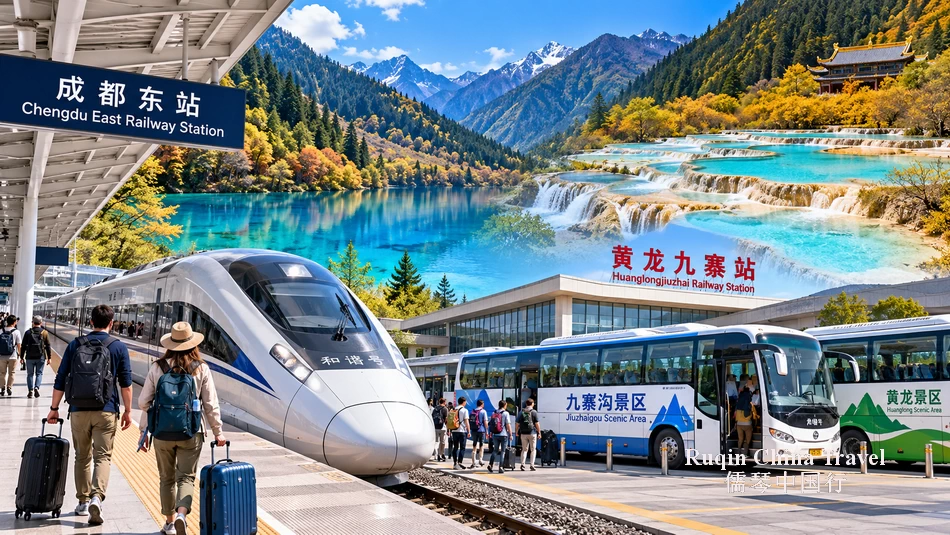
After lunch, return toward Xi’an and take a high-speed train to Chengdu. The journey generally takes around three to four hours, depending on the service.
Check into your Chengdu hotel after arrival. Keep the evening easy and have dinner nearby.
Day 7 – Pandas and the Slow Rhythm of Chengdu
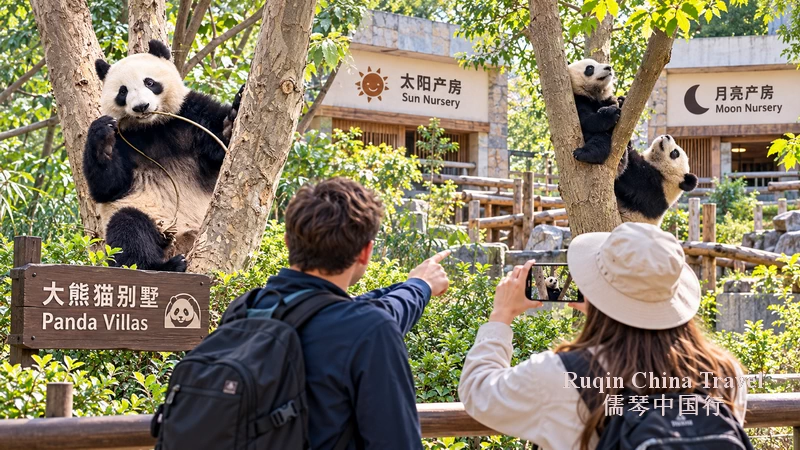
7:30–11:00 AM – Chengdu Research Base of Giant Panda Breeding
Visit the Chengdu Panda Base early. Pandas tend to be more active during the cooler morning hours.

Allow plenty of time for walking. The site is much larger than many first-time visitors expect.
Afternoon – People’s Park
Next, slow down at People’s Park. Find a teahouse, order tea, and simply watch Chengdu life unfold.

This slower afternoon is intentional. After Beijing and Xi’an, Chengdu gives the itinerary some breathing room.
Evening – Chengdu Food
Explore a local dining street or neighborhood in the evening. Hotpot is famous, but Chengdu offers much more than hotpot.
Try dan dan noodles, mapo tofu, dumplings, or other Sichuan dishes. Ask for less chili if you are sensitive to spicy food.
Day 8 – Chengdu to Chongqing
Morning – High-Speed Train
Take a morning high-speed train from Chengdu to Chongqing. Numerous services connect the two cities, and journey times vary by train and station.
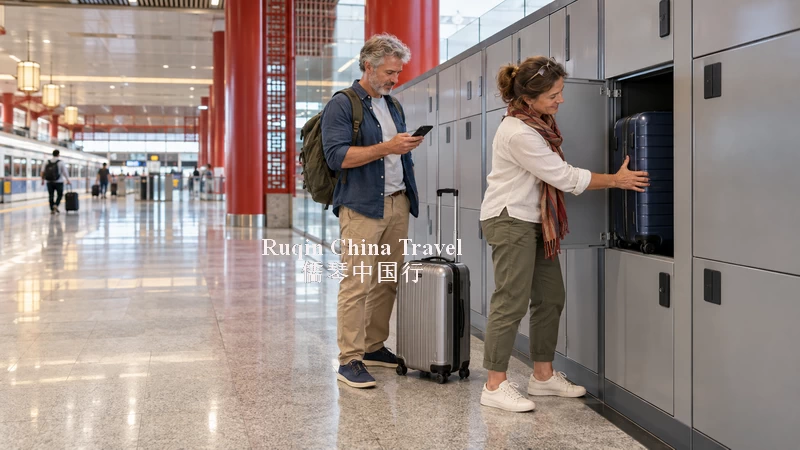
After arriving, leave your luggage at your hotel. Then begin exploring Chongqing.
Afternoon – Liziba and the Mountain City
Visit Liziba, where a metro train famously passes through a building. However, the real attraction is Chongqing’s unusual urban geography.

Visit Liziba, where a metro train famously passes through a building.
Roads, bridges, stairways, towers, and metro lines occupy different levels. A place that appears next door on a map may sit far above or below you.
Evening – Hongyadong and Chongqing Hotpot
Continue toward Hongyadong and the riverfront after dark. Chongqing becomes especially atmospheric when the lights come on.

Hongyadong and Chongqing Hotpot
Then finish with Chongqing hotpot. If you are new to it, choose a divided pot with both spicy and mild broth.
Day 9 – Wulong Karst Day Trip
Early Morning – Chongqing to Wulong
Leave early for Wulong Karst. This is a long sightseeing day, so arrange your transport carefully.
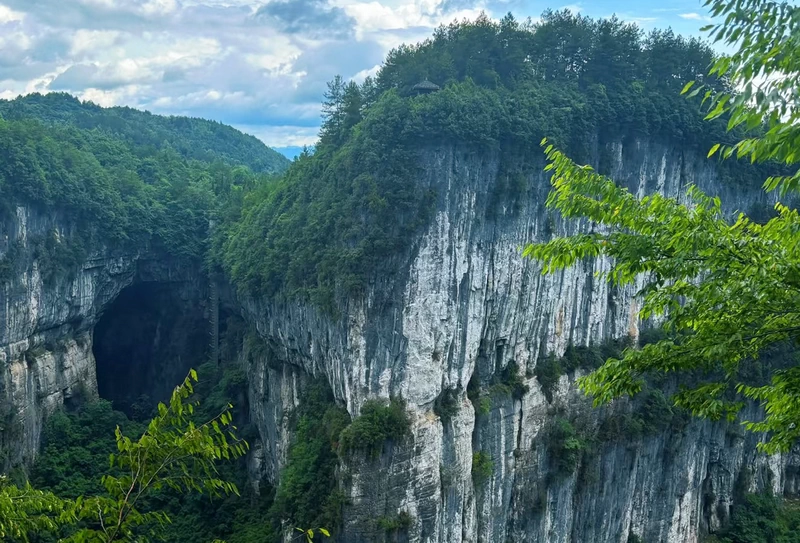
The journey takes you away from Chongqing’s dense urban landscape and into dramatic limestone country.
Late Morning and Afternoon – Three Natural Bridges
Spend most of your time around the Three Natural Bridges. Huge natural arches rise above deep ravines, forest, and walking paths.
The landscape feels very different from anything earlier in this itinerary. Wear good walking shoes because the route includes stairs and uneven surfaces.
Evening – Return to Chongqing
Return to Chongqing and keep the evening free. After a long excursion, I would not schedule another sightseeing stop.
Day 10 – Chongqing to Zhangjiajie
Morning – Travel to Zhangjiajie
Travel from Chongqing toward Zhangjiajie. Train connections and schedules can change, so choose the most practical service for your travel date.
This should primarily remain a transfer day. Do not build an ambitious sightseeing schedule around it.
Afternoon – Check In and Rest
For the national park, consider staying around Wulingyuan rather than central Zhangjiajie. It puts you closer to the main scenic area.
Walk around the neighborhood, have dinner, and prepare for an early start tomorrow.
Day 11 – Zhangjiajie National Forest Park
Morning – Enter Wulingyuan
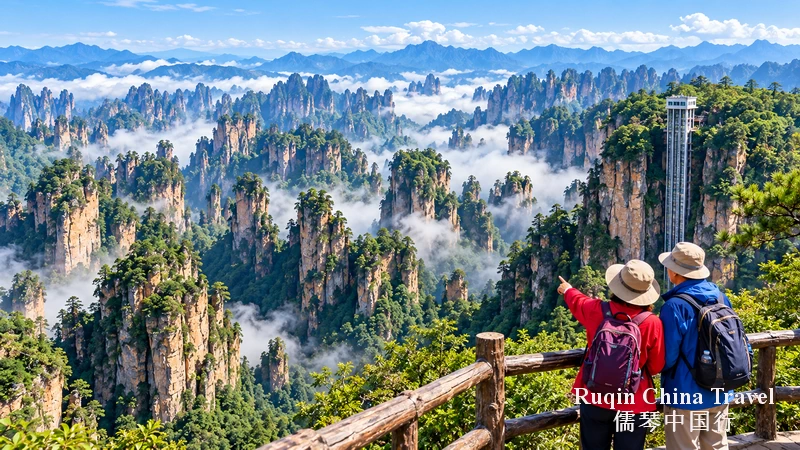
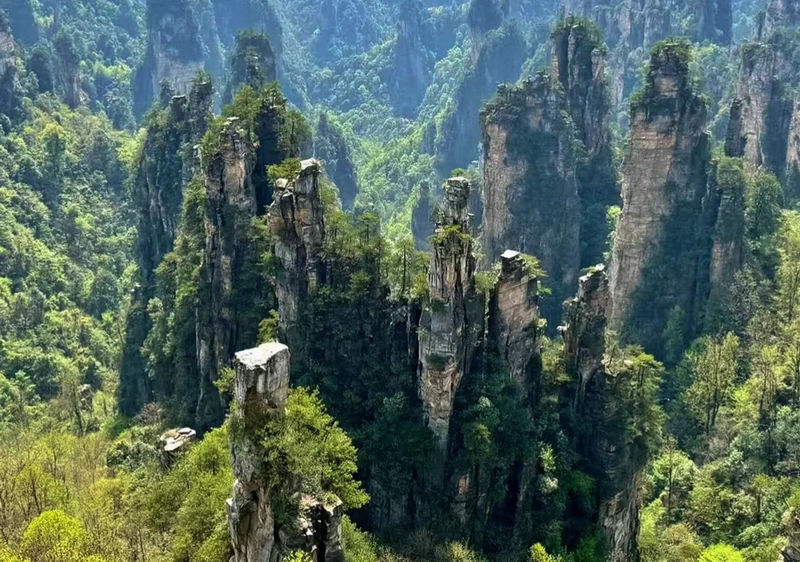
Start early at Zhangjiajie National Forest Park, part of the wider Wulingyuan Scenic Area. The sandstone pillars are the reason most travelers come here.
Use the park’s shuttle system strategically. Distances are substantial, and trying to walk everywhere wastes valuable time.
Midday – Yuanjiajie
Explore Yuanjiajie, known for dramatic viewpoints over thousands of sandstone peaks.
Weather changes the experience completely. Clear skies reveal immense depth, while mist gives the mountains an almost traditional Chinese painting quality.
Afternoon – More Mountain Views
Continue to another major scenic area according to weather and energy. Avoid turning the day into a race between viewpoints.
Finally, return to Wulingyuan before dark. Have an early dinner and rest.
Day 12 – Tianmen Mountain
Morning – Tianmen Mountain
Travel to central Zhangjiajie for Tianmen Mountain. Its cableway, cliffs, mountain roads, and Tianmen Cave make it quite different from Wulingyuan.
Allow most of the day. Mountain weather can also cause delays, so avoid building a tight evening schedule.
Afternoon – Tianmen Cave and Mountain Walkways
Follow the mountain circuit according to the operating route that day. You may encounter cliffside paths, glass walkways, escalators, and steep stairways.
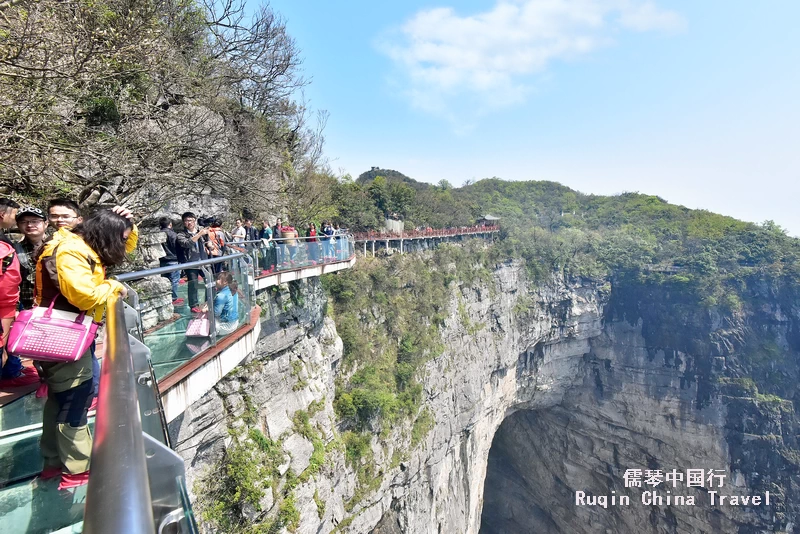
However, do not feel obliged to do every optional attraction. The mountain scenery itself is the main experience.
Evening – Zhangjiajie
Return to your hotel and have a relaxed evening. Tomorrow you leave the mountains for Shanghai.
Day 13 – Zhangjiajie to Shanghai
Morning – Free Time
Keep the morning flexible according to your flight schedule. Have breakfast slowly, pack, and leave enough time for the airport transfer.
If your flight leaves later, use the morning for a short local walk rather than another major mountain excursion.
Afternoon – Fly to Shanghai
Fly from Zhangjiajie to Shanghai. After arrival, transfer to your hotel and settle in.
For first-time visitors, I prefer staying near People’s Square, Nanjing Road, the Bund, or a convenient metro station.
Evening – First Walk on the Bund
If you still have energy, make your first visit to the Bund after dark. Across the Huangpu River, Pudong’s illuminated towers create one of China’s great city views.
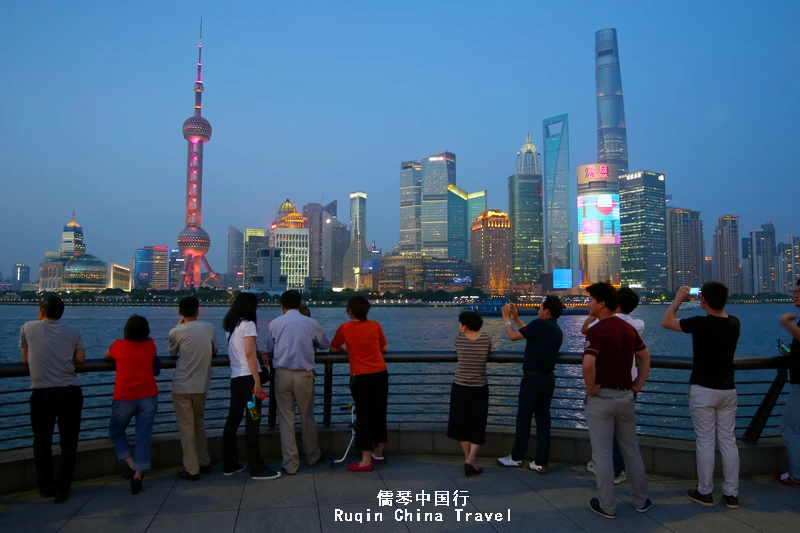
Do not try to explore all of Shanghai tonight. A simple waterfront walk is enough.
Day 14 – Classic Shanghai
8:30–11:00 AM – Yu Garden and Old City
Start at Yu Garden before the surrounding area becomes busiest. Inside, you will find rockeries, ponds, pavilions, corridors, and traditional garden design.
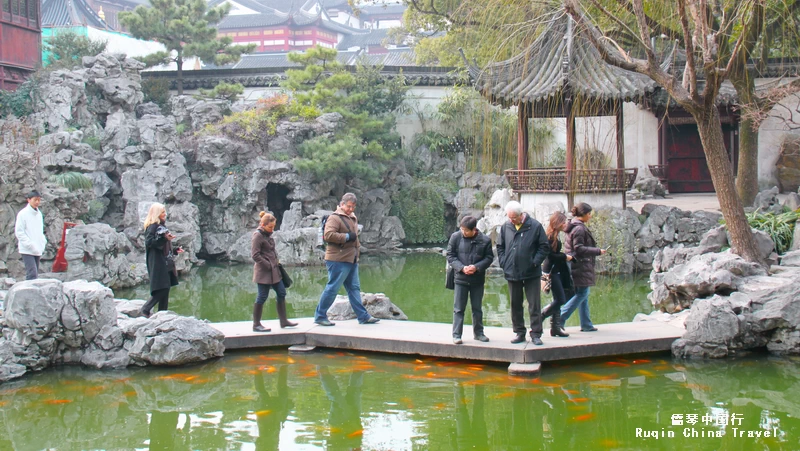
Then walk through the surrounding old-city streets. The contrast with modern Shanghai is immediate.
11:30 AM–1:00 PM – Lunch
Have lunch nearby. Xiaolongbao is the obvious Shanghai specialty, although many other local dishes deserve attention.
1:30–3:30 PM – People’s Square or Shanghai Museum
Continue toward People’s Square and visit a major museum according to current opening arrangements and your interests.

Museum visits work particularly well here. After two mountain days, the slower indoor pace is welcome.
4:00–6:00 PM – Nanjing Road and the Bund
Walk east along Nanjing Road toward the Bund. You will gradually move from Shanghai’s commercial center toward its historic waterfront.
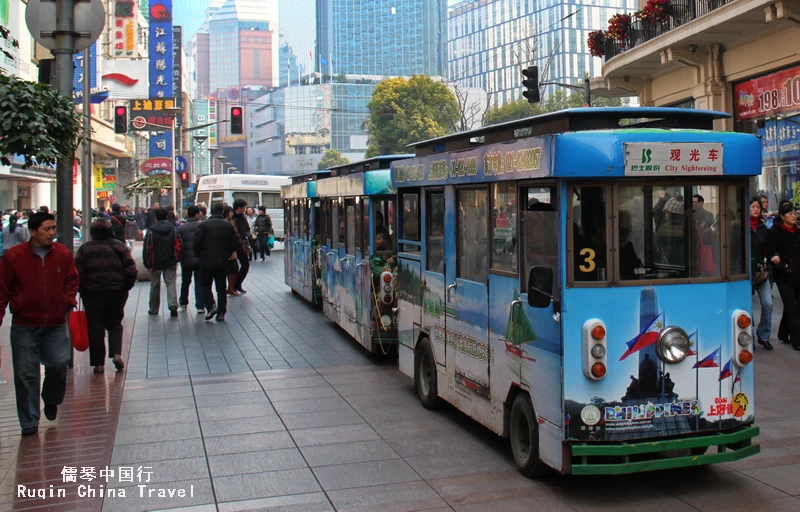
Stay through early evening if the weather is clear. The changing light gives you both daytime and nighttime views.
Day 15 – Shanghai Beyond the Skyline
Morning – Former French Concession
Spend the morning walking through parts of the Former French Concession. Tree-lined streets, old villas, cafés, and neighborhood shops reveal a quieter Shanghai.

Do not over-plan this part of the day. Shanghai rewards slow walking.
Midday – Local Lunch
Stop for lunch in the neighborhood. Then take a short break before crossing to Pudong.
Afternoon – Pudong
Cross the Huangpu River and explore Lujiazui. From here, you stand among the towers you viewed from the Bund.
If visibility is good, consider visiting one observation deck. However, on hazy days, I would save the money and enjoy the city from ground level.
Evening – Final Shanghai Dinner
Spend your final evening over a relaxed dinner. Alternatively, return to the Bund for one last walk along the river.
After fifteen days of temples, walls, pandas, mountains, trains, and city streets, Shanghai makes a fitting final chapter.
Day 16 – Shanghai and Departure
Morning – Free Time
Keep your final morning flexible. Depending on your flight time, shop, revisit a favorite neighborhood, or simply enjoy breakfast without rushing.
Avoid visiting an attraction far from your hotel. International departures already involve enough logistics.
Transfer to the Airport
Allow generous time for the journey to Shanghai Pudong International Airport or Hongqiao Airport. Check which airport appears on your ticket.
Then fly home, completing your 16-day journey across China.
Tickets / Transport / What to Bring
Long-Distance Transport
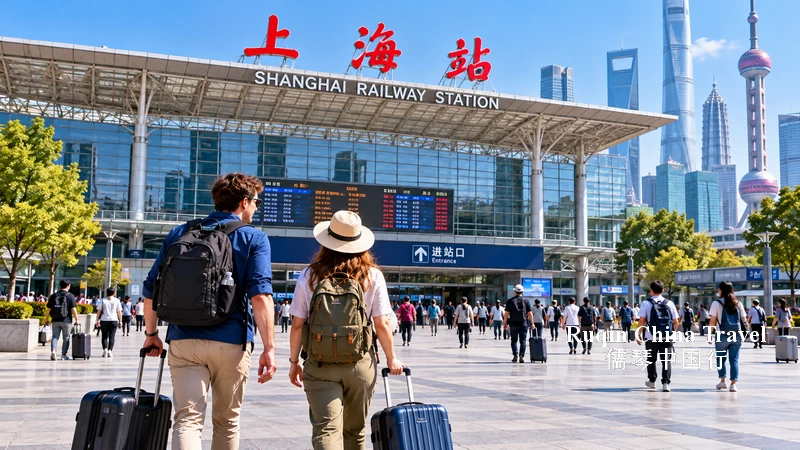
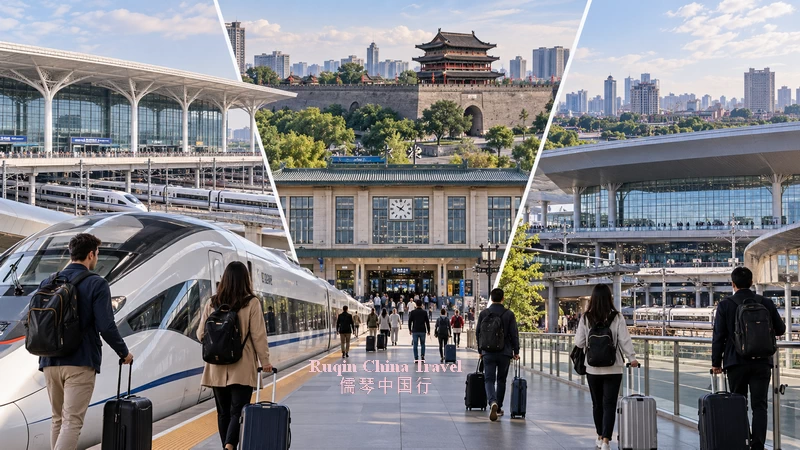
The route works well because most inland city transfers use China’s high-speed rail network:
Beijing → Xi’an: High-speed train
Xi’an → Chengdu: High-speed train
Chengdu → Chongqing: High-speed train
Chongqing → Zhangjiajie: Train, depending on the best current connection
Zhangjiajie → Shanghai: Flight
Book important trains as soon as tickets become available, especially around Chinese holidays. Also check actual schedules before locking hotels and connecting transport into place.
Attraction Tickets
Reserve major attractions ahead where required. This is especially important for the Forbidden City, Tiananmen Square, popular museums, and other capacity-controlled sites.
For Zhangjiajie, check which cableways, elevators, shuttle buses, and mountain routes are operating. Weather and maintenance sometimes affect access.
Where to Stay
In Beijing, stay near a central subway station in Dongcheng or another convenient central district. In Xi’an, staying inside or near the City Wall works well for first-time visitors.
In Chengdu, choose a central metro-connected area. In Chongqing, prioritize convenient metro access rather than judging distance from a map.
For Zhangjiajie, Wulingyuan is convenient for the national park. Finally, in Shanghai, the People’s Square–Nanjing Road–Bund area makes sightseeing straightforward.
What to Bring
- Comfortable walking shoes
- Lightweight daypack
- Passport
- Portable phone charger
- Refillable water bottle
- Sun protection
- Light rain jacket
- Layers for mountain areas
- Basic medicines
- Offline maps
- Mobile payment apps set up before arrival
Pack lighter than you think you need. You will change hotels several times, and luggage becomes tiring on train days.
Ruqin’s Trip Design Note & Practical Tips
I designed this itinerary around contrast rather than simply collecting attractions. Beijing and Xi’an establish China’s imperial story. Chengdu then slows the rhythm before Chongqing changes the mood completely.
Zhangjiajie provides the journey’s strongest natural contrast. Finally, Shanghai brings you back into urban China, but with a very different character from Beijing.
I would also keep Days 10 and 13 relatively light. They act as useful buffers around the most physically demanding part of the trip.
Most importantly, resist adding another city simply because 16 days sounds long. Six destinations already give this journey considerable depth. More stops would mean more packing, stations, airports, hotel changes, and less time actually experiencing China.
Why I Prefer Shanghai at the End
I think your revised itinerary is much stronger with three nights in Shanghai — Days 13, 14 and 15 — rather than treating Shanghai mainly as a departure point.
Shanghai deserves at least two full sightseeing days on a first trip. Day 14 covers the classic city — Yu Garden, old Shanghai, People’s Square, Nanjing Road, and the Bund. Day 15 then gives travelers a slower side of Shanghai through the Former French Concession before finishing among Pudong’s modern skyline.
This also creates a useful buffer before the international flight on Day 16. I would therefore remove the original idea of returning to Chongqing after Zhangjiajie. Flying Zhangjiajie → Shanghai keeps the route cleaner and gives the whole 16-day journey a much better ending.
Plan More of Your China Trip
This 16-day route gives you a broad introduction to China, but good planning makes each stop much easier. Use the guides below to plan your trains, payments, local transport, sightseeing, and other practical details before you travel.
- How to Buy Train Tickets in China Online as a Foreigner
- Best way to pay in China: info for tourists
- Mobile Apps for Travelers in China: A Practical Foreigner’s Guide
- Beijing Travel Guide
- Xi’an Travel Guide
- Chengdu Travel Guide
- Chongqing Travel Guide
- Zhangjiajie Travel Guide
- Shanghai Travel Guide
Questions About Planning Your China Tour
Still have questions about this route? You’re welcome to write to me.
If you need advice on timing, transport, tickets, or adjusting the itinerary, I’m happy to offer a practical suggestion based on my experience in China.
There’s no fee for a simple question. Just use the form below and tell me about your plans.
We respect your privacy. Your details will never be shared or used for marketing