
Written and updated by Ruqin
Last updated: March 15, 2026
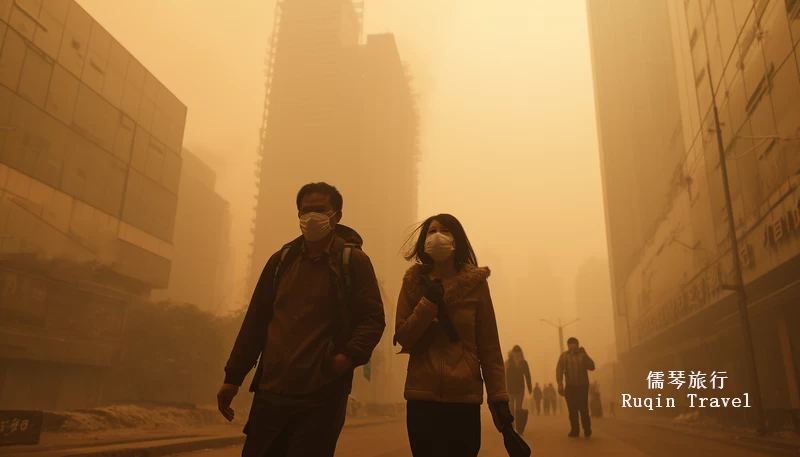
One spring morning in Beijing, I woke to a strange yellow glow outside my window. The sky looked dusty, the air felt dry, and within minutes I knew a sandstorm had rolled into the city. It’s one of those surprising parts of northern China travel that many visitors don’t expect.
That’s exactly why I put together these Top Tips for Sandstorm Season in Beijing — practical guidance I’ve learned from being on the ground here.
With a little preparation, sandstorms don’t have to disrupt your plans. Whether you’re heading to the Great Wall or exploring Beijing’s neighborhoods, the right tips will help you travel calmly and confidently.
Why Sandstorms Happen in Beijing
The first time I experienced a sandstorm in Beijing, the wind arrived before the sand. You could hear it pushing through the streets and rattling tree branches. Within an hour, the sky turned pale yellow and a thin layer of dust settled on cars, sidewalks, and window ledges. Moments like this help you understand that Beijing’s sandstorms aren’t random — they follow very specific geographic and seasonal patterns.
First, Beijing’s location plays a major role. The city sits on the northern edge of China’s populated plains, not far from the vast Gobi Desert. When strong northern winds sweep down from Mongolia, they can carry huge amounts of desert sand and dust directly toward the capital.
Next, spring weather creates ideal conditions. As winter fades, powerful winds from Mongolia and Siberia become more active. At the same time, northern China is still relatively dry before the summer rains arrive. That combination — strong wind and dry land — makes it much easier for sand and dust to lift into the atmosphere and travel long distances.
Human activity has also contributed over time. Overgrazing, deforestation, and land degradation in parts of northern China and Mongolia have increased desertification in some areas. With fewer plants and weaker soil structure, loose sand becomes easier for strong winds to pick up and transport.
In addition, reduced rainfall and periodic droughts in desert regions leave the soil even drier and more fragile. Climate shifts in recent decades have intensified these dry cycles, which can increase the likelihood of dust storms forming.
Finally, seasonality matters. In Beijing, sandstorms most often occur between March and May, when spring winds are strongest and the landscape has not yet turned green again.
The Sandstorm Season in Beijing
Over the years, I’ve noticed that Beijing’s sandstorms almost always arrive in early spring, when winter has just loosened its grip but the landscape in northern China is still dry. On some mornings the city wakes up under a pale, dusty sky, while other days feel completely normal. That unpredictability is part of traveling in Beijing during this time of year.
In general, the sandstorm season in Beijing runs from March to May. During these months, strong northern winds sweep down from Mongolia and desert regions like the Gobi, sometimes carrying dust and sand into the capital. Some years only see a few mild dust days, while other years experience several noticeable storms.
If you’re visiting Beijing during spring, the best habit is simple: check the weather forecast each morning. Local forecasts and air-quality updates usually warn of incoming dust or strong winds. This makes it easier to adjust your plans — especially if you’re planning a day trip to the Great Wall or other outdoor sites around Beijing.
The Frequency and Intensity of Sandstorms in Beijing
Over the years I’ve learned that sandstorms in Beijing are not a daily spring event, even though many travelers imagine the city constantly covered in dust. In reality, most days during spring are perfectly normal. Then suddenly, a strong northern wind arrives and the sky turns hazy for a few hours or a day.
Traditionally, sandstorms are most common between March and May, but their frequency and intensity change from year to year. Some springs bring only a few light dust days, while other years see several stronger storms. Weather patterns, rainfall in northern deserts, and long-term environmental changes all play a role in how active the season becomes.
Because of this variability, the most practical strategy is simply to stay flexible with your plans. Check the daily forecast and air-quality updates, especially if you’re planning outdoor activities. If a dusty day appears in the forecast, it may be better to explore museums, hutongs, or indoor attractions and save places like the Great Wall for clearer weather.
Practical Tips for the Sandstorm in Beijing
After guiding many travelers through Beijing in spring, I’ve found that sandstorms are rarely a major problem if you prepare calmly and stay flexible. Most storms pass quickly, and a few simple habits can make the experience far less stressful.
Before You Arrive
As your trip approaches, start checking Beijing’s weather forecast. Spring weather can change quickly, and forecasts often warn about strong winds or dust days in advance. This is especially useful if you’re planning outdoor visits like the Great Wall.
It’s also wise to pack a few practical items. A light face mask, sunglasses, and a hat can make a big difference on windy days. I also recommend bringing lightweight long-sleeved clothing to protect your skin from dust and dry wind.
During Your Stay
While you’re in Beijing, keep an eye on daily weather updates. Hotel front desks often know when dusty conditions are expected, and air-quality apps can help you plan your day.
If a sandstorm arrives, simply shift your plans indoors. Beijing has excellent museums, historic courtyards, tea houses, and large shopping centers that are comfortable places to spend a few hours. Save outdoor landmarks for the next clear day.
If you do step outside during dusty weather, wear a mask and sunglasses, and drink plenty of water. Spring winds can make the air surprisingly dry.
After a Sandstorm
Once the winds pass, Beijing usually clears up quickly. It’s a good idea to shower and change clothes if you’ve been out in the dust, then check the forecast again before heading to outdoor attractions.
In short, sandstorms are simply part of Beijing’s spring season. With a little preparation and flexibility, they rarely interfere with a well-planned trip.
Spring sandstorms are simply part of Beijing’s natural rhythm. With a little preparation and by checking daily weather updates, most travelers navigate the season without difficulty.
In fact, many beautiful spring days sit between those windy ones. Stay flexible with your plans, and you’ll still have plenty of time to walk the Great Wall, wander Beijing’s historic hutongs, and explore its remarkable cultural sites.
A bit of awareness goes a long way. Travel prepared, stay informed, and you’ll experience Beijing with confidence — even during sandstorm season.
About the Author
Ruqin is the founder of Ruqintravel.com and has spent more than four decades working in China’s travel industry. Drawing on hands-on experience in cities like Beijing and Hangzhou, he personally researches and updates each guide to help international travelers navigate China with confidence.
Further Reading
Beijing in March: Wear, Weather, What to See & Travel Tips
Beijing in April: Wear, Weather, What to See & Travel Tips
Beijing in May: Wear, Weather, What to See and Travel Tips