
Tour Summary
Some days in Beijing are about scale — palaces, walls, wide avenues.
This one is about stillness and attention.
On this cultural immersion day, you won’t rush between monuments. Instead, you’ll sit at a wooden table with ink and brush, move slowly through a Tai Chi sequence, and learn how to brew tea with intention. These are not performances. They are living practices that many Chinese people still value quietly.
If you want to feel culture rather than just observe it, this is the day I usually recommend.
Route: Calligraphy Workshop → Tai Chi Session → Traditional Lunch → Tea Ceremony Experience
Duration: 6–7 hours
Best For: Culturally curious travelers, couples, solo visitors, small private groups
Travel Style: Hands-on learning + reflective pace
Pace: Calm and Focused
Who This Day Is Perfect For
- Visitors who want meaningful participation, not just sightseeing
- Travelers interested in philosophy and traditional arts
- Those staying several days in Beijing
- Anyone needing a slower cultural day between busy tours
Consider Another Route If
- You prefer fast-paced city exploration
- You’re traveling with very young children
- You have only one day in Beijing
Why This Route Works
The day is built around rhythm.
You begin seated and focused — brush in hand. Then you stand and move, letting the body wake up through Tai Chi. After lunch, you return to stillness again through tea.
It moves between mind and body, effort and ease.
There’s space to ask questions, to make mistakes, and to try again. That’s part of the experience.
Transport Strategy (Macro Logic)
- Ideally, workshops are arranged within central Beijing to minimize transfers.
- Tai Chi may be held indoors or in a quiet courtyard depending on weather.
- A private vehicle keeps the day relaxed, but the schedule is flexible.
- Sessions should be arranged in advance with experienced instructors.
Tour Itinerary
You begin seated and focused — brush in hand. Then you stand and move, letting the body wake up through Tai Chi. After lunch, you return to stillness again through tea.
It moves between mind and body, effort and ease. There’s space to ask questions, to make mistakes, and to try again. That’s part of the experience.
- Ideally, workshops are arranged within central Beijing to minimize transfers.
- Tai Chi may be held indoors or in a quiet courtyard depending on weather.
- A private vehicle keeps the day relaxed, but the schedule is flexible.
- Sessions should be arranged in advance with experienced instructors.
Morning
Calligraphy Workshop
Begin around 8:30 AM in a quiet studio space.
Chinese calligraphy is more than handwriting — it reflects discipline, balance, and breath control. Before you begin, your instructor will explain:
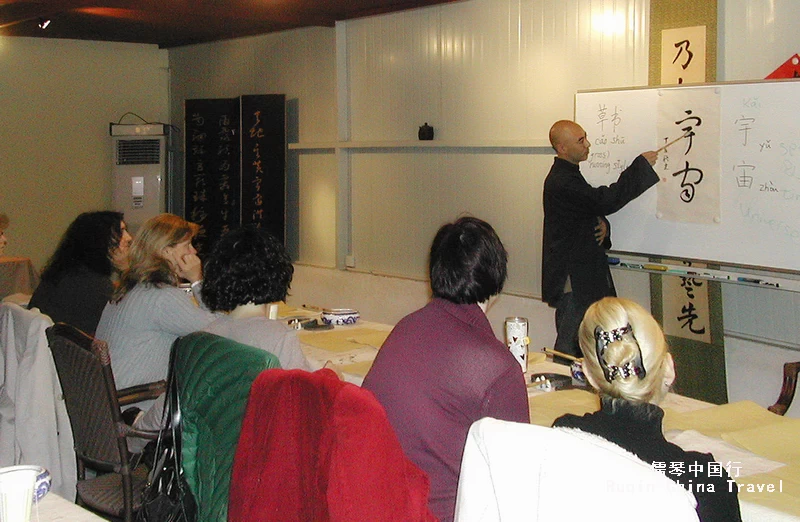
Learning calligraphy
- How to hold the brush
- Basic stroke order
- The structure of simple characters
You’ll practice foundational strokes first. Ink may bleed. Lines may wobble. That’s completely normal.
What matters here is focus.
The feeling of brush on rice paper is surprisingly meditative. By the end of the session, you’ll likely have a character or short phrase to take home.
Allow about 1.5–2 hours.
Mid-Morning
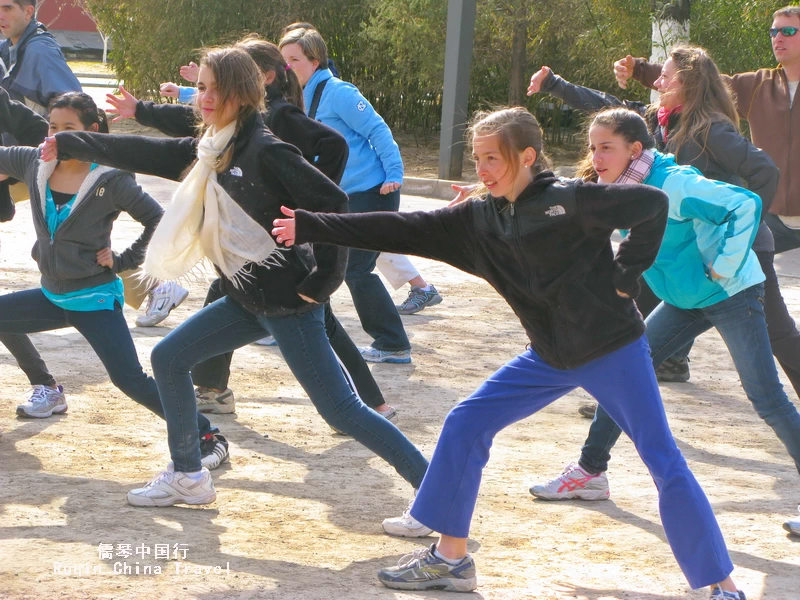
Tai Chi Session
Around 10:30 AM, transition into movement.
An experienced instructor will guide you through basic Tai Chi forms — slow, controlled, continuous.
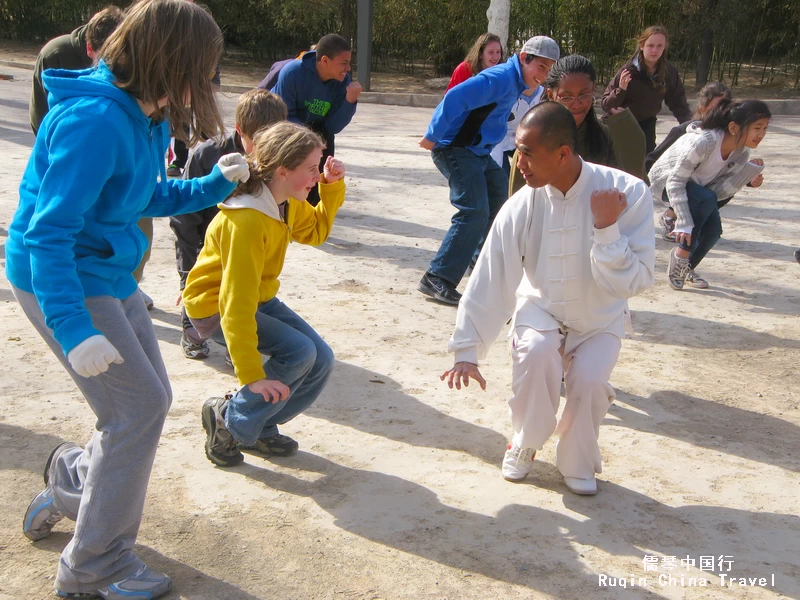
Participate in a Tai Chi session
You’ll learn:
- How breathing connects to motion
- Why weight shifting matters
- How balance reflects internal focus
Tai Chi is often misunderstood as simply “slow exercise.” In reality, it trains awareness.
You don’t need coordination or athletic ability. You just need patience.
Allow about 60–90 minutes.
Noon
Traditional Lunch
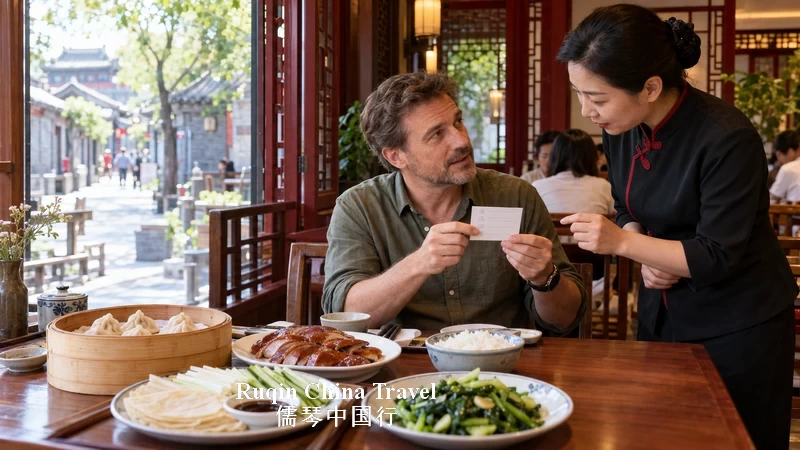
Around 12:00 PM, enjoy a relaxed lunch nearby.
Choose simple, well-prepared dishes:
- Seasonal vegetables
- Light stir-fries
- Rice or noodles
- Tea instead of sugary drinks
The idea is to maintain the calm rhythm of the day — not rush through a heavy meal.
Afternoon
Tea Ceremony Experience
Around 1:30 PM, settle into a tea space for the final session.
Tea in China is not simply a drink. It reflects respect, timing, and subtlety.
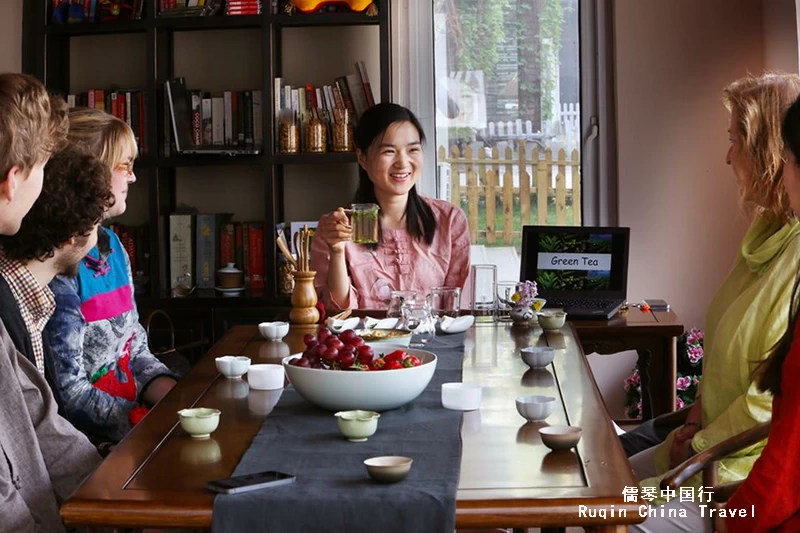
Explore the art of the tea ceremony
A tea master will introduce:
- Different types of Chinese tea
- Proper brewing temperature and timing
- How to pour and serve
- The etiquette of tea sharing
You’ll taste several varieties slowly, noticing aroma and texture rather than just flavor.
This part of the day tends to quiet people naturally.
Allow about 1–1.5 hours.
Around 3:00–3:30 PM
Return to your hotel.
You’ll likely feel both mentally clear and physically relaxed — which is exactly the intention.
Practical Notes from Me
- Wear comfortable clothing with sleeves that won’t drag through ink.
- Tai Chi movements are gentle but require flat shoes.
- Avoid strong perfume before the tea session — aroma matters.
- This day pairs beautifully with a hutong walk or temple visit on another date.
Cultural immersion isn’t about mastering a skill in a few hours.
It’s about touching something real — even briefly — and carrying that feeling with you long after you leave Beijing.
Further Reading
The Art of Chinese Calligraphy – A Foreigner’s Guide
Tai Chi – A Foreigner’s Guide
Traditional Chinese Tea Ceremony – A Foreigner’s Guide
Questions About Planning Your Trip to China
If you still have questions after reading the guides, you’re very welcome to write to me.
I’ve helped many travelers think through routes, train connections, timing between cities, and the small details that make a trip smoother. If something feels unclear — or you’d simply like a second opinion — I’m happy to help.
Just use the short form below and tell me a little about your plan.
There’s no fee for a simple question. No pressure — just a practical reply based on real experience here in China.
If I’m traveling, replies may take a little time. Thank you for your patience.
We respect your privacy. Your details will never be shared or used for marketing.