
Written and updated by Ruqin
Last updated: May 23, 2026
China draws you in with its layers—ancient streets, fast trains, quiet tea houses. But before any of that begins, there’s a practical moment every traveler faces: the customs checkpoint. China customs regulations often look more complicated than they actually are.
From where I stand here, the confusion usually comes from not knowing what really matters. So I’ll walk you through the essentials—what to declare, what to avoid, and how to move through customs without stress or second-guessing.
1. Understanding China Customs Regulations
The moment you land, everything funnels into one quiet checkpoint—that’s where China customs regulations actually start to matter. I’ve seen travelers hesitate here, unsure if something in their bag might cause trouble. In reality, most issues come from not knowing how the system works, not from what you’re carrying.
China customs regulations are managed by the General Administration of Customs of the People’s Republic of China. The rules focus on safety, health, and controlled goods. Once you understand that, it becomes simple: declare honestly, avoid restricted items, and you’ll move through smoothly without stress.
2. Key Customs Rules for Foreigners
This is where most travelers second-guess themselves—standing at the “Nothing to Declare” lane, wondering if they missed something. Under China customs regulations, the rule is simple: everyday personal items are fine, but anything in large quantity or with clear value should be declared. One laptop or camera? No issue. Several new ones in boxes? That’s when questions start.
Cash is another point people often overlook. You can bring up to 20,000 RMB or the equivalent in foreign currency without declaring it. Above that, you must declare. In my experience, being upfront is always smoother—China customs regulations reward clarity, not guesswork.
3. Prohibited and Restricted Items
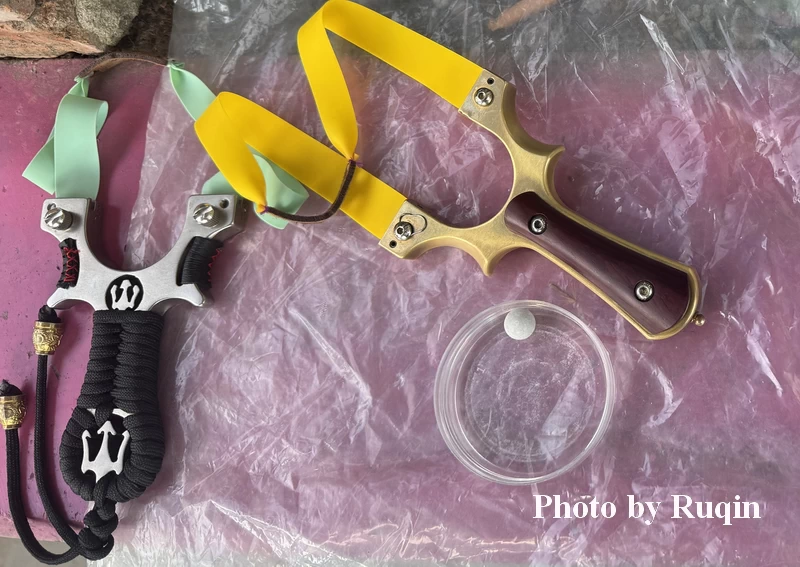
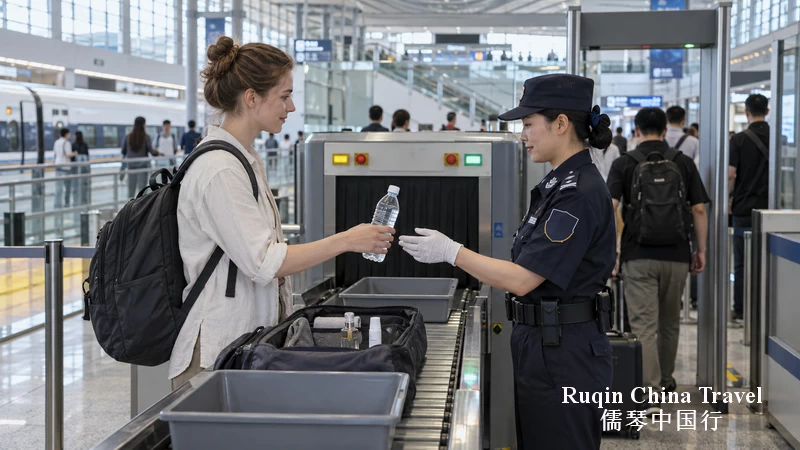
This is the part where travelers get nervous—but it’s actually very clear once you know the boundaries. China customs regulations draw a firm line around safety and legality. Weapons, drugs, explosives—these are strictly prohibited, no exceptions. Some medications can also be sensitive, especially anything with controlled or psychotropic ingredients, so it’s worth checking before you fly.
There are also quieter risks people don’t think about—items like endangered animal products, counterfeit goods, or certain printed materials. From what I see here, problems usually come from assumptions. When in doubt, check ahead. China customs regulations are strict on these points, and it’s not something you want to figure out at the airport.
4. Duty-Free Allowances
This is usually the easiest part—but only if you keep it simple. Under China customs regulations, travelers can bring in small amounts of certain items duty-free, as long as they clearly fall within personal use. I often tell people: if it looks like shopping, it might be taxed; if it looks like travel use, you’re fine.
- 200 cigarettes or 25 cigars or 250 grams of tobacco.
- 1 liter of alcoholic beverages (with alcohol content above 12%).
- A reasonable amount of perfume.
- Personal use items within reasonable quantities.
It’s important to note that these allowances are per person and cannot be combined. Additionally, if you exceed these limits, you may be required to pay customs duties.
5. Customs Declaration Process
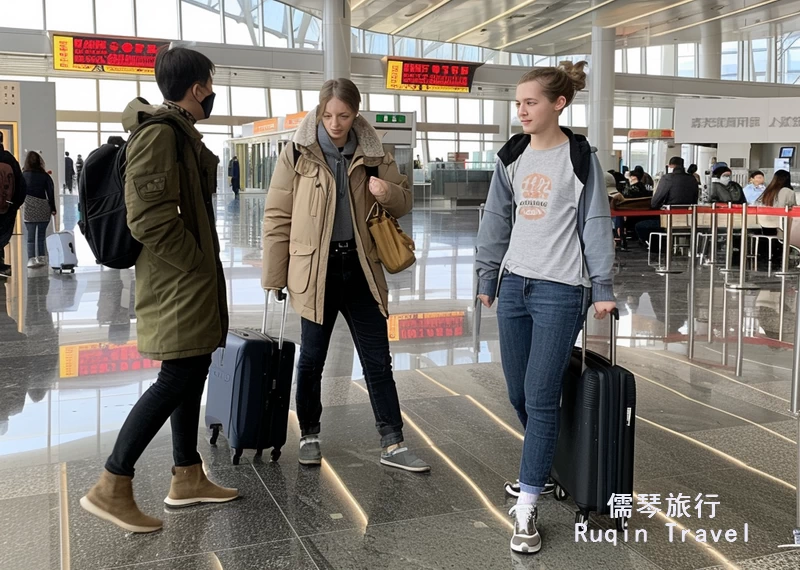
After a long flight, this is the moment where things either feel smooth—or suddenly confusing. The China customs regulations process is actually quite structured. If you’re carrying anything that needs declaration, you’ll fill out a form—sometimes handed out on the plane, sometimes available in the arrival hall. Then you simply present it to the officer at the counter.
At the airport, just follow the signs: Green Channel means nothing to declare; Red Channel means you do. I always suggest choosing clarity over speed. Under China customs regulations, being honest makes everything quicker, while hesitation or hiding things is what usually causes delays.
6. Special Considerations for Travelers
China’s customs regulations also include specific rules for certain groups of travelers. For example, diplomatic personnel, government officials, and those on official duty may have different allowances and exemptions. If you fall into one of these categories, consult with your organization or embassy for specific guidelines.
Additionally, tourists should be aware of the regulations surrounding the import and export of cultural relics. China has stringent laws protecting its cultural heritage, and exporting items considered cultural relics without proper authorization is illegal. Always verify the legality of such items before purchasing or attempting to export them.
7. Customs Clearance for Personal Goods
When it comes to personal goods, China allows tourists to bring in items for personal use without facing significant restrictions. However, there are a few things to keep in mind. Firstly, the quantity of these items should be reasonable and for personal use only. For example, bringing in multiple cameras or smartphones may raise suspicion and require further clarification.
Secondly, if you’re planning to bring in valuable items, such as jewelry or electronic devices, consider carrying receipts or proof of purchase. This documentation can be helpful if customs officers question the value or origin of the items. Furthermore, items like drones may require special permits or registration with local authorities, so check the regulations before traveling.
8. Import and Export Regulations
Import and export regulations in China extend beyond personal belongings. If you’re planning to bring in commercial goods, whether for business or personal use, you must adhere to strict rules. This includes obtaining the necessary licenses and permits, paying customs duties, and following specific import procedures.
For tourists, this is usually not a concern, but it’s essential for those considering relocating to China or conducting business. Additionally, China has agreements with several countries regarding duty-free trade, so check if your country is part of such an agreement.
9. Customs Taxes and Fees
China imposes taxes and fees on certain imported goods. These charges depend on the type and value of the items. For instance, luxury items, such as high-end electronics, watches, and designer goods, may incur higher taxes. It’s advisable to research the tax rates for specific items beforehand to avoid surprises.
Moreover, if you’re purchasing goods in China to take back home, be aware of the export regulations. Some items, like antiques or cultural relics, may require special permits or documentation. Failure to comply with these regulations can result in confiscation or legal issues.
10. Tips for a Smooth Customs Experience
By the time you reach customs, you’re tired, maybe a little disoriented—and that’s exactly when small mistakes happen. From what I see every day, the smoothest arrivals come down to simple preparation. Keep your passport, visa, and any supporting documents easy to reach. If something might need explaining—cash, new electronics, gifts—decide in advance whether to declare it.
More importantly, don’t overthink it. China customs regulations are consistent: be honest, stay within reasonable limits, and avoid packing unnecessary items. When you’re unsure, ask or check ahead—it’s always easier than fixing a problem at the airport.
If there’s one thing I’ve learned from watching countless arrivals, it’s this: China customs regulations are far less intimidating once you understand the rhythm. It’s not about memorizing every rule—it’s about knowing what matters, staying transparent, and preparing just a little before you land.
Everything in this guide comes down to that mindset. Declare when needed, keep within reasonable limits, and avoid assumptions. China customs regulations are designed to be clear if you meet them halfway. Do that, and you’ll step out of the airport focused on your journey—not paperwork.
About the Author
Ruqin is the founder of Ruqintravel.com and has spent more than four decades working in China’s travel industry. Drawing on hands-on experience in cities like Beijing and Hangzhou, he personally researches and updates each guide to help international travelers navigate China with confidence
Further Reading
Arriving at Beijing Airport: Arrival Card and Visa-Free Transit Guide
How to Access the Internet in China: VPNs, SIMs, Wi-Fi & Firewall
Essential Mandarin Phrases for Travelers in China
How to Use Alipay or WeChat Pay in China: A Travel Guide
Chinese Laws and Regulations: A Foreigner’s Guide
How to Spot Fake Chinese Money: Simple Tips for Tourists
Food and Dining in China – A Foreigner’s Guide – Ruqin China Travel
Plugs, Sockets, Adaptors & Voltage in China
Currency and Money Exchange in China – A Foreigner’s Guide – Ruqin China Travel