
Shopping Scams in China are like hidden traps in a marketplace full of wonder. You’ll see shimmering silk, smell fresh tea leaves, and run your hands over smooth porcelain. It all feels magical—until someone tries to charge you triple for a fake.
I’ve lived in China for years, and trust me, I’ve fallen for more than one trick. Now, I’m here to share my real stories and tips—so you can shop smart and still enjoy every second.
Quick Guide to the Top 8 Shopping Scams in China
- Price Tricks – Inflated prices or different quotes based on your appearance.
- Weighing Scams – Quoting by gram, selling by jin (500g), or mixing up units.
- Fakes Everywhere – Fake antiques, knockoff brands, and low-grade jade.
- Forced Sales – “Gifts” that turn into pressure to buy—guilt tactics included.
- Fake Tax Refunds – Scam refund counters with huge service fees.
- Payment Switch – QR code swaps or sneaky double charges.
- Tour Group Stops – Overpriced goods and aggressive selling at tour-designated shops.
- “Free” Traps – Free tea, calligraphy, or fortune telling that ends in a bill.
Common Shopping Scams in China & How to Outsmart Them
Shopping in China can feel like an adventure—but sometimes, it’s more like walking through a minefield. From fake discounts to sneaky pricing tricks, it’s easy to get ripped off if you’re not prepared. But don’t worry—I’ve got your back.
Scam #1: The Guilt-Trip Sales Scam
One of the sneakiest hard-sell tourist scams I ever ran into was in Suzhou on charming Pingjiang Road.
An elderly woman gently placed a silk fan into my hands. “It’s a gift,” she said, smiling. “No charge.” I admired the stitching. It was delicate, beautiful.
Then came the story—she hand-stitched it herself, spent days making it, and life had been hard. Finally, she whispered, “Just give me 300 yuan to cover the materials.”
Suddenly, people were watching. I felt trapped. I gave in.
This trick works because it feels too awkward to say no. They use kids, seniors, or even compliments to lower your guard.
Now, I don’t accept “free gifts.” I keep my hands behind my back. I say a firm “No, thank you,” and walk away fast.
Don’t feel rude—just stay free.
Scam #2: The Tour Group Shopping Trap
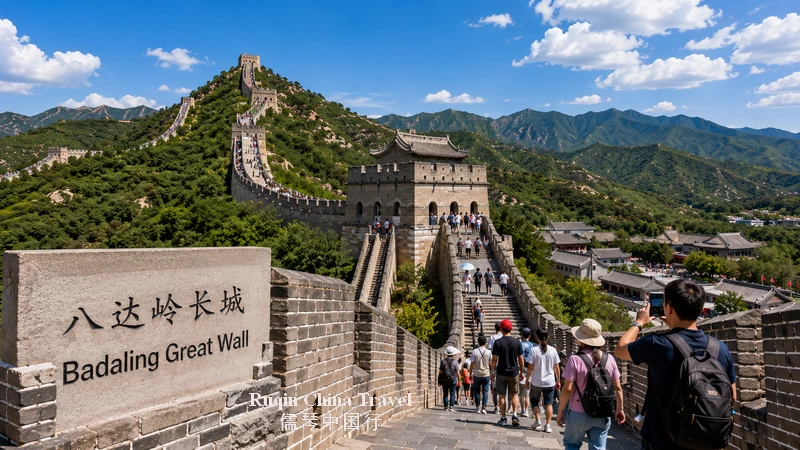
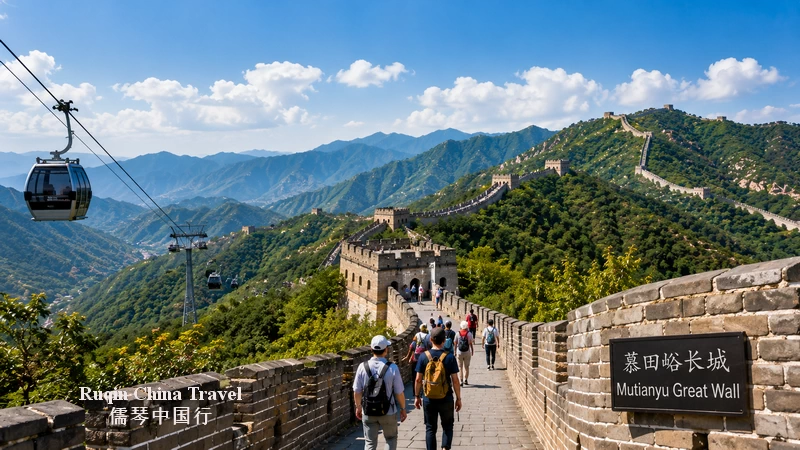
One of the most common scams in China hides inside cheap day tours. I learned this the hard way on a Great Wall day trip.
Everything started off great—until we made an “extra stop” at a so-called jade museum. A guide gave a fancy intro, then led us into a small private room. Out came the “director,” who whispered, “You’re lucky—this jade bracelet is worth 100,000 yuan, but today, just 10,000 for someone with fate.”
Several people from my group actually bought it. Later, an expert said it was barely worth 1,000.
Now, I avoid any tour with surprise shopping stops. I pick “no-shopping” tours only. I keep my wallet light and my phone handy—to check prices and keep my cool.
Scam #3: The “Foreign Price” Game
One of the top shopping scams in China is what I call the “foreigner price.” And yep, I’ve lived it.
A few years ago, I was browsing a souvenir shop in Beijing’s Dashilan Street. A beautiful cloisonné vase caught my eye. The shopkeeper smiled and said, “3,800 yuan.” I hesitated. Just then, a local couple walked in and asked about the same vase. Without skipping a beat, the seller told them, “Special price for you—1,200.”
I just stood there. Same vase. Triple the price—just because I’m not from here.
This scam shows up a lot in tourist markets, small shops near attractions, or any store without price tags.
To avoid it:
- Do your homework—check prices on Taobao or JD.com first.
- Bring a Chinese friend, if possible. Let them ask first.
- Start bargaining at one-third of the asking price—and don’t be afraid to walk away.
- Stick to stores with clearly marked prices like malls or chain stores.
Pro tip: Watch what locals pay. If you see a lower price, say, “I saw someone get it for that amount.” It works.
Scam #4: The “Per Gram” Price Trick
This one nearly wiped out my travel budget in a single afternoon. And it’s one of the top common shopping scams in China.
I was in a cozy tea shop in Yunnan, sipping samples of Pu’er tea. The owner was friendly—too friendly. I asked how much the tea cost. “80 yuan,” he said. Sounded fair, so I asked for half a jin (about 250 grams).
Then came the bill: 2,400 yuan. I nearly choked. Turns out, the price was per gram, not per jin. That tea suddenly felt very bitter.
Next time, I asked exactly: “How much per jin?” And I made them write down the unit price and total on paper.
If it’s sold by weight—tea, herbs, jade—double-check. Always do the math first. Or get scammed fast.
Scam #5: “Ancient” Antiques and Fake Jade
This shopping trap in China almost got me good. I was wandering through Xi’an’s Muslim Quarter when a vendor pulled me aside. With a hushed voice, he showed me a “Han dynasty coin.”
“It was just dug up from a construction site,” he whispered. “Last one. For you, only $500.”
I was intrigued—until ten minutes later. At a nearby stall, I saw the same exact coin. Not one, but a pile of them, each selling for 10 yuan.
Here’s the thing:
Real antiques don’t show up on tourist streets. And if they do, they’re not cheap.
Same goes for jade. Glass or marble often pretends to be the real thing. If it’s pricey, ask for a certificate. If it’s “luxury,” it won’t be on sale at a night market.
Bottom line? If you’re not an expert, don’t shop for “antiques.” Just enjoy them as souvenirs, not investments.
Scam #6: The Fake Tax Refund Scam
One of the more official-looking shopping scams in China fooled me in Shanghai.
While browsing a mall, a “staff member” kindly pulled me aside. “You’re eligible for a tax refund,” she said, then led me to a tiny counter tucked in the corner. They handed me forms and charged a 15% service fee.
Later, I learned the truth: the real refund counter is mainly at the airport, and fees are usually 3%—not 15%. I’d been played.
If you’re shopping over 500 RMB in one store, ask for the official tax refund form. Fill it out clearly with your passport info. Then, at the airport, get a customs stamp and collect your refund—in cash or on your card.
Be careful with tax refund booths in malls. Only big, reputable malls offer legit tax refunds.
Scam #7: The QR Code Payment Trap
One of the sneakier shopping scams in China I ran into happened in Chengdu’s Jinli market.
I bought a souvenir for 150 yuan and scanned the shop’s QR code. My phone showed “Payment Successful.” But then the seller said, “It didn’t go through. Try again.”
I checked. It clearly said paid. Still, he insisted—and even someone nearby backed him up. Not wanting drama, I paid again. Later, my bank statement showed I’d paid twice.
These payment scams come in different forms:
- Switched QR codes.
- Fake payment screens.
- Claims of “no payment received.”
- Sketchy currency conversions when using foreign cards.
Now, I always double-check the shop name on the payment screen. I screenshot everything. I never hand my phone to anyone. If something feels off, I walk away.
Scam #8: The Too-Good-to-Be-True Freebie Scam
This might be the friendliest-feeling shopping scam in China—but it still stings.
While visiting Longjing Village in Hangzhou, a smiling tea farmer waved me over. “Come in, have some tea! Free!” he said. I sat down. We chatted. He poured me cup after cup, explaining tea leaves, roasting methods, family traditions…
Then came the pitch. “This tea is hand-roasted by me. You can’t find it anywhere else. Take some home—as a friend!” One can of tea: 800 yuan. At that point, saying no felt rude.
Now, I’m careful with anything labeled “free.” Tea tastings, calligraphy, fortune readings—it all ends in pressure to buy.
So I ask right away, “Is this free, or will there be a cost later?” If they dodge the question, I politely walk out.
What to Say: Handy Phrases for Shopping in China
Talking About Price 价格相关
- “How much is this?”
“多少钱?” (Duōshǎo qián?) - “How much per jin / each?”
“多少钱一斤/一个?” (Duōshǎo qián yì jīn / yí gè?) - “That’s too expensive.”
“太贵了。” (Tài guì le.) - “Can you go lower?”
“便宜点可以吗?” (Piányi diǎn kěyǐ ma?) - “What’s your best price?”
“最低多少钱?” (Zuì dī duōshǎo qián?)
Payment & Receipts 支付与凭证
- “Can I pay with a QR code?”
“可以扫码支付吗?” (Kěyǐ sǎomǎ zhīfù ma?) - “Can I get a receipt?”
“请给我发票/收据。” (Qǐng gěi wǒ fāpiào / shōujù.) - “Looks like I paid—can you check?”
“支付成功了,您看一下。” (Zhīfù chénggōng le, nín kàn yīxià.)
How to Say No 拒绝与脱身
- “No thanks, I’m good.”
“不用了,谢谢。” (Búyòng le, xièxie.) - “I’m just looking.”
“我只是看看。” (Wǒ zhǐshì kànkan.) - “I’ll think about it.”
“我再考虑一下。” (Wǒ zài kǎolǜ yīxià.) - “I don’t need this.”
“我不需要这个。” (Wǒ bù xūyào zhège.)
Quality & Returns 质量与售后
- “Is there a warranty?”
“有质量保证吗?” (Yǒu zhìliàng bǎozhèng ma?) - “Can I return or exchange it if it breaks?”
“如果坏了可以退换吗?” (Rúguǒ huài le kěyǐ tuìhuàn ma?) - “Is this real?” (Use gently—it can sound offensive.)
“这是真的吗?” (Zhè shì zhēn de ma?)
Shopping in China: Quick Q&A for Travelers
Q1: Should I use cash or mobile payment in China?
Use mobile payment first—WeChat Pay or Alipay are accepted almost everywhere. Always use your own phone to scan and pay. Keep 500–1000 RMB in cash just in case for small stalls or emergencies.
Q2: Do I need to bargain? Where can I haggle?
Yes, bargaining is expected at markets, street stalls, and tourist shops. Start at one-third of the asking price. No bargaining at malls, chain stores, or supermarkets—those are fixed-price.
Q3: How can I tell if something is real or fake?
Honestly, it’s hard unless you’re an expert. Best move? Buy from official stores, ask for receipts, and make sure big purchases come with warranty cards.
Q4: Any tips for buying pricey stuff like jade or jewelry?
Yep—buy from mall counters or brand stores, ask for certificates from trusted labs, and make sure the receipt lists the material, weight, and item details. Be skeptical of “limited-time sales.”
Q5: What if I bought something fake?
Keep every receipt. Try to resolve it with the seller first. If that fails, call:
- 12315 – Consumer complaint hotline
- 12301 – For tourist areas
- Local market bureau to report scams
Q6: Can I really get a tax refund? Is it worth it?
Yes! You can get 5%–13% back depending on what you buy. Process isn’t hard but takes time. Steps:
- Get a tax refund form when you shop
- Stamp it at customs before departure
- Collect your refund at the airport
Plan at least 1 hour for the process.
Q7: What if the shop refuses to give me a receipt?
That’s illegal. You can:
- Insist on a receipt
- Say you’ll report it
- Call the tax hotline: 12366
No receipt? Be cautious—you may lose out on returns or warranties.
Q8: How do I avoid tourist traps at scenic spots?
- Don’t buy expensive items inside tourist areas
- Always compare prices at multiple shops
- Buy local snacks and souvenirs at supermarkets
- Be polite but firm if sellers push too hard
- Don’t buy from the first shop you see
Q9: What if I don’t speak Chinese—can I still shop safely?
Totally! Use:
- A translation app (Google Translate works well)
- Write down what you want to buy ahead of time
- Pick stores with English signs or staff
- Ask your hotel to help with big purchases
- Use your phone’s calculator to show prices
Shop Smart, Travel Happy
Shopping should be one of the joys of travel—a way to connect with culture and take home real memories. In China, the markets are alive with color, sounds, and surprises. But like anywhere, there are a few bumps along the way.
Learning about shopping scams in China doesn’t mean trusting no one. It means moving through the market with confidence. You know how to protect yourself now—so you can relax, explore, and enjoy the thrill of the hunt.
And honestly? The best moments come after the scams don’t work on you. When you bargain in Chinese, when a kind shopkeeper gives you a fair deal, when you help someone else dodge a trick—that’s where the magic is.
So bring this guide, an open mind, and a smile. May every deal be fair, every find a joy, and every memory a warm one.
Happy shopping—and safe travels!
Further Reading
Shopping and Bargaining in China – A Foreigners’ Guide – Ruqin China Travel
Beijing Silk Market (Silk Street): Shopping Guide, Food & Tips
Dashilan Street: Map, Food, Shopping & Hotels
Shopping for Kids in Beijing
How to Visit Nanjing Road: Map, Shopping, Food, Hotels & Tips
Wangfujing Street: Maps, Shopping, Eating and Hotels