
Written and updated by Ruqin
Last updated: March 27, 2026
I still remember stepping into the 798 Art Zone for the first time—gray factory walls, rusted pipes overhead, and suddenly a burst of bold graffiti and quiet galleries. The contrast stayed with me. One minute I was tracing old socialist-era architecture, the next I was inside a minimalist exhibit that felt worlds away from traditional Beijing.
If you’re visiting the 798 Art District, it’s not just about “seeing art.” It’s about wandering, getting slightly lost, and letting the space unfold. Here’s how I usually guide travelers through planning a visit that actually feels relaxed and meaningful.
1. When to Go and How to Time Your Visit
The first time I went to the 798 Art Zone, I arrived too early—quiet streets, a few security guards, and locked gallery doors. It felt almost abandoned. But by late morning, everything shifted. Cafés opened, exhibitions came alive, and the whole 798 Art District started to breathe.
So now, I always suggest arriving around 10:30 or 11:00 AM. Most galleries run roughly 10:00 AM to 6:00 PM, though some close on Mondays or earlier than expected. The area sits in Dashanzi, about a 30-minute drive from central Beijing depending on traffic. Give yourself at least half a day—but if you enjoy slow wandering like I do, you could easily stay longer.
Weekends bring energy—more people, more pop-up events, more buzz. But if you prefer space to linger and think, weekday afternoons feel much more comfortable.
2. Getting There Without the Guesswork
The first time I tried reaching the 798 Art Zone, I overcomplicated it—switching lines, checking maps, second-guessing every stop. In reality, it’s much easier than it looks once you relax into Beijing’s rhythm.
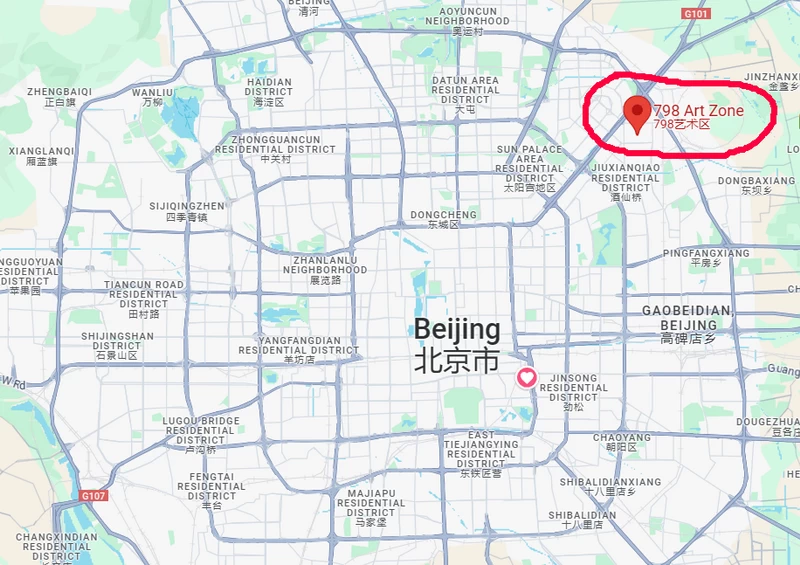
798 Art District sits along Jiuxianqiao Road in Chaoyang District (北京市朝阳区酒仙桥路2号), about 30 minutes from central Beijing without heavy traffic. If it’s your first visit, I strongly recommend taking a taxi or using DiDi. Just show the Chinese address, and you’ll be dropped right at the entrance—no confusion, no transfers.
If you prefer public transport, take Subway Line 14 to Jiangtai Station, Exit C. From there, it’s either a short taxi ride or a quick bus hop north. You can navigate multiple buses like 401 or 402, but honestly, after a long flight or a packed itinerary, it’s not the most relaxing way to arrive.
3. How to Explore 798 Without Feeling Overwhelmed
The first time I walked into the 798 Art Zone, I didn’t realize how big it actually was. I entered through a side gate, wandered past a few warehouses, and within minutes I had no idea where I was. That’s part of the charm—but it can also be disorienting if you’re not prepared.
So here’s how I now move through the 798 Art District in a way that feels easy, not exhausting.
Once you arrive at the entrance of the 798 Art Zone, you can enter freely. Note that the area covers a large space, and there are multiple entrances, so it’s a good idea to have a map or directions handy to navigate within the Art Zone.
1) Start with a Loose Direction, Not a Rigid Plan
Instead of trying to “cover everything,” I usually pick one general direction and let the area unfold. There are multiple entrances, and no single “main gate,” so don’t worry too much about where you start. Just save the location on your map app before you arrive—it helps you reorient when needed.
2) Step Inside the Galleries That Pull You In
I’ve learned not to chase famous names here. Yes, places like the UCCA Center for Contemporary Art or White Space Beijing are worth visiting—but some of my favorite moments came from small, quiet galleries I almost skipped.

Give yourself permission to walk in and out freely. Some spaces are polished and curated, others feel raw and experimental. That mix is exactly what makes 798 interesting.
3) Don’t Skip the Design Shops
After a while, I always find myself drifting into the design stores. They’re tucked between galleries—selling everything from indie jewelry to bold home decor. Even if you’re not planning to buy anything, it’s a nice shift from gallery-hopping and gives you a glimpse into Beijing’s creative scene beyond fine art.
4) Look Up, Around, and Between Buildings
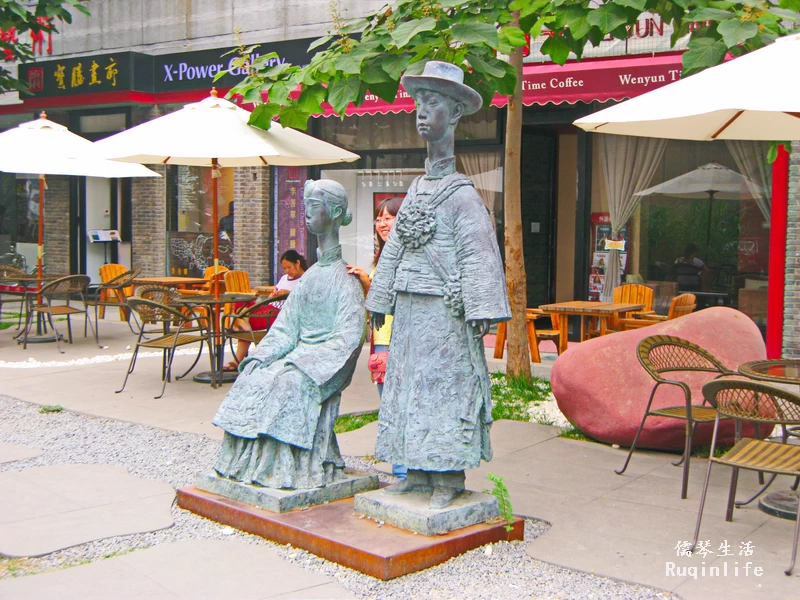
Some of the most memorable pieces in 798 aren’t inside galleries at all. They’re on walls, tucked in corners, or standing unexpectedly in open courtyards. I’ve found murals behind cafés and sculptures in places that didn’t even look like “exhibition space.”

Slow down here. The details are everywhere.
5) Pause When You Feel Tired—Not When You’re Done
There’s always a moment when your senses feel overloaded. That’s when I stop. The cafés inside 798 are part of the experience—industrial spaces softened with good coffee and quiet corners.
Sit for a bit. Watch people. Let everything you’ve seen settle before continuing.
6) If You’re Lucky, You’ll Catch Something Unexpected
798 isn’t static. On some visits, I’ve stumbled into pop-up exhibitions, small workshops, or outdoor installations I didn’t plan for. There’s no need to schedule these in advance—just keep your eyes open or check signs near the bigger galleries.
That unpredictability is part of why I keep coming back.
7) Pause for Coffee and Reset Your Senses
At some point in the 798 Art Zone, I always hit that quiet wall—too many visuals, too many impressions all at once. That’s when I stop instead of pushing through.

The cafés here aren’t just convenient—they’re part of the experience. I usually slip into one of the converted factory spaces, order something simple, and just sit for a while. It helps you reset, and honestly, you’ll enjoy the rest of the 798 Art District much more after that pause.
I’ve made the mistake of rushing through the 798 Art Zone once—comfortable shoes would’ve helped, but slowing down mattered more. This place rewards curiosity, not speed. Bring your camera, yes—but more importantly, give yourself time to notice the small, unexpected details.
The 798 Art District isn’t something you “check off.” It’s something you ease into. Wander, pause, double back if something catches your eye. That’s when the experience starts to feel real.
About the Author
Ruqin is the founder of Ruqintravel.com and has spent more than four decades working in China’s travel industry. Drawing on hands-on experience in cities like Beijing and Hangzhou, he personally researches and updates each guide to help international travelers navigate China with confidence.
Further Reading
Wanshou Temple (Beijing Art Musuem): All You Need to Know
Beijing Van Gogh Star Art Museum: Tickets, Map & Guide
Beijing’s Former Legation Quarter Travel Guide (All You Need to Know)
Beijing Ceramic Art Museum – Your Ultimate Guide