
Written and updated by Ruqin
Last updated: March 20, 2026
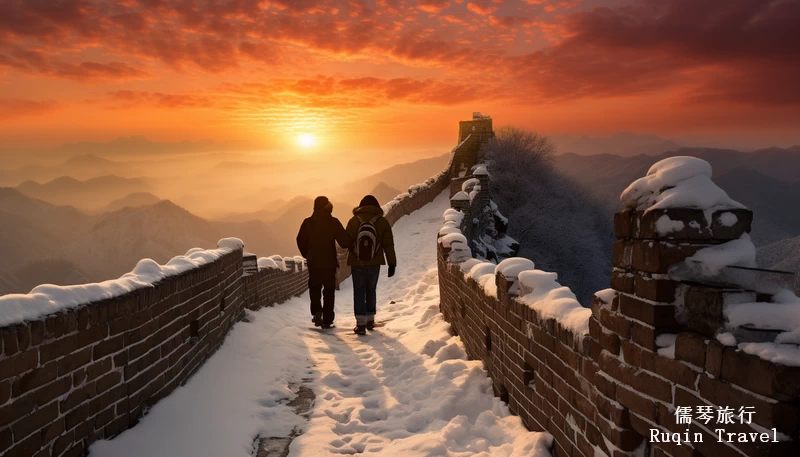
The first time I visited the Great Wall of China in winter, the silence caught me off guard. No crowds, just wind brushing over stone and hills dusted with snow. If you’re wondering How to Visit the Great Wall in Winter from Beijing, this quieter season changes the experience completely.
Winter brings crisp and clearer views, and—if you’re lucky—a snow-covered Wall that feels almost unreal. In this guide, I’ll walk you through what it’s actually like and how to plan it smoothly from Beijing.
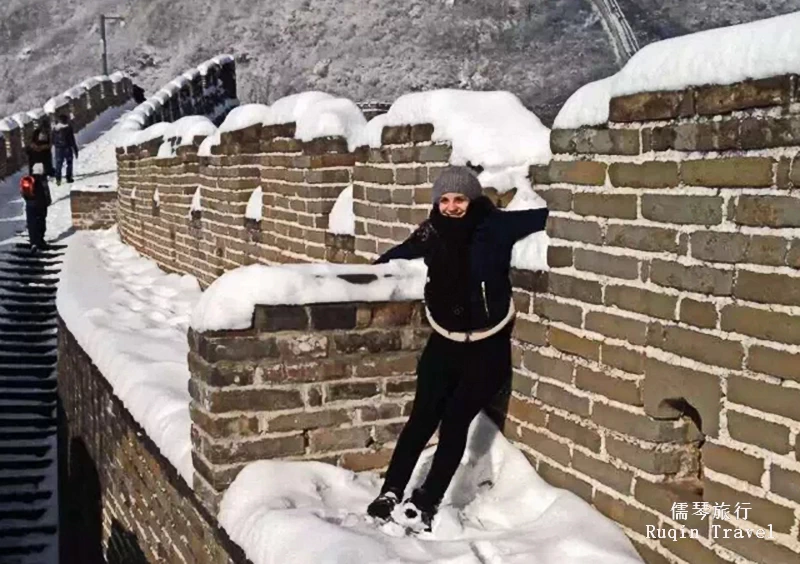
There are fewer tourists during the winter months, allowing you to enjoy the Wall’s majesty in relative solitude. The crisp winter air offers clear views of the surrounding mountains.
1. When is Winter in Beijing?
The first winter I spent in Beijing, I underestimated the cold completely. It wasn’t just the temperature—it was the dry air and sharp wind cutting through open spaces. If you’re planning How to Visit the Great Wall in Winter from Beijing, timing your visit within the season makes a real difference.
Winter here usually runs from late November to early March, with the deepest cold settling in from December through February. That said, not every day feels the same. I’ve had bright, still days that felt manageable—and others where the wind made it much harsher.
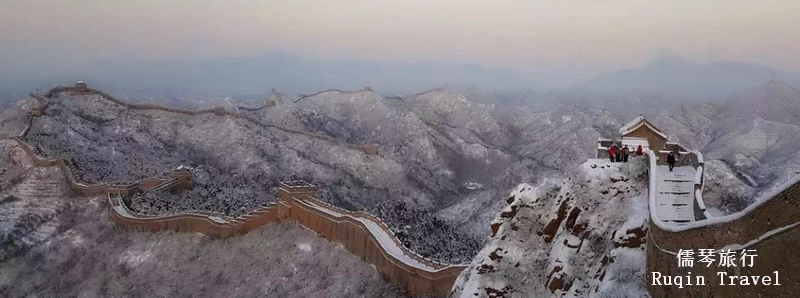
Here’s how it typically feels on the ground:
- November: around -4 to 8℃ — crisp, but often the most comfortable
- December: around -12 to -1℃ — colder, with more biting wind
- January: around -12 to 1℃ — coldest stretch, especially in the mornings
If you can, aim for a clear, sunny day with lighter wind. It makes the Wall far more enjoyable—and honestly, much easier to stay out there longer.
2. Best Sections to Visit in Winter
There are several sections of the Great Wall that are accessible from Beijing. Each offers a unique experience, especially in winter.
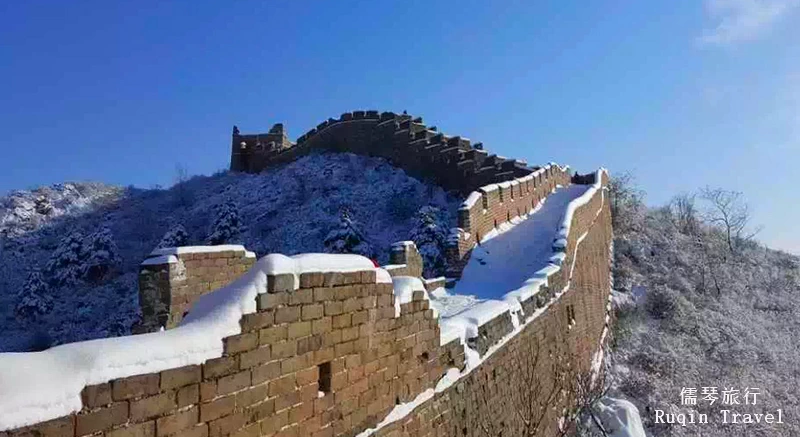
Mutianyu Great Wall
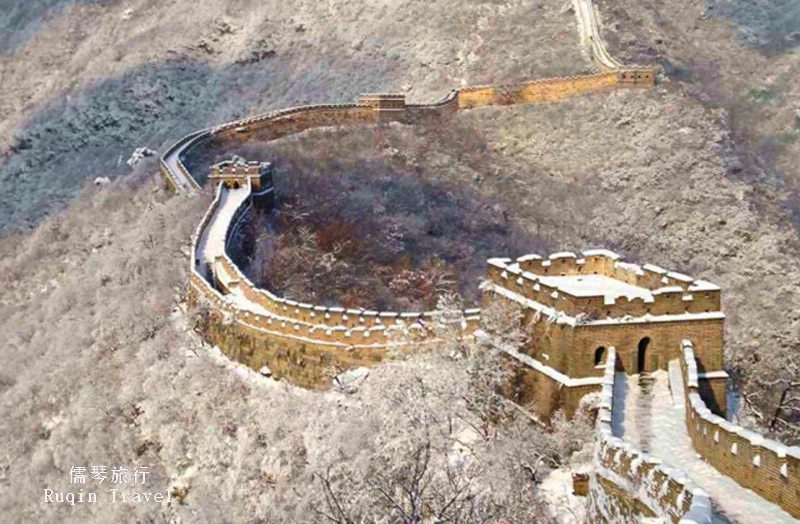
Mutianyu is one of the best-preserved sections of the Great Wall. It is also less crowded than the popular Badaling section. In winter, the snow-covered Wall at Mutianyu is a sight to behold.
The cable car and chair lift make it easier to access, and the toboggan ride down is an exhilarating experience.
Badaling Great Wall
Badaling is the most famous and visited section of the Great Wall. While it can be crowded during peak seasons, winter sees fewer visitors.
The Wall at Badaling is well-restored and offers stunning views. The Great Wall Museum and the circular screen cinema provide additional attractions.
Jinshanling Great Wall
For a more rugged and authentic experience, Jinshanling is an excellent choice. This section is partially restored, giving you a glimpse of the Wall’s original condition.
The snow-covered towers and battlements create a dramatic scene. However, this section requires more physical effort to explore, so be prepared for a challenging hike.
3. Preparing for Your Visit
Weather at the Great Wall of China
The weather at the Great Wall in winter can be harsh. Temperatures can range from -10°C to 5°C (14°F to 41°F).
Snowfall is common, especially in December and January. It’s crucial to check the weather forecast before your visit to ensure you are adequately prepared.
What to Wear
Dressing appropriately for the cold weather is essential. Here are some tips:
- Wear layers of warm clothing, including thermal underwear, sweaters, and a down jacket.
- A hat, gloves, and a scarf are necessary to protect against the cold wind.
- Wear sturdy, insulated boots with good traction to navigate the snowy and icy paths.
- Sunglasses and sunscreen are important to protect against the sun’s glare on the snow.
What to Bring
Bringing the right items can make your visit more comfortable:
- A small backpack for carrying essentials.
- Snacks and water to stay energized and hydrated.
- A camera or smartphone to capture the stunning winter scenery.
- Hand warmers for extra warmth during your hike.
- A map of the Great Wall section you are visiting.
4. How to Get to the Great Wall in winter
From Beijing to Mutianyu Great Wall
Mutianyu Great Wall is approximately 80 kilometers from downtown Beijing. There are several ways to get there:
Check out How to Get to Mutianyu Great Wall for more imformation.
- By Bus: Take the 916 Express bus from Dongzhimen to Huairou North Avenue, then transfer to a local bus or taxi to Mutianyu.
- By Private Car: Hiring a private car or taxi is a convenient option. The journey takes about 1.5 hours.
- By Tour: Many tour companies offer day trips to Mutianyu, including transportation and guides.
From Beijing to Badaling Great Wall
Check out How to get to Badaling Great Wall for more information.
Badaling Great Wall is about 80 kilometers from downtown Beijing. Here are your options:
- By High-speed Train: Take the high-speed train from Beijing Qinghe Railway Station to Badaling Great Wall Railway Station. The train ride takes about half a hour.
- By Bus: Bus 877 from Deshengmen Bus Station goes directly to Badaling. The journey takes about 1.5 hours.
- By Private Car: Hiring a private car or taxi is convenient and takes about an hour.
From Beijing to Jinshanling Great Wall
Jinshanling is around 130 kilometers from Beijing. Getting there involves:
Check out: How to get to Jinshanling Great Wall from Beijing
By Bus: Take a long-distance bus from Wangjing West Station to Luanping, then a taxi to Jinshanling. The total journey takes about 2.5 hours.
By Private Car: Hiring a private car or taxi is the most direct option and takes around 2 hours.
By Tour: Joining a tour is convenient as it includes transportation and often a guide
5. Exploring the Great Wall in Winter
The first time I walked the Great Wall of China in winter, I noticed how different it felt from every other season—quieter, slower, and a bit more demanding. The views were stunning, but the cold made me much more aware of my pace and footing.
If you’re planning How to Visit the Great Wall in Winter from Beijing, a little preparation goes a long way:
- Start early: Winter daylight fades quickly. I always aim to arrive mid-morning so I’m not rushing back in the cold.
- Watch your step: Some քար sections get icy, especially in shaded areas. Stick to the main paths—they’re safer and easier to navigate.
- Take your time: The cold can drain your energy faster than you expect. Pause, warm up, and don’t push too hard on steeper climbs.
- Check closing times: Winter hours are shorter, and some sections close earlier than you might think.
Once you adjust your rhythm, the experience becomes incredibly rewarding—calm, expansive, and far more personal than the usual busy seasons.
6. Photography Tips
One winter morning on the Great Wall of China, I almost put my camera away because of the cold—then the light shifted. The stones turned warm gold against the pale hills, and suddenly it was one of the best photo moments I’ve had there. Winter light here is softer, cleaner, and worth waiting for.
If you’re planning How to Visit the Great Wall in Winter from Beijing, here’s what actually helps on the ground:
- Chase the golden hour: Early morning and late afternoon bring that low, warm light that makes the Wall stand out beautifully.
- Use the snow (if you get it): It adds contrast and simplifies the landscape, making the Wall’s curves more dramatic.
- Go wider: A wide-angle view captures the scale—the Wall stretching across quiet, open hills.
- Stabilize your shots: In colder, lower light, a tripod (or even a steady surface) really helps.
And honestly, don’t rush it. Some of the best shots come when you pause, warm your hands, and just watch how the light moves across the Wall.
7. Safety Considerations
One winter visit to the Great Wall of China taught me this quickly: the beauty can distract you from the conditions. It feels peaceful and calm—but winter here is still serious, especially once you’re exposed on the Wall.
Keep these practical habits in mind:
- Check the weather first: I always look for clear, stable days. Strong wind or sudden drops in temperature can make the experience uncomfortable fast.
- Stay properly warm: Layering matters more than you think. If you start feeling too cold, it’s time to pause and warm up.
- Keep drinking water: The dry cold can be deceptive—you won’t feel sweaty, but you still need hydration.
- Walk carefully: بعض sections can be icy, especially on uneven քար steps. Take it slow and use handrails where available.
Winter visits are incredibly rewarding—but they’re best enjoyed when you stay aware, move carefully, and respect the conditions around you.
8. Additional Attractions Near the Great Wall
One thing I’ve learned after multiple winter trips out to the Great Wall of China is this: don’t rush straight back to Beijing. The areas around the Wall hold some surprisingly worthwhile stops, especially in winter when everything feels quieter and more atmospheric.
Here are a few places I often suggest, depending on which section you visit:
- Ming Tombs
Not far from Badaling, these tombs feel calm and spacious in winter. Walking along the stone pathways, with bare trees and fewer crowds, gives you a more reflective sense of imperial history. - Yanqing Ice Festival
If you’re visiting the Yanqing area, this can add a playful contrast to your day. Large ice sculptures light up after dark, and it’s especially enjoyable if you don’t mind staying out in the cold a bit longer. - Gubei Water Town
This one feels completely different. Near Simatai, it’s styled like a traditional water town, and in winter the night lights reflect off the canals beautifully. If you stay overnight, the hot springs make the cold suddenly feel like part of the experience rather than something to escape.
If you plan it right, visiting one of these places turns your Great Wall day into something fuller—less rushed, and much more memorable.
9. Accommodations Near the Great Wall
I’ve tried both rushing back to Beijing after visiting the Wall—and staying overnight nearby. In winter especially, staying closer to the Great Wall of China changes everything. You get the quiet evening, the soft morning light, and none of the travel stress.
Here’s how I usually think about where to stay, depending on the section:
Mutianyu area (my usual pick for balance):
- Brickyard Retreat — peaceful, tucked into the hills, with a more personal, design-focused feel.
- Mutianyu Great Wall Hotel — simpler, but incredibly convenient if you want to be close to the entrance.
Badaling area (easier access, more developed):
- Commune by the Great Wall — more of a destination stay, with striking architecture and open views.
- Badaling Hotel — practical and close, a straightforward option if convenience matters most.
Jinshanling & Simatai area (quieter, more remote):
- Jinshanling Great Wall Hotel — basic, but you’re right next to one of the best hiking sections.
- Staying in Gubei Water Town — a completely different experience, especially in winter nights with lights and hot springs.
If you can, I always recommend staying one night. It slows the whole trip down—and that’s when the Great Wall really starts to feel unforgettable.
The first quiet moment I had on the Great Wall of China in winter stayed with me longer than any photo. Fewer tourists, crisp air, and wide open views—it feels calmer, more personal, and surprisingly grounding when you slow down and take it in.
If you’re planning How to Visit the Great Wall in Winter from Beijing, focus on timing, layers, and pacing yourself. Once those basics are right, the experience unfolds naturally—and often becomes one of the most memorable parts of your time in Beijing.
About the Author
Ruqin is the founder of Ruqintravel.com and has spent more than four decades working in China’s travel industry. Drawing on hands-on experience in cities like Beijing and Hangzhou, he personally researches and updates each guide to help international travelers navigate China with confidence.
Further Reading
Beijing In Winter: Top 15 Things To Do
Ice Skating in Beijing: Top Winter Rinks & Essential Tips
What ski resorts are open in Beijing in winter?
Beijing in December: Weather, Wear, Events and Travel Tips
Beijing in January : Wear, Weather, What to See & Travel Tips
Beijing in February: Wear, Weather, What to See & Travel Tips
How to Visit the Great Wall in Winter from Beijing