
Written and updated by Ruqin
Last updated: May 07, 2026
Wondering how to visit Beijing in January? I actually love Beijing in winter. The city feels calmer, the skies are often bright and clear, and on snowy days the Forbidden City and the Great Wall become incredibly beautiful. There’s a quiet atmosphere in January that’s hard to find during the busier seasons.
At the same time, winter in Beijing is far from dull. You’ll find steaming hotpot restaurants, traditional tea houses, temple fairs, and locals skating on frozen lakes. In this guide, I’ll help you prepare for Beijing’s cold January weather, what to wear, where to go, and how to enjoy the city comfortably as a first-time visitor.
1. January Weather in Beijing
Beijing in January is a winter wonderland of crisp, cold air and bright sunny days. Temperatures average around -4.7°C, with chilly winds from the north or northwest making it feel even colder. These winds, however, often clear the skies, leaving stunning views of the city’s landmarks.
Indoors, you’ll be pleasantly surprised by Beijing’s highly effective heating system. Hotels, restaurants, and public spaces stay toasty warm, offering a cozy escape from the frosty outdoors. Whether you’re braving the elements or enjoying a cup of hot tea indoors, January in Beijing has its own charm.
2. What to Wear and Pack in Beijing in January
Packing for Beijing in January means preparing for the cold while staying comfortable. Bring heavy winter essentials like a down jacket, gloves, a warm hat, and sturdy boots for outdoor adventures. Indoors, thanks to Beijing’s excellent heating, lighter layers such as sweaters or long-sleeved shirts will keep you cozy.
Don’t want to lug bulky winter gear? No problem! Beijing’s shopping scene has you covered. Explore luxury malls or vibrant spots like Silk Street Market, where you’ll find a variety of winter clothes. Plus, shopping here is more than practical—it’s a chance to dive into the city’s lively culture.
3. Historical Climate Data and Tips for January in Beijing
Looking at Beijing’s historical climate data for January makes trip planning easier. Over the past 50 years, records show consistently cold and dry conditions. Temperatures often drop sharply, so packing warm winter gear is essential. Think thick coats, scarves, and insulated gloves.
| Date | Average High (°C) | Average Low (°C) | Extreme High (°C) | Extreme Low (°C) |
|---|---|---|---|---|
| Jan 01 | 2 | -8 | 13 (1976) | -17 (1966) |
| Jan 02 | 2 | -8 | 10 (1976) | -16 (1977) |
| Jan 03 | 1 | -8 | 9 (1963) | -15 (1969) |
| Jan 04 | 1 | -9 | 14 (2002) | -17 (1971) |
| Jan 05 | 1 | -9 | 10 (1995) | -17 (1970) |
| Jan 06 | 2 | -9 | 11 (1995) | -16 (1955) |
| Jan 07 | 1 | -8 | 10 (1995) | -15 (1955) |
| Jan 08 | 2 | -9 | 10 (1995) | -17 (1968) |
| Jan 09 | 1 | -9 | 9 (1984) | -18 (1951) |
| Jan 10 | 2 | -9 | 12 (2002) | -20 (1951) |
| Jan 11 | 1 | -9 | 10 (2002) | -20 (1951) |
| Jan 12 | 1 | -9 | 13 (1975) | -20 (1951) |
| Jan 13 | 1 | -9 | 8 (2003) | -23 (1951) |
| Jan 14 | 1 | -9 | 7 (1986) | -21 (1951) |
| Jan 15 | 1 | -10 | 11 (1971) | -19 (1951) |
| Jan 16 | 1 | -10 | 11 (1986) | -18 (1967) |
| Jan 17 | 1 | -9 | 9 (2007) | -19 (1953) |
| Jan 18 | 1 | -9 | 10 (1969) | -17 (1958) |
| Jan 19 | 2 | -9 | 9 (1952) | -16 (1977) |
| Jan 20 | 2 | -8 | 9 (1961) | -16 (1966) |
| Jan 21 | 2 | -9 | 10 (1955) | -15 (1951) |
| Jan 22 | 2 | -8 | 10 (1959) | -16 (1951) |
| Jan 23 | 2 | -9 | 11 (1979) | -14 (1976) |
| Jan 24 | 2 | -8 | 11 (1979) | -17 (1960) |
| Jan 25 | 2 | -9 | 12 (1979) | -16 (1966) |
| Jan 26 | 3 | -8 | 11 (1992) | -15 (1976) |
| Jan 27 | 2 | -8 | 10 (1952) | -18 (1972) |
| Jan 28 | 2 | -8 | 11 (1987) | -16 (1960) |
| Jan 29 | 2 | -8 | 10 (1983 |
This data also offers valuable insights for planning your activities. Knowing what to expect in terms of temperature and minimal precipitation helps you schedule outdoor adventures with confidence. Be ready for crisp, chilly days and make the most of Beijing’s winter charm.
4. Ice Festivals in January, Beijing
Starting in mid-January, Beijing transforms into a winter wonderland with spectacular ice festivals. One of the most popular events is the Longqing Gorge Ice Lantern Festival, where visitors can marvel at intricate ice sculptures, illuminated in vibrant colors.
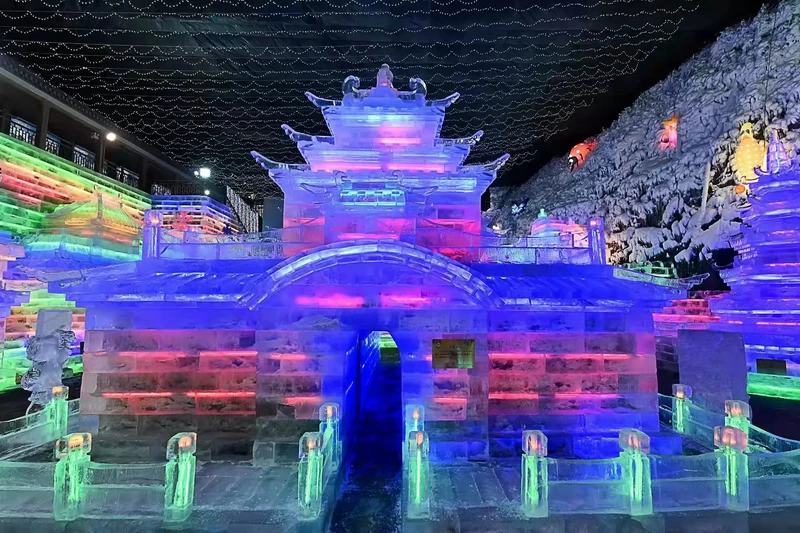
The beautiful ice lanterns and sculptures, set against the backdrop of snowy mountains, create a magical atmosphere. These festivals offer a unique way to experience Beijing’s winter charm, blending art, nature, and traditional festivities in a stunning, frosty landscape.
5. Shichahai Ice Skating Rink in January in Beijing
A must-visit in January is the Shichahai Ice Skating Rink, located in the scenic Shichahai Area ( Qianhai and Houhai). Open from January 5th to February 10th (weather permitting), this rink offers a magical winter experience. Operating from 9:00 AM to 8:30 PM, it’s an affordable and enjoyable way to embrace Beijing’s winter.
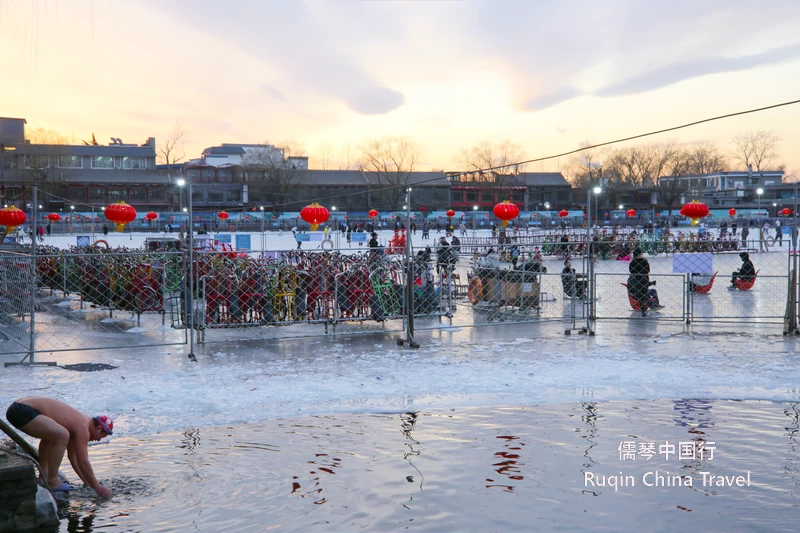
When visiting, dress warmly and consider renting skates if you don’t have your own. This rink is perfect for both beginners and seasoned skaters, offering a fun and supportive environment. Additionally, the picturesque setting of Houhai Lake in winter makes for beautiful photo opportunities.
6. Ski Resorts in Beijing
For those seeking adventure, Beijing’s ski resorts are a great option. These resorts cater to all skill levels, offering various snow activities beyond skiing, such as snowboarding and tobogganing. Popular choices include Nanshan Ski Village, Huaibei International Ski Resort, and Yuyang Ski Resort.
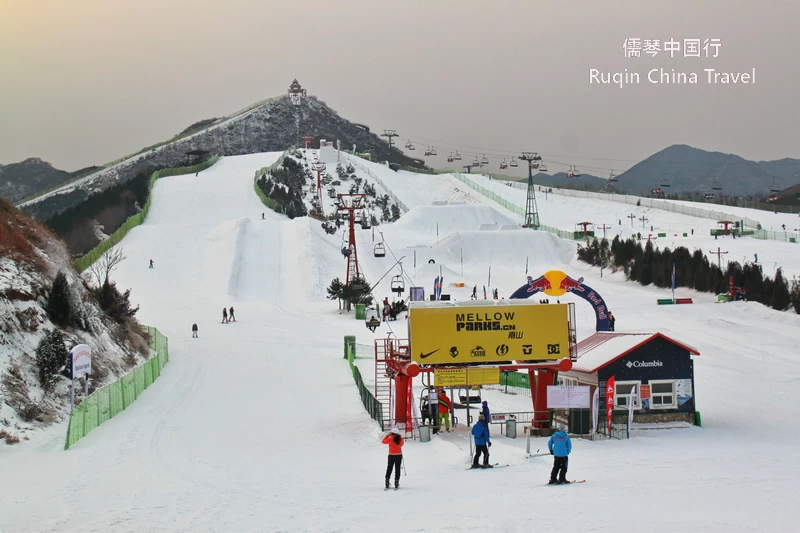
Even if you’re not into skiing, the resorts provide a cozy retreat with cafes where you can relax and enjoy the snowy scenery. It’s advisable to book in advance, especially during peak times, and take advantage of the rental facilities available at the resorts.
7. Best Sections of the Great Wall to Visit in Winter
There are several sections of the Great Wall that are accessible from Beijing. Each offers a unique experience, especially in winter.
Mutianyu Great Wall
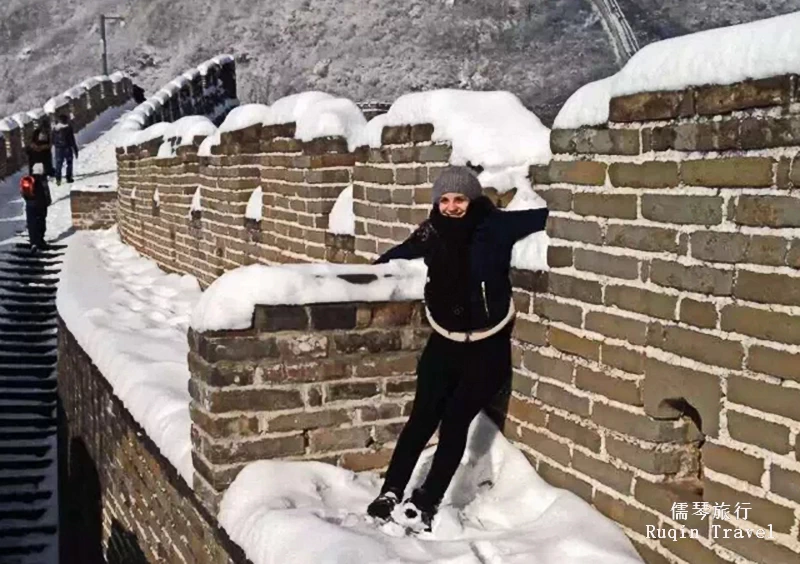
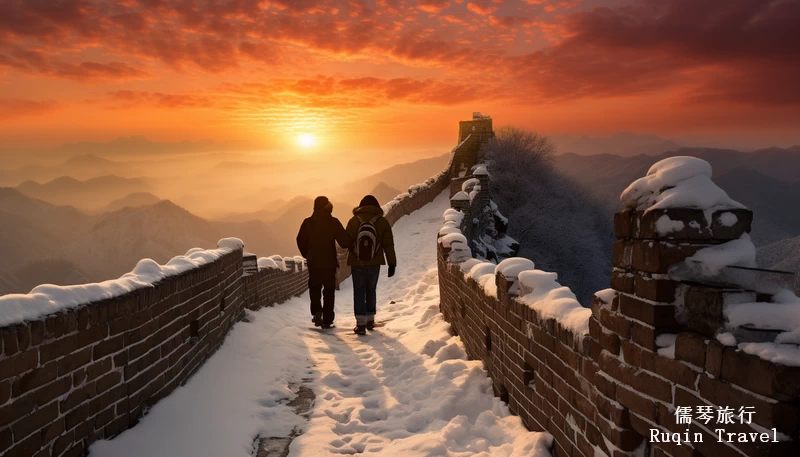
Mutianyu is one of the best-preserved sections of the Great Wall. It is also less crowded than the popular Badaling section. In winter, the snow-covered Wall at Mutianyu is a sight to behold.
The cable car and chair lift make it easier to access, and the toboggan ride down is an exhilarating experience.
Badaling Great Wall
Badaling is the most famous and visited section of the Great Wall. While it can be crowded during peak seasons, winter sees fewer visitors.
The Wall at Badaling is well-restored and offers stunning views. The Great Wall Museum and the circular screen cinema provide additional attractions.
Jinshanling Great Wall
For a more rugged and authentic experience, Jinshanling is an excellent choice. This section is partially restored, giving you a glimpse of the Wall’s original condition.
The snow-covered towers and battlements create a dramatic scene. However, this section requires more physical effort to explore, so be prepared for a challenging hike.
8. Food and Dining in January in Beijing
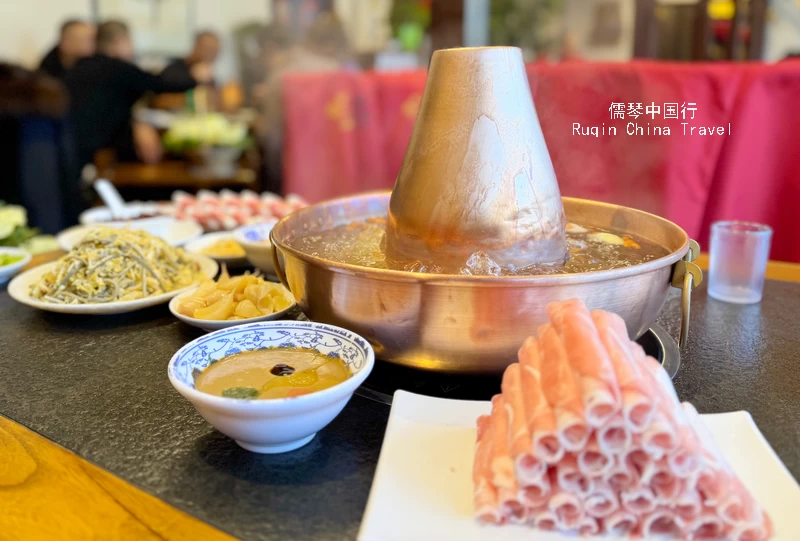
In January, Beijing’s food scene embraces hearty, warming dishes to combat the cold weather. Hotpot is especially popular during this time. People gather around a bubbling pot of broth, cooking fresh ingredients like meats, vegetables, and tofu. The communal nature of hotpot makes it a fun and cozy dining experience, perfect for winter.
Street vendors also adapt to the chilly season. As you walk through the streets, you’ll find warm treats like roasted chestnuts and sweet potatoes. These snacks are perfect for a winter stroll, offering a comforting, smoky flavor. You’ll also find sugar-coated hawthorn sticks, a popular winter snack that balances sweet and sour flavors.
For a fuller meal, try Beijing’s famous roast duck, often served with crispy skin and tender meat. It’s a must-try dish, especially during the colder months when you need something rich and filling. These winter foods will warm both your body and soul.
If you’re thinking about how to visit Beijing in January, don’t let the cold discourage you. Winter gives the city a quieter, more local feeling, especially around the historic lanes, frozen lakes, and snow-dusted palaces that look almost timeless in the crisp air.
What I enjoy most about Beijing in January is the contrast between the cold outdoors and the warmth inside — steaming dumplings, busy hotpot restaurants, and cozy tea houses filled with conversation. It’s a side of Beijing many summer visitors never really experience.
About the Author
Ruqin is the founder of Ruqintravel.com and has spent more than four decades working in China’s travel industry. Drawing on hands-on experience in cities like Beijing and Hangzhou, he personally researches and updates each guide to help international travelers navigate China with confidence.
Further Reading
How to Visit the Great Wall in Winter from Beijing: Tips & Guide
Beijing Shichahai Travel Guide: Hutongs, Lakes, Food & Tips
Ice Skating in Beijing: Best Rinks, Tickets & Tips Guide
Best Ski Resorts Near Beijing: All You Need to Know Before You Go
Best Street Food in Beijing: What to Eat and Where to Find It