
Written and updated by Ruqin
Last updated: May 20, 2026
Shanghai surprised me the first time I arrived. Beneath the futuristic skyline, I found old alleyways, riverfront stories, and a city that moves with incredible energy day and night. That contrast is what makes Shanghai unforgettable.
If you’re planning your trip, these 14 Interesting Facts about Shanghai will help you understand the city beyond the postcards. From its historic roots at the mouth of the Yangtze River to its role as China’s financial powerhouse, Shanghai is both deeply Chinese and unmistakably global.
1. A City That Never Feels Still
The first thing many travelers notice about Shanghai is its scale. No matter where you go — busy shopping streets, quiet local neighborhoods, metro stations, or riverside parks — the city feels alive at every hour of the day. Shanghai moves with a constant energy that can feel overwhelming at first, but after a day or two, it becomes part of the excitement of being here.
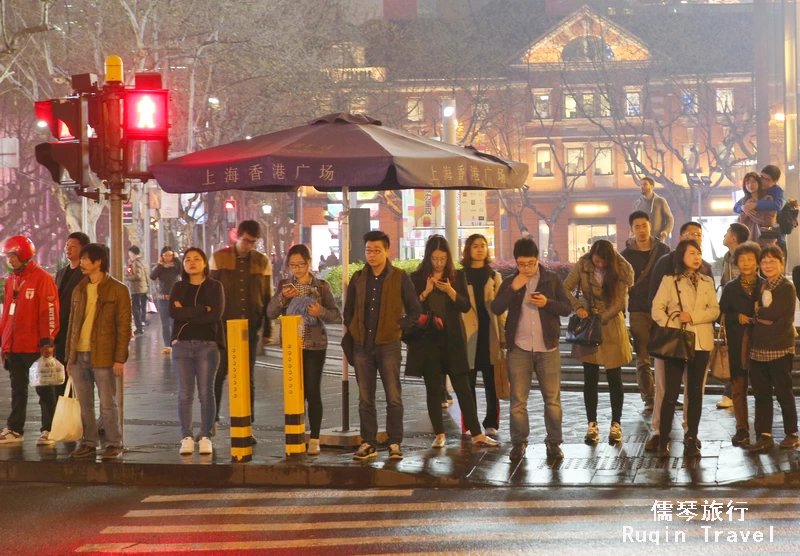
With a resident population of over 24 million people, Shanghai is one of the world’s largest cities. Yet what makes it fascinating is not just the size, but the diversity of people, lifestyles, and ideas packed into one enormous urban space.
You’ll see business professionals rushing through Lujiazui, retirees practicing tai chi in local parks, students crowding cafés, and street food vendors serving regular customers late into the evening. For travelers, that mix creates an experience that feels dynamic, international, and endlessly interesting.
2. China’s Economic Powerhouse
You can feel Shanghai’s ambition almost immediately. The moment you step into Lujiazui or walk through the busy streets around Nanjing Road, there’s a sense that the city is constantly moving forward. It’s fast, energetic, and deeply connected to the global economy in a way few cities are.
Shanghai is home to the Shanghai Stock Exchange and remains one of China’s most important financial and commercial centers. But the city’s strength goes far beyond banking and finance. Technology companies, manufacturers, international brands, and global corporations all operate here, drawn by Shanghai’s strategic location and modern infrastructure.
For travelers, this economic energy shows up everywhere — in the sleek skyline, the luxury shopping districts, the late-night business crowds, and the pace of everyday life that keeps the city buzzing long after dark.
3. A City Shaped by History
One reason Shanghai feels so different from other Chinese cities is the way history still lingers in everyday life. You can walk past futuristic skyscrapers, then turn a corner and suddenly find old stone lane houses, colonial-era architecture, or quiet streets that seem untouched by time. Shanghai’s story is layered, and you feel those layers constantly while exploring the city.
Historically, Shanghai played a major role during the Opium Wars and later became one of China’s most important international trading ports during the concession era. That period brought foreign influence, global business, and a remarkable mix of architectural styles that still define parts of the city today.
You can see this history most clearly along the Bund, inside heritage buildings, and throughout older neighborhoods where Shanghai’s past quietly survives beside its modern skyline.
4. A Skyline That Defines Modern Shanghai
The first time I saw Shanghai’s skyline at night, it honestly felt unreal. Standing along the Bund and looking across the Huangpu River toward Pudong, I could see towers glowing through the evening haze like something from the future. Shanghai’s skyline is not just impressive — it tells the story of how quickly this city transformed itself.
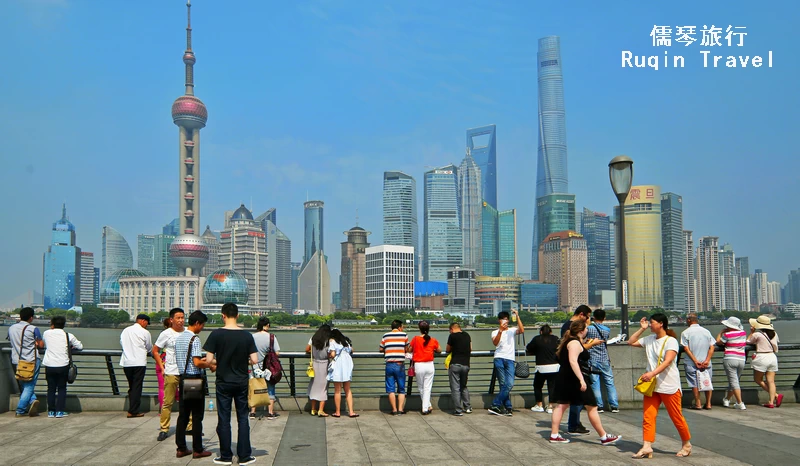
Landmarks like the Oriental Pearl Tower, Jin Mao Tower, and Shanghai Tower each represent a different stage of Shanghai’s modern ambition. Together, they have become symbols of the city’s confidence, innovation, and global outlook.
Beyond their striking designs, these towers also offer some of the best panoramic views in Shanghai, giving visitors a chance to truly appreciate the city’s enormous scale and energy from above.
5. Where East and West Naturally Meet
One of the most fascinating things about Shanghai is how naturally different worlds exist side by side. I still remember walking along the Bund for the first time, looking at the grand Art Deco buildings facing the futuristic skyline across the river. In Shanghai, history does not feel frozen — it feels layered into everyday life.
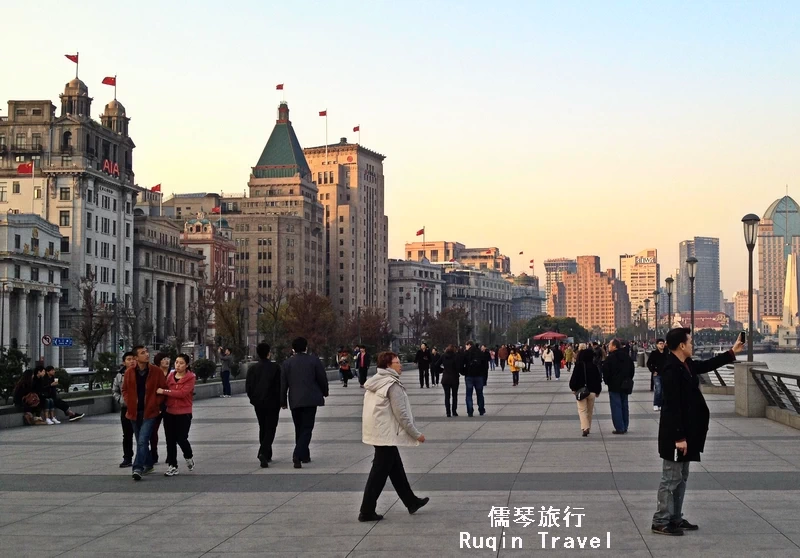
The city’s international character grew during the concession era, and you can still see that influence today in its architecture, cafés, neighborhoods, and even daily lifestyle. At the same time, Shanghai never loses its Chinese identity.
That balance also shows up in the food scene, where traditional Shanghainese dishes sit comfortably alongside global cuisines from nearly every corner of the world. It’s this cultural blend that gives Shanghai its unique rhythm and cosmopolitan atmosphere.
6. The Famous Shanghai Maglev Train
One of the most memorable arrivals in China is taking the Maglev train from Pudong Airport into Shanghai. The first time I rode it, I kept watching the speed display climb higher and higher until it felt almost unreal. In just a few minutes, you go from the airport outskirts into the heart of one of the world’s largest cities.
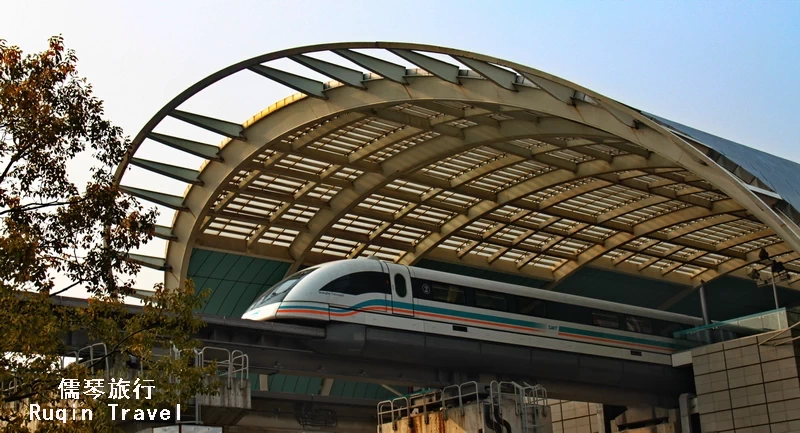
Operating since 2004, Shanghai’s Maglev train can reach speeds of up to 431 km/h, making it one of the fastest commercial trains in the world. The journey itself only takes about eight minutes, but it perfectly captures Shanghai’s modern character — efficient, futuristic, and always pushing forward. More than a transportation system, the Maglev has become a symbol of the city’s confidence in innovation and advanced infrastructure.
7. One of the World’s Most Impressive Metro Systems
The first time I used the Shanghai Metro, I remember thinking how surprisingly easy it felt for such a massive city. Within minutes, I could move from historic neighborhoods to futuristic business districts without sitting in traffic once. In Shanghai, the metro is not just public transport — it’s part of daily life.
Since opening in 1993, Shanghai’s metro system has expanded into one of the largest urban rail networks in the world. More importantly for travelers, it’s clean, affordable, fast, and remarkably efficient. The stations are well connected across the city, which makes exploring Shanghai far less overwhelming than many first-time visitors expect. Even during busy hours, the system reflects the city’s careful urban planning and constant forward momentum.
8. Home to the World’s Busiest Port
One thing many travelers don’t immediately realize is that Shanghai’s energy comes not only from finance and skyscrapers, but also from its role as one of the world’s great trading gateways. If you stand along the Huangpu River and watch the endless cargo ships moving in and out, you begin to understand how connected this city is to the global economy.
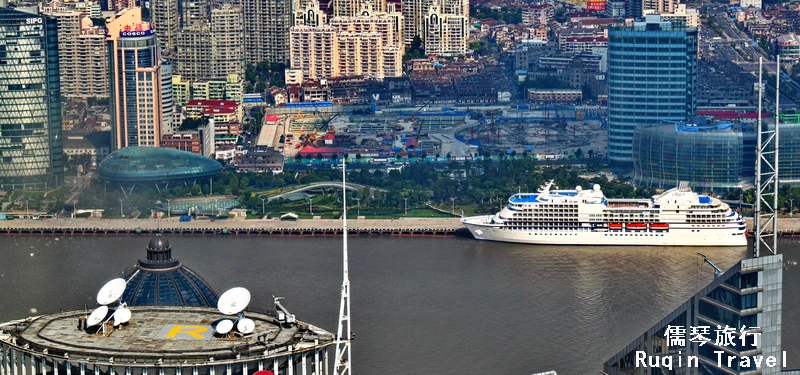
Since 2010, the Port of Shanghai has ranked as the world’s busiest container port. Its enormous scale helps move Chinese goods to markets across the world every single day. More than just a shipping hub, the port reflects Shanghai’s long history as an international trading city — practical, ambitious, and constantly in motion.
9. Shanghai’s Incredible Food Scene
One of my favorite things about Shanghai is how easily the city pulls you into its food culture. You can start the morning with freshly steamed xiaolongbao from a tiny neighborhood shop, then end the evening in a rooftop restaurant serving beautifully prepared international cuisine. Few cities balance local tradition and global influence quite like Shanghai.
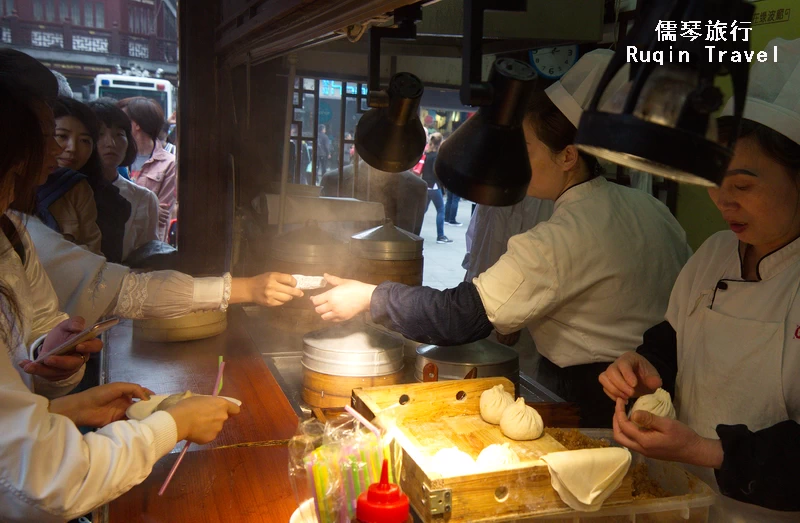
The food scene here reflects the city’s history as an international trading port. Over the years, flavors, techniques, and culinary ideas from across China and around the world have all found a place in Shanghai. For travelers, that means you never run out of things to try — from classic Shanghainese dishes and busy street food lanes to elegant fine dining experiences that overlook the skyline.
10. A City with Global Influence
Shanghai is often described as China’s most international city, and you can feel that influence far beyond business and tourism. Over the years, the city has also become an important place for international cooperation, diplomacy, and regional dialogue. That global role is part of what gives Shanghai its confident and outward-looking atmosphere.
In 2001, the Shanghai Cooperation Organization (SCO) was established here, further strengthening the city’s reputation as a meeting point between nations. While many travelers come to Shanghai for its skyline, food, and culture, the city also plays a quiet but important role in international connections across Asia and beyond. In many ways, Shanghai continues to bridge different worlds — economically, culturally, and diplomatically.
11. A Leading Center for Education and Research
Many travelers know Shanghai for its skyline and business districts, but the city is also one of China’s most important academic centers. When you spend time around the university neighborhoods, you notice a different side of Shanghai — younger, quieter, and deeply focused on innovation and research.
Top institutions like Fudan University and Shanghai Jiao Tong University have helped establish Shanghai as a leader in higher education across Asia. These universities are especially respected for their work in science, engineering, medicine, and technology, attracting students and researchers from around the world. Their influence is part of the reason Shanghai feels so forward-looking — the city is constantly investing in ideas, talent, and future development.
12. A City Full of Art, Culture, and Creativity
Shanghai has a creative energy that often surprises first-time visitors. Beyond the skyscrapers and shopping streets, you’ll find contemporary art spaces tucked inside old industrial buildings, small galleries hidden along quiet lanes, and theaters hosting everything from traditional Chinese performances to modern productions. The city constantly blends old and new in ways that feel uniquely Shanghai.
Its cultural scene continues to grow through museums, art districts, film festivals, and international exhibitions that attract artists and creatives from around the world. Events like the Shanghai International Film Festival have helped strengthen Shanghai’s reputation as one of Asia’s major cultural hubs. For travelers, this means there is always something happening — whether you enjoy classical Chinese art, avant-garde design, photography, fashion, or contemporary performance culture.
13. A Truly International City
One of the reasons Shanghai feels so approachable for international travelers is its multicultural atmosphere. As you move through different neighborhoods, you quickly notice how global the city has become. You’ll hear multiple languages in cafés, see international restaurants beside local noodle shops, and find communities from all over the world living and working here.
That cosmopolitan character grew from Shanghai’s long history as a trading port and continues today through its role as one of Asia’s major global cities. International schools, cultural festivals, overseas businesses, and expatriate neighborhoods all contribute to the city’s diverse identity. Yet despite these global influences, Shanghai still feels distinctly Chinese at its core — and that balance is part of what makes the city so fascinating to experience.
14. A City of Many Languages
One thing I always notice in Shanghai is how many different languages you hear throughout the day. In local markets and older neighborhoods, many residents still speak Shanghainese, the city’s traditional dialect, which gives Shanghai a strong local identity and cultural character. At the same time, Mandarin is widely used across the city, especially among younger generations and newcomers from other parts of China.
Because Shanghai is such an international city, English is also becoming increasingly common in business districts, hotels, universities, and tourist areas. For travelers, this mix of languages reflects the city itself — deeply rooted in local culture while constantly adapting to the global world around it.
Shanghai is one of those cities that reveals itself gradually. These 14 Interesting Facts About Shanghai only scratch the surface of what makes the city so fascinating, energetic, and unforgettable.
The real experience comes from walking its streets, riding the metro, tasting local food, and watching old Shanghai blend naturally with the future. That contrast is what stays with most travelers long after they leave the city.
About the Author
Ruqin is the founder of Ruqintravel.com and has spent more than four decades working in China’s travel industry. Drawing on hands-on experience in cities like Beijing and Hangzhou, he personally researches and updates each guide to help international travelers navigate China with confidence.
Further Reading
How to Visit the Bund in Shanghai: Top Things to Do, Map & Tips
How to Visit Yu Garden in Shanghai: Tickets, Hours & Travel Tips
Shanghai Tower Tickets and Travel Guide
How to Visit Nanjing Road: Map, Shopping, Food, Hotels & Tips
How to Visit Jade Buddha Temple Shanghai: Tickets, Hours & Tips
Former French Concession Shanghai: Maps, Walking Route & Tips
Oriental Pearl Tower Shanghai: Tickets, Highlights & Travel Tips
How to Visit Zhujiajiao Water Town: Tickets, Things to Do & Tips
Shanghai Museum: Tickets, Transport, Highlights & Tips
Xintiandi Travel Guide: Map, Shopping, Restaurants & Hotels
Shanghai Acrobatic Show: Tickets, Map and A Visitor’s Guide
Shanghai Huangpu River Cruise: Tickets, Routes and Travel Tips