
Tour Summary
Beijing’s culture isn’t frozen in the past. It’s layered.
On this day, you’ll move between contemporary galleries inside converted factories, national collections that trace China’s artistic evolution, traditional culture streets where calligraphy still matters, and finally a Peking Opera performance that has survived centuries.
It’s a full day — but thoughtfully arranged. Modern expression in the morning. Historical depth in the afternoon. Living tradition at night.
If you want to understand how old and new coexist creatively in Beijing, this route works beautifully.
Route: 798 Art District → National Art Museum → Lunch → Liulichang Culture Street → Hutong Art Studios → Dinner → Peking Opera Performance
Duration: Full Day + Evening (10–11 hours)
Best For: Art lovers, culturally curious travelers, repeat visitors
Travel Style: Gallery visits + neighborhood exploration + evening performance
Pace: Steady, with built-in pauses
Who This Day Is Perfect For
- Travelers who enjoy both contemporary and traditional art
- Visitors who want more than monuments
- Couples or solo travelers looking for a layered cultural experience
- Those staying several days in Beijing
Consider Another Route If
- You prefer nature or outdoor-focused days
- You’re traveling with young children
- You prefer shorter sightseeing days without evening plans
Why This Route Works
The day is structured around contrast.
You begin in 798 — industrial, experimental, sometimes provocative. Then you step into the National Art Museum, where China’s artistic heritage is presented in a more formal setting.
In the afternoon, you move into Liulichang, where the art of collecting and scholarship has long been part of Beijing life. Finally, the evening performance reminds you that traditional storytelling is still very much alive.
It moves from modern interpretation → institutional memory → living tradition.
Transport Strategy (Macro Logic)
- 798 Art District is located in northeast Beijing.
- The National Art Museum and Liulichang are more central.
- Evening opera venues are usually near central districts.
- A private vehicle makes this full-day schedule comfortable, especially with the evening performance included.
- Opera tickets should be reserved in advance.
Tour Itinerary
You begin in 798 — industrial, experimental, sometimes provocative. Then you step into the National Art Museum, where China’s artistic heritage is presented in a more formal setting.
In the afternoon, you move into Liulichang, where the art of collecting and scholarship has long been part of Beijing life. Finally, the evening performance reminds you that traditional storytelling is still very much alive.
- 798 Art District is located in northeast Beijing.
- The National Art Museum and Liulichang are more central.
- Evening opera venues are usually near central districts.
- A private vehicle makes this full-day schedule comfortable, especially with the evening performance included.
- Opera tickets should be reserved in advance.
Morning
798 Art District
Arrive around 9:00 AM at
798 Art District.
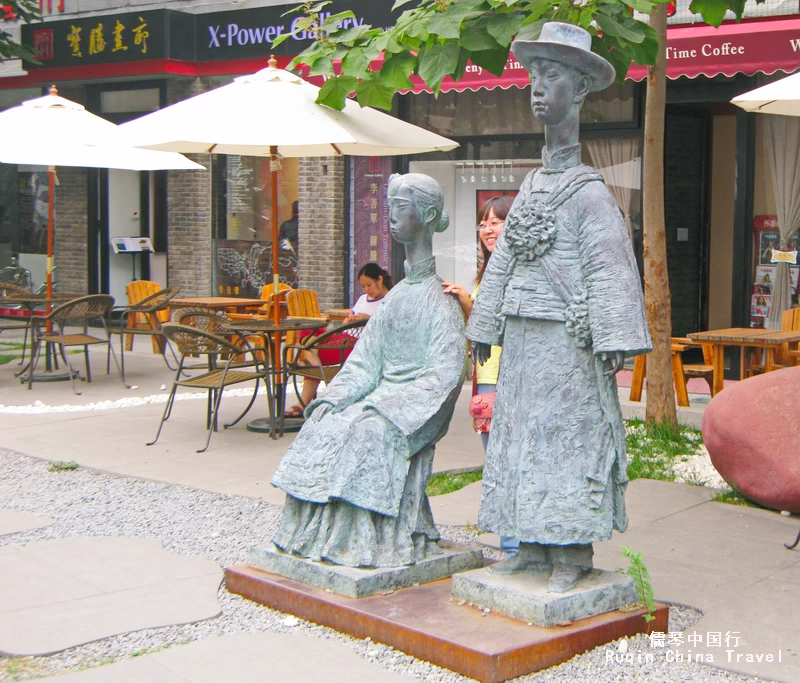
Once an industrial complex built with East German assistance in the 1950s, 798 has transformed into Beijing’s contemporary art hub.

798 Art District
The Bauhaus-style factory ceilings remain, but inside you’ll find:
- Experimental installations
- Political and social commentary
- Photography and sculpture
- Independent design shops
What I like about starting here is the energy. It reminds you that China’s artistic voice continues to evolve.
Allow about 1.5–2 hours, focusing on a few strong galleries rather than trying to see everything.
National Art Museum of China
Around 11:00 AM, continue to the
National Art Museum of China.
Here, the atmosphere shifts. The museum presents a curated journey through:
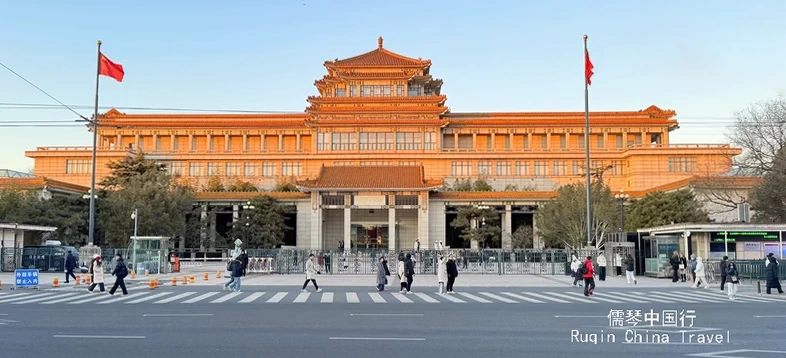
National Art Museum of China
- Traditional ink painting
- Revolutionary-era art
- Contemporary national exhibitions
Walking through these galleries gives context to what you saw earlier at 798. You begin to see continuity — and tension — between tradition and innovation.
Plan about 1–1.5 hours.
Midday – Lunch
Around 12:30 PM, enjoy lunch at a nearby restaurant.
Choose something comfortable and local — perhaps northern-style dishes or dumplings. This is your pause before moving into more intimate cultural spaces.
Afternoon
Liulichang Culture Street
Around 2:00 PM, walk through
Liulichang Culture Street.
For centuries, Liulichang has been associated with scholars, collectors, and traditional arts.
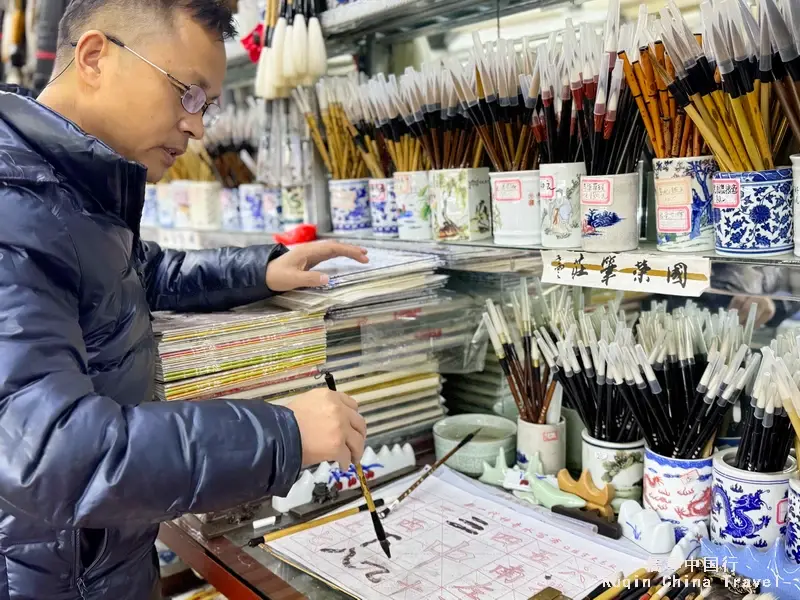
Liulichang Culture Street
You’ll find:
- Calligraphy brush shops
- Ink stone and seal carving stores
- Antique-style bookshops
- Traditional scroll paintings
Even if you’re not buying, browsing here feels like stepping into an older intellectual Beijing.
Allow about 1 hour.
Dongsi Hutong & Local Studios
Continue toward the
Dongsi Hutong area.
Unlike Liulichang’s formal storefronts, hutong studios feel personal. Some artists work quietly inside converted courtyard homes.
Here, you may:
- Visit a small working studio
- Observe calligraphy or painting in progress
- Have informal conversations about creative life in Beijing
This part of the day feels human and unscripted.
Evening
Dinner
Around 5:30 PM, enjoy dinner at a local restaurant.
After a full day, I suggest something satisfying but not too heavy. Perhaps:
- Beijing-style stir-fries
- Seasonal dishes
- Or a shared meal with tea
Keep dinner relaxed. The evening performance is the final highlight.
Peking Opera Performance
Around 7:00 PM, head to
Liyuan Theatre for a traditional Peking Opera performance.
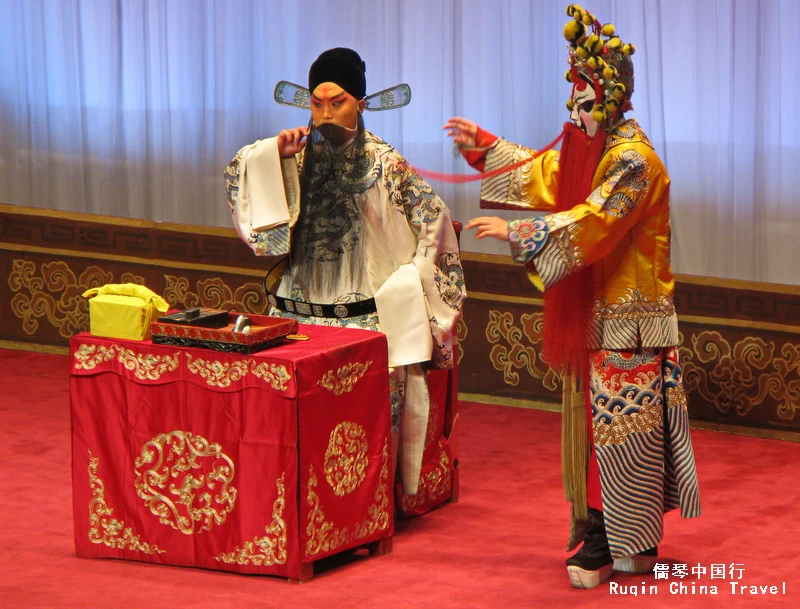
Peking Opera Performance
The show typically begins around 7:30 PM.
Peking Opera blends:
- Singing
- Stylized movement
- Acrobatic elements
- Highly symbolic gestures
The costumes and painted faces are expressive and dramatic. Even if you don’t understand every word, the emotion and movement are clear.
It’s a fitting end — a traditional art form that continues to perform in modern Beijing.
Around 8:30–9:00 PM
Return to your hotel.
It’s been a full day — visually rich and culturally layered.
Practical Notes from Me
- Wear comfortable shoes — gallery floors and hutong lanes add up.
- Some galleries in 798 rotate exhibitions frequently.
- Opera houses may have photography restrictions during performances.
- If you prefer a shorter day, the evening opera can be separated.
Beijing’s culture isn’t a single story.
It’s factories turned galleries. It’s scholars browsing calligraphy scrolls. It’s performers applying stage makeup as they have for generations.
When you see these layers together, the city feels alive — not preserved, but continuously creating.
Further Reading
798 Art Zone Beijing: Maps, Photos and Travel Tips
Liulichang Culture Street Beijing: Maps, Walking Routes and Tips
How to Enjoy Peking Opera – Your Complete Guide
Questions About Planning Your Trip to China
If you still have questions after reading the guides, you’re very welcome to write to me. If something feels unclear — or you’d simply like a second opinion — I’m happy to help.
Just use the short form below and tell me a little about your plan.
There’s no fee for a simple question. No pressure — just a practical reply based on real experience here in China.
If I’m traveling, replies may take a little time. Thank you for your patience.
We respect your privacy. Your details will never be shared or used for marketing.