
Tour Summary
Markets in Beijing are more than places to buy things.
They’re layered spaces where negotiation is expected, where craftsmanship sits beside mass production, and where you begin to understand what locals value — pearls, jade, calligraphy brushes, silk scarves, antiques (real and not-so-real).
This day is structured to move from fast-paced commercial energy to slower cultural browsing. You’ll start at Silk Street, explore the vast Panjiayuan Antique Market, continue to the Pearl Market, and finish on Liulichang Cultural Street, where art and scholarship still shape the atmosphere.
It’s not just about what you buy. It’s about knowing what you’re looking at.
Route: Silk Street Market → Panjiayuan Antique Market → Lunch → Hongqiao Pearl Market → Liulichang Cultural Street
Duration: 8–9 hours
Best For: Curious shoppers, collectors, first-time visitors wanting practical souvenirs
Travel Style: Market exploration + cultural explanation
Pace: Steady, with flexible browsing time
Who This Day Is Perfect For
- Travelers who enjoy bargaining and browsing
- Visitors looking for meaningful gifts
- Anyone interested in traditional crafts and decorative arts
- Repeat visitors wanting something beyond monuments
Consider Another Route If
- You dislike crowded indoor spaces
- You prefer fixed-price boutique shopping
- You’re not interested in souvenirs or crafts
Why This Route Works
The order is intentional.
Silk Street introduces you to the energy of Beijing’s commercial markets. Panjiayuan adds depth — objects with history, stories, and sometimes mystery. The Pearl Market offers something tangible and wearable. And Liulichang brings the day to a quieter, more refined close.
It moves from loud and lively → layered and complex → polished and cultural.
Transport Strategy (Macro Logic)
- Silk Street and Hongqiao Market are centrally located.
- Panjiayuan is in southeast Beijing; best visited earlier before peak crowds.
- Liulichang sits in an older district and pairs well as a final stop.
- A private vehicle makes moving between markets smoother.
- Weekends at Panjiayuan are busiest but also most vibrant.
Tour Itinerary
Silk Street introduces you to the energy of Beijing’s commercial markets. Panjiayuan adds depth — objects with history, stories, and sometimes mystery. The Pearl Market offers something tangible and wearable. And Liulichang brings the day to a quieter, more refined close.
- Silk Street and Hongqiao Market are centrally located.
- Panjiayuan is in southeast Beijing; best visited earlier before peak crowds.
- Liulichang sits in an older district and pairs well as a final stop.
- A private vehicle makes moving between markets smoother.
- Weekends at Panjiayuan are busiest but also most vibrant.
Morning
Silk Street Market (Xiushui)
Begin around 8:30 AM at
Silk Street Market.
Silk Street Market (Xiushui)
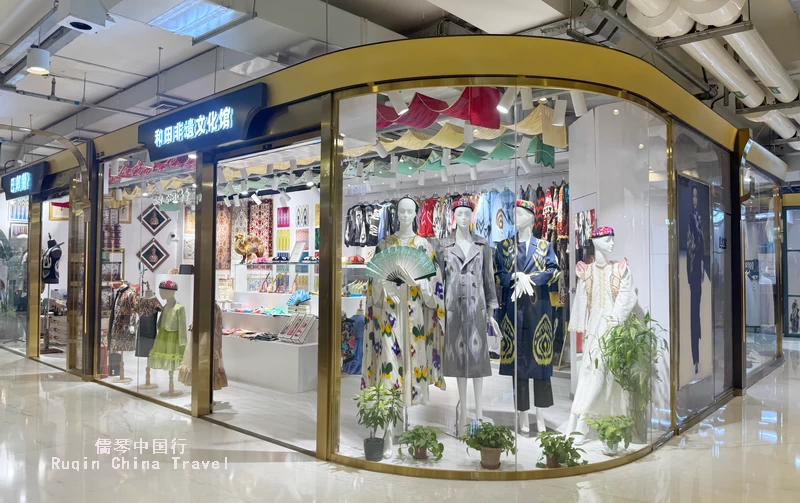
This multi-level indoor market is known for:
- Silk scarves
- Tailored clothing
- Souvenirs
- Branded-inspired goods
Here, bargaining is expected. Prices often start high. The key is to stay calm, smile, and negotiate politely.
I usually advise travelers not to rush into the first purchase. Walk one full level first. Get a sense of price ranges.
This stop is less about authenticity and more about understanding Beijing’s commercial rhythm.
Allow 1–1.5 hours.
Late Morning
Panjiayuan Antique Market
Continue to
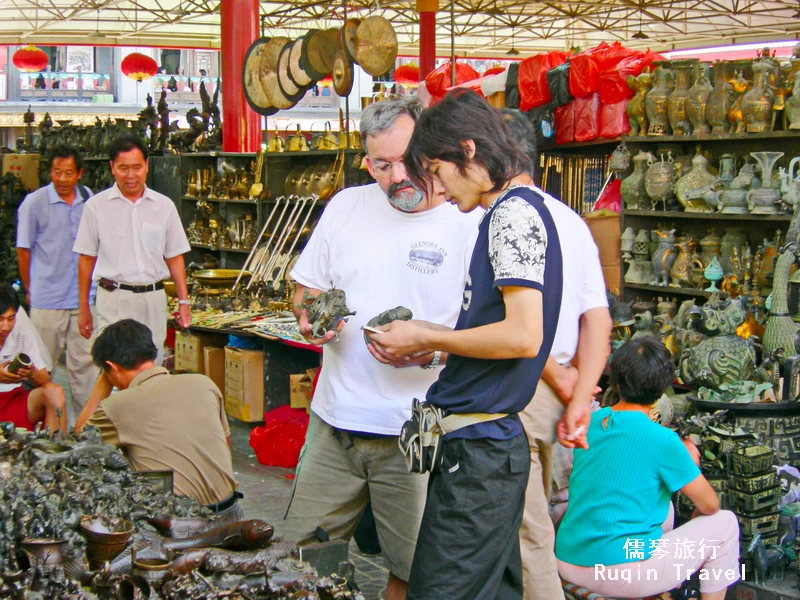
Panjiayuan Antique Market, one of the largest antique and flea markets in China.
This place feels different — open-air sections, winding lanes, thousands of stalls.
Silk Street Market (Xiushui)
You’ll see:
- Jade carvings
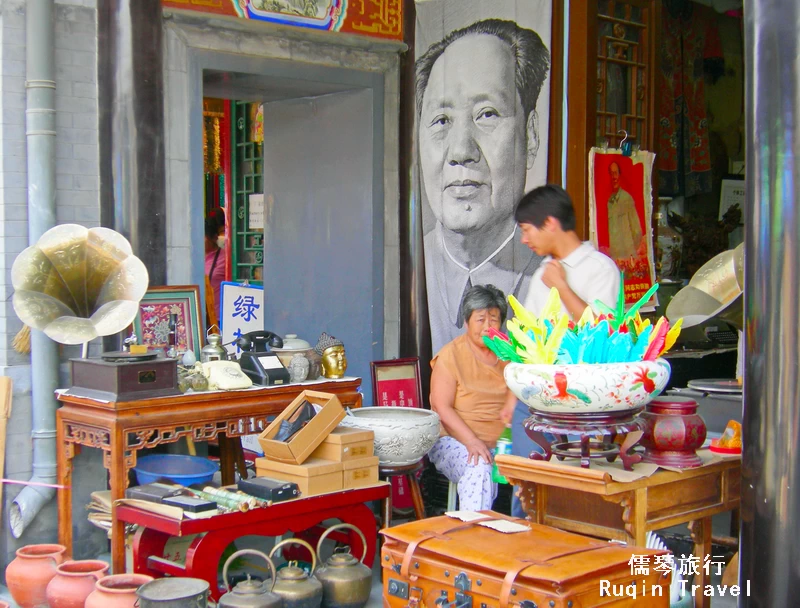
- Cultural Revolution memorabilia
- Calligraphy scrolls
- Porcelain (some antique, some newly made)
- Tibetan-style jewelry
Not everything here is genuinely old. And that’s part of the learning experience.
The goal isn’t necessarily to find a rare treasure. It’s to understand what objects carry symbolic value in Chinese culture.
Allow about 1.5–2 hours.
Midday – Lunch
Around 12:30 PM, enjoy lunch nearby.
After navigating market stalls, a quiet meal feels grounding. Choose something simple and local — noodles, dumplings, or a few shared dishes.
Afternoon
Hongqiao Market (Pearl Market)
Arrive around 2:00 PM at
Hongqiao Market.
This market is especially known for pearls — freshwater and saltwater varieties.
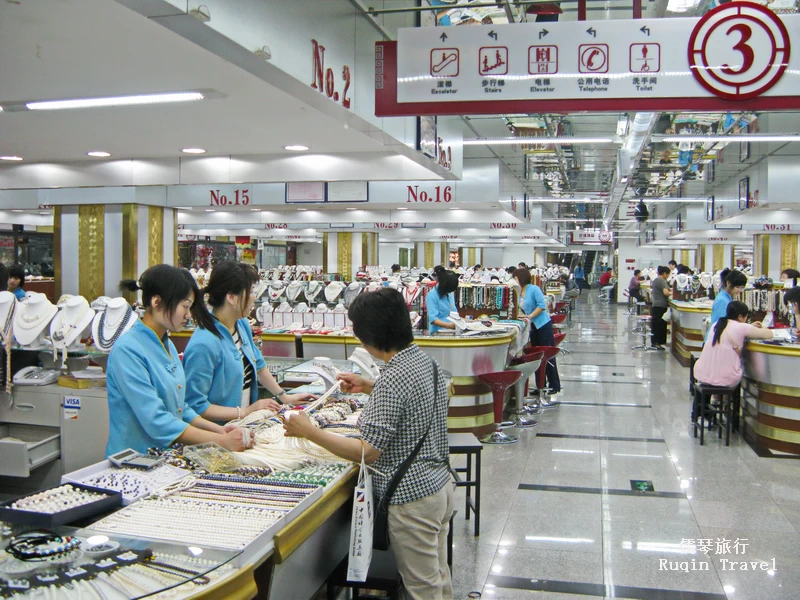
Hongqiao Market (Pearl Market)
Vendors often allow you to:
- Compare different grades
- Learn how luster and surface affect value
- Customize a necklace length
If you’re considering buying pearls, this is where having guidance helps. Quality varies widely.
Allow about 1 hour.
Liulichang Cultural Street
End the day at
Liulichang Cultural Street.
The pace changes here.
Liulichang has long been associated with scholars and collectors. You’ll find:
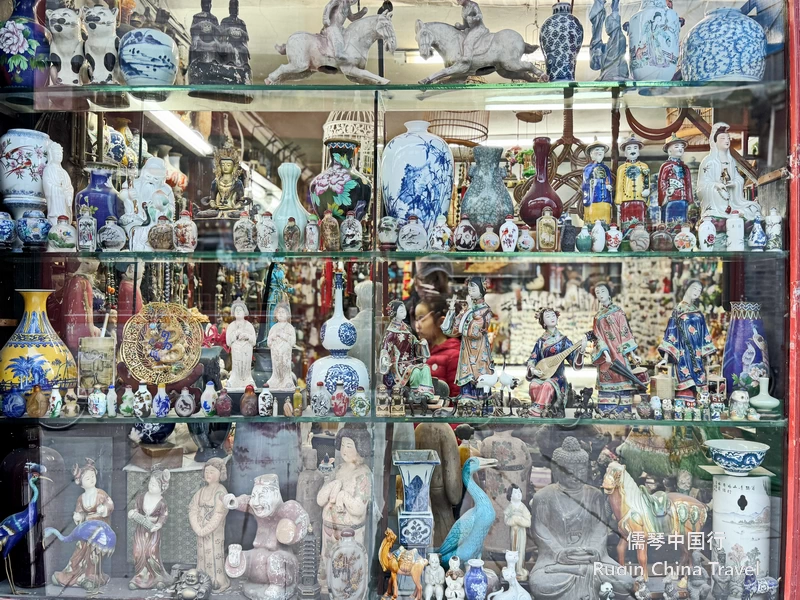
Liulichang Cultural Street
- Calligraphy brush shops
- Ink stones
- Traditional paintings
- Antique-style bookshops
Even if you don’t buy anything, walking this street feels different from the commercial buzz of the morning.
It’s quieter. More reflective.
Around 5:00 PM
Return to your hotel.
You may carry a few bags — but ideally, also a clearer understanding of what you’ve purchased and why.
Practical Notes from Me
- Wear comfortable shoes — markets involve a lot of walking.
- Keep belongings secure in crowded areas.
- Bargain respectfully and calmly.
- Avoid making large purchases impulsively.
- Weekday visits are less crowded; weekends at Panjiayuan are livelier.
Shopping in Beijing isn’t only transactional.
It’s cultural exchange — a small negotiation, a short conversation, a shared moment over an object that carries history, symbolism, or simply beauty.
When done thoughtfully, market day becomes more than retail.
Further Reading
Panjiayuan Antique Market: Opening Hours, Prices, Items & Tips
Beijing Silk Market (Silk Street): Shopping Guide, Food & Tips
Liulichang Culture Street Beijing: Maps, Walking Routes and Tips
Questions About Planning Your Trip to China
If you still have questions after reading the guides, you’re very welcome to write to me. If something feels unclear — or you’d simply like a second opinion — I’m happy to help.
Just use the short form below and tell me a little about your plan.
There’s no fee for a simple question. No pressure — just a practical reply based on real experience here in China.
If I’m traveling, replies may take a little time. Thank you for your patience.
We respect your privacy. Your details will never be shared or used for marketing.