

Written and updated by Ruqin
Last updated: June 7, 2026
The first time I visited Panjiayuan, I arrived just after sunrise. Vendors were still laying out their goods on folding tables — old coins, Cultural Revolution posters, jade bracelets, dusty porcelain bowls. Within minutes the aisles filled with collectors, curious travelers, and locals scanning the tables with practiced eyes. It felt less like a market and more like a treasure hunt.
Panjiayuan Antique Market is Beijing’s most famous flea and antiques market, and one of the most fascinating places to explore if you enjoy browsing for unusual finds. From antiques and calligraphy to vintage curios and handmade crafts, the variety is endless.
In this guide, I’ll walk you through the market layout, opening hours, what you’ll actually find there, and a few practical tips to help you enjoy the experience.
1. Panjiayuan Antique Market Overview
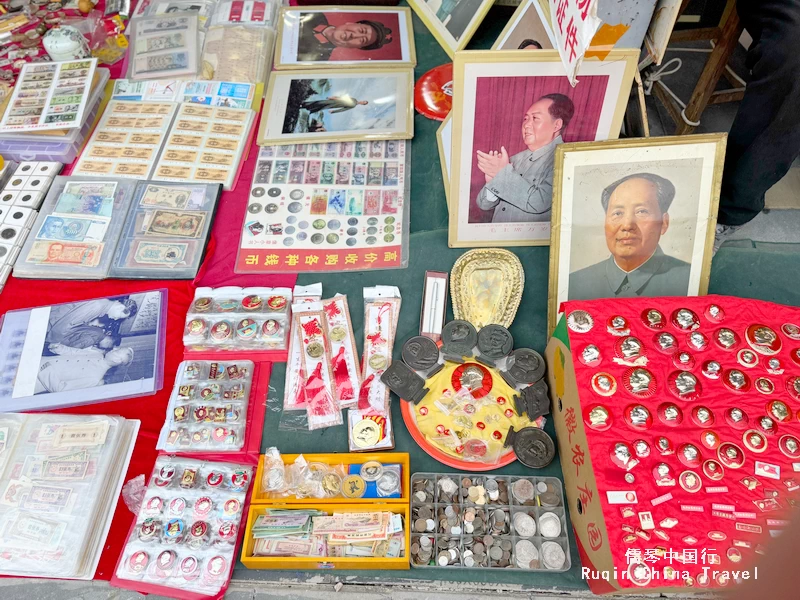
The first thing that struck me at the Panjiayuan Antique Market was the sheer variety. One table displayed old Mao badges and Cultural Revolution posters, while the next offered jade bangles, calligraphy brushes, and stacks of weathered books. Walking through the aisles feels a bit like exploring a living museum—except everything is for sale.
Today, Panjiayuan is Beijing’s largest and most famous flea and antiques market. Locals, collectors, and curious travelers all come here to browse thousands of stalls selling porcelain, jewelry, paintings, carved stone, vintage propaganda art, and handmade crafts. Some pieces are genuine antiques, others are replicas, but the thrill of discovery is part of the experience.
Twice a week, the market takes on a different personality. On Wednesday and Friday evenings it becomes the Panjiayuan Ghost Market, when vendors open late and shoppers wander the aisles under dim lights, continuing a long Chinese tradition of lively night markets.
2. How to Get to Panjiayuan Antique Market
The first time I went to the Panjiayuan Antique Market, I quickly realized the subway is by far the easiest way to get there. The market sits at 18 Huawei Li, Panjiayuan Road, Chaoyang District, in southeast Beijing. Because the surrounding roads are often congested and parking is limited, driving usually creates more hassle than convenience.
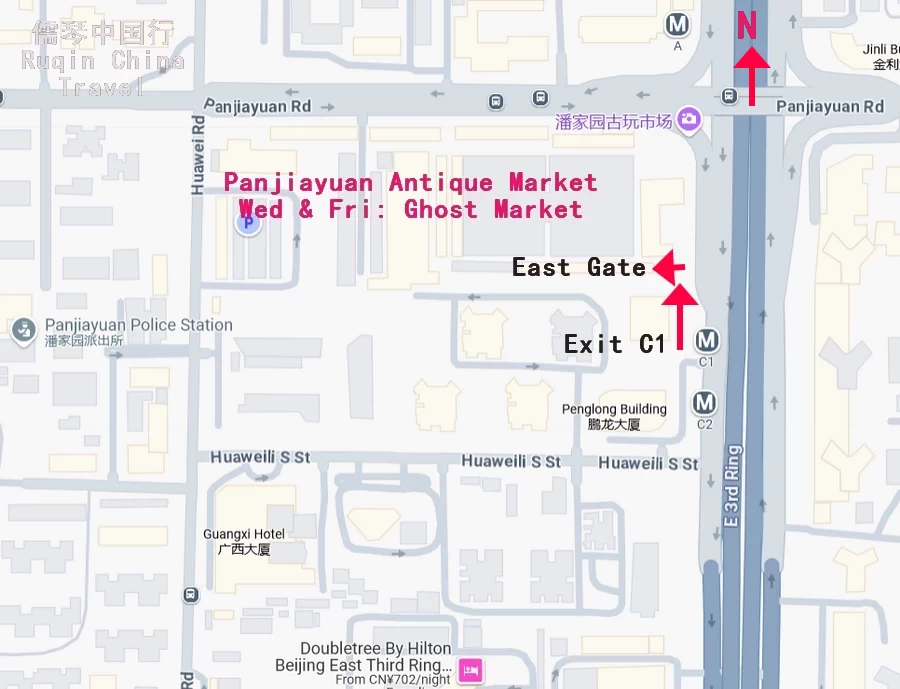
By Subway (Best Option)
Take Subway Line 10 to Panjiayuan Station (潘家园站). Follow the signs for Exit C on the platform. After you pass through Exit C, you’ll immediately see Exit C1 and Exit C2—choose Exit C1.
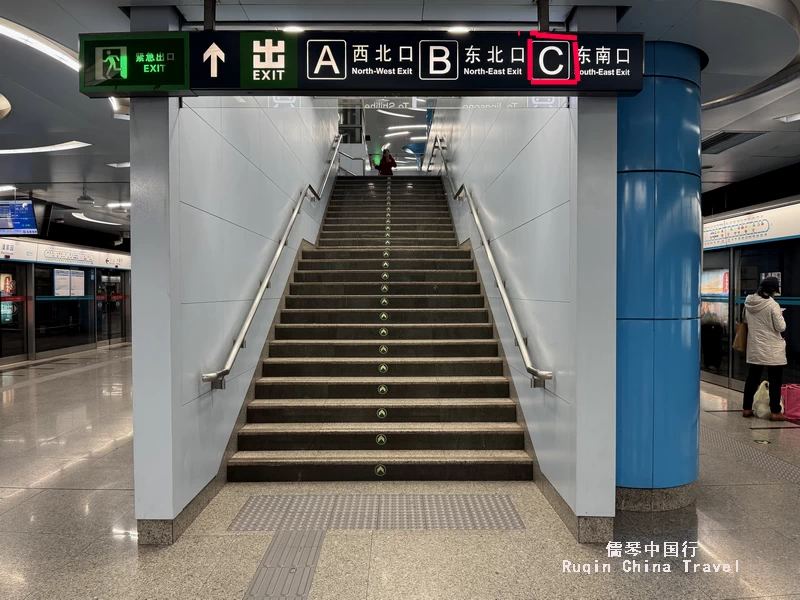
Kind reminder: On the platform at Panjiayuan Station, you will first see Exit C. When you finish exiting from Exit C from the platform, you will soon see Exit C1 and Exit C2. Please choose Exit C1.
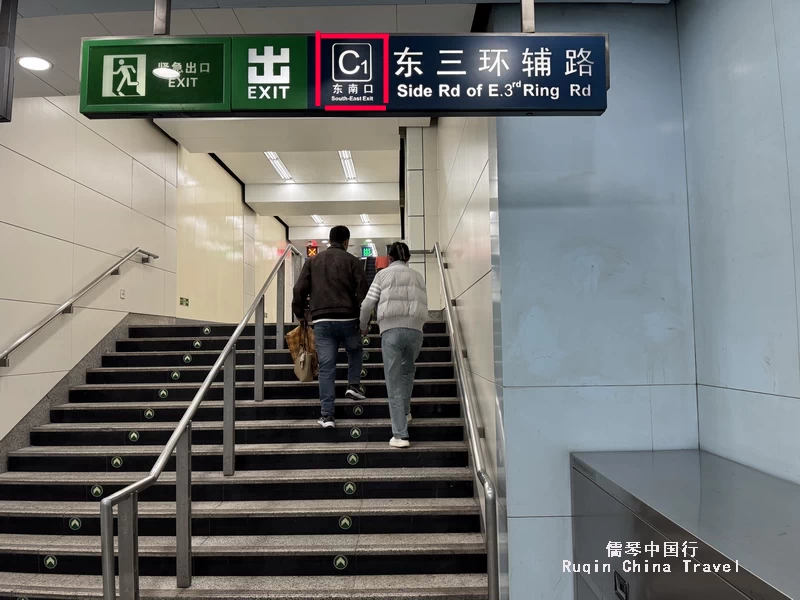
Once outside, turn slightly back toward along the sidewalk and walk north for about 30 meters. The East Gate of Panjiayuan Antique Market—also the entrance many people use for the Panjiayuan Ghost Market—will appear on your left.
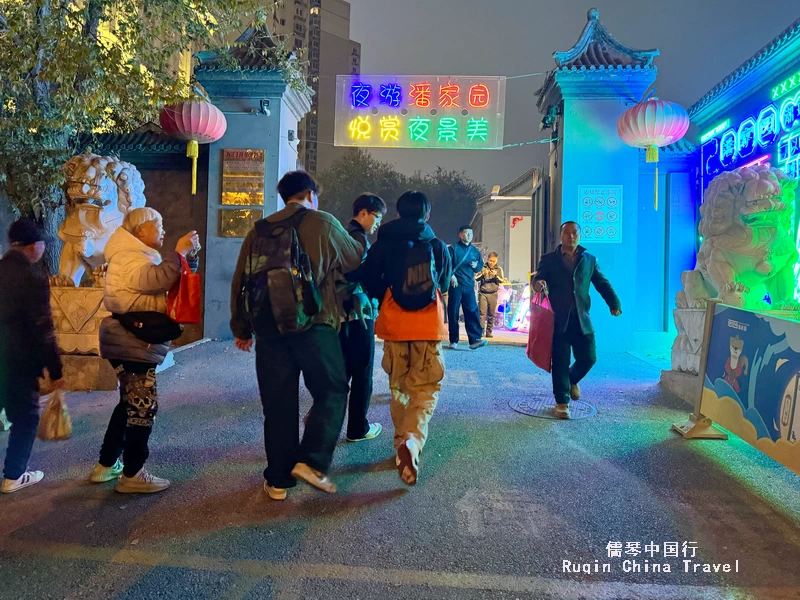
By Bus
If you’re staying nearby, Bus No. 34 stops at Panjiayuanqiao West Station, a short walk from the market.
By Taxi or Didi
Taxis and ride-hailing apps like Didi are convenient, but expect slow traffic, especially on busy market days and Friday nights.
3. Panjiayuan Antique Market Opening Hours
1) Panjiayuan Antique Market Opening Hours
When I visit the Panjiayuan Antique Market during the day, the market feels relaxed and easy to browse. Vendors slowly arrange their tables, collectors inspect items carefully, and you can take your time wandering through the aisles.
The regular daytime market operates on the following schedule:
Summer Season (April 8 – October 7)
- Monday & Tuesday: 9:00 – 21:00
- Thursday: 9:00 – 21:00
- Saturday & Sunday: 9:00 – 21:00
Winter Season (October 8 – April 7)
- Monday & Tuesday: 9:00 – 20:00
- Thursday: 9:00 – 20:00
- Saturday & Sunday: 9:00 – 20:00
2) Panjiayuan Ghost Market (Night Market ) Opening Hours
Wednesday: 9:00 – 23:00 all year round
Friday: 9:00 – 23:00 all year round
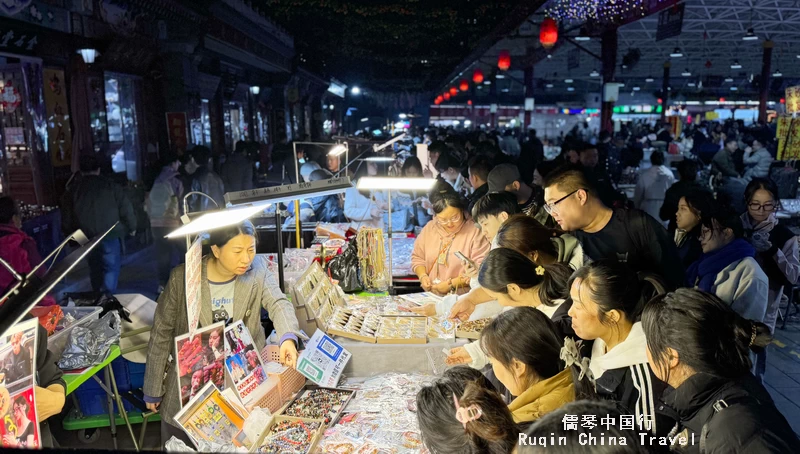
The Panjiayuan Ghost Market (Panjiayuan Night Matket ) only opens at night on Wednesdays and Fridays. In winter. Wednesdays are typically quieter, which allows for a more relaxed browsing experience. In contrast, Fridays are lively and filled with an enthusiastic crowd, making it the perfect time to enjoy the bustling market atmosphere
The Best Time to Visit Panjiayuan Ancient Market or Panjianyuan Ghost Market is on the evening of Every Fridays, most lively with more vendors and visitors.
Kind Reminder: There are two major ghost markets in Beijing. The other is Beijing Daliushu Ghost Market. For more information on Daliushu Ghost Market, check out my travel guide – A Complete Guide to Beijing Daliushu Ghost Market for more detailed information.
If it’s your first visit, you may want to set aside about two hours just for browsing. Be cautious with certain items, especially cultural artifacts and jewelry, to ensure quality and authenticity.
4. Panjiayuan Market Zones and Featured Items
To make the most of your visit, it helps to know how the market is organized. Panjiayuan Antique Market is divided into distinct zones, each offering unique items and a slightly different shopping experience.
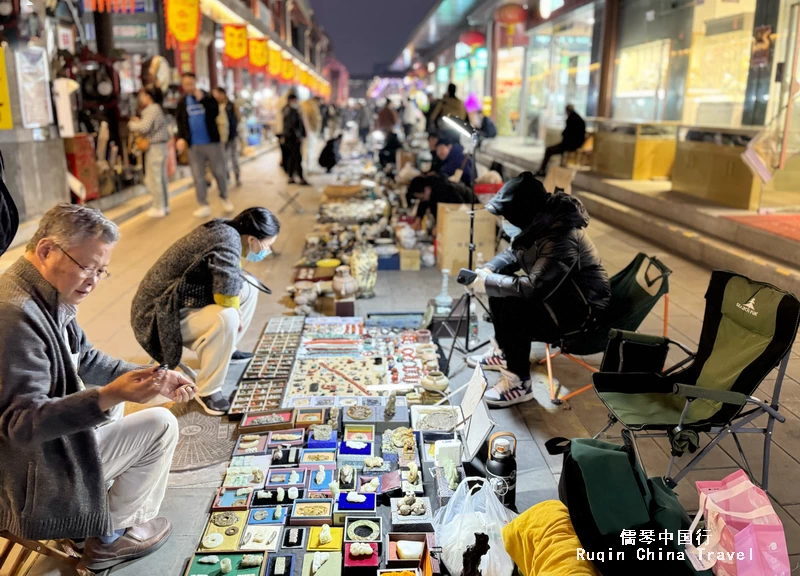
Panjiayuan Stall Area
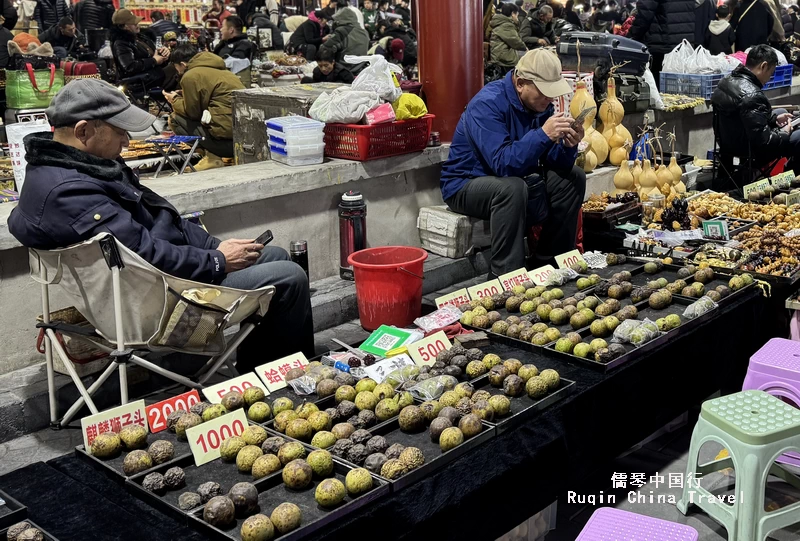
This area is popular among shoppers looking for affordable items like beaded bracelets, walnuts, cultural artifacts, jewelry, and stones. Prices start around 10 RMB, and bargaining is highly encouraged. You’ll find some of the best deals in this section.
Panjiayuan Tent Area
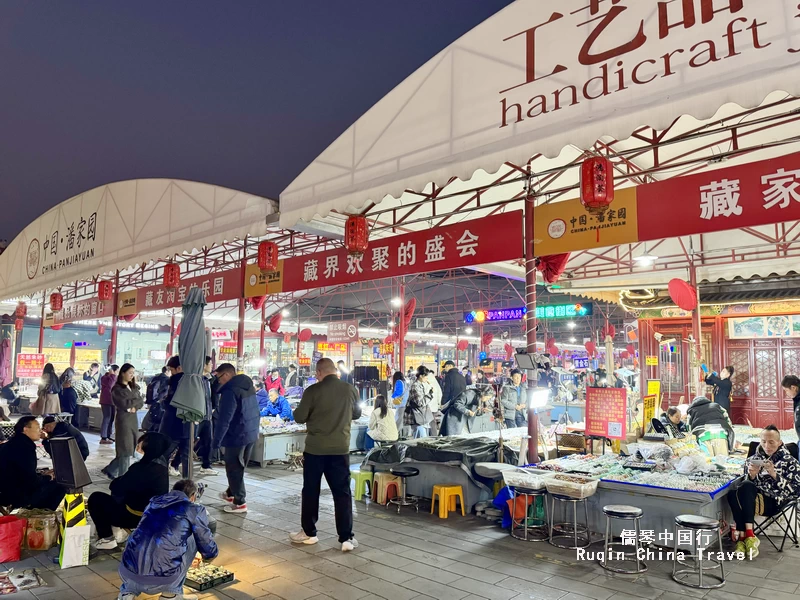
This area caters to collectors and nostalgia seekers. Here, you’ll find figurines, handmade crafts, trading cards, and mystery box toys that bring back childhood memories. The tent area is a favorite spot for people hunting for quirky souvenirs or vintage toys.
Panjiayuan Boutique Shops
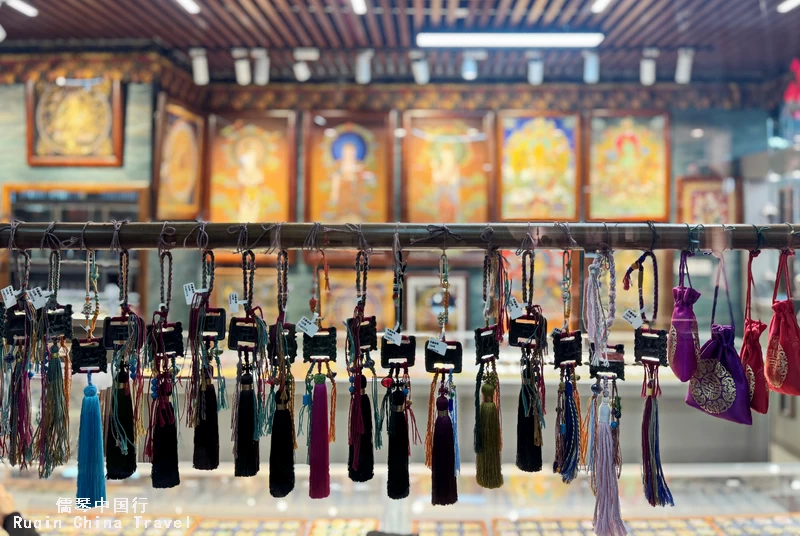
The boutique shops offer high-end collectibles such as ancient artifacts, Chinese paintings, and porcelain. These items are generally more expensive and are ideal for collectors seeking authentic pieces with historical value.
5. What’s for Sale at Panjiayuan Antique Market
The Panjiayuan Antique Market offers a diverse range of items, both modern and antique. One of the most exciting parts of visiting Panjiayuan Ghost Market is the thrill of discovering unique and unexpected items.
Mao-era memorabilia: vintage propaganda posters, badges, books, and figurines from the Mao Zedong era, each evoking a distinct period in China’s recent history
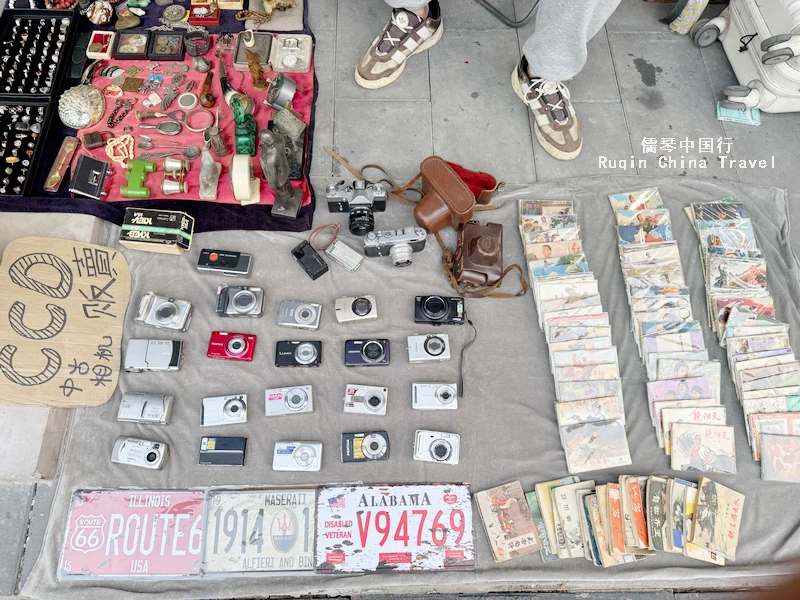
Vintage gadgets: The market is known for having older technology items like old cameras, which have become popular as nostalgic collectibles.
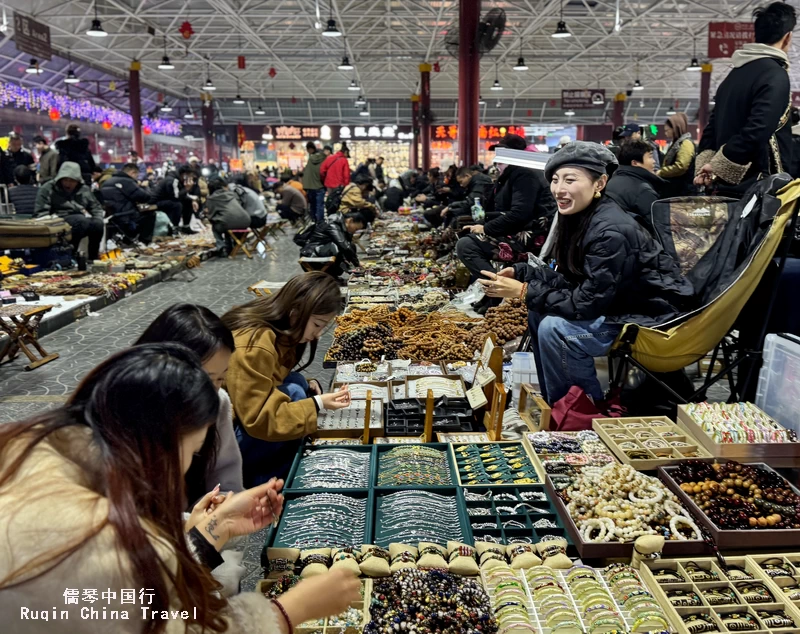
Jewelry: Bracelets, beads, jade, and other decorative items.
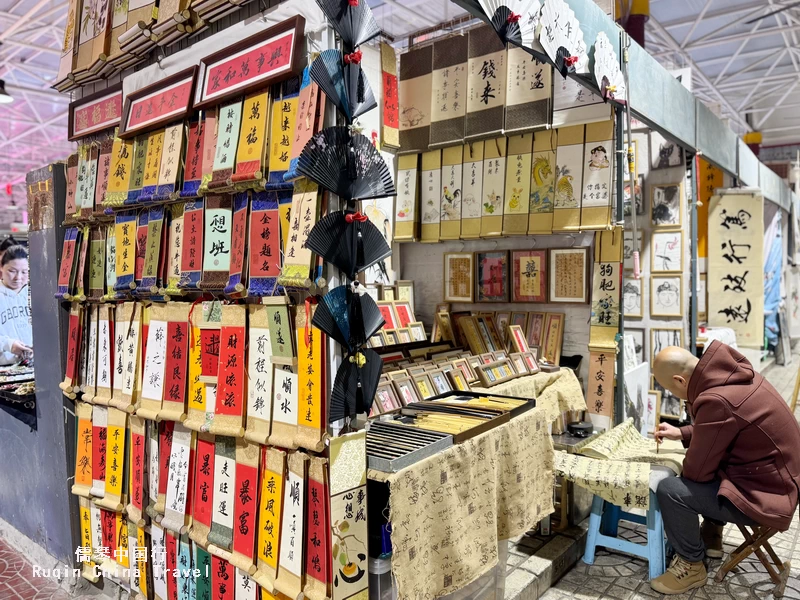
Chinese calligraphy and paintings: The market offers everything from scroll paintings to smaller calligraphy pieces, making them perfect souvenirs that reflect China’s artistic heritage.
Clothing and accessories: Traditional Chinese clothing and fashion items.
Children’s toys: A fun selection of both new and vintage toys.
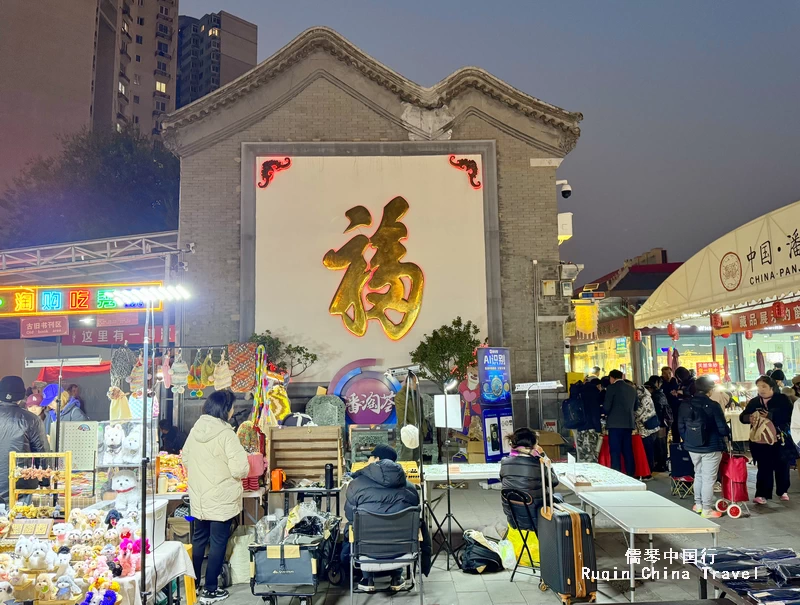
Hand-carved walnuts: These are considered lucky charms in Chinese culture, and they come in a variety of designs.
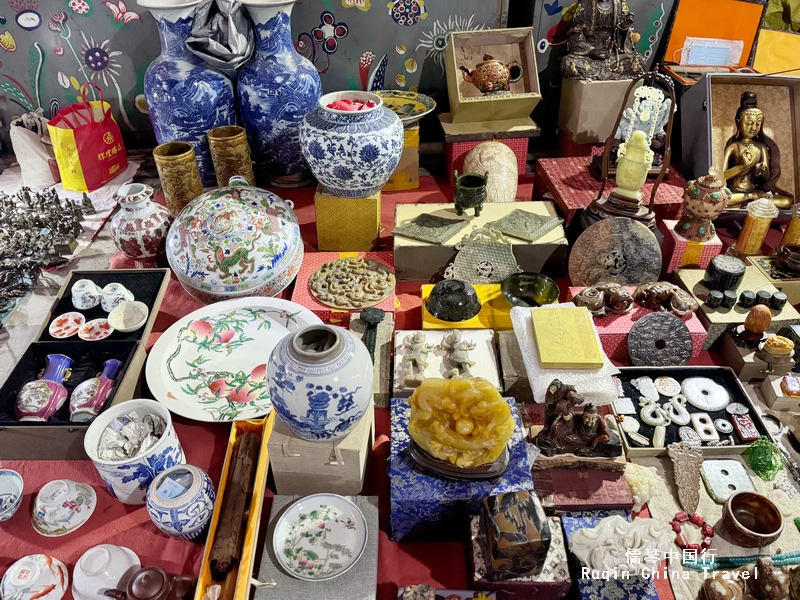
Traditional Chinese porcelain, ceramics, and pottery:These beautiful, often hand-painted pieces reflect centuries of artistry and craftsmanship. You’ll find everything from delicately designed blue-and-white porcelain vases to more rustic, earthy pottery, each item showcasing the unique regional styles of Chinese ceramics.
Chinese calligraphy and paintings: The market offers everything from scroll paintings to smaller calligraphy pieces, making them perfect souvenirs that reflect China’s artistic heritage.
These items are not only great souvenirs but also beautiful conversation pieces that will remind you of your trip to China.
6. Panjiayuan Facilities and Eating
To make your visit comfortable, it helps to know what facilities are available. There are public restrooms within the market area, though they may not always be easy to locate.
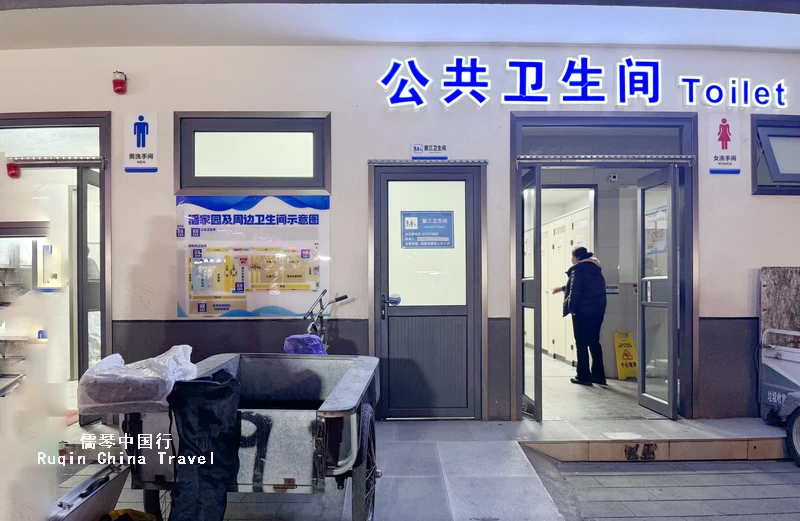
Some cafes, like Starbucks, are close by and can be convenient for a quick break if you need a rest from shopping. It’s a good idea to bring a small backpack for your purchases, as plastic bags aren’t always available at every stall.
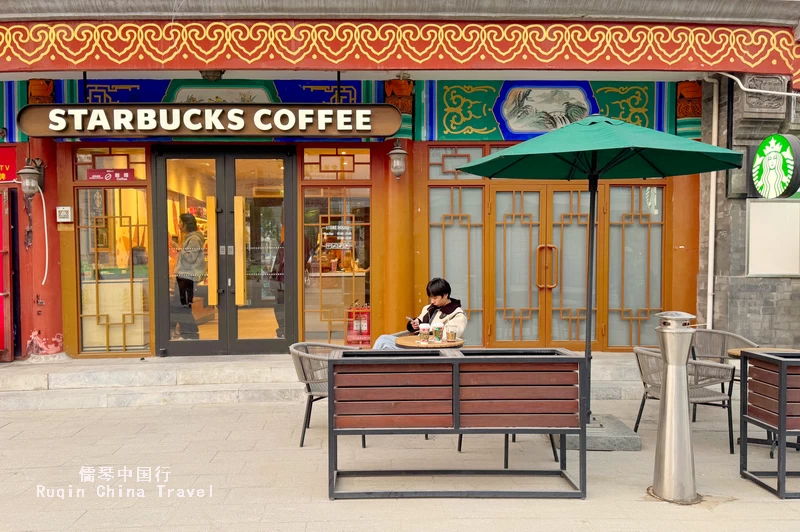
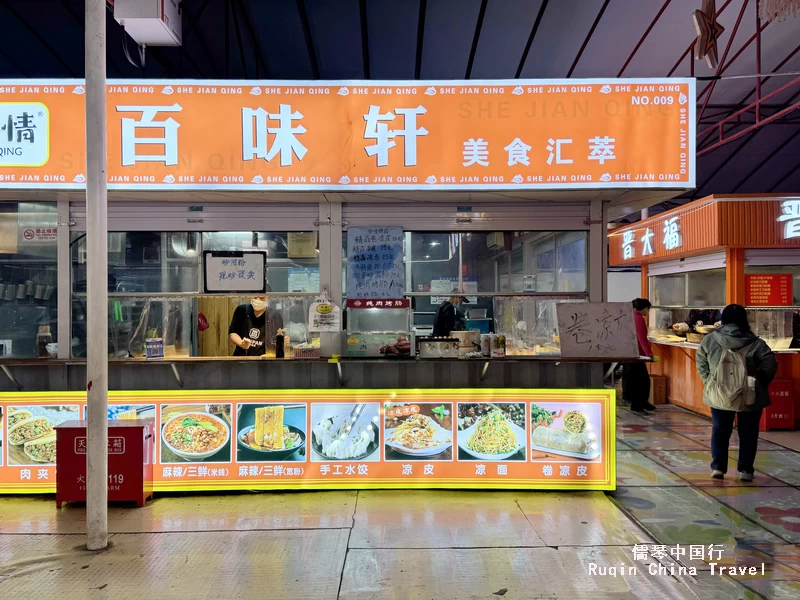
Exploring Panjiayuan Antique Market can work up an appetite, and there are several food options nearby. You can find street vendors selling local snacks, from dumplings to skewered meats. Nearby cafes and restaurants also offer quick meals and refreshments. Stopping for a snack or drink can give you energy to continue browsing and make your visit more enjoyable.
7. Tips for Visiting Panjiayuan Market as a Foreigner
As a foreign visitor, navigating the Panjiayuan Antique Market can be exciting but sometimes overwhelming. Here are a few additional tips to make your visit smooth:
Plan your visit in advance: Since the market operates only on Wednesday and Friday nights, check the latest opening hours and plan your trip accordingly.
Stay alert: With large crowds and small stalls, it’s easy to lose track of your belongings. Keep your bags secure, especially on busy Friday nights.
Hydrate and snack: The market can be tiring to navigate. Bring water or buy a drink at a nearby cafe, like the Starbucks at Panjiayuan. Street vendors offer snacks that add to the experience.
Capture memories: Photography is generally allowed, so take plenty of photos. However, it’s polite to ask vendors before photographing their stalls or products.
Bring cash: While some vendors accept mobile payments, cash is still widely preferred, especially for smaller purchases.
Prepare to bargain in Mandarin: While some vendors may speak basic English, learning a few Mandarin phrases like “too expensive” (太贵了 – tài guì le) and “can it be cheaper?” (可以便宜一点吗? – kě yǐ pián yí yī diǎn ma?) will enhance your bargaining experience.
Wear comfortable shoes: The market is extensive, so you’ll be walking and standing for long periods.
Watch for replicas: Some items may appear antique but are replicas. For items of high value, it’s advisable to do research or consult with someone knowledgeable.
Respect Vendors and Their Products: The market is a lively place, but it’s essential to respect the vendors’ space. Handle items carefully and avoid causing disruptions, as this ensures a pleasant experience for both you and the sellers.
Once everything is booked, your only job is to show up and enjoy a fun, no-stress shopping experience in the heart of Beijing.
FAQs about Panjiayuan Antique Market and its Ghost (Night) Market
1. What are Panjiayuan Night Market (Ghost Market) Hours?
- The Panjiayuan Ghost Market takes place in the evenings on Wednesdays, Fridays, running until around 23:00 or midnight depending on the schedule.
- The Wednesday market is quieter and more relaxed, while Friday is vibrant and busiest.
2. Where is Panjiayuan Market located and how do I get there?
- Located at 18 Huawei Li (East 3rd Ring Road South, Chaoyang District), just south‑east of central Beijing.
- By subway: Line 10 to Panjiayuan Station, Exit B (daytime) or Exit C1 for the Ghost Market at the East Gate.
- Avoid driving—traffic is heavy and parking is limited.
3. What can I buy and what are the market sections?
- Panjiayuan Antique has over 3,000–4,000 stalls spread over multiple zones: antiques, jade, calligraphy, paintings, ethnic handicrafts, furniture, books, and porcelain.
- Featured items: vintage propaganda posters, Mao‑era memorabilia, jade bracelets and jewelry, calligraphy, folk arts, porcelain, musical instruments, and curiosities.
4. How do I bargain and what prices are typical?
- Bargaining is expected; shop around to compare prices. Smaller items under ~20 RMB may not be negotiable, but many bead bracelets range from 10–30 RMB, with possible bulk discounts.
- Bring a magnifying glass to inspect items, especially jade or vintage pieces to check for authenticity.
5. Is the Ghost Market safe for foreign visitors?
- Yes, but trust your judgment. There are replicas and counterfeit goods among genuine items—stick with reputable vendors and inspect carefully.
- The environment is lively but not aggressive; most vendors welcome respectful haggling.
6. How long should I budget for a visit?
- Expect to spend 2–4 hours browsing the market; longer if you’re shopping or taking photos. The Ghost Market is more compact—an evening stroll of 1–2 hours is typical.
7. What should I bring or prepare?
- Come with cash (RMB)—many vendors don’t take card. ATMs are nearby.
- A small magnifying glass helps with careful inspection.
- A flashlight can be useful in the night market to inspect darker stalls.
8. Can I find food or snacks inside?
- Daytime: food options are limited just inside the market, but there are many restaurants and stalls nearby on Panjiayuan Road and near Longtan Park.
- Night market evenings: vendors may offer street snacks and tea, though food is secondary to antiques; better food options are outside the market.
9. Any local etiquette or customs I should be aware of?
- Be polite and friendly—start bargaining with a smile.
- It’s helpful to know basic Chinese greetings or phrases; pointing at items and counting in RMB helps if language is a barrier.
- Don’t insult vendors’ wares—if you’re uncertain, walk away and compare with others.
Before leaving the Panjiayuan Antique Market, I always take one last slow walk through the aisles. Even if you’re not planning to buy anything, the experience itself is worth it—the conversations with vendors, the unexpected objects on dusty tables, and the feeling that you might discover something completely unique.
If your schedule allows, try to visit both the daytime market and the lively Panjiayuan Ghost Market. Each has a different rhythm, and together they reveal one of the most fascinating corners of Beijing’s street culture.
About the Author
Ruqin is the founder of Ruqintravel.com and has spent more than four decades working in China’s travel industry. Drawing on hands-on experience in cities like Beijing and Hangzhou, he personally researches and updates each guide to help international travelers navigate China with confidence.
Further Reading
Daliushu Market, Daliushu Ghost Market: Map, Hours, Price & Tips
Dashilan Street: Map, Food, Shopping & Hotels
Xianyukou Street, Beijing: What to Eat, Shop & See Before You Go
Yangmeizhu Xiejie Street – A Hidden Gem in Beijing
Liulichang Culture Street Beijing – Your Complete Guide
Sanlihe Park Beijing: A Tranquil Escape in the Heart of the City
Caochang Hutongs in Beijing: Maps, Routes, Top Sights & Tips
Beijing Fun (Beijingfang) Guide: Top Things to Do, Map & Tips













Market hours over CNY – is the night market on 2/20 or 2/27?
Hi Jennifer,
Happy Chinese New Year!
During the 2026 Spring Festival, Panjiayuan Antique Market will remain open as usual. Meanwhile, it will host the 15th Panjiayuan Spring Festival Cultural Temple Fair.
Business Hours:
From February 17 (the first day of the Lunar New Year) to February 23 (the seventh day), it will open daily from 10:00 AM to 8:00 PM.
This isn’t just a market visit. It’s a full New Year experience.
You’ll see traditional intangible cultural heritage displays. You’ll enjoy lively folk performances. You can browse antiques and collectibles. And at the same time, you can explore a festive New Year market filled with seasonal goods.
In short, the atmosphere feels rich with tradition. It’s festive. It’s colorful. And above all, it’s wonderfully alive with the spirit of Chinese New Year.
Have a fun!
Daniel
Ruqin China Travel