Written and updated by Ruqin
Last updated: March 16, 2026
Walking into Xishiku Church (西什库教堂), also known as Beitang or the Church of the Saviour, feels surprisingly calm for a place so close to central Beijing. The Gothic towers rise above quiet courtyards, and inside, the atmosphere shifts from busy city streets to a peaceful space shaped by more than a century of history.
This guide will help you plan a smooth visit — from attending Mass to understanding the church’s history, finding the entrance, and navigating transport nearby. Here’s what travelers should know before visiting this remarkable Beijing landmark.
1. Xishiku Church Overview
Tucked along a quiet street not far from the Forbidden City, Xishiku Church — also known as the Church of the Saviour or Beitang (North Church) — is one of the most historic Catholic churches in Beijing. Its grey Gothic towers, pointed arches, and peaceful courtyard create a striking contrast with the surrounding hutong lanes and government buildings.

The church’s story reaches back to 1693, when French Jesuit missionaries first built a Catholic church near Cangchikou (蚕池口). That original church was completed in 1703 and was known locally as Cangchikou Church. In 1887, the church was relocated to its present site on Xishiku Street, where the grand Gothic structure you see today was later constructed.
For many years, the church served as the cathedral of the Beijing Catholic Diocese. After a long period of closure, it reopened to the public in 1985 following restoration. Today, Xishiku Church remains one of the largest and most important Catholic churches in Beijing. Beyond its religious role, it also stands as a fascinating reminder of the cultural exchange between China and the West during the late Qing dynasty.
2. Xishiku Church Architectural Style
The architecture of Xishiku Church is breathtaking and distinct. The three-story Gothic-style main building features 11 spires that soar into the sky. The structure follows a cross-shaped floor plan, symbolizing Christian faith. Its large, arched windows are filled with vibrant stained glass, depicting scenes from the Bible and the history of Catholicism in China.
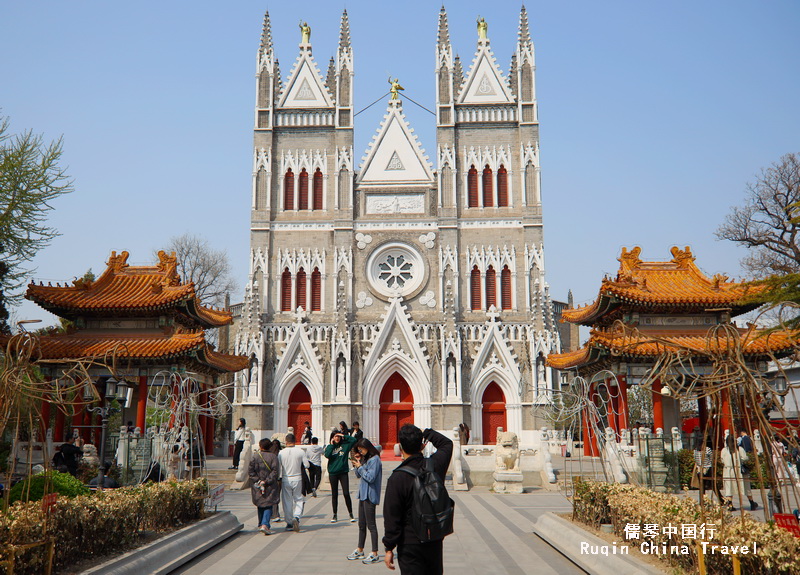
Outside, the church displays unique Chinese elements. At the entrance, two pavilions with yellow-glazed tile roofs hold stone tablets inscribed by Emperor Qianlong. These features blend Eastern and Western styles seamlessly. The spacious interior is equally grand. A choir loft rises above, while ornate columns and intricate carvings create an awe-inspiring atmosphere.

The church has become a national cultural relic due to its historical and artistic significance. Visitors often marvel at the harmonious combination of Chinese details and European design. Whether you’re an architecture enthusiast or a casual traveler, Xishiku Church offers a visual and cultural feast.
3. How to Get to Xishiku Church
Reaching Xishiku Church is simple and convenient. Located at 33 Xishiku Street in Xicheng District (西城区西什库大街33号), the church is accessible by various transportation methods.

- By Subway: Take Line 6 to Beihai North Station (北海北站) or Line 4 to Xisi Station (西四站). From Xisi Station, it’s a 10-minute walk to the church.
- By Bus: Many bus routes stop near the church. Routes 14, 55, 68, 128, and 612 drop you off at Beijing No. 39 Middle School Station. Alternatively, take routes 101, 103, or 109 to Xianmen Station.
- By Car: Use a navigation app and search for “Xishiku Church.” Limited parking is available nearby, so arriving early is a good idea.
If you prefer more convenience, consider booking a taxi or rideshare. Or you may walk from Beihai Park or from Shichahai ( Houhai Area ). The area is well-connected and easy to navigate.
4. Xishiku Church Visiting Tips
Visiting Xishiku Church is quite straightforward, but a little preparation will help you enjoy the experience more fully. The church sits in a quiet compound, and once you step inside the gate, the atmosphere feels calm and reflective.
Admission and opening hours
Entry to the church is free. In general, the church is open during the day, roughly from morning to late afternoon on weekdays, with longer hours on weekends. Since schedules can change around religious services or church events, it’s best to allow some flexibility in your visit.
Respect the atmosphere
Xishiku is an active place of worship, not just a historical landmark. Visitors are welcome, but it’s important to keep voices low and dress modestly. Simple travel clothing is fine, but avoid overly casual items like sleeveless tops or flip-flops if you plan to attend Mass.
Photography etiquette
Photography is usually allowed in the courtyard and many areas of the church. However, avoid taking photos during Mass or religious activities. If people are praying, it’s best to step back and give them space.
Accessibility
The church courtyard and main hall are generally accessible, but some paths around the grounds may be slightly uneven. Visitors with mobility concerns may want a companion for assistance.
How long to spend
Most travelers spend 30 minutes to an hour here. Early morning or late afternoon tends to be the most peaceful time to visit, and the soft light makes the Gothic architecture especially beautiful for photos.
5. Xishiku Church Mass Schedule
Attending Mass at Xishiku Church is a spiritual experience for many. The schedule offers a variety of times, including services in multiple languages.

- Sunday Mass:
6:30 AM, 7:30 AM, 9:30 AM, 11:00 AM (English), 12:30 PM (Italian/Spanish), 4:00 PM, 6:00 PM. - Weekday Mass:
7:15 AM (Monday to Friday). - Saturday Mass:
7:15 AM and 6:00 PM.
When attending, follow church etiquette. Arrive early to find a seat, silence your phone, and dress respectfully. Mass is a solemn occasion, so avoid unnecessary movement or disruptions during the service.
6. Enjoying the Blossoms at Xishiku Church
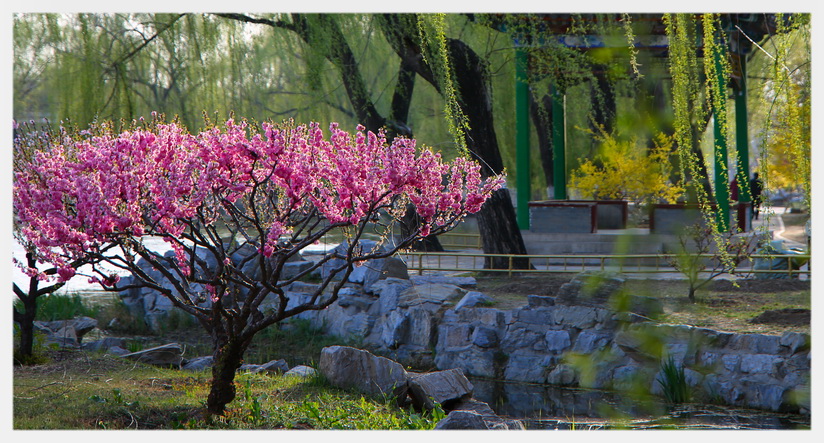
In spring, Beijing comes alive with vibrant colors and blooming flowers. At Xishiku Church, the pathways burst with crabapple and lilac blossoms, creating a picture-perfect scene.

The highlight of Xishiku Church in spring is the stunning crabapple blossoms. Their delicate fragrance fills the air as their green leaves sway gently in the breeze. It feels like stepping into a lively painting full of renewal and hope. Surrounding the church, other flowers also bloom, enhancing the vibrant and refreshing atmosphere.

The peak flower-viewing season at Xishiku Church is in spring, typically around April. During this time, crabapple blossoms and other blooms reach full bloom, making the church grounds a must-visit spot for nature and photography lovers. Whether you seek tranquility or a touch of spring magic, this is the perfect time to enjoy the charm of Xishiku Church.
7. Guide to Hosting a Wedding at Xishiku Church
Planning a wedding at Xishiku Church is a dream for many couples. The church offers a stunning venue and meaningful spiritual experience.

Booking and Costs: Reserve your wedding date 3–6 months in advance by calling +86 10-66158816. The 2,600 RMB package includes an officiating priest, lighting, sound, coordination, and elegant decorations like floral arches and candle holders.

Timing: Weddings can be held Monday to Saturday. Sundays and major religious holidays like Christmas and Easter are unavailable.
Venue Decorations: The spacious interior allows for flexible themes, from vintage to modern. Work with planners to create your dream setting.
Transportation and Accessibility: Guests can park nearby or use shuttle services. The church accommodates small and large gatherings.
With its historic charm and religious significance, Xishiku Church creates unforgettable memories for couples and their loved ones.
8. Xishiku Church Nearby Attractions
After visiting Xishiku Church, explore these nearby attractions to enrich your experience. Each offers a unique glimpse into Beijing’s history and culture.

1901 Café 1901咖啡馆
Located beside Xishiku Church, this café offers a cozy retreat with great coffee and handcrafted pastries. Its décor blends history with modern comfort, featuring artifacts from the early 20th century
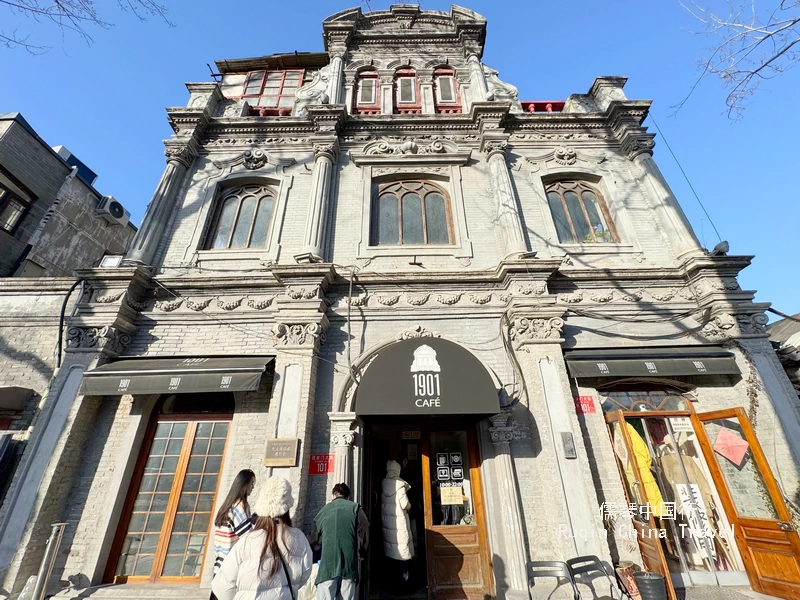
The rooftop seating provides stunning views of the church and surrounding area, making it a perfect spot to unwind.
Miaoying Temple White Pagoda 妙应寺白塔
Miaoying Temple (妙应寺) is commonly referred to as the White Stupa Temple (白塔寺 Baita Si ), or Baita Temple due to the striking all-white appearance of its pagoda.

Known for its striking white pagoda, this Buddhist temple is a serene and picturesque destination. The pagoda, a landmark of Yuan Dynasty architecture, stands out amid the city’s skyline. The temple grounds also offer tranquil gardens, perfect for a quiet moment of reflection.
Temple of Ancient Emperors 历代帝王庙
This majestic temple pays homage to past Chinese emperors. Its vibrant red walls and intricate carvings reflect traditional architectural excellence. Visitors can learn about the lives of emperors and their role in shaping Chinese history through its detailed displays.

Guangji Temple 广济寺
As one of Beijing’s oldest Buddhist temples, Guangji Temple is a serene haven. It features beautiful halls, intricate statues, and peaceful courtyards. The temple also holds cultural relics and serves as a hub for Buddhist cultural events, offering visitors a deeper understanding of local religious practices.

These attractions complement your visit to Xishiku Church, making for a full day of exploration in Beijing.
Xishiku Church, also known as the Church of the Saviour, is a must-visit destination in Beijing. Its mix of history, architecture, and spirituality leaves a lasting impression on all who visit. Whether you’re attending Mass, hosting a wedding, or simply exploring, Xishiku Church promises a memorable experience. Don’t forget to explore nearby attractions to complete your journey through this cultural gem.
About the Author
Ruqin is the founder of Ruqintravel.com and has spent more than four decades working in China’s travel industry. Drawing on hands-on experience in cities like Beijing and Hangzhou, he personally researches and updates each guide to help international travelers navigate China with confidence.
Further Reading
Miaoying Temple ( White Stupa Temple) in Beijing: Highlights & Tips
Guijie Street (Ghost Street) Beijing: Maps, Restaurants and Guide
Wudaoying Hutong: Map, Shops, Cafes, Food and Travel Tips
Liulichang Culture Street Beijing: Maps, Walking Routes and Tips
Qianmen Street Beijing: Map, Food, Shopping & Local Tips
Dashilan Street: Map, Food, Shopping & Hotels
Xianyukou Street, Beijing: What to Eat, Shop & See Before You Go