
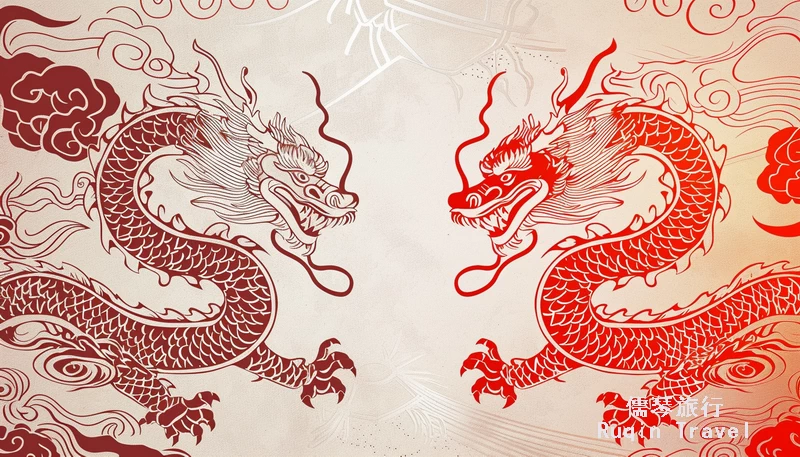

Introduction to Chinese Paper Cutting Art
Chinese Paper Cutting Art, known as “Jianzhi,” is a traditional folk art that dates back thousands of years. It involves cutting intricate designs into paper using scissors or knives.
This art form is more than just a craft; it is a significant cultural expression reflecting Chinese history, beliefs, and customs. For foreign tourists, understanding and appreciating this art can deepen their cultural experience when visiting China.
The History of Chinese Paper Cutting
Chinese Paper Cutting originated during the Han Dynasty (206 BC – 220 AD). Initially, it was a pastime for women in the royal court. Over time, it became popular among the common people.
By the Tang and Song Dynasties, paper cutting had spread widely, used for various celebrations and ceremonies. The designs often depicted auspicious symbols, flowers, birds, and traditional stories, reflecting the culture and values of different periods in Chinese history.
Cultural Significance of Chinese Paper Cutting
Chinese Paper Cutting holds deep cultural significance. These intricate designs are used in festivals, weddings, and other important events. During Chinese New Year, people decorate windows and doors with paper cuttings to bring good luck.
At weddings, specific patterns symbolize happiness and prosperity for the couple. Each design carries a meaning, often rooted in ancient Chinese philosophy and beliefs, such as the dragon representing power and the phoenix symbolizing harmony.
Techniques and Tools for Chinese Paper Cutting
Tools
To start with Chinese Paper Cutting, you need a few basic tools:
- Paper: Traditionally, rice paper is used, but any thin, strong paper works.
- Scissors or Knives: Special scissors or small knives designed for paper cutting are preferred.
- Cutting Mat: Protects your work surface and provides a good cutting base.
Techniques
Several techniques define Chinese Paper Cutting:
- Symmetrical Cutting: Fold the paper and cut out a pattern, resulting in a symmetrical design.
- Single-Sheet Cutting: Involves cutting intricate designs from a single sheet without folding.
- Layered Cutting: Multiple sheets are cut together to create a more complex and layered design.
How to Do Chinese Paper Cutting
To create your own paper cutting, follow these steps:
- Choose a Pattern: Start with simple designs like flowers or butterflies.
- Prepare Your Paper: Fold the paper if you’re doing symmetrical cutting.
- Cut Carefully: Use small, precise cuts. Take your time to follow the pattern.
- Unfold and Enjoy: Carefully unfold your paper to reveal the design.
Patterns and Designs in Chinese Paper Cutting
The patterns in Chinese Paper Cutting are diverse and rich in meaning. Common designs include:
- Floral Patterns: Representing growth, beauty, and prosperity.
- Animal Figures: Dragons, phoenixes, and other animals symbolize various traits and blessings.
- Historical and Mythological Scenes: Depicting stories from Chinese folklore and history.
Learning Chinese Paper Cutting: Tips for Beginners
For beginners, Chinese Paper Cutting might seem daunting. Here are some tips to get started:
- Start Simple: Begin with easy patterns and gradually move to complex ones.
- Use Templates: Templates can help you understand the cutting techniques and improve precision.
- Practice Regularly: Like any art form, practice improves your skill and confidence.
- Attend Workshops: Joining a paper cutting workshop can provide hands-on experience and guidance.
Where to See Chinese Paper Cutting in China
While visiting China, you can explore various places to see this beautiful art form:
- Shaanxi Province: Known for its intricate and vibrant paper cuttings.
- Yuxian County, Hebei Province: Famous for its colorful, elaborate designs.
- Folk Art Museums: Many cities have museums dedicated to folk arts, including paper cutting.
Chinese Paper Cutting Workshops
Participating in a workshop can be a rewarding experience. Many cultural centers and museums offer workshops where you can learn from skilled artists.
These sessions usually provide all the necessary tools and materials, and you get to take home your creations.
Chinese Paper Cutting as Souvenirs
Chinese Paper Cuttings make excellent souvenirs. They are lightweight, easy to pack, and embody rich cultural heritage.
You can find them in various forms, such as framed art, bookmarks, or decorations. They make unique and meaningful gifts for friends and family.
Famous Chinese Paper Cutting Artists
Several artists have gained recognition for their contributions to Chinese Paper Cutting. For example:
- Zhao Zhiqian: A well-known artist from the Qing Dynasty, renowned for his intricate designs.
- Wu Su’e: A modern-day artist whose works have been exhibited internationally.
- Gao Fenglian: Known for her large, colorful paper cuttings, often depicting scenes from Chinese folklore.
Chinese New Year Paper Cutting
Chinese New Year is one of the most significant times for paper cutting. People create and display paper cuttings featuring symbols of good fortune, such as the character “Fu” (福) for happiness and prosperity. These decorations are believed to bring good luck and drive away evil spirits.
Chinese Paper Cutting Art is a fascinating and integral part of Chinese culture. For foreign tourists, learning about and engaging with this art form offers a unique insight into China’s rich heritage.
Whether you try your hand at making your own paper cuttings or admire the works of master artists, this traditional craft provides a deeper connection to the spirit and history of China. Enjoy your journey into the world of Chinese Paper Cutting, and may your travels be filled with cultural discoveries and artistic inspiration. Check out China Cultural Insights for more information.
Further Reading
Chinese Dragon: Myths, History, and Symbolism
The Architecture of Siheyuan and Hutongs in Beijing – Your Complete Guide
Chinese Zodiac Signs Explained – A Foreigner’s Guide
Traditional Chinese Music Instruments – A Foreigner’s Guide
Chinese Seal Carving – A Foreigner’s Guide
Traditional Chinese Clothing: A Foreigner’s Guide
Chinese Seal Carving – A Foreigner’s Guide












I have quite a few framed paper cutting artwork believe they are from China but not sure wondering if there’s any way anybody can tell me anything about these?
Hi Stacey,
Glad you are interested in Chinese paper cutting!
Chinese Paper-Cutting Art
Chinese paper-cutting is a traditional folk art with a long history. It involves using scissors or knives to cut out patterns from paper, creating hollowed-out designs. These artworks are widely used for festive decorations, weddings, and other celebrations.
History and Development
Paper-cutting originated during the Northern Dynasties (386–581 AD) and has a history of over 1,500 years. It flourished during the Sui and Tang dynasties, where it was mentioned in poetry. In the Song dynasty, it became a specialized craft. During the Ming and Qing dynasties, it reached a creative peak.
In 2006, paper-cutting was listed as a National Intangible Cultural Heritage of China, and in 2009, it was recognized by UNESCO as part of the Representative List of the Intangible Cultural Heritage of Humanity.
Main Characteristics
Diverse Techniques: Primarily involves cutting and hollowing, often combined with tearing, dyeing, and other methods, creating both intricate and bold visual effects.
Common techniques include:
Yangke (positive carving): where the lines are preserved
Yinke (negative carving): where the background is hollowed out
Combined techniques: blending both positive and negative carving
Rich Themes: Covers all aspects of nature, mythology, and folk tales. Artists often use metaphors and symbolism to express good wishes — for example, “magpies on plum blossoms” symbolize good luck.
Regional Styles: Each region has its own style.
Shaanxi: bold and unrestrained
Guangdong: delicate and lively
Yu County (Hebei): known for bright colors
Cultural Value and Preservation
Paper-cutting reflects Chinese aesthetic values and everyday life, carrying folk memories and collective wisdom.
Today, the art is being revitalized through efforts such as:
Integrating intangible cultural heritage into schools
Digital promotion (including AI technology)
Industrial development (e.g., Xiaochang carved paper-cutting as part of rural revitalization)
Chinese paper-cutting, with “one cut, one paper,” showcases a culture spanning thousands of years. It is not only a treasure of traditional craftsmanship but also a living example of cultural heritage passed down through generations.
Any questions, please let us know.
Kind Regards,
Ruqin China Travel Team