
Written and updated by Ruqin
Last updated: May 04, 2026
Beijing can feel overwhelming at first glance. I’ve stood at wide intersections, watching buses, bikes, and subway exits all moving at once, wondering which direction made sense. But once you understand the flow, the city becomes surprisingly manageable. That’s really the heart of How to Get Around Beijing.
Give it a day or two, and patterns start to click. In this guide, I’ll walk you through the subway, buses, bikes, and when to simply walk—so you can move through Beijing with confidence, not confusion.
1. Beijing Subway Guide for Tourists
The Beijing subway is one of the most efficient ways to travel across the city. It’s cheap, convenient, and easy to use, even if you don’t speak Chinese. With signs in both Chinese and English, the subway system is foreigner-friendly.
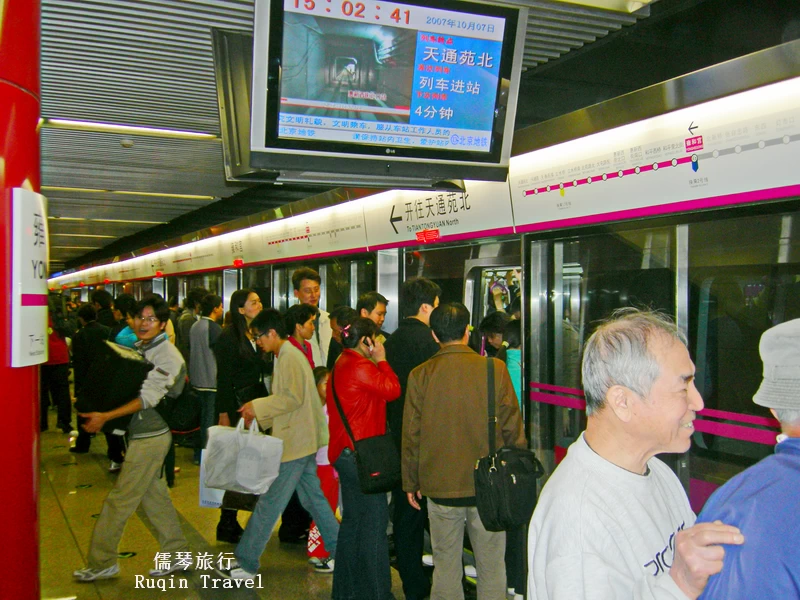
To ride the subway, you can use your credit card to swipe and go; buy single-journey tickets at the station.
The subway network covers nearly all major tourist attractions, including the Great Wall, the Summer Palace, and the Temple of Heaven. Additionally, the stations are clean and safe. Trains are frequent, and the operating hours are usually from 5:30 AM to 11:30 PM, depending on the line.
2. How to Use the Bus in Beijing
While the subway is convenient, buses in Beijing can take you to places the subway doesn’t reach. With thousands of bus routes, Beijing’s bus system is extensive. However, it can be a bit tricky for foreign tourists due to limited English signage.
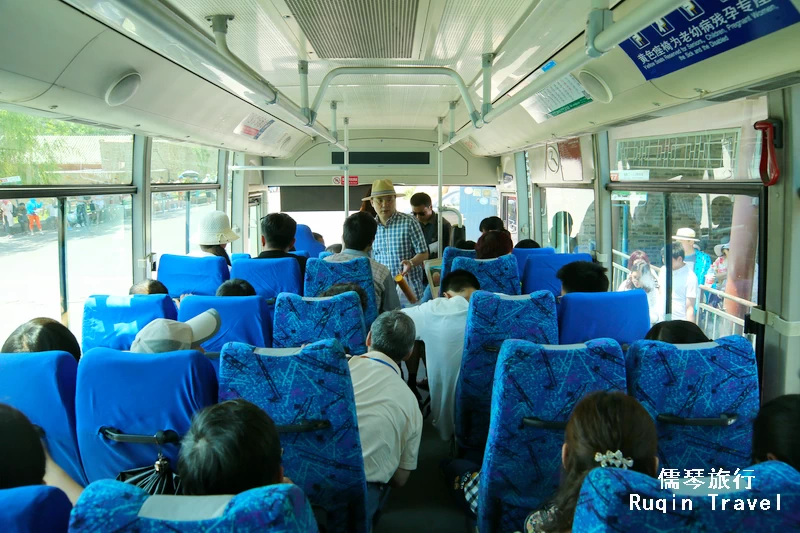
First, download a navigation app like Baidu Maps or Google Maps. These apps will help you find the correct bus routes and stops. Additionally, buses are a good option if you’re traveling during rush hours, as they often use dedicated bus lanes to avoid traffic.
Though using buses requires more planning, they can give you a deeper look into local life and take you to lesser-known areas.
3. Taxis in Beijing for Foreigners
Taxis are another convenient option for getting around Beijing, especially for tourists who want to avoid crowds. You’ll find taxis everywhere, from hotels to major tourist attractions.
Most taxis in Beijing are affordable, and fares are metered. However, it’s worth noting that during peak hours, finding an available taxi can be challenging.
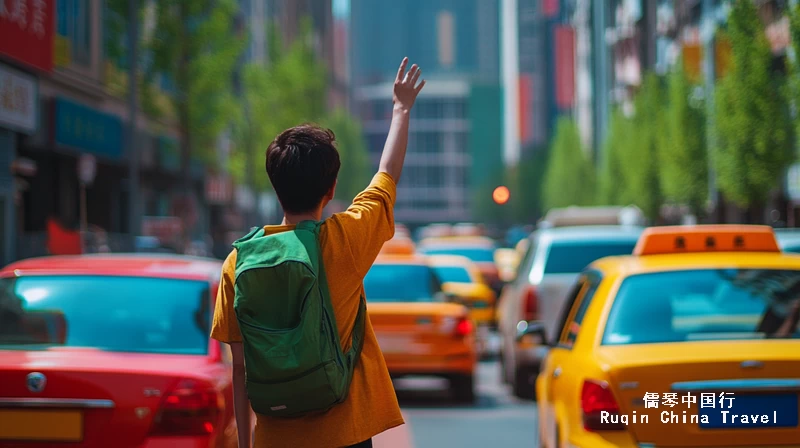
To make it easier, carry your destination’s name written in Chinese or show the address on your phone. Most taxi drivers speak little or no English, so having the location in Chinese will help.
While taxis are generally reliable, apps likeDiDi (China’s version of Uber) are widely used. DiDi is available in English, making it easier for foreigners to book a ride.
4. Private Car
If you prefer more comfort and privacy, hiring a driver with a car is an excellent option. Many companies offer car rental services with drivers who can take you to popular tourist spots. This option is perfect for those who want a more personalized experience or are traveling with family. It’s also ideal if you plan to visit places outside the city, like the Great Wall.
Hiring a private driver allows you to travel at your own pace and avoid the hassle of public transportation. However, it’s more expensive than other options. Still, for travelers seeking convenience and flexibility, it’s worth considering.
5. Walk around Beijing
One of the best ways to experience Beijing’s charm is by walking. Many of the city’s famous attractions, such as the Forbidden City, Tiananmen Square, and Wangfujing Street, are located close to each other. You can easily stroll from one place to another. Walking allows you to discover hidden alleys, traditional hutongs, and local shops.
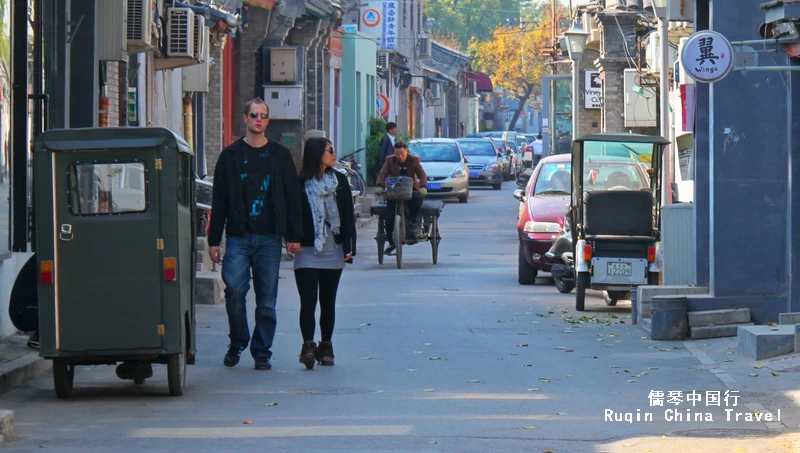
However, it’s important to remember that Beijing is a big city. If you’re planning to explore on foot, make sure to plan your routes carefully. Bring comfortable shoes and a map or download a navigation app. Walking is an excellent way to enjoy the atmosphere of the city at a relaxed pace.
6. Bike Beijing
Bicycles are a popular and eco-friendly way to get around Beijing. The city has designated bike lanes, making it easier and safer for cyclists. You’ll find shared bicycles everywhere, especially near subway stations and popular tourist spots.
Companies likeMobike and Ofo provide easy access to bikes with mobile apps. Simply scan a QR code, and you’re ready to ride.

Biking offers a great opportunity to see more of the city in less time. For instance, you can cycle through the hutongs or around the scenic Shichahai area. It’s an enjoyable way to visit Beijing’s historical and modern neighborhoods. Just remember to follow the traffic rules and stay alert while riding.
7. Rickshaw Beijing
For a unique and traditional experience, consider riding a rickshaw. Rickshaw rides are popular in areas like the hutongs, where narrow alleys are difficult for cars or buses to access. A rickshaw ride offers an up-close view of Beijing’s historical neighborhoods. Plus, it’s a fun way to learn more about the city’s culture and history.
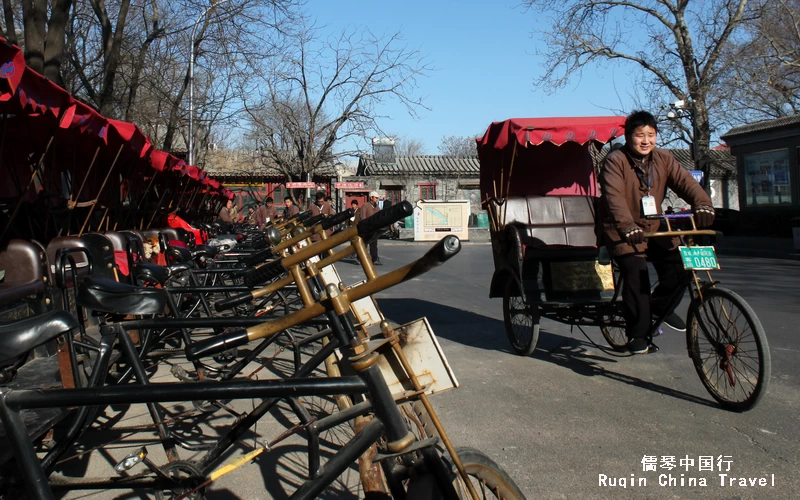
Rickshaw drivers often offer guided tours, sharing interesting stories about the city. Make sure to agree on a price before starting the ride to avoid any misunderstandings.
8. Accessible Transport in Beijing
Beijing has made significant improvements in accessibility for people with disabilities. Many subway stations are equipped with elevators and ramps, making it easier for those in wheelchairs or with mobility challenges. Additionally, buses with low floors and accessible features are available on some routes.
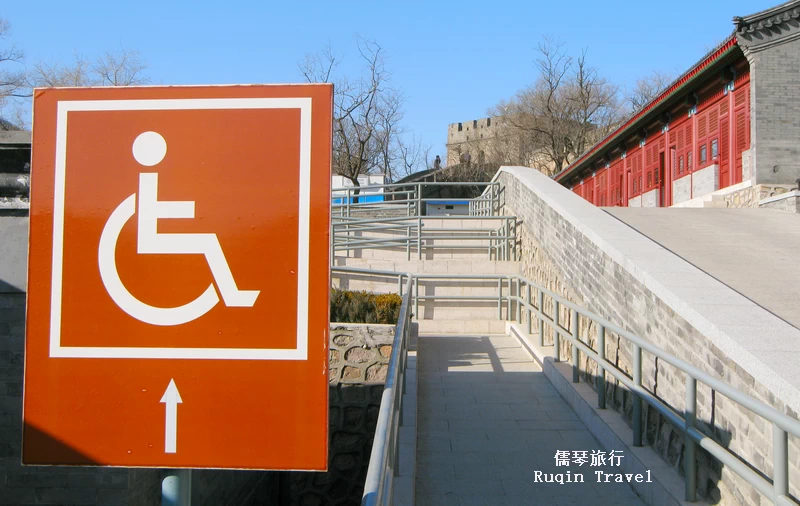
If you need accessible transportation, consider using DiDi, as it offers services for people with disabilities. Furthermore, popular tourist attractions, such as the Forbidden City and the Summer Palace, now have accessible routes for visitors.
9. Getting Around Beijing Without Speaking Chinese
One of the most common concerns for foreign tourists is navigating Beijing without knowing Chinese. Fortunately, Beijing is relatively easy to get around for English speakers, especially in tourist areas. Subway stations, buses, and signs at popular attractions are usually bilingual.
However, in local areas, English may not be as common. Therefore, it’s useful to have a translation app like Google Translate or Pleco on hand. These apps can help you communicate with locals and navigate more smoothly. Additionally, learning a few basic Chinese phrases, such as greetings or asking for directions, can be helpful and appreciated by locals.
10. Best Ways to Travel in Beijing
With so many transportation options, choosing the best way to travel in Beijing depends on your needs and preferences. For sightseeing, walking and biking are ideal, as they allow you to explore at your own pace. For longer distances, the subway is your best bet, thanks to its extensive network and ease of use.
If you want to avoid public transportation, taxis or hiring a private car with a driver are excellent alternatives. Each option offers its own advantages, so mix and match based on your itinerary. Whether you’re walking through the city’s ancient streets or riding the subway to modern attractions, Beijing has something for everyone.
Getting comfortable with How to Get Around Beijing doesn’t happen all at once. But once you try a few options—the subway for distance, a short walk through hutongs, maybe a bike for quieter streets—you start to find your own rhythm in the city.
And that’s when Beijing opens up. You’re no longer thinking about directions every step. You’re noticing places and small details along the way. Move at your own pace, mix your options, and the city becomes much easier—and far more enjoyable—to explore.
About the Author
Ruqin is the founder of Ruqintravel.com and has spent more than four decades working in China’s travel industry. Drawing on hands-on experience in cities like Beijing and Hangzhou, he personally researches and updates each guide to help international travelers navigate China with confidence.
Further Reading
How to Use the Beijing Subway: Map, Tickets, Pass & Apps
How to Use the Beijing Public Transport – A First-Timer’s Guide
Beijing Taxi Guide: Essential Tips for First-Time Visitors
Top Beijing City Walks: Routes, Maps & Essential Travel Tips
Best Beijing Hutong Walking Tours: Routes, Maps & Local Tips
Beijing Wheelchair Accessible Travel Guide – Ruqin China Travel