
Written and updated by Ruqin
Last updated: April 05, 2026
The first time I used the Shanghai Metro, I remember hesitating at the ticket machine, unsure which button to press. But within minutes, everything clicked. If you’re wondering how to use the Shanghai Metro, it’s far more intuitive than it first appears.
The Shanghai Metro is one of the fastest, most affordable ways to move through this huge city. Once you understand the basics, you’ll feel surprisingly confident navigating it—and it opens up Shanghai in a way taxis never can.
1. Overview of the Shanghai Metro
I still remember gripping the metro map on my phone, a little overwhelmed by the web of colored lines. But once I took my first ride, everything started to make sense—the signs were clear, the stations well organized, and the rhythm of the system felt almost effortless.
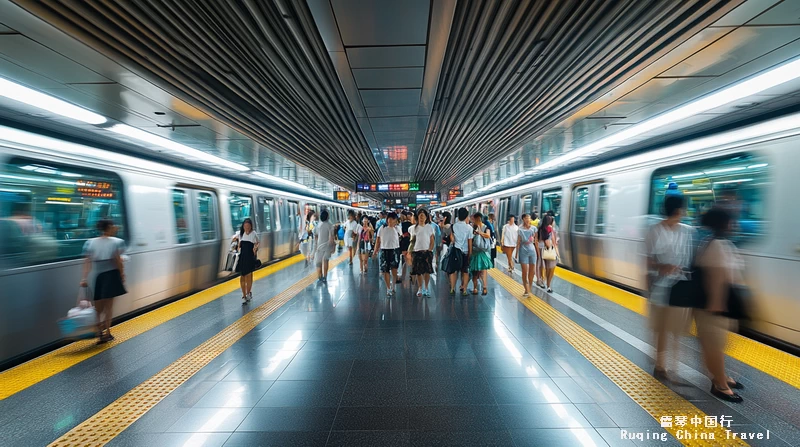
The Shanghai metro is vast, modern, and incredibly reliable. With 19 lines and over 500 stations, it reaches nearly every corner of the city. You can easily get to places like The Bund, Yu Garden, and Shanghai Disneyland. It also connects directly to Pudong International Airport and Hongqiao International Airport, which makes arrival and departure surprisingly easy.
What reassured me most was how foreigner-friendly it felt. English signs are everywhere, station maps are easy to follow, and announcements are bilingual. Trains run every 2–3 minutes during peak hours, so you’re rarely waiting long. Once you understand the flow, using the Shanghai metro becomes second nature—and it makes exploring the city feel much lighter.
2. Major Shanghai Metro Lines for Tourists
Several metro lines are especially convenient for tourists:
- Line 2: This line connects Pudong Airport to key tourist areas like Nanjing Road, People’s Square,the Bund and Lujiazui (home of the Oriental Pearl Tower).
- Line 1: Stops at People’s Square, a hub for shopping, dining, and nearby attractions.
- Line 10: Great for reaching Yu Garden, Xintiandi, and the French Concession.
- Line 11: This line goes directly to Shanghai Disneyland.
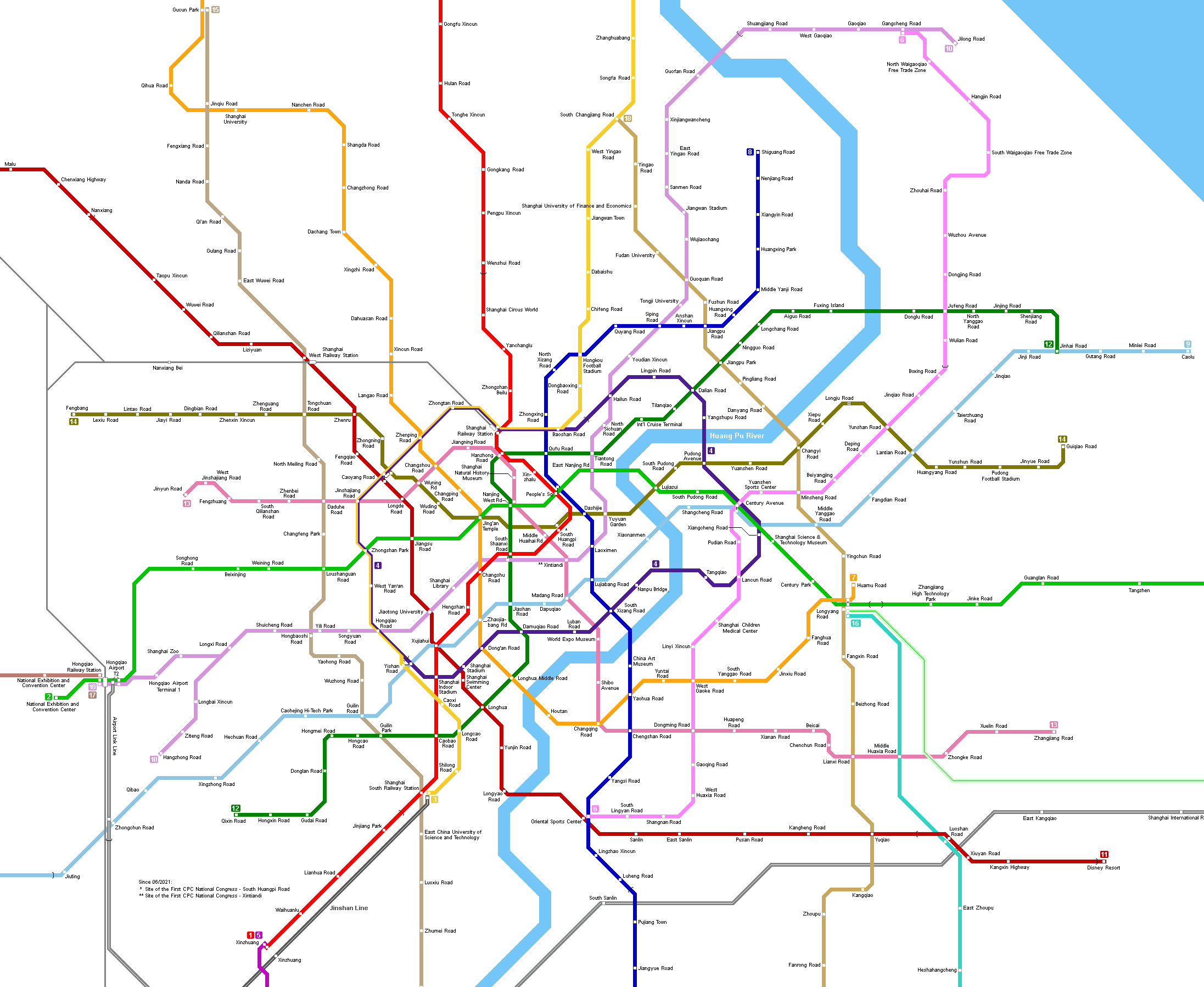
The Shanghai Metro makes reaching tourist hotspots easy:
- To The Bund: Take Line 2 to Nanjing East Road Station and walk a short distance.
- To Yu Garden: Line 10 will take you directly to Yu Garden Station.
- To Disneyland: Hop on Line 11, and you’ll reach the Disneyland stop.
- To Nanjing Road: Line 2 or Line 10 both have stops on Nanjing Road.
Each attraction is close to its respective metro station, allowing for convenient access and saving you time and money on travel.
3. Purchasing Tickets and Payment Options
Knowing how to buy Shanghai Metro tickets will make your trips quicker and hassle-free. You can choose between three main options:
- Single-journey Tickets: Available at ticket vending machines in each station, these are ideal if you don’t plan on using the metro frequently.
- Shanghai Public Transportation Card (SPTC): This smart card is perfect for tourists staying longer. You can top it up and use it for unlimited metro rides. Just tap at the entrance and exit gates.
- Metro Passes: Available for 24 hours and 72 hours, these passes allow unlimited rides on the Shanghai Metro within the specified time.
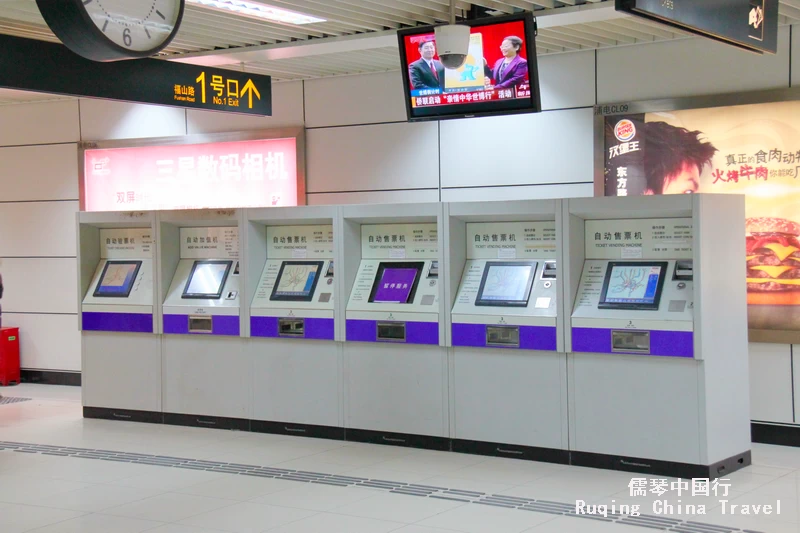
Ticket prices are based on distance, starting at ¥3 for the first 6 kilometers, with incremental increases for longer distances.
For payment, most machines accept cash, while others support Alipay and WeChat Pay. Tourists who have set up these apps on their smartphones can use them for a seamless experience.
4. Navigating the Shanghai Metro
The first time I navigated the Shanghai metro on my own, I actually took a wrong exit and ended up on a completely different street. But what struck me was this—nothing felt chaotic. I just followed the signs back in, rechecked the line color, and was back on track within minutes. That’s when I realized how forgiving the system is, even for first-time visitors.
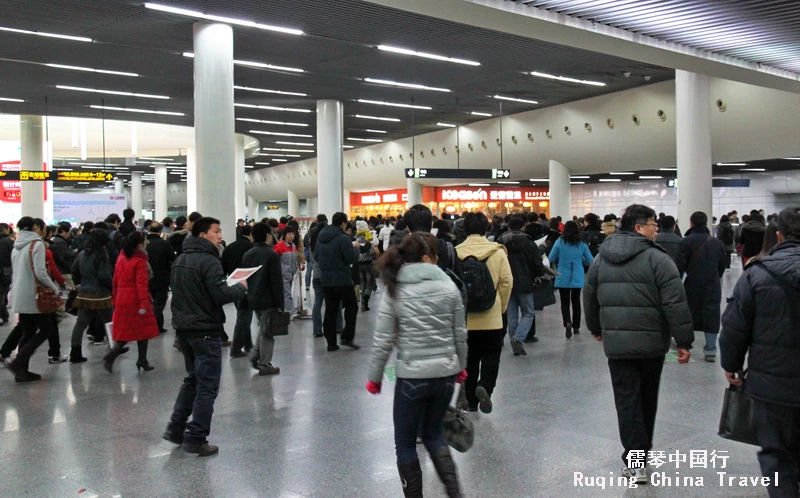
Navigating the Shanghai metro becomes very intuitive once you slow down and follow the flow. At the station entrance, look up first—signs clearly point you to each line by number and color, all in both Chinese and English. Before heading down, I usually pause at the large station map to confirm direction (this helps more than you’d think).
Getting through the turnstile is simple: scan your ticket or transport card, then follow the colored signs toward your platform. If you need to change lines, just keep an eye out for the “Transfer” signs—they’re consistent and easy to follow. And one thing I’ve come to appreciate: most major sights, like The Bund or Yu Garden, are just a short walk from their metro stops. Once you get the hang of it, moving around the city feels incredibly efficient.
5. Step-by-Step Guide for First-Time Metro Users
For first-time visitors, here’s a breakdown of how to use the Shanghai Metro step-by-step:
Entering the Station
Look for the nearest metro entrance. Most stations have English signs that indicate the station’s name and line number. Head down to the ticketing area, where you’ll find ticket machines and information kiosks.
Buying Metro Tickets
Use the ticket vending machines if you’re purchasing a single journey ticket. Simply select your destination, choose the number of tickets, and insert your payment. For tourists planning multiple rides, buying a transport card or metro pass might be more efficient.
Entering the Turnstile
Hold your ticket or scan your card on the reader at the turnstile entrance. Wait until the gate opens, then walk through. Be sure to keep your ticket as you’ll need it to exit.
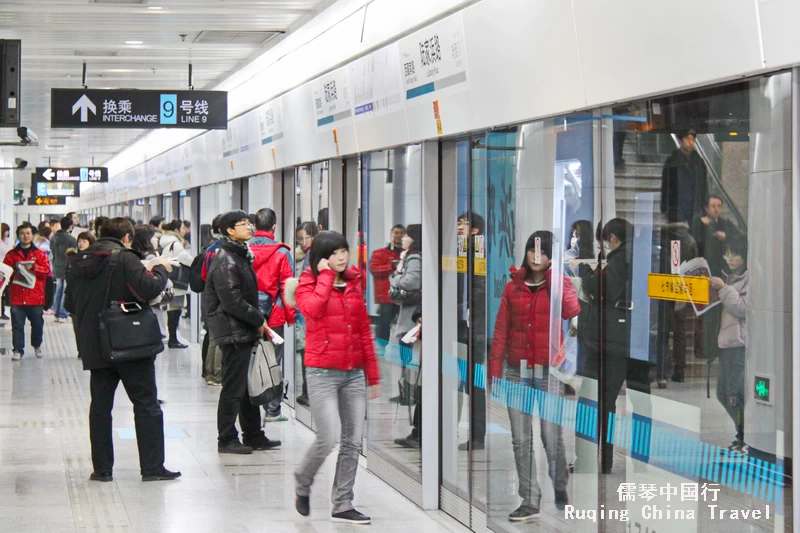
Waiting for the Train
Wait behind the yellow safety line on the platform. Electronic boards display the next train’s arrival time, usually within minutes. Once the train arrives, let passengers exit before boarding.
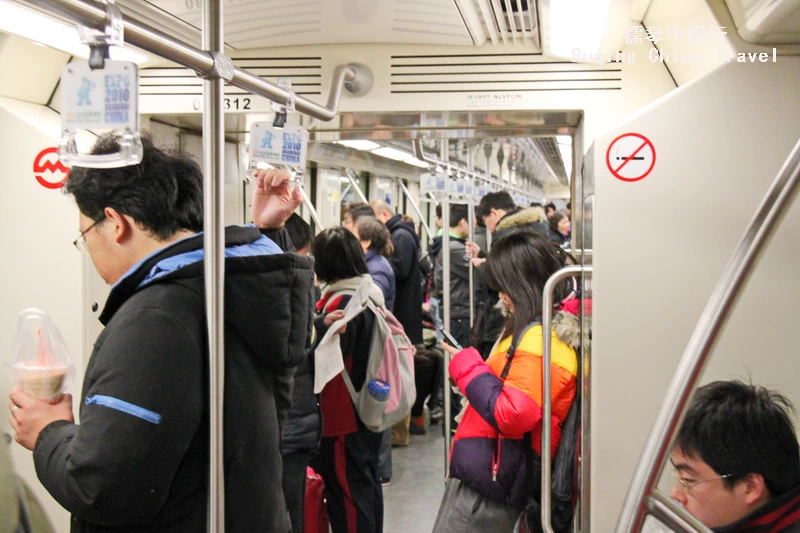
Getting Off the Train
Before your stop, move toward the doors to prepare for a smooth exit. The doors open for a brief time, so be ready to step out promptly. Most stops have escalators and elevators for convenience.
Exiting the Turnstile and Station
Scan your card or insert your single ticket into the exit turnstile. Head up the escalators or stairs to the street level. Pay attention to exit signs for the closest exit to your destination.
6. Shanghai Metro Tips, Etiquette, and Practical Travel Advice
There’s a rhythm to the Shanghai metro that becomes clear after a few rides. Trains are fast and frequent, but timing and small habits make a big difference. If you can, avoid rush hours—roughly 7:30–9:30 a.m. and 5:30–7:30 p.m.—when carriages fill up quickly. I usually keep small bills or just use Alipay for tickets, since many machines don’t take foreign cards. And once you’re on board, it’s simple: stand a bit deeper inside, keep your voice low, and follow the flow of how locals move.
A few practical details help smooth things out. Most stations have clean public restrooms, especially the larger ones. There’s also an official Shanghai Metro app in English that’s genuinely useful for route planning. Announcements are bilingual, so listen for your stop, especially on longer rides. If you’re carrying bags, smaller is better—large suitcases during busy hours can be stressful.
Exiting is where a little attention saves time. Stations often have multiple exits labeled by letters and numbers, and choosing the right one can shorten your walk significantly. At night, plan a bit ahead—last trains usually run between 10:30 and 11:00 p.m. If you’re staying out late, it’s worth checking your route in advance so you’re not rushing for the final train.
Understanding how to use the Shanghai Metro changes the way you experience the city. Once you get the hang of tickets, directions, and transfers, everything starts to feel smooth and predictable.
Whether you’re in Shanghai for a few days or longer, the metro quietly becomes your most reliable companion. It’s fast, affordable, and takes you exactly where you need to go. With just a bit of familiarity, you’ll move through the city with confidence—and spend less time worrying, more time exploring.
About the Author
Ruqin is the founder of Ruqintravel.com and has spent more than four decades working in China’s travel industry. Drawing on hands-on experience in cities like Beijing and Hangzhou, he personally researches and updates each guide to help international travelers navigate China with confidence.
1933 Old Millfun: A Hidden Gem in Shanghai
Shanghai Huangpu River Cruise: Tickets, Routes and Travel Tips
What to Buy in Shanghai: Best Souvenirs, Gifts & Snacks
14 Interesting Facts about Shanghai
Shanghai Tower Tickets and Travel Guide
Former French Concession Shanghai: Maps, Walking Route & Tips