
Written and updated by Ruqin
Last updated: March 16, 2026
Standing above the rushing Min River at the Dujiangyan Irrigation System, it’s easy to forget you’re looking at a project built more than 2,000 years ago. The channels still guide the water exactly as they were designed, while bridges, temples, and forested hills frame the landscape. It doesn’t feel like a relic—it feels alive and working.
If you’re wondering how to visit Dujiangyan Irrigation System, this guide will walk you through it step by step. From maps and walking routes to tickets, transport from Chengdu, and practical travel tips, here’s what foreign visitors should know before going.
1. Overview of Dujiangyan Irrigation System
The Dujiangyan Irrigation System, located in Sichuan Province near Chengdu, is a UNESCO World Heritage Site and an engineering marvel with over 2,000 years of history. Built in 256 BC by the local governor Li Bing and his son, it is the world’s oldest irrigation system still in operation.
Unlike modern dams, it controls water flow without the need for reservoirs, using natural topography to divert water from the Min River for flood control and irrigation. This innovative design transformed the Sichuan Basin into one of China’s most fertile agricultural regions, earning it the nickname “Land of Abundance.”
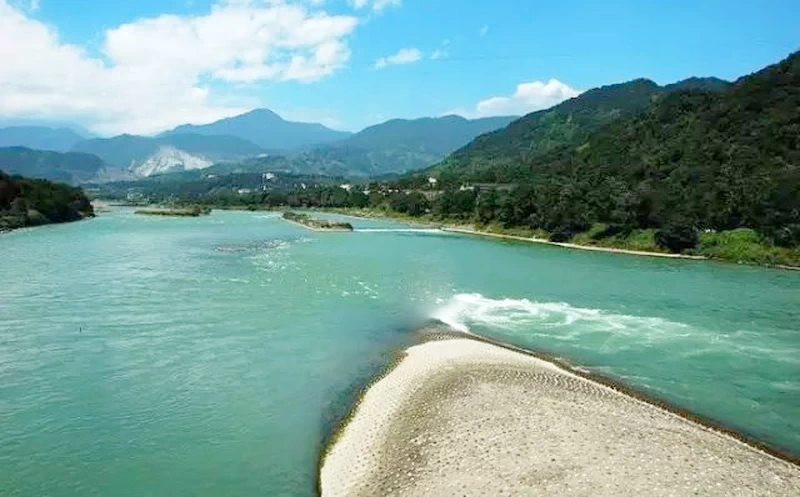
Visiting Dujiangyan offers a chance to marvel at its ingenious waterworks while walking through scenic areas surrounded by mountains and lush forests. Key attractions include the Yuzui (Fish Mouth), Feishayan Spillway, and Baopingkou Water Inlet. Nearby, you can also visit the stunning Mount Qingcheng, a sacred Taoist site, which complements the historical and cultural experience.
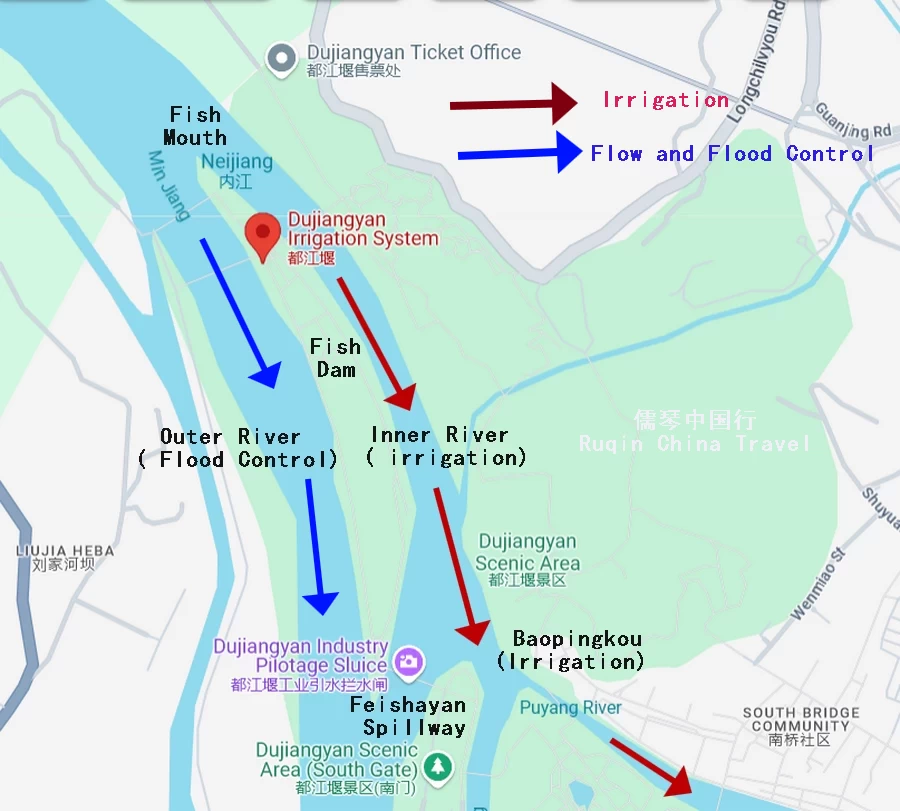
The man-made, fish-shaped dam divides the Minjiang River into two branches: the Outer Minjiang River and the Inner River. The Inner River is used for irrigation, while the Outer Minjiang River allows the river’s natural flow to continue and for flood control.
2. Getting to Dujiangyan from Chengdu
One thing that surprises many travelers is how easy it is to reach Dujiangyan from Chengdu. The city sits about 60 km northwest of Chengdu, and the trip feels more like a quick suburban escape than a long journey. With trains, buses, and taxis all available, planning how to get to Dujiangyan is quite straightforward.
By Train (The Easiest Way)
In practice, the high-speed train is the simplest option. Trains run on the Chengdu–Dujiangyan intercity railway, and the ride takes only about 30 minutes.
Most travelers depart from Xipu Railway Station, which is especially convenient because Chengdu Metro Line 2 connects directly to it. You can also catch trains from Chengdu North Railway Station.
When you arrive at Dujiangyan Railway Station, the irrigation system is only about 10–15 minutes away by taxi or local bus. Many visitors simply take a short taxi ride straight to the scenic area entrance.
By Bus (Budget Option)
Buses are another option if you prefer a simple point-to-point trip. Coaches leave regularly from Chadianzi Bus Station and take roughly one hour to reach Dujiangyan.
It’s slightly slower than the train, but tickets are inexpensive and the buses run frequently throughout the day. If your hotel is closer to the bus station, this can actually be the more convenient choice.
From Chengdu Airport
If you land at Chengdu Shuangliu International Airport, the easiest approach is to head into the city first and then take the train from Xipu Station.
That said, if you’re traveling with luggage or arriving late in the day, a direct taxi or ride-hailing car from the airport to Dujiangyan usually takes around 90 minutes depending on traffic. It costs more, but it’s the most straightforward door-to-door option.
3. Entrance Fees and Opening Hours
When planning how to visit Dujiangyan Irrigation System, tickets and timing are straightforward. The entrance ticket to the scenic area is 80 RMB per person. Most travelers buy their tickets at the entrance or through Chinese travel apps. The site generally opens from 8:00 AM to 6:00 PM.
In my experience, arriving early makes a big difference. By mid-morning, tour groups from Chengdu start to arrive, especially on weekends and public holidays. If you enter around opening time, the walking paths and bridges feel much calmer—and the river views are far more enjoyable.
If your schedule allows, it’s worth pairing Dujiangyan with nearby Mount Qingcheng. A combined ticket for both sites is usually around 155 RMB. Mount Qingcheng is one of China’s most important Taoist mountains, known for its forested trails and quiet temples. Since it’s only about 15 km away, many travelers visit Dujiangyan one day and explore Qingcheng the next.
4. Best Time to Visit Dujiangyan Irrigation System
Timing your visit can really shape the experience at the Dujiangyan Irrigation System. In my experience, the most comfortable seasons are spring (April–May) and autumn (September–October). The weather is mild, the surrounding hills are green, and walking across the bridges and riverbanks feels especially pleasant.
Summer can be warm and humid, but it’s still manageable if you start early in the morning before the tour groups arrive.
Winter is quieter and often overlooked by travelers. The air is cooler and the crowds are thinner, which can make the ancient waterworks feel even more atmospheric as you explore the site.
5. Top Things to Do at Dujiangyan Irrigation System
Walking through the Dujiangyan Irrigation System is less like visiting a single monument and more like exploring a landscape shaped by water. Paths wind along the Min River, suspension bridges sway above rushing currents, and temples sit quietly among the trees. Plan to spend 2–3 hours here so you can move slowly and enjoy the views along the way.
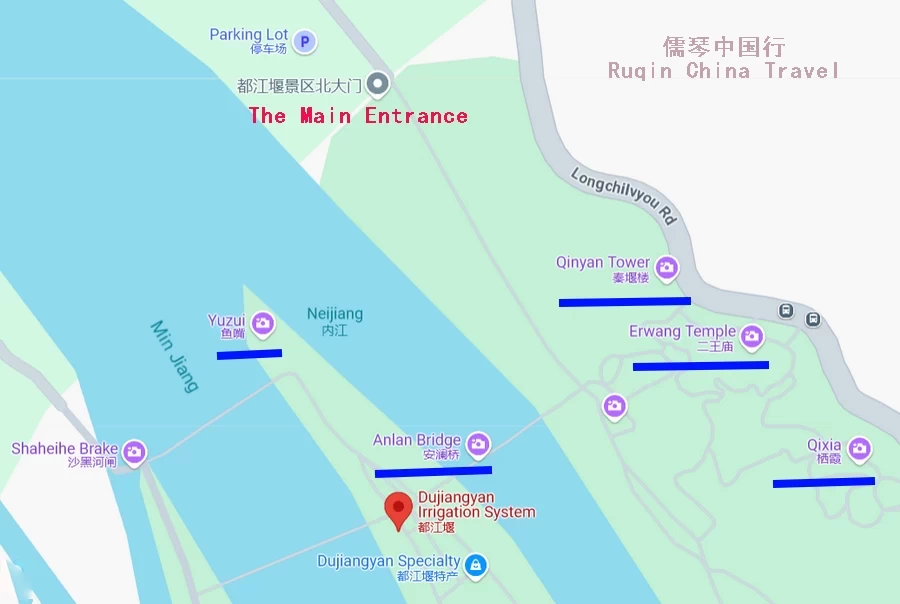
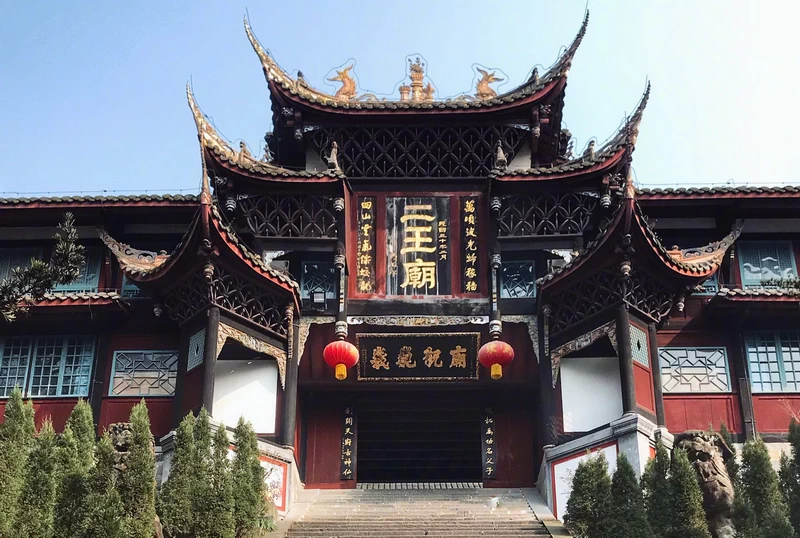
Erwang Temple (二王庙)
Erwang Temple is dedicated to Li Bing and his son, the engineers who designed the irrigation system over two thousand years ago. The temple sits on the hillside above the river, and the climb up is rewarded with beautiful views of the flowing water below.
I often suggest visitors pause here for a moment. From this vantage point, you can actually see how the river splits and flows through the system. It helps you understand that Dujiangyan isn’t just historic—it’s still actively managing the river today.
Anlan Cable Bridge (安澜索桥)
Crossing Anlan Bridge is one of the most memorable moments of the visit. The long suspension bridge stretches across the rushing Min River and gently sways as people walk across.
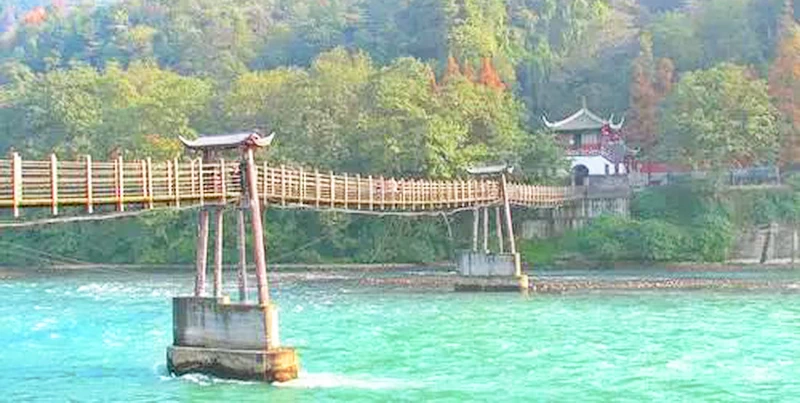
It’s perfectly safe, but you definitely feel the movement under your feet. Meanwhile, the view of the turquoise water and the surrounding forested hills makes this one of the most photogenic spots in the entire scenic area.
Qinyan Tower (秦堰楼)
Qinyan Tower is one of the best viewpoints inside the park. Climb to the upper level and you’ll see the river, bridges, and channels stretching across the valley.
This perspective helps bring the entire engineering system together visually. Many travelers say this is the moment when they finally understand how the ancient water diversion system works.
Nanqiao (South Bridge, 南桥)
Just outside the scenic area entrance sits Nanqiao Bridge, a beautifully decorated covered bridge that connects the irrigation site with the old town area of Dujiangyan.
During the day, it’s a lively crossing with river views. In the evening, however, the bridge becomes especially atmospheric when colorful lights reflect on the water below. If you stay until sunset, it’s a lovely place for a slow walk.
Qinxi Garden (秦溪)
Qinxi Garden offers a quieter corner of the park. Compared with the busy bridges and viewpoints, this area feels more peaceful, with ponds, shaded paths, and small pavilions.
If you need a break from the crowds, this is a pleasant place to slow down for a few minutes before continuing your walk.
Hiking Around Dujiangyan
The Dujiangyan scenic area also connects with several easy hillside walking trails. These paths weave through bamboo groves and forested slopes above the river.
The hikes are not difficult, but they offer beautiful viewpoints over the irrigation channels and the surrounding mountains. If you enjoy nature walks, these trails add a nice balance to the historical side of the visit.
6. Dujiangyan Travel Itinerary
If you’re visiting from Chengdu, the Dujiangyan Irrigation System fits very comfortably into a one-day trip. The key is to arrive early and walk the scenic area in a natural loop so you’re not doubling back. Here’s a relaxed pace that works well for most travelers.
Morning — Start at Erwang Temple
Arrive in Dujiangyan in the morning and enter the scenic area early if possible. Walk uphill to Erwang Temple first. From the temple terrace, you’ll get a great overview of the river and the ancient water-diversion system. Afterward, make your way toward the river and cross the famous Anlan Suspension Bridge for sweeping views of the rushing Min River.
Late Morning — Climb for the Big View
Continue walking through the scenic paths toward Qinyan Tower. The climb is short but worthwhile. From the top, you’ll see the river channels and mountains stretching across the valley—one of the best panoramic views inside the park.
Lunch — Eat Near Nanqiao Bridge
Exit toward Nanqiao Bridge, where the old town area has plenty of local restaurants and snack stalls. This is a good place to try simple Sichuan dishes or a casual noodle lunch while watching the river flow beneath the bridge.
Afternoon — Slow Walk and Garden Break
After lunch, wander through the quieter paths around Qinxi Garden. The ponds, trees, and pavilions create a calm contrast to the busy bridges. If you still have energy, take a short hillside walk for additional views of the river and surrounding forest.
Evening — Return to Chengdu
Most travelers head back to Chengdu in the late afternoon or early evening. The train ride back is quick, and you’ll usually be back in the city in under an hour. If you stay until dusk, however, it’s worth taking one more look at Nanqiao Bridge when the lights begin reflecting on the river.
7. Dujiangyan Architecture and Design
When standing beside the rushing water at the Dujiangyan Irrigation System, many visitors assume they’re looking at a dam. But that’s actually the most remarkable part of the design — there is no dam at all.
More than 2,000 years ago, engineer Li Bing and his son developed a system that works with the river instead of blocking it. Rather than stopping the Min River, the project gently divides and guides the water through a series of natural channels and control points.
At the heart of the system are three key engineering features. The first is the fish-shaped levee known as Yuzui, which splits the Min River into two streams — an inner river for irrigation and an outer river to carry excess water away.
Next comes Feishayan Spillway, a clever overflow channel that automatically releases excess water and sediment during high flows. Finally, the narrow passage called Baopingkou regulates how much water enters the irrigation network.
What makes this design so impressive is its balance. The river continues flowing naturally, floods are controlled, and farmland across the Chengdu Plain receives steady irrigation. Even today, the system still supports millions of people — which is why Dujiangyan is often described as one of the greatest examples of sustainable engineering in ancient China.
8. Tips for Visiting Dujiangyan
After guiding many travelers through the Dujiangyan Irrigation System, I’ve noticed a few small things that make the visit much smoother. The site is beautiful, but it’s larger than many people expect, and a little preparation goes a long way.
Wear comfortable walking shoes
You’ll be walking quite a bit — across bridges, along riverside paths, and up short hillside steps near Erwang Temple. Comfortable shoes will make the whole experience far more enjoyable.
Carry water and light snacks
There are small food stalls and restaurants near Nanqiao Bridge, but inside the scenic area options are more limited. A bottle of water and a snack are helpful, especially on warm days.
Start early for a calmer experience
Tour groups from Chengdu usually begin arriving around mid-morning. If you enter when the park opens, the bridges and river viewpoints feel much quieter, and the photos are better too.
Give yourself enough time
Although the irrigation system is the highlight, the surrounding temples, bridges, and gardens make it easy to spend half a day or more here. Rushing through would miss much of the charm.
Traveling with kids
Dujiangyan is actually quite family-friendly. Children usually love crossing the swaying Anlan Suspension Bridge and watching the powerful river below. Just keep a close eye on younger children near the water and on busy bridges.
Avoid major Chinese holidays if possible
During big holidays like Golden Week in early October and Spring Festival, the site becomes extremely crowded. If your schedule allows, a weekday visit outside these periods will feel far more relaxed.
9. Top Restaurants Near Dujiangyan
After walking the paths and bridges around the Dujiangyan Irrigation System, most travelers are ready for a good Sichuan meal. Fortunately, the area around Nanqiao Bridge and the nearby old streets is full of small restaurants and snack shops. It’s a lively place to sit down, rest your legs, and enjoy the bold flavors Sichuan is known for.
Here are a few well-known Sichuan dishes and restaurants you might come across:
Zhang Fei Beef (张飞牛肉)
This brand is famous for its richly seasoned braised beef, a specialty from Sichuan’s nearby cities. You’ll often see vacuum-packed versions sold as snacks, but some shops also serve freshly prepared beef dishes that pair perfectly with rice.
Chen Mapo Tofu (陈麻婆豆腐)
If you want to try one of Sichuan’s most iconic dishes, mapo tofu is the place to start. The tofu is soft, spicy, and aromatic with Sichuan peppercorns. Even if you’ve tried it abroad, the flavor here is usually much deeper and more authentic.
Lao Ma Tou Hotpot (老码头火锅)
After a day outdoors, many travelers enjoy ending the trip with a hotpot meal. Lao Ma Tou is a popular Sichuan-style hotpot chain known for its rich broth and wide selection of meats, vegetables, and tofu.
One small tip from experience: if you’re sensitive to spicy food, ask for “wei la” (微辣) — mild spice. Sichuan restaurants take their chili seriously, and even medium spice can be quite fiery for first-time visitors.
10. Where to Stay Near Dujiangyan
Most travelers visit the Dujiangyan Irrigation System as a day trip from Chengdu. But if you slow the trip down and stay overnight, the area feels completely different — quieter, greener, and much more relaxed, especially near the forests of Mount Qingcheng.
Here are a few comfortable options depending on your travel style:
Six Senses Qing Cheng Mountain
This is one of the most beautiful resorts in the area. The property sits among bamboo groves and gardens near Mount Qingcheng, with villa-style rooms that feel peaceful and secluded. If you’re looking for a quiet retreat after sightseeing, this is a lovely place to unwind.
Holiday Inn Express Dujiangyan Downtown
For travelers who prefer convenience and value, this hotel is a practical choice in the city center. Rooms are modern and comfortable, and you’ll be close to restaurants, local streets, and a short ride from the irrigation system.
Banyan Tree Yangcheng Lake Qingcheng Mountain
If you prefer something more upscale, Banyan Tree offers spacious villas and a tranquil mountain setting. The atmosphere here is calm and elegant, making it a popular option for couples or travelers wanting a more relaxing stay near nature.
A small tip from experience: if your plan includes both Dujiangyan and Mount Qingcheng, staying one night near the mountain makes the trip much more enjoyable. You can visit the irrigation system one day and explore Qingcheng’s temples and forest trails the next morning without rushing back to Chengdu.
11. Dujiangyan vs. Leshan Giant Buddha: Which Day Trip?
Travelers in Chengdu often ask whether they should visit the Dujiangyan Irrigation System or the Leshan Giant Buddha. Both make excellent day trips, but the experiences feel quite different.
Dujiangyan is more immersive. You walk across rivers, suspension bridges, temples, and forested hills while seeing a 2,000-year-old engineering system still working today. It pairs beautifully with nearby Mount Qingcheng.
Leshan, on the other hand, is about scale and awe. The 71-meter Buddha carved into the cliff is breathtaking. If you enjoy nature, walking, and history together, Dujiangyan usually feels richer as a full-day visit.
Planning how to visit Dujiangyan Irrigation System is one of the most rewarding parts of a Chengdu trip. The Dujiangyan Irrigation System blends ancient engineering, mountain scenery, and living history in a way few places do.
Take your time crossing the bridges, watching the water flow, and exploring the temples above the river. If your schedule allows, continue on to nearby Mount Qingcheng. Together, these two sites reveal a quieter, deeper side of Sichuan that many travelers remember long after leaving Chengdu.
About the Author
Ruqin is the founder of Ruqintravel.com and has spent more than four decades working in China’s travel industry. Drawing on hands-on experience in cities like Beijing and Hangzhou, he personally researches and updates each guide to help international travelers navigate China with confidence.
Further Reading
How to Visit Mount Emei: Tickets, Transport, Routes, Hotels & Tips
How to Visit Leshan Giant Buddha from Chengdu
How to Visit Mount Qingcheng: Transportation, Highlights & Tips