

Written and updated by Ruqin
Last updated: May 22, 2026
Figuring out how to visit Mount Emei can feel overwhelming at first. Mount Emei is vast—more like a layered journey than a single destination. I still remember standing at the base, surrounded by mist and tall trees, realizing Emei Mountain isn’t something you just “see”—you move through it, step by step.
That’s exactly why a bit of planning changes everything. With multiple routes, temple stops, and shifting weather, Emei Mountain can either feel chaotic or deeply peaceful. Let me guide you through it in a simple, grounded way—so you can focus on the experience, not the logistics.
What Makes Mount Emei So Special
Before you even start planning how to visit Mount Emei, it helps to understand what kind of place this really is. Mount Emei isn’t just another scenic mountain—it’s one of China’s Four Sacred Buddhist Mountains, with over 2,000 years of quiet spiritual history woven into its trails.
As you move through Emei Mountain, the landscape keeps changing. One moment you’re in dense forest with the sound of water nearby, and the next you’re standing in mist, with temple roofs barely visible above the trees. It’s this layering of nature and culture that makes Emeishan feel so immersive.
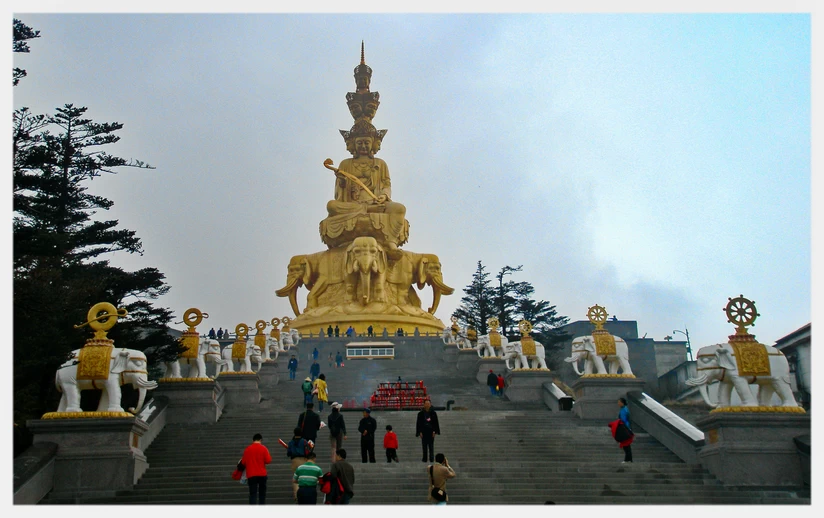
Along the way, you’ll pass temples like Baoguo and Wannian, each with its own rhythm. Higher up, the Golden Summit (Jinding) feels almost otherworldly, especially when clouds drift below you. And just beyond the mountain, the Leshan Giant Buddha adds another powerful cultural stop to the journey.
When Mount Emei Feels Just Right
Timing shapes your entire experience of Mount Emei, more than most travelers expect. On Emei Mountain, I’ve walked through soft spring mist with flowers just opening—and I’ve also stood above a sea of clouds in autumn, with crisp air and clear views that made the climb feel effortless.
For most travelers, spring (April–June) and autumn (September–November) are the easiest and most rewarding seasons. Trails are comfortable, skies are clearer, and Emeishan feels balanced—not too crowded, not too quiet. Autumn, in particular, brings that calm, golden atmosphere that lingers as you move between temples.
Summer can feel heavy—heat, humidity, and sudden rain make longer hikes tiring. Winter, on the other hand, transforms Mount Emei into something quieter and more dramatic, with snow at higher elevations, especially near the Golden Summit.
So it really comes down to your pace and preference. If you want clarity and comfort, choose spring or fall. If you don’t mind extremes, Emei Mountain will still meet you with something memorable.
Getting to Mount Emei Without the Stress
When planning how to visit Mount Emei, getting there is actually the easy part—but choosing the right route makes a big difference. Most trips start from Chengdu, and from there, Emei Mountain feels surprisingly accessible.
The high-speed train is the option I return to again and again. It’s fast, smooth, and takes about an hour to reach Emeishan Railway Station. From there, Mount Emei is just a short taxi or shuttle ride away. It keeps the journey simple, especially if you’re traveling independently.
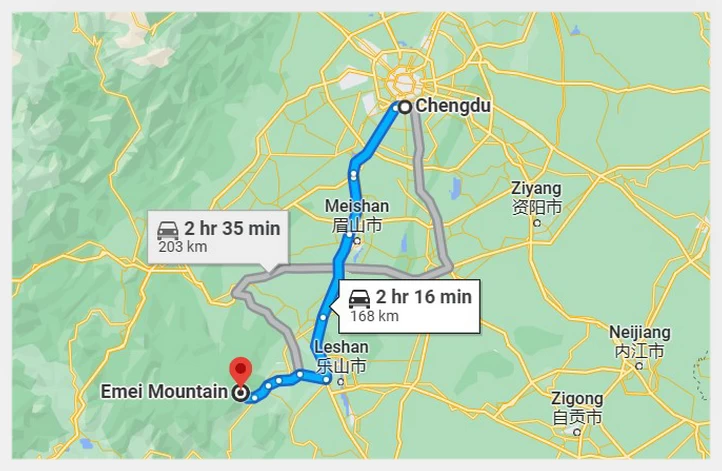
Chengdu to Emeishan Mountain
Buses and private cars offer more flexibility, especially if you’re carrying luggage or traveling as a group. The drive to Emeishan Mountain takes around 2.5 hours, and you’ll notice the scenery gradually shift from city edges to greener, quieter landscapes.
Either way, the transition feels gentle. You leave behind the pace of the city, and by the time you reach Mount Emei, the atmosphere has already started to slow you down.
Getting Around Mount Emei: What It Really Feels Like
Once you’re inside Mount Emei, distances start to feel very real. Emei Mountain isn’t a quick walk—it’s a full landscape. I’ve had days where a “short stretch” turned into hours, especially between temples.
Hiking is the most immersive way to experience Emeishan. You move through forest paths, pass quiet monasteries, and really feel the mountain change around you. But it can be steep and physically demanding, so pacing matters.
Most travelers mix transport. Shuttle buses connect the main sections and save a lot of time, especially on lower slopes. Cable cars help you reach higher نقاط like the Golden Summit or near Wannian Temple without exhausting yourself.
That balance works best: ride up, walk where it feels meaningful, and avoid rushing. On Mount Emei, it’s not about doing everything—it’s about choosing your moments and letting the journey unfold naturally.
5. Planning Your Itinerary and Hiking Routes
When thinking about your visit to Mount Emei, one of the best things you can do is plan ahead. With its size and elevation, Mount Emei rewards those who take their time.
Most travelers spend two to three days exploring the mountain. This gives you plenty of time to enjoy both cultural sites and natural beauty.
Start at Baoguo Temple, the mountain’s main entrance. From there, visit nearby highlights like Fuhu Temple and the peaceful Qingyin Pavilion. Continue on to Wannian Temple and the lively Monkey Zone, where wild monkeys often appear. Finally, head up to the Golden Summit (Jinding) for stunning views and a visit to the giant Golden Buddha.
Mount Emei offers several hiking options. The classic route from Baoguo Temple to the summit is around 50 kilometers and takes about two days on foot. It’s the most scenic and well-known.
Prefer a shorter but steeper climb? Start from Wannian Temple and pass through the Monkey Zone to reach the summit. You can also choose shorter trails or mix hiking with cable cars.
Pick a route that fits your pace—and remember, every path offers a piece of Mount Emei’s magic.
6. Accommodation Options
When planning how to visit Mount Emei, choosing the right place to stay can truly shape your experience.
You’ll find plenty of accommodation options both at the base of the mountain and along the hiking routes. In Emeishan City, there are comfortable hotels, guesthouses, and hostels to suit all budgets. Many offer easy access to Baoguo Temple, the mountain’s main entrance.
For something more memorable, consider staying overnight at a monastery on the mountain. These simple lodgings offer basic amenities but give you a chance to experience Emei’s peaceful, spiritual atmosphere—especially in the early morning or evening, when most day visitors are gone.
Along the trails, you’ll also find guesthouses and inns where hikers can rest before continuing to the summit. They’re a practical choice if you plan to spend two days on the mountain.
When booking, think about location, comfort, and how much hiking you plan to do. Wherever you stay, the serene setting and mountain air will make it a night to remember.
7. What to Pack
Knowing how to visit Mount Emei starts with packing smart. The mountain’s weather changes quickly, so layers are your best friend.
Wear comfortable hiking shoes—you’ll walk a lot, often on uneven stone steps. Bring layers of clothing, including a light jacket, so you can adjust to cooler temps as you climb.
Don’t forget the essentials. Pack water, snacks, sunscreen, a sun hat, and a raincoat or umbrella, especially during spring and summer. A small daypack will help keep your hands free while exploring.
Since you may be far from stores, also carry a basic first aid kit and any personal medications. If you’re staying overnight, bring a power bank and possibly a flashlight for evening use.
For more ideas on what to bring before and after your hike, check out our full guide: What to Pack for a Trip to Chengdu.
With the right gear, you’ll stay comfortable, safe, and ready to enjoy everything Mount Emei offers—from the trails to the temples.
8. Entrance Tickets for Emeishan Mountain
When planning how to visit Mount Emei, understanding the ticket system helps you save time and avoid stress.
Entrance Ticket Prices
- Peak Season (Jan 16 – Dec 14): 160 RMB per person
- Off-Season (Dec 15 – Jan 15): 110 RMB per person
Cableway Tickets – Golden Summit (Jinding)
- Peak Season: Up 65 RMB, Down 55 RMB
- Off-Season: Up 30 RMB, Down 20 RMB
Cableway Tickets – Wannian Temple
- Peak Season: Up 65 RMB, Down 45 RMB
- Off-Season: Up 30 RMB, Down 20 RMB
Temple Entrance Fees
- Wannian Temple: 10 RMB
- Baoguo Temple: 8 RMB
- Fuhu Temple: 6 RMB
You can buy tickets at the gate, but it’s easier to book in advance via the WeChat Mini Program. Just search “Emeishan Scenic Area”, choose your date and time, and pay through WeChat Pay.
Booking online helps you skip long lines and ensures a smoother start to your mountain adventure.
9. How to Use the Cable Cars
Cable cars are a convenient way to reach higher altitudes on Mount Emei. There are two main cable car lines: the Golden Summit Cable Car and the Wannian Temple Cable Car.
The Golden Summit Cable Car takes you close to the mountain’s highest point. The Wannian Temple Cable Car brings you near Wannian Temple, a significant cultural site. Using the cable cars saves time and energy, allowing you to explore more of the mountain.
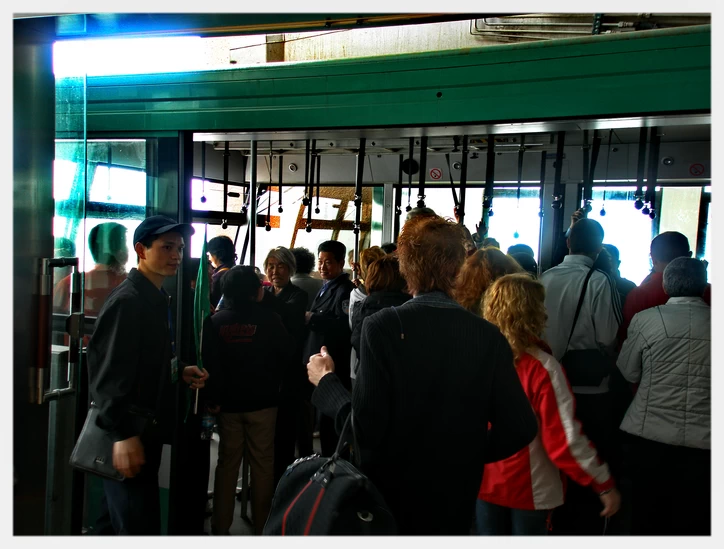
Golden Summit Cable Car
Decide whether you want to take the cable car up the mountain or hike. Hiking is challenging but provides a more immersive experience. The cable car is a convenient option, especially if you’re short on time or not comfortable with steep trails.
10. Dining Options on Mount Emei
Dining options are available both at the base of the mountain and along the hiking routes. Emeishan City has numerous restaurants and food stalls offering local Sichuan cuisine.
On the mountain, you will find smaller eateries and food stalls near major temples and rest areas. Vegetarian dishes are common, influenced by the Buddhist community.
Always carry some snacks and water, especially if you plan to hike for extended periods.
11. Local Culture and Cuisine
The area around Mount Emei is known for its rich cultural heritage and delicious vegetarian cuisine, influenced by the Buddhist community. Visitors can experience local customs, taste vegetarian dishes, and witness traditional ceremonies.
Respect the local culture and religious practices when visiting Mount Emei. Dress modestly, especially when visiting temples and monasteries. Remove your shoes before entering temples. Avoid loud conversations and respect the tranquility of the surroundings. Interact politely with monks and locals. Understanding and respecting local customs will enhance your experience.
12. Guided Tours
If you prefer a structured experience, consider booking a guided tour of Mount Emei. A knowledgeable guide can offer insights into the history and significance of the mountain.
Guided tours often include transportation, accommodation, and meals, making logistics easier. This option is ideal for first-time visitors or those who want a more in-depth understanding of Mount Emei.
13. Local Attractions near Mount Emei
Extend your trip by exploring nearby attractions. The Leshan Giant Buddha, located about 30 km from Mount Emei, is a must-see. This massive stone statue, carved into a cliff, is the largest stone Buddha in the world.
You can take a boat ride to view the Buddha from the river or hike to the top for a closer look. Another nearby attraction is the ancient town of Huanglongxi, known for its well-preserved Qing Dynasty architecture and beautiful scenery.
14. Mount Emei for Families
Mount Emei is a family-friendly destination with activities for all ages. The hiking trails range from easy to challenging, catering to different fitness levels.
Children will enjoy the Monkey Zone, where they can see playful monkeys up close. The cable cars provide a fun and scenic way to explore the mountain.
Family-friendly accommodations and dining options are available in Emeishan City and on the mountain.
15. Photography Tips for Mount Emei
Mount Emei offers stunning photo opportunities. Capture the sunrise or sunset from the Golden Summit for breathtaking views. The temples and monasteries provide beautiful architectural shots.
The lush forests, waterfalls, and rock formations are perfect for nature photography. Bring a tripod for stable shots, especially in low light conditions. Respect the rules and avoid photographing restricted areas.
16. How to Visit Mount Emei in Winter
Winter visits to Mount Emei offer a unique experience. The mountain is less crowded, and the snow-covered landscape is stunning. Dress warmly and wear appropriate footwear for icy conditions.
Some trails may be closed due to snow, so check for updates before your trip. The Golden Summit is especially beautiful in winter, offering clear views and a serene atmosphere.
17. How to Visit Mount Emei on a Budget
Visiting Mount Emei on a budget is possible with careful planning. Travel during the off-season for lower entrance fees and accommodation rates.
Use public transportation instead of private cars. Stay in budget hotels or hostels in Emeishan City. Pack your own snacks and drinks to save on dining costs. With these tips, you can enjoy Mount Emei without breaking the bank.
18. Local Cuisine to Try
The area around Mount Emei offers delicious local cuisine. Try Sichuan hotpot, known for its spicy broth and fresh ingredients. Sample mapo tofu, a popular Sichuan dish made with tofu and minced meat in a spicy sauce.
Taste kung pao chicken, a stir-fry dish with chicken, peanuts, and vegetables. Vegetarian dishes, influenced by the Buddhist community, are also common and flavorful.
19. How to Visit Mount Emei with Limited Mobility
Mount Emei can be challenging for visitors with limited mobility, but it is still accessible. Use the cable cars to reach higher altitudes and avoid strenuous hikes.
Eco-friendly buses provide transportation between major attractions. Many temples and viewing platforms have ramps and facilities for wheelchair users. Plan your visit with accessibility in mind to ensure a comfortable experience.
20. Local Markets and Shopping
Emeishan City offers several local markets and shopping opportunities. The Emei Mountain Scenic Area has souvenir shops selling local handicrafts, Buddhist artifacts, and traditional snacks.
The Baoguo Temple market is a popular spot for buying incense, tea, and religious items. Bargain politely and check the quality before purchasing. Shopping locally supports the community and adds to your cultural experience.
By now, you understand how to visit Mount Emei, but what stays with you is the feeling. Mount Emei has a quiet rhythm—somewhere between forest paths and temples, everything begins to slow down.
Emei Mountain isn’t about doing everything. It’s about noticing small moments—a distant bell, drifting mist, a sudden view. Stay flexible, take your time, and let Emeishan unfold naturally.
About the Author
Ruqin is the founder of Ruqintravel.com and has spent more than four decades working in China’s travel industry. Drawing on hands-on experience in cities like Beijing and Hangzhou, he personally researches and updates each guide to help international travelers navigate China with confidence
Further Reading
How to Visit Leshan Giant Buddha from Chengdu
Danba, Sichuan: Map, Scenic Routes, Highlights and Tips
Xinduqiao: Map, Scenic & Driving Routes, Must-See Spots and Tips
The Top 10 Most Famous Mountains in China – Ruqin China Travel
How to Visit Mount Qingcheng: Transportation, Highlights & Tips








BEST PLACE, THANK YOU