

Written and updated by Ruqin
Last updated: March 8, 2026
The first time I began climbing Mount Tai, it was still dark. Pilgrims, students, and elderly hikers were already moving slowly up the stone steps, some carrying flashlights, others chatting quietly as they climbed. By the time I reached the higher temples, the sky was turning pale, and the mountain began to reveal its ancient character. Visiting Mount Taishan is not just a hike — it feels like stepping into one of China’s oldest living landscapes.
In this guide, I’ll walk you through how to visit Mount Tai (Mount Taishan), including the main routes, transportation, ticket tips, and what foreign travelers should know before making the climb.
1. Why you should hike Mount Tai?
Cultural and Historical Significance: Mount Tai has been a place of worship and pilgrimage for over 3,000 years. It is considered a symbol of Chinese culture and has played a vital role in the development of Taoism, Confucianism, and Buddhism in China. Emperors of various dynasties traditionally ascended Mount Tai to hold ceremonies and seek blessings for the prosperity and well-being of the nation.
UNESCO World Heritage Site: Mount Tai was designated as a UNESCO World Heritage Site in 1987 for its natural and cultural importance. It represents an outstanding manifestation of ancient Chinese civilization and showcases the harmonious relationship between nature and human culture.
Geographical Features: Mount Tai rises to a height of 1,545 meters (5,068 feet) above sea level, making it the highest peak in the Shandong province. It is characterized by a series of granite peaks, deep valleys, lush forests, and flowing springs. The mountain offers breathtaking scenery and stunning views of the surrounding landscapes.
2. Choose Your Travel Season

The best time to hike Mount Tai is during the spring (April to June) and autumn (September to November) seasons.
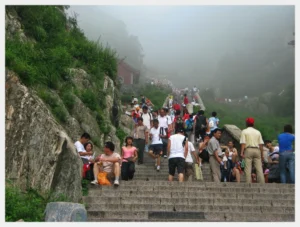
In spring, the weather is mild and pleasant, with blooming flowers and lush greenery, creating a picturesque atmosphere. The temperatures are comfortable for hiking, and you can enjoy the beauty of the mountain without the extreme heat or cold. However, keep in mind that spring is also a popular time for tourists, so the trails might be busier.
Autumn is another great time to hike Mount Tai. The weather is clear and cool, with the added bonus of witnessing the stunning fall foliage as the leaves turn vibrant shades of red, orange, and yellow. The crowds are generally thinner compared to the spring season, allowing for a more peaceful hiking experience.
Avoid hiking Mount Tai in summer (July to August) as it can be hot and humid, making the ascent more challenging. Additionally, winters (December to February) can be extremely cold with snow and ice, which makes hiking conditions difficult and potentially dangerous.
Before hiking Mount Tai, it’s important to check the weather forecast and prepare accordingly, as conditions can change rapidly. Proper hiking gear, good physical condition, and a well-planned itinerary are essential for a safe and enjoyable hiking experience.
3. How to get to Mount Tai
To get to Mount Tai, you have a few transportation options depending on your starting point:
By Air:
The nearest major airport to Mount Tai is Jinan Yaoqiang International Airport (TNA) in Jinan, Shandong Province. From the airport, you can take a taxi or a shuttle bus to Jinan Railway Station, and then continue by train or bus to Mount Tai.
By Train:
There are direct trains from major cities like Beijing, Shanghai, and Jinan to Tai’an, the city located at the base of Mount Tai. From Beijing or Shanghai, you can take a high-speed train to Tai’an Railway Station. From Jinan, you can take a high-speed train or a regular train to either Tai’an Railway Station or Taishan Railway Station. Both stations are in close proximity to Mount Tai.
By Bus:
There are also long-distance buses that connect Tai’an with nearby cities and provinces. You can check with local bus terminals or travel agencies for bus schedules and routes to Tai’an. From Tai’an, you can take a local bus or taxi to Mount Tai.
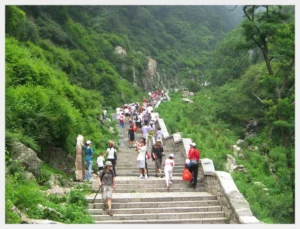
Once you arrive in Tai’an, you will need to make your way to the Mount Tai Scenic Area. You have the option of taking a bus or hiking the approximately 6-kilometer-long (3.7 miles) route from the city to the foot of the mountain.
To enter the Mount Tai Scenic Area, you will need to purchase an admission ticket. Once inside, you can choose to hike the various paths and trails, or take a cable car for a quicker ascent to the summit. It is important to plan your visit in advance, especially if you are hiking, as there are several paths with different difficulty levels.
In any case, it is advisable to check for transportation options, routes, and schedules specific to your starting point and make necessary arrangements based on your preferences and available time.
4. Entrance Fees
Pay the entrance fee at the base of the mountain. Ticket prices vary depending on the time of year and whether you want to take a cable car or hike.。
Mount Tai Entrance tickets:
Peak Season: 115 yuan/person (February – November
Off-season: 100 yuan/person (December – January).
Note: Valid for three days.
Zhongtianmen Cable Car:
one-way: 80 yuan/person, round trip: 140 yuan /
5. Research Accommodation Options
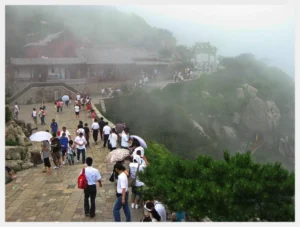
When planning a trip to Mount Tai, I usually recommend staying in the nearby city of Tai’an the night before your climb. The city sits right at the foot of Mount Taishan, so it’s very convenient. Many hotels are within a short taxi ride of the Hongmen entrance, which is where the traditional hiking route begins.
Tai’an has a wide range of accommodation options, from simple guesthouses to comfortable mid-range hotels. If you’re planning to start your hike very early — especially for sunrise — staying close to the mountain entrance can make the morning much easier.
There are also a few guesthouses and small hotels on Mount Taishan itself near the summit area. Some travelers choose to stay overnight there so they can watch the sunrise without hiking in the dark. However, rooms are limited and conditions are basic, so it’s best to book in advance, particularly during weekends and Chinese holidays.
6. Cable Car vs. Hiking
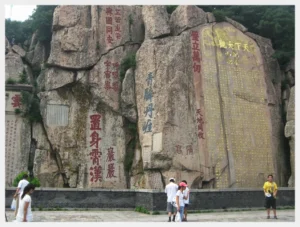
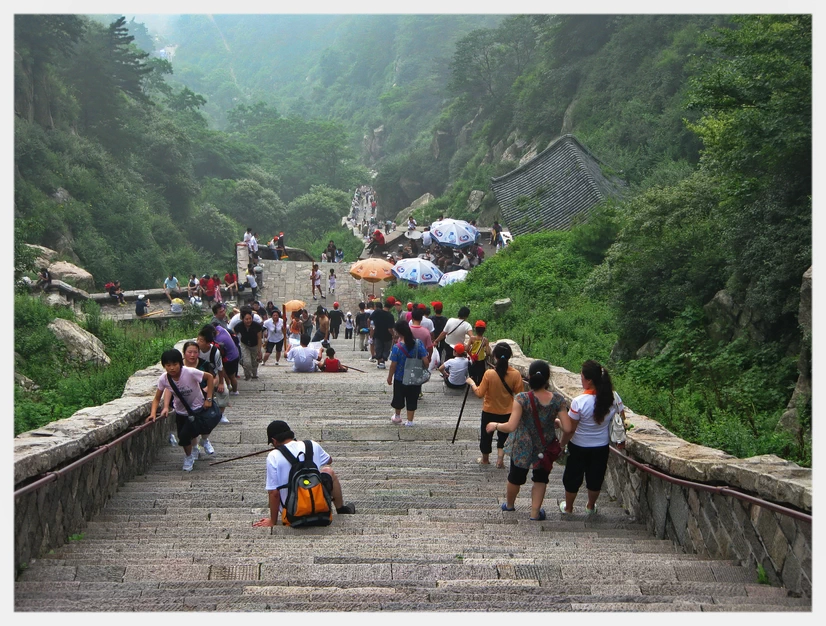
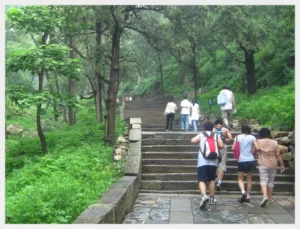
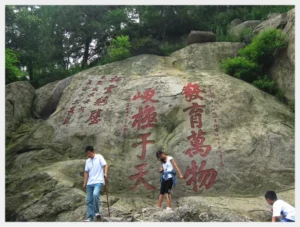
Many travelers ask me whether they should hike Mount Tai or take the cable car. The honest answer is: it depends on the kind of experience you want. Hiking Mount Taishan is physically demanding, but it also feels deeply meaningful. The ancient stone steps have been walked for centuries by emperors, pilgrims, and scholars. As you climb, you pass temples, carved inscriptions on the cliffs, and small rest stops where local hikers pause for tea and snacks.
The most traditional route is the Hongmen (Red Gate) trail, often called the eastern route. This path climbs steadily through historic gates and pavilions before reaching Tianjie (Heavenly Street) near the summit, where small shops and temples cluster along the ridge. Most people take about 4–6 hours to complete the climb, depending on their pace.
If you prefer a less strenuous visit, the cable car is a very practical option. Many travelers take a bus up the mountain road and then ride the cable car for the final section. This way you can still enjoy the views and explore the summit area without tackling thousands of steps.
7. Temples and Cultural Sites
One thing you quickly notice while climbing Mount Tai is that this mountain has never been just about nature. For thousands of years, it has been a place of worship, pilgrimage, and imperial ceremonies. As you move up the mountain paths of Mount Taishan, temples, stone gates, and carved inscriptions appear again and again along the route.
At the foot of the mountain, the most important site is Dai Temple. This vast temple complex was historically used by emperors before performing sacred rituals on the mountain. Walking through its courtyards feels a bit like entering a quieter cousin of the Forbidden City, with ancient cypress trees and traditional halls dedicated to the God of Mount Tai.
Higher up the mountain, you’ll encounter other historic sites, including Bixia Temple near the summit, where many pilgrims come to pray, and Puzhao Temple along the climbing route. One memorable stretch of the trail is the steep stone staircase known as the Eighteen Bends — a winding climb that tests your legs but also offers some of the most dramatic views on the mountain.
8. Sunrise and Sunset Views

If you ask many Chinese travelers why they climb Mount Tai, the answer is simple: to watch the sunrise. I still remember reaching the summit of Mount Taishan before dawn, standing among a quiet crowd wrapped in jackets, waiting for the first light to appear beyond the mountains.
Slowly, the sky begins to brighten. Then the sun rises above the rolling peaks, casting a soft golden glow across the valleys and temple rooftops. In that moment, the long climb suddenly feels completely worth it.
Sunset can be just as beautiful, especially if you stay overnight near the summit. The crowds are usually smaller, and the fading light over the layered mountains creates a calm, almost timeless atmosphere.
9. What to Pack
Packing for Mount Tai is fairly simple, but a few smart choices can make the climb much more comfortable. The first thing I always tell travelers is to wear sturdy, comfortable walking shoes. The stone steps on Mount Taishan can go on for thousands of steps, and good footwear will make a big difference by the second or third hour of climbing.
I also recommend carrying a small daypack with the basics: water, a few snacks, sunscreen, and a hat for sun protection. Along the trail you’ll find small shops selling drinks and simple food, but prices rise the higher you climb.
Even in warmer months, the summit of Mount Taishan can feel noticeably cooler, especially early in the morning or at sunset. Bringing a light jacket or extra layer is always a good idea — particularly if you plan to stay up top to watch the sunrise.
10. Exploring Tai’an

If you have a little extra time before or after climbing Mount Tai, it’s worth spending a few hours exploring the city of Tai’an itself. Most travelers pass through quickly on their way to Mount Taishan, but the city has a calm, local atmosphere and a few meaningful historical sites connected to the mountain’s long spiritual tradition.
The most important place to visit is Dai Temple, located in the center of Tai’an. Historically, emperors would come here to perform ceremonies before ascending Mount Taishan. Walking through its courtyards, with ancient cypress trees and traditional halls, gives you a deeper sense of how sacred this mountain has been in Chinese culture.
At certain times of the year, Tai’an also hosts cultural events connected to Mount Tai, including traditional ceremonies honoring Confucian culture and mountain-climbing festivals. If your visit happens to coincide with one of these events, you’ll see the city come alive with performances, ceremonies, and local celebrations tied to the mountain’s heritage.
Climbing Mount Tai is more than reaching a summit. Along the way on Mount Taishan, you pass ancient temples, stone inscriptions carved into the cliffs, and endless stairways that generations of pilgrims once climbed before you. Step by step, the mountain reveals both its natural beauty and its deep cultural history.
By the time you reach the top of Mount Taishan, whether at sunrise or late afternoon, you begin to understand why this mountain has been revered in China for thousands of years. If your travels bring you to Shandong, setting aside a day for Mount Tai is one of the most memorable experiences you can have in this part of the country.
About the Author
Ruqin is the founder of Ruqintravel.com and has spent more than four decades working in China’s travel industry. Drawing on hands-on experience in cities like Beijing and Hangzhou, he personally researches and updates each guide to help international travelers navigate China with confidence.
If you have any questions or queries, then please feel free to drop us a line.
Further Reading
How to Visit Mount Huashan: Maps, Hiking Trails, Hotels & Tips
How to Book Huangshan Attraction Tickets: All You Need to Know
The Top 10 Most Famous Mountains in China – Ruqin China Travel
How to Visit Mount Emei: Tickets, Transport, Routes, Hotels & Tips
How to Visit Jiuhua Mountain: A Visitor’s Guide
How to Visit Mount Kailash in Tibet – Ruqin China Travel
How to Plan a Trip to Lushan Mountain
Songshan Mountain: Transport, Routes, Sights and Travel Tips
Wudang Mountain: Maps, Transport, Routes, Hotels and Tips














Hi,
Thanks for the website, Mount Tai (Mount Taishan): A Guide for Foreign Visitors.
I will be hiking Taishan next month. I am a foreigner. Can I confirm in point form (for clarity of questions and answers) and hope you can assist on the following:
1. Do I need to register online before the hike? (I need to register online before hiking Mt Hallsan in Jeju, South Korea.)
2. Is the entrance fee payable at the foot of Taishan the only fee payable? (I am not keen on other attractions that are chargeable and my main interest is to hike up and down Taishan which will easily take up more than 10 hours for me…)
3. If I were to hail a car, what is the destination I should input on my Alipay App so that I will be at the exact location where the payment of entrance fee is? (China is very big, and there are many drop off spots at a single site…)
4. Is there anything else I should do and/or pay online before the hike? (I certainly do not wish to fly all the way to Jinan, take a high speed train to, and book a hotel at, Tai’an, and cannot hike for whatever reasons…)
Thank you very much!
Warmest Regards,
Jack
——————————————-
Hi Jack,
Thank you for your thoughtful questions—and I’m so glad you found our Mount Taishan guide helpful! It’s great to hear you’re planning a hike up Taishan next month. Below are answers to each of your questions to help you prepare for an enjoyable and smooth trip:
1. Do I need to register online before the hike?
Yes, all visitors—foreigners included—are required to book tickets in advance with real-name registration. You can reserve your ticket through the official “泰山景区” (Taishan Scenic Area) WeChat account by selecting “微信购票” (WeChat ticket purchase).
Alternatively, you can also book through major travel platforms like Ctrip (Trip.com).
Tickets can be reserved up to 7 days in advance, and we recommend booking early—especially around weekends or holidays when the number of visitors may be limited.
Make sure to use your passport information during booking and bring your passport for entry. At the gate, please use the manual check-in lane.
2. Is the entrance fee the only fee I need to pay?
Yes—if your plan is to hike up and down without taking a shuttle bus or cable car, the only required fee is the entrance ticket:
Admission Fee: RMB 115 per person (as of 2025)
Ticket Validity: Valid for 3 days after first use; if you wish to re-enter the park during this period, you can rebook for free via the WeChat account.
Optional additional fees:
If you follow the Red Gate (Hongmen) trail 红门路线 (the classic hiking route), there are no extra transportation costs.
If you choose other routes like Tianwaicun or Peach Blossom Valley (天外村或桃花峪路线), you’ll need to take a shuttle bus (RMB 35 one way), as these routes are not purely for hiking.
3. What destination should I enter in my Alipay or ride-hailing app?
If you’re hiking the classic Red Gate route, which is the best for a full hike from bottom to top, set your destination as:
“泰山红门游客中心” or “红门登山口” (Taishan Red Gate Tourist Centre or Red Gate Hiking Entrance)
(Please use these exact Chinese terms for the most accurate drop-off location.)
Other entrances like Tianwaicun are more suitable if you’re combining hiking with a bus or cable car.
4. Is there anything else I should do or pay for online before the hike?
Weather: Taishan weather can be unpredictable, and temperatures at the summit can be much colder. Check conditions via the official WeChat account “泰山景区” before your hike.
Gear Tips:
Lightweight hiking shoes
Warm clothing (especially for early morning or evening hikes)
Flashlight (if hiking at night), trekking poles (optional, available at the base)
A small amount of cash (mobile payment is widely accepted, but signal can be unstable in some areas)
Accommodation (if needed):
If you’re planning to stay overnight for the sunrise, book a summit hotel in advance. Rooms can be pricey, or alternatively, you can start hiking in the early hours of the morning.
Bonus Tips:
Hiking time from Red Gate to the summit (South Heavenly Gate): approx. 5–6 hours up, 3–4 hours down
Be cautious on steeper sections like the famous “Eighteen Bends,” and avoid hiking dangerous sections in the dark if possible.
I hope this information helps you feel well-prepared and excited for your upcoming Taishan adventure! If you have any other questions along the way, don’t hesitate to reach out.
As travel conditions and policies can sometimes change, we’d also really appreciate it if you could share any updates or experiences after your hike. Your feedback could be incredibly helpful to future travelers planning their own journeys to Mount Tai.
Wishing you a safe, memorable, and truly rewarding climb!
Warmest regards,
Daniel
Ruqin China Travel
Hi Daniel & Colleague,
I am a foreigner trying to book CNY115 ticket for hiking Mt Taishan on 6 Jun. There is no option for me to choose Passport for document type. The only option by default is China ID. Also, my passport number starts with ‘K’ and ends with ‘P’. The portal only allows typing ‘X’. How can I key in passport number to book? (See attached)
Also, if I book 6 Jun and I cannot hike due to bad weather, can I re-book for 7 Jun at no additional charge and only go Mt Taishan on 7 Jun instead?
Appreciate your early reply so that I can book through WeChat soonest.
Thank you very much!
Warmest regards, Kim
————————————————
Hi Kim,
Here’s how you can handle the booking issue for Mt. Taishan on June 6:
1. About entering your passport number:
The Taishan ticketing system does allow foreign visitors to use passports, but sometimes the option doesn’t appear clearly, especially on the Chinese-language interface. You can try the following:
Switch to the English version of the system, if available — it may show the passport option.
Contact the Taishan Scenic Area’s 24/7 hotline at +86 538 96008888 and explain your situation. They can help manually enter your passport details.
Alternatively, you can try entering a similar format using “X” in place of any letters that the system doesn’t accept, and then bring your actual passport to the visitor center for on-site verification before entering.
2. About rescheduling due to weather:
If there’s severe weather and the park is officially closed, the scenic area usually allows refunds or rescheduling. Here’s what to do:
Check the “Taishan Scenic Area” WeChat official account or call the hotline on June 6 for any announcements.
If the park remains open but you decide not to go, you must cancel your ticket by 11:59 PM on June 6 to receive a refund, and then rebook for June 7 (subject to ticket availability).
Good news: once you use the ticket for entry, it’s valid for 3 days, and you can re-enter both Mt. Taishan and Dai Temple (Daimiao) as many times as you like within that period. So if you check in on June 6, you can still hike again or explore more areas on the 7th or 8th without needing a new ticket. Just be sure to scan the ticket the first time to activate it.
The information above is for your reference only. Wishing you an amazing experience at Mt. Taishan!
Best regards,
Daniel
Hi Daniel,
Happened to stumble on your email reply. Thanks for your information that I hiked up and returned from Mt Tai.
Please keep up your positive spirit and helpfulness, and let more people, especially foreigm vistors, see and experience this historical sacred mountain. Indeed, Mt Tai is not just a mountain and hiking trail, but a cultural and historical journey…
Warmest regards, Kim
—————-
Dear Ang Boon Kim,
Thank you so much for your kind message—what a joy to hear that you successfully completed your hike up Mt. Tai and made it back safely!
We’re truly glad that the information we shared was a bit helpful in preparing you for this meaningful journey. As you said so well, Mt. Tai is far more than just a mountain—it’s a sacred symbol of Chinese history and culture, and walking its ancient paths is a powerful experience.
Congratulations again on your accomplishment! We hope your experience will inspire others to explore this incredible heritage site with the same spirit of curiosity and appreciation.
Wishing you many more memorable adventures ahead.
Warm regards,
Daniel
Ruqin China Travel Team
Hi Daniel,
Thank you for taking the time to write this useful guide. I have just one question.
Is the surface paved all the way up the main trail (as in photos) or are some sections likely to be muddy?
Hi James,
Thank you for your kind message, and I’m very glad to hear you found the guide helpful!
Regarding your question about the trail surface on Mount Tai (Taishan) — especially the main hiking route starting from the Red Gate (Hongmen) — I’m happy to provide a detailed answer.
You’ve chosen the most classic and culturally rich route up the mountain. The good news is that the entire main trail from the Red Gate all the way to the South Heavenly Gate (Nantianmen) is fully paved with stone steps, so you generally don’t need to worry about muddy conditions at all.
Here’s a breakdown of the trail conditions:
Red Gate to Mid-Heaven Gate (Zhongtianmen): This first half is a historic imperial pathway, paved with stone slabs and well-maintained. Even after rain, the drainage is excellent, so while the steps might be temporarily wet and slippery, they don’t become muddy.
Mid-Heaven Gate to South Heavenly Gate (including the famous “Eighteen Bends”): This is the steeper and more physically demanding section, but the steps are still fully paved with stone. Again, there’s no risk of mud, but do watch out for slippery surfaces, especially if it has rained or there’s morning dew.
In rare cases, such as after very heavy rain or if you venture onto small, unpaved side paths leading to lesser-known viewpoints or carvings, you might encounter a thin layer of mud or wet soil. But as long as you stick to the main path, this won’t be an issue.
Our recommendation: A good pair of anti-slip hiking or sports shoes is essential. Also, it’s wise to check the local weather forecast for Tai’an before your hike. If rain is expected, bring proper rain gear and take extra care on the steps. A hiking stick, easily purchased at the base of the mountain, can also provide helpful support during the climb, especially on the steeper sections.
I hope this reassures you and helps with your planning. Wishing you a safe and inspiring hike — may you truly experience the majesty of “reaching the top and seeing all mountains below”!
Warm regards,
Daniel
Ruqin China Travel