
Written and updated by Ruqin
Last updated: April 08, 2026
I still remember my first morning at Jiuhua Mountain—the air was cool, the temple bells carried through the mist, and everything felt quieter than I expected. This is not just a scenic mountain in Anhui. It is a living Buddhist pilgrimage site, with old temples, steep paths, and moments that invite you to slow down.
In this How to Visit Jiuhua Mountain Travel Guide, I’ll walk you through what to expect, how to plan your route, and how to enjoy Jiuhua Mountain with less confusion and more confidence.
1. Why Visit Jiuhua Mountain?
Buddhist Pilgrimage Site: Mount Jiuhua is one of the Four Sacred Buddhist Mountains of China and has been a popular destination for Buddhist pilgrims for over a thousand years. It is considered a holy site associated with Buddhism’s Ksitigarbha Bodhisattva.
UNESCO World Heritage Site: Mount Jiuhua, along with two other mountains (Mount Wutai and Mount Putuo), is part of the “Three Mountains and One Island” UNESCO World Heritage Site, recognized for its cultural and spiritual importance.
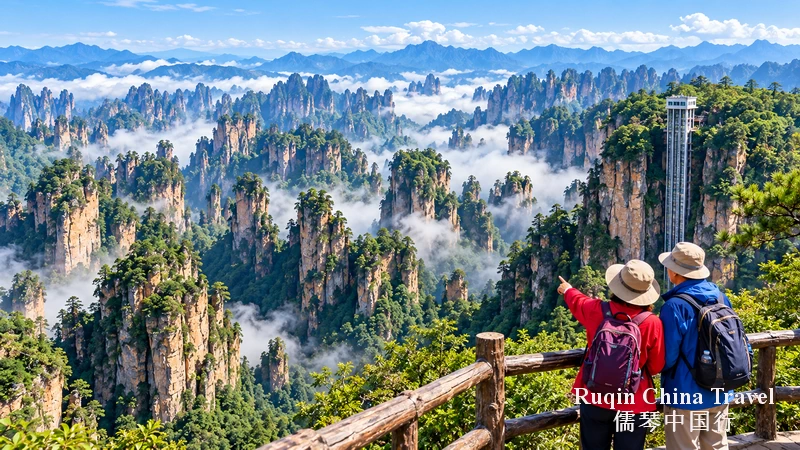
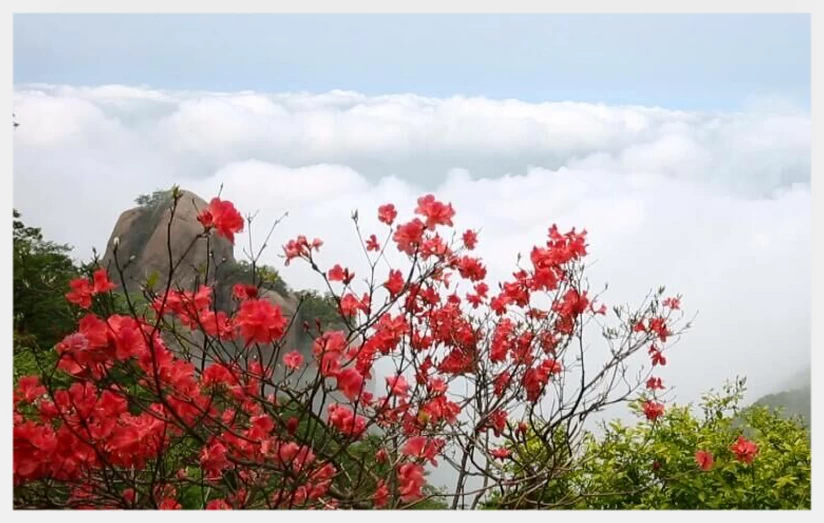
Scenic Beauty: Mount Jiuhua is renowned for its natural beauty, characterized by rugged peaks, lush forests, scenic valleys, and picturesque waterfalls. It offers visitors panoramic views, serene landscapes, and a peaceful atmosphere.
Ancient Temples: The mountain is dotted with over 90 temples, monasteries, and nunneries, each with its own unique architectural style and cultural significance. The most famous temple is the Huacheng Temple, which serves as the main religious center on the mountain.
2. Best Time to Visit Mount Jiuhua
I made the mistake of visiting Jiuhua Mountain once in midsummer—the heat sat heavy on the stone steps, and the crowds moved slowly between temples. It felt more exhausting than peaceful. When I returned in autumn, everything changed. The air was crisp, the hills softened with color, and the temple courtyards finally had space to breathe.
From my experience, spring (April to June) and autumn (September to November) are the most comfortable times to visit. Try to avoid July, August, and the October National Holiday if you can. The mountain is always beautiful—but timing makes a big difference in how you actually experience it.
3. How to Get to Jiuhua Mountain
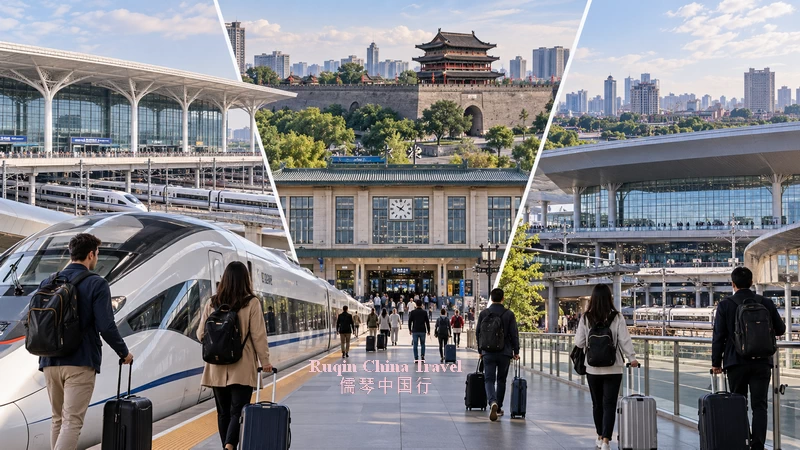
Determine the mode of transportation to reach Mount Jiuhua. The nearest major city is Chizhou, which can be reached by train or bus from major cities like Shanghai or Nanjing.
From Chizhou, you can take a bus or taxi to the foot of the mountain. Consider the logistics and travel time when planning your itinerary.
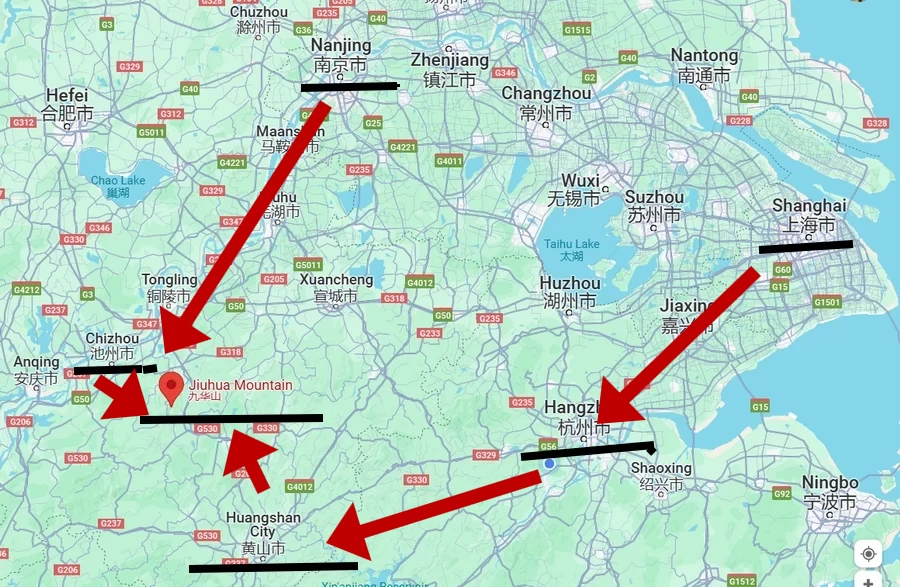
Jiuhua Mountain Travel Routes Map (Google Maps source)
You also can combine the tour of Huangshan Moutain with the trip to Mount Jiuhua. The landscape along the road connecting the two sights are very beautiful.
For flights, book your flights to the nearest airport, which is Hefei Xinqiao International Airport (HFE) or Huangshan Tunxi International Airport (TXN). Then take the long-distance bus or taxi to Mount Jiuhua.
4. Entrance Fees
I still remember standing at the entrance gate, a little unsure if I had everything figured out. Jiuhua Mountain isn’t a single ticket-and-go kind of place—you’ll pass checkpoints, and some areas feel almost like their own little worlds. Once you understand the system, though, it’s actually quite manageable.
The main entrance fee is split by season: 150 yuan per person (December to February) and 100 yuan per person (March to November). Students and some other groups can get discounts, so it’s worth carrying ID.
Inside the mountain, expect a few extra costs. Cable cars and sightseeing buses are optional but often worth it—especially if you want to save time and energy on the steeper sections.
5. Decide the Duration of Stay
The first time I planned Jiuhua Mountain, I thought two days would be enough. It wasn’t. Between the temple visits, long stairways, and the quiet moments you don’t want to rush, the days filled up quickly—and I found myself constantly checking the time instead of enjoying where I was.
If you want to experience Jiuhua properly, 4 to 5 days feels just right. That gives you space to visit key temples, walk at a slower pace, and even pause for the more spiritual side of the mountain.
That said, not everyone has that much time. If you’re on a shorter trip, focus on the main scenic area and Tiantai Peak (Tiantai Mountain). It’s a more condensed route, but still gives you a real sense of what makes Jiuhua special.
6. Where to Stay in Jiuhua Mountain
The first time I stayed on Jiuhua Mountain, I didn’t think too much about location—and I ended up climbing far more stairs than I needed to, especially early in the morning. On a mountain like this, where you sleep really shapes your experience.
Inside the scenic area, you’ll find everything from simple inns to more comfortable hotels, along with a few unique stays like hillside villas and quiet courtyard guesthouses. If comfort matters after a long day of walking, choosing a well-located hotel near the main temple clusters will save you a lot of energy.
For something more meaningful, you can also stay in a monastery. It’s simple, sometimes very basic—but waking up to chanting and sharing the rhythm of temple life is something you won’t forget.
Wherever you stay, pay close attention to location, access (especially steps), and recent reviews.
7. Plan Your Activities
Research the attractions and activities available at Mount Jiuhua. Visit the Huacheng Temple, the main religious center, and explore other temples and monasteries on the mountain. Participate in the daily incense ceremony if possible. Plan your itinerary to include hiking trails that lead to scenic viewpoints, waterfalls, and other natural attractions.
Check if there are any cultural festivals taking place during your visit. Mount Jiuhua hosts several festivals throughout the year, offering a unique opportunity to witness Buddhist traditions and cultural performances. Plan your trip accordingly to coordinate with these festivals if they align with your travel dates.
Mount Jiuhua offers hiking trails and outdoor activities, so ensure you have appropriate clothing and footwear for walking and hiking. Pack essentials such as water, snacks, a hat, sunscreen, and comfortable clothing. Check the weather forecast before your trip for any additional requirements.
Plan your meals and carry snacks and water as there may be limited food options on the mountain.
Be aware of altitude sickness at higher elevations and take necessary precautions.
– Keep emergency contact information handy.
Respect the natural environment and follow Leave No Trace principles.
Consider purchasing travel insurance for any unexpected events.
8. Cultural Etiquette
The first time I entered a temple at Jiuhua, I paused at the doorway—not because of a sign, but because everyone else slowed down, lowered their voices, and moved with quiet intention. It’s a small shift, but you feel it immediately. This isn’t just a scenic area—it’s an active place of worship.
Dress modestly (covered shoulders and knees is a safe choice), and take your shoes off when required. Inside temples, avoid loud voice and follow the flow of visitors. If you’re unsure, just observe for a moment—people around you will guide you without saying a word.
Before you go, it’s also worth checking for any updates on access or regulations. Jiuhua runs smoothly, but a little preparation helps you move through it with ease and respect.
As I left Jiuhua Mountain, I realized it wasn’t the temples or the views that stayed with me most—it was the pace. The quiet pauses, the steady climbs, and the feeling of stepping slightly outside everyday life.
I hope this Jiuhua Mountain Travel Guide helps you plan with more clarity and less guesswork. Give yourself time here. Don’t rush it. Jiuhua reveals itself slowly—and that’s exactly what makes the experience meaningful.
About the Author
Ruqin is the founder of Ruqintravel.com and has spent more than four decades working in China’s travel industry. Drawing on hands-on experience in cities like Beijing and Hangzhou, he personally researches and updates each guide to help international travelers navigate China with confidence.
Further Reading
How to Visit Mount Huashan: Maps, Hiking Trails, Hotels & Tips
How to Book Huangshan Attraction Tickets: All You Need to Know
The Top 10 Most Famous Mountains in China – Ruqin China Travel
How to Visit Mount Emei: Tickets, Transport, Routes, Hotels & Tips
How to Visit Mount Kailash in Tibet – Ruqin China Travel
How to Plan a Trip to Lushan Mountain
Songshan Mountain: Transport, Routes, Sights and Travel Tips
Wudang Mountain: Maps, Transport, Routes, Hotels and Tips