
Written and updated by Ruqin
Last updated: April 16, 2026
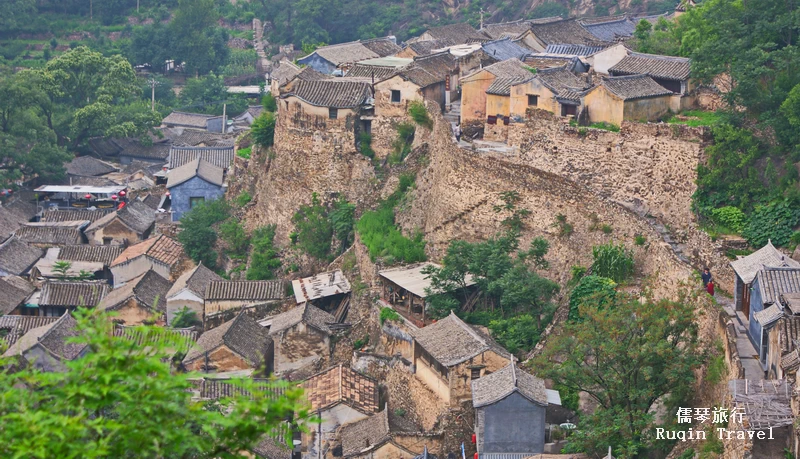
I still remember the moment the road narrowed and the city quietly disappeared behind me. By the time I reached Cuandixia Village, the air felt different—cooler, slower, almost untouched. Stone houses climbed the hillside in layers, and for a second, I just stood there taking it in. Cuandixia didn’t feel staged. It felt lived-in.
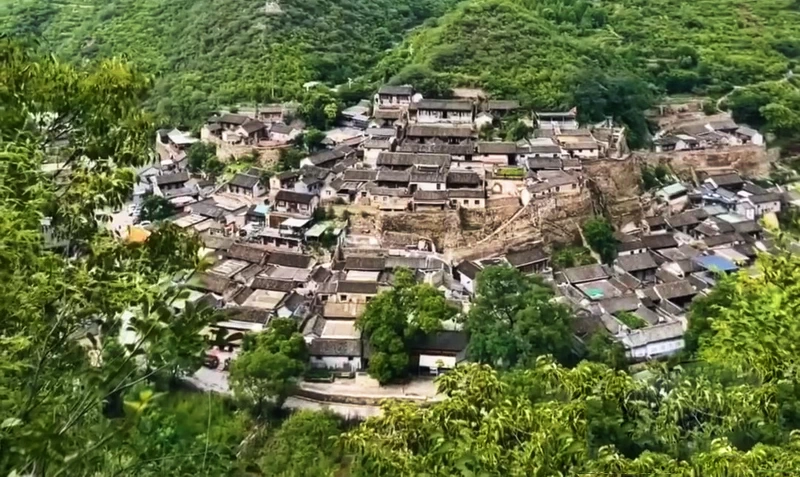
People often call Cuandixia the “Potala Palace of West Beijing,” but what stayed with me was simpler—the quiet lanes, the mountain backdrop, and how easy it was to lose track of time. If you’re trying to step outside Beijing without going too far, Cuandixia Village offers that rare, grounded escape.
1. Why Visit Cuandixia Village?
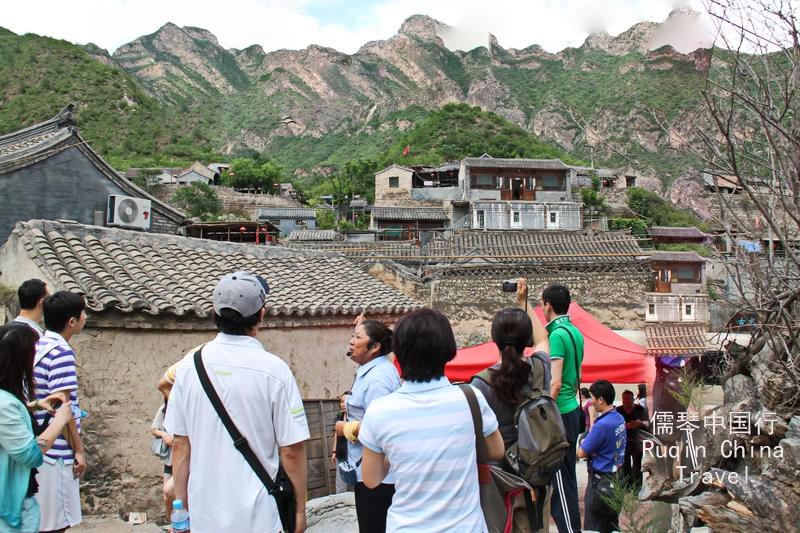
Cuandixia Village is not just another rural destination—it’s a time capsule that transports you back to China’s Ming and Qing dynasties. The village is built into the mountains, with its ancient grey-tile roofs and stone walls creating a timeless landscape.
For foreign travelers, it offers a rare opportunity to experience authentic Chinese rural life away from the busy streets of Beijing. Here are some compelling reasons why Cuandixia should be on your itinerary:
Historical Significance
Cuandixia Village was once an important stop on the ancient trade routes connecting Beijing to the west. It was home to merchants, scholars, and artisans, and today, it retains many of the original structures from the Ming and Qing eras. Visitors can wander through the stone-paved streets, explore well-preserved courtyards, and get a sense of life in ancient China.
Traditional Architecture
One of the village’s standout features is its over 70 traditional courtyard houses, known as siheyuan. These buildings, with their distinct grey-tiled roofs and intricate woodwork, have been passed down through generations.
Unlike many tourist destinations in China, Cuandixia Village has avoided excessive commercial development, giving visitors an authentic glimpse into rural Chinese architecture.
Breathtaking Natural Scenery
Surrounded by mountains and dense forests, Cuandixia offers a stunning natural setting. The village is especially beautiful in autumn when the mountains are ablaze with red and gold foliage.
In winter, the snow-covered rooftops create a picturesque scene that feels straight out of a painting. Whether you’re hiking, photographing, or simply relaxing, the natural beauty of the area is unforgettable.
Film Location
For movie buffs, Cuandixia has a special appeal. It has been featured in several Chinese films, including The Warlords and Mobile Phone.
The village’s remote, mystical atmosphere adds a layer of intrigue to the films, and visiting the site in person offers a unique chance to step into the scenes of these productions.
2. How to Get to Cuandixia Village
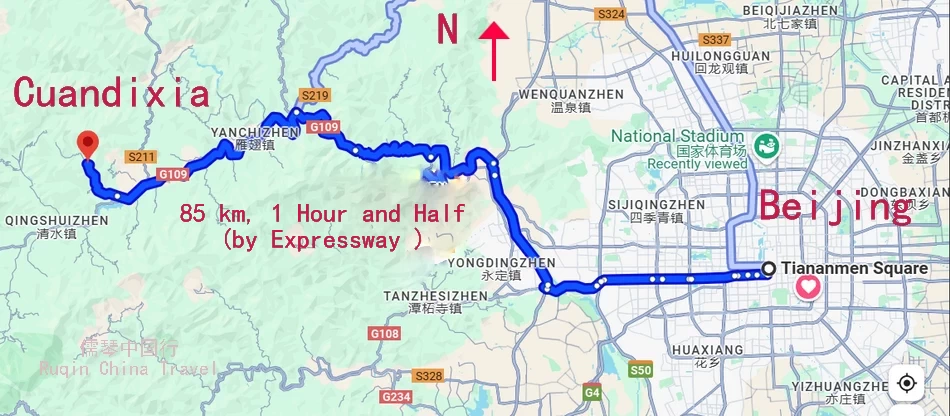
Located about 90 kilometers west of Beijing’s city center,Cuandixia Village is a little off the beaten path, making it a perfect day trip or weekend getaway from the city.
While public transportation options are available, the village’s remote location means that getting there requires a bit of planning.
Preparation Before Your Trip
The timing of your visit to Cuandixia Village can greatly enhance your experience. Here’s a quick guide to the best seasons to go:
- Spring and Autumn (April-May, September-October): These are the ideal months for visiting. The weather is mild, and the landscapes are stunning—spring brings a burst of wildflowers, while autumn offers brilliant red and gold foliage. It’s the perfect time for hiking and photography.
- Winter (December-February): Cuandixia looks magical under a blanket of snow, offering a peaceful retreat. However, the cold can be biting, and some trails might be closed due to snow, so dress warmly and check local conditions in advance.
- Avoid Summer (July-August): The rainy season brings heavy showers and the risk of landslides in the mountainous areas. For safety and a more enjoyable trip, it’s best to avoid Cuandixia during these months.
Public Transport
If you’re using public transportation, you’ll need to take a few steps to reach Cuandixia:
- Take Beijing Subway Line 6 to Jin’anqiao Station “金安桥站”.
- Transfer to Bus M22 and get off at Zhaitang Station “斋堂站”.
- From there, take a taxi for the final 15-minute ride to the village.
Alternatively, you can also catch Bus 892 from Pingguoyuan Subway Station (苹果园地铁站), which will take you to Zhaitang Station “斋堂站”.
Self-Driving or Car Hire
For those who prefer more flexibility, driving to Cuandixia Village is an excellent option. The journey takes about one and half hours by the newly built expressway and covers a scenic 90-kilometer stretch of road through the mountains. GPS services like Google Maps or Baidu Maps can guide you directly to the village.
Guided Tours
If you prefer a hassle-free experience, consider joining a day tour. Many Beijing-based travel agencies offer guided tours to Cuandixia with English-speaking guides. These tours often include transport, lunch, and a guided tour of the village, making it a convenient option for those who want to explore the village without the stress of planning.
3. Entrance Fees and Opening Hours
Used to charge RMB 35 per adults, now Cuandixia Village welcomes visitors with free entry.
The village gates open daily from 7:00 AM to 6:30 PM, offering ample time to explore its wonders.
4. Must-See Sights and Activities
Cuandixia Village is rich in both cultural heritage and natural beauty. Whether you’re interested in history, architecture, or outdoor activities, there’s something for everyone. Below are the top sights and experiences that you should not miss during your visit.
1)The Ancient Village Core
As you walk through the heart of Cuandixia, you’ll be transported back in time. The cobbled streets are lined with traditional siheyuan (courtyard homes), and many have preserved intricate carvings and decorations. Key spots include:
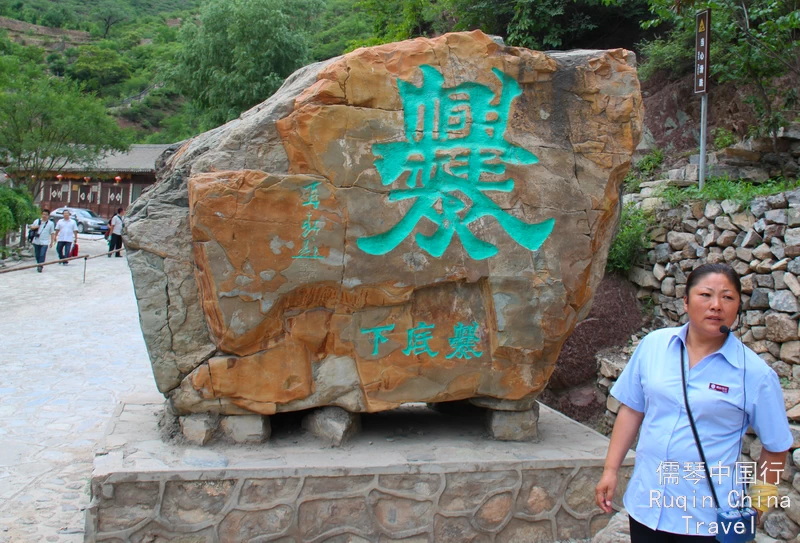
The Cuandixia Inscription: Located at the entrance of the village, this stone carving of the character “Cuàn” (爨), meaning “hearth,” symbolizes the warmth and prosperity of the village. It’s a great place for a photo.
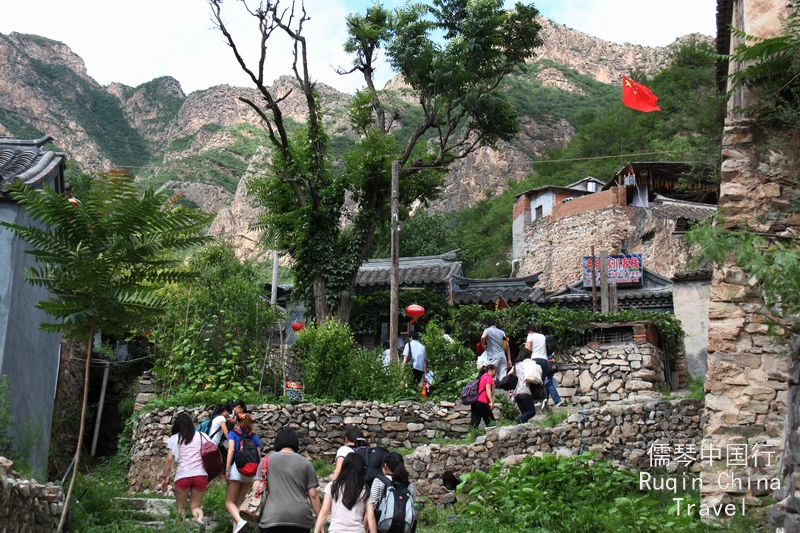
Siheyuan Courtyards: Explore the traditional courtyard houses, particularly theCaizhuyuan (财主院) and Guangliangyuan courtyards (广亮院), where you can admire the old architecture and intricate wood carvings.
The Caizhu Courtyard ( 财主院) is located at the highest point along the central axis of the entire village.
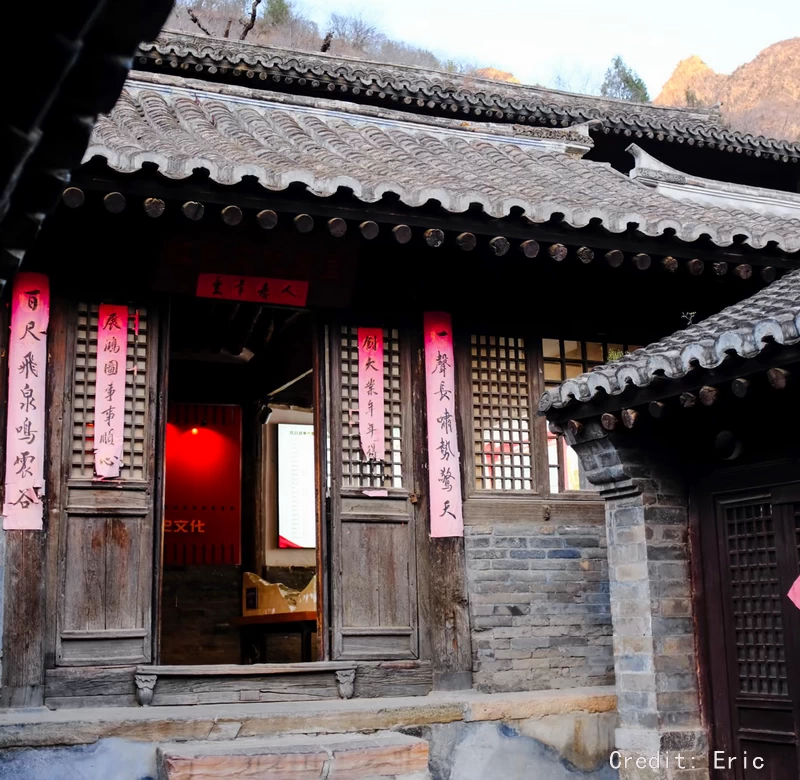
Ancient Stage: The village features an ancient theater from the Qing Dynasty that still hosts performances during festivals. If you’re lucky, you may catch a traditional opera performance.
Stone Walls and Ancient Paths: Walk along the stone paths and climb the steps that lead to panoramic views of the entire village, nestled in the hills.
2) Surrounding Natural Landscapes
Cuandixia is not just about history and culture—its natural beauty is just as captivating. Here are some natural attractions you should explore:
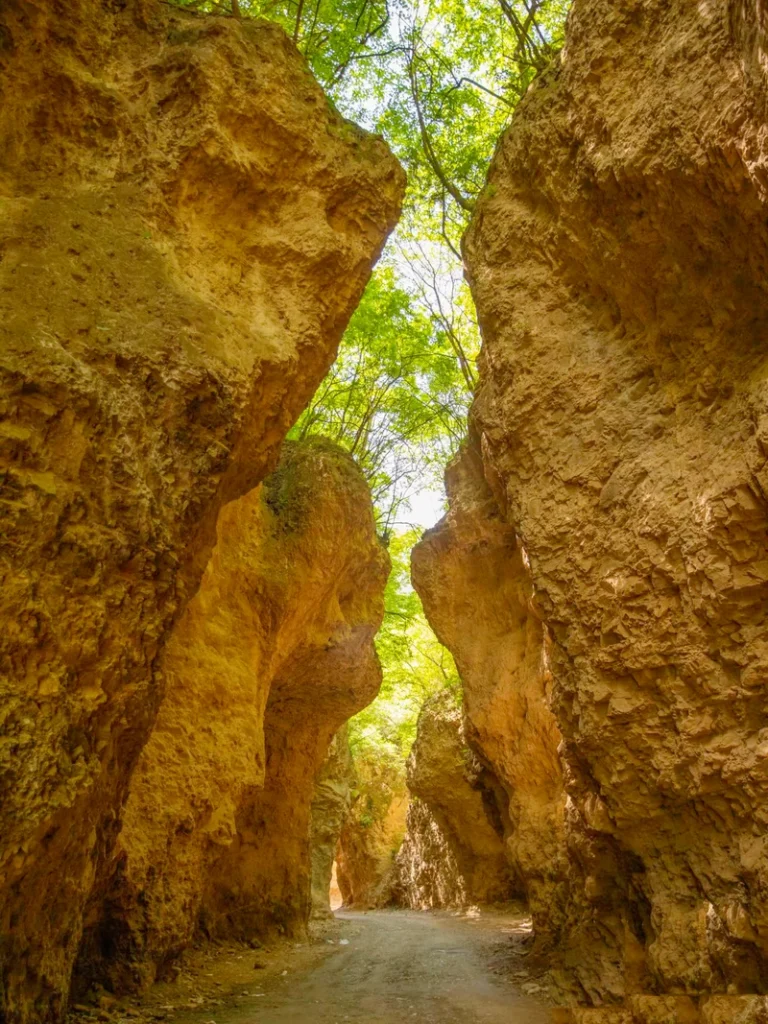
The “A Thread of Sky” (一线天): About 1 km northwest of the village, this narrow gorge formed between two mountains is a hidden gem. The play of light and shadow here is mesmerizing, and it was featured in the film The Warlords.
Huangcaoliang (黄草梁): For hikers, the Huangcaoliang area is a paradise. In autumn, the meadows turn golden, and the views of the nearby Great Wall ruins are stunning.
Baiyu Village (柏峪村): This neighboring village is also worth visiting for its century-old walnut trees and unspoiled pastoral landscape.
3) Cultural Activities
Cuandixia is also a place to engage with local culture. Here are some activities you can try:
- Photography and Sketching: The village’s natural light creates dramatic scenes, especially at sunrise and sunset. It’s a fantastic location for photography or sketching, with each corner offering a new visual delight.
- Traditional Cooking: Several guesthouses offer hands-on cooking experiences, where you can learn to make traditional Chinese dishes like dumplings and pancakes with wild herbs.
- Storytelling with Locals: Engage with the older villagers who are often sitting outside their homes, soaking up the sun. With the help of translation apps, you can learn about the Cuàn family history and the village’s past.
5. Cuandixia Circuit Walking Trail
I didn’t follow a strict map in Cuandixia Village—I just started walking from the southeast, where the stone steps lead up toward the Goddess Temple. That turned out to be the right instinct. The path naturally pulls you into a loop, and before long, I was looking back at Cuandixia from above, the rooftops unfolding like a fan against the mountain.
The climb to the southern hillside is gentle but steady. When I reached the top, I paused longer than I expected. From up there, Cuandixia feels complete—you can see how every house fits into the slope. On the way down, I passed the old well, surprisingly deep, still fitted with a simple wooden bucket system. It’s one of those quiet details that makes the village feel real, not restored.
As you circle back, the trail brings you past small farmhouse inns. I remember the smell of home cooking drifting out—simple dishes, nothing fancy, but inviting. Crossing the main street, the northern side feels even more lived-in, with old stone houses stacked along the hillside. It’s easy to wander here without a plan, which, honestly, is the best way to experience Cuandixia.
6. Where to Stay & Eat in Cuandixia Village
While Cuandixia may be a remote village, it offers a variety of lodging and dining options, many of which allow visitors to experience the village’s rustic charm up close.
Where to Stay
Most accommodations in Cuandixia are homestays or small guesthouses housed in traditional courtyard buildings. These offer basic but comfortable amenities and a chance to experience village life firsthand.
- Cuanshe (爨舍): A popular homestay in the village, Cuanshe offers cozy rooms with private bathrooms and heating. The owner speaks basic English, making communication easier for foreign travelers.
- Yiqingchen Inn (驿清晨客栈): This guesthouse offers a beautiful view of the village and has a rooftop terrace where you can enjoy stargazing at night.
Where to Eat
Food in Cuandixia is simple, hearty, and delicious. The local restaurants serve traditional rural Chinese dishes made from locally sourced ingredients.
- Wood-Fired Chicken Stew (柴火炖土鸡): A must-try local specialty, this dish features tender chicken slow-cooked over an open flame, absorbing the flavors of herbs and spices.
- Braised Reservoir Fish (侉炖水库鱼): This dish uses fresh fish from the nearby reservoirs and is braised to perfection with local herbs.
- Wild Herb Pancakes (野菜贴饼子): Made with wild herbs found in the surrounding mountains, these pancakes are crispy and flavorful.
- Cuandixia Noodles: Handmade noodles are a local specialty, known for their chewy texture and savory flavor.
7. Practical Tips for Foreign Travelers
The first thing I noticed in Cuandixia Village was how local it felt. I didn’t hear much English at all, and most signs were in Chinese. I relied on a translation app a few times—simple things like asking for directions or ordering food. Even just saying “ni hao” and “xie xie” changed the tone of interactions. People warmed up quickly.
At the same time, Cuandixia isn’t a staged attraction—it’s a real, lived-in village. I learned to slow down and be respectful. Some doorways are open, but that doesn’t mean you should walk in. I usually paused, made eye contact, or gestured before taking photos. The terrain also surprised me a bit—stone steps, uneven paths, and a lot of small climbs. Comfortable shoes matter more than you think here.
One thing I didn’t expect was how patchy the signal could be. Once I was deeper in the village, my phone barely worked. I had already saved my route and that helped. Also, while mobile payments are common in Beijing, a few small places here still preferred cash—so it’s worth carrying some.
Finally, Cuandixia feels fragile in a quiet way. There aren’t many trash bins, and the old buildings are easy to damage without realizing it. I found myself being more mindful—carrying my own waste out and keeping a bit of distance from the older structures. It’s part of what keeps the village feeling authentic.
8. Suggested Day Trip Itineraries
If you’re planning a visit to Cuandixia, here are some suggested itineraries to make the most of your time:
One-Day Trip
- Morning: Explore the village core and take photos of the ancient architecture.
- Lunch: Enjoy a traditional meal at one of the village’s local eateries.
- Afternoon: Hike to “A Thread of Sky” (一线天) or visit Huangcaoliang (黄草梁)for stunning views.
- Evening: Return to Beijing.
Two-Day Trip
- Day 1: Arrive in Cuandixia, explore the village, and stay overnight in a local guesthouse.
- Day 2: Hike to Huangcaoliang (黄草梁)and enjoy the autumn meadows or visit Baiyu Village (柏峪村).
9. Beyond Cuandixia: More in Mentougou
When I first visited Cuandixia Village, I thought it would be a one-stop trip. But once you’re out in Mentougou, it’s worth slowing down and seeing a bit more—the whole area has this quiet, layered history that doesn’t show up in central Beijing.
One afternoon, I continued on to Lingshui Ju Ren Village (灵水举人村). It feels even more low-key than Cuandixia, but there’s a quiet pride there—this small village once produced dozens of scholars through the imperial exams. You can still sense that history in the layout and old courtyards.
On another trip, I stopped at Tan Zhe Temple (潭柘寺), and the atmosphere shifted completely. It’s older, more established, and surrounded by deep greenery. I remember the scent of incense and the slow rhythm of visitors moving through the halls—it felt grounded, not rushed.
If you’re in the mood for something more active, Miaofeng Mountain (妙峰山) offers a different kind of experience. I went during spring once, and the rose valley was in bloom. But even beyond the flowers, the hiking trails and the sense of pilgrimage routes give it a deeper dimension.
If you plan it right, Cuandixia can be the anchor—but Mentougou as a whole is what makes the trip feel complete.
By the time I left Cuandixia Village, it didn’t feel like I had just visited a scenic spot—it felt like I had stepped into a slower rhythm of life. The stone paths, the quiet courtyards, the mountains holding everything in place… Cuandixia stays with you in a subtle way.
If you give it time—not rush through—it becomes more than a photo stop. Cuandixia Village is one of those rare places near Beijing where you can actually feel the past still quietly living on.
About the Author
Ruqin is the founder of Ruqintravel.com and has spent more than four decades working in China’s travel industry. Drawing on hands-on experience in cities like Beijing and Hangzhou, he personally researches and updates each guide to help international travelers navigate China with confidence.
Further Reading
Beijing Mentougou District Travel Guide: Visitor Centers and Tips
Top 10 Wetland Parks in Beijing – Your Ultimate Guide
Top Bungee Jumping Spots in Beijing: Locations, Prices & Tips
Best Campsites in Beijing: Where I’d Camp + How to Get There
Best Ski Resorts Near Beijing: All You Need to Know Before You Go
Top 10 Hot Spring Resorts in Beijing: Location, Prices and Tips