
Written and updated by Ruqin
Last updated: May 16, 2026
Beijing is one of those cities that can feel overwhelming at first.
The roads are wide, the history is enormous, and the landmarks are spread across a city that seems to stretch forever. But once you slow down a little, Beijing becomes much more interesting than the usual checklist of famous sites.
Some of my favorite moments here have nothing to do with major monuments. They happen in quiet hutongs, crowded noodle shops, temple parks at sunrise, or late evenings eating lamb skewers beside locals finishing work.
Of course, first-time visitors should absolutely see Beijing’s iconic landmarks. But the real magic comes from mixing those big historical sites with everyday local experiences.
Here are the 16 best things to do in Beijing if you want to understand the city beyond the surface.
1. Walk Through the Forbidden City
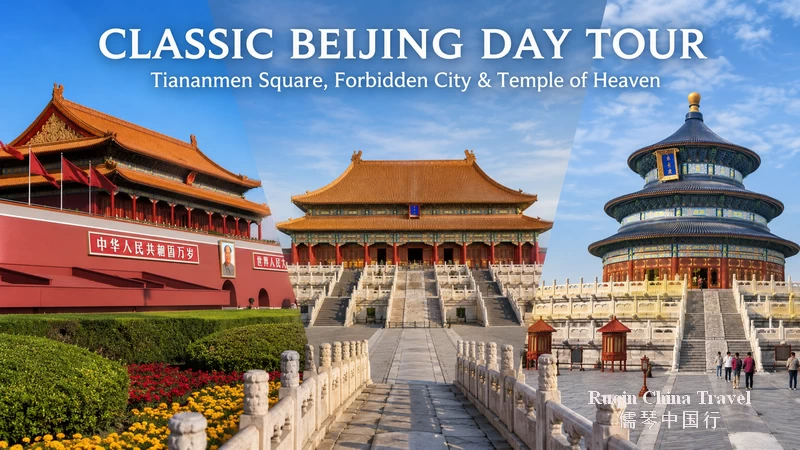
The Forbidden City is the heart of imperial Beijing.
And honestly, no matter how many photos you’ve seen, the scale still surprises people in person.
This massive palace complex was home to Chinese emperors for nearly 500 years. As you move through the giant courtyards and ceremonial halls, you begin to understand how power was carefully displayed through architecture.
My biggest tip? Go early.
The palace becomes crowded quickly, especially during holidays and weekends. Morning light also makes the red palace walls and golden rooftops look especially beautiful.
Try not to rush through it. The quieter side courtyards are often more memorable than the main halls.
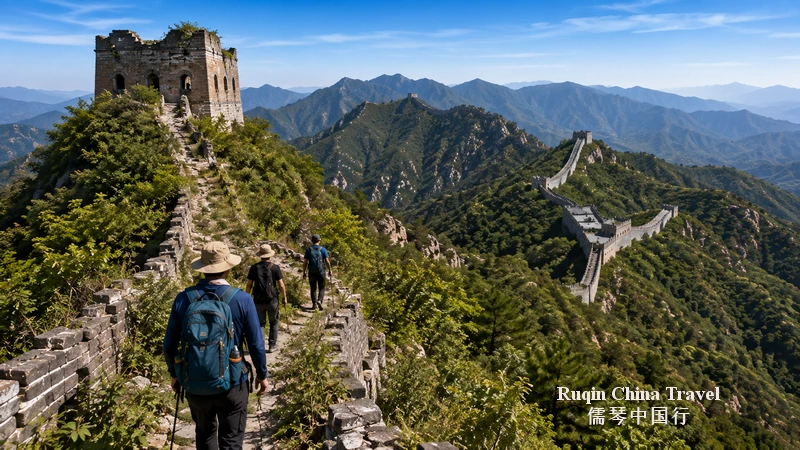
2. Visit the Great Wall — But Choose the Right Section
Not all Great Wall experiences feel the same.
Some sections are heavily restored and easy to access, while others feel rugged and remote.
Here’s the quick version I usually give travelers:
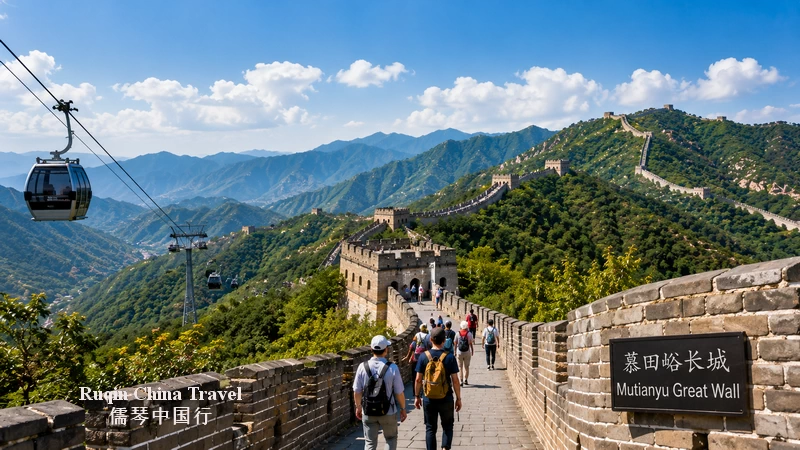
- Mutianyu: Best overall for first-time visitors
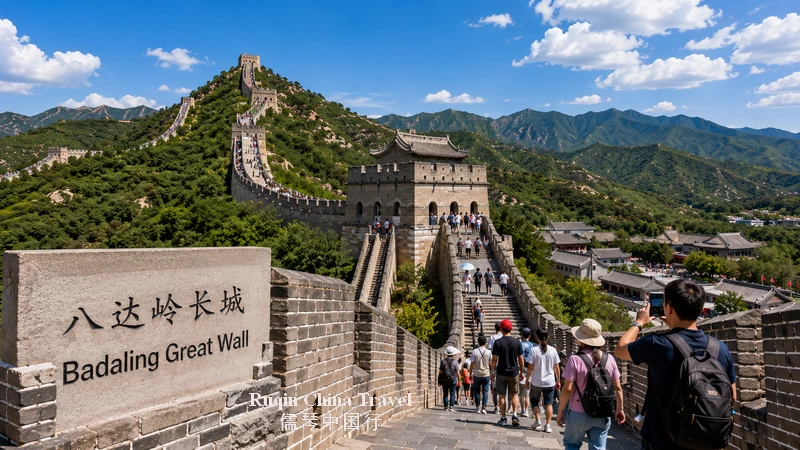
- Badaling: Most famous but busiest
- Jinshanling: Best for hiking and photography
- Simatai: Steeper and more adventurous
Personally, I often recommend Mutianyu because it balances scenery, accessibility, and crowd levels very well.
And yes — the Great Wall really is worth the trip.
3. Explore Tiananmen Square Early in the Morning
Tiananmen Square feels much larger in person than most travelers expect.
Standing there early in the morning, before tour groups fully arrive, gives you a better sense of Beijing’s monumental scale.
You’ll see major landmarks surrounding the square, including:
- Tiananmen Gate
- The Monument to the People’s Heroes
- The National Museum of China
- The Great Hall of the People
If you’re willing to wake up early, the sunrise flag-raising ceremony can also be interesting to watch.
Just remember to carry your passport, as security checks are strict in this area.
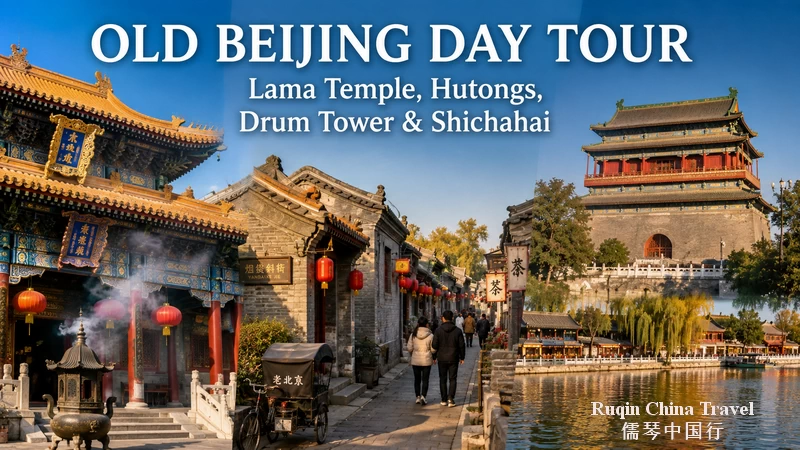
4. Wander Through Beijing’s Hutongs
The hutongs show Beijing’s human side.
These old alleyways, lined with traditional courtyard homes, reveal a slower rhythm hidden beneath the capital’s modern skyline.
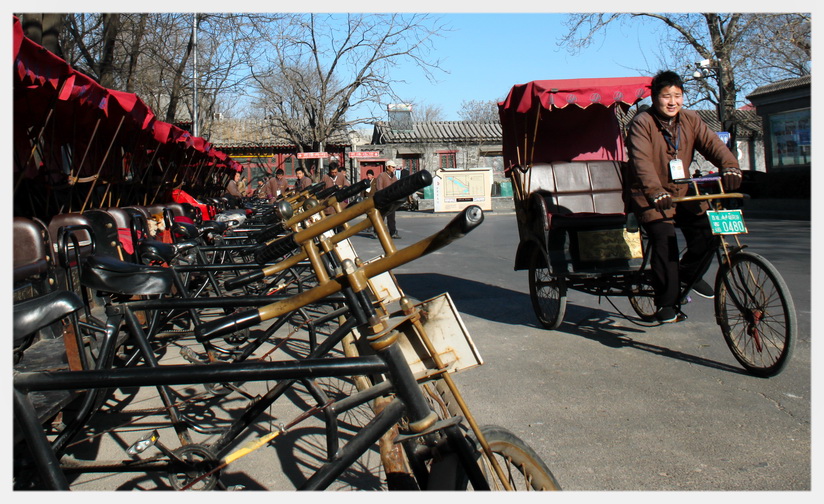
You’ll find tiny restaurants, local markets, tea shops, elderly residents chatting outside, and bicycles squeezed into narrow lanes.
Some hutongs are heavily commercial now, but others still feel deeply residential.
I especially like walking around Gulou and Shichahai because the area balances old Beijing atmosphere with cafes, bars, and lakeside scenery.
And honestly, wandering without a strict plan often works best here.
5. Spend Half a Day at the Summer Palace
The Summer Palace feels calmer than central Beijing.
Originally built as a royal retreat, it combines lakes, gardens, bridges, temples, and hillside pavilions into one enormous landscape.
Kunming Lake becomes especially beautiful in late afternoon light.
You can:
- Walk the Long Corridor
- Climb Longevity Hill
- Take a boat ride
- Watch locals dancing or singing near the water
Compared with the intensity of central Beijing sightseeing, the Summer Palace feels almost restorative.
6. Visit the Temple of Heaven in the Morning
Many travelers visit the Temple of Heaven for the architecture.
But the real experience often happens in the surrounding park.
Go early and you’ll see locals practicing tai chi, dancing, playing cards, singing, and exercising together. It feels less like a tourist attraction and more like a window into daily Beijing life.
The Hall of Prayer for Good Harvests is stunning, but don’t rush past the park culture around it.
That’s part of the experience too.
7. Step Inside the Lama Temple
The Lama Temple is one of my favorite places in Beijing when I need a break from the city’s intensity.
The smell of incense, the soft chanting, and the golden Buddhist statues create a completely different atmosphere from Beijing’s busy streets outside.
This Tibetan Buddhist monastery is both active and deeply beautiful.
Even travelers who aren’t religious usually find the space calming.
Please dress respectfully and avoid loud behavior inside the prayer halls.
8. Explore Beijing’s Contemporary Side at 798 Art District
Beijing is not only imperial history.
The 798 Art District shows the city’s modern creative side through galleries, design stores, cafes, murals, and industrial architecture.
The neighborhood was originally a factory complex before artists transformed it into Beijing’s best-known contemporary art district.
Even if you’re not deeply into art, the atmosphere itself is interesting.
It’s also a good break after several days of temples and palaces.
9. See the Bird’s Nest and Water Cube at Night
The Olympic Park looks best after dark.
The Bird’s Nest Stadium and Water Cube become illuminated, and the whole area feels surprisingly futuristic compared with old Beijing neighborhoods.
You don’t need a long visit here. An evening walk is usually enough.
Still, it’s interesting to see how Beijing continues balancing history with modern development.
10. Visit the National Museum of China
If you want deeper historical context before exploring Beijing, this museum helps enormously.
The National Museum of China is huge, so don’t try to see everything in one visit.
Instead, focus on a few sections that interest you most, especially ancient Chinese artifacts and imperial history collections.
And fortunately, the museum’s central location beside Tiananmen Square makes it easy to combine with other nearby sights.
11. Try Street Food Around Wangfujing
Wangfujing is touristy, yes.
But it’s still a useful and lively introduction to Beijing shopping and street snacks.
You’ll find shopping malls alongside traditional food stalls and small local restaurants.
Try:
- Jianbing
- Tanghulu
- Lamb skewers
- Dumplings
- Baozi
The side streets around Wangfujing are often more interesting than the main pedestrian avenue itself.
12. Walk Through Historic Qianmen Street
Qianmen feels more traditionally Beijing than Wangfujing.
The street combines restored old-style architecture with snack shops, tea houses, and traditional brands that have existed for generations.
Some parts feel commercialized, but the atmosphere still works well for first-time visitors.
I especially like visiting in the evening when the lanterns light up and the crowds soften slightly.
13. Watch a Peking Opera Performance
Even travelers who know nothing about Peking Opera usually remember it afterward.
The costumes, painted faces, music, and dramatic gestures create a performance style unlike Western theater.
You don’t need to fully understand the language to appreciate the visual artistry.
Shorter performances designed for visitors are often the easiest starting point.
And honestly, it’s one of the best ways to experience traditional Chinese performing arts in Beijing.
14. Relax at Beihai Park
Beihai Park is one of the easiest places in Beijing to slow down.
The lake, white pagoda, willow trees, and old imperial gardens create a peaceful atmosphere surprisingly close to the city center.
Locals come here to walk, sing, dance, and socialize.
If your Beijing itinerary feels too packed, this is a good place to breathe for a while.
15. Visit the Confucius Temple and Imperial Academy
This site is quieter than Beijing’s major landmarks, which is exactly why I often recommend it.
The Confucius Temple and Imperial Academy reveal how important education and philosophy were in imperial China.
The stone courtyards and ancient trees create a reflective atmosphere that feels very different from the busier tourist areas nearby.
It’s also conveniently close to the Lama Temple, making the two easy to combine.
16. Eat Proper Beijing Cuisine
You cannot understand Beijing without eating well here.
And I don’t mean only famous Peking duck — although you should absolutely try that too.
Beijing food is hearty, practical, and deeply connected to northern Chinese cooking traditions.
Some dishes worth trying include:
- Peking duck
- Zhajiangmian noodles
- Hotpot
- Dumplings
- Lamb skewers
- Sesame flatbread
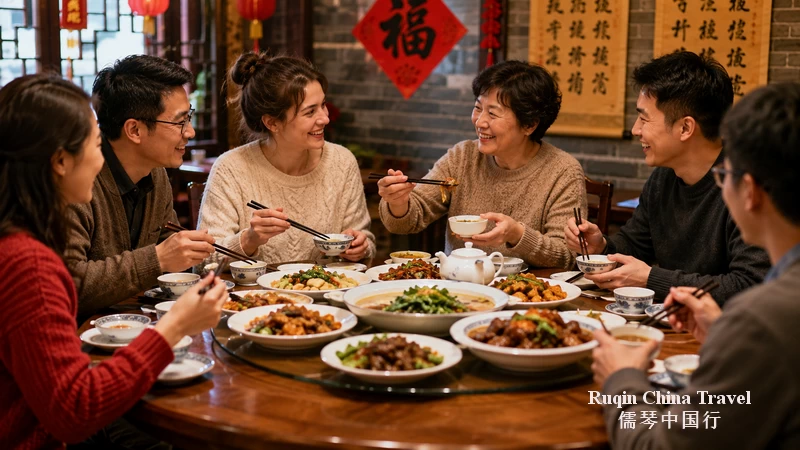
Some of the best meals happen in small local restaurants where menus may not even have English.
Honestly, those are often the meals travelers remember most.
Beijing rewards curiosity.
Yes, you should see the famous landmarks. But don’t rush from one attraction to the next trying to “complete” the city.
Leave time for small moments too — quiet temple parks, side streets, unexpected meals, conversations, and evening walks.
That’s when Beijing starts feeling less like a giant capital city and more like a place with real personality.
And once that happens, the city becomes much harder to forget.
About the Author
Ruqin is the founder of Ruqintravel.com and has spent more than four decades working in China’s travel industry. Drawing on hands-on experience in cities like Beijing and Hangzhou, he personally researches and updates each guide to help international travelers navigate China with confidence.
Further Reading
How to Visit Forbidden City: Maps, Tickets, Walking Routes & Tips
How to Visit the Great Wall of China: Best Sections, Tickets & Tips
How to Visit Tiananmen Square: Maps, Tickets & Security Checks
Best Beijing Hutong Walking Tours: Routes, Maps & Local Tips