
Written and updated by Ruqin
Last updated: April 15, 2026
Visiting a new country is always an exciting experience, but it can also come with its challenges. One common concern for foreign tourists visiting China is navigating public toilets. Chinese public restrooms can be quite different from what travelers are used to in their home countries.
This guide aims to provide helpful tips and insights on How to use public toilets in China, ensuring a comfortable and stress-free experience.
Understanding the Types of Toilets in China
First, let’s discuss the types of toilets you might encounter in China. One of the most common type public toilets in China is the squat toilet. Unlike the Western-style sit-down toilets, squat toilets require users to squat over a ceramic bowl embedded in the ground. This might be a new experience for many foreigners, but it is considered more hygienic since there is no direct contact with the seat.
However, you can also find Western toilets in many places, especially in international hotels, modern shopping malls, and airports. These toilets are similar to what you might find in Western countries. It’s good to know that in high-traffic tourist areas, you’re likely to encounter both types, giving you a choice depending on your comfort level.
1. How to Use Squat Toilets in China
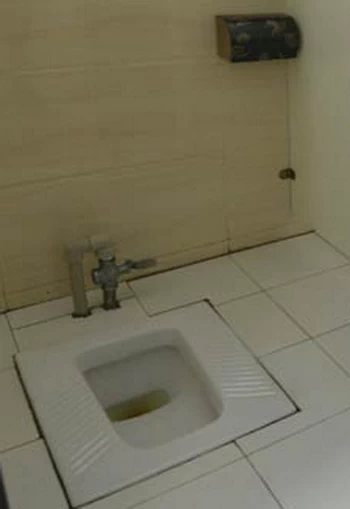
Using a squat toilet may seem daunting at first, but it’s quite simple once you get the hang of it. Here’s a step-by-step guide:
- Positioning: Stand over the toilet, with your feet on either side of the bowl. The grooves on the sides are usually where you should place your feet.
- Squatting: Lower yourself into a squat position. Keep your balance by leaning forward slightly and using your arms if needed.
- Hygiene: Most Chinese public restrooms do not provide toilet paper. Therefore, it’s crucial to carry your own. After use, dispose of the toilet paper in the trash bin provided, as many toilets cannot handle paper waste.
Tips for Using Squat Toilets
Firstly, wear comfortable clothing that can be easily adjusted. Additionally, practice your squatting technique beforehand, especially if you’re not used to it. It’s also wise to carry a small bottle of hand sanitizer, as soap might not always be available.
2. Finding Public Toilets in China
When exploring China, you may wonder where to find public restrooms. In urban areas, public toilets are quite common and can be found in parks, tourist spots, shopping malls, and train stations. Look for signs that say “公共厕所” (gōnggòng cèsuǒ) or simply “厕所” (cèsuǒ). These signs usually indicate the location of a public toilet.
Additionally, many restaurants and cafes have restrooms. However, it is polite to make a purchase if you plan to use their facilities. Furthermore, modern shopping malls and large supermarkets typically offer clean and well-maintained restrooms.
3. Toilet Paper and Hygiene Considerations
One key difference in China’s bathroom etiquette is the handling of toilet paper. In many public toilets in China, toilet paper is not provided in individual stalls. Instead, there might be a common roll near the entrance. It is a good practice to carry a small pack of tissues or toilet paper with you at all times.
Hygiene is another important consideration. While some restrooms have soap dispensers, they may not always be filled. Thus, carrying hand sanitizer is highly recommended. Moreover, some public restrooms use a foot pedal to flush, which can be a bit tricky to find if you’re not familiar with it.
4. Navigating Cultural Differences in Chinese Bathrooms
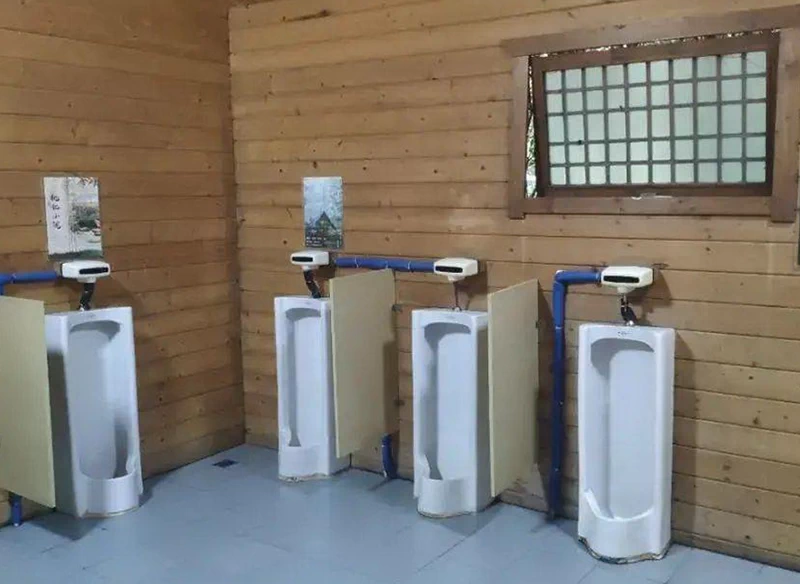
The first time I walked into a public restroom in China and noticed there were no stall doors, I paused for a second—not because anything was wrong, but because it simply wasn’t what I was used to. Over time, I realized this wasn’t unusual at all. In many places, especially older buildings or high-traffic areas, you’ll find stalls with partial dividers or sometimes no doors. It can feel surprising at first, but most locals treat it as completely normal and go about their business without a second thought.
That said, newer malls, airports, and modern attractions have moved toward full privacy, so your experience will vary depending on where you are. If full enclosure matters to you, it’s worth planning restroom breaks in these newer spaces when possible.
Just as important as the layout is the unspoken etiquette. You’ll quickly notice that people queue patiently, even if the line feels a bit fluid at times. There’s an understanding: everyone waits their turn, and things move quickly. Keeping the space clean is also taken seriously. Even in very basic restrooms, there’s a shared effort not to leave a mess behind.
Occasionally, you’ll come across a restroom attendant—usually near the entrance, sometimes managing supplies or doing light cleaning. If they hand you toilet paper or keep the area especially tidy, a small tip is appreciated, though not strictly expected. I usually carry a bit of small change for moments like this—it’s a simple gesture that’s always received warmly.
Once you settle into these differences, they stop feeling unfamiliar. Instead, they become just another small rhythm of daily life in China—one that’s easy to adapt to with a bit of awareness.
5. Essential Items to Carry for Public Toilets in China
I learned this the hard way—standing in a perfectly decent public restroom, only to realize there was no toilet paper anywhere in sight. That’s the moment when China quietly teaches you to be self-sufficient.
So now, before I head out for the day, I do a quick mental check. Tissues are always the first thing I reach for. In China, even well-maintained public toilets often don’t provide toilet paper inside the stalls. Sometimes there’s a dispenser outside, sometimes not. Either way, having your own saves you from awkward moments.
Next, I always keep a small bottle of hand sanitizer within easy reach. While many newer restrooms have soap and running water, it’s not something I rely on. A quick squeeze of sanitizer brings peace of mind, especially when you’re moving between sightseeing spots.
Wet wipes are another quiet hero. They’re not something you think about until you need them—and then you’re really glad you packed them. I usually carry a small travel pack; it makes the whole experience feel a bit more comfortable and familiar.
And then there’s one item people rarely mention: a simple plastic bag. Not every restroom has a bin inside the stall, and in some places, you’re expected to dispose of used paper elsewhere. Having a small bag gives you a backup plan without any stress.
6. Tips for Foreigners Using Toilets in China
I still remember watching a traveler hesitate outside a squat toilet, unsure whether to go in or keep searching. I’ve been there too. The learning curve is real—but once you get past that first moment, everything becomes much easier.
If you’re not used to squat toilets, it helps to prepare a little before your trip. You don’t need anything extreme, just getting comfortable with the position makes a difference. It’s less about strength and more about balance. After a day or two in China, most people naturally adjust.
Of course, preparation goes beyond posture. I rarely leave my hotel without tissues, hand sanitizer, and a small pack of wet wipes. These aren’t “just in case” items here—they’re part of how you move through the day smoothly.
At the same time, it’s important to stay calm, especially in busy places. Train stations, tourist attractions, and older neighborhoods can get crowded. Lines form quickly, and the pace can feel a bit rushed. Still, there’s an underlying order to it. People wait, spaces open up, and things move along faster than you might expect.
Privacy can feel different too. Some restrooms are more open than what you’re used to, but there’s a quiet mutual respect. People don’t stare or intrude—they simply focus on their own routine. Following that same mindset helps you blend in naturally.
In the end, using public toilets in China is less about mastering something difficult and more about adjusting your expectations. Once you approach it with a bit of flexibility—and maybe a sense of humor—it becomes just another part of the travel experience, not something to worry about.
The first time you figure out how to use public toilets in China, it might feel unfamiliar—but it settles quickly. Once you understand the layouts, carry a few essentials, and adjust your expectations, it becomes part of your daily rhythm rather than a challenge.
In fact, this is one of those small travel moments that quietly builds confidence. You adapt, you move on, and suddenly China feels more accessible. Stay prepared, stay flexible, and let the experience become just another story from your journey.
About the Author
Ruqin is the founder of Ruqintravel.com and has spent more than four decades working in China’s travel industry. Drawing on hands-on experience in cities like Beijing and Hangzhou, he personally researches and updates each guide to help international travelers navigate China with confidence.
Further Reading
How to Access the Internet in China: VPNs, SIMs, Wi-Fi & Firewall
Essential Mandarin Phrases for Travelers in China
How to Use Alipay or WeChat Pay in China: A Travel Guide
Chinese Laws and Regulations: A Foreigner’s Guide
How to Spot Fake Chinese Money: Simple Tips for Tourists
Food and Dining in China – A Foreigner’s Guide – Ruqin China Travel
Plugs, Sockets, Adaptors & Voltage in China
Currency and Money Exchange in China – A Foreigner’s Guide – Ruqin China Travel
China Customs Regulations – A Foreigner’s Guide – Ruqin China Travel