

Written and updated by Ruqin
Last updated: April 23, 2026
I had always heard whispers about Tianjin, but nothing prepared me for how charming this city truly is. Just 30 minutes from Beijing by high-speed train—yes, faster than your favorite show’s opening credits—and suddenly, I was in a place that felt like a blend of Europe and old China. This Tianjin Travel Guide is my way of sharing that discovery: the riverside strolls, colonial architecture, and snack stalls that made me fall in love with the city.
Walking along the quiet banks of the Hai River, with the sound of water and history all around me, I felt both grounded and amazed. Whether you’re chasing heritage, local eats, or just craving a break from the usual tourist path, Tianjin has a gentle way of drawing you in. Let me take you there—starting with when to go. Because trust me, the right weather makes all the difference.
1. Best Time to Visit Tianjin
When I first started planning my journey, I quickly realized that choosing the right season was the key to experiencing Tianjin at its best. In this Tianjin Travel Guide, I want to show you how the entire mood of the city changes with the seasons—and how the right timing can transform your trip from good to unforgettable.
In spring, from March to May, Tianjin gently wakes up. Trees stretch their green arms, and flowers peek open like they’re shy to be seen. However, the spring wind can be dramatic. Some days it feels playful, swirling around me with energy. On others, it carries dust from the north. Yet, there’s something charming about watching kites dance above the city—Tianjin begins to breathe again.
Next comes summer. From June to August, Tianjin turns bold and lively. The heat can be intense, and the air wraps around you like a warm blanket. I remember sipping iced beer by the Hai River, feeling a cool breeze roll in just when I needed it. Occasionally, a summer thunderstorm swept through, washing the city clean in minutes.
Then autumn arrives—and everything changes. From September to November, Tianjin is at its most beautiful. The sky turns a deep, endless blue. The air is crisp and gentle. I walked down the old streets of the Five Great Avenues, watching golden gingko leaves drift to the ground. Every corner felt like a living painting.
Winter, from December to February, brings stillness. The city becomes quiet and elegant. It’s cold, yes, but on snowy days I felt like I had stepped inside a fairytale. I would duck into a warm teahouse or enjoy steaming hotpot while watching snowflakes melt on the window.
So, when is the best time to visit?
Late spring (May to June) and autumn (September to October) are perfect. The weather is kind, the light is soft, and Tianjin reveals its most charming side. During these seasons, I felt completely free—no sweating, no shivering, just pure joy in every moment of exploration.
2. Where to Stay in Tianjin
Tianjin unfolds like a hand-painted scroll along the gentle curves of the Hai River. Each district offers a different rhythm, a different story.

When I first arrived, I felt like a traveler flipping through chapters of a living book. Choosing where to stay in Tianjin became part of the adventure—and let me tell you, it made all the difference.
1) Heping District (和平区)– The Historic Heartbeat
If you only have time for one district, make it Heping District ( literally Peace District). This is the city’s elegant front parlor—Tianjin’s “urban living room.” Here, old-world charm blends beautifully with city bustle. It’s also where I felt most immersed in the essence of Tianjin.
One morning, I rented a bicycle and meandered through the Five Great Avenues (五大道风情区). Each lane whispered stories of the past—British villas, French townhouses, even Italian mansions. It felt like time had folded in on itself.

Next, I walked down Jiefang North Road (解放北路), often called the “Wall Street of the East.” The grand façades of historic banks towered above me. I could almost hear the echo of old deals being made.
And then there was the Porcelain House (瓷房子). Oh, you won’t miss it. The entire building is covered in ancient porcelain shards, crystals, and even agate. It’s bizarre and beautiful in the same breath.
When I needed quiet, I stepped into Xikai Cathedral (西开天主教堂)—a stunning Roman Catholic church. Inside, it was hushed and still. Outside, the city moved on.
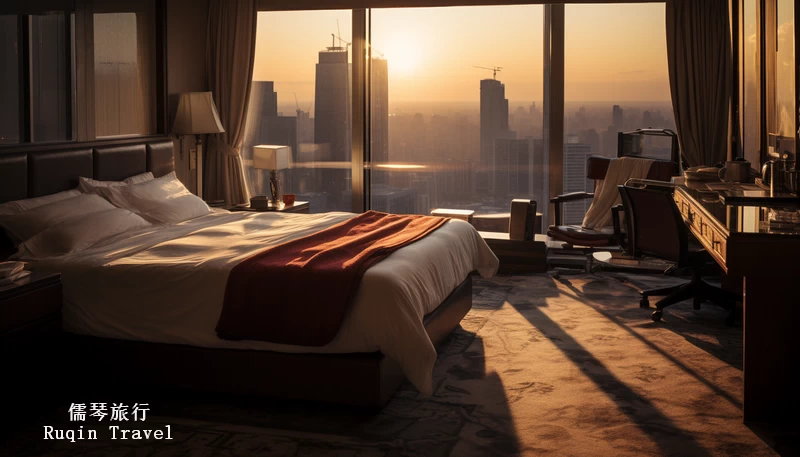
Staying in Heping was a dream. Hotels here ranged from sleek international chains to boutique stays tucked in renovated colonial mansions. I could walk to almost every major site. And with Tianjin Station (天津站) and multiple subway lines nearby, getting around was effortless. If this is your first visit, trust me—this is the place to be.
2) Hexi District (河西区) – Modern Calm and Cultural Depth
Next door to Heping lies Hexi District (Literally River West District), where Tianjin shows off its modern face. Wide streets, soaring towers, and a polished skyline greet you here. It’s quieter too, which I appreciated after long days of exploring.
One afternoon, I wandered into the Tianjin Cultural Center (天津文化中心). It’s massive—home to the city’s main museum, library, art gallery, and more. I lost hours there, moving from ancient relics to modern art in the blink of an eye.

Later, I headed to the TV Tower (天津电视塔), or “Tian Ta” as locals call it. From the observation deck, Tianjin stretched out endlessly below me. Skyscrapers, rivers, old neighborhoods—it all came together in one sweeping view.
If you’re someone who enjoys space, modern amenities, and a more relaxed vibe, Hexi is a great choice. Hotels here tend to be newer and more spacious. Plus, with lines 1, 5, and 6 of the metro, you’re still well-connected.
3) Nankai District (南开区) – A Taste of Real Life and Culture
Nankai District was where I truly felt Tianjin’s heartbeat. It’s home to students, families, old-school shops, and steaming food stalls. It’s also where tradition still feels alive.
I started at Ancient Culture Street (古文化街), and wow—what a sensory feast. I watched artisans shape dough into lifelike figurines, drank tea in a hundred-year-old teahouse, and tasted snacks I couldn’t even name (but devoured anyway).
Nearby, I wandered through Nankai and Tianjin Universities (天津大学 & 南开大学). The campuses were peaceful, shaded by old trees. Students lounged on benches with books and bubble tea. It was the perfect spot for a quiet stroll.

Drum Tower (鼓楼), one of Tianjin’s oldest areas, offered even more charm. I browsed antique shops, bought hand-painted fans, and chatted with friendly vendors.
Nankai feels local. If you’re looking to stay somewhere affordable, authentic, and full of character, this district is a gem. You’ll get a true taste of Tianjin’s everyday life.
4) Hebei, Hedong and Dongli Districts (河北区, 河东区和东丽区)– Industrial Past, New Vibes
Further along the river, Hebei District and Hedong District are districts in transition. Once the heart of Tianjin’s industrial might, now they’re buzzing with new energy.
Hebei District surprised me. It’s where you’ll find the Italian Style Street (意大利风情旅游区) – a charming neighborhood left over from Italy’s concession-era. Picture cobbled lanes, pastel buildings, and lively piazzas filled with restaurants and cafés. At night, fairy lights twinkle above, and the air smells like espresso and roast lamb skewers.

Not far away, the Tianjin Eye (天津眼摩天轮) rises gracefully over the river. I rode it at sunset. As the wheel turned slowly, the city lit up beneath me. It was pure magic.
Hedong District (河东区), meanwhile, is perfect for travelers catching early or late flights. The airport’s close, and there are plenty of simple, affordable hotels near the terminals.
Transportation Hub: Tianjin Binhai International Airport is located in Dongli District (东丽区), right next to Hedong District, and serves as the city’s main air gateway.
If nightlife and river views call your name—or if you’re a younger traveler wanting to sip cocktails under the stars—Hebei’s Italian area is where you want to be.
So… Where to Stay in Tianjin?
If I had to pick one place for a first-timer? Heping District, without a doubt. Why?
First, it’s incredibly convenient. You step off the high-speed train at Tianjin Station, and within minutes, you’re at your hotel. No stress. No confusion.
Second, the sights are right there. Five Great Avenues, Porcelain House, Jiefang North Road, even the Italian Style Street—all walkable or a quick bike ride away.
Third, transportation is seamless. With major metro lines intersecting here, you can explore the entire city with ease.
And finally? You get the best of both worlds—old-world elegance and modern comfort. One minute you’re sipping coffee in a French-style courtyard. The next, you’re exploring a glittering mall or hopping on the subway.
In every journey, your “home base” matters. Choose right, and everything else flows beautifully. In Tianjin, that perfect starting point—at least for me—was right in the heart of Heping.
3.How to Get to Tianjin: Trains, Planes, and the Road to Discovery
Before falling in love with Tianjin’s riverside charm, I had to figure out the most effortless way to arrive. Whether you’re flying in from abroad or hopping over from Beijing, this city welcomes you with open arms—and surprisingly smooth logistics. So in this part of my Tianjin Travel Guide, let me walk you through exactly how to get to Tianjin, based on my own experience.
1) Flying into Tianjin – Binhai International Airport (TSN)
My first time landing in Tianjin felt seamless. I flew straight into Tianjin Binhai International Airport (天津滨海国际机场), tucked in Dongli District, just next to Hedong District. It’s the city’s main airport, and honestly, it’s one of the most traveler-friendly ones I’ve been through in China.

There are two terminals—T1 for international and regional flights, and T2 for domestic. The signage is clear, the staff are helpful, and everything feels modern and efficient.
Here’s how I got into the city from the airport:
- By Metro: This was my go-to. Metro Line 2 connects directly to the airport. Within 40 minutes, I was downtown at Tianjin Station, luggage and all. It’s fast, cheap, and avoids traffic completely.
- By Taxi or Ride-Hailing (like Didi): Once, when I had heavy bags and arrived late at night, I opted for a Didi. It took about 45 minutes to reach my hotel in Heping District and cost around 120 RMB. Totally worth it after a long flight.
- By Airport Shuttle: If your hotel is near one of the shuttle stops, this is a solid budget option. The ride costs about 20–30 RMB and gets you into the heart of the city with minimal fuss.
2) Arriving by High-Speed Train – The Best Way from Beijing
If you’re already in China, especially in Beijing, taking a high-speed train is hands-down the easiest and most enjoyable way to reach Tianjin.
I’ve done this ride more times than I can count—and every single time, it amazes me. Just 30 minutes. Seriously. Before you finish your coffee, you’re already in another city.

- Tianjin Station (天津站):
This is the crown jewel of Tianjin’s transport network. Located right by the Hai River in Hebei District, it’s not just a train station—it’s an architectural landmark. I remember stepping out of the station and immediately seeing the modern skyline shimmer across the river.
Better yet, it connects directly to Metro Lines 2, 3, and 9, which made continuing my journey incredibly simple. Within minutes, I was rolling my suitcase into my hotel lobby in Heping District.

- Tianjin West Station (天津西站) :
This one’s sleek and modern, located in Hongqiao District (红桥区). It’s ideal for connections to cities like Qingdao or Jinan. If your train arrives here, don’t worry—Metro Lines 1 and 6 will get you downtown in about 25 minutes.
📌 My tip? If you have the choice, always pick a train that arrives at Tianjin Station. It puts you right in the middle of everything. You’ll save time and skip the extra transit.
3) Arriving by Cruise – Tianjin International Cruise Home Port
Now this was a unique experience.
One summer, I joined a cruise that docked at Tianjin International Cruise Port (天津国际邮轮母港), located in the Binhai New Area(滨海新区)—a good 75 km from the city center. The port itself was sleek and well-managed, and the views from the ship were stunning.
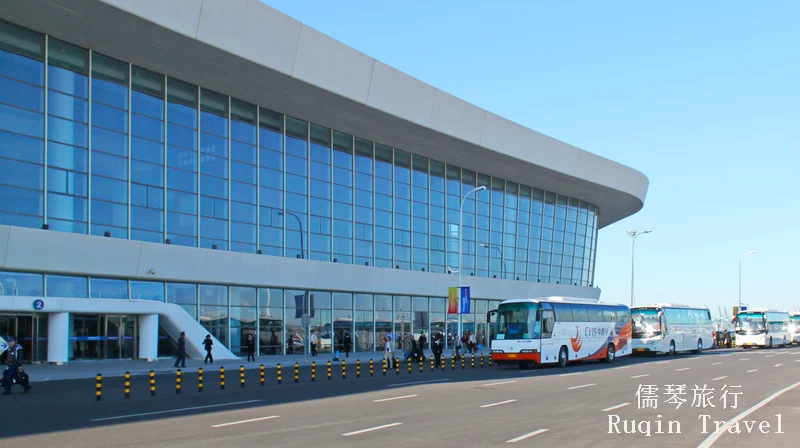
Getting into the city took a bit of planning, though:
- Port Shuttle Buses: These are usually organized for major cruise arrivals. I found staff at the terminal very helpful—they directed me to a comfortable bus heading straight to Tianjin Station.
- Public Transport Option: If you’re adventurous (and traveling light), you can take a shuttle to a nearby bus stop, transfer to the metro at Donghailu Station (Line 9), and ride into the city. It takes about 1.5 to 2 hours total.
- Taxi or Ride-Hailing: This is the most direct option, but also the priciest. The journey to the city center could take an hour or more, depending on traffic. Expect to pay upwards of 200 RMB.
4) By Long-Distance Bus – Slower, But an Option
While high-speed trains are the star, long-distance buses are still a backup—especially for travelers from nearby provinces like Hebei or Shandong.

The Tongsha Long-Distance Bus Station (通莎长途汽车), located next to Tianjin Station, is the main terminal. It connects Tianjin with smaller cities and towns. But honestly? If you’re coming from Beijing, skip the bus. The bullet train is faster, smoother, and far more comfortable.
So, what’s the best way to get to Tianjin?
If you’re flying in internationally or domestically: Land at Tianjin Binhai International Airport, then hop on Metro Line 2 into the city.
If you’re coming from Beijing (or almost anywhere in China): Take the high-speed train to Tianjin Station. It’s quick, efficient, and drops you right in the middle of the action.
If you’re arriving by cruise: Plan ahead and check for shuttles. It’s the easiest way to bridge that 50-kilometer gap to downtown.
Once you’ve arrived, the real fun begins. In the next part of this Tianjin Travel Guide, I’ll show you exactly how to get around the city—whether you’re on a metro, a shared bike, or simply walking with a warm jianbing in hand.
4. How to Get Around Tianjin
Once I arrived in Tianjin, I realized something surprising: getting around this city is not just easy—it’s actually part of the fun. The streets are wide, the river always nearby, and whether I took a metro, a bus, or simply wandered on foot, the city never stopped offering little surprises along the way.
So, in this part of my Tianjin Travel Guide, I want to show you exactly how to get around Tianjin—just like a local.
The Metro – Your Fast Track to Explore the City
If there’s one thing that made my travel days smooth and stress-free, it was the metro. Tianjin’s subway system is clean, affordable, and wonderfully reliable. Even better, most stations have English signs, so I never once felt lost underground.

I’ll admit, I became a bit of a metro nerd during my stay. Here are the lines I relied on the most:
- Line 1 (The Red Line): This was my north-south lifeline. It took me to Ancient Culture Street, breezed through Nankai District, and landed me right near the buzzing shopping zones of Heping.
- Line 2 (The Yellow Line): If you’re flying into the city, this is your first friend. It connects Tianjin Binhai International Airport directly to Tianjin Station, and passes through the Drum Tower area too.
- Line 3 (The Blue Line): East to west and full of gems. It crosses Tianjin Station, zips through Heping, and ends near the university zones—great if you want to feel the city’s academic heartbeat.
- Line 9 (Light Rail to Binhai): Planning to explore the modern Binhai New Area or visit the National Maritime Museum and go to Cruise Home Port? This is your ride. Bonus: its starting point is Tianjin Station, so everything connects beautifully.

Using the metro is simple.
I used the ticket machines right at the entrance. English was available, and I could pay by cash or mobile. Eventually, I downloaded the “Tianjin Metro” app, which allowed me to scan in and out with my phone—no paper tickets, no waiting. A dream for any traveler!
🚌 Buses – Slow, Scenic, and Full of Local Flavor
While the metro was my default, sometimes I wanted to move slower. To look out the window. To see how locals really live. That’s when I turned to Tianjin’s bus network.
The routes stretch far and wide, especially to places where the subway doesn’t reach. And at just 2 RMB per ride, they’re a total bargain.
I remember riding from Five Great Avenues to Ancient Culture Street on a local bus. I passed small noodle shops, barbershops with open doors, elderly folks playing chess in the shade. It felt like a moving postcard.
Just a heads-up: bus announcements are mostly in Chinese. I recommend using Baidu Maps or AutoNavi (Gaode) to plan your route. Both apps show real-time bus tracking and even tell you when to get off. And yes, they work in English.
Payment is easy too—just scan your WeChat or Alipay transport QR code, or toss a couple of coins in the fare box.
Taxis & Ride-Hailing – The Comfort Option
Sometimes, after a long day on my feet—or with arms full of souvenirs—I craved convenience. That’s when I called a cab or booked a DiDi (China’s version of Uber).

Taxis in Tianjin are easy to spot. They’re usually blue or yellow, with a bright “TAXI” sign on the roof. Fares start reasonably, and the drivers were always polite—though a translation app came in handy more than once!
Still, I preferred DiDi. The app worked just like Uber. I typed in my destination, picked my ride type, and within minutes, a driver arrived. No haggling. No language barrier. I even paid directly through the app, which made everything smoother.
If you’re visiting Tianjin for the first time, I highly recommend downloading and setting up DiDi in advance. It’s especially useful late at night or when you’re not near a metro stop.
Bonus Tip: Scenic Bus Routes & Hidden Gems
There were days when I didn’t need to rush—just soak in the scenery.
- One of my favorite mini adventures was taking the 954 bus from Xiaobailou (小白楼站) to Dongnanjiao (东南角站), which dropped me right at Ancient Culture Street. It wasn’t just a ride—it was a city tour on wheels.
- I also loved hopping on the Tourist Line 1 or Bus 832, which trace the curves of the Hai River. These routes passed by the Tianjin Eye, the Italian Style Street, and eventually reached Tianjin Station. With the river on one side and the city on the other, it was one of the most scenic and peaceful ways to get around.
Walking, Biking & Wandering Freely
And sometimes, the best transport… was just my own two feet.
In districts like Heping, Five Great Avenues, and the Italian Style Quarter, walking felt like wandering through a film set. I’d grab a jianbing from a street stall, stroll past European-style buildings, and pop into hidden courtyards or bookstores.
When I wanted to go a little farther, I used the shared bikes. Apps like HelloBike or Meituan Bike let me unlock a ride for just a few cents. I rode through quiet alleyways, along leafy boulevards, and beside the glistening Hai River at sunset. Absolute bliss.
My Final Thoughts on How to Get Around Tianjin
So, what’s the secret to moving around this fascinating city?
- Use the metro as your main connection. It’s fast, reliable, and links nearly all major attractions.
- Supplement with buses for a more local, scenic experience.
- For flexibility, DiDi is your best friend—especially at night or with luggage.
- And never underestimate the magic of walking or cycling through Tianjin’s historic streets.
With these tools in hand, getting around becomes effortless. You’ll go from ancient alleyways to glittering skyscrapers without missing a beat.
Next up in this Tianjin Travel Guide? The part I’ve been dying to share: the sights, sounds, and soul of Tianjin—the must-see places that stole my heart. Let’s go!
5. Timeless Tianjin: Exploring the City’s Most Unforgettable Attractions
Exploring Tianjin felt like flipping through the pages of a storybook—where each stop had its own personality, scent, and color. Some places swept me off my feet with grand views; others whispered old secrets down quiet alleyways. In this part of my Tianjin Travel Guide, I’ll take you with me to the city’s must-see spots. Each one offered a new chapter in my Tianjin adventure.
1) Tianjin Eye 摩天轮
This isn’t your average Ferris wheel—it’s built right on a bridge! As we slowly rose 120 meters above the city, I looked out over the winding Hai River. It felt like floating in a dream. I timed my ride just before sunset—golden light, city glow, pure magic.

- Address: Yongle Bridge, Sancha River Mouth, Hebei District (河北区三岔河口永乐桥上)
- How to get there: Take Metro Line 6 to Tiantailu Station (天泰路站), Exit B. Walk about 15 minutes.
- Entrance fee: 70–100 RMB (prices may vary; check ahead during peak seasons)
2) Five Great Avenues (五大道风情区)
One of my favorite afternoons was spent biking through these peaceful, tree-lined streets. Over 2,000 old villas, each with its own charm, line the five historic avenues. I rented a bike, but saw others enjoying horse-drawn carriage rides. Every building felt like a time capsule.

- Address: Near Chongqing Road, Heping District (和平区重庆道附近)
- How to get there: Take Metro Line 1 to Xiaobailou Station (小白楼站) or Yingkoudao Station (营口道站), then walk 10–15 minutes.
- Entrance fee: Free to explore the streets. Some private buildings charge for entry or guided tours.
3) Xikai Catholic Church (西开天主教堂)
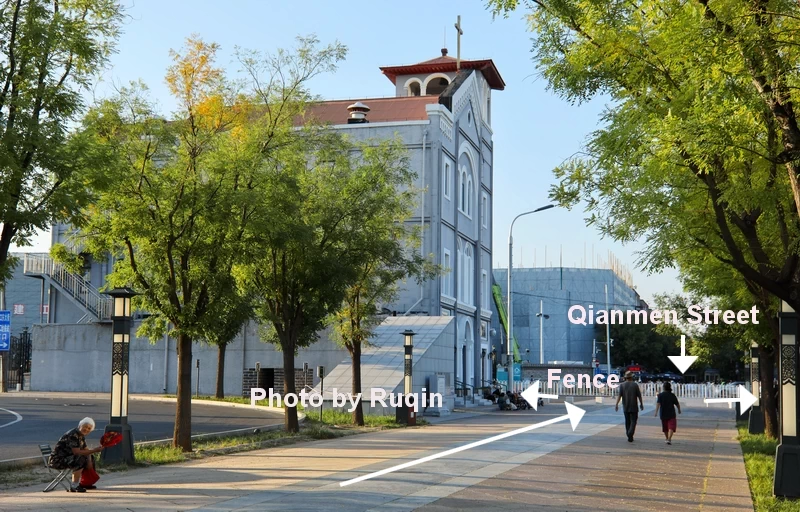
Tucked into the heart of downtown, this grand Baroque church made me pause. Its green dome shone in the sun, and inside, the colorful stained-glass windows spilled light onto the old wooden pews. I found a rare moment of stillness here.

- Address: No. 9 Xining Road, Heping District (和平区西宁道9号)
- How to get there: Take Metro Line 1 or 3 to Yingkoudao Station (营口道站), Exit B1. Walk about 5 minutes.
- Entrance fee: Free
4) Century Clock (世纪钟)
Right in front of Tianjin Station, the Century Clock looked like something out of a sci-fi film. Its black frame is studded with zodiac signs and gleaming gears. At night, with city lights behind it, the clock looked almost mythical.
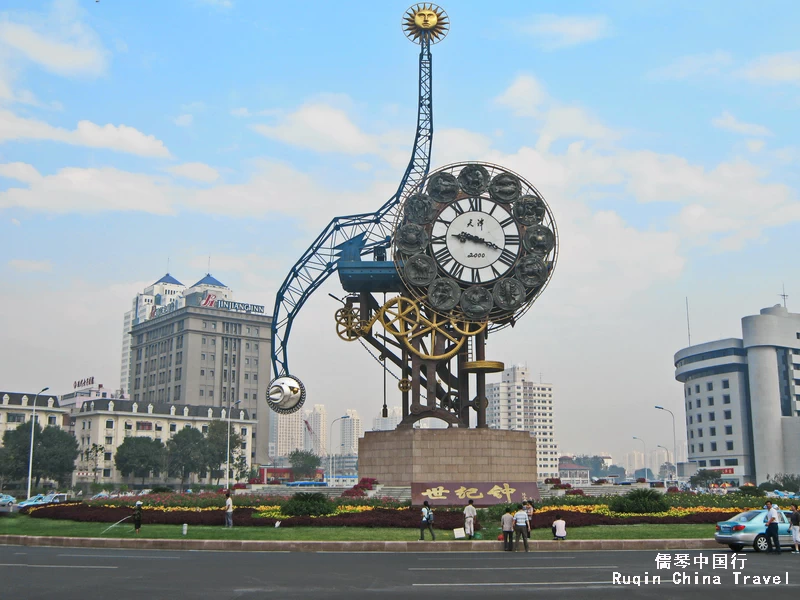
- Address: Haihe East Road, Hebei District (河北区海河东路,天津站前广场)
- How to get there: Take Metro Line 2, 3, or 9 to Tianjin Station, then walk out of the station square.
- Entrance fee: Free (open public square)
5) Italian Style Street (意大利风情旅游区)
One evening, I wandered into this Italian-style neighborhood and felt transported. The piazzas, fountains, and arched balconies felt straight out of Southern Europe. I stayed for dinner, listened to live music, and watched fairy lights twinkle above the cobblestones.
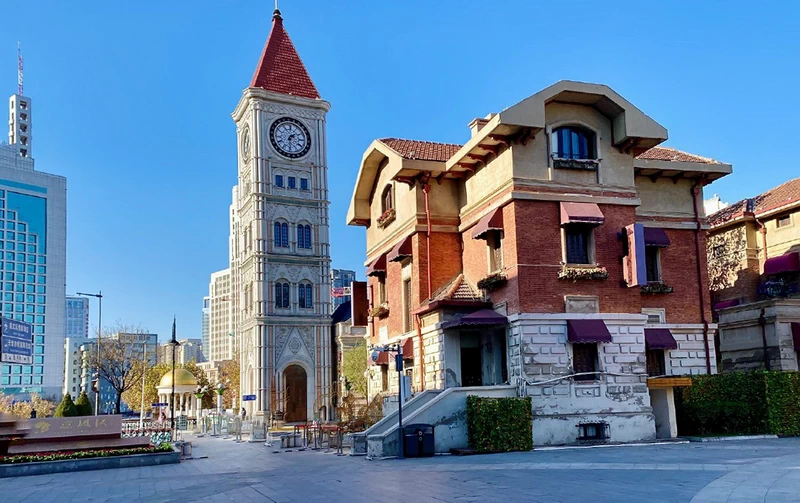
- Address: No. 25 Ziyou Road, Hebei District (河北区自由道25号)
- How to get there: Take Metro Line 2 to Jianguodao Station, Exit B. Walk about 5 minutes.
- Entrance fee: Free (restaurants and galleries may charge)
6) Ancient Culture Street (古文化街)
This street was buzzing with life. I sampled jianbing guozi, browsed shops selling hand-painted fans, and watched artists sculpt clay figurines. It felt like a festival that never ends. A must-visit if you want to feel the old soul of Tianjin.

- Address: Tongbei Road, Nankai District (南开区通北路)
- How to get there: Take Metro Line 2 to Dongnanjiao Station, Exit D. Walk about 10 minutes.
- Entrance fee: Free to explore; some museums or workshops may charge small fees
7) Hai River (海河)
Everywhere I went, the Hai River seemed to follow. I walked along its banks at sunrise. I sailed it by night. The river ties Tianjin together, and the best way to feel its rhythm is from a boat. The night cruise was unforgettable.

- Address: Runs through Hebei, Heping, Hexi Districts
- How to get there: Many metro stations are nearby, including Tianjin Station, Jianguodao Station, and Dongnanjiao
- Entrance fee: Free to walk along the riverbanks; Cruise tickets: 80–100 RMB (check schedules in advance)
8) Porcelain House (瓷房子)
This place stunned me. A French-style mansion covered entirely in ancient porcelain shards, crystals, and jade. It sparkles in the sun and overwhelms the senses. Love it or find it odd—you won’t forget it.

- Address: No. 72 Chifeng Road, Heping District (和平区赤峰道72号)
- How to get there: Take Metro Line 3 to Hepinglu Station, Exit E. Walk about 5 minutes.
- Entrance fee: Around 50 RMB
9) Tianjin Museum (天津博物馆)
When I needed a slower day, I spent it wandering the halls of Tianjin Museum. From ancient calligraphy to modern Lego displays, it surprised me at every turn. Best of all? It’s free, quiet, and wonderfully organized.

- Address: No. 62 Pingjiang Road, Hexi District, inside Cultural Center (河西区平江道62号)
- How to get there: Take Metro Line 5 or 6 to Cultural Center Station (文化中心站), then walk a few minutes.
- Entrance fee: Free (reserve via WeChat mini-program in advance)
Every corner of Tianjin felt like a new world. A modern skyline one minute. A historic villa the next. This city doesn’t just blend eras—it lets you live in them, one stop at a time.
Whether you’re cruising the Hai River, biking through Wudadao, or simply sitting on a bench outside Xikai Cathedral, you’re not just seeing the sights—you’re feeling the rhythm of Tianjin’s soul.
6. Tianjin Side Trip: Hiking the Huangyaguan Great Wall and Finding Peace at Dule Temple
After soaking in Tianjin’s riverside charm and European elegance, I found myself craving something deeper—something wild, ancient, and rooted in China’s soul. That’s when I discovered Jizhou District (蓟州区), Tianjin’s mountainous backyard in the north, where history and nature come together in the most unforgettable way.
This day trip took me from bustling city streets to quiet mountaintop towers. First stop? The mighty Huangyaguan Great Wall (黄崖关长城), followed by the serene and sacred Dule Temple (独乐寺). It felt like stepping out of the present and into the pages of a Chinese epic.
1) Huangyaguan Great Wall (黄崖关长城)
I started early, catching a high-speed train from Tianjin Station to Jizhou North (蓟州北站). The ride was smooth and just 40 minutes. I had pre-booked a car to meet me at the station—definitely the easiest way.
In less than an hour, I stood at the base of Huangyaguan (黄崖关长城), where the Great Wall twisted through the Yanshan Mountains like a sleeping dragon.

Huangyaguan was peaceful, rugged, and raw. Every step felt earned. I climbed a few towers, caught my breath, and looked out over endless ridges. The wind, the silence—it moved me.
2) Dule Temple (独乐寺)
Next, my driver took me to Dule Temple (独乐寺), 30 minutes away. Built over 1,000 years ago, it houses a towering 16-meter-tall clay Guanyin. The temple’s wooden halls whispered history in every creaking floorboard. By sunset, I was back on the train to Tianjin, tired but glowing with wonder.

Note: The one-way distance from downtown Tianjin to the Huangyaguan Great Wall in Jizhou District is approximately 142 kilometers in the north.
7. Tianjin Cruise Port Access Guide
In my Tianjin journey, few moments felt more cinematic than stepping off a cruise ship and into the breeze of a new city. If you’re arriving by sea, Tianjin International Cruise Home Port (天津国际邮轮母港) is your gateway—a sleek, modern terminal in the ever-growing Binhai New Area (滨海新区) in Tianjin. It’s grand and impressive, but I’ll be honest: it’s not exactly around the corner from downtown.

Don’t worry, though. With a bit of planning—and the help of this Tianjin Travel Guide—getting between the port and city is smoother than you might expect.

Arriving at the Cruise Port: Getting into Tianjin City
First of all—welcome ashore! You’ve just wrapped up a stunning sea voyage, and Tianjin is ready to show off its charm. Now, how do you reach the heart of the city? You’ve got a few solid options.
1) Shuttle Bus – The Most Stress-Free Option
This is my top pick, especially for first-timers or international travelers. Usually, the cruise line or port organizes shuttle buses to key drop-off points—most often Tianjin Station, the city’s main rail hub.
Just follow the signs inside the terminal after disembarking. Look for “Shuttle Bus to City” or the Chinese sign “市区接驳车”. Friendly staff are always around to guide you.
- Travel time: 1 to 1.5 hours (depending on traffic)
- Distance: Around 50–60 km
- Why I recommend it: Point-to-point, simple, and no language barrier
2) Taxi or Ride-Hailing – Private and Flexible
On my second trip, I had extra luggage and was traveling with friends—so we booked a DiDi (China’s version of Uber). It was incredibly convenient. You can also use a traditional taxi from the designated queue outside the terminal.
- 🚗 Travel time: 1 to 1.5 hours
- 💰 Cost: Usually between 150–220 RMB, depending on car type and traffic
- ✅ Perks: Door-to-door service, great for families or heavy bags
Pro Tip: Have your hotel address ready in Chinese. The DiDi app makes this easy, or your hotel can help translate it for you in advance.
3) Public Transit – Cheapest, But Most Complex
If you’re a budget traveler or a backpacker at heart, this one’s for you. It’s the most affordable—but also the trickiest.
Here’s how I did it:
- First, I took the free shuttle from the cruise terminal to a local bus hub near Donghailu Station (东海路).
- Then, I hopped on Metro Line 9 (Jinbin Light Rail) heading toward Tianjin Station.
- From there, it was easy to transfer to Lines 2, 3, or even walk to my hotel downtown.
- Total time: About 2 hours, including transfers
- Cost: Very low—under 10 RMB for the metro ride
- Downside: Not ideal with heavy luggage or if you’re unfamiliar with local signage
Heading to the Cruise Port: Departing from Tianjin City
If you’re departing from Tianjin by cruise after a few days of city exploring, just reverse the steps above. But here’s what worked best for me:
- Top Recommendation: Book a taxi or DiDi from your hotel directly to the cruise port. It’s reliable, comfortable, and saves a lot of hassle—especially with check-in time to consider.
I always allow at least 1.5 hours for the drive, just in case of traffic jams on the expressway.
- Alternative: Take Metro Line 9 from Tianjin Station all the way to Donghailu Station (东海路), then grab a taxi or shuttle to the port. This route is scenic but slower. Give yourself at least 2 hours for the journey.
Key Travel Tip: Make Tianjin Station Your Anchor
Whether you’re arriving or departing, always use Tianjin Station as your transportation hub. It connects the metro, high-speed trains, and cruise port access routes, making your transitions easy and efficient.
Trust me—when everything is connected, you’ll spend less time navigating, and more time enjoying.
8. A Food Lover’s Tianjin Travel Guide
If there’s one thing I quickly learned in Tianjin, it’s that people here don’t just eat to live—they live to eat.
Tianjin’s street food isn’t flashy or fancy. It’s warm. Generous. Honest. Every bite tells a story of tradition, laughter, and mornings that begin with steam rising from sidewalk stalls. In this Tianjin Travel Guide, let me take you on a flavor-packed walk through the city’s most beloved local eats.
Jianbing Guozi (煎饼果子)
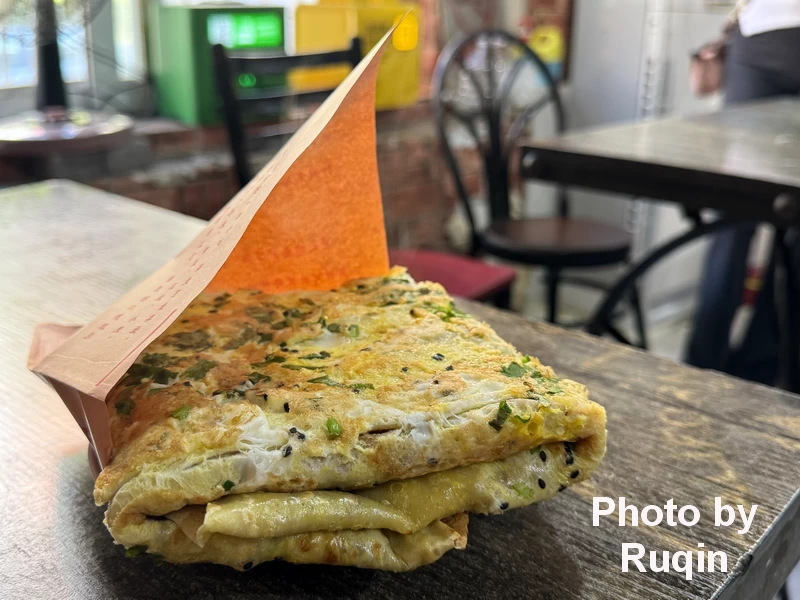
The Uncrowned King of Breakfast. There’s no better way to start your day than with a hot, fresh jianbing. It’s made from mung bean batter, spread thin on a griddle, with an egg cracked on top.
Then comes the soul: a crispy you tiao 油条(fried dough) or guo ba’er 薄脆 (thin cracker), slathered in savory sauces and a sprinkle of green onions.

Important tip: Don’t ask for lettuce, ham, or—God forbid—spicy strips. Locals will just shake their heads and say, “Ma wan’er? That’s not the real thing.”
Where to find it: Skip the big chains. Head to any local market or residential street between 6–9am. If there’s a line of hungry locals, you’ve found gold.
Gaba Cai (嘎巴菜)
A Fragrant, Stewy Comfort Bowl. Despite the name, Gaba Cai isn’t a vegetable dish at all. Thin strips of mung bean pancake are soaked in a thick, fragrant broth, topped with sesame paste, fermented tofu sauce, and chili oil. It’s sticky, spicy, warm, and oh-so-satisfying.

Where I had the best one:
Zhengweizhai Gaba Cai 正味斋锅巴菜
West Guan North Street, Hongqiao District (near Xibeijiao) 天津市红桥区西关北街与新春花苑胡同交叉口东南角(西北角附近)
Tianjin Mahua (天津大麻花)
A Crunchy Legend You Can Bring Home. Tianjin’s mahua is a legendary twisted fried pastry—especially the ones from Shibajie (Eighteenth Street) 桂发祥十八街麻花 . It’s huge, flaky, and filled with surprise layers of sesame, candied fruit, and sugar crystals.

Best place to buy it:
Guifaxiang Shibajie Mahua 桂发祥十八街麻花
Stores all over the city, train stations, and the airport—perfect for souvenirs.
Zhagao (炸糕)
Sweet, Crispy, Gooey Joy. This deep-fried snack stole my heart. A soft, sticky rice dough stuffed with red bean paste, fried to golden perfection. The outside bubbles and crunches, while the inside stays soft and warm.

Must-visit:
Erduoyan Zhagao (Ear-Hole Fried Cake) 耳朵眼炸糕
Gulou North Street, Nankai District
Doupi Juànquān (豆皮卷圈)
Deep-Fried Bean Bliss. Imagine a thin layer of bean curd wrapping up crunchy bean sprouts, tofu, and sauce—then frying it all until golden. Now wrap that in a soft flour pancake. Yes, carbs wrapped in carbs. And yes, it’s glorious.

Try it at:
Dingji Juànquān 清真丁记卷圈
1st Floor, Qinghua Mall, Huanghe Avenue, Nankai District
Shuli Gao (熟梨糕)
Childhood in a Steamy Whirl. This soft rice cake comes with a soundtrack: the old steam-powered cart goes “Woooong…” as it cooks. Topped with fruity pastes—hawthorn, red bean, or sour plum—it’s light, nostalgic, and strangely comforting.

Where to try it:
Liu Ba Shuli Gao 清真刘巴熟梨糕
In front of the Grand Mosque, Xibeijiao, Hongqiao District
Tang Dun’er (糖墩儿)
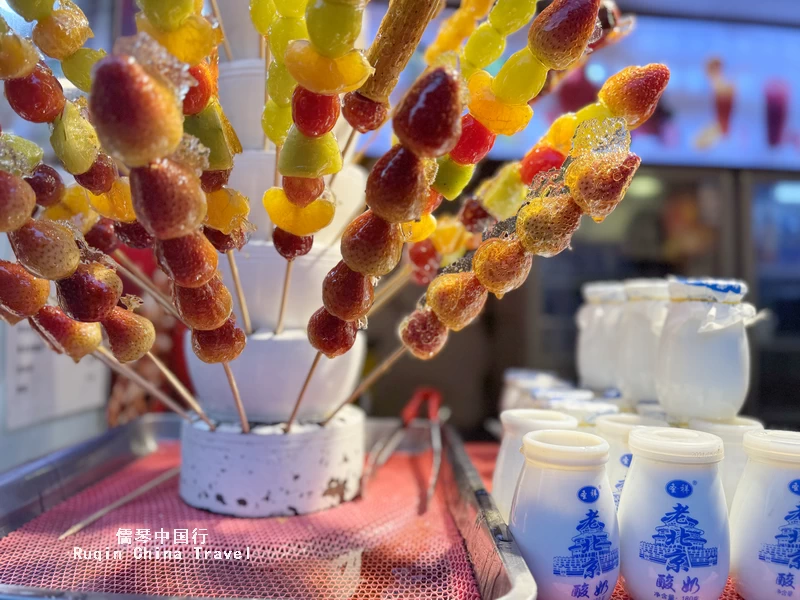
The Sweet, Shiny Star of Winter. Locals don’t call it “tanghulu” here—it’s “tang dun’er.” These sugar-glazed skewers of hawthorn sparkle like jewels in winter sunshine. One bite, and it goes crack, then melts into sweet, sour bliss.

Best way to find it:
Wander the streets in autumn or winter. Look for glass boxes on street carts—you’ll smell the sugar before you see it.
Hongzeyuan Roast Chicken (鸿泽园烧鸡)
A Juicy Legend, 30 Years Strong. This place doesn’t need advertising—the smell does all the work. Tender, fall-off-the-bone roast chicken with deep, savory flavor. There’s always a line. I promise it’s worth the wait.

Where to go:
Hongzeyuan Shaoji 鸿泽园烧鸡
Laotie East Road, Nankai District (near Lidi Street)
Shuixian Baozi (水馅儿包子)
Soup Dumplings That Breathe. Forget Goubuli (狗不理)—these are the real deal. The filling is whipped with soup stock, then steamed inside half-fermented dough. Take a small bite, and the broth gushes out. Heaven.

Best spot:
Jinmen Zhangji Baozi 津门张记包子铺
Multiple locations—search for the nearest branch
Miancha (面茶)
A Bowl of Bold Flavor and Controversy. Locals love it or hate it. This thick millet porridge is topped with layers of sesame paste and toasted sesame salt. You don’t use a spoon. You swirl the bowl along your lips and sip. It’s earthy, rich, and like nothing else I’ve tried.

Where to try it:
Yinji Lao Miancha 殷记老面茶
Huanqingxi Hutong, Xibeijiao, near the Grand Mosque
A Foodie Tip from the Heart
If you’re short on time but want to taste everything, head to Xibeijiao (西北角). It’s the holy land of street eats. You’ll find gaba cai, miancha, zhagao, juanquan—all within walking distance. Just follow your nose, and don’t be afraid to join a line.
Note: Xibeijiao (西北角) (Northwest Corner of Tianjin) mainly falls within Hongqiao District. It is located at the intersection of Jieyuan Road, Xima Road, Beima Road, and Dafeng Road, and serves as the core area of Hongqiao District.
9. Gifts from the Heart: What to Bring Home from Tianjin
As my journey in Tianjin came to a close, one question lingered—how could I possibly leave empty-handed? This city isn’t just about scenic walks and flavorful bites. It’s also about the treasures you can take home—the tastes, the textures, the tiny echoes of local life.
In this Tianjin Travel Guide, I want to share the keepsakes that truly captured the soul of the city. Some are delicious. Others are handmade. But each one carries the warmth of Tianjin with it.
My Must-Buy Tianjin Souvenir List
Guifaxiang Shibajie Mahua (桂发祥十八街麻花)
This isn’t just a snack—it’s a symbol. Tianjin’s most iconic treat. Crunchy, nutty, and twisted with a hidden sweet filling made of candied fruit, sesame, and nuts. It’s buttery, crisp, and not greasy at all.
Tip: Go for the gift boxes. They’re pretty, easy to pack, and universally loved.
Clay Figurines by Ni Ren Zhang (泥人张彩塑)
I bought one shaped like a chubby child hugging a fish. The colors were soft, the expressions lifelike. These hand-painted figures are deeply rooted in Tianjin’s folk culture, often depicting myths, opera characters, or everyday life.

Tip: Buy from official shops for quality and authenticity. They make meaningful gifts for anyone who loves art.
Yangliuqing New Year Prints (杨柳青年画)
These bright, woodblock-printed artworks are full of luck and joy. The classic image of a smiling baby holding a big carp means “abundance every year.” It made me smile the moment I saw it.

What to look for: Framed mini-prints or cultural spin-offs like notebooks or bookmarks—perfect for gifting or souvenirs.
Where to Shop: My Favorite Spots for Tianjin Gifts
Ancient Culture Street & Gulou Commercial Street
This is my favorite place to shop—and wander. You’ll find rows of shops selling everything from mahua to clay figurines. Even if you’re not buying, it’s a cultural feast. But let’s be honest… I bought something every time.
Pro Tip: Many official Ni Ren Zhang and Yangliuqing shops are located right here.
Brand Flagship Stores (Guifaxiang, Erduoyan, etc.)
You’ll see these all over the city—especially in train stations, airports, and malls. When freshness and authenticity matter, these are your best bet.
My go-to: Guifaxiang at Tianjin Station. Great selection, and they pack everything beautifully.
Supermarkets (Like Vanguard 华润万家)
On a budget? Or shopping in bulk? Head to any major supermarket. They usually have a “Tianjin Specialties” section stocked with snacks, sauces, and even souvenir gift packs.
Why I like it: Great prices, lots of options, and very convenient.
Tianjin Airport Duty-Free and Specialty Shops
Forgot to shop in the city? Don’t panic. Binhai International Airport has small shops with packaged local specialties, including mahua and chestnuts.
Heads-up: Prices may be a bit higher here—but when you’re short on time, it’s a lifesaver.
Helpful Tips from a Souvenir Shopper:
- For fragile items like clay figurines, ask for bubble wrap or extra padding.
- Always check expiration dates on food—especially if you’re traveling long distances.
- Keep some extra room in your suitcase. Trust me, once you start shopping, it’s hard to stop.
As I packed up my gifts and wrapped the last mahua box in tissue paper, I realized something beautiful—my Tianjin memories were now tangible. I wasn’t just bringing home snacks and souvenirs. I was bringing stories, flavors, and tiny moments to share.
That’s the real gift of travel, isn’t it?
As I zipped up my suitcase, filled with crispy mahua, handmade figurines, and the sweet scent of roasted chestnuts, I felt a quiet joy. Tianjin had given me so much more than I expected—flavors, friendships, and memories wrapped in red paper and sesame seeds.
This Tianjin Travel Guide isn’t just about where to go or what to buy. It’s about slowing down, savoring each bite, and bringing home a piece of the city’s soul. Whether it’s your first visit or your fifth, Tianjin always has something new to share. Until next time—再见, my charming city by the river.
About the Author
Ruqin is the founder of Ruqintravel.com and has spent more than four decades working in China’s travel industry. Drawing on hands-on experience in cities like Beijing and Hangzhou, he personally researches and updates each guide to help international travelers navigate China with confidence.
Further Reading
2-Day Beijing Tianjin Tour
How to Get to Tianjin Cruise Port from Beijing
How to Visit Tianjin – Your Complete Guide
Cruising on the Haihe River in Tianjin, China









I would like to inquire on transportation from Tianjin International Home Cruise port to Regent Hotel Beijing for November 16 morning. Thank you. Mary.
——————————————-
Hi Mary,
Thank you for reaching out to us!
Ruqin China Travel is a China travel information provider, and while we don’t currently offer organized door-to-door shuttle services, we’re happy to guide you on the best public transportation options for your journey from Tianjin International Home Cruise Port to Regent Hotel Beijing on the morning of November 16.
Recommended Route:
From Cruise Port to Tianjin Train Station:
Option A: Tianjin Binhai West Railway Station (天津滨海西站) – approx. 30 km, taxi fare around RMB 110
Option B: Tianjin Railway Station (天津站) – approx. 70 km, taxi fare around RMB 230
High-Speed Train to Beijing:
From Tianjin Binhai West to Beijing South Railway Station: about RMB 106 (First Class)
From Tianjin Railway Station to Beijing South Railway Station: about RMB 88 (First Class)
Trains are frequent, and tickets are generally available, but we recommend booking in advance if possible.
From Beijing South Railway Station to Regent Hotel Beijing:
Taxi ride, approx. RMB 30
This route offers a comfortable and efficient way to travel, and should suit a morning departure well.
Wishing you a smooth and pleasant journey!
Warm regards,
Daniel Li