Written and updated by Ruqin
Last updated: March 5, 2026
The first time I visited Juyongguan Great Wall, what struck me most was the setting. The Wall doesn’t just sit on a ridge here—it wraps around a narrow mountain valley, forming a dramatic stone circle between steep green hills. Standing at the entrance, you immediately feel why this pass was once considered a crucial gateway protecting Beijing.
If you’re wondering how to visit Juyongguan Great Wall from Beijing, the good news is that it’s one of the easier sections of the Wall to reach. But there are still a few practical details that can confuse first-time visitors—especially when it comes to buses, entrance tickets, and deciding which direction to hike.
In this guide, I’ll walk you through the most practical way to plan your visit: how to get there from Beijing, where to buy tickets, and how to enjoy the hike without feeling rushed. With a little preparation, Juyongguan becomes a rewarding half-day escape from the city—and one of the most impressive Great Wall landscapes you can experience near Beijing.
At a Glance: Best Plan for Most Visitors
- Best for first-timers: Public bus + short walk (simple and cheap)
- Best for comfort: Private car / tour (door-to-door)
- Best hike: West side loop (steeper, best views)
1. Facts about Juyongguan Great Wall
Juyongguan Pass is renowned for its strategic location and cultural significance. This fortress has witnessed centuries of history, serving as a critical defensive point against invasions.

1) Strategic Gateway to Beijing
Juyongguan Pass lies about 60 km north of central Beijing in Changping District. It guards the main northern route into the capital. It served as one of the three most important Ming Dynasty passes. Thus, it held firm against invasions from Mongols and Jurchens.
2) Historic Fortifications Dating Back Centuries
The pass has roots before the Great Wall, going back to the Spring and Autumn Period and Warring States era. However, the walls we see today were built in 1368 under Ming founder Zhu Yuanzhang and his general Xu Da.
3) The Iconic Cloud Platform
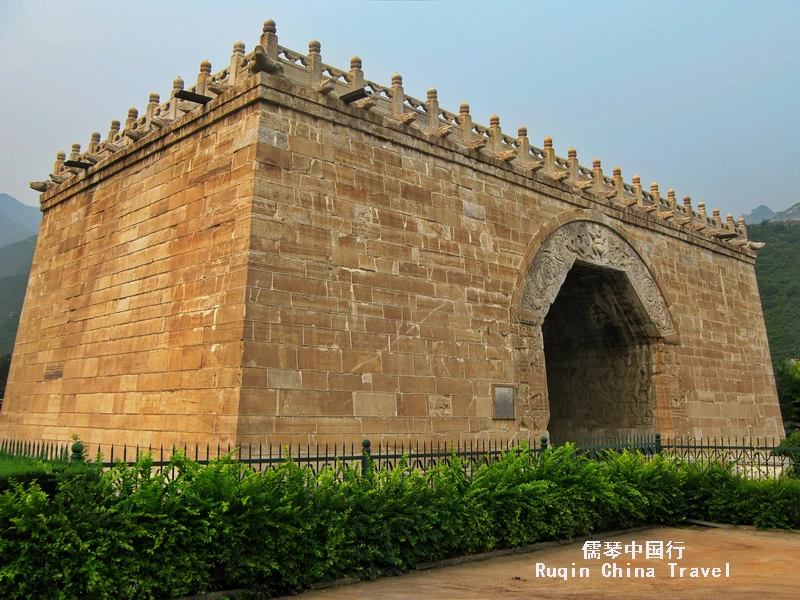
At the centre stands the Cloud Platform, a white‑marble tower built around 1342–1345 during the Yuan Dynasty. It originally supported three stupas. It’s famed for its stunning Buddhist carvings and inscriptions in six languages.
4) Majestic Scenery and Layout
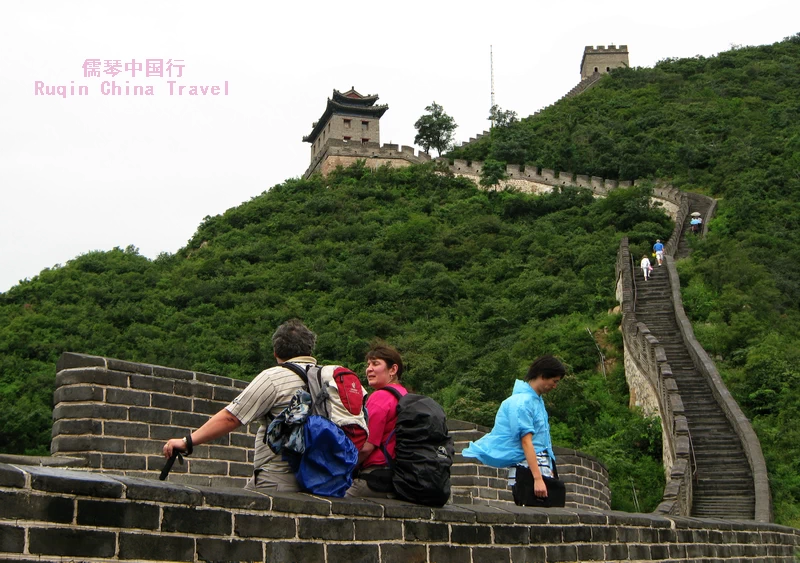
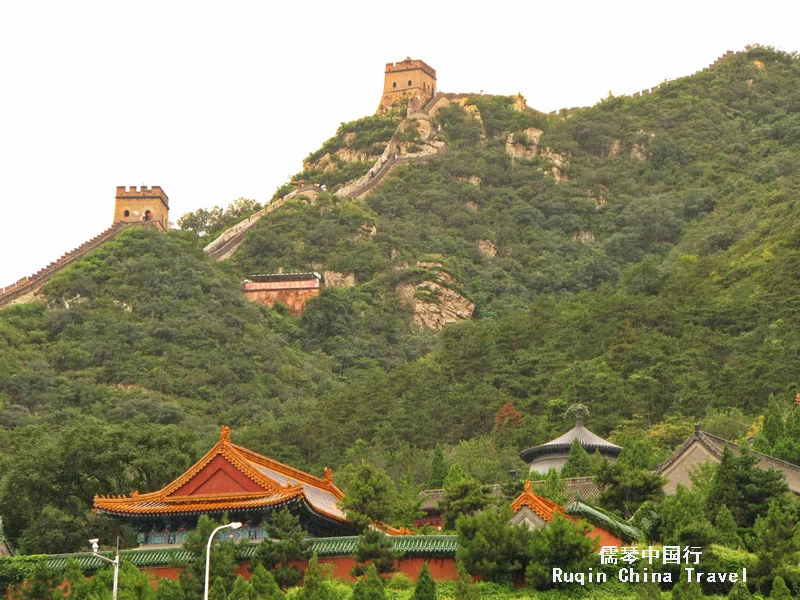
The wall forms a semi‑circle around Guangou Valley. It includes about 14 watchtowers. East side is gentle and shorter; the West side is steeper and longer. A hike around the loop gives great views of mountains and the Badaling Pass nearby.
Today, visitors can explore well-preserved watchtowers, the Cloud Platform, and various cultural relics. Whether you’re on a short Beijing layover or a day trip, Juyongguan offers an accessible and enriching way to experience the Great Wall.
2. How to Get to Juyongguan Great Wall
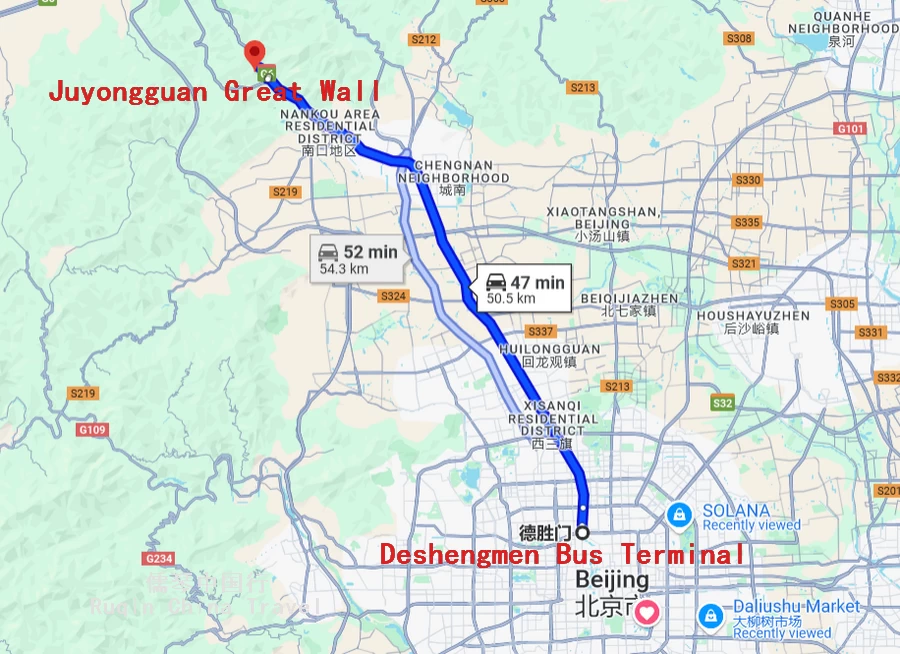
Juyongguan Great Wall is located about 60 kilometers from downtown Beijing. The drive typically takes around 1 to 1.5 hours by car, depending on traffic. For those using public transportation, the journey can take about 2 hours, including transfers. Juyongguan’s relatively close proximity to the city makes it one of the more accessible sections of the Great Wall for a half-day or a Beijing layover trip.
1) Public Bus
For those looking for budget-friendly travel, Juyongguan is accessible by public transport. Start from Deshengmen Bus Terminal in the centre of Beijing, catch bus 919 directly to Juyongguan Great Wall Station. Alternatively, buses 870 and 883 also travel from Deshengmen to Juyongguan.
2) By S2 Train Suburban Railway S2 Line → Bus Chang 68
First, take the Suburban Railway S2 Line from Beijing North Railway Station and get off at Changping Station. Then, walk 530 meters to the Xianniantou Village bus stop (下念头村站). From there, take bus Chang 68 (昌68路) to the Juyongguan Bus Terminal stop. Finally, walk 700 meters to reach the Juyongguan Great Wall.
3. Entry Fees and Opening Hours
Understanding the seasonal ticket prices is helpful for planning your visit:
Peak Season (April 1 – October 31): ¥40 per adult
Off-Peak Season (November 1 – March 31): ¥35 per adult
Discounts: Free entry for children under 1.2 meters, retired military members, Beijing residents over 65, and people with disabilities. Seniors over 60, students, and low-income individuals can enjoy half-price tickets.
Juyongguan opens daily from 8:30 am to 5:00 pm. Arriving early, especially during peak times, is recommended to maximize your visit.
4. Best Time to Visit Juyongguan Pass
Juyongguan’s beauty transforms with the seasons, each offering unique experiences. Spring (March to May) brings blooming peach blossoms, creating a vibrant atmosphere around the Wall.
Summer (June to August) is lush and green, though the area can get hot and crowded. Fall (September to November) is cool, with stunning autumn foliage.
Winter (December to February) offers fewer crowds and dramatic, snow-covered landscapes, but dress warmly as temperatures can drop below freezing.
For a peaceful visit, try weekday mornings or the winter months. The quiet atmosphere and crisp air make for a memorable experience.
5. How to Hike Juyongguan Great Wall
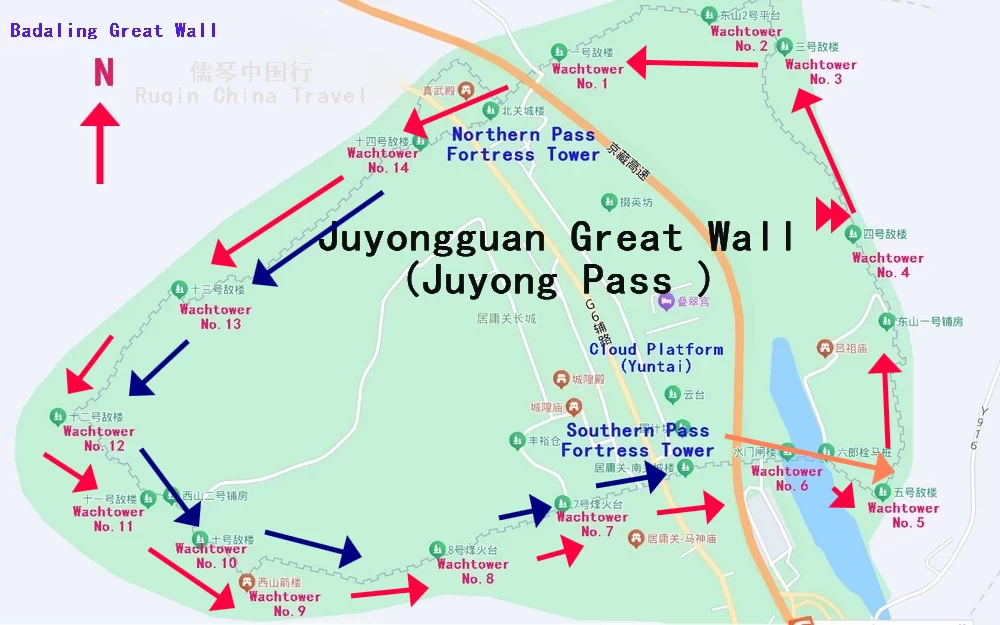
To fully experience Juyongguan Great Wall, plan to spend at least 3–4 hours exploring its highlights and scenic trails. The wall forms a semi-circle around the valley with 14 watchtowers and a total 4 km, with both east and west sections offering unique views and hiking experiences. Juyongguan offers trails suitable for various hiking levels, from casual walkers to avid hikers.
Route 1: Complete Circle Calorie-Burn Hike (Red Line Arrow)
Begin at the North Gate Tower (Northern Pass Fortress Tower) and head westward, passing Watchtower 14. Follow the path counterclockwise until you loop back to the North Gate (Northern Pass Fortress Tower) at Watchtower 1. This full route takes around 3–4 hours to complete and is ideal for those with high stamina looking for a full-body workout.
Route 2: Exciting Steep West Semi-Circle Hike (Blue Line Arrow)
(Highly Recommended)
Enter through the North Gate Tower (Northern Pass Fortress Tower) and hike west, passing Watchtower 14, continuing counterclockwise until you reach the South Gate Tower (Southern Pass Fortress Tower). This route covers around 80% of the most challenging sections, with slopes up to a 70-degree incline. It’s perfect for hikers looking for a shorter but strenuous adventure. Hiking time: 1.5 – 2 hours.
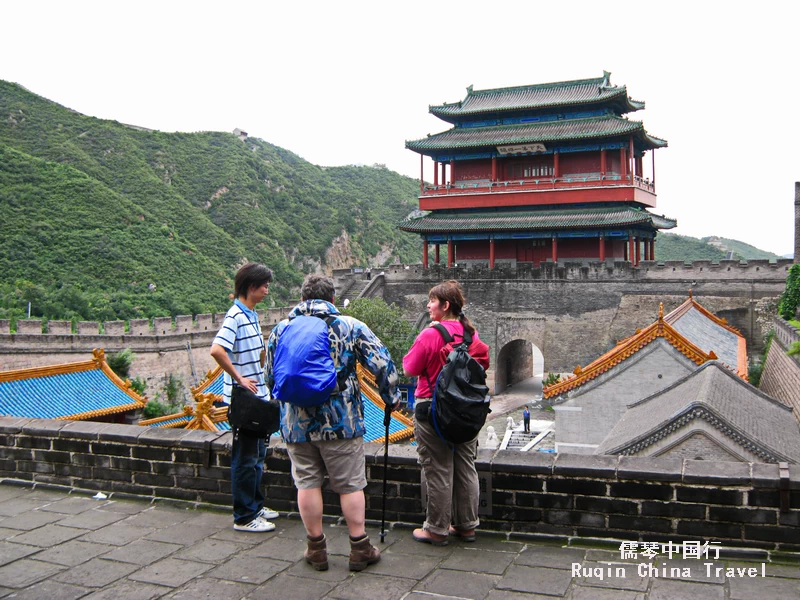
Route 3: Relaxed Flower-Viewing West Semi-Circle (Orange Line Arrow )
Start at the South Gate Tower ( Southern Pass Fortress Tower) and head west to Watchtower 6, following a counterclockwise direction. The trail quickly leads to Watchtower 5, an excellent spot to see spring flowers along the railway and enjoy autumn foliage later in the year. This easygoing route is ideal for those wanting a scenic, leisurely walk.
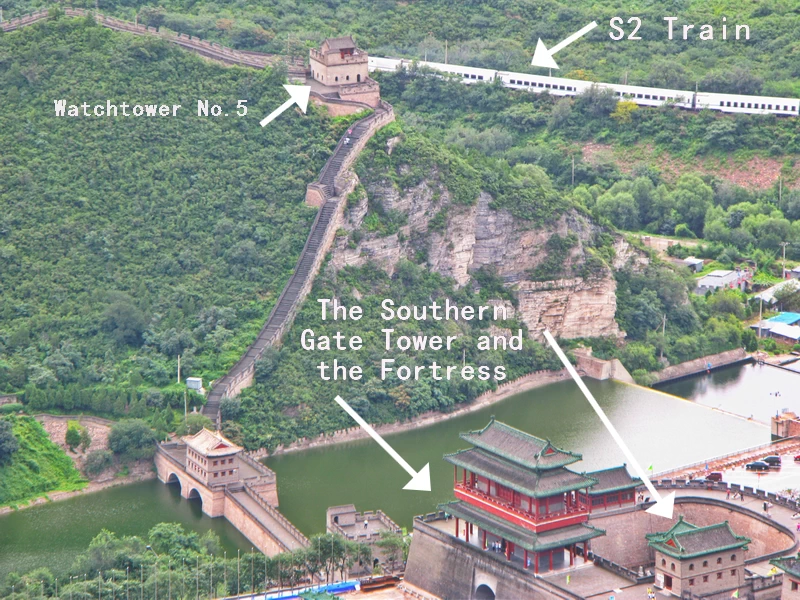
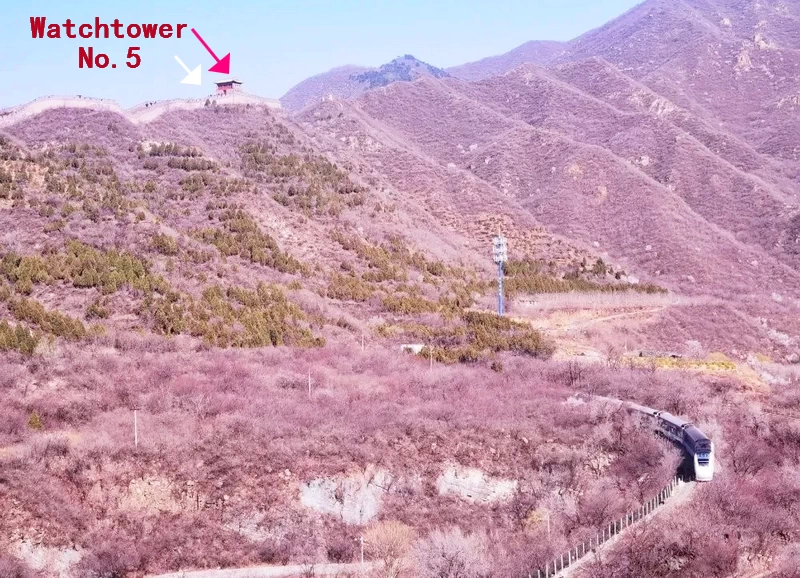
We highly recommend hiking the Route 2 – West Semi-Circle Hike ( Blue Line Arrow ), which covers the highlights of Juyongguan Great Wall.
6. Highlights at Juyongguan Great Wall
Juyong Pass Fortress
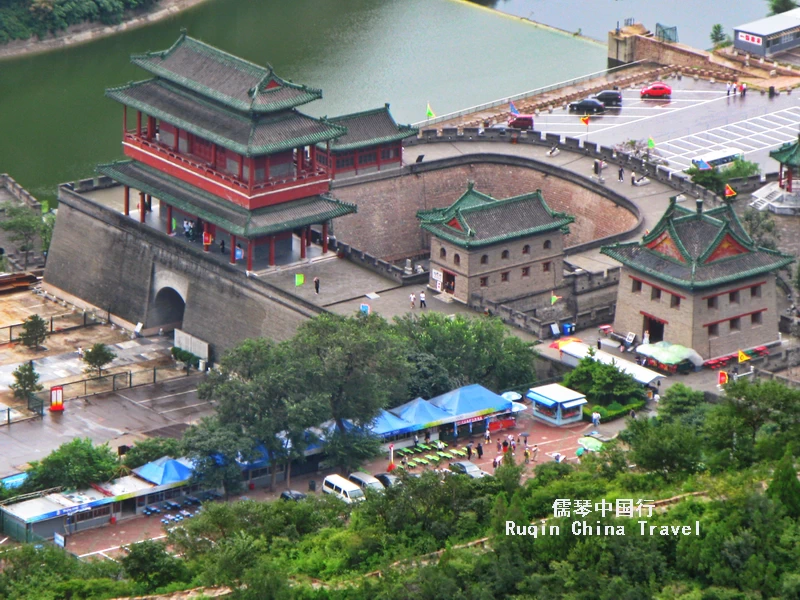
At the heart of Juyongguan lies its impressive fortress, where you’ll get a feel for the Great Wall’s imposing defensive strength. Walking through this ancient structure, you can imagine the military history embedded in its walls.
Cloud Platform (Yuntai)
This iconic structure features intricate carvings of Buddhist deities, making it a unique attraction along the Wall. The stone carvings reflect a fascinating blend of Chinese and Buddhist culture. Take time to admire these details.
The Watchtowers and Beacon Towers
Juyongguan has several watchtowers and beacon towers along its stretch, each offering panoramic views. These towers played a crucial role in relaying messages across the Wall. Climb one of the watchtowers for unbeatable views of the surrounding mountains.
7. Accommodation and Attractions Near Juyongguan Great Wall
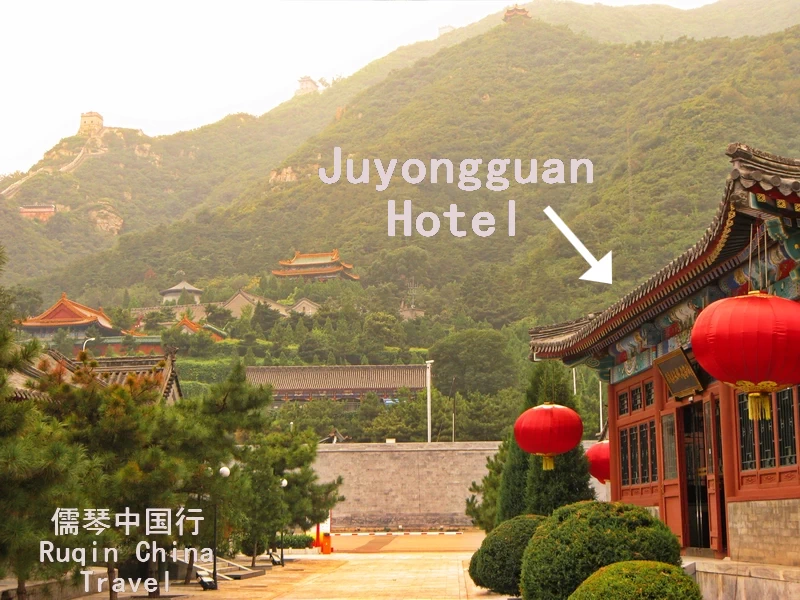
For visitors looking to stay overnight, Juyongguan Hotel is conveniently located within the Juyongguan Great Wall complex, providing direct access to the Wall and surrounding attractions. This hotel offers a unique, immersive experience for guests, with comfortable rooms and a setting steeped in history.
Additionally, the nearby Commune by the Great Wall offers modern, stylish accommodations with Great Wall views and is only a short drive away. For a rustic experience, Nine Fairy Mountain Farmstay provides a charming rural atmosphere, just minutes from Juyongguan.
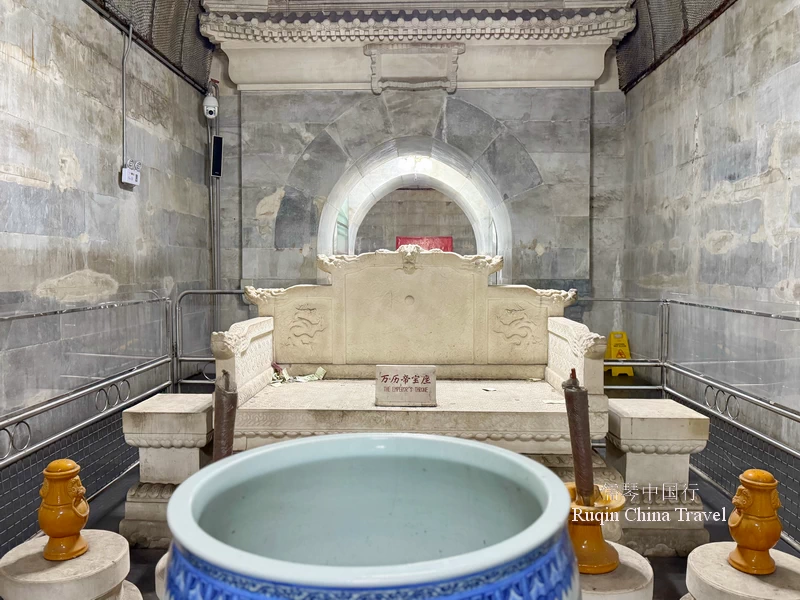
Besides the Wall itself, the area also features the Juyongguan Museum, the Ming Tombs in nearby Changping, and scenic hiking trails, creating a well-rounded travel experience for visitors staying in the area.
8. Tips for Hiking Juyongguan Great Wall
Hiking at Juyongguan can be physically demanding, so here are a few essential tips:
- Start Early: Arriving early helps you avoid crowds and allows you to enjoy the morning light on the Wall.
- Stay Hydrated: Even on cooler days, the climb can be tiring. Bring a water bottle to stay hydrated.
- Dress in Layers: Beijing’s weather can vary greatly, so dress in layers to adjust to changing temperatures.
- Protect Yourself from the Sun: Hats, sunglasses, and sunscreen are useful, especially on clear days.
- Wear Comfortable Shoes: Proper footwear is essential due to the steep stairs and rugged sections of the Wall.
By the time you finish walking the wall at Juyongguan, you start to understand why this mountain pass mattered so much in China’s history. The watchtowers stretch along the ridges, the valley opens beneath your feet, and the Wall feels less like a monument and more like a living piece of landscape.
For travelers staying in Beijing, Juyongguan is one of the most convenient ways to experience the Great Wall without traveling too far from the city. With the right transport plan, clear ticket information, and a little time to explore the slopes and towers, the visit becomes surprisingly easy to organize.
Now that you know how to visit Juyongguan Great Wall from Beijing, you can plan your trip with confidence. Go early if you can, walk at your own pace, and take time to pause along the towers—the views over the mountain pass are well worth it.
About the Author
Ruqin is the founder of Ruqintravel.com and has spent more than four decades working in China’s travel industry. Drawing on hands-on experience in cities like Beijing and Hangzhou, he personally researches and updates each guide to help international travelers navigate China with confidence.
Further Reading
How to Visit the Great Wall of China: Best Sections, Tickets & Day Trip Tips
How to Get to Mutianyu Great Wall from Beijing: Bus, Shuttle & Private Car
How to Get to Badaling Great Wall from Beijing: Train, Bus 877 & Shuttle
How to Visit Gubeikou Great Wall from Beijing: Hikes, Map & Transport
How to Get to Jinshanling Great Wall from Beijing: Bus, Train & Car
How to Get to Simatai Great Wall from Beijing: Direct Bus, S5 Train & Car