
Written and updated by Ruqin
Last updated: October 2, 2026
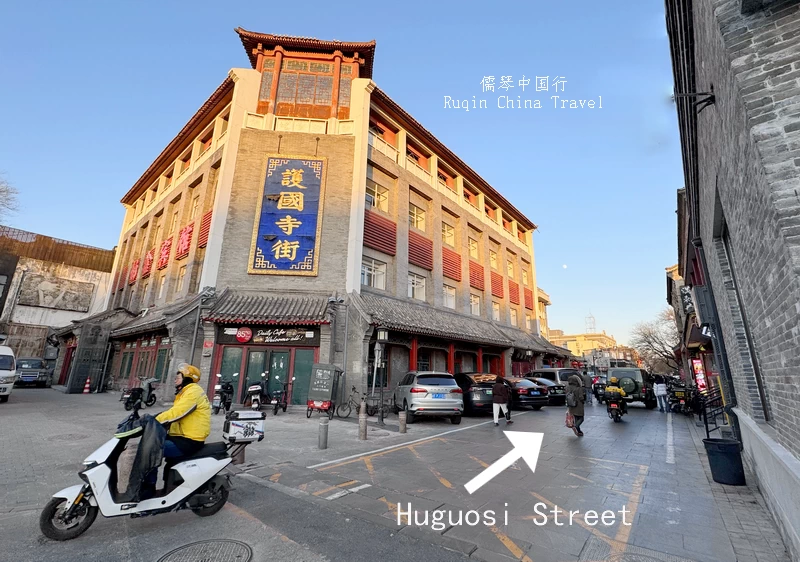
The first time I wandered onto Yangmeizhu Xiejie Street Beijing (杨梅竹斜街), it didn’t feel like a “tourist attraction” at all. I had just stepped away from the crowds near Dashilan, and suddenly the noise faded. The alley bent slightly, old brick walls leaned inward, and small bookshops and studios quietly opened their doors to the street.
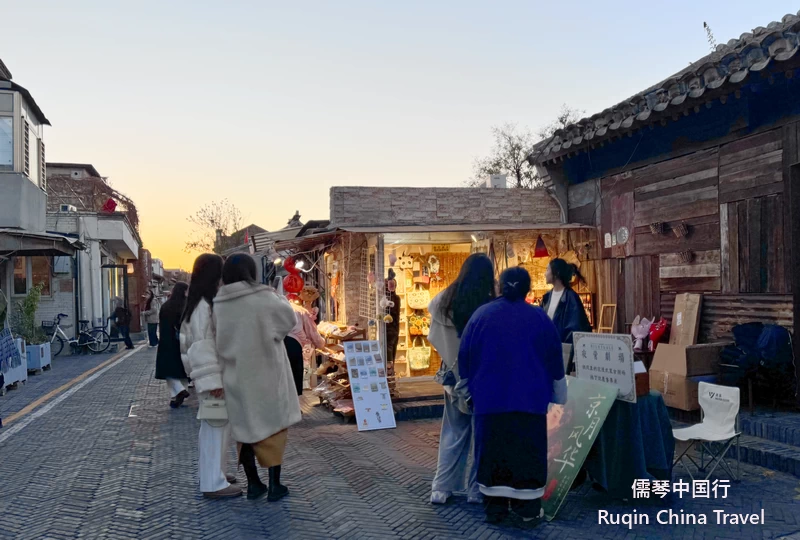
Yangmeizhu Xiejie Street is one of those hutong lanes that reveals itself slowly. You notice hand-painted signs, a courtyard café tucked behind wooden doors, or an elderly Beijinger cycling past with groceries. It’s calm, creative, and deeply local.
If you’re exploring the Qianmen area, Yangmeizhu Xiejie Street is the kind of street worth lingering in. It’s short, slightly crooked, and full of small surprises that show a softer side of old Beijing.
1. A Brief History of Yangmeizhu Xiejie
Located in the Xicheng District of Beijing, Yangmeizhuxiejie Street dates back to the Yuan Dynasty when Beijing was first established as the capital. The street stretches for 498 meters, running from Meishi Street (煤市街)in the east to Yanshou Street(延寿街) in the west.
During the Ming Dynasty, the street was named “Xiejie”, which means “Oblique Street”. This name was given because of its unique layout, slanting from northeast to southwest. Over the centuries, the street’s character has evolved, but it still retains its traditional charm and history.
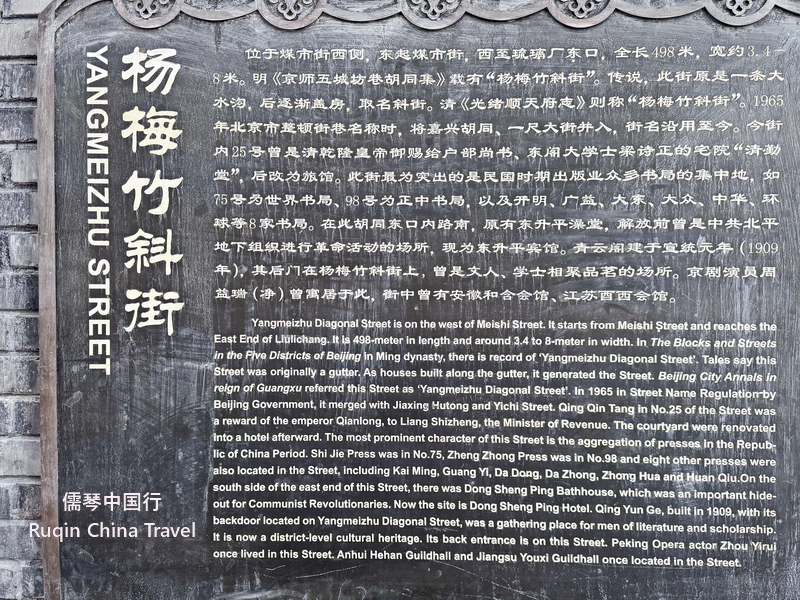
A visitor’s guide wall plaque at Yangmeizhu Xiejie
In the 15th year of the Qianlong reign (1750), Yangmeizhu Xiejie was marked as “Yangmei Xiejie” on the Complete Map of Beijing. The name “Yangmei” is said to be derived from a matchmaker named Yang who lived along this street during the early Qing Dynasty.
She was well known for her matchmaking skills, and the name eventually became associated with the street. In the later years of the Guangxu period, the name was further refined and modified to its current form, Yangmeizhu Xiejie (or Yangmeizhuxiejie Street by Google Map)
2. The Cultural Hub of Old Beijing
When I walk along Yangmeizhu Xiejie today, I often imagine what this lane must have felt like a century ago. In the early 20th century, Yangmeizhu Xiejie Street Beijing quietly became one of the city’s most lively cultural corners. Small publishing houses and bookstores lined the lane, drawing students, writers, and curious readers who came looking for new ideas and conversation.
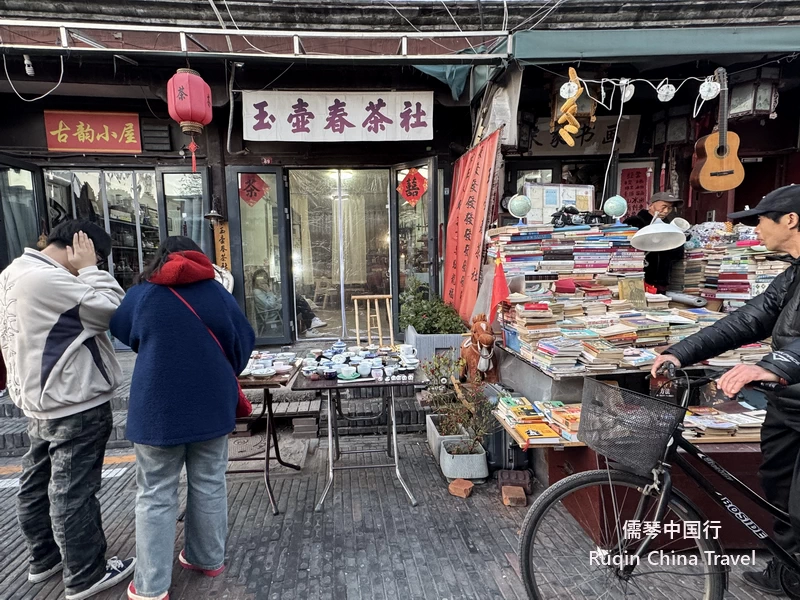
Yuhuchun Teahouse (玉壶春茶社)
One of the most famous shops was the World Bookstore, which helped turn the street into a gathering place for intellectual life in old Beijing. Writers, translators, and scholars would pass through this narrow alley, browsing books and exchanging thoughts in nearby courtyards and teahouses.
Over time, the street also housed cultural societies, early banking houses, and residences connected to well-known literary figures such as Liang Shiqiu, Lu Xun, and Shen Congwen. Today many buildings have been restored, but if you look closely, you can still sense that quiet literary spirit lingering in the bricks and doorways.
3. Why Visit Yangmeizhu Xiejie Street?
1) The Perfect Blend of Old and New
One of the most appealing aspects of Yangmeizhu Xiejie is its unique mix of old-world charm and modern-day life. Unlike other tourist-heavy areas in Beijing (such Nanluoguxiang, Wudaoying or Yandai Xiejie Street), this alleyway blends local businesses, street life, and history in a way that is both peaceful and lively.
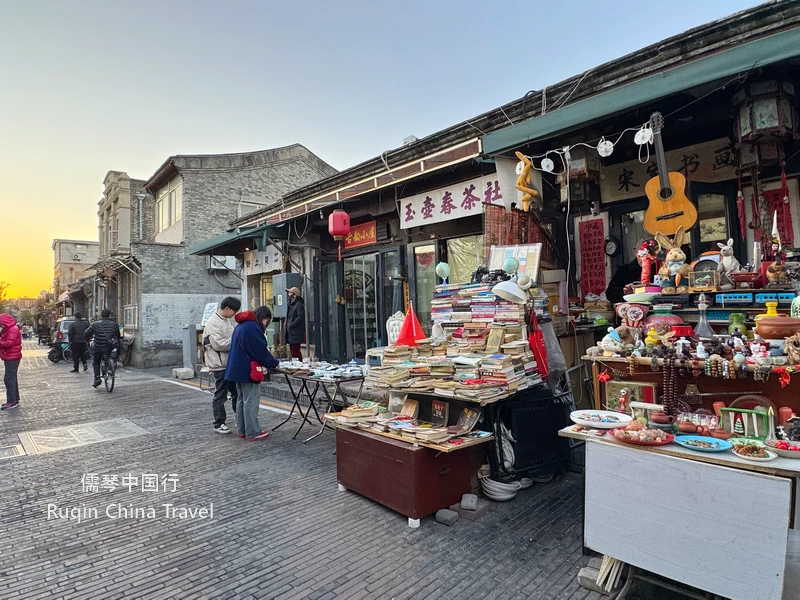
A hidden gem in Beijing
Every 20 meters, you’ll find cozy cafés, quirky little shops selling unique items, and antique stores filled with calligraphy, scrolls, and other cultural treasures. As you stroll along the street, you’ll encounter traditional Chinese architecture, interspersed with modern elements that reflect the evolution of Beijing.
2) A Quiet Escape from the Crowds
Although it’s located just 100 meters away from the bustling Dashilan, one of the most famous commercial areas in Beijing, Yangmeizhu Xiejie feels like a completely different world.
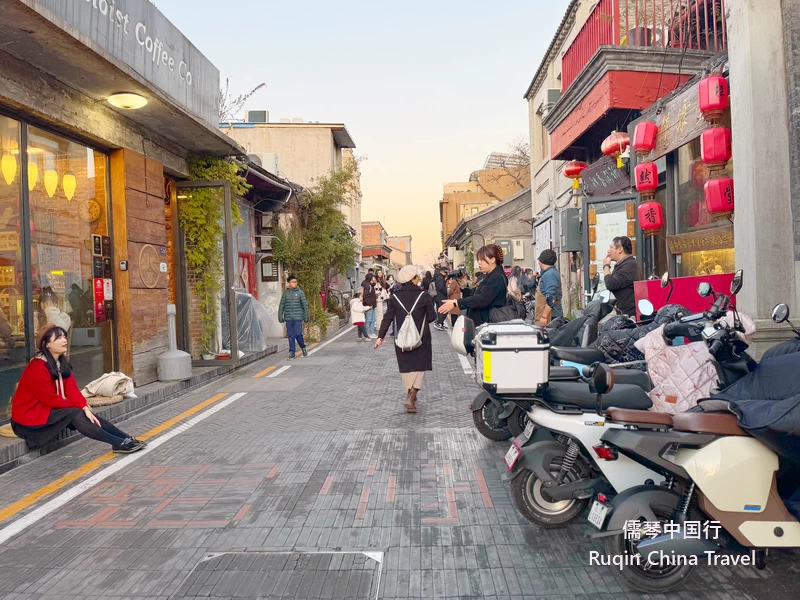
A Quiet Escape from the Crowds
The quiet, peaceful atmosphere allows you to slow down and immerse yourself in a more relaxed, authentic side of Beijing. Whether you’re a history enthusiast or just someone looking to escape the crowds, this street offers a unique opportunity to experience the local culture in a way that many tourists miss.
3) Walk Through Beijing’s Past
As you walk down Yangmeizhuxiejie Street, you’ll feel as though you’ve stepped back in time. The street is a living testament to Beijing’s history, from the Yuan Dynasty to the Qing Dynasty and beyond.
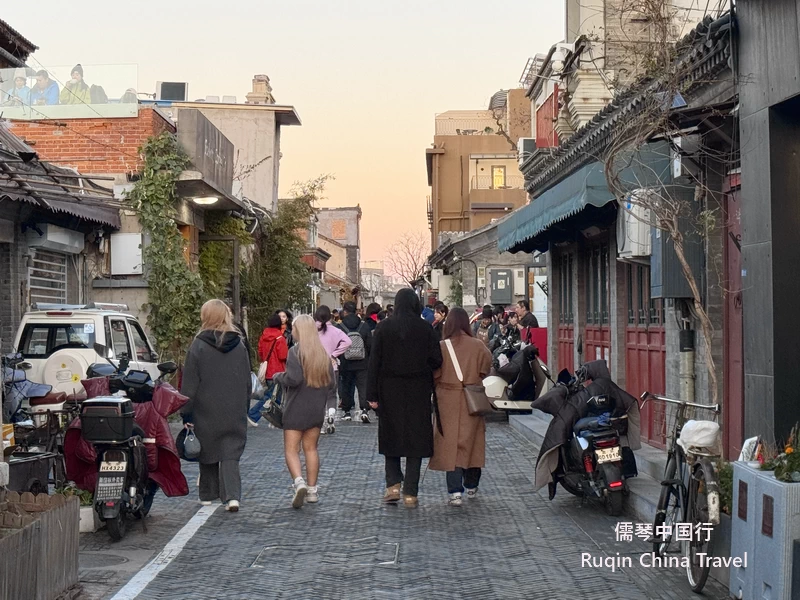
Walk Through Beijing’s Past
The old bookstores, associations, and residences evoke a sense of Beijing’s cultural richness, while the traditional hutong-style architecture gives you a glimpse into how people lived in the past. Many buildings still retain their original features, making it easy to imagine what life was like here centuries ago.
4. How to Get to Yangmeizhu Xiejie Street
Getting to Yangmeizhu Xiejie is relatively easy, and the street is well-connected to the rest of Beijing by public transportation. The best way to reach Yangmeizhu Xiejie is by taking the Beijing Subway:
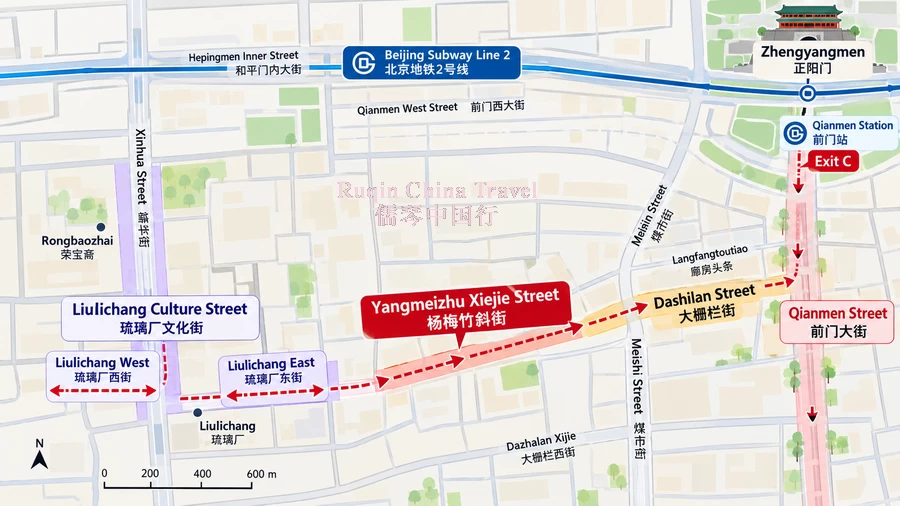
Liulichang – Yangmeizhu Xiejie – Qianmen Walking Map
The best subway exit to reach Yangmeizhu Xiejie Street in Beijing is Exit C at Qianmen Station on Line 2. After exiting, you can walk east along Qianmen Street until you reach Yangmeizhu Xiejie.
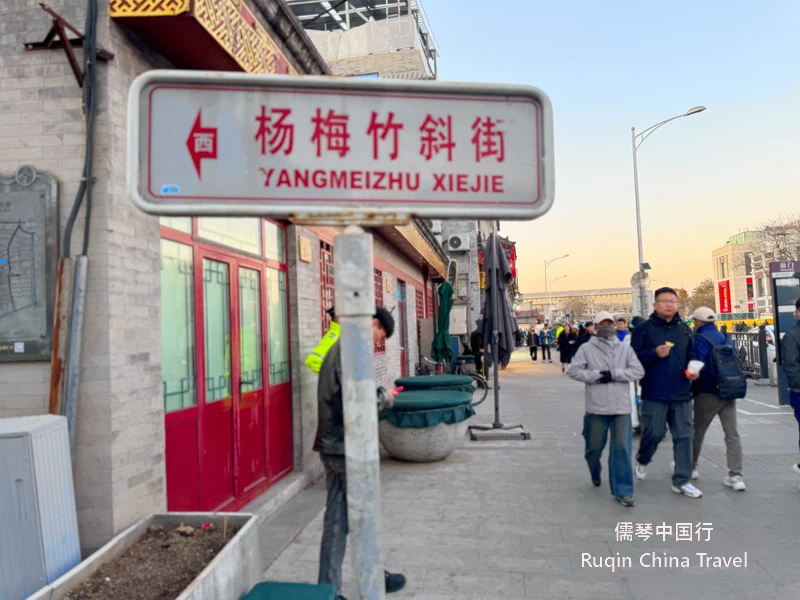
A street sign at Yangmeizhuxiejie
Alternatively, you can take Line 7 to Zhushikou Station and exit at Exit A, then walk for about 15 minutes to reach Yangmeizhu Xiejie.
By Bus: Alternatively, you can take a bus to the nearby Dashilan area, which is just a 5-minute walk from Yangmeizhu Xiejie.
5. Practical Tips
Yangmeizhu Xiejie is still a living hutong neighborhood, not just a tourist street. Many local families live behind the old doors and courtyard walls. When taking photos, try not to disturb residents, and never walk into a private courtyard without permission.
Most cafés, bookshops, and small stores accept mobile payments. However, it is still useful to carry a little cash, especially if you stop at an older, traditional shop.
Wear comfortable walking shoes. The lanes around Yangmeizhu Xiejie, Dashilan, and Liulichang are best explored on foot, and some sections have uneven paving. After a few hours of walking, good shoes make a real difference.
Finally, don’t judge a shop by its entrance. Some of the most interesting places along Yangmeizhu Xiejie have very modest storefronts. Step inside when a place catches your eye—you may find a small bookstore, design studio, café, or beautifully restored old building hidden behind the simple façade.
6. Nearby Attractions
While Yangmeizhu Xiejie is a hidden gem in its own right, there are several nearby attractions that you can visit to make the most of your trip. These include:
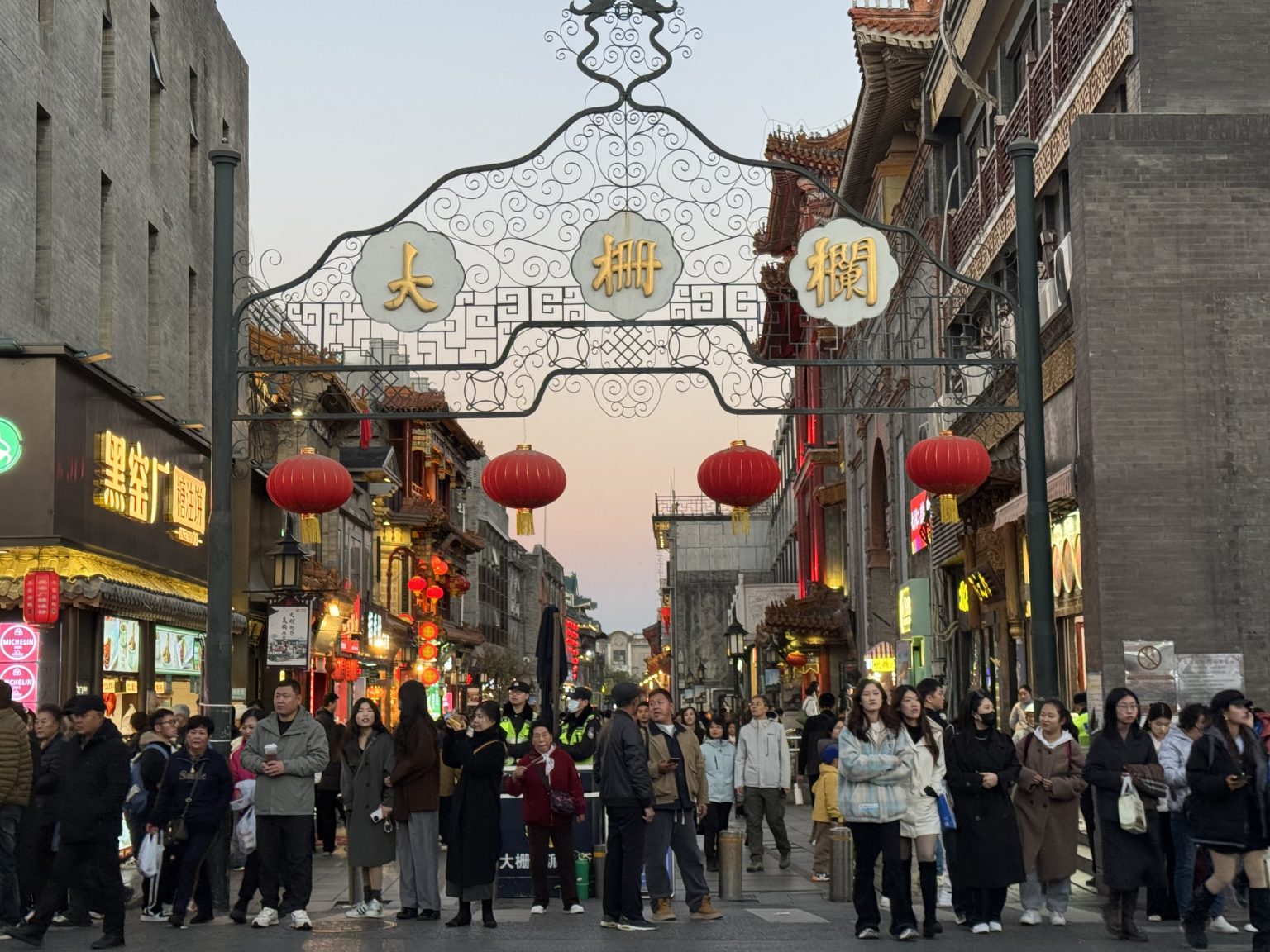
Dashilan Street
- Dashilan: Located just 100 meters away, Dashilan is one of Beijing’s oldest shopping streets, known for its historic shops and traditional architecture. It’s a great place to shop for souvenirs and explore more of Beijing’s old-world charm.
- Qianmen Street: A short walk from Yangmeizhu Xiejie, Qianmen is a major historical shopping street in Beijing, dating back to the Ming Dynasty. It offers a great mix of ancient architecture and modern shops.
- Beijing Fang (Beijing Fun): Nestled beside Qianmen Street, Beijing Fun (Beijingfang 北京坊) blends old Beijing charm with modern flair. From hidden hutongs to trendy cafes, this cultural hotspot offers a taste of the city’s past and present.
- Liulichang Culture Street: Liulichang Culture Street is a famous shopping street located in the heart of Beijing, known for its long history and rich cultural heritage. The area has been a center for traditional Chinese art and culture for centuries.
- Temple of Heaven: A bit farther away but still easily accessible, the Temple of Heaven is one of Beijing’s most famous landmarks. The temple and its surrounding park are a great place to enjoy some fresh air and explore Chinese architecture.
Every time I walk through Yangmeizhu Xiejie Street Beijing, I’m reminded how quickly the city can shift from busy to quiet. Just a few minutes away, Qianmen and Dashilan are full of crowds and bright storefronts. Yet once you step into this slightly crooked hutong lane, the rhythm slows down. You start noticing the details — old brick walls, creative studios, tiny cafés, and locals simply going about their day.
That’s really the charm of Yangmeizhu Xiejie Street Beijing. It isn’t about checking off a famous landmark. Instead, it’s about experiencing a small piece of old Beijing that still feels lived-in and human.
So if you’re exploring the Qianmen area, give yourself a little extra time. Wander slowly, peek into a shop or two, and let the alley reveal itself. Sometimes the most memorable places in Beijing are the quiet streets you almost walked past.
About the Author
Ruqin is the founder of Ruqintravel.com and has spent more than four decades working in China’s travel industry. Drawing on hands-on experience in cities like Beijing and Hangzhou, he personally researches and updates each guide to help international travelers navigate China with confidence.
Further Reading
Beijing Fun (Beijingfang) Guide: Top Things to Do, Map & Tips
Liulichang Culture Street Beijing: Maps, Walking Routes and Tips
Qianmen Street Beijing: Map, Food, Shopping & Local Tips
Dashilan Street: Map, Food, Shopping & Hotels
Xianyukou Street, Beijing: What to Eat, Shop & See Before You Go