
Written and updated by Ruqin
Last updated: April 11, 2026
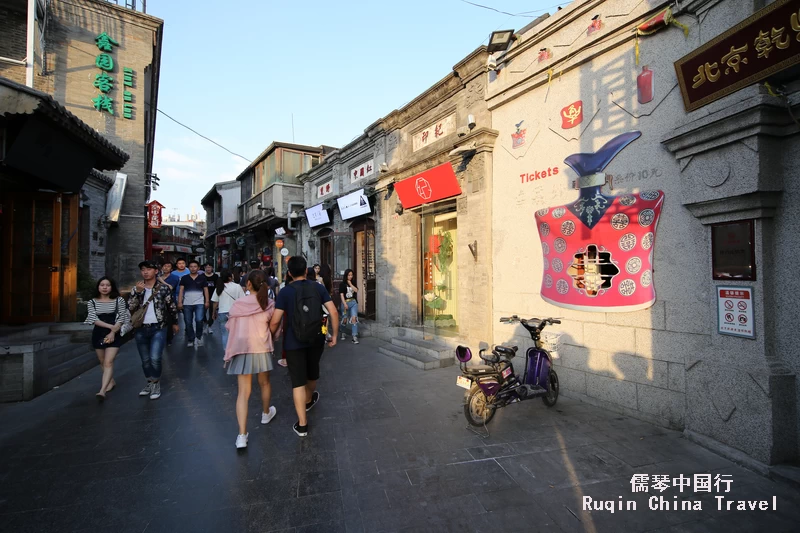
You feel it the moment you turn off a main road. The noise softens, scooters slow down, and daily life unfolds quietly inside the Beijing Hutongs. Laundry hangs between brick walls, neighbors chat across doorways, and suddenly the city feels personal again. This is where Beijing reveals its older rhythm.
Exploring Hutongs in Beijing isn’t just about history—it’s about knowing which lanes are worth your time and which feel too staged. This guide walks you through where to go, what to notice, and how to move through these neighborhoods with ease.
1. What Are Hutongs?
The first time you walk into the Beijing Hutongs, it doesn’t feel like stepping into a historic site. It feels like stepping into someone’s neighborhood. The alleys narrow, the walls turn to gray brick, and behind each wooden door sits a siheyuan—a courtyard home designed for family life across generations.
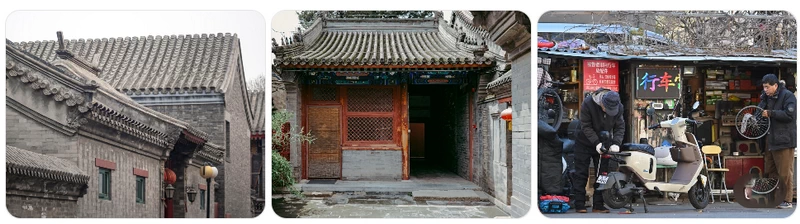
Historically, Hutongs in Beijing date back to the Yuan Dynasty, when the city was first laid out in a grid. They expanded through the Ming and Qing periods, forming entire communities built around shared space and routine. That structure still shapes what you see today.
But what stays with you isn’t the timeline—it’s the rhythm. Elderly residents sitting outside, bikes leaning against walls, the quiet hum of everyday life. Some hutongs are polished for visitors, others remain lived-in and slightly worn. The difference matters, and once you notice it, you’ll start to choose where to walk more carefully.
2. Why Visit Hutongs?
It usually starts with a bit of relief. You step out of traffic, turn into one of the Beijing Hutongs, and the pace drops almost instantly. No glass towers, no rush—just footsteps, quiet conversations, and the soft rhythm of daily life. It’s not silence, but it’s a different kind of noise, one that feels easier to sit with.
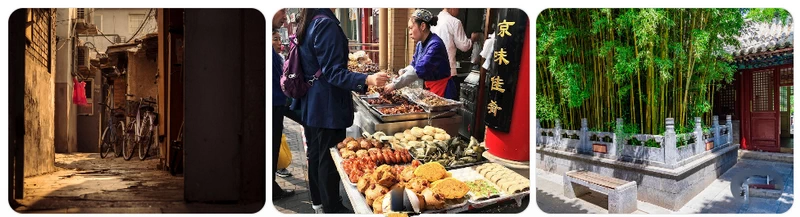
But the real reason to explore Hutongs in Beijing isn’t just the slower pace—it’s what you find tucked inside. Small temples appear without warning, local shops sell things you won’t see anywhere else, and old tea houses invite you to pause longer than planned. Some lanes feel curated, others are still deeply lived-in. That contrast is exactly what makes the experience feel real, not staged.
3. Top Hutongs to Visit
1) Nanluoguxiang
Nanluoguxiang is one of the most famous hutongs in Beijing. It stretches over 800 meters and is lined with boutiques, cafes, and bars. First, this hutong offers a mix of traditional and modern elements.
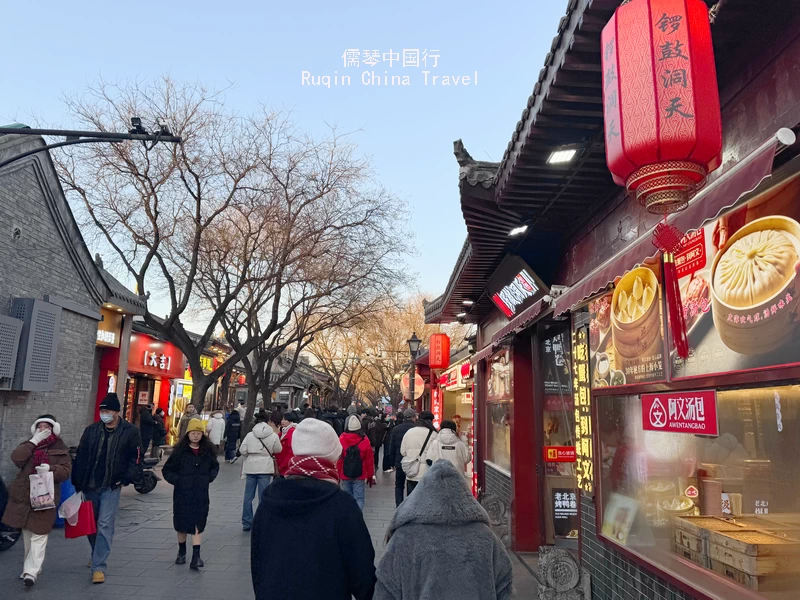
Visitors can explore small shops selling unique souvenirs, trendy fashion items, and traditional crafts. Additionally, Nanluoguxiang is known for its vibrant nightlife, making it a great place to visit both during the day and in the evening.
2) Yandai Xiejie
Located near the Shichahai area, Yandai Xiejie is another popular hutong. The name translates to “Tobacco Pipe Lane” due to its shape resembling a tobacco pipe.
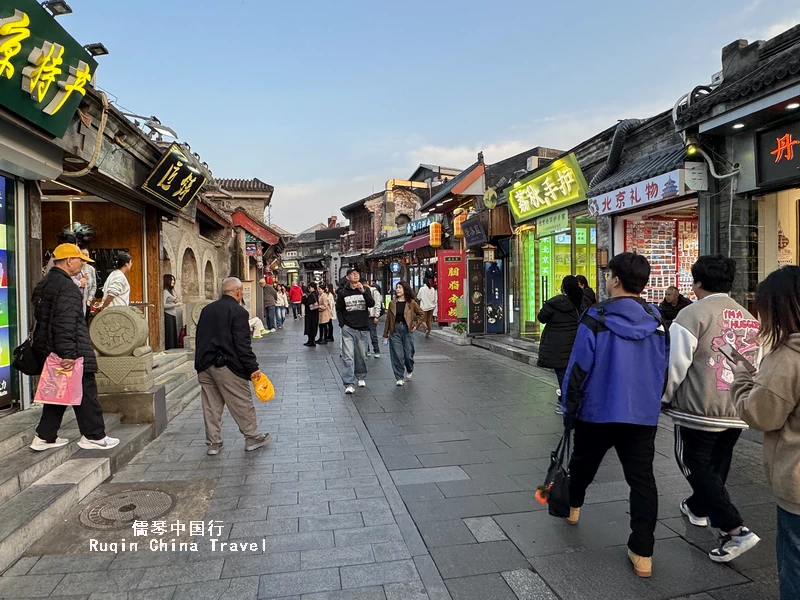
This hutong is famous for its antique shops, tea houses, and traditional snack vendors. Moreover, it’s a great place to buy traditional Chinese items like silk, jewelry, and tea. Walking through Yandai Xiejie, you can also enjoy beautiful views of the nearby lakes and historic architecture.
3) Wudaoying Hutong
Wudaoying Hutong is known for its trendy vibe and artistic atmosphere. It’s a favorite among young locals and expatriates. The hutong is filled with chic cafes, art galleries, and unique shops.
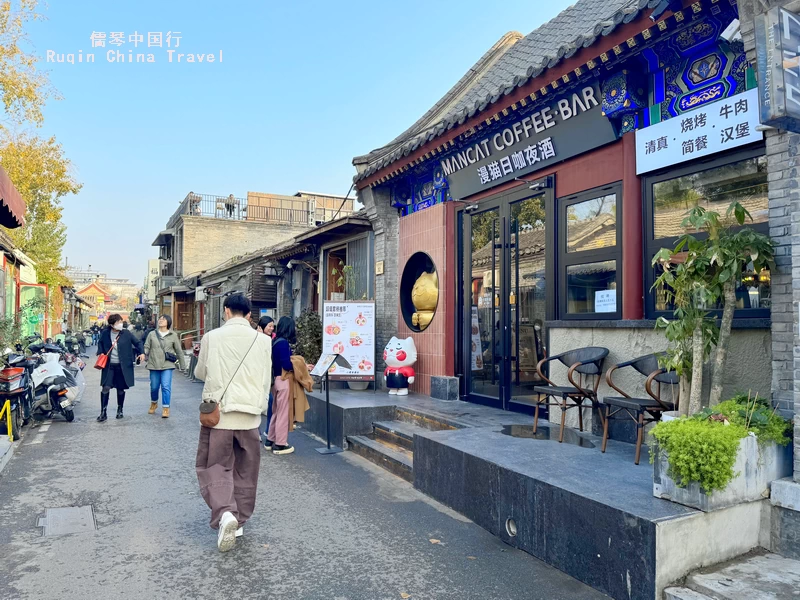
Furthermore, Wudaoying Hutong offers a relaxed ambiance, making it perfect for a leisurely stroll. It’s also close to the Lama Temple, so you can easily combine both visits.
4) Guozijian Street
Guozijian Street, also known as the Confucius Temple and Imperial College Street, is a historic hutong near the Lama Temple. This hutong is quieter and more serene, with ancient buildings and traditional shops.
Here, you can visit the Confucius Temple and the Imperial College, which offer insights into Chinese education and culture. Additionally, the street is lined with old trees, adding to its peaceful charm.
5) Dongjiaomingxiang
Dongjiaomingxiang is known for its historical significance. The Former Legation Quarter, also known as the Dong Jiao Min Xiang Diplomatic Compound, is a historic area. It is located along the same name “Dong Jiao Min Xiang ” Hutong in the Dongcheng District of Beijing, China. This hutong is recognized by Google map as “East Dongjiaomin Lane, or E Minjiao Ln“.
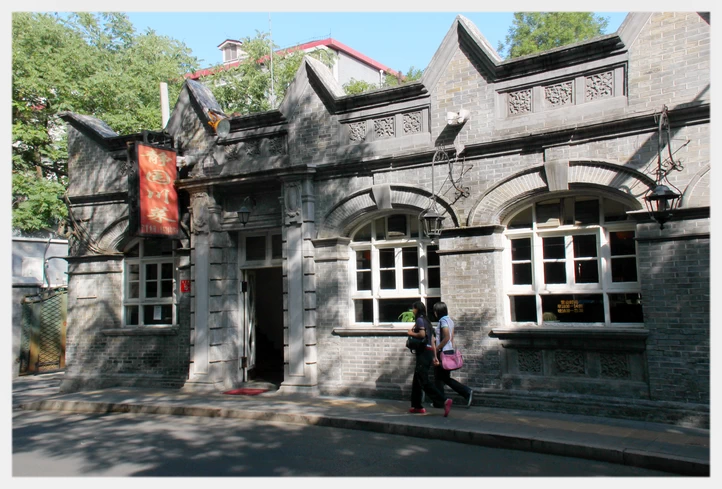
Visitors can find several museums and historical sites here, making it a perfect spot for history enthusiasts. Visiting the Former Legation Quarter in Beijing is a journey back in time to the diplomatic history of the city.
6) Caochang Hutongs
Caochang Hutongs (草厂) stand out as a hidden gem, offering a glimpse of authentic old Beijing life. These well-preserved alleys are located near Qianmen and remain largely untouched by commercialization.
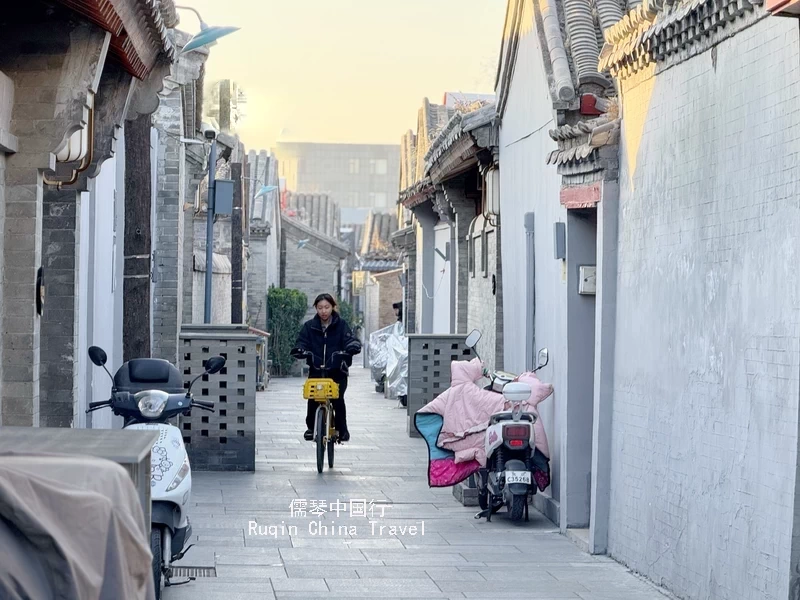
The Caochang Hutongs are located in the heart of Beijing, near the bustling Qianmen area. Unlike the more famous and heavily commercialized hutongs such as Nanluoguxiang, Caochang Hutongs provide a more serene and authentic experience.
4. How to Explore Hutongs
Walking Tours
Walking is the best way to explore hutongs. You can take guided tours that provide historical context and interesting stories about the areas you visit. Additionally, many tours offer visits to local homes, where you can see traditional courtyards and interact with residents.
Rickshaw Rides
Rickshaw rides are a popular way to see the hutongs. They offer a comfortable and leisurely way to navigate the narrow lanes. Rickshaw drivers often act as guides, sharing anecdotes and historical facts during the ride.
Cycling
Renting a bicycle is another great option. Cycling allows you to cover more ground quickly and is ideal for those who enjoy a bit of exercise. Several rental shops around the hutongs offer bicycles at reasonable rates.
5. Tips for Visiting Hutongs
Best Time to Visit
The best time to visit hutongs is during the spring and autumn months. The weather is pleasant, and you can enjoy walking or cycling comfortably. Additionally, mornings and late afternoons are the best times of the day to visit, as they are less crowded and the light is perfect for photography.
Respect Local Residents
Hutongs are not just tourist attractions; they are home to many locals. Respect their privacy and avoid entering private properties without permission. Always ask before taking photographs of people or their homes.
Stay Hydrated and Wear Comfortable Shoes
Exploring hutongs involves a lot of walking. Wear comfortable shoes and carry a water bottle to stay hydrated. Some areas might not have many shops, so it’s best to come prepared.
Learn a Few Chinese Phrases
Learning basic Chinese phrases can enhance your experience. Simple greetings and polite expressions can go a long way in interacting with locals and making your visit more enjoyable.
By the time you leave the Beijing Hutongs, the city feels different. It’s not just what you saw—it’s how you moved through it. Slower, more observant, more aware of the layers behind the skyline. This is the part of Beijing that stays with you long after the landmarks blur.
From the energy of Nanluoguxiang to the calmer stretch near Guozijian Street, each lane offers a different mood. Give yourself time to wander without a plan—that’s when these neighborhoods start to feel real.
About the Author
Ruqin is the founder of Ruqintravel.com and has spent more than four decades working in China’s travel industry. Drawing on hands-on experience in cities like Beijing and Hangzhou, he personally researches and updates each guide to help international travelers navigate China with confidence.
Further Reading
Best Beijing Hutong Walking Tours: Routes, Maps & Local Tips
Nanluoguxiang: Maps, Shopping, Bars, Cafes, Food, Hutong & Tips
Yandai Xiejie Street (Yandaixie): Map, Shops, Food, Sights & Tips
Beijing Shichahai Travel Guide: Hutongs, Lakes, Food & Tips
Wudaoying Hutong: Map, Shops, Cafes, Food and Travel Tips
Beijing’s Former Legation Quarter (All You Need to Know)
Confucius Temple And Imperial College Museum: Visitor Guide
Caochang Hutongs in Beijing: Maps, Routes, Top Sights & Tips