
Written and updated by Ruqin
Last updated: May 16, 2026
The first thing many travelers notice about Beijing is how layered the city feels. One moment you’re standing beside a 600-year-old palace wall, and ten minutes later you’re inside a sleek shopping mall surrounded by delivery robots and electric scooters.
That contrast is what makes Beijing fascinating.
I’ve always felt Beijing reveals itself slowly. At first, it can seem massive, formal, and overwhelming. But once you start exploring its alleyways, parks, food stalls, and neighborhoods, the city becomes far more personal and interesting.
Here are 12 facts about Beijing that help explain why the Chinese capital feels unlike anywhere else.
1. Beijing Opera is far more dramatic than most visitors Expect
Many travelers think Beijing Opera will feel slow or difficult to follow. Then the performance begins with crashing cymbals, painted faces, martial arts movements, and elaborate costumes.
Suddenly it feels theatrical in the best possible way.
Also called Peking Opera, this traditional art form combines singing, storytelling, acrobatics, music, and symbolic gestures. Every costume color and facial design carries meaning.
For example:
- Red represents loyalty and bravery
- Black symbolizes integrity
- White often represents cunning or treachery
Even if you don’t understand the language, the visual performance alone is memorable.
If you’re curious but nervous about sitting through a long show, I usually recommend starting with a shorter tourist-friendly performance near Qianmen or Wangfujing.
2. Beijing has more UNESCO Sites than most cities in the world
Beijing is packed with UNESCO World Heritage Sites.
Of course, most people know about the Forbidden City and the Great Wall. But the city’s UNESCO list goes much deeper than that.
It also includes:
- The Temple of Heaven
- The Ming Tombs
- Parts of the Grand Canal
- The Summer Palace
- Sections of the Central Axis of Beijing
What makes this remarkable is how accessible these sites are. You can visit multiple world-class historical landmarks in a single trip without constantly changing cities.
And honestly, that density of history is part of what makes Beijing feel so powerful.
3. Beijing Once Built an Entire Underground City
One of Beijing’s strangest hidden stories lies beneath the streets.
During the Cold War era, the city built a massive underground tunnel network called Dixia Cheng, or the Underground City. It was designed as a bomb shelter system with tunnels, storage areas, schools, and living spaces.
At one point, parts of it even opened to tourists.
Most visitors today never see it, but knowing it exists changes how you think about modern Beijing. Beneath the busy roads and shopping districts is another layer of history many people completely miss.
4. The Forbidden City si the largest palace complex on earth
The Forbidden City is enormous in person.
Photos flatten it. Walking through it is different.
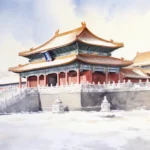
The palace complex contains nearly 1,000 surviving buildings and stretches across a huge area in the center of Beijing. It served as the imperial palace for Chinese emperors for almost 500 years.
What surprises many travelers is not only the scale, but the symmetry.
Everything feels carefully ordered — gates, courtyards, halls, pathways. The architecture reflects imperial power very intentionally.
My advice? Arrive early.
By mid-morning, tour groups become heavy, especially during holidays and weekends.
5. Beijing’s Hutongs show the city’s human side
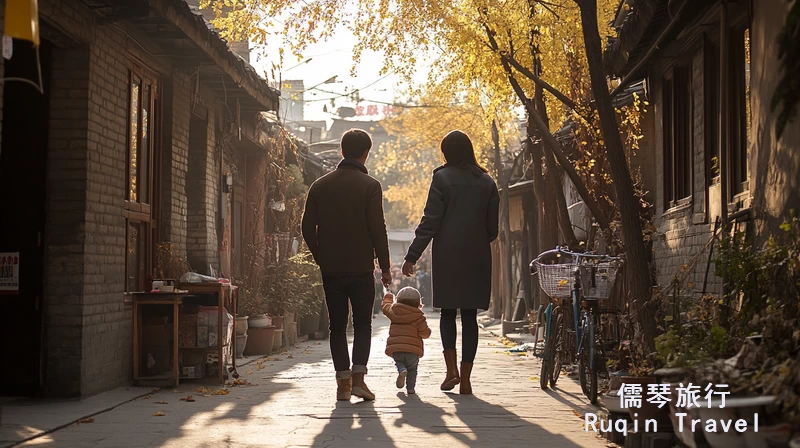
Some of my favorite moments in Beijing happen inside the hutongs.
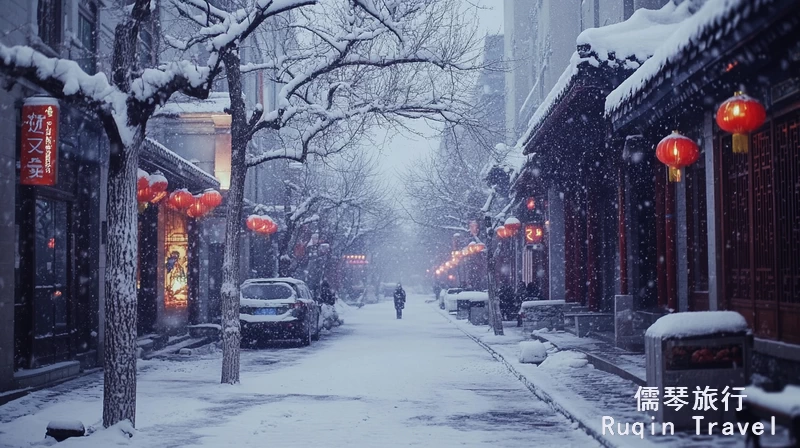
These narrow alleyways lined with traditional courtyard homes reveal an older rhythm of city life that still survives in parts of the capital.
You’ll see:
- Elderly residents playing cards outside
- Tiny noodle shops hidden behind wooden doors
- Cats sleeping beside bicycles
- Locals carrying groceries through quiet lanes
Not all hutongs are perfectly preserved. Some are trendy and commercial now. Others remain deeply residential.
Still, wandering through them gives you a much more personal view of Beijing than the giant landmarks alone.
Areas around Gulou and Shichahai are especially good for first-time visitors.
6. Beijing’s traffic rules are surprisingly strict
Traffic in Beijing is famous — and not always in a good way.
To reduce congestion and pollution, the city introduced driving restrictions based on license plate numbers. On certain weekdays, some vehicles cannot enter the roads depending on their plate registration.
For visitors, this mostly affects taxi traffic and travel timing.
If you’re planning airport transfers or day trips to the Great Wall, always allow extra travel time. What looks close on a map can easily take much longer during rush hour.
Fortunately, Beijing’s subway system is excellent and often much faster than driving.
7. Beijing is a major diplomatic hub
Beijing is one of the world’s major diplomatic cities.
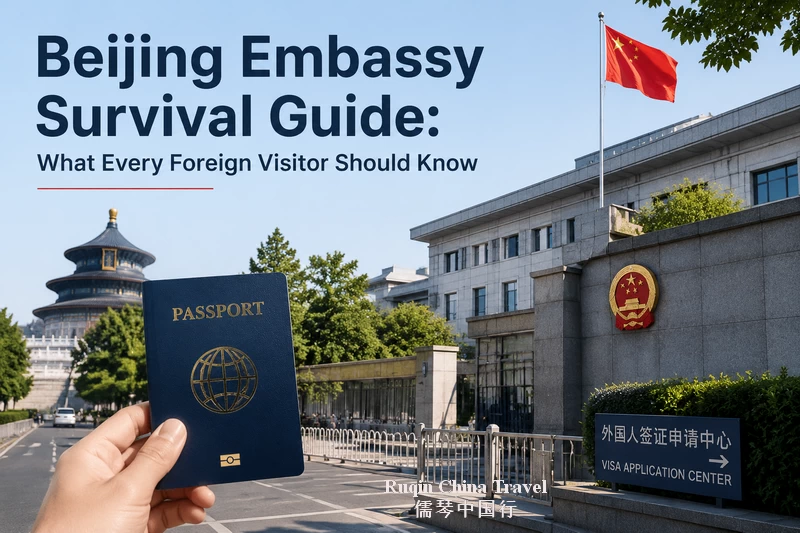
The Sanlitun area, in particular, has a very international atmosphere because many embassies are located nearby.
This part of the city feels completely different from the old hutong districts. You’ll find:
- International restaurants
- Stylish cafes
- Rooftop bars
- Luxury shopping centers
- Large expat communities
I often tell travelers that Beijing almost feels like several cities layered together — imperial capital, political center, futuristic metropolis, and neighborhood city all at once.
Sanlitun shows that contrast very clearly.
8. Beijing has one of the world’s oldest observatories
The Beijing Ancient Observatory dates back to the Ming Dynasty and still contains beautiful bronze astronomical instruments.
It’s one of those quieter attractions many travelers overlook.
But if you enjoy history, science, or photography, it’s worth visiting.
The observatory blends Chinese and European astronomical influences and gives insight into how ancient China studied the skies centuries before modern technology.
And compared with Beijing’s larger attractions, it usually feels calm and uncrowded.
9. Beijing’s street food culture is excellent
Beijing is one of China’s best cities for casual eating.
Some foods travelers should try include:
- Jianbing (savory breakfast crepes)
- Lamb skewers
- Baozi (steamed buns)
- Zhajiangmian noodles
- Tanghulu (candied fruit skewers)
What I love about Beijing food is how practical and comforting it feels, especially during winter.
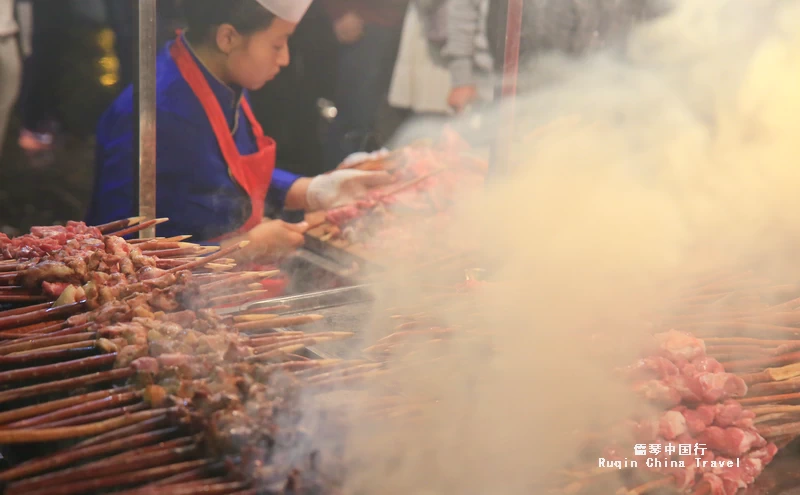
On cold evenings, the smell of grilled skewers drifting through the streets becomes part of the experience of the city itself.
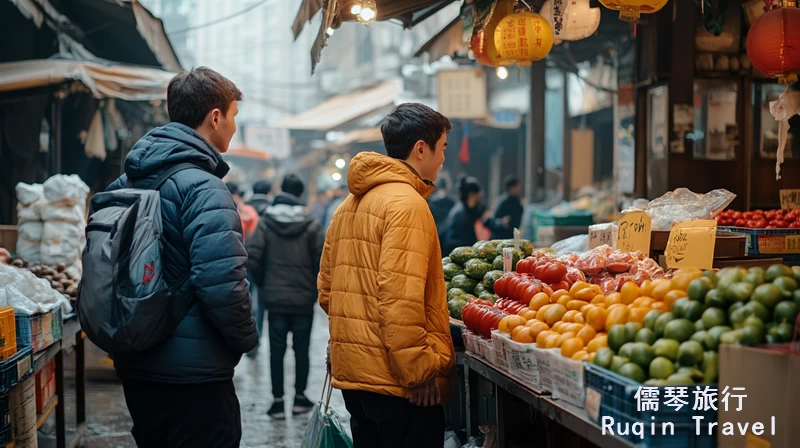
For first-time visitors, Wangfujing and Ghost Street are easy starting points. But honestly, some of the best meals happen in tiny neighborhood restaurants with handwritten menus.
10. Beijing’s air quality has improved significantly
Beijing became internationally known for heavy smog years ago, and many travelers still worry about air pollution before arriving.
The reality today is more balanced.
The city has introduced major environmental measures, including cleaner transportation systems, electric buses, and stricter industrial controls. Air quality can still vary depending on weather conditions and seasons, but many visitors are surprised by how much cleaner Beijing feels compared with older expectations.
Spring can occasionally bring dust storms, while winter sometimes sees hazier days.
I usually recommend checking air quality apps during your trip rather than relying on outdated assumptions online.
11. The Nine Dragon Wall is one of Beijing’s hidden gems
Beijing’s Nine Dragon Wall is one of the most beautiful smaller historical sites in the city.
Covered in colorful glazed tiles, the wall features nine large dragons twisting through clouds and waves in extraordinary detail.
Many travelers rush between the Forbidden City and the Great Wall and completely miss places like this.
But smaller landmarks often reveal the craftsmanship and artistic detail that defined imperial China just as much as the grand palaces do.
12. Beijing Constantly Balances Ancient and Modern China
This is probably the most important fact about Beijing.
The city is never just historical.
You can spend the morning walking through a Ming Dynasty temple, order lunch through a phone app, ride a driverless subway line, and end the evening in a centuries-old courtyard restaurant.
That coexistence of old and new is what stays with many travelers after they leave.
Beijing doesn’t erase its history to become modern. Instead, both versions of the city exist side by side.
And once you start noticing that balance, Beijing becomes much more interesting than its stereotypes.
Beijing can feel intimidating before your first visit. It’s huge, busy, and deeply layered with history.
But that complexity is exactly what makes the city rewarding.
The more time you spend exploring beyond the obvious landmarks, the more Beijing reveals itself — through quiet hutongs, local food stalls, ancient temples, hidden parks, and conversations with people who call the city home.
And honestly, that mix of imperial history and everyday life is what keeps many travelers thinking about Beijing long after the trip ends.
About the Author
Ruqin is the founder of Ruqintravel.com and has spent more than four decades working in China’s travel industry. Drawing on hands-on experience in cities like Beijing and Hangzhou, he personally researches and updates each guide to help international travelers navigate China with confidence.
Further Reading
Why Visit Beijing? 10 Reasons to Visit Beijing
Top Historical Sites in Beijing: Explore Must-See Landmarks and Ancient Treasures
Top Free Things to Do in Beijing: Parks, Museums & Sights
Top 10 Museums in Beijing: Must-See Exhibits & Visitor Tips
Cultural Etiquette in Beijing: Essential Tips for Respectful Travel