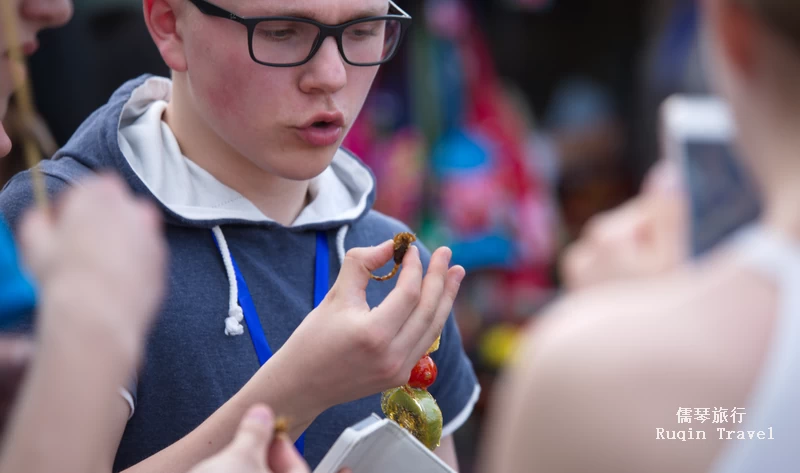

Written and updated by Ruqin
Last updated: April 16, 2026
My first few days in Beijing felt overwhelming in the best way—morning markets buzzing, locals scanning to pay, side streets full of life just beyond the main roads. That’s when I realized the real city isn’t at the landmarks—it’s in the everyday rhythm.
In this guide, 10 Real Ways to Experience Beijing Like a Local, I’ll walk you through simple, practical ways to step into that rhythm—through food, neighborhoods, and the small habits that quietly define daily life here.
1. Explore the Hutongs
The first time I wandered into a hutong, I didn’t plan it—I just followed a quieter street and suddenly the city softened. Laundry hung between courtyards, neighbors chatted by the doorway, and everything felt slower, more human. That’s when Beijing started to make sense to me.
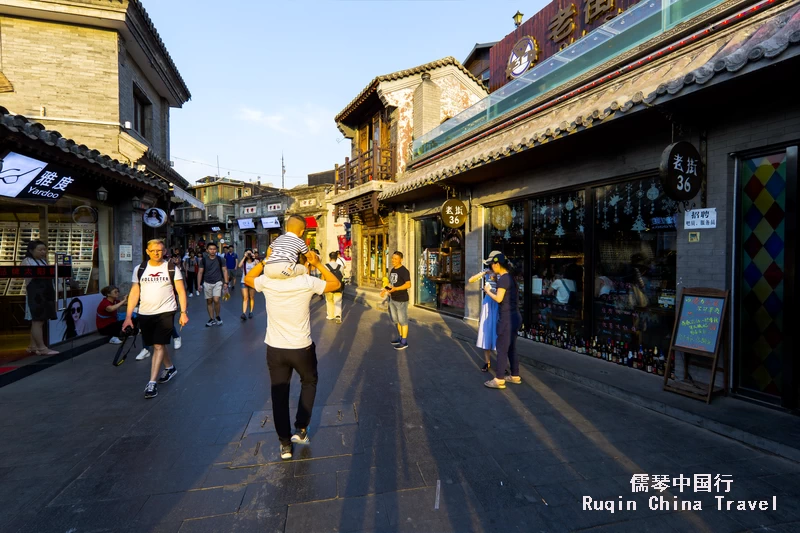
If you’re wondering how to experience hutong, start with areas like Nanluoguxiang, Yandai Xiejie, Wudaoying Hutong, or the quieter Caochang Hutongs. Go early or late, walk slowly, and don’t be afraid to turn into smaller lanes. Even better, rent a bike—it’s still how locals move through these narrow, living streets.
2. Visit Local Markets to Experience Beijing
My first Beijing market visit was a bit chaotic—I didn’t know where to look, what to buy, or even how to pay. But after a few minutes, I started noticing the rhythm: quick bargaining, fresh ingredients being picked by hand, and that constant hum of daily life. It felt real in a way the big sights never do.
If you’re curious how to experience Beijing local markets, start with Panjiayuan Antique Market on a weekend morning. Locals call it the “dirt market,” and it’s full of character—rows of ceramics, old coins, jade, and unexpected finds.
Then shift to Sanyuanli Market, where the focus is food. You’ll see locals buying seafood still moving, picking out vegetables, and grabbing snacks on the go.
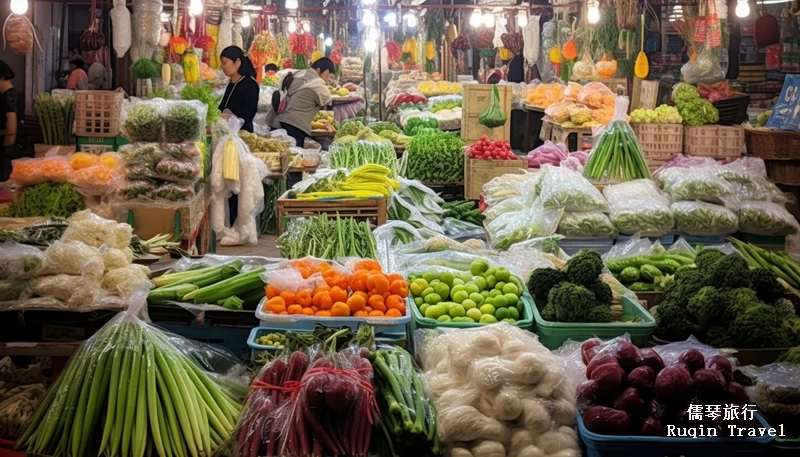
Take your time walking through. Watch how people choose, ask questions, compare prices. Don’t be shy about pointing or using simple gestures—it works more than you’d expect. Bargaining still happens, especially at Panjiayuan, and it’s part of the interaction, not a confrontation.
These markets aren’t curated for visitors—they’re part of everyday Beijing. And once you settle into that pace, the city starts to feel much more approachable.
3. Try Local Eats
My first real meal in Beijing wasn’t in a famous restaurant—it was a tiny place with no English menu, where I pointed at what others were eating. That’s when I understood: food here isn’t just about dishes, it’s about rhythm, habit, and comfort.
If you’re figuring out how to experience Beijing local markets through food, skip polished restaurants and head to areas like Dashilar or Ghost Street. Look for busy, casual spots—that’s usually your best signal.
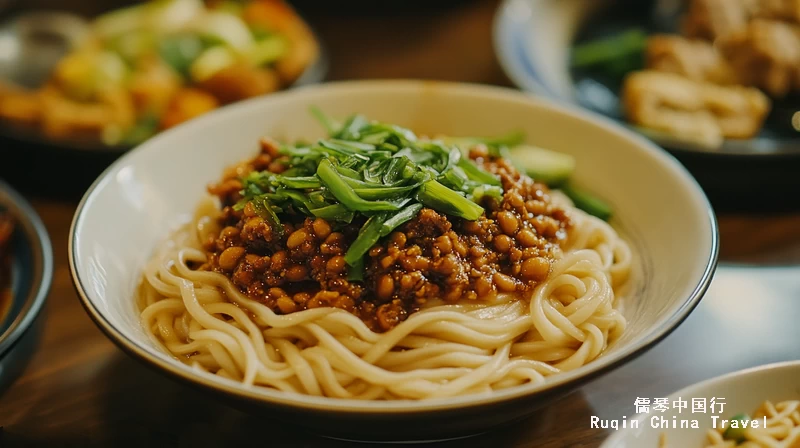
Start simple. Grab a hot jianbing from a street stall in the morning, or chuan’r skewers in the evening. Then try dishes locals actually grow up with: zhajiangmian (noodles with soybean paste), freshly made jiaozi, or a quick baozi on the go. If you’re curious, you can try douzhi—but go in knowing it’s an acquired taste.
What matters more than the “must-try list” is how you eat. Watch how locals order, share dishes, and mix everything together. Don’t worry if there’s no English menu—pointing works, and translation apps help.
Once you relax into it, eating in Beijing stops feeling intimidating. It becomes one of the easiest—and most memorable—ways to feel like you actually belong here, even if just for a meal.
4. Engage in Morning Exercises like a local
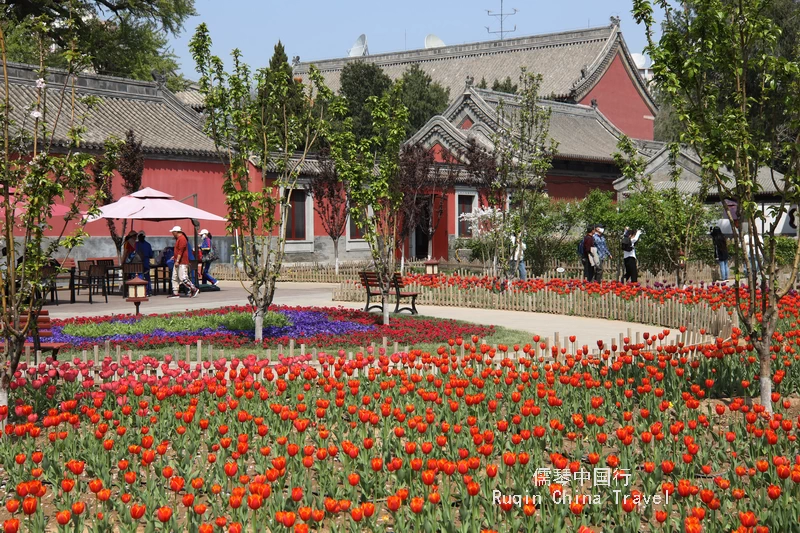
One morning, I wandered into a park just after sunrise and found groups already deep into their routines—slow Tai Chi movements, music playing softly, people stretching, laughing, completely at ease. No one was rushing. It felt like a different side of Beijing I hadn’t seen before.
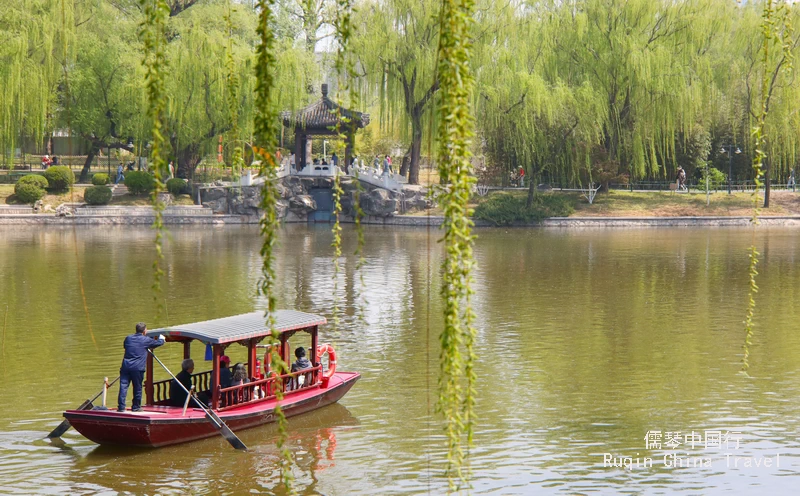
If you’re looking for the Best Spots for Morning Exercises, start with Temple of Heaven Park. It’s one of the most active places at sunrise, with locals practicing Tai Chi, dancing, even singing. Beihai Park offers a calmer lakeside setting, while Ritan Park feels more local and less crowded.
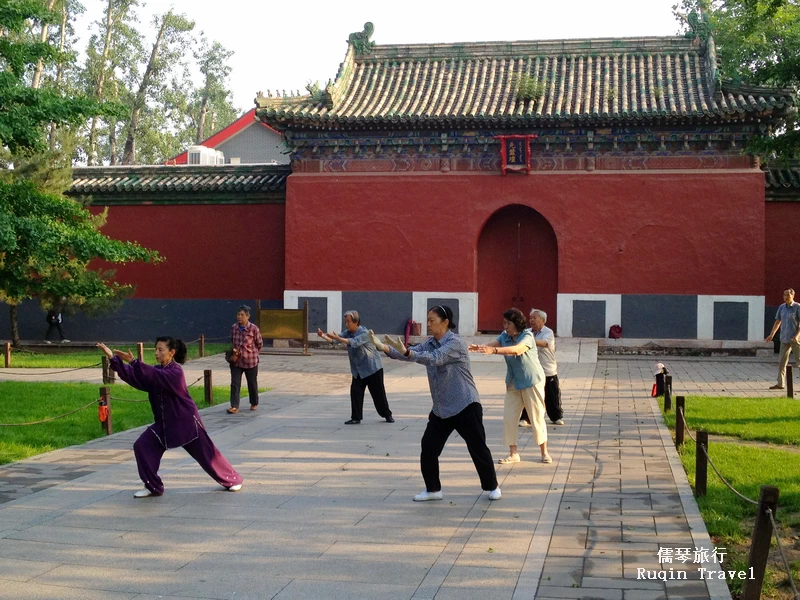
Go early—around 6 to 7 AM is when everything comes alive. You don’t need a plan. Just walk, observe, and if a group smiles or gestures, you can join in. No equipment, no pressure.
What surprised me most is how open it feels. These routines aren’t performances—they’re part of daily life. And once you slow down and follow that rhythm, even briefly, Beijing starts to feel much more personal.
5. Take Public Transportation like a local
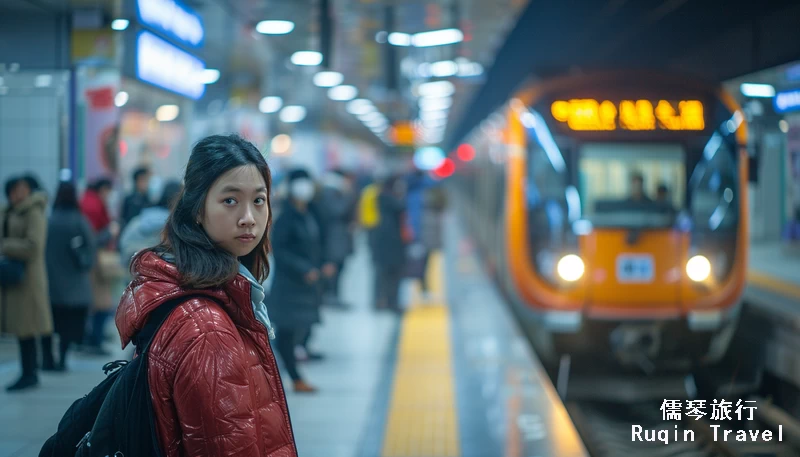
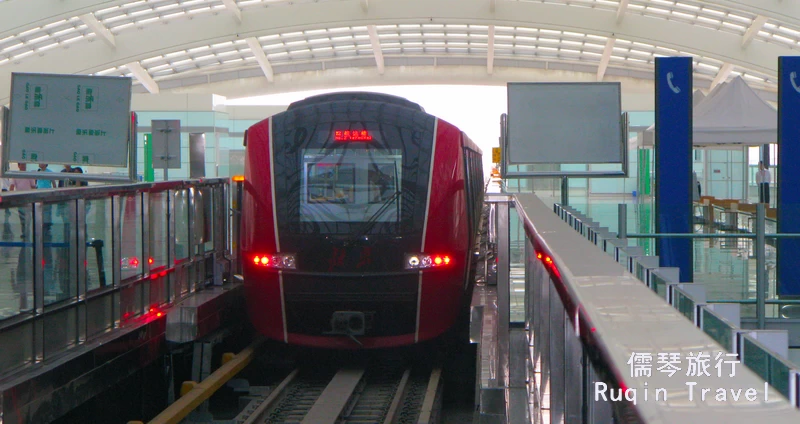
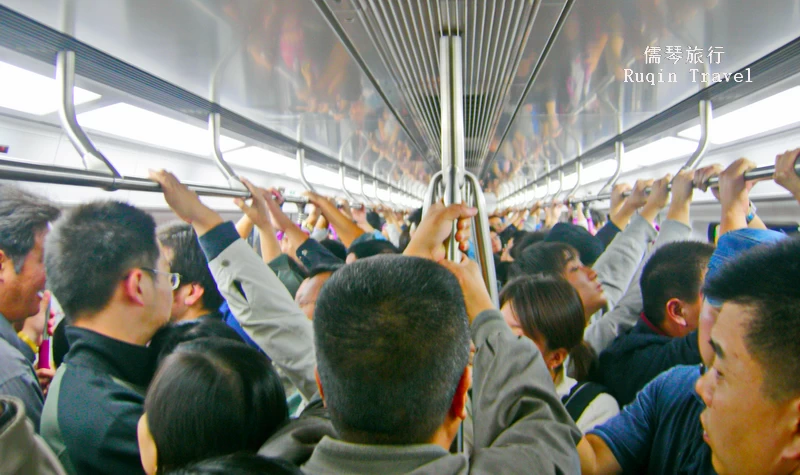
My first subway ride in Beijing was a bit of a shock—fast, crowded, incredibly efficient. Within a few stops, I realized this is how the city really moves. Not by taxis or tours, but underground, shoulder to shoulder with everyone else.
If you want to Take Beijing Public Transportation like a local, start with a transport card (often called a Beijing Pass) or just use your phone for mobile payments. The subway is your backbone—it’s clean, reliable, and covers almost everywhere you’ll need. Buses fill in the gaps, though they take a bit more patience.
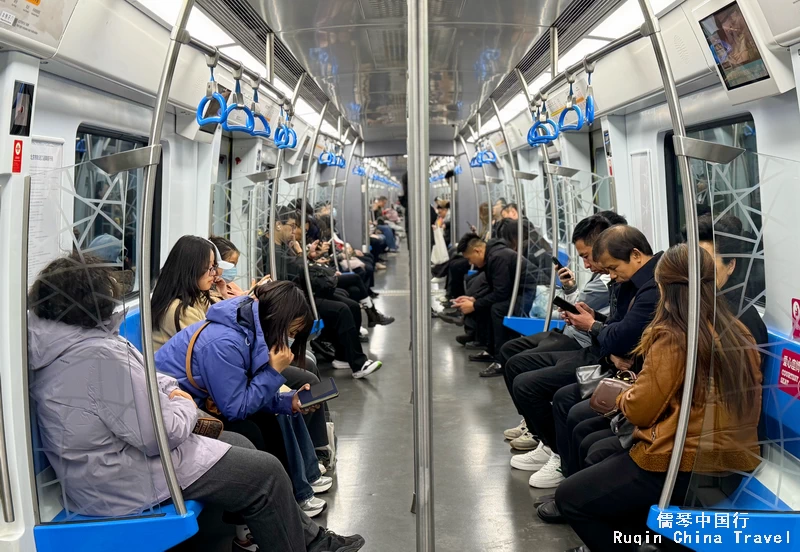
Before heading out, glance at the subway map and mark your stops. It looks overwhelming at first, but it quickly clicks after a ride or two. Try to avoid peak hours (roughly 7–9 AM and 5–7 PM) if you can—the crowds are real.
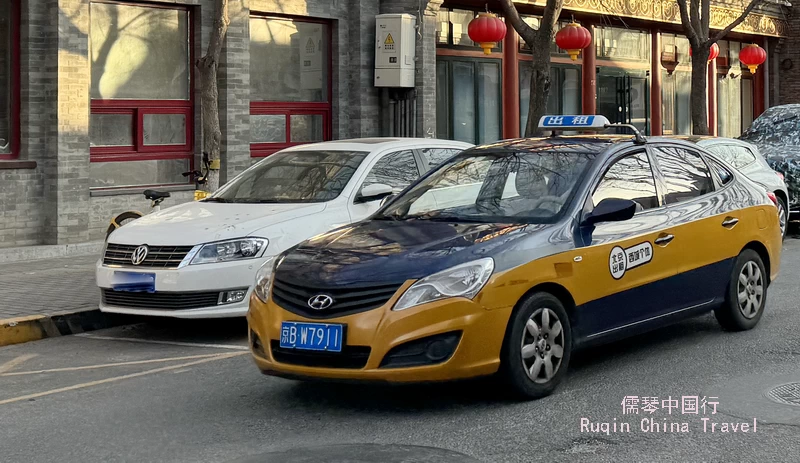
For shorter trips or late nights, apps like DiDi make things easy, even without speaking Chinese.
What I’ve come to appreciate is that public transport here isn’t just practical—it’s revealing. You see students, office workers, families, all moving through their day. And somewhere between stations, Beijing starts to feel less like a destination and more like a living, breathing city you’re part of.
6. Experience Beijing’s Nightlife
The first night I stayed out in Beijing, I didn’t plan much—I just followed the noise. One turn led into a hutong bar, another opened up to a busy food street, and suddenly the city felt completely different from the daytime.
If you’re wondering how to experience Beijing’s nightlife, start around Gulou. The bars here are tucked into hutongs—small, relaxed, and full of character. Not far from there, Houhai Lake comes alive at night, with live music spots like East Shore Live Jazz Café offering a slower, more intimate vibe.
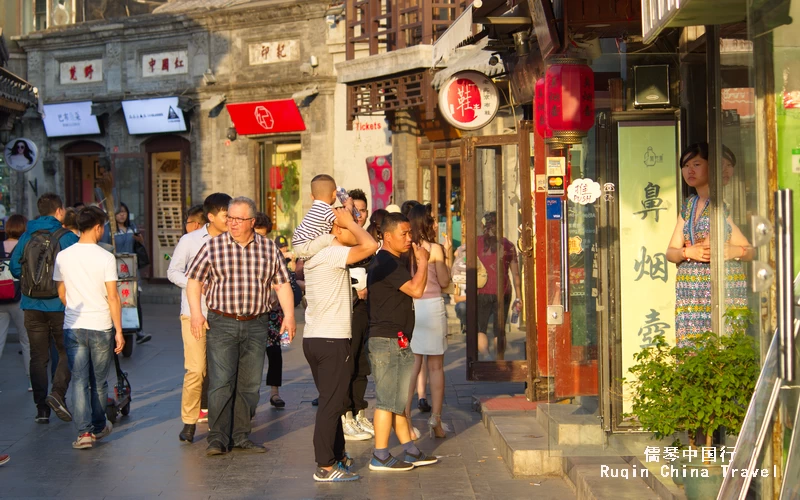
If you want something more energetic, head to Sanlitun. It’s louder, more international, and packed with bars and clubs that stay busy late.
For something more local, walk through Ghost Street or Wangfujing at night. You’ll find street food, bright lights, and that constant buzz of people eating, talking, lingering.
There’s no single “right” way to do nightlife here. Some nights are loud, others are slow. But once you step out after dark, you start to see how layered Beijing really is—and how much of it only shows up at night.
7. Visit Local Temples to Experience Beijing
The first time I stepped into a temple in Beijing, the city noise just faded. There was incense in the air, quiet footsteps, and people moving with a kind of calm focus. It didn’t feel like a tourist stop—it felt lived-in, meaningful.
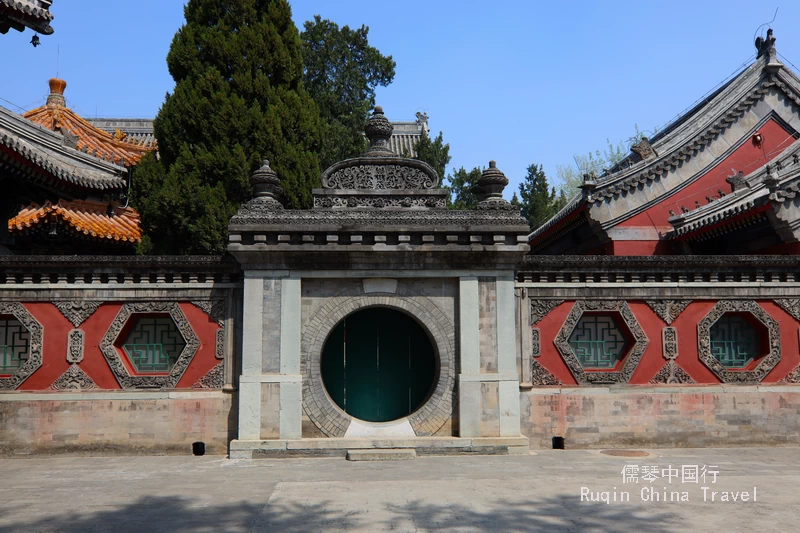
If you’re curious how to experience local temples in Beijing, start with Yonghe Temple. It’s active, not just historic—locals come here to pray, especially in the mornings. Just a short walk away, Confucius Temple feels quieter, more reflective, with stone tablets and shaded courtyards that invite you to slow down
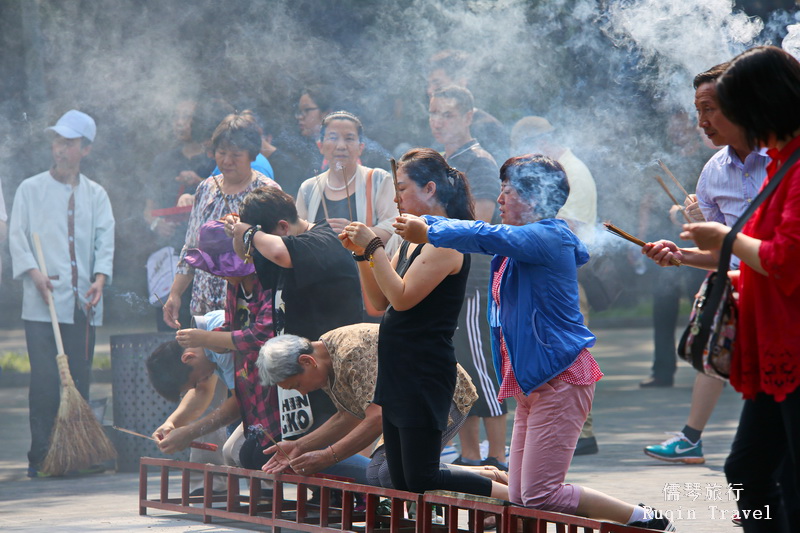
For something less visited, I like Fayuan Temple. It’s older, more understated, and often nearly empty. You can actually hear the wind through the trees.
The key here isn’t just what you see—it’s how you move through the space. Dress simply, keep your voice low, and watch how locals light incense or pause in front of statues. You don’t need to fully understand the rituals to respect them.
Try to go early in the morning if you can. The light is softer, the crowds are thinner, and the atmosphere feels more genuine.
These temples aren’t just part of Beijing’s past—they’re part of its daily rhythm. And spending even a short time there gives you a quieter, deeper connection to the city.
8. Attend a Traditional Chinese Performance
The first time I watched a performance in Beijing, I didn’t understand every detail—but I didn’t need to. The colors, the movements, the music—it all pulled me in. It felt like stepping into a different layer of the city, one that’s been preserved and passed down quietly over time.
If you want to experience a traditional Chinese performance, start with National Center for the Performing Arts. Seeing Peking Opera here is special—the costumes, makeup, and gestures all carry meaning, even if it’s your first time. For something more energetic, Red Theatre hosts acrobatics shows that are fast-paced and easy to enjoy.
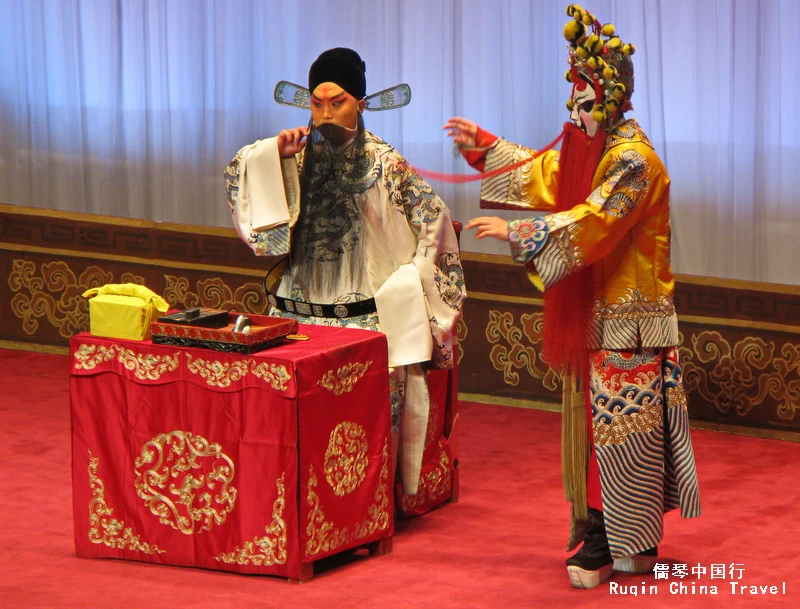
If you prefer something smaller and more relaxed, Lao She Teahouse is a great introduction. You can sit with tea while watching a mix of opera, folk music, and face-changing performances.
Try to arrive a little early and just take in the atmosphere—it helps you settle into the experience. Some shows offer English subtitles, but even without them, you’ll still feel the rhythm of the story.
These performances aren’t just entertainment. They’re a glimpse into how history, storytelling, and art still live inside modern Beijing—and once you see one, the city starts to feel a little deeper.
9. Explore Beijing’s Art Scene
The first time I walked into Beijing’s art districts, it didn’t feel like a museum—it felt raw, experimental, a little unpredictable. One gallery was completely silent, the next full of bold installations. It’s a side of Beijing that’s modern, creative, and constantly changing.
If you’re wondering how to experience Beijing’s art scene, start with 798 Art District. You can easily spend a few hours here moving between galleries, small studios, and cafés set inside old factory buildings. Some spaces are polished, others feel almost hidden—that mix is part of the experience.
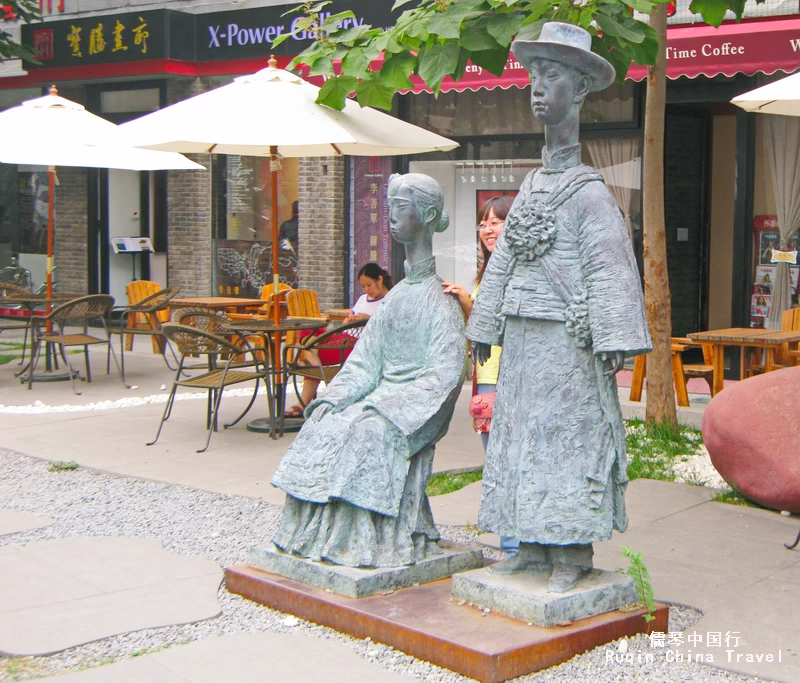
Then, if you want something less commercial, head to Caochangdi Art District. It’s quieter, more experimental, and gives you a deeper look at contemporary Chinese art.
The best way to explore is slowly. Walk in without a fixed plan, step into galleries that catch your eye, and don’t worry about “understanding” everything. If someone’s around, a simple question can often turn into a conversation.
Weekdays are usually calmer, which makes a big difference. And yes, bring your camera—but some of the best moments here aren’t just what you see, it’s the feeling of discovering something unexpected.
This is where Beijing feels current—still rooted in its past, but constantly reimagining itself.
10. Explore Non Touristy Attractions
One afternoon, I stepped away from the main sights and ended up in a place with almost no crowds—just quiet paths, a few locals, and space to actually take it in. That’s when Beijing started to feel personal, not just impressive.
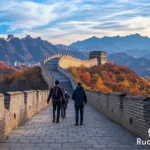
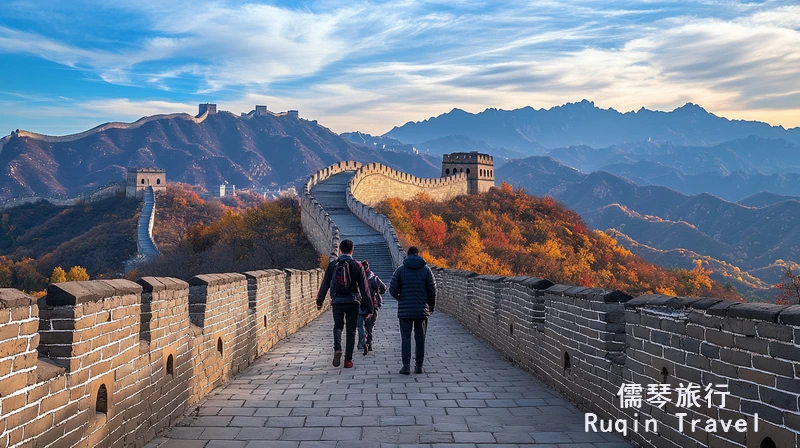
If you want to experience non touristy attractions, look beyond the headline spots. Places like the Bell Tower give you history without the rush, while quieter sections of the Great Wall let you feel the scale without the crowds.
For something different, visit the Beijing Ancient Observatory. It’s small but fascinating, with old astronomical instruments that most travelers miss. If you want somewhere calm, Fayuan Temple is still one of my favorite places to slow down.
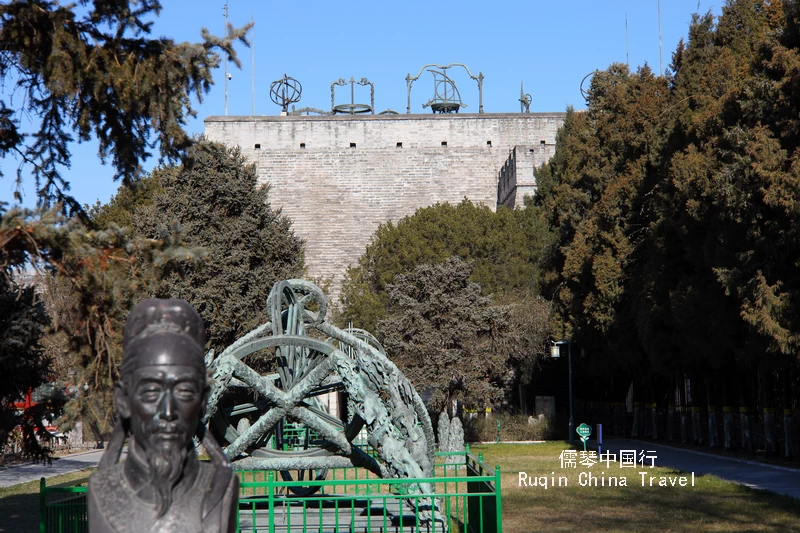
And when the city feels intense, head out to the Beijing Botanical Garden. It’s quieter, greener, and gives you space to breathe.
Try to go on weekdays and give yourself time to wander without a tight plan. These places don’t shout for attention—but that’s exactly why they stay with you.
Experiencing Beijing like a local isn’t about checking off sights—it’s about settling into the city’s rhythm. It’s in the early mornings, the side streets, the meals you didn’t plan but remember.
If you slow down, stay curious, and follow everyday life, you’ll start to experience Beijing like a local in a way that feels natural—not forced. And that’s when the city really opens up.
About the Author
Ruqin is the founder of Ruqintravel.com and has spent more than four decades working in China’s travel industry. Drawing on hands-on experience in cities like Beijing and Hangzhou, he personally researches and updates each guide to help international travelers navigate China with confidence.
Further Reading
Beijing Hutongs: Best Ones to Visit, Tips & Local Insights
Top 10 Beijing Markets: Locations, Transport & What to Buy
Best Beijing Hutong Walking Tours: Routes, Maps & Local Tips
Nanluoguxiang: Maps, Shopping, Bars, Cafes, Food, Hutong & Tips
Yandai Xiejie Street (Yandaixie): Map, Shops, Food, Sights & Tips
Beijing Dashilan Street: Map, Food, Shopping, Hotels & Travel Tips
Best Street Food in Beijing: What to Eat and Where to Find It
How to Visit Temple of Heaven: Maps, Tickets, Routes & Tips
Best Things to Do in Beijing at Night: Food, Shows, Sights & Tips
10 Hidden Gems: Non-Touristy Things to Do in Beijing